How to prevent and control pests and diseases in potted plants grown at home?
How to prevent and control pests and diseases when growing flowers at home
Flowers are masterpieces of nature, symbols of beauty, joy, purity, and happiness. They offer aesthetic enjoyment and are therefore beloved by many. With rising living standards, flower cultivation has become an important part of cultural life for countless families. However, flowers are often susceptible to pests and diseases. Mild cases result in poor growth and reduced ornamental value; severe cases can lead to the death of the entire plant. When facing pests and diseases, prevention is paramount. Prevention is always the first step; don't wait until problems are discovered before taking action, as that will make things much more difficult.
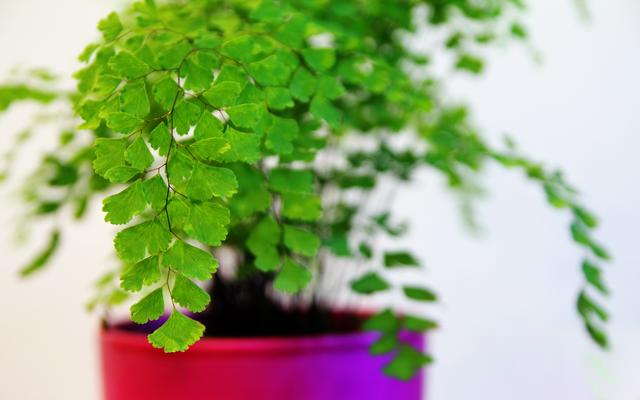
Therefore, we need to sterilize and disinfect the pots and soil when we first start planting. Before planting, you can mix a little carbendazim, insecticide, or wood ash into the soil. This can help treat or prevent bacteria and insect eggs. Secondly, it is not recommended to place flower pots in dark, humid, and hot places. You can place them on flower racks or in well-ventilated and well-drained areas. Regularly cleaning the surrounding environment is also essential. Weeds in the pots should be removed promptly, and don't forget to spray pesticides regularly for preventative purposes.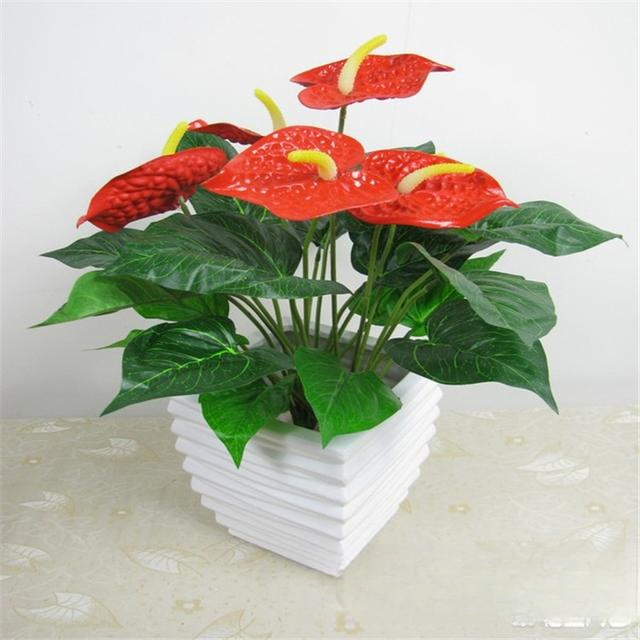
If you encounter pests or diseases, here are some prevention and control methods and experiences.
Detergent: You can dilute detergent, soap, or laundry powder with water and mix well to wash or spray the branches and leaves. However, be careful to only spray the branches and leaves and avoid polluting the soil.
Chili water: Boil chili peppers in water, let it cool, and then spray it on the branches and leaves to prevent pests.
Tobacco soaking solution: Take the tobacco from cigarettes you usually smoke, soak it in clean water for 2-3 days, take the clear liquid, dilute it with water, and spray it on the branches and leaves to prevent pests.
Wiping with vinegar and alcohol: You can use a cotton ball to apply vinegar or alcohol to the stems and leaves of the flowers. This can kill pests and make the leaves shinier.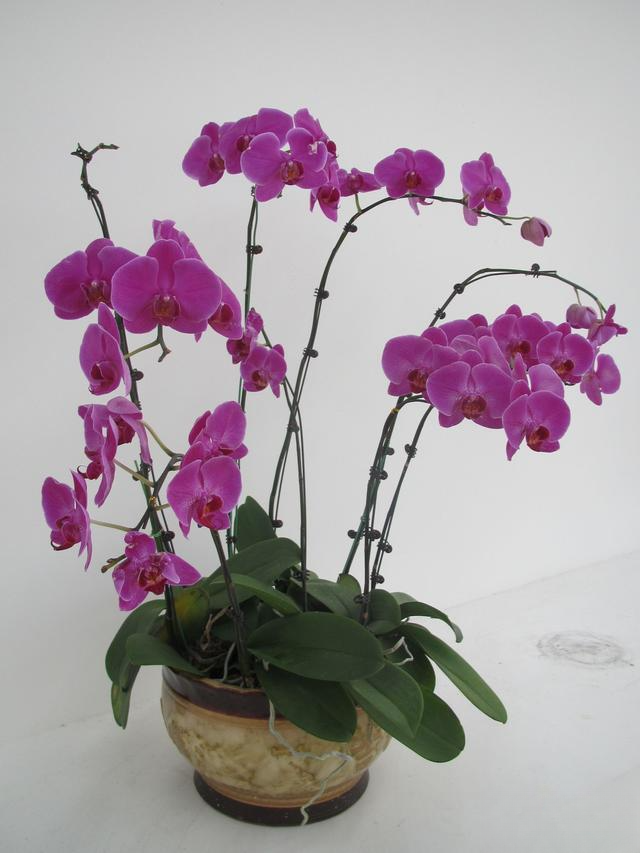
Powdery mildew: A white powdery substance appears on the upper or lower surface of the leaves. A solution of baking soda diluted with water can be sprayed onto the leaves to effectively prevent powdery mildew, with a control rate of up to 80%. Good ventilation is also important.
Gray mold: Gray mold is very easy to develop at low and high temperatures. A gray mold layer can be seen on the plant. Gray mold is a relatively difficult pathogen to treat. If it occurs, spray with fungicide in time.
Leaf spot disease: When it occurs, black or brown round or irregular spots appear on the leaves. Regularly remove dead branches and rotten leaves, prune the flowers frequently to prevent the branches and leaves from becoming too dense and causing the disease, and spray with fungicide in time when it occurs.
When plants show early symptoms of disease, pay attention to observation and treat them promptly. Focus on prevention rather than treatment; prevention is always the priority.