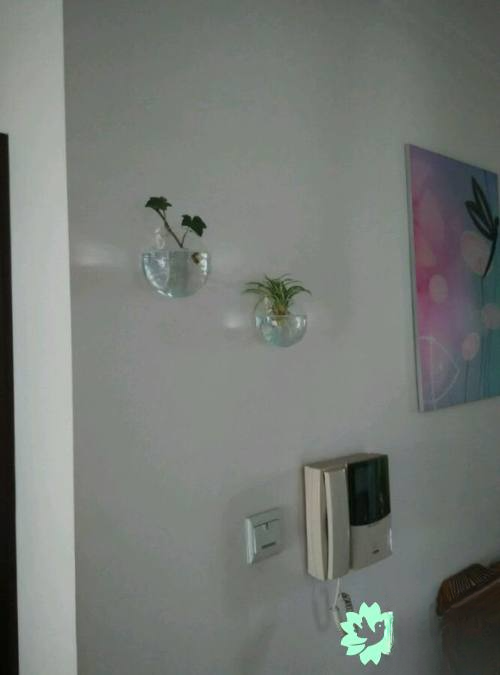
How to prevent and control pests and diseases in hydroponic flowers
Hydroponics protects flowers from soil-borne pests and diseases, but they are still susceptible to pests and diseases from their environment. Airborne fungi, bacteria, and viruses can still infect the stems and leaves of hydroponically grown plants, causing varying degrees of disease. Aphids and scale insects can be carried indoors by the wind and land on hydroponic plants to suck their sap. Moths lay eggs on plants, and the hatched larvae will also feed on the tender leaves and stem tips. Even plants that have been removed from their pots and washed before being hydroponically grown may still carry fungi, bacteria, viruses, insect eggs, and larvae; if not carefully inspected and removed, these can pose a threat.
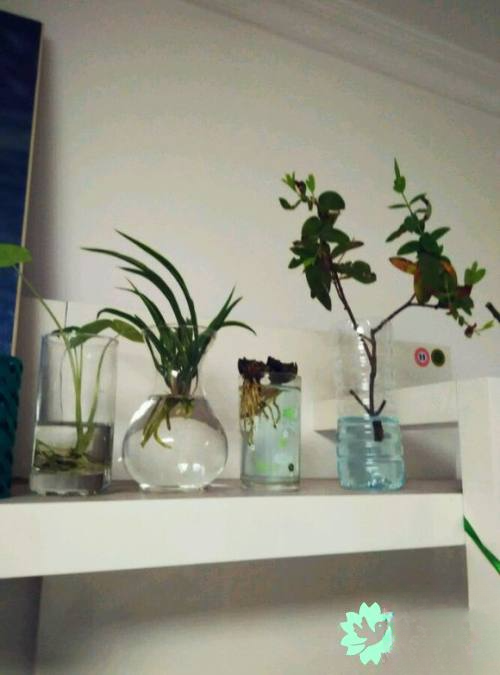
Due to the unique environment in which hydroponically grown plants are displayed, chemical pesticides should not be used to kill pests or diseases, nor should large doses of fungicides be used for sterilization. While these agents can kill pests and bacteria, they also pollute the environment. Therefore, prevention is key when dealing with potential pests and diseases in hydroponically grown plants.
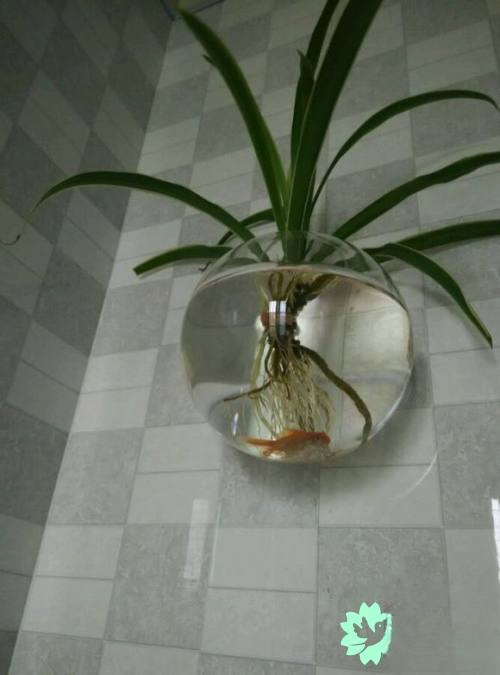
When selecting hydroponic plants, choose those that are robust, thriving, and free from pests and diseases. If pests are found during maintenance, they can be manually removed or rinsed off with tap water. Infectious diseases are rare in hydroponic plants; only a few leaves will show brown lesions, shriveling and necrosis, or irregular, wet-soaked lesions, caused by fungal or bacterial infections. If any are found, the entire affected leaf should be removed and burned to prevent further spread. For hydroponic plants experiencing stem detachment or root rot, plant renewal can be achieved by cutting a healthy stem about 3 cm below a node and placing it in clean water. After a period of care, new roots will grow, allowing it to become an independent plant.