How to prevent and control diseases and pests in flowers?
How to prevent and control diseases and pests in flowers?
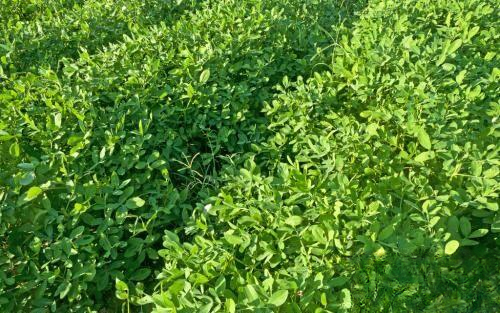
Answer: Peanuts need to be protected against three diseases, two rodents, and one insect. The three diseases are nematode disease, brown spot disease, and plant death disease; and the insects are squirrels, rats, and ground beetles.
Prevention and treatment of three diseases.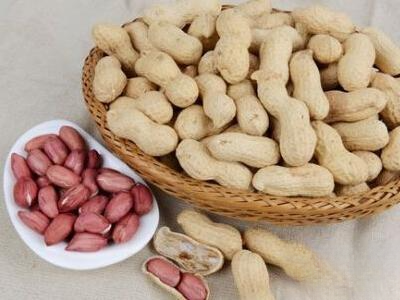
Nematode disease, also known as rehmannia disease, is extremely prevalent, affecting crops such as peanuts, soybeans, potatoes, cotton, sesame, tobacco, taro, and buckwheat. The nematodes and larvae overwinter as eggs in galls, on soil, manure, or plant debris. Eggs begin to hatch the following year when the average soil temperature reaches 10-12℃. Above 12℃, larvae hatch in large numbers. They invade the peanut radicle or young root tip, sucking sap and stimulating the vascular tissue of the young root, causing cell swelling and hindering nutrient transport. There are more than three generations per year, each generation lasting approximately one month. Higher temperatures accelerate the completion of a generation. Sandy loam soils are more severely affected. Dry years generally result in higher disease rates. Control methods include: ① Strictly implementing quarantine measures. ② Drying pods before storage can kill the nematodes within the galls, reducing long-distance spread. ③ Implementing proper crop rotation; rotating with gramineous crops for 2-3 years yields significant results. ④ Cut off the transmission route of pathogens, remove weeds and host plants, and clear away diseased and damaged plants to reduce pathogens. ⑤ Chemical control: Fumigate the soil with chloropicrin, or disinfect the soil with a 1500-fold dilution of trichlorfon solution, two weeks before sowing.
Plant death disease is a common and frequent occurrence, typically resulting in 10-20% crop loss, and in severe cases, the entire field may wither and die. This disease is a general term for a mixed occurrence of bacterial wilt and white mold, which farmers call "root rot." Plant death disease in flowering plants is caused by three different pathogens, with similar symptoms, all causing wilting. It is primarily soil-borne and thrives under hot and humid conditions. The optimal temperatures are 30-35℃ for bacterial wilt, 28-30℃ for white mold, and peak for root rot during the flowering and pod-setting stages. Control methods include: ① Proper crop rotation. ② Deep plowing and fumigation: pile dry grass and debris on the affected areas in the field, then fumigate the soil to kill bacteria and accumulate fertilizer. ③ Control underground pests and minimize root damage during cultivation. ④ Select disease-resistant varieties. ⑤ Mix approximately 10 catties of tea seed cake powder with 50 catties of lime per acre as base fertilizer; this can prevent root rot for 40 days. Early detection of central diseased plants and application of lime are highly effective. In the early stages of the disease, irrigating the scrotum with a 3% lime solution can be effective.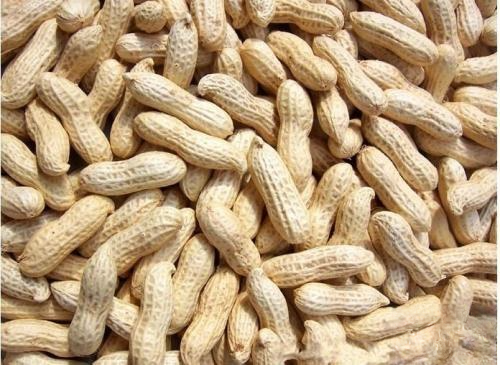
Brown spot disease is divided into brown spot and black spot, caused by two similar pathogens. Brown spot disease occurs earlier, with larger lesions and a distinct yellow halo around the edge; black spot disease occurs later, with smaller, darker lesions and a less pronounced yellow halo around the edge. In rainy and humid years, both diseases cause significant leaf drop, severely impacting yield. Spraying sulfur powder is very effective in controlling these two diseases.
Prevention of two types of rats: Squirrels and rats are eliminated using only poison bait.
Control of ground beetles. Ground beetles damage peanut seedlings and young pods, but cause minimal damage to mature seedlings and pods. Control methods include spraying with trichlorfon, or mixing chlorpyrifos or phosmet powder with soil and applying it to the ground.