When should you apply the first pesticide to control aphids on peach trees? You can choose the time, morning or evening, depending on the situation in your orchard.
If the orchard wasn't cleaned up in the spring, pesticides can be applied when the flower buds are showing red. I remember one year when the orchard wasn't cleaned up in the spring, the aphid infestation was particularly severe. When the flower buds started to sprout and the scales began to loosen, you could see the aphids moving around if you looked closely or with a magnifying glass.As temperatures rise, aphids reproduce rapidly. If the time for spraying is missed, aphid outbreaks can easily occur, severely impacting fruit yield and quality. Therefore, this issue cannot be ignored.
If aphids are not visible in the orchard, the infestation is relatively mild, and the application can be delayed for a few days. Apply the pesticide when the flower buds are still in the bud stage, before they open, with only a few scattered flowers showing signs of bloom. Timing is crucial; the second application should be about 12 days after flowering.I. During the inflorescence separation period, what is the status of diseases and pests on fruit trees, and how can we carry out prevention and control work?
The inflorescence separation period is a crucial time for the occurrence and control of fruit tree diseases and pests throughout the year. Overwintering pests and pests begin to emerge from hibernation, and effective pest and disease control during this period can significantly reduce the overall population of pests and pests for the entire year.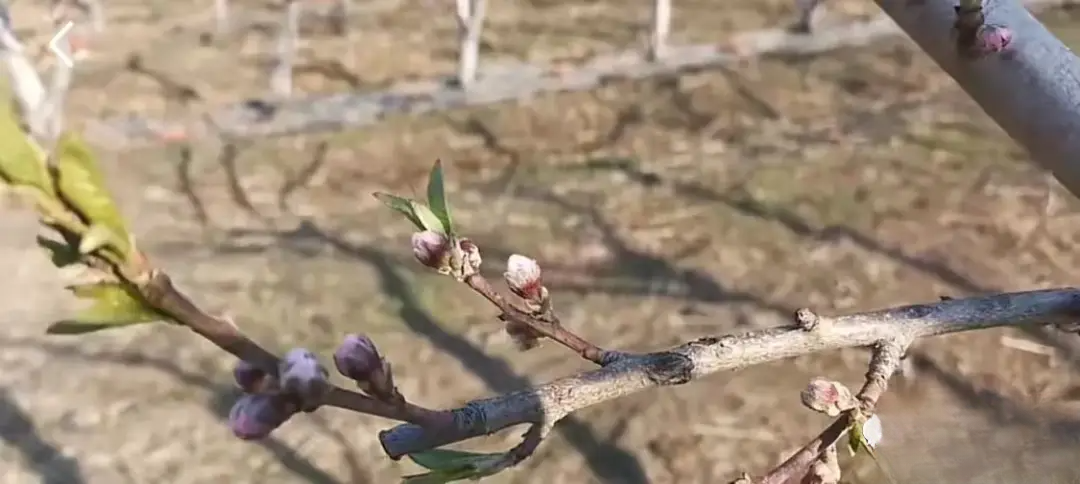
II. Characteristics of diseases and pests during the inflorescence separation period:Leafrollers overwinter as larvae in bark crevices, and their peak activity period is during the inflorescence separation stage.The golden-striped leafminer overwinters as a pupa in rolled-up fallen leaves, and the period of inflorescence separation is the peak period for overwintering adults to lay eggs and hatch.The scarab beetle overwinters as a larva in the soil, and the adults emerge from the soil to damage the flower buds during the inflorescence separation period.The woolly aphid overwinters as nymphs in wounds on trees and near underground roots, at which time it becomes active and its numbers increase dramatically.Two-spotted spider mites overwinter as eggs and adult females in bark cracks and soil. This period is the peak time for egg hatching and adult females to emerge from hibernation and lay eggs.The hawthorn red spider mite overwinters as female adults in bark crevices, which is the peak period for them to emerge from hibernation and lay eggs.Powdery mildew overwinters as mycelium on diseased buds. When the inflorescence separates, the diseased buds open, and the mycelium is exposed.The inflorescence separation period is when various pests and diseases change from a hidden state to an exposed state, and their numbers begin to rise continuously. Spraying pesticides at this time makes it easier for the pesticides to reach the pests and diseases, resulting in better control and easier operation. Currently, various fruit-growing areas are gradually entering the inflorescence separation period. It is hoped that fruit growers will carry out prevention and control work according to the actual conditions of their orchards.In fruit tree management, how to replace flowers with flowers; how to replace leaves with flowers to increase leaf area; how to slow down the elongation and weight gain of branches; how to reduce dense foliage; and how to promote budding or sprouting.
Third, “suppressing the top and promoting budding” can solve all the above problems.
Pinching off the terminal bud to promote bud growth involves removing the terminal bud of a branch. As we all know, fruit trees have apical dominance. By removing the terminal bud, we eliminate apical dominance, allowing nutrients to flow back and promote the budding of lower branches. When there are many flowers, we can pinch off the terminal flower buds of long fruiting branches. This can be called "flower-for-leaf" or "flower-for-flower," increasing leaf area, which ensures this year's yield and increases the number of fruiting sites for next year.
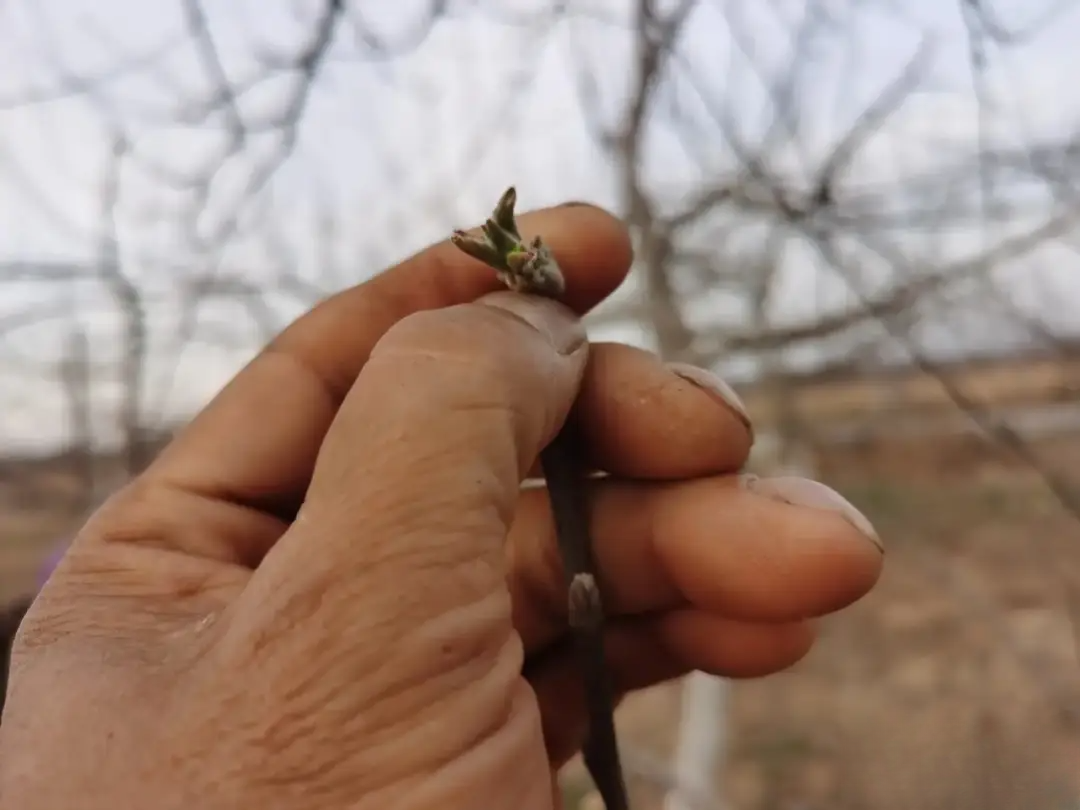
It can also suppress the apical dormancy of one-year-old branches, which reduces the rate at which branches grow longer and thicker, thus reducing the density of individual plants or the entire garden.
The specific steps for "suppressing budding and promoting sprouting" are as follows:
Suppressing the top and promoting new shoots is only for one-year-old branches or long flowering branches. When the branch length is less than 15cm, simply pinch off the top bud. When the branch length is greater than 15cm, twist the branch in the middle, only twisting it 90 degrees. This will damage the bark but not the wood. For long branches, twist every 7 buds from the top. This method is particularly effective for trees with excessive vigor (trees that do not easily flower), and can result in one year of growth, two years of flowering, and three years of fruit production.