How to prevent and control common diseases and pests of Sichuan pepper? (with pesticide formulations)
Sichuan peppercorns are a common spice, and they are cultivated on a large scale in many regions. Regardless of the crop, pest and disease prevention is crucial, and Sichuan peppercorns are no exception. Below, we'll look at how to prevent pests and diseases in Sichuan peppercorns!
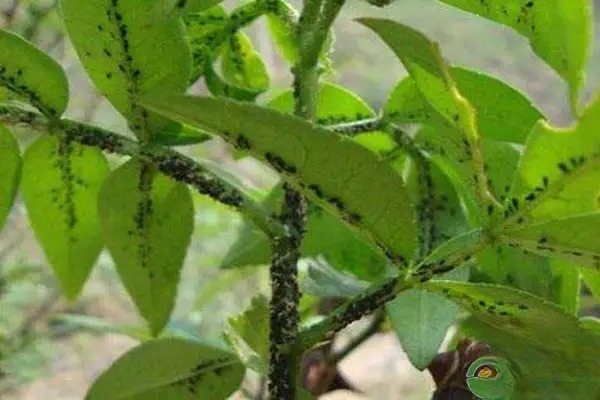
Sichuan pepper diseases and pests
Early spring frost damage to Sichuan pepper caused complete crop failure in some areas. In areas with milder frost damage, pests and diseases were prevalent. Yellow aphids, gall aphids, and scale insects proliferated in March and April, while resistant aphids and yellow aphids intensified in June and July. In some fields, aphids secreted honeydew, enveloping the leaves and pepper plants. When it rained, the leaves and pepper fruits turned black, leading to a high incidence of rust disease. Repeated pesticide application by farmers yielded little effect; some farmers even sprayed pesticides more than ten times a year, yet the peppers still turned black and dull, lacking vibrant color, severely impacting marketability and resulting in losses of tens of yuan per kilogram. Therefore, the following pesticide application plan is recommended for effective pest and disease control in 2019:
I. Spring orchard sanitation, primarily targeting scale insects, jewel beetles, overwintering aphids, rust, and bacterial wilt, combined with amino acid-based nutrient supplementation for branches and stems to prevent frost damage, protect flowers and fruits. The following plan is provided for your consideration:
1. 48% chlorpyrifos 1000x + 10% imidacloprid 2000x + sulfur dry suspension 1000x + amino acids 100x + Pramphonda (vegetable oil) 2000x;
2. Thiazide chlorpyrifos 1000x + 10% imidacloprid 2000x + mineral oil·lime sulfur 1000x + amino acids 100x.
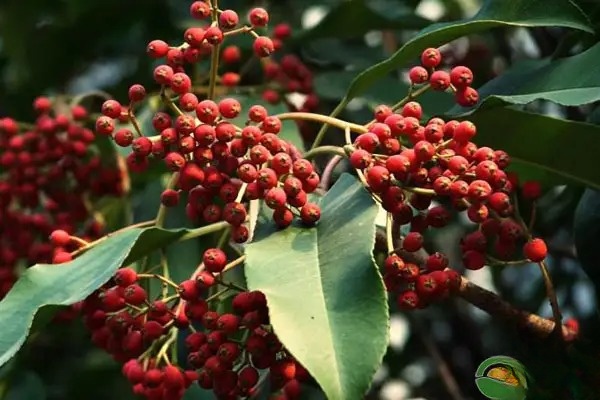
II. Application of pesticides during the inflorescence separation stage, mainly targeting aphids and scale insects, for frost protection, flower preservation, and fruit preservation.
1. 20% carbofuran at 1500x dilution + 10% imidacloprid at 2000x dilution + 0.004% brassinolide at 1000x dilution + boron at 800x dilution + oxytetracycline at 1500x dilution + kasugamycin at 600x dilution;
2. 48% chlorpyrifos 1500x + 10% imidacloprid 2000x + Super 50 1500x + boron 800x + Pram-Fonda (vegetable oil) 2000x.
III. For the control of resistant aphids, yellow aphids, gall aphids, cottony scale, and rust diseases, the following methods are recommended:
1. Abamectin·Spirotetramat 2000x + 70% Imidacloprid 3000x + 40% Tebuconazole 3000x + Super 50 1500x + Calcium Humate 800x + Euliway 1500x;
2. 1500x dilution of pymetrozine + 1500x dilution of 20% carbofuran + 1000x dilution of sulfur dry suspension + 1500x dilution of Yundaquan tree fruit + 800x dilution of amino acid calcium + 2000x dilution of Pulanfengda (vegetable oil).
IV. For blackening of pepper fruits and leaves caused by rust, aphids, and honeydew, the following solutions can be adopted:
Sulfur dry suspension 800x + peracetic acid 300x + 20% carbofuran 1000x + 25% pymetrozine 1500x + potassium sulfate 800x + Pram-Fonda (vegetable oil) 2000x.
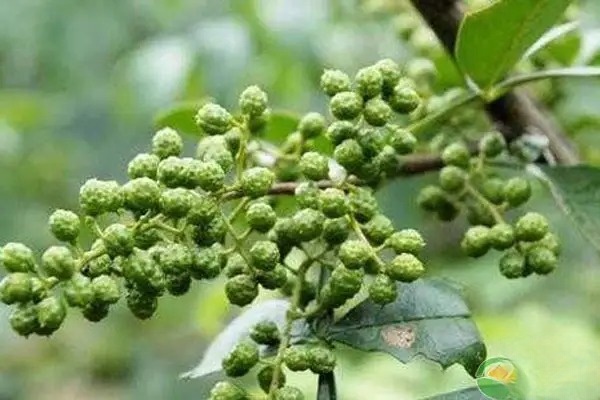
The above is an introduction to pesticides for controlling pests and diseases in Sichuan pepper. The article provides specific pesticide control methods for common pests and diseases. You can refer to this control plan when planting Sichuan pepper this year.