How to plan, plant, and care for a children's vegetable garden (Part 2)
Idyllic life
(I) Sowing and Planting
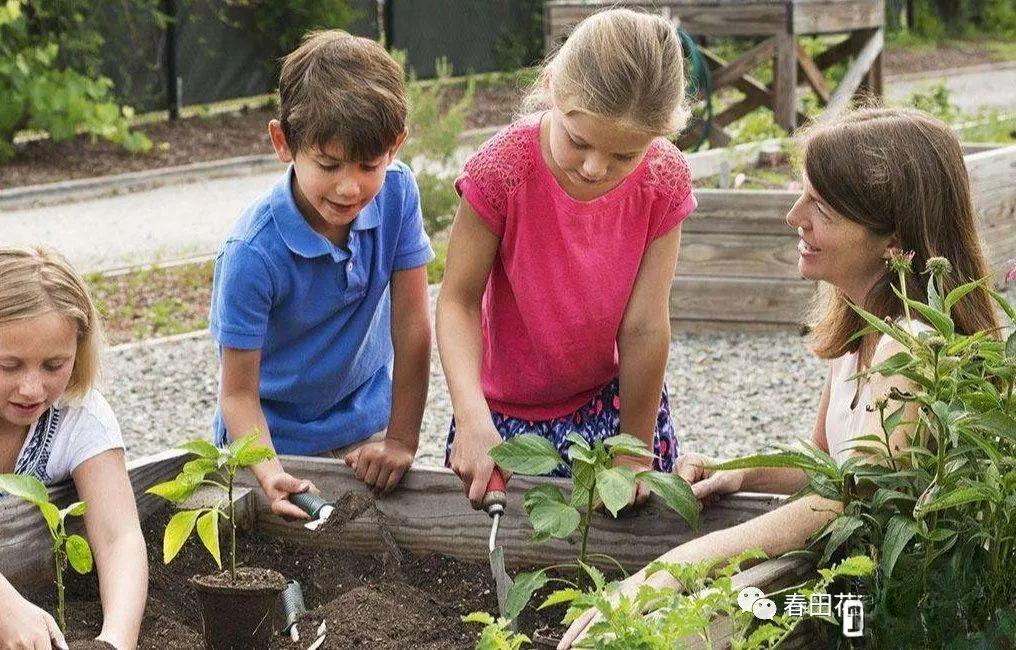
Before sowing seeds, it is essential to consider factors such as germination temperature and humidity, whether the seeds are expired, and whether they are suitable for sowing in the current season .
Advantages: Seeds are cheaper than seedlings ; the germination process allows children to experience the power of life, thus providing them with profound educational value .
Disadvantages: Seeds are relatively difficult to germinate, requiring a long time and more meticulous care .
① Seed propagation
After planting vegetables, some older varieties can be saved and grown year after year, so there's no need to buy all the seeds. However, most of us buy vegetable seeds from stores, and the vast majority are hybrid horticultural varieties. Continuing to save and grow the vegetables might surprise you.
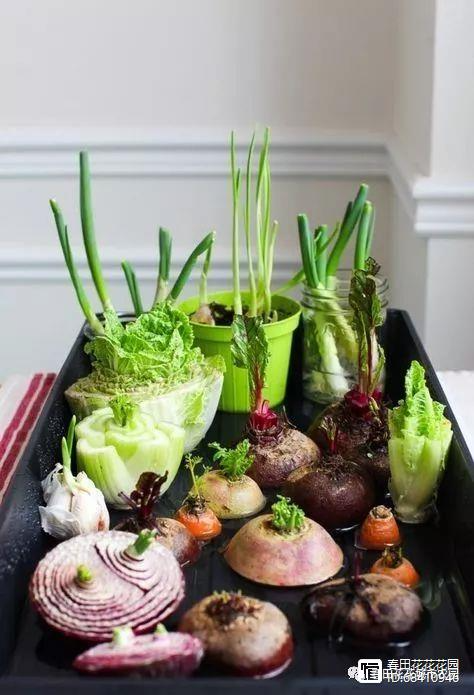
② Plant fission reproduction
You can also use the leftover roots or stems of vegetables to grow – such as scallions, garlic, chives, lilies, and other rooted vegetables. You can bury the white roots at the bottom in the soil and let them continue to grow.
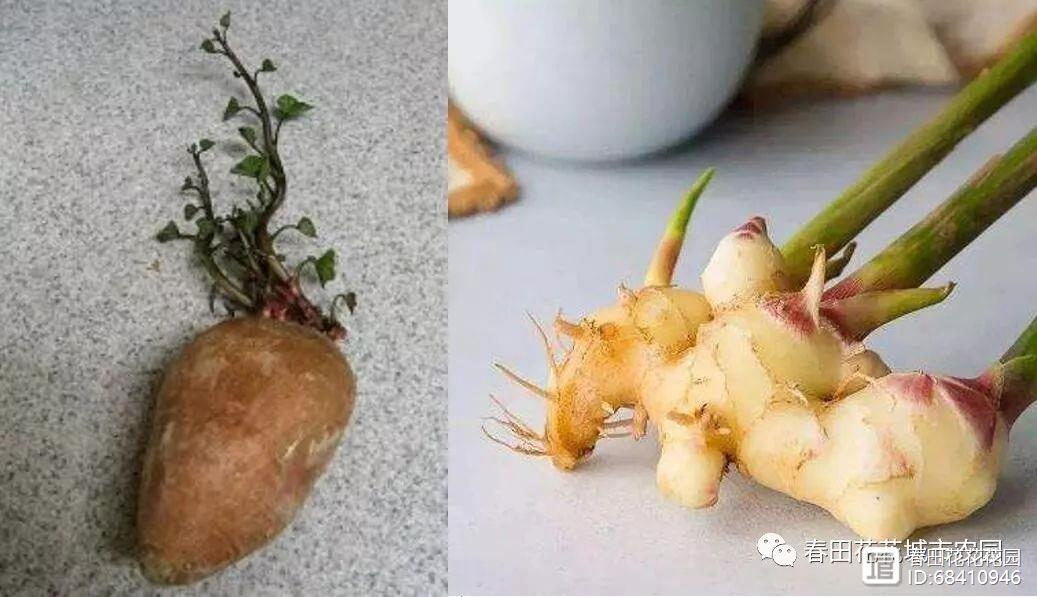
Potatoes, sweet potatoes, and ginger will sprout new shoots from their "eyes." Caution!! Sprouted potatoes are poisonous and should not be eaten, but you can cut them into small pieces and continue growing new potatoes in your garden.
① Direct sowing
Seeds can be planted directly in the ground or in a planting box at the appropriate time of year, watered, and left to germinate.
Advantages: Effortless and convenient , requires less water.
Disadvantages: Low outdoor temperatures mean that spring sowing will be delayed; low seed germination rate ; and difficulty in controlling seed density , requiring thinning during the growing season to provide sufficient space for plant growth.
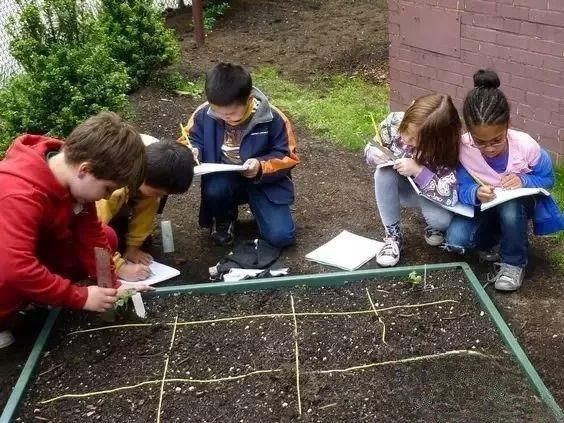
② Raise seedlings first, then transplant them.
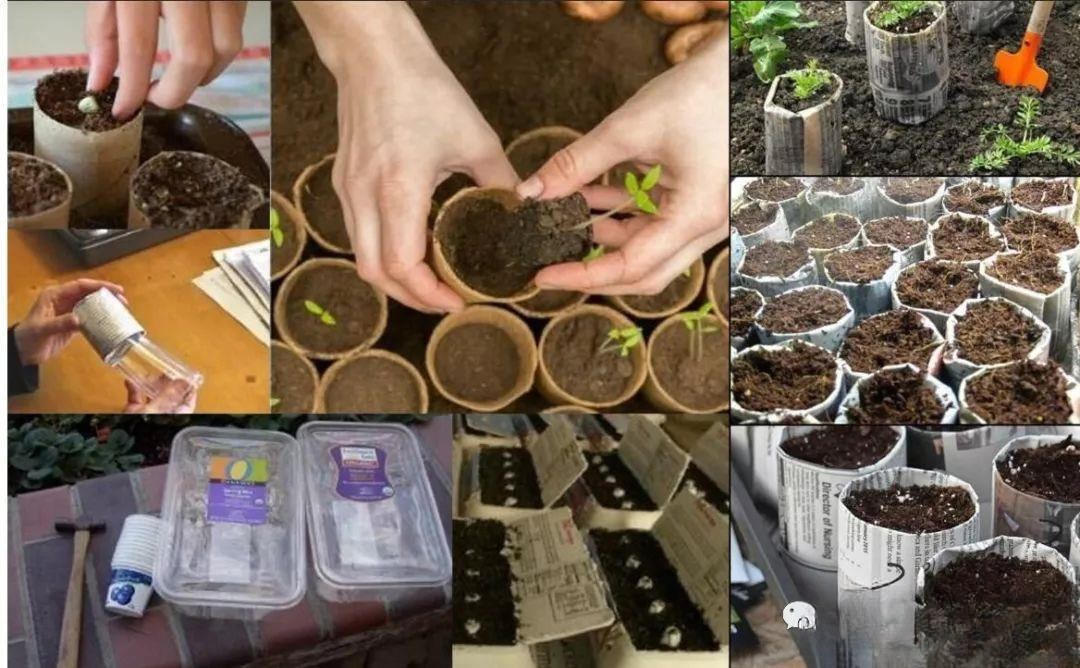
First, raise seedlings in small flowerpots or disposable paper cups, plastic boxes, or other containers. You can also use some biodegradable containers (such as egg cartons, toilet paper rolls, newspapers, etc.) to sow the seeds. Then plant the seedlings together with the container in the soil to reduce damage to the root system.
Advantages: Provides seeds with ample space to grow into strong seedlings, saving seeds; allows for convenient transplanting of the best-growing seedlings ; and makes it easier to maintain and prevent pests and diseases by starting seedling cultivation indoors or in a greenhouse in advance .
Disadvantages: Transplanting will be a rather tedious task ; the root systems of some edible root plants, such as radishes and potatoes, are easily damaged during the transplanting process.
(ii) Making vegetable labels
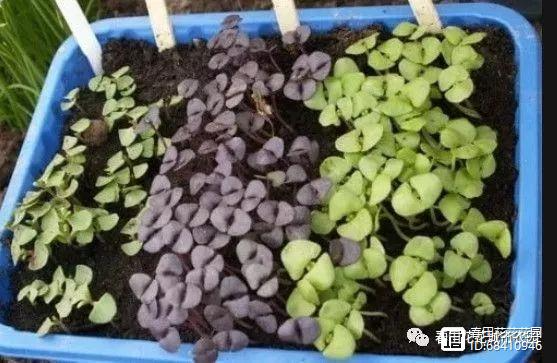
Labeling seeds or seedlings is also important, otherwise you might forget what kind of plant you planted. Here are some plant labeling methods for you and your child:
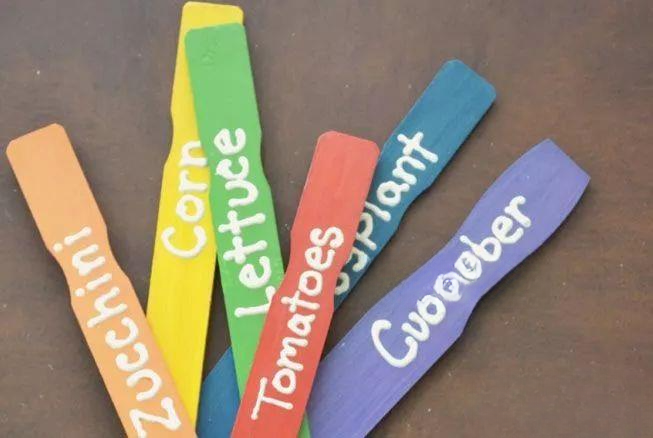
1. Collect popsicle sticks, paint them with bright colors, and write the names of the vegetables and the planting dates on them;
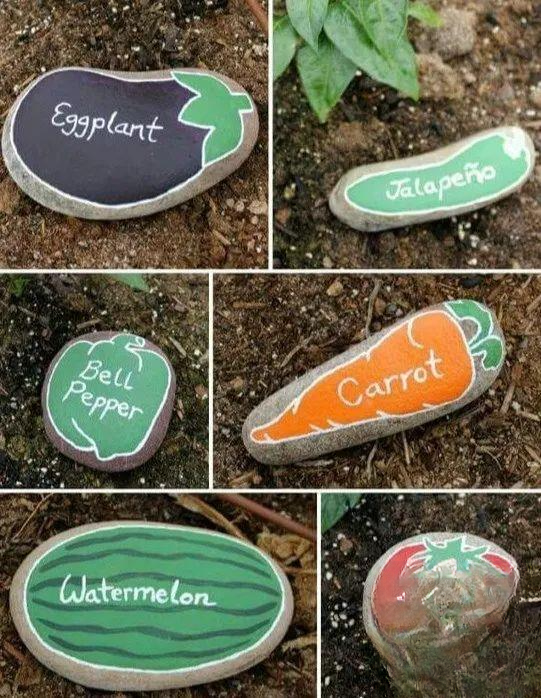
2. Draw vegetable patterns on smooth pebbles with waterproof paint and place them directly on the ground as labels;
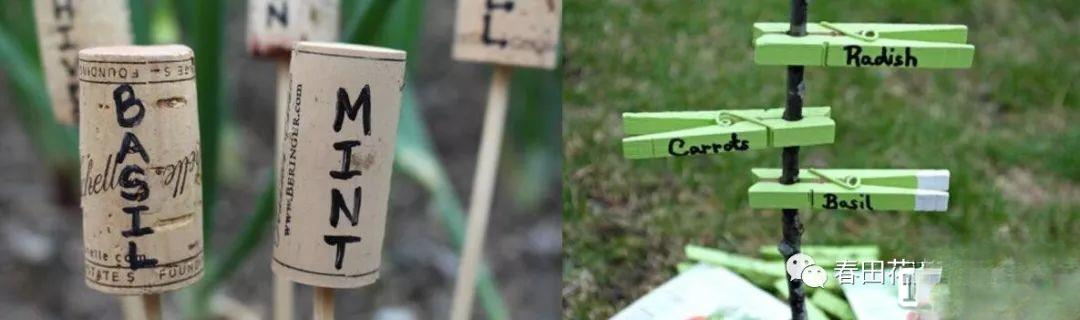
3. Make plant labels from recycled materials (such as wine corks) or from unused clothespins;
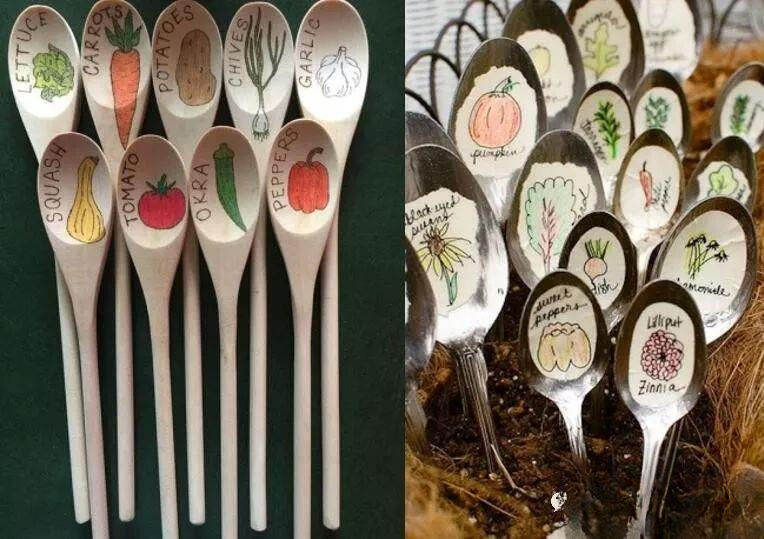
4. Disposable tableware that comes with takeout or cakes/desserts can also be collected and made into labels.
The process of making plant labels not only improves children's hands-on and drawing skills, but also provides an opportunity to unleash their creativity, observe, and learn about plants.
(III) Maintenance and Management of the Vegetable Garden
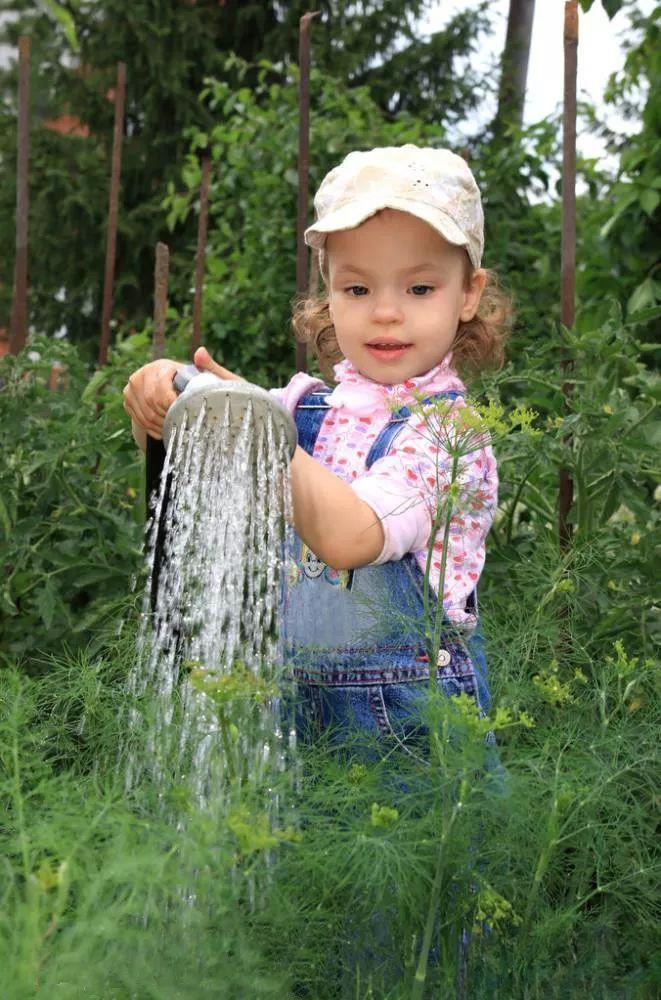
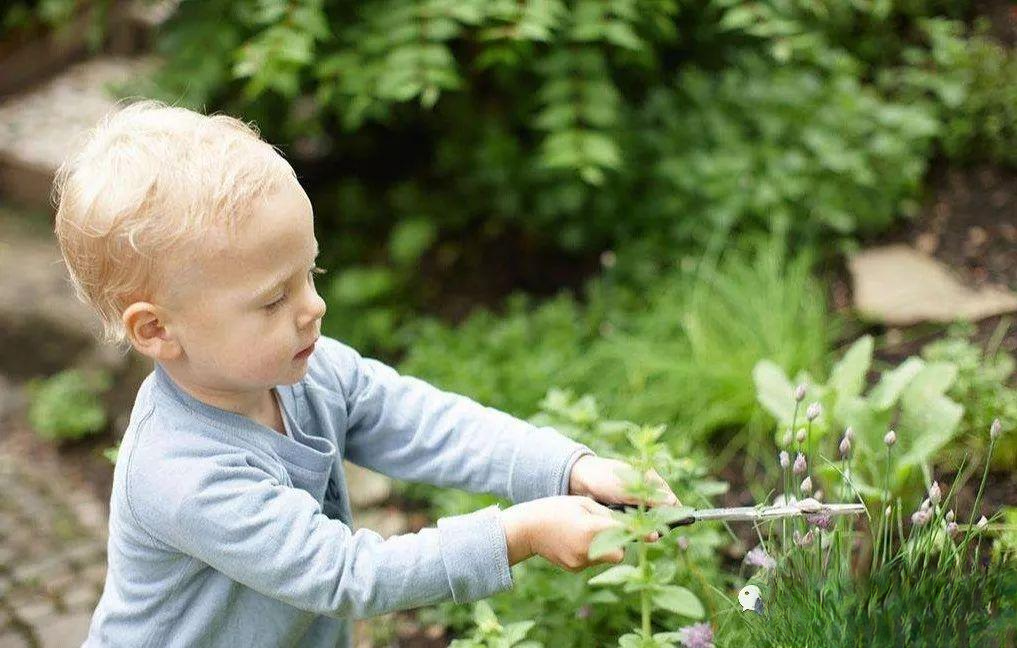
Children's safety is paramount in vegetable gardens, and every responsible adult should recognize this and take appropriate preventative measures. The following lists potential threats to children in vegetable gardens to draw everyone's attention:
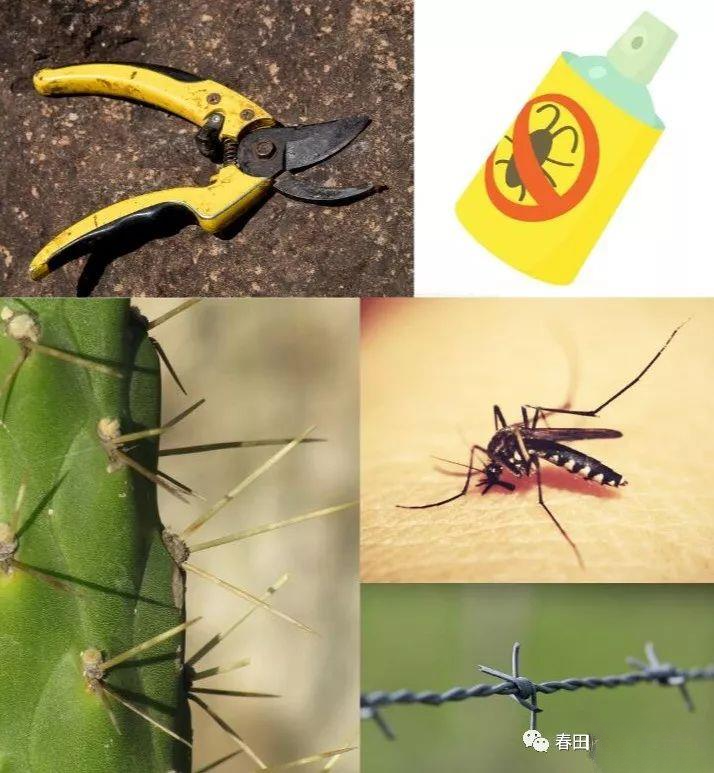
① Gardening tools with pointed tips or blades (scissors, pruning shears, lawnmowers)
② Chemicals used in horticulture (such as pesticides and herbicides)
③ Mosquito bites
④ Power tools and sharp utensils
⑤ Plants that have thorns, are poisonous, or easily cause allergies.
⑥ Barbed or damaged fences, walls, etc.
If you absolutely have to choose between power tools and hand tools, then we would definitely recommend using hand tools, because they are not only easier for children to operate and control, but also offer greater safety.
Tools needed for working in the vegetable garden:
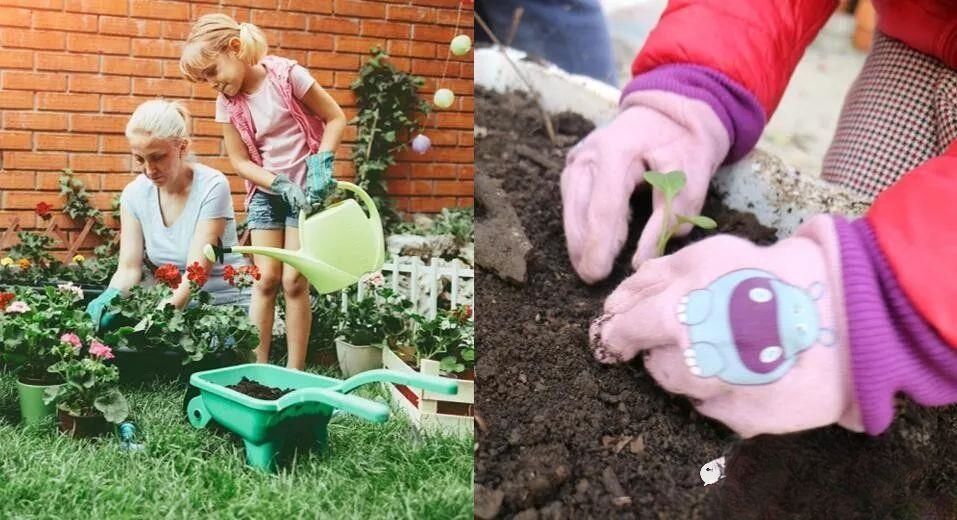
① Gloves: Essential, especially when weeding, to protect delicate hands from pricks or insect bites;
② Small wheelbarrow: Not a necessity, but it can help your children transport seedlings, potted plants or soil mixtures more easily in the vegetable garden;
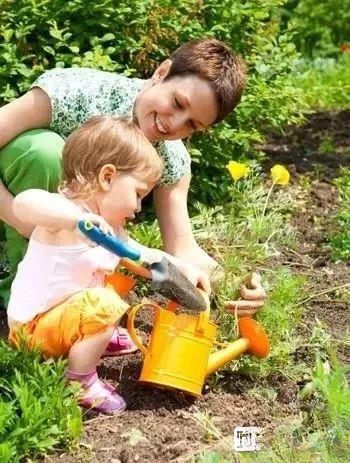
③ Small shovel/small spade: Hand tools that are the right size for a child can prevent injuries caused by unsuitable tools when digging, planting, spreading soil or covering.
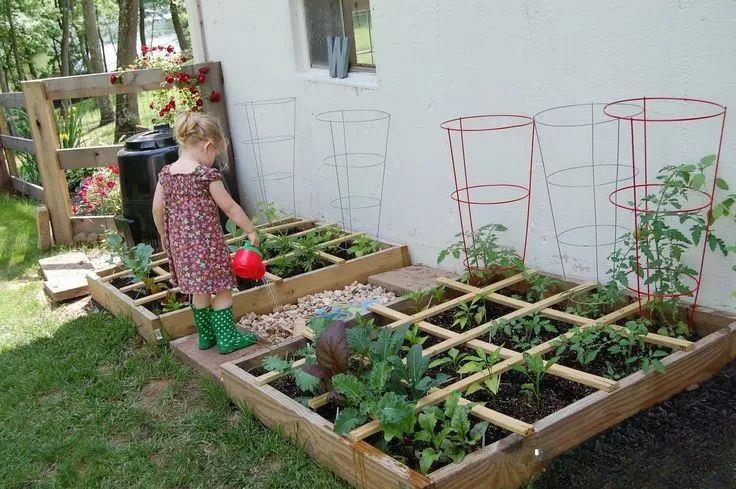
④ Watering can: Choose a watering can that is the right size for a child and has an interesting design. Having their own watering can will motivate children and make them more willing to water the vegetables.
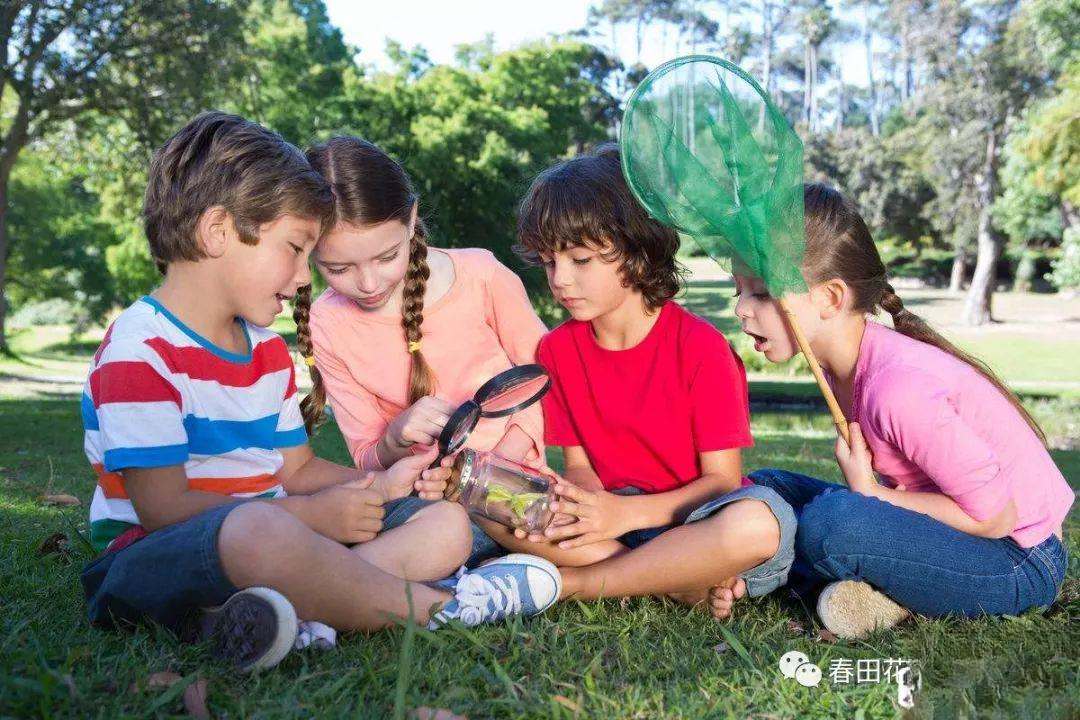
Vegetable gardens are home to many small insects. Some insects gnaw on leaves, causing great damage to vegetables; from our perspective, these are called "pests." Others are good friends of vegetables, preying on pests that feed on vegetables; we call these "beneficial insects."
Let's first get to know the common pests and beneficial insects in the vegetable garden:
Pests
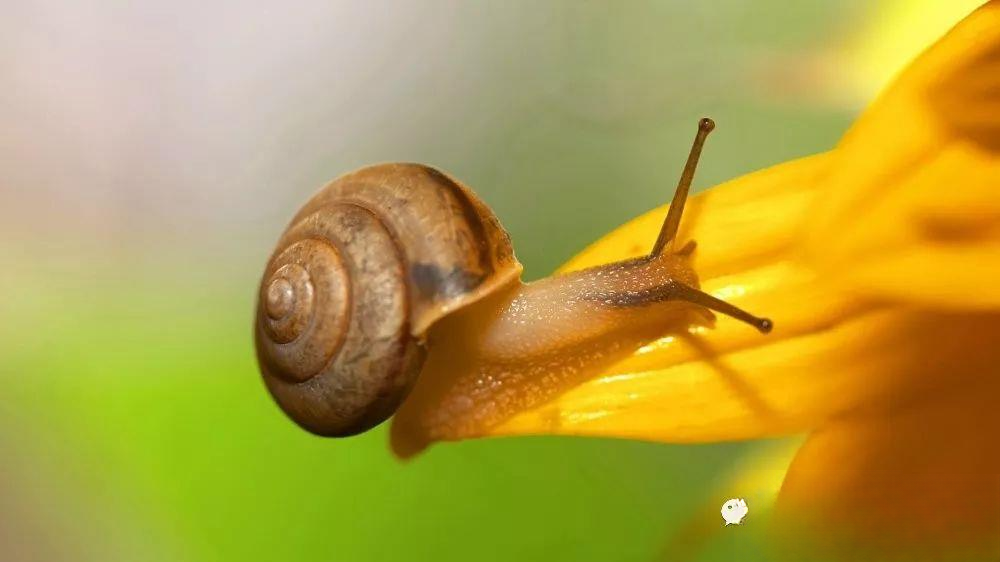
① Snails: They damage the leaf axils and undersides of vegetables near the ground in the morning and on rainy days when the vegetable garden is damp;
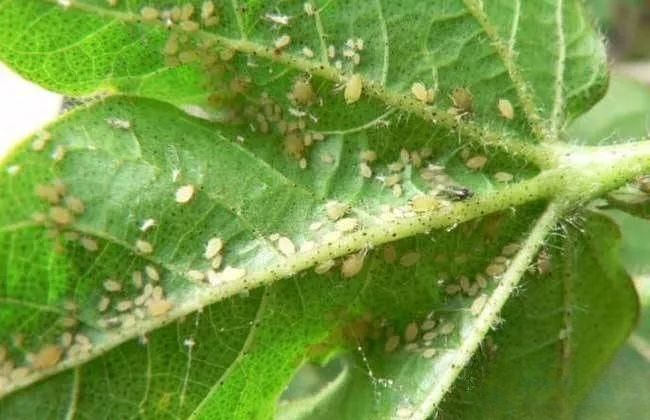
② Aphids: They damage the tender leaves and stems of vegetables, as well as the undersides of leaves near the ground or the tender shoots and leaves of seed plants in late spring, early summer, and autumn.
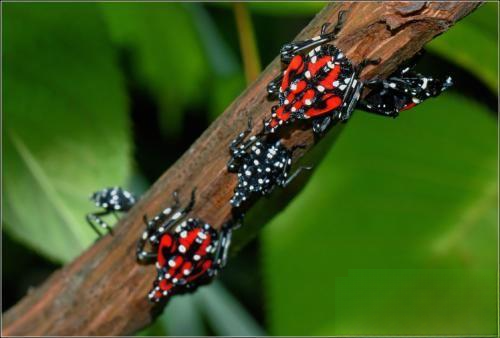
③ Spotted lanternfly: From June to July, when it emerges as an adult, it causes damage by piercing and sucking on the underside of leaves and tender shoots;
Beneficial Insects
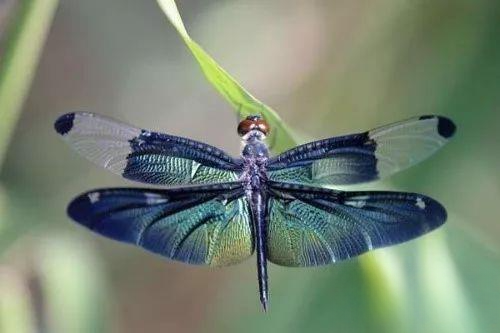
① Dragonfly: Preys on flies, mosquitoes, leafhoppers, and small butterfly and moth pests;
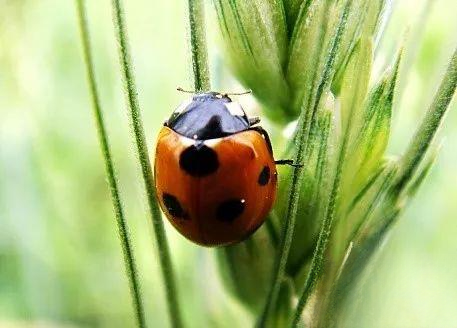
② Ladybug: Adults can catch pests such as aphids, scale insects, and ticks;
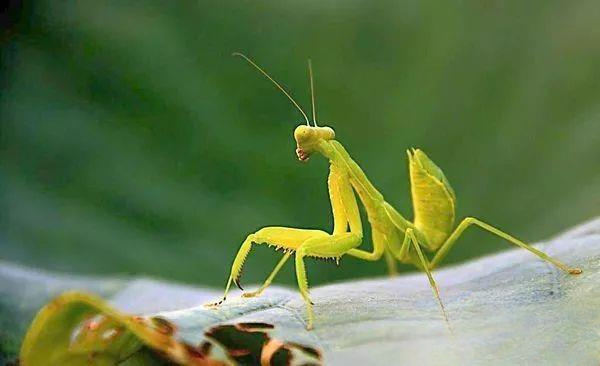
③ Mantis: It is an important natural enemy of agricultural pests, with flies, mosquitoes, locusts, moths and butterflies as its main prey.
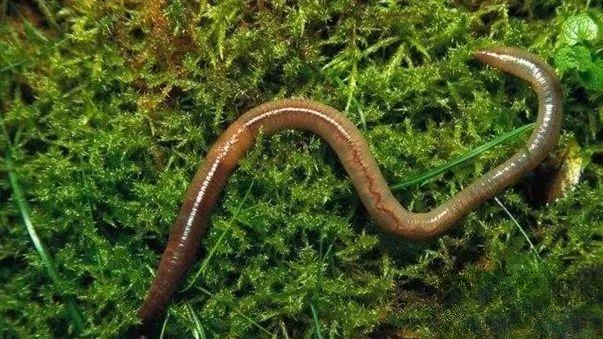
④ Earthworms: They can loosen the soil and decompose organic matter, thus improving soil quality;
⑤ Lacewings: They mainly prey on pests such as aphids, scale insects, and leafhoppers, as well as the eggs of these pests.
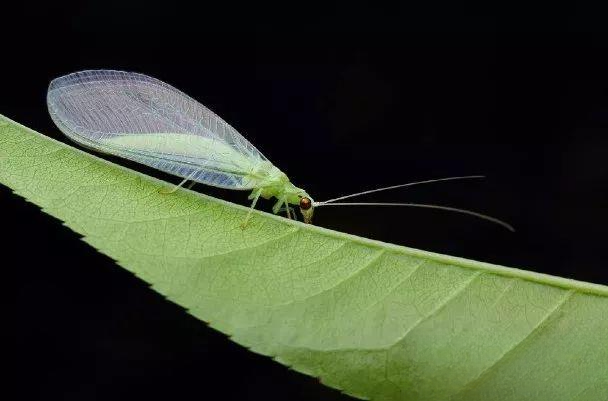
In nature, there is no strict distinction between pests and beneficial insects; they are all part of the ecosystem. Pests are not absolute either; larvae that gnaw on vegetable leaves pupate and become butterflies, becoming helpful pollinators for plants.
The tweet "How to Thoroughly Eliminate Garden Pests" details pest control methods , establishes ecological balance in the garden , and uses " pests to control pests" to achieve the most ideal and healthy method for pest prevention and control .
① Insect Ecological House
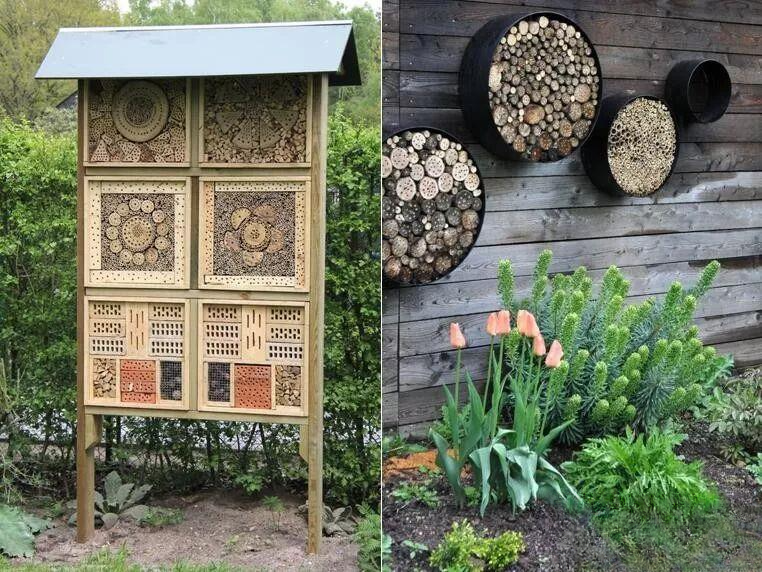
An insect house placed in a shaded, well-ventilated area can provide a habitat for bees, butterflies, spiders, beetles, and other insects. You can create a comfortable home for insects with your children.
② Bird feeder
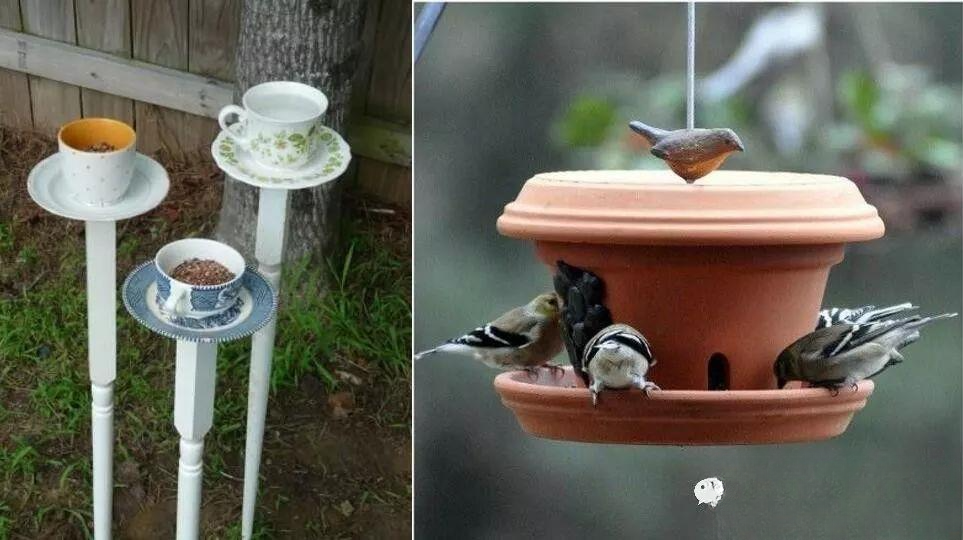 ③ Bird bath tub
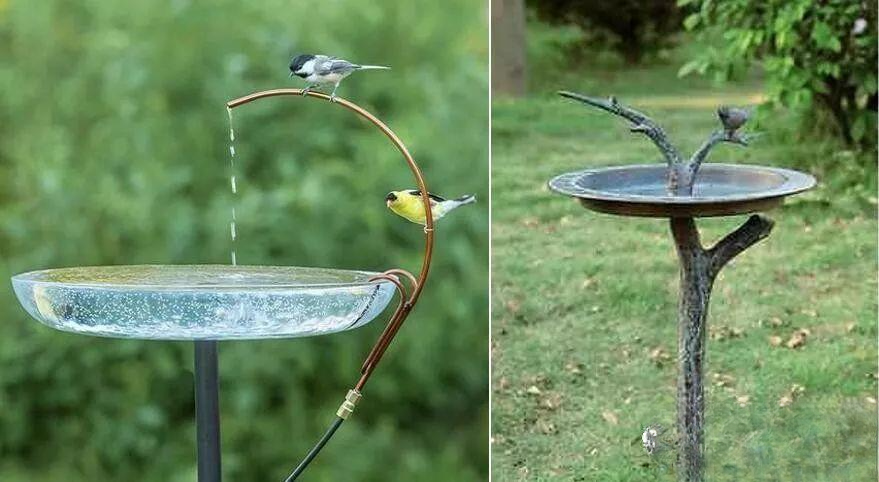
Birds are also frequent visitors to vegetable gardens. If you want to attract birds to help catch insects, you can use household waste to create a shallow water area for them to drink and bathe, or provide them with bushes with berries.
Establishing ecological balance is a relatively slow process. During this period, we can still use the following methods to control pests:
① Use a water gun (or spray bottle ) filled with water or biodegradable detergent to spray and kill pests;
② Use insect-proof netting to isolate plants and prevent pests from bothering them.
③ Try pest control through companion planting or crop rotation . See "Companion Planting: Herbs Perfectly Paired with Growing Partners" and "17 Vegetables You Should Grow Together" for details.
Today, we introduced how to sow seeds, what planting methods to use, how to label plants, and the tools, safety measures, and pest control strategies for later child management. We believe you now have a better understanding of creating a unique "children's vegetable garden." So, let's include our children in the garden-building plan, complete a quarter of garden activities together with their parents, and let them experience the sense of accomplishment of "self-reliance"!
