How to lose weight through running? The correct way to lose weight through running.
When it comes to exercise for weight loss, many people immediately think of running because it has low requirements for location and time. You can run anytime, anywhere, in the morning, noon, or evening, and it costs almost nothing, making it economical.
Moreover, running is one of the most efficient exercises for fat loss: it can fully burn glucose in the body and convert it into new energy. If you persist in running and combine it with dietary control, you can not only lose weight successfully, but also avoid rebound.

However, many people neglect certain techniques when running, leading to two major problems—lack of endurance and ineffective results. They then frantically increase their exercise intensity, only to end up not losing weight and causing irreparable muscle damage. Therefore, today Lao Yan has summarized several key points to teach you how to burn fat quickly and effectively through jogging!
1. Pre-run preparation
Many people rush to start running as soon as they arrive at a sports venue, but this is not actually the best way to lose weight. The human body has two energy reserves: fast-acting energy source—glycogen—and stored energy source—fat. When you start running, fast-acting energy sources are mobilized first. Only when fast-acting energy sources are nearly depleted will the body mobilize stored energy sources, such as fat.

Therefore, you should do relevant strength training before running, such as bodyweight squats and push-ups, which can not only warm up fully but also consume most of the glycogen, making your running more effective and burning more fat.
2. Running method
There is no single best way, only the way that suits you best. Therefore, choosing a running pace that best suits you will yield the best results.
1. Small steps and quick runs, suitable for beginners.
Studies show that, regardless of speed, obese people consume more oxygen and calories when walking or running than people of normal weight, because they need to mobilize more muscles to move their bodies.

While faster pace promotes fat burning, it also puts greater stress on joints, increasing the risk of injury. Therefore, shortening your stride is a good approach – taking smaller, faster steps. Reducing your stride by 15% can increase energy expenditure by 4.6% while also reducing impact on your joints.
II. From walking to running, gradually increase the intensity
If you don't experience joint pain, after a period of walking to adapt, you can try transitioning from walking to running to increase the intensity of your exercise. Studies show that running at a brisk pace for 30-60 minutes three times a week for six months can lead to a 9% weight loss. Of course, to prevent strain, once you start running, you should rest for one day after each run; running every other day is ideal.
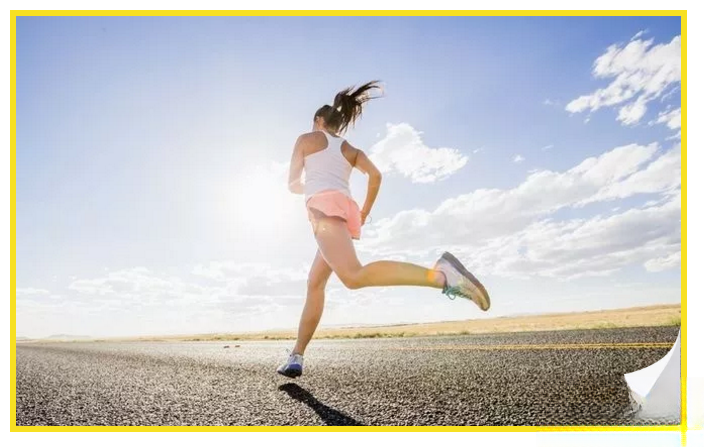
III. Interval running method: an effective way to burn fat.
Most people run continuously, but this isn't a good method for obese individuals due to the added burden of their weight. Interval running, on the other hand, allows for rest and enables you to run faster during the intervals, which helps increase oxygen intake and burn fat. Studies show that interval running is superior to continuous running in terms of weight control and fat burning.

3. Running time
From the perspective of fat burning, a running session of 40 minutes to 1 hour is ideal for people trying to lose weight. For healthy individuals, a 20-minute run is sufficient, so those trying to lose weight need to double that amount, and the longer the better. However, considering fatigue and the risk of injury, 1 hour is the upper limit for most people trying to lose weight.
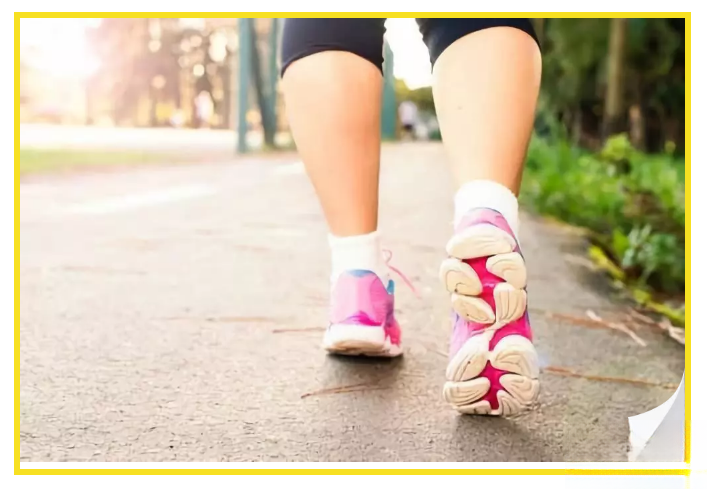
4. Suitable for high-intensity exercise
Many impatient people, seeing no progress in their exercise for weight loss, blindly increase the intensity of their exercise. However, high-intensity exercise does not bring obvious results; on the contrary, it can cause irreversible damage to the body.

Irreversible joint wear and tear: Long-term high-intensity exercise can easily lead to chronic wear and tear on the shoulder and lower back joints, and most commonly, wear and tear on the meniscus of the knee joint. The meniscus consists of two cartilages in the knee joint, divided into the inner and outer menisci, which play a role in shock absorption and joint protection. However, damage to the meniscus is irreversible.
Rhabdomyolysis syndrome: Rhabdomyolysis syndrome refers to a series of genetic or acquired diseases that affect the skeletal muscle cell membrane, membrane channels and their energy supply, resulting in skeletal muscle damage, changes in cell membrane integrity and leakage of cell contents.
The main symptoms are muscle pain, limb weakness, and tea-colored urine, often accompanied by electrolyte imbalance and acute renal failure, which may even endanger the patient's life in severe cases.

Losing weight is a marathon, so don't rush it. Running scientifically will make all the difference! Now that the weather is much cooler, get running! Okay, that's all for today's Professor Yan's knowledge class. If you have any questions about healthy eating or weight loss, feel free to leave a message!