How to eliminate cotton bollworms on flowers?
The small white cotton-like insects are mostly scale insects. Scale insects do not refer to a single type of insect. In the context of flowers, scale insects refer to insects of the scale family. These pests can damage the leaves, branches, and fruits of plants, causing leaves to yellow and wither, branches to dry out, and fruits to be eroded. They are very harmful and are the most common and easily attracted pests in flower cultivation.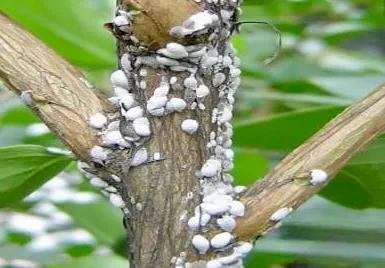
Reasons for scale insect infestation:
Potted plants in the home are prone to scale insect infestations, mainly due to consistently high soil moisture combined with poor indoor ventilation. Indoor environments cannot compare to the free-flowing air of the outdoors, where strong winds quickly evaporate moisture from the soil and remove harmful substances. Many plant enthusiasts keep their plants indoors or on enclosed balconies without regularly opening windows for ventilation, leading to scale insect infestations. Therefore, it is recommended that you provide adequate ventilation for all types of plants to effectively prevent pests and diseases.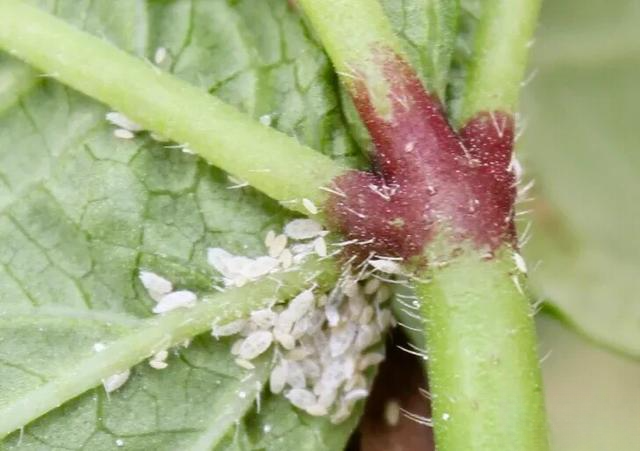
Prevention and control measures:
1. Soap water control: Use half a basin of clean water, add a little laundry detergent or soap (preferably medicated soap), stir to create foam, then press the branches of the potted plant into the soapy water to rinse them, or use a soft brush to apply the soapy water to the branches and leaves. After a few days, pests such as aphids, scale insects, and spider mites will be eliminated.
2. Cigarette butt (or tobacco) control: Spraying the branches and leaves with a solution of soaking cigarette butts in brown nicotine is very effective in controlling whiteflies. Whiteflies hatch larvae from eggs in all seasons, and the larvae emerge as adults with white waxy powder on their wings. They can fly short distances, reproduce quickly, and cause great damage to flowers, especially hibiscus, roses, and hydrangeas.
3. Plant-based insecticides: Plant-based insecticides are also effective at killing scale insects. They can be sprayed directly onto the flowers, stems, and leaves to kill the pests. Current insecticides are low in toxicity and pose no harm to human health.
4. Control with dichlorvos pesticide: After diluting with an appropriate amount of water, spray directly onto the flowers, stems, and leaves to kill pests. Note that dichlorvos is highly toxic, so it is recommended to wear a mask when spraying to avoid inhalation. Spraying will be more effective on sunny days at midday when the flowers are relatively dry.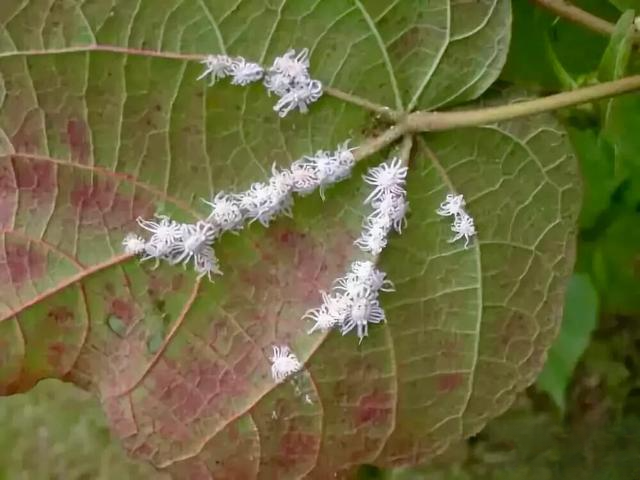
Tips before prevention and control:
It is recommended to prune severely infected leaves to prevent the spread of pests between leaves. Depending on the condition of the infected flowers, treat the pests once every 7 days for three weeks as one course of treatment.