How many of these 47 littleknown facts about the world do you know?
1. Let’s take a look at the world’s smallest cow. This white calf is named Rani and comes from Bangladesh. It is only 51cm tall and has set a new Guinness World Record. It is about the size of a dog.

2. Modern Inuit people use refrigerators to store food to prevent it from freezing into ice cubes because the air is colder!


3. The longest musical work in the world that can be played for 639 years is the organ piece "Organ 2/ASLSP" by American composer John Cage.

4. Oxford University, with its 900-year history, has produced 11 kings from 7 countries, 6 British kings, 47 Nobel laureates, 53 presidents and prime ministers, 12 saints, 86 archbishops, and 18 cardinals, influencing the entire world.

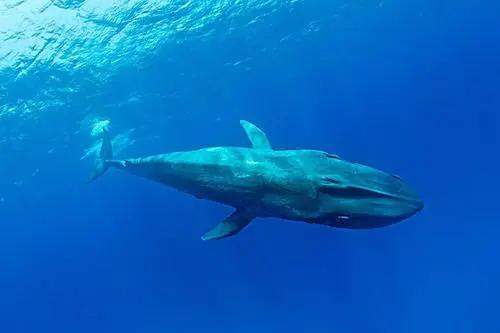
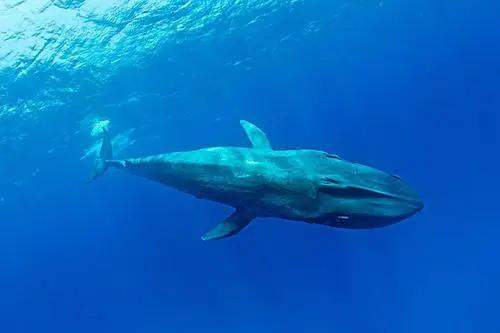
5. A blue whale's heart is as big as a small car, and its heartbeat can be heard from two miles away.
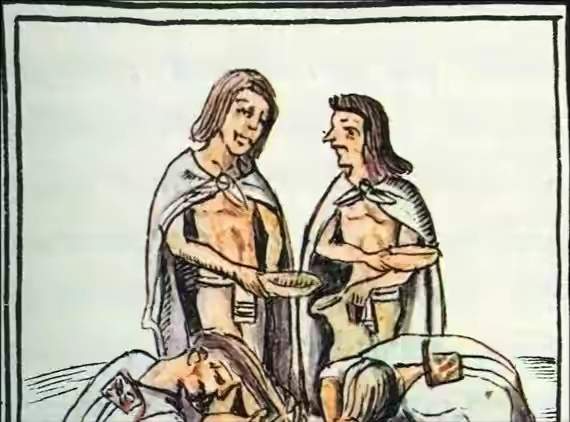
6. Ancient Romans used their own urine to whiten their teeth because the hydrogen produced in urine is a good cleaning product.
7. If the iron sheet is processed to a thickness of 0.0001 mm, it will be transparent like glass.

8. The largest snowflake in history, measuring 15 inches in diameter, fell in Montana in 1887.

9. Hong Kong has more Rolls-Royces per capita than anywhere else in the world.

10. In 1845, Boston enacted a law prohibiting bathing unless you had a doctor's prescription.

11. In 2014, a Pakistani boy named Aitzaz Hassan spotted a suicide bomber outside a school and rushed to detonate the bomb, saving the lives of 2,000 children.

12. You can't bring jelly on a plane because the air pressure inside the plane during flight can cause the jelly to expand or even burst.

13. Amphioxus is an animal without a heart, relying on the pulsation of the abdominal aorta to transport blood. Moreover, amphioxus is not a member of the fish family, but belongs to the branchiostomidae family of the subphylum Cephalochordate.

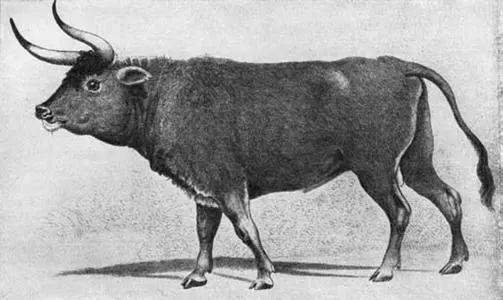
14. The last aurochs on Earth died in Poland in 1629, and all cattle living on Earth today are descendants of the aurochs.
15. In 1987, an American airline saved approximately $100,000 by removing one olive from the in-flight meal for each first-class passenger.

16. Chocolate milk has always been popular with some children, but did you know that it was actually invented by an Irish doctor? In the 17th century, this doctor traveled to Jamaica and found that the locals added cocoa to water. After returning home, he made the recipe and used chocolate milk to make medicine, which he sold to local clinics.

17. Psychologists say that if two people have a friendship that lasts for more than seven years, then the friendship between them is very likely to last a lifetime.

18. In movies, pirate captains often appear to be one-eyed, always wearing an eyepatch over one eye. This isn't because they're blind, but rather so that when they reach the poorly lit lower decks, they can remove the eyepatch, allowing that eye to quickly see everything in the darkness, while the other eye often needs several minutes to adjust to the change in light.

19. Studies have shown that the more people ride bicycles, the safer the roads will be. If the number of bicycles on the road triples, then collisions between non-motorized vehicles and motorized vehicles will decrease by 50%.

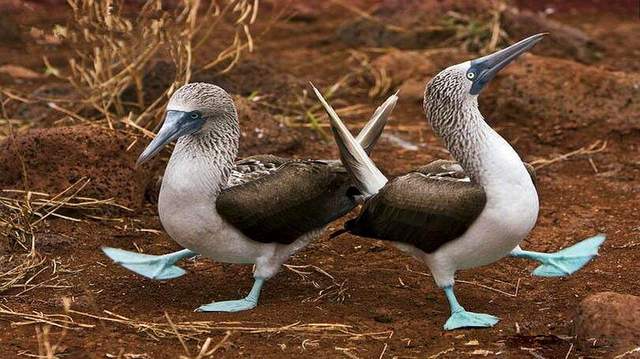
20. Blue-footed boobies are animals that choose mates based on their feet rather than their faces. When courting, they will repeatedly raise their large blue feet to attract mates.
21. Starting in 1916, it was illegal to send buildings via the U.S. Postal Service. This law was enacted after a man sent a 40-ton house to avoid exorbitant shipping costs.

22. A French employee sued his employer for €360,000 in damages because he found his job too boring.
23. Bhutan is the only country with a negative carbon footprint. Bhutan is a model country in terms of environment. Its forests produce a large amount of oxygen, far exceeding its carbon dioxide emissions. Bhutan's rivers also generate renewable electricity.

24. Coconuts kill more people than sharks; approximately 150 people are killed by coconuts each year.

25. When dolphins sleep, one hemisphere of their brain remains active while the other rests. This allows them to keep one eye open to remain alert to predators. Additionally, the working part of their brain also regulates breathing.
26. In a person's lifetime, each mouth secretes an average of 25,000 liters of saliva. This saliva protects the oral cavity from bacteria, and this amount is equivalent to the water in two swimming pools. In other words, the saliva produced by a person in their lifetime is enough to fill two swimming pools.

27. During the reign of Peter the Great, it was decreed that peasants who did not shave their beards would have to pay a tax of one kopek each time they entered or left the city. He also had a batch of small metal tags made as receipts for this beard tax. Bearded men could only move freely by wearing these tags around their necks.
28. The Cameroonian giant frog is the largest frog species, with a body length of nearly 1 meter when unfolded.

29. The total number of atoms in a glass of water is more than the total number of glasses containing all the water in the entire ocean on Earth.
30. On average, people have 4-6 dreams every night, but sometimes we don't even know we've been dreaming. Sometimes we even have dreams within dreams.

31. In 16th-century Europe, only the poor who could not afford pipes would choose to smoke cigarettes.

32. Coma is a protective mechanism of the brain, similar to a mobile phone automatically shutting down.
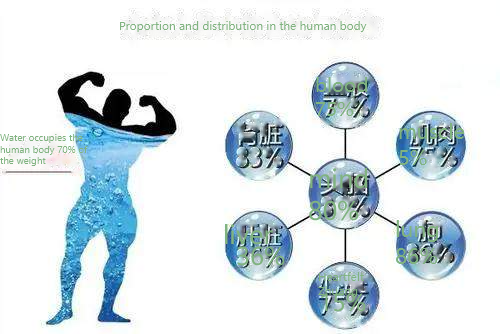
33. According to research documented in the Journal of Biochemistry, the brain is 80% water, the heart is 75% water, and the lungs are about 86% water. See the image below for details. Just 2% dehydration can affect your attention, memory, and other cognitive skills.
34. The word "mother" is pronounced very similarly in most parts of the world.
35. Psychologists have shown that a person's number of close friends will not exceed 150, and most people's number of close friends is between 50 and 150.

36. The eyes of a white rabbit are transparent; the red color is actually the capillaries in the eyeball.

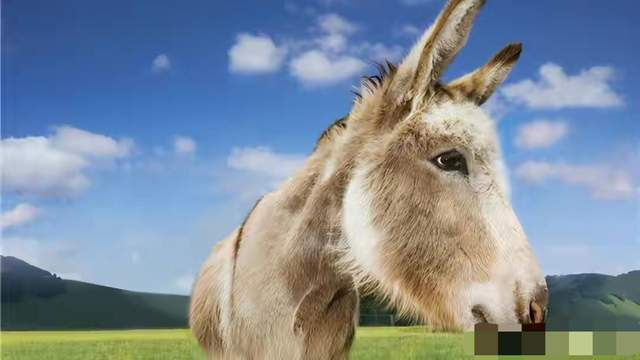
37. A donkey's expression changes before it farts.
38,
Taumatawhakatangihangakoauauotamateaturipukakapikimaungahoronukupokaiwhenuakitanatahu. This is the name of a not-so-large hill in New Zealand. It is the longest officially recognized place name.

39. In today's money, the first household refrigerator would have cost about $16,000.

40. The Stratolaunch, or "Stratolaunch," is the world's largest aircraft, with a wingspan of approximately 118 meters, longer than many football fields. The aircraft has two fuselages and six engines.

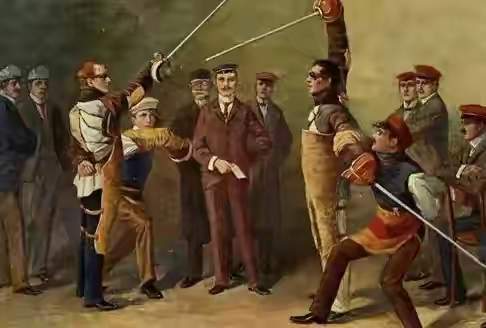
41. In ancient Europe, the Church stipulated that the party who died in a duel was not allowed to be buried in the Church cemetery; the loser could even challenge the judge to a duel if they disagreed with the verdict. After the duel, the loser not only lost the case, but if they did not die, they would also be punished with dismemberment, decapitation, hanging, or other forms of torture.
42. This phrase comes from the Japanese book "Ukiyo-furo" and originally means: Some people don't easily get up after falling down, always trying to grab something while they're down. This phrase is used to describe greedy or very shrewd people who always want to take advantage of everything, even if they fall down, they'll still try to grab a handful of dirt when they get up, similar to the Chinese proverb "scraping meat off a mosquito's leg".
43. The oldest bank still in operation in the world is "Banca Monte dei Paschi di Siena (Bank of Siena of Italy)," founded in 1472. It is currently the third largest bank in Italy.


44. While some people feel sympathy when they see others in pain, others may feel schadenfreude. However, there are some people in this world who can "infect" others with this pain. This phenomenon is called mirror-reflex tactile synesthesia, and various studies have confirmed the existence of this rare phenomenon. Approximately 1.6-2.5% of the population experiences this.

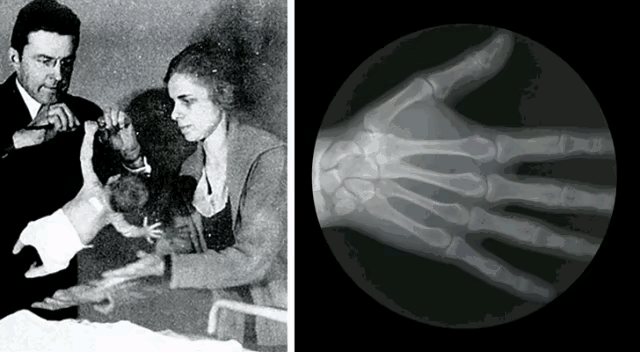
45. Babies are born with a "grasping reflex," which allows them to hold onto an object firmly and stay suspended on a horizontal bar for a long time without getting tired. However, this "sports champion experience card" only lasts for three months.
46. The explosive power of a tire is enormous, as shown in the picture below.

47. The place name "Jilin" is a transliteration. In Manchu, Jilin is pronounced "Jilin Ula", which means "city along the river".