Houseplants are prone to pests; here are a few tips to help keep them away from pests.
Many people enjoy keeping plants indoors, both to beautify the environment and to cultivate their taste. However, plants are not only somewhat delicate to care for, but they are also easily targeted by small insects, causing annoyance and frustration. I'll introduce some common pests affecting plants and their control methods.
Chrysanthemums are prone to attracting aphids.
Aphids are mostly green and black, good fliers, and have tubular septa resembling fleas. They prefer flowers such as chrysanthemums, bauhinia, roses, and Chinese roses. They often congregate on the tender shoots, flowers, and undersides of leaves, sucking sap, causing leaves to wrinkle and affecting flowering. The infestation usually becomes more noticeable in mid-April.
Control measures: When a few aphids appear, brush them off with a brush dipped in water. Dispose of the brushed-off aphids promptly to prevent their spread. Alternatively, soak 40 grams of tobacco powder in 1 kilogram of water for 48 hours, filter to obtain the undiluted solution, dilute with 1 kilogram of water, add 2-3 grams of laundry detergent or a small amount of soap solution, stir well, and spray on the plants. Physical methods include using cardboard or plastic sheets coated with yellow glue to attract and kill aphids; or using silver-white tin foil to reflect light and repel aphids.
Jasmine beware of red spiders
Spider mites are obovate in shape, flattened dorsoventrally, and come in colors such as red, dark red, and orange-red. Orchids, jasmine, and kumquats are particularly susceptible to spider mites. They often hide on the undersides of leaves and flower buds, causing leaves to lose their green color and wither, flower buds to shrink, and in severe cases, the plant to wither and die. Generally, the infestation is most severe in June and July.
Countermeasures: Soak orange peels in 10 times their volume of water for 24 hours, filter, and spray the solution onto the plants once a day for 3 consecutive days. Alternatively, light a mosquito coil and place it in the flowerpot, then tie the pot tightly with a plastic bag. After one hour of fumigation, both eggs and adults will be killed. This is an economical and quick method.
Keep roses away from yellow-spined moths.
The larvae of the yellow-spotted moth have yellowish-brown heads and yellowish-green thoraxes, with a pair of spines on each side of the dorsal line. They are commonly found on camellias, redbuds, roses, and crabapples, and often devour all the leaves of these plants.
Countermeasures: Yellow-spotted moths are attracted to light and have a strong phototaxis. You can place a lamp near the flower to lure and kill them.
: Eliminates Rose Spot Disease and
Banana Peel Infestations.
A Special Insecticide from the Kitchen .
Homemade nourishing soup
can be made by cooking vegetable roots, root vegetable peels, fruit berries, fruit seeds, or discarded vegetable leaves.
Method: Take spinach roots, carrot peels, celery leaves, basil stems, apple peels and cores, etc. Add 600 ml of water to a pot and simmer over medium heat for about 15 minutes (do not add seasonings). After cooling, strain out the residue and store in a plastic bottle. Spray every three days, using 10 ml diluted with water to make 100 ml each time. Effects will be visible in a short period. Remaining soup can be stored in the refrigerator at around 5 degrees Celsius for up to 3 months. Here's a simple kitchen remedy to try for treating
rose spot disease and mold on roses: Mix one tablespoon of baking soda with 120 ml of milk and one teaspoon of salad oil. Pour the mixture into a spray bottle and spray it on both sides of the leaves. The baking soda and milk help prevent and remove mold, while the salad oil helps the liquid adhere effectively to the leaves . Don't underestimate this effective and environmentally friendly remedy! This method has been repeatedly tested and proven to be very effective at Cornell University, hence its nickname "Cornell Solution." Another essential element for growing beautiful roses is potassium. Many fertilizers contain potassium, and choosing fertilizers with a high potassium content can help the flowers grow. A readily available natural fertilizer in our daily lives is banana peels. Banana peels are rich in potassium, which is more effective for roses than regular chemical fertilizers. Cut banana peels into small pieces and place them on the soil around the base of the rose bushes. As the banana peels decompose, they release potassium, unlike other fertilizers that require mixing with the soil to produce a chemical reaction. Banana peels not only help roses bloom longer and have more vibrant colors, but they also enhance the fragrance of scented roses! A special insecticide from the kitchen: The most common pests found on ornamental plants in home gardens or balconies are leaf-eating moth larvae and rapidly multiplying aphids. If you're worried about accidental contact with family members or don't want to use toxic chemical pesticides, you can try making a special plant-based insecticide using kitchen essentials—dish soap, salad oil, and water. The principle behind this method is to utilize the foam tension of dish soap and the spreadability of oil to repel pests. The solution involves adding three drops of dish soap and one drop of salad oil to a plastic bottle containing 500 ml of water. Attach the nozzle and shake well to produce foam before use. Spray the solution onto leaves or the tips of plants infested with insects. Continue spraying for two to three days until the number of pests decreases or even disappears, thus achieving the goal of pest control. Onions Keep Roses Shiny: Soak a few slices of onion in clean water overnight. The next day, use this onion-infused water to water the roses once or twice a week. After a month, you'll gradually see results. The roses will repay your hard work with their beautiful blooms. Bath Salts Promote Earlier and More Abundant Flowering : The rare element magnesium can promote flowering, allowing plants to bloom earlier and more profusely. A simple way to obtain magnesium is with bath salts, as the main component of the salt is magnesium sulfide. Sprinkle a tablespoon of bath salt around the roots of roses and flowering shrubs to achieve abundant and earlier flowering. However, this should only be done once a year; too much magnesium is harmful to plants. Also, it's best not to use dyed bath salts, as they offer no benefit to the soil. Clever Uses of Paper Napkins: White paper napkins have triple functions of absorbing moisture, retaining moisture, and providing a barrier, making them very useful in gardening. 1. For germination: Wrap seeds in a damp paper towel and place them in a sealable plastic bag. Germination will be successful in about 3-7 days. Remove the rooted seeds and replant to improve the survival rate. 2. After cutting branches, wrap the cut end with a damp paper towel and place it in a sealable plastic bag. High humidity promotes root primordia formation. Once the cutting has successfully rooted and become a new, complete plant, remove it and plant it in potting soil. 3. When cultivating ornamental plants in pots, small particles of growing medium easily flow out of the drainage holes, causing the bottom of the pot to become dirty and unsightly. Before placing the plant in the pot, fold a paper towel in half and place it at the bottom to slow down soil loss. Egg water can be used to water African violets, a popular potted plant, especially suitable for indoor cultivation. Growing African violets is not difficult, but to make the flowers particularly vibrant, a few tricks are needed. Calcium not only makes African violets' flowers more vibrant but also enhances their unique fluorescent color. Boiling an egg for breakfast is a great way to feed plants (especially African violets). However, it's the water used to boil the egg that's beneficial, as the calcium in the eggshell dissolves into the water during boiling. After cooling, water the soil with the water immediately for best results. Preserving aromatic plants : The most captivating aspect of herbs is their fragrance. Lavender, rosemary, thyme, and others each have their own unique aroma and uses. It would be a waste to grow herbs purely for ornamental purposes without utilizing their uses. If you have leftover herbs after growing them, besides giving them away, here are some preservation methods: Lavender is suitable for making dried flowers. After drying, cut them into small pieces, put them in a gauze bag, and use them for bathing or placing them in a wardrobe to repel insects and moths and add fragrance. Practical herbs like rosemary, thyme, and basil can be individually bottled in olive oil and steeped for several weeks to create a uniquely flavored herb-infused olive oil. Save leftover soap. Chop the leftover soap bars into small pieces. Boil the soap in a pot using approximately three tablespoons of soap to 4000 ml of water. Let it cool, then put it in a spray bottle and spray it on the leaves of plants infested with caterpillars. This method is effective in controlling small-scale pest infestations. Caterpillars don't eat salty food. Cabbage or bok choy grown in home gardens are often relentlessly eaten by caterpillars. These vegetables are practically an all-you-can-eat buffet for caterpillars. If no measures are taken, by the time you're ready to cook them, only pitted and broken leaves will be left; the good parts will have been eaten by the caterpillars. Here's a little trick: mix one tablespoon of salt with 10 liters of water and pour the mixture onto the leaves of growing vegetables. This will deter caterpillars, as the salt water is too strong for them. The salt will naturally dissipate as the leaves grow. However, you shouldn't water too much or too frequently, as some salt will still seep into the soil, and excessive salt can damage it. Aphids don't like garlic. Aphids are extremely destructive to plants, feeding on leaves and even tender shoots. An old-fashioned method you might try: place a few peeled garlic cloves on the potted plant or among the plants in the flower bed. This will deter aphids, as they dislike the smell of garlic. Homemade organic pest spray. Plants, like people, are less prone to disease when healthy; once their health deteriorates, various diseases follow. Healthy plants are less susceptible to pests; simply paying attention to sunlight, water, and fertilizer can prevent plant diseases and pests.
When plants are infested with pests, spraying pesticides is not the only solution. Furthermore, pesticides are extremely harmful to the environment and soil, making them unsuitable for most home-grown plants. Here are a few organic and non-toxic natural insecticides to recommend:
1. Peppermint Water: Add 10 drops of peppermint essential oil and 10 ml of rubbing alcohol to 500 ml of water. Stir well, pour into a spray bottle, and spray evenly on both sides of the leaves once a week to control aphids.
2. Lavender Water: Add 10 drops of pure lavender essential oil and 10 ml of rubbing alcohol to 500 ml of water. Shake well, pour into a bottle, and spray once or twice a week to control aphids and spider mites. 3.
Sapindus Mukorossi Water: Add 20 ml of Sapindus mukorossi essential oil to 500 ml of water. Shake well, pour into a bottle, and spray onto the leaves. Ready-made Schisandra chinensis insecticides are also available commercially.
4. Soapy Water: Chop leftover soap or bar soap into small pieces, add about one tablespoon of soap to one liter of water, boil until completely dissolved, let cool, and then spray directly onto the leaves. A simple and effortless way to prevent
pests
from attacking your hard-earned plants, especially strawberries and cabbages in your home garden, is
to place a piece of aluminum foil or a baking tray on the ground next to the plant. The magic begins to work; just leave it alone, and pests like fruit flies and termites will not appear. The reason is that when sunlight shines on aluminum foil, it reflects strong light, which repels insects flying in the sky.
However, there are two drawbacks to be aware of when using this method: First, while this method can repel pests, it also repels beneficial insects. Beautiful butterflies will no longer come to pollinate your plants, and bees will not fly in. Therefore, you must make a trade-off. My suggestion is to learn to coexist with pests. Also, be aware that the high temperature reflection from the aluminum foil may damage the plants.
Finding insecticides from natural plants:
1. Plants that are effective against fungal, bacterial, and viral diseases: such as *Gnaphalium affine*, *Phellodendron amurense*, rhubarb, forsythia, isatis root, and bitter tea seeds.
2. Plants with a strong repellent effect on insects: camphor, eucalyptus, cinnamon, rose, clove, cyperus rotundus, Sichuan pepper, fennel, rue, etc.
Top 10 Super Effective Mosquito- Repelling Plants
: Lavender, Geranium, Peppermint, Lemongrass, Fennel, Rue, Basil, Marigold, and Lemon Eucalyptus. For those who keep pets and plants at home, try this method: Spread camphor oil around the edge of the potted plant container, or place a few camphor balls in the pot. This will keep the cat away, as cats dislike the smell of camphor, while plants don't mind a little camphor. Alternatively, take a used tea bag, wring it dry, spray it with a muscle-relaxing spray, and bury it in the pot where the cat will often dig. Don't bury it too deep, just enough for the cat to easily reach it, or simply place it on top. Once the cat gets close to the potted plant or digs out the tea bag, it will no longer be interested in the soil because it dislikes the smell. This method is only effective for a maximum of two weeks, but by then the cat will probably have found a new target. To make climbing plants grow quickly and well, dry exterior walls and fences can be improved by allowing plants to climb them, not only providing greenery but also attracting passersby. To ensure climbing plants cover an entire wall and thrive, spray diluted liquid fertilizer on the wall when the plants begin to grow. The plants will automatically seek nutrients and grow quickly towards the fertilized areas. Give magnolias some iron nails! If magnolias are deficient in iron or overwatered, their leaves will turn yellow and red, eventually killing the entire plant. The solution is to improve drainage; place bricks or planks at the bottom of the pot to improve ventilation and drainage. Additionally, bury some iron nails (preferably rusty) in the soil so the iron dissolves into the soil for the plant to absorb, supplementing the magnolia's iron levels. This will make the magnolia grow strong and beautiful, and produce fragrant flowers. Aspirin is not only effective for humans but also for plants! Those who enjoy gardening often encounter this problem: plants stop growing halfway through their lifespan, neither flowering nor sprouting new leaves, seemingly content with their current state. However, we gardeners shouldn't be satisfied with this, so we need to give them a boost. Take out an aspirin from your medicine cabinet, dissolve one tablet in about 500 ml of water, and then pour the solution into the soil. Apply this every two weeks to revive the plant, as aspirin helps the plant's growth hormones function again. Another clever use for expired vitamin pills: Expired vitamin pills, if not completely spoiled, can also be used in plant cultivation as a source of nutrients for plant growth. Crush the vitamin pill with a spoon, dilute it thoroughly with 100 times the amount of water, and shake well. Apply 20-30 ml every 3-6 days. The principle for applying vitamin nutrient solution is to use small amounts frequently to avoid fertilizer burn or waste. If not used up completely, it's best to refrigerate it to extend its shelf life. When applying, you can compare and observe the differences between applying and not applying, as well as the effects of applying more or less, to make appropriate adjustments to the application amount. The quick and convenient foil air layering method: 1. Make a ring-shaped incision about 2.5 to 3 times the diameter of the branch in the planting room. 2. Wrap the ring-shaped incision with moist sphagnum moss or mud. 3. Then wrap it tightly with foil. 4. After about a month, remove the foil; once roots have grown at the cut, it can be cut for propagation. Soil-made rooting agent : Sugar solution is also a very good rooting agent, and many people have tested it with significant results. Specific method: First, dissolve sugar in hot water at a ratio of 9 parts water to 1 part sugar. After the sugar water cools, immerse the prepared cuttings in it. Remove them after about 40-60 minutes, rinse the cut with clean water, and partially cut off the cut with a sharp knife. Then you can proceed with conventional cutting propagation. After the above treatment, the survival rate of plants is much higher than that of ordinary cuttings. Even for plants that are difficult to root, such as azaleas and camellias, the survival rate can reach over 90%. Willow extract—willow sap is an excellent plant growth promoter. Its liquid is rich in growth hormones, so it can survive whether planted upright or upside down, exhibiting exceptional vitality. Specific method: Take several willow branches and leaves, crush the branches with a hammer, and then soak them in water. After one day, remove the branches and leaves; the water is the willow extract. The next day, soak the cuttings in the water for about one day (longer soaking is fine, as willow sap contains components that inhibit bacterial growth). Then, proceed with the usual cutting propagation. Roots develop quickly and abundantly, resulting in robust plant growth.
crop failures frequently occur in many areas. Therefore, the cultivation of these vegetables involves a high amount of pesticide use, resulting in severe pesticide pollution. This is especially true in protected cultivation, where pesticides are typically sprayed every 5-7 days, leading to dangerously high levels of residues from multiple pesticides. To prevent pollution, the prevention and control of pests and diseases in medicinal vegetables should start from the following aspects:
1. Understanding the causes of pests and diseases: To prevent and control pests and diseases in medicinal vegetables, it is essential to understand their causes. Preventing their occurrence based on these causes is the best strategy to achieve victory without fighting. Three conditions are necessary for medicinal vegetables to develop pests and diseases: the presence of susceptible plants; a certain density of accumulated pathogens and pests; and suitable environmental conditions such as humidity and temperature.
Pathogens are a prerequisite for the development of diseases in medicinal vegetables, mainly including fungi, bacteria, and viruses. Pathogens can be found primarily in the following locations: on seeds, where many pathogens, such as those causing viral diseases, gray mold, leaf spot, and leaf mold, overwinter and oversummer; in seedbed soil, especially in older seedbeds where pathogens accumulate in greater quantities; diseased seedlings are the epicenter of disease outbreaks in the field; anthracnose, gray mold, and late blight pathogens can be found in diseased plant debris, weeds, and uncomposted organic fertilizer; wilt, sclerotinia rot, and late blight pathogens can also be found in the soil, particularly in fields with continuous cropping or replanting; spores of pathogens like leaf mold can also spread through the air; and irrigation water, farm tools, insects, and humans can all carry various pathogens. Understanding where pathogens reside is crucial for taking measures to prevent their spread and harm.
Pests also have overwintering and oversummering sites; understanding these sites allows for early prevention and control.
The occurrence, spread, and invasion of each pest and disease require specific environmental conditions. Among environmental conditions, temperature and humidity are the most important. Except for a few diseases like viral diseases that thrive in high temperatures and drought, most diseases prefer mild, humid conditions. For example, late blight, gray mold, and wilt thrive in environments with relative humidity above 90% and optimal temperatures of 20-30℃. Suitable temperature and high humidity conditions are frequently found in protected cultivation. Especially in protected cultivation, prolonged periods of overcast and rainy weather; insufficient ventilation; excessive watering; high planting density; infrequent cultivation; dripping from the greenhouse film; and low temperatures all contribute to the occurrence and spread of diseases. Aphids differ somewhat from diseases; their occurrence and damage are only severe under high temperature and drought conditions. In addition to a sufficient number of pathogens and suitable environmental conditions, susceptible plants are also necessary for a disease outbreak. Generally, varieties with disease-resistant genes; robust seedlings; meticulous management; and mature, large plants are more resistant to diseases and pests and experience fewer cases.
With the aforementioned three conditions for disease occurrence, coupled with favorable disease transmission routes, pests and diseases will likely proliferate.
The occurrence and spread of pests and diseases in medicinal vegetables is always a process of gradual increase and escalation. Early and effective prevention and control measures can prevent large-scale outbreaks. Therefore, the occurrence and spread of pests and diseases are closely related to the effectiveness of prevention and control.
2. Prevention is key; integrated pest management techniques are crucial in controlling diseases in medicinal vegetables. The first step should be to minimize contact with pathogens. There are many methods to reduce contact between medicinal vegetables and pathogens during their growth. Common methods include: seed disinfection, which involves using methods such as hot water soaking, chemical soaking, chemical dressing, and dry heat treatment to eliminate pathogens carried on seeds, in addition to quarantine measures; reducing the number of pathogens in the seedbed, such as using new seedbeds, changing the soil in the seedbed, and disinfecting the seedbed soil; preventing diseased seedlings from entering the field, discarding diseased seedlings before transplanting to reduce the source of disease after transplanting; implementing crop rotation to reduce pathogens in the cultivated field; using deep plowing, summer sun-drying to increase the temperature inside the greenhouse, and chemical disinfection to eliminate pathogens in the soil; timely cleaning of the field and removal of weeds to reduce soil contamination by pathogens on diseased plant debris; and ensuring that neighboring crops do not share the same diseases as medicinal vegetables. These methods can significantly reduce contact between pathogens and medicinal vegetables, thereby mitigating the occurrence of diseases.
Secondly, it is crucial to avoid environmental conditions that could lead to disease outbreaks during cultivation. Currently, commonly used measures include: appropriate watering during the growing season to avoid excessive humidity in the field; covering plastic greenhouses with drip-free film to reduce condensation; covering with mulch to reduce soil moisture evaporation and watering frequency; timely cultivation and loosening of the soil; strengthening ventilation in protected cultivation to reduce humidity; regulating temperature conditions within protected cultivation to maintain a suitable range for the growth and development of medicinal vegetables, generally between 20-25℃, which can prevent the occurrence and spread of diseases such as canker and downy mildew; avoiding contact between diseased and healthy plants during agricultural operations; timely control of aphids to reduce disease transmission routes, etc. The comprehensive use of these measures can greatly reduce the severity of disease occurrence.
Thirdly, it is essential to maximize the plant's disease resistance. This generally involves using disease-resistant varieties; strengthening field management to cultivate strong seedlings and robust plants; and applying foliar nutrients, such as a 0.2% solution of potassium dihydrogen phosphate, which has the effect of preventing disease. When other measures cannot completely control the occurrence of diseases, chemical control is also necessary. Chemical control should be carried out before or at the initial stage of disease onset to ensure early treatment. For precautions regarding pesticide use, please refer to the section on pest and disease control and the appendix.
3. Prevention is key; integrated pest management techniques. Pollution-free pest control for medicinal herbs and vegetables should focus on two aspects:
First, reducing pest sources and avoiding environmental conditions conducive to pest outbreaks. Pest sources and suitable environmental conditions are two essential factors for large-scale pest outbreaks. To minimize pest sources and avoid suitable environmental conditions, the following should be noted: timely prediction and forecasting of pest occurrence time and quantity, enabling early intervention; cleaning the field, eliminating weeds, and winter plowing to eliminate overwintering pests; implementing crop rotation to disrupt the pest food chain; adjusting the sowing period to avoid peak pest damage periods; applying well-rotted organic fertilizer and avoiding odors that attract pests to lay eggs; using silver-gray film to repel aphids and using netting to block aphids. These measures reduce the overwintering number and population density of pests; second, they make the cultivation fields for medicinal herbs and vegetables unsuitable for large-scale pest outbreaks, thereby mitigating pest damage and avoiding pollution caused by pesticide control.
Secondly, non-polluting and environmentally friendly pest control measures. If pests still cause damage after the above preventive measures are taken, the following control measures should be adopted: root soaking with pesticides (using a 1000-fold dilution of zinc phosphide at planting time can eliminate underground pests); spraying pesticides in seedbeds (using less pesticide and covering a concentrated area); manual pest control; using black light traps or sugar-vinegar solutions to attract and kill adult pests; using butter traps to kill aphids and greenhouse whiteflies; spreading poisoned soil or grain in the field to eliminate underground pests; using natural enemies for biological control; and using low-toxicity biological agents such as liuyangmycin to control pests. When using chemical pesticides for control, it is essential to follow the relevant technical regulations.
2. Wrap the ring-shaped incision with moist sphagnum moss or mud.
3. Then wrap it tightly with aluminum foil.
4. After about a month, remove the foil; once roots have grown from the cut, it can be cut off for propagation.
Potassium is an essential element for growing beautiful
roses. Many fertilizers contain potassium, and choosing one with a high potassium content can help the flowers grow. A readily available natural fertilizer in our daily lives is banana peel. Banana peels are rich in potassium, and their effect on roses is even better than that of ordinary chemical fertilizers. Simply cut the banana peel into small pieces and place them on the soil around the base of the rose bush. As the banana peel decomposes, it releases potassium, unlike other fertilizers that require mixing with the soil to produce a chemical reaction. Banana peels not only help roses bloom longer and have more vibrant colors, but they also enhance the fragrance of scented roses!
The most common pests found on ornamental plants grown in home gardens or balconies are leaf-eating moth larvae and rapidly multiplying aphids. If you're worried about family members accidentally touching them, or don't want to use toxic chemical pesticides, you can try making a simple plant-based insecticide using kitchen essentials—dish soap, salad oil, and water. The principle is based on the foam tension of dish soap and the spreadability of oil, making it impossible for pests to survive, and causing them to fall into the soil. The low concentration of oil and dish soap solution will be quickly washed away by watering or rain, so there will be no residual toxicity.
Preparation method: Add three drops of dish soap and one drop of salad oil to a plastic bottle containing 500 ml of water. Attach the nozzle and shake well to produce foam. Spray on the leaves with pests or the tips of the plants. Continue spraying for about two or three days, and you should see a reduction in pest numbers, or even their complete disappearance, thus achieving the goal of pest control.
Cut a few slices of onion and soak them in water overnight. The next day, use this onion-infused water to water your roses once or twice a week. After a month, you should see results. The roses will reward your hard work with their beautiful
blooms. Bath salts can also help plants flower more and earlier.
The rare element magnesium can promote flowering, making the blooming period earlier and more abundant. A simple way to obtain magnesium is with bath salts, as the main component of salt is magnesium sulfide.
Sprinkle a tablespoon of bath salt around the roots of roses and flowering shrubs to achieve abundant and earlier flowering. However, this should only be done once a year. Too much magnesium is harmful to plants, and it's best not to use dyed bath salts, as they offer no benefit to the soil.
White paper towels have a triple function of absorbing moisture, retaining moisture, and isolating, making them quite useful in gardening.
1. For germination: Wrap seeds in a damp paper towel and place them in a sealable plastic bag. Germination will occur in about 3-7 days. Remove the rooted seeds and plant them to improve the survival rate.
2. After cutting, wrap the cut end with a damp paper towel and place it in a sealable plastic bag. The high humidity promotes root primordia formation. Once the cutting has successfully rooted and become a new, complete plant, remove it and plant it in potting soil.
3. When cultivating ornamental plants in pots, small particles of growing medium can easily flow out of the drainage holes, causing the bottom of the pot to become dirty and unsightly. Before placing the plant in the pot, fold a paper towel in half and place it at the bottom to slow down soil loss.
African violets are a popular potted plant , especially suitable for indoor cultivation. While keeping African violets alive isn't difficult, achieving vibrant blooms requires a few tricks.
Calcium not only enhances the vibrancy of the flowers but also strengthens their unique, almost fluorescent color. Boiling an egg for breakfast is a great way to nourish plants (especially African violets). However, it's the water used to boil the egg that's beneficial, as the calcium from the shell dissolves into the water during boiling. After cooling, immediately water the soil with the water for optimal results.
The most captivating aspect of herbs is their fragrance. Lavender, rosemary, thyme, and others each have their unique aromas and uses. It would be a great pity to grow herbs purely for ornamental purposes without utilizing their uses. If you have leftover herbs from your own garden, besides giving them away, here are some preservation methods you can try: Lavender is suitable for making dried flowers. After drying, cut them into small pieces, put them in a gauze bag, and you can use them for bathing or place them in your wardrobe to repel insects and moths and add fragrance. Practical herbs like rosemary, thyme, and basil can be individually placed in olive oil, bottled, and steeped for several weeks to create a uniquely flavored herb-infused olive oil.
Cut leftover soap bars into small pieces, add them to a pot with a ratio of about three tablespoons of soap to 4000 ml of water, boil, let cool, and then put the mixture into a spray bottle. Spray the solution onto the leaves of plants infested with insects . This method can effectively prevent small-scale pest infestations.
vegetables like cabbage and head cabbage grown in home gardens, often leaving them mercilessly devoured. These vegetables are practically an all-you-can-eat buffet for caterpillars. If no measures are taken, by the time you're ready to cook them, only pitted and broken leaves will remain; the good parts will have been eaten by the caterpillars.
Here's a trick: mix 1 tablespoon of salt with 10 liters of water and pour the mixture over the leaves of the growing vegetables. This will deter the caterpillars, as the salt water is too strong for them; they don't like "overly salty" food. Once the leaves have fully grown, the salt will naturally drain away. However, don't overdo it or water too frequently, as some salt will still seep into the soil, and excessive salt can damage the soil.
Aphids are extremely destructive to plants, feeding on leaves and even tender shoots. Here's an old-fashioned method you might try: place a few peeled garlic cloves on potted plants or among the plants in a flower bed. This should deter aphids, as they dislike the smell of garlic.
Homemade organic pest spray.
Like people, plants are less prone to disease when healthy, but once their health deteriorates, various illnesses follow. Healthy plants are less susceptible to pests; simply paying attention to sunlight, water, and fertilizer can prevent plant diseases and pests.
If plants do become infested with pests, spraying with pesticides is not the only solution, and pesticides are extremely harmful to the environment and soil. Generally, pesticides are not suitable for plants grown in homes. Here are a few organic and non-toxic natural insecticides:
1. Peppermint Water: Add 10 drops of peppermint essential oil and 10 ml of rubbing alcohol to 500 ml of water. Stir well, pour into a spray bottle, and spray evenly on both sides of the leaves once a week. This can be used to control aphids.
2. Lavender Water: Add 10 drops of pure lavender essential oil and 10 ml of rubbing alcohol to 500 ml of water. Shake well, pour into a bottle, and spray once or twice a week. This can control aphids and spider mites.
3. Soapberry water: Add 20 ml of soapberry essential oil to 500 ml of water, shake well, and spray onto the leaves. Ready-made Schisandra chinensis insecticides are also available commercially. 4.
Soapy water: Chop leftover soap or bar soap into small pieces, add about one tablespoon of soap to 1 liter of water, boil until completely dissolved, let cool, and spray directly onto the leaves. A simple and effortless way to prevent pests from attacking your hard-earned plants, especially strawberries and cabbages in your home garden, is to place a piece of aluminum foil or a baking tray next to the plant. The magic begins; simply leave it alone, and fruit flies and termites will not appear. This is because when sunlight shines on the aluminum foil, it reflects strong light, making it difficult for flying insects to clearly identify the tips of the leaves and thus preventing them from landing. However, there are two drawbacks to be aware of when using this method: First, while this method can drive away pests, it will also drive away beneficial insects. Beautiful butterflies will no longer come to pollinate your plants, and bees will not fly in. Therefore, you must make a choice. My suggestion is to learn to live with pests instead. Also, be aware that the high temperature reflection from the aluminum foil may damage the plants.
1. Plants that are effective against fungal, bacterial, and viral diseases: such as *Gnaphalium affine*, *Phellodendron amurense*, rhubarb, forsythia, isatis root, and bitter tea seeds.
2. Plants that have a strong repellent effect on insects: camphor, eucalyptus, cinnamon, rose, clove, cyperus rotundus, Sichuan pepper, fennel, and rue.
Lavender, geranium , mint, lemongrass, fennel, rue, basil, marigold, lemon eucalyptus.
For those who keep both pets and plants at home, try this method: Sprinkle camphor oil around the edge of the potted plant container, or place a few mothballs inside. This will keep cats away, as cats dislike the smell of camphor, while plants don't mind a bit of camphor. Alternatively,
take an old tea bag, wring it dry, spray it with a muscle-relaxing spray, and bury it in the pot where your cat will often dig. Don't bury it too deep—just deep enough for a cat to easily reach it—or simply place it on top of the plant. Once the cat gets close to the plant or digs out the tea bag, it will lose interest in the soil because it dislikes the smell.
This method is only effective for a maximum of two weeks, but by then, the cat will probably have found a new target.
dry exterior walls and fences can be transformed into green spaces by allowing plants to climb them. This not only provides greenery but also attracts passersby.
To ensure that climbing plants cover an entire wall and thrive, you can spray diluted liquid fertilizer on the wall as soon as the plants begin to grow and climb. The plants will then automatically seek out nutrients and quickly grow towards areas with fertilizer.
If magnolia flowers are deficient in iron or overwatered, their leaves will turn yellow and red, eventually leading to the death of the entire plant. The solution is to improve drainage; you can place bricks or pallets at the bottom of the pot to facilitate ventilation and drainage. Additionally, burying some iron nails (preferably rusty) in the soil allows the iron to dissolve into the soil for the plant to absorb, supplementing the magnolia's iron requirements. This will help the magnolia grow strong and beautiful, and it will also produce fragrant flowers.
Gardeners often encounter this problem: their plants stop growing halfway through, no longer flowering or sprouting new leaves, seemingly content with their current state. But we gardeners aren't satisfied with this, so we need to give them a boost. Take one aspirin tablet from your medicine cabinet, dissolve it in about 500 ml of water, and then water the soil around the plant. Apply this every two weeks to revive the plant, as aspirin allows the plant's growth hormones to function again.
Expired vitamin pills, if not completely spoiled, can still be used in plant cultivation as a source of nutrients for plant growth.
First, crush the vitamin pill with a spoon, then dilute it thoroughly with 100 times its volume of water and shake well. Apply 20-30 ml every 3-6 days. The principle of applying vitamin nutrient solution is to use small amounts frequently to avoid fertilizer burn or excessive loss and waste. If not used up, it is best to refrigerate it to extend its shelf life. During application, you can compare and observe the differences between using and not using the solution, as well as the effects of larger and smaller amounts, to adjust the dosage appropriately.
germination. Seeds typically require a warm and humid environment to germinate, and the low temperatures in winter can hinder successful germination. You can easily cultivate seedlings using readily available household items like milk cartons and televisions.
Take a large milk carton, cut it in half lengthwise, and use the remaining half as a seed container. Fill it with potting soil, then sprinkle in the seeds, water them, cover it with a plastic bag, and seal it tightly with plastic wire. Place it on the television, as the heat emitted by the TV provides the perfect temperature for germination, promoting faster sprouting. Once the soil inside the container dries out, open the plastic bag, water it, and then reseal it.
When seedlings emerge, place them on a sunny windowsill. Once the leaves turn green and the seedlings have matured, remove the plastic bag and allow them to grow naturally in normal light and conditions.
Methods of eliminating or repelling pests using physical means:
(1)
Prepare a pair of gloves and a bucket of soapy water. Place the caught insects in the water; the soap reduces the surface tension of the water, making it difficult for the insects to escape. If the pests, such as leaf miners, cannot be separated from the leaves, the leaves can be placed in the soapy water together. You can also use wire or a vacuum cleaner to help remove the insects; this method is very effective if used properly. Some insects (such as cucumber beetles) will feign death; don't assume they are dead just because they are lying motionless on the ground.
(2)
When the stamens at the top of the millet seed have opened to 45 degrees, cut off the male flowers. For every four rows of millet, cut off three rows. This method has been proven to effectively reduce damage from millet borers, as their favorite food is the male flowers and pollen of millet.
(3) Trapping traps
The special habits of pests can be used to trap them. For example, aphids and melon flies are positively attracted to yellow, so yellow sticky traps can be purchased or made at home. Apply insect glue or petroleum jelly to yellow plastic cards, or attach double-sided tape, and place one every 5 meters, about 50 centimeters above the vegetable leaves, or on the upper part of the melon trellis. This will trap winged aphids and melon flies. Placing the yellow sticky traps inside homemade traps can reduce their effectiveness due to sticking to melon vines or mud.
Pumpkin and sweet potato can be cooked and fermented, or banana, pineapple peel, or pomegranate juice can be used to attract melon flies. Beer, spoiled yogurt, or yeast mixed with water can be used to attract snails and slugs. Light can be used to attract borers and scarab beetles; honey can be used to attract cutworms and small cutworms. A sweet and sour solution (6 parts sugar, 3 parts vinegar, 1 part white wine, and 1 part rotenone extract) can be used to attract small cutworms, etc.
Pomegranate juice and similar substances are very attractive to melon flies and can be used to lure them over and get them stuck on flypaper.
Snail traps – The rim of the trap should be level with the mud surface to allow snails or slugs to crawl in. Cover it with a lid to prevent cats and dogs from disturbing it and to prevent rainwater from diluting the bait.
(4)
Covering the field ridges with cotton netting creates a physical barrier, effectively preventing fleas (striped flea beetles) from entering and harming crops. During the rainy season, insert wires for support on newly sown ridges, then pull the netting over them and cover the edges with soil. In autumn and winter, the netting can be directly laid over the ridges, but the edges should be weighed down with heavy objects. Remove the netting when thinning seedlings, fertilizing, or controlling pests. Once the plants have grown, the fleas will be unable to cause damage. Regularly check the netting for damage or if it has stuck to the seedlings or soil. After rain, remove the netting for ventilation; discontinue use during periods of prolonged excessive moisture.
Cotton netting is effective in preventing fleas from puppies. If the netting is undamaged, it can generally be reused 3-5 times.
Alternatively, before the young melon grows to 4 cm, cover it with a paper bag, mesh, or plastic bag to prevent adult melon flies from laying eggs. Note that paper bags will make the melon's color paler and need to be replaced after heavy rain. For mesh bags, use a stiff material; if using a softer mesh like a soup bag, adult melon flies can still reach the melon rind through the mesh to continue laying eggs. Furthermore, since melon flies dislike dark environments, you can use a black plastic bag that is 300 mm longer than the melon after it has grown, open at both ends, to cover it. Even if melon flies fly close and enter the bag, they will leave because they dislike the darkness. This method avoids the melon easily rotting when using a plastic bag closed at the bottom, and the plastic bag will collect rainwater and irrigation water, requiring frequent emptying. Using a black plastic bag open at both ends reduces melon fly infestation.
Another example of the blocking method is covering the melon seedlings with netting to prevent yellow cucumber beetles from damaging them. Alternatively, a toilet paper roll can be cut in half horizontally, with the paper ring encircling the seedling, one half buried in the soil and the other half left on the surface, preventing aconite from harming the seedlings. Another method is to cut off the bottom of a plastic bottle and place it over the seedlings to prevent damage from snails or slugs.
(5)
Spray the plant with a strong jet of water, but be careful not to break it; you can also take the potted plant outdoors during heavy rain to directly kill or harm pests, or knock them off the plant. This method is suitable for dealing with pests that are soft-bodied and easily damaged, or that are difficult to climb back onto the plant once knocked off, such as aphids and spider mites.
(6)
Hanging reflective paper in the field will cause it to flash when the wind blows, which can scare away birds or certain insects such as thrips. In addition, aphids dislike silver, so covering vegetable fields with silver-gray plastic film can prevent winged aphids from entering and reduce pest infestations.
Hanging reflective paper in the field can scare away birds or certain insects such as thrips.
Natural insect medicine
Most natural insecticides require insects to ingest them or come into direct contact with them to be effective. Furthermore, these insecticides are designed to target specific types of pests. Therefore, to use them accurately and on time, it is essential to first identify the type of insect causing the damage and to understand the function of each insecticide. Indiscriminate or excessive use can also lead to pest resistance.
(1)
Crush, mince, or blend one or more of the above ingredients, dilute with water (adding soapy water enhances the effect), and spray onto the leaves. Reapply after rain or watering. Always test the mixture on a leaf first to determine the correct dosage. Most insects, such as ants, dislike these distinctive odors and will be repelled. However, be aware that this mixture contains many irritating substances and may cause skin or eye irritation or allergies; it is best to wear gloves and goggles.
(2)
Soapy water can paralyze insects, such as aphids and thrips, affecting their growth and development. Most soaps have the same effect, but some contain additives such as bleach, dyes, and fragrances, which are harmful to plants and the environment. Therefore, laundry soap (also known as styrofoam or laundry soap) is recommended. Soapy water can also be used as an adhesive. Use approximately one teaspoon to one tablespoon of soapy water in 4.5 liters of water. It can be reused once every one to two weeks, but should not exceed three times. Plants with thin skins, such as beans, cabbage, bok choy, and cucumbers, are easily damaged by soapy water, so avoid using it or dilute it before application.
(3)
The flour solution is non-toxic to insects, but it can stick to their wings and legs, preventing them from breathing. Dosage: 2-4 tablespoons of potato flour mixed with 1 liter of water and a little soap. Effective against aphids, thrips, cabbage worms, and powdery mildew in cucumbers.
(4)
The root of the legume *Ipomoea quamoclit* has been used for nearly 150 years as a neurotoxin effective against various organisms. Because it is harmful to fish, pigs, and birds, it should be used with caution. It can control insects such as dog lice, aphids, spider worms, and melon flies. To extract the juice, first soak the *Ipomoea quamoclit* to soften it, then pound it with a hammer, re-soak it in water, wring it dry, and pound it again until it resembles cotton. Add water and soap to the juice (*Ipomoea quamoclit*: water: soap = 4:225:1). Note that the juice should be used immediately, as it is extremely unstable in sunlight, air, and water and will become ineffective within a week. Use with caution, as it may cause skin itching or numbness. Commercially available *Ipomoea quamoclit* extract is a petroleum product, not a natural product.
▲
Generally, there are three main categories of pathogens that cause crop diseases: fungi, bacteria, and viruses. These are all difficult to see with the naked eye. The most important thing in preventing and controlling diseases is prevention; by the time symptoms appear, it may be too late.
Tillage combined with pest control
(1)
Seeds are categorized into those with resistance and those with tolerance. The former resists diseases, preventing certain pathogens from invading. The latter, however, allows crops to remain relatively unaffected by certain diseases and still generate a considerable income. When buying seeds, pay attention to the information on the seed packaging.
(2)
When saving seeds, carefully remove any diseased plants to prevent them from passing on the disease to the next generation. Seeds saved from scratch or suspected of carrying pathogens can be disinfected. Before sowing, wrap the seeds in gauze and immerse them in 50°C hot water for 20–30 minutes. This effectively removes pathogens from the seeds. Be careful not to use water that is too hot, otherwise the germination rate will decrease significantly. Alternatively, add 1 teaspoon of vinegar to 1 liter of water, then immerse the gauze-wrapped seeds in the vinegar solution, remove them immediately, and repeat this process two or three times to thoroughly dry the seeds before storage.
(3)
For plants, both excessive and insufficient nutrients and water are detrimental to their growth. Ideally, there should be a stable, even, and sufficient supply of nutrients and water around the roots. Organic matter (such as compost, leaf mold, and green manure) can be added to the soil to provide nutrients, improve soil structure, and increase water retention. A root lining can also be added to the soil surface to reduce water loss. At the same time, it's important to water sparingly and generously each time, otherwise, a damp environment can be created, which is the most favorable condition for the spread of diseases. In the cool, damp season, avoid watering at dusk, as water does not evaporate easily and remains on the leaves for longer, creating conditions conducive to spore germination.
(4)
Planting vegetables too densely or having overlapping vines and branches of melons and fruits can hinder air circulation, making it easier for fungal diseases to grow and spread. Therefore, planting density should be reduced, and overlapping and excessive branches should be pruned. For melons and beans that are to be trellised, provide trellises to allow the vines to grow upright. At the same time, prune the leaves within 1.5 to 2 feet of the soil to improve air circulation and prevent the formation of damp conditions that encourage fungal growth. Sufficient and balanced nutrients and appropriate planting density can reduce the occurrence of diseases.
(5)
Avoid walking into fields, especially under melon or bean trellises, in the early morning when there is heavy fog, after rain, or after watering. After rain, the air humidity is high, and spores can easily spread with any object you walk on. Even if your hands or body do not touch the plants, diseases can still spread.
(6)
Cut off and discard rotten fruits and damaged leaves. Also, clean up any fruits that have fallen to the ground.
(7)
Similar crops often have similar disease problems and create similar environments for the spread of diseases. Therefore, crops from the same family should not be planted continuously in the same plot of land. Instead, crops should be rotated and planted in different locations, with the distance between each location being as far as possible. This method can effectively reduce the damage caused by diseases.
Physical prevention and control
(1)
When working in the fields, pay close attention to the crop's growth. It's best to carry a bag; whenever you find infected parts, remove them and put them in the bag. Otherwise, the spores inside will spread with your movement. When pruning, cut off any parts showing signs of disease. After pruning, disinfect the cuts with boiling water, vinegar, or fire, disinfecting each plant after pruning. If the situation is not too serious, simply cutting off infected parts can slow the spread. However, in severe cases, the entire plant must be uprooted and all debris destroyed.
( 2)
First, remove weeds and crop residues from the field, clear away gravel, level the mud surface, and thoroughly wet the field. Then, lay the plastic film on top, stretching it tightly to adhere to the mud surface. Finally, seal the edges of the film with mud. Afterward, you can slightly uncover the film each day to check the internal temperature with a thermometer. Once the temperature stops rising, the film can be completely removed after three or four days. However, this method will also kill beneficial insects and some microorganisms in the mud; therefore, this method should only be used as a last resort. Furthermore, the treated field needs to be supplemented with organic matter rich in microorganisms, such as compost, to help the number of microorganisms in the field quickly return to normal.
Drug prevention and treatment
When farming practices and physical control methods are ineffective in stopping the spread of diseases, there are some organic pesticides that can help alleviate the problem.
(1)
Soak seaweed in water, let it decompose, and then spray it onto crops with boiling water. This seaweed liquid is actually a growth accelerator, providing auxiliary nutrients to help crops with mild diseases grow healthier, and even if they are infected, they can still have a considerable harvest.
(2)
Mix 1 teaspoon of baking soda with 1 liter of water and a pinch of soap. Spray the mixture thoroughly onto the entire plant, including the leaves and under the leaves. This can help prevent many types of fungal diseases.
(3)
With a history of use spanning over a thousand years, sulfur cannot kill fungal spores, but they cannot germinate on a sulfur film. For it to be effective, it must be sprayed before the spores land. Furthermore, to prevent the sulfur film from being washed away by rain, it must be reused. It should not be used when the air temperature exceeds 30°C.
(4)
Because lime helps sulfur penetrate plant tissues, it enhances the effectiveness of sulfur and can kill newly germinating spores. However, it can also damage plant tissues, so it is best used on shrubs and fruit trees. It should not be used when the temperature exceeds 30°C. Sulfur and lime can be used alternately. The mixture can be reused after 14–15 days.
(5)
Copper sulfate (chalcanthite) can inhibit spore germination and growth. It can be used on bell peppers, chili peppers, potatoes, tomatoes, and various melons. Spraying with boiling water of copper sulfate can be repeated after two to three weeks.
(6)
This solution is made from a mixture of copper sulfate and quicklime, and is named after Bordeaux, a wine-producing region in France, where it was first used. It is said that it was originally discovered to have antibacterial properties when used to dye grapes to prevent children from stealing them. It can be used on melons, shrubs, and fruit trees, but its use in cold, damp weather will damage the plants. First, dissolve 3.3 grams of copper sulfate in 300 ml of warm water. The container and stirring rod should ideally be made of wood, plastic, or glass. Then, dissolve 3.3 grams of quicklime in 300 ml of water, filtering out any undissolved impurities with gauze. Once both are fully dissolved, pour them simultaneously into a container containing approximately 400 ml of water, stirring constantly. If the volume is less than 1000 ml, add water until it reaches 1000 ml. The solution must be applied immediately after preparation; its antibacterial properties will diminish over time.
▲ Common plant diseases and their physiological causes
While growing flowers, you also need to pay attention to pest control. Don't let those pesky insects fly into your home, especially in summer. Today, I'll teach you a few ways to prevent insects from entering.
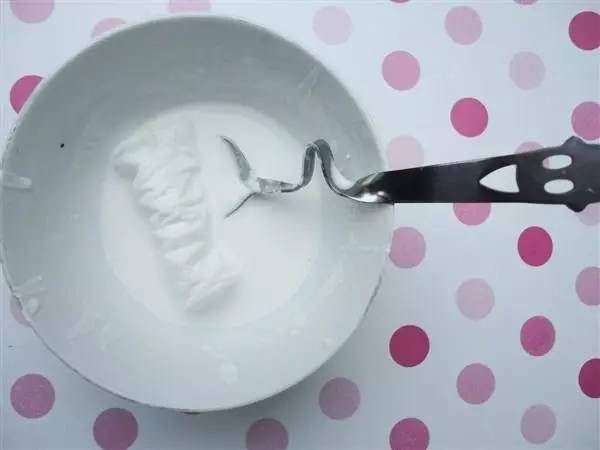
(1) Milk and flour
Mix 4 cups of flour and half a cup of whole milk into 20 liters of water, stir well, filter, and then spray the filtered liquid onto the branches and leaves to kill most of the ticks and their eggs.
(2) Onion juice
Take 20 grams of onion, mash it into a fine paste, add 1000 ml of water, soak for 24 hours, filter and spray. This can prevent and control spider mites and aphids.
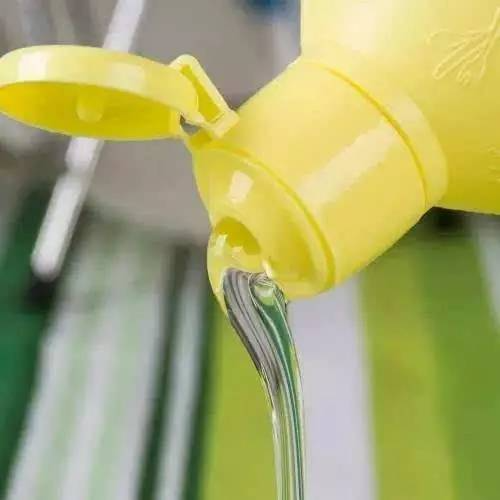
(3) Dishwashing liquid
You can mix 1 tablespoon of dish soap with 4 liters of water and spray the back of the leaves once every four or five days until the whiteflies are completely eliminated.
(4) Soapy water
Cut leftover soap into thin slices, dissolve it in hot water, add water at a ratio of 1:60, cool it, and then spray it to control aphids and spider mites.
Soaking cigarette butts in soapy water (to remove ash) can not only improve the control of aphids and spider mites, but also help control thrips, whiteflies, and leafhoppers.
However, soapy water should not be used for a long time, otherwise it will cause the potting soil to become alkalized.

(5) Mosquito coils
Hanging a lit mosquito coil on a flower plant and sealing it with plastic film for about 10 minutes can kill whiteflies and other pests.
(6) Fengyoujing (a type of medicated oil)
Dilute eucalyptus oil 600-800 times and spray it on plants to effectively control aphids, scale insects, spider mites, and moth and butterfly larvae.

(7) Beer
Place a small dish on a flowerpot and pour the leftover beer on it. Snails love to drink, so they will crawl into the dish, get drunk, and drown.
(8) Laundry detergent
Laundry detergent has a strong contact-killing effect on pests. The detergent solution can dissolve the waxy layer on the surface of the pest's body and penetrate into the insect's body, blocking the spiracles on the pest's body surface and causing it to suffocate and die.
A 200-300 times dilution can control leafhoppers. A 600-800 times dilution can control spider mites, aphids, and scale insects.

(9) Cigarette butt
Soak a few cigarette butts in water until the water turns yellowish-brown, then add a little soap solution. Spray this solution on the flowers or immerse the affected parts in the solution to effectively kill aphids, spider mites, and newly hatched scale insects.
(10) Scallions
Chop 200 grams of scallions and soak them in 10 liters of water for 24 hours. Filter the solution and use it to spray the affected plants several times a day for 5 consecutive days.
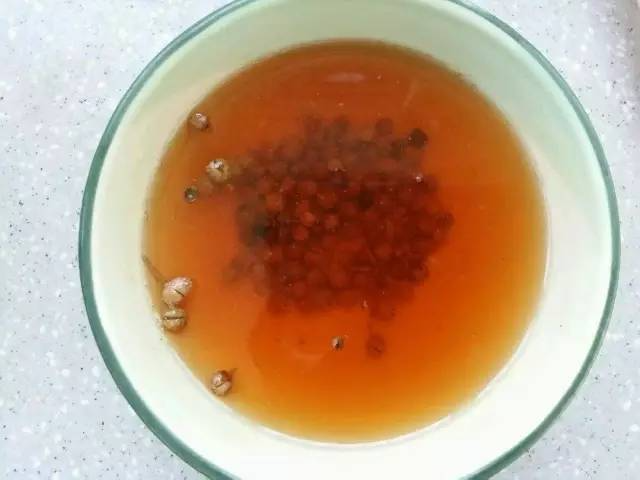
(11) Sichuan pepper water
Boil 100 grams of Sichuan peppercorns in 3 kilograms of water, cool, and then spray the solution to prevent scale insects.
(12) Vinegar
Dilute bottled vinegar with water 5-6 times and spray it every 3 days to prevent scale insects.
Homemade flower medicine (a pure natural insecticide, not a chemical compound)1. Rice Vinegar Solution: Rice vinegar (also known as balsamic vinegar or edible vinegar) contains abundant organic acids, which have a good inhibitory effect on pathogens. In the early stages of powdery mildew, spray the leaves with a 150-200 times diluted rice vinegar solution, once every 7 days, for 3-4 consecutive sprays; it can also prevent black spot and downy mildew in flowers.
2. Baking Soda Solution: Weigh 5 grams of baking soda, dissolve it in a small amount of alcohol, then add about 1000 ml of water to make a 0.5% concentration solution. Spraying this solution on the plants can prevent powdery mildew in flowers.
3. Mosquito coils: Mosquito coil smoke can repel spider mites and whiteflies. Light the mosquito coil and hang it on the infested plant, then cover the plant and pot with a plastic bag. The insects will be eliminated after one hour.
4. Eucalyptus oil: A solution of eucalyptus oil diluted 400-500 times with water can kill aphids.
5. Camphor balls: Crush camphor balls and place them in the potting soil to control underground pests.
6. Manual pest control: When the number of pests is small, use an old toothbrush or paintbrush to brush or sweep aphids onto paper, then burn them. Scale insects can be removed with bamboo strips or tweezers. Whiteflies can also be wiped off the undersides of leaves with a soft cloth.
7. Potassium permanganate solution: Potassium permanganate has a strong oxidizing ability and releases nascent oxygen. It has bactericidal properties and can control powdery mildew on flowers. In the early stages of the disease, spray with a 0.1%–0.2% potassium permanganate solution, once every 7 days, for 2–3 consecutive sprays. The effect can reach over 92%.
8. Laundry detergent solution: Take 2 grams of laundry detergent, add 500 ml of water and stir to make a solution. Add one drop of soybean oil and spray on the insects on the plant. This can kill aphids. If one spray is not enough, spray 2–3 times. This method can also kill scale insects, spider mites, green tussock moths, white butterflies, whiteflies, adult insects, eggs, and larvae. Some flowers with tuberous roots (such as peonies and dahlias), flowers with bulbs (such as lilies and lycoris), and flowers with fleshy roots are often damaged by soil-borne nematodes. Simply dilute a 1000-fold solution of laundry detergent with water and apply it to the branches and trunks to control scale insects.
9. Soap solution: Because soap can clog the respiratory organs of pests, it can suffocate them and kill them. It is effective against aphids and scale insects. 10. Tobacco Leaves: Tobacco leaves contain about 3% nicotine, while the stems and veins contain about 1%. Nicotine has a strong contact-killing effect on aphids, spider mites, and ants, and also has fumigation and stomach poison effects . Take 20
grams of tobacco dust or tobacco shreds from cigarette burnts, soak them in 500 ml of water for 24 hours, filter, and add 500 ml of 2% soapy water before use to increase adhesion. Spraying this solution on the leaves will be more effective. If you do not add soapy water, spraying it on the potting soil and around the bottom of the pot can treat aphids.
11. Leek Extract: Crush 50 grams of leek leaves, add 500 ml of water, filter, and spray the solution onto aphids to kill them. To prevent powdery mildew and black spot disease in roses, crush 50 grams of fresh chive leaves, add 3000 ml of water, filter, and spray the filtrate onto the leaves. Repeat this 1-2 times every 3 days for good results.
12. Garlic solution: Crush 30 grams of garlic cloves, add 500 ml of water, stir well, filter, and spray the filtrate onto the leaves once a day for 3-4 days. This can treat powdery mildew and black spot disease in roses. Alternatively, apply the garlic solution to the affected areas with a brush or old toothbrush. Mild cases may be cured in one application, while severe cases may require 2-3 applications. This method also effectively kills soft-bodied pests and their eggs, and can control aphids, spider mites, and scale insects. If you crush garlic cloves and insert them into the potting soil, earthworms, nematodes, and ants will be killed within 2-3 days. You can also crush garlic, soak it in water, and then pour the soaking solution directly into the potting soil. After a few minutes, earthworms will automatically emerge from the soil and can be removed with tweezers.
13. Scallion solution: Take 50 grams of scallions (or use the outer skin and leaves discarded when peeling scallions), crush them into a paste, add 500 ml of water, soak for 12 hours, and spray with the filtered solution. Spray several times a day for 3-4 days to treat aphids and other soft-bodied pests as well as powdery mildew, with an effectiveness rate of 100%. Pouring this solution into the soil can also control nematode damage.
14. Onion solution: Take one portion of onion, or collect the outer skin and leaves of scallions from your home, crush them, add 15 times the amount of water, soak for 24 hours, filter, and spray with the filtrate to control aphids, mites, and leaf miners. For the most stubborn spider mites, spray once a day for 3 consecutive days to kill them. 15. Ginger solution: Take one part ginger, mash it into
a paste, add 20 times the amount of water and soak for 12 hours. After filtering, spray the filtrate on the diseased plants to prevent leaf spot, sooty mold, rot, and black spot. It can also control aphids, spider mites, and leaf miners, making it an effective remedy for controlling flower pests and diseases.
16. Sichuan pepper solution: Take 50 grams of Sichuan pepper, add 500 ml of water, heat and boil in a pot until it becomes 250 ml of liquid. Dilute with 6-7 times the amount of water before spraying to control whiteflies, aphids, and scale insects.
17. Citrus peel solution: Take 50 grams of citrus peel, add 500 ml of water and soak for 24 hours. After filtering, spray the filtrate on the leaves to control aphids, spider mites, and leaf miners. Watering the soil with the solution can control nematodes. 17. **Citrus Seed Solution: ** Take 1 part citrus seeds and add 5 parts water, soak for 4-5 days, then soak flower seeds in the solution for 10 minutes. This can control various pests.
18. **Gleditsia Sinensis Solution:** Crush 1 part soap pods, add 10 parts water, soak for 24 hours, filter, and spray the filtrate to control aphids.
19. **Tomato Leaf Solution:** Crush 50 grams of fresh tomato leaves, add 150 ml of water, soak for 6 hours, filter, and spray the filtrate. This can kill aphids, spider mites, and other pests, and also repel flies.
20. **Chili Pepper Solution:** Crush fresh or dried chili peppers, or about 50 grams of fresh chili seeds, add 10 times the amount of water, boil for 20 minutes, filter, and spray the filtrate. This can control aphids, spider mites, ailanthus, and other pests. Pouring the solution into the soil can control soil weevils.
21. Polygonum hydropiper extract: Collect 100 grams of wild Polygonum hydropiper, add 500 ml of water, stir and mix, soak for 24 hours, filter, then add 1500 ml of water to the residue, stir and filter again. Combine the two filtrates and spray the plants to control aphids and powdery mildew.
22. Oleander leaf extract: Chop 50 grams of oleander branches and leaves, add 1000 ml of water and boil for 20-30 minutes. Remove the residue and spray the clear liquid to control aphids and whiteflies. Pouring it into potting soil can kill nematodes. However, note that oleander extract is highly toxic; store properly after use to prevent accidental ingestion by humans or animals, which could cause unnecessary damage.
23. Jicama (sweet potato, yam bean) extract: Jicama seeds contain rotenone, which has contact toxicity against aphids, spider mites, and other pests, and also has stomach poison effects. 24. Fresh Pine Needle Solution: First, put 100g of baking soda into an iron pot, add 500ml of water, stir until
dissolved and boil. Then, crush 300g of fresh pine needles (pine leaves) and add them to the pot. Boil for 40-60 minutes, stirring constantly and adding boiling water to replenish the evaporated water. Then, remove the pot, cool, and filter to obtain the stock solution. Dilute 15-18 times and spray on the leaves. The effect of controlling aphids can reach over 95%, and it can also control spider mites, scale insects, and other pests.
25. Wood ash solution: Take 50 grams of wood ash, add 2500 ml of water, stir thoroughly, soak for 48 hours, filter, then add 3 grams of laundry detergent and stir well. Spray the plants once a day for 3 consecutive days, then after a 7-day interval, spray again for 3 consecutive days to eliminate the second generation of pests. This method can control aphids, spider mites, whiteflies, scale insects, and other leaf-sucking pests. Watering the soil with this solution can control maggots
. 26. Castor bean leaf powder: Dry castor bean leaves and stems, grind them into powder, and apply to the soil to control grubs.
27. Ginkgo leaves: Take 10 grams of fresh ginkgo leaves, add water (enough to cover the leaves), and simmer over low heat until the leaves change color and soften. After cooling, add 300ml of water, filter, and collect the filtrate. Add a small amount of neutral detergent to the filtrate to increase adhesion. Pour the solution into a small sprayer and spray it onto the affected branches and leaves, preferably onto the insects themselves. This can control aphids, scale insects, whiteflies, beetles, and underground pests such as mole crickets, grubs, and cutworms. It can also kill flies and other pests. It can also control powdery mildew, black spot, and black rust. Repeat the spraying about 10 days later. It can also be applied to the potting soil for control. At home, placing ginkgo bonsai together with roses, cinerarias, dahlias, and other flowers prone to powdery mildew can also help prevent its occurrence.