Hotel solid wood furniture customization and maintenance tips, and differences from ordinary furniture.
As living standards improve, people's aspirations also rise. Home evokes a warm sense of belonging and security. Hotels, on the other hand, offer only a fleeting sense of home. These two spaces, with their distinct concepts, require different design philosophies and decorating styles. Below, we'll briefly introduce the differences between hotel furniture and regular furniture. Let's take a look!
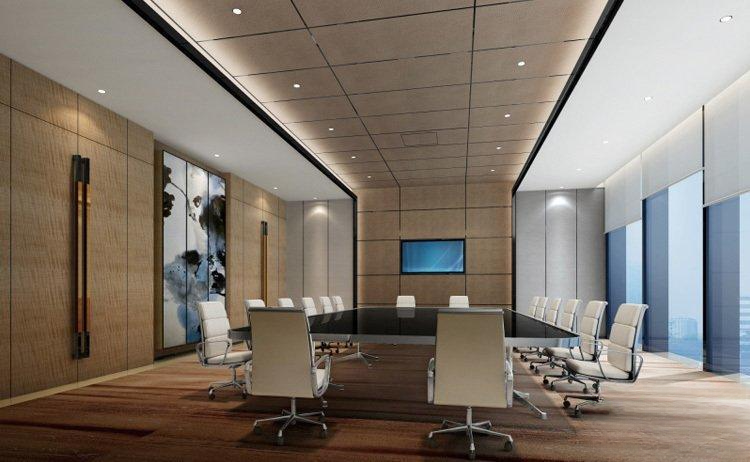
Furniture reflects a strong personal touch and is chosen based on the owner's preferences. Hotel furniture, on the other hand, is determined by the hotel's style. Different hotels have different styles, but in general, furniture design follows the principle of being universally appealing, catering to the aesthetic tastes of guests from all over the world.
In terms of the details of hotel furniture design, more attention should be paid to humanization. For safety reasons, square corners are often changed to small rounded corners. Power control switches are placed within easy reach of people lying in bed. Power sockets and computer network sockets are installed in desks or drawers. The guest rooms appear neat and clean, and guests can use them safely and conveniently.
High-end hotels tend to have a higher proportion of European and American guests, most of whom are taller. Therefore, the height of some beds, sofas , and chairs can be appropriately increased. Hotel furniture should have simple, clean lines, minimizing the use of raised or recessed lines to facilitate cleaning by staff. Home furniture, on the other hand, can be made with more complex craftsmanship.
Hotel furniture suffers more wear and tear than home furniture. Guests have different backgrounds and varying attitudes towards furniture care, resulting in significantly different material requirements. Hotel furniture is best suited for high-hardness, wear-resistant, and scratch-resistant finishes, such as coffee tables and desks. Guests often smoke in these areas, and may accidentally burn the furniture surfaces; therefore, the design should prioritize fire resistance for the tabletops, using fire-retardant finishes or glass. Home furniture generally does not require this consideration.
Hotel furniture needs to be waterproof and moisture-proof. Hotel bathrooms are mostly located in the guest rooms and are affected by wet towels, steam, seasonal changes, etc., which can cause furniture to deform, edge banding to peel off, and mold to grow. This affects the appearance of the furniture, damages the hotel's image, and directly affects the hotel's occupancy rate. Home furniture, on the other hand, has relatively lower requirements.
The difference in maintenance is that home furniture is more difficult to maintain because owners tend to cherish their furniture more, use it more carefully, and maintain it more meticulously, regularly waxing it.
Hotel furniture is made of imitation solid wood, without paint, and undergoes a special waterproof treatment. This makes the furniture fire-resistant, wear-resistant, waterproof, and moisture-proof, requiring no waxing and easy to maintain. Furthermore, cleaning hotel furniture involves a significant amount of work, and waxing solid wood furniture is often difficult. Insufficient cleaning before waxing can actually lead to greater difficulty in repairing damaged furniture.