Honeysuckle Pest and Disease Control Techniques (2015 Edition)
Honeysuckle is a perennial plant. During its growth, it is susceptible to pests and diseases such as aphids, spider mites, honeysuckle leafminer moths, longhorn beetles, grubs, scale insects, twig blight, brown spot, and powdery mildew. If not controlled in time, these pests and diseases can cause varying degrees of leaf drop and twig dieback, and in severe cases, the entire plant may die, significantly impacting yield. The following is an introduction to pollution-free control techniques for the main pests and diseases of honeysuckle, provided by Honeysuckle Home:
I. Pests
1. Red spider mites: cause severe damage during the hot and dry months of June and July.
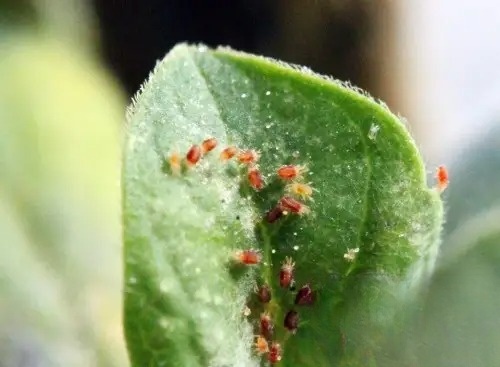
(1) Symptoms of damage: It mainly damages the leaves, causing the affected leaves to lose their green color and turn into grayish-yellow spots, resulting in leaf scorching and premature leaf drop. The affected buds and flower buds turn yellow and wither, and cannot unfold leaves and bloom.
(2) Control methods: Apply pesticides at the initial stage of spider mite infestation. Spray with 10% Liuyangmycin EC at 1,500 times dilution, 2.5% Huaguangmycin WP at 600-1,000 times dilution, or 1.5% Emamectin benzoate EC at 2,000-3,000 times dilution.
2. Cotton bollworm: Focus on controlling the first and second generations (early to mid-June and early to mid-July), and control should be carried out before the third instar larvae.
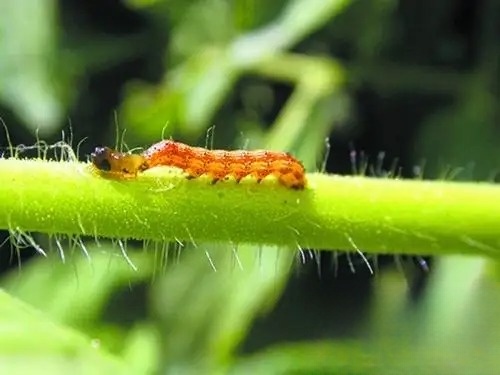
(1) Physical control: Black light traps to kill adult insects
(2) Biological control: Bt preparations, sex attractants, parasitic wasps
(3) Chemical control: During the peak hatching period of eggs or the early larval stage, spray with 4.5% high-efficiency cypermethrin at 3000 times dilution, 10% chlorfenapyr (chlorfenapyr) suspension at 1000 times dilution, 2.5% nicotine matrine aqueous solution at 1000 times dilution, Bt wettable powder at 1000 times dilution, 1 billion/g cotton bollworm nucleopolyhedrosis (NPV) wettable powder at 1000 times dilution, or 20% tebufenozide suspension at 100ml/mu, diluted in 60kg of water. Stop using pesticides 10 days before honeysuckle harvest.
3. Honeysuckle leafminer moth: There are 4 generations per year. The key control period is from late June to mid-to-late August.
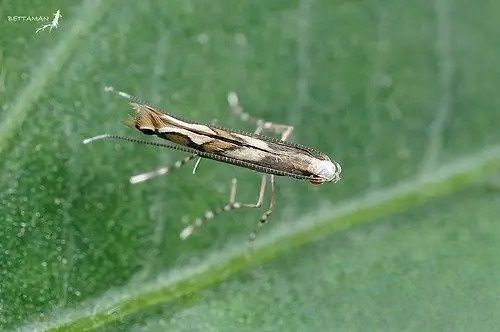
(1) Physical control: Remove fallen leaves in a timely manner and prune appropriately.
(2) Biological control: Bt microbial insecticides, honeysuckle leafminer wasps
(3) Chemical control: Spraying should be carried out at the end of the peak period of adult emergence. Good control agents include 25% diflubenzuron No. 3 and 5% flufenoxuron (carsik) EC at 1000-2000 times dilution. Stop using pesticides 10 days before honeysuckle harvest. When spraying, spray evenly and thoroughly, and spray the upper and lower surfaces of the leaves, drooping branches, and inner branches.
4. Honeysuckle looper: A voracious pest; control should be implemented before the larvae reach the 3rd instar.
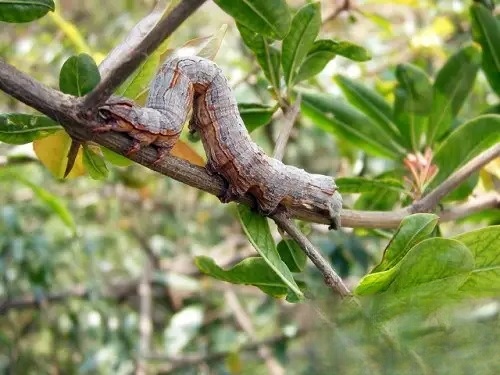
(1) Physical control: utilizing the feigning death effect
(2) Chemical control: Apply pesticides before the 3rd instar. Refer to the pesticides for cotton bollworm control for the pesticides used. Stop applying pesticides 10 days before honeysuckle harvest.
5. Moth
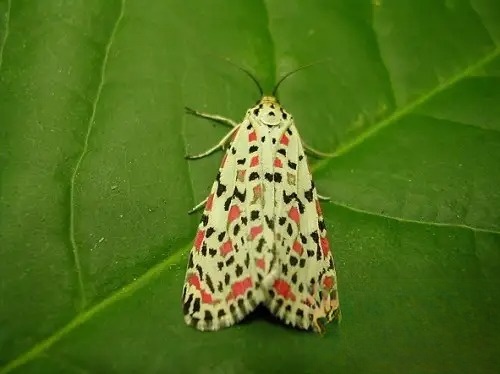
(1) Physical control: Black light traps to kill adult insects
(2) Chemical control should be carried out before the larvae reach the 3rd instar. For control agents, refer to the methods for controlling cotton bollworm.
6. Species of longhorn beetles: Coffee-backed tiger longhorn beetle
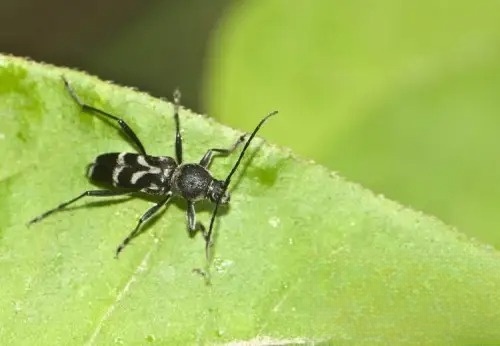
Damage Period and Symptoms: Adult beetles appear in the field in mid-April. Larvae damage honeysuckle from late May to early June, continuing to bore into the branches and trunks until late August. They pupate and emerge as adults in late August and early September, overwintering as adults within the damaged branches. After being damaged by the longhorn beetle, honeysuckle initially shows wilting of the leaves on the affected branches, followed by complete branch death. Splitting open the damaged branches reveals S-shaped tunnels extending from the bark, sometimes even penetrating the pith. Insect frass remains within these tunnels. (Coffee Tiger Longhorn Beetle Control Period and Methods)
(1) Physical control:
1. Every June, immediately prune any wilted branches found in the field, and find and kill the larvae. Winter pruning removes infested and dead branches, and dead trees are dug up and burned to eliminate overwintering insect sources, achieving twice the result with half the effort. This is also currently the simplest and easiest method.
2. Using a sugar-vinegar solution to trap adult insects: Sugar:vinegar:water = 1:5:4. Add 0.01% crystalline trichlorfon as a attractant. Place the trap on a shelf 1.5m above the ground. Remove dead insects from the attractant solution daily and bury them in the soil. Add more attractant solution as needed, and change the solution every two weeks.
(2) Chemical control:
During the adult emergence period from late April to early May, timely application of pesticides is recommended when a large number of adults are found in the field. The following pesticides can be used for spraying: 40% chlorpyrifos EC at a dilution of 1,000–1,200 times; 8% lambda-cyhalothrin microcapsules at a dilution of 200–300 times.
7. Shanxi mealybug and honeysuckle white shield bug
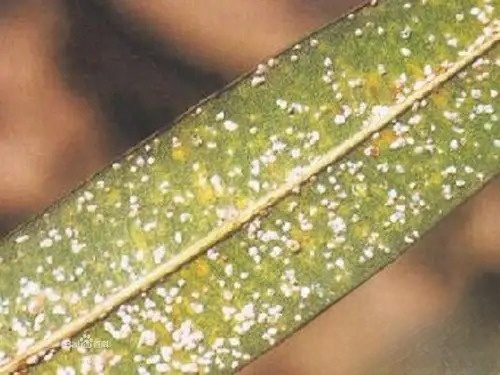
(1) Occurrence period and symptoms of damage: Scale insects appear on honeysuckle branches in mid-April each year. The scale insects gather on the undersides of honeysuckle leaves and in shaded areas of branches to suck the sap of the tree. In severe cases, the branches and leaves will wither and sooty mold will be induced. The scale insects are small and the damage is relatively hidden. Farmers have no awareness of prevention and control and generally do not take effective control measures, resulting in the accumulation of scale insects year after year, which gradually worsens the condition. This leads to the weakening of honeysuckle trees. In severely damaged old trees, the lower branches and bark turn black and a large number of branches die.
(2) Timing and Methods for Scale Insect Control: Apply pesticides promptly during the peak nymphal emergence period. The following systemic pesticides can be used for spraying: 3% acetamiprid EC at 1000x dilution; 2% abamectin EC at 4000x dilution; 25% thiamethoxam/actazone water-dispersible granules at 3000x dilution; 10% imidacloprid EC at 1000x dilution; 40% acephate EC at 1000x dilution; 22% pyrimethanil EC at 1000x dilution; 35% endosulfan EC at 1000-1500x dilution; 98% trichlorfon crystals at 1000x dilution; 48% chlorpyrifos EC at 2000-2500x dilution; 40% chlorpyrifos EC at 1000-1500x dilution. When applying pesticides, ensure even and thorough spraying, especially covering the inner parts of the plant.
8. Underground pests - grubs
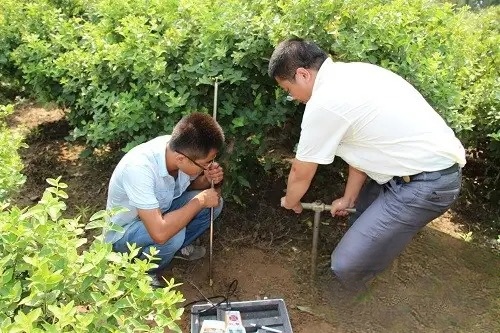
(1) Period of damage and symptoms: Throughout the growing season of honeysuckle, it can be damaged by different kinds of underground pests (mainly different kinds of grubs). Grubs mainly bite the roots of honeysuckle, causing poor root development and affecting the growth of the above-ground parts.
(2) Prevention and control period and methods
1. Biological control: 5 kg/mu of Beauveria bassiana powder
2. Physical control: Black light traps and sugar-vinegar solution to kill adult insects.
3. Chemical Control: In late March, as soil temperature rises, grubs begin to increase their infestation. Use 350 ml/mu of 30% acephate EC, 250 ml/mu of 50% phoxim EC, 210 ml/mu of 48% chlorpyrifos EC, and 350 ml/mu of 22% pyridaben EC. Irrigate the roots with this solution. From late June to mid-July, use 1000 ml/mu of 50% phoxim EC, 500 g/mu of 80% trichlorfon soluble powder, 1000 ml/mu of 48% chlorpyrifos EC, 1000 ml/mu of 22% pyridaben EC, and 100 g/mu of Beauveria bassiana high-spore powder, diluted in 30 kg of water, for ground spraying, followed by shallow hoeing. Repeat every 10-15 days, for a total of two applications.
II. Major diseases of honeysuckle include powdery mildew, brown spot, wilt, and branch blight.
1. Powdery mildew:
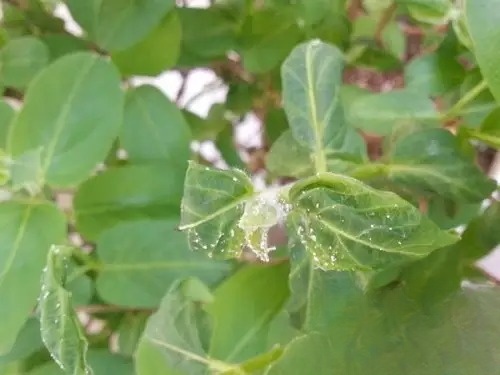
(1) Agricultural control: timely pruning of branches is beneficial for ventilation and light penetration and reduces field humidity.
(2) Chemical control: Spray with 15% triadimefon WP at 1200 times dilution, 12.5% tebuconazole WP, or 30% azoxystrobin WP at 1000 times dilution. Stop using pesticides 15 days before honeysuckle harvest.
2. Brown spot disease:
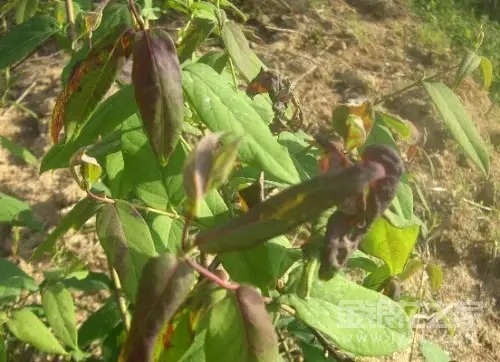
(1) Agricultural control Timely pruning of branches is beneficial to ventilation and light penetration, reducing field humidity, and timely removal of diseased leaves and branches.
(2) Chemical control Before or at the early stage of disease, spray with 50% carbendazim wettable powder at 600 times dilution or 70% thiophanate-methyl at 800 times dilution. Spray once every 10 days and stop using the medicine 15 days before the honeysuckle harvest.
3. Wilt disease:
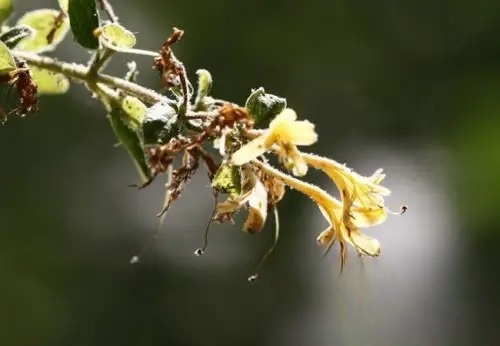
(1) Agricultural control: Strengthen field management, increase the application of organic fertilizer, enhance disease resistance, remove diseased plants in time, and drench the diseased holes with 50% carbendazim WP 500 to remove residual pathogens.
(2) Chemical control When the disease occurs, drench around the diseased plants with 50% carbendazim WP at 500 times dilution or 2% Nongkang 120 at 250 times dilution. Stop using the pesticides 15 days before the honeysuckle harvest.
4. Twig blight:
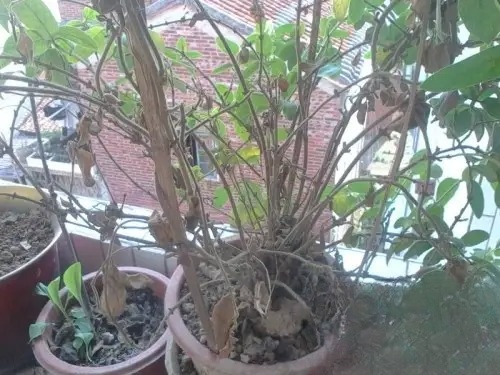
(1) Period of damage and symptoms: Initially seen in June, with the peak of the disease occurring in late July and early August. White powdery or light pink mold appears on the upper branches of honeysuckle, damaging the leaf axils and causing leaf drop. In severe cases, buds die. In milder cases, leaves fall off on individual branches; in severe cases, leaves fall off the entire branch, causing the branch to wither. Under high humidity, a dense white mold layer can form at the leaf axils, which can develop into a light orange-red mold layer. In the following spring, when honeysuckle sprouts, a large number of dead branches or the entire plant may die.
(2) Control period and methods: Starting in mid-June, spray with the following agents: 80% mancozeb WP 800, 25% azoxystrobin suspension 1000 times, 70% thiophanate-methyl WP 500 times, 25% tebuconazole WP 3500 times, 25% propiconazole EC 2500 times, once every 7 days. Alternate between the above agents.
Honeysuckle is a perennial plant, susceptible to various diseases and pests. Without effective control measures, these pest populations can rapidly expand, causing serious damage. The coffee longhorn beetle, white grubs, scale insects, and branch blight have become major pests in honeysuckle producing areas. These issues deserve serious attention; timely control measures are crucial to prevent their spread and ensure the stable development of the honeysuckle cultivation industry.