Home Tips: 60 Practical and Effective Cleaning and Maintenance Techniques
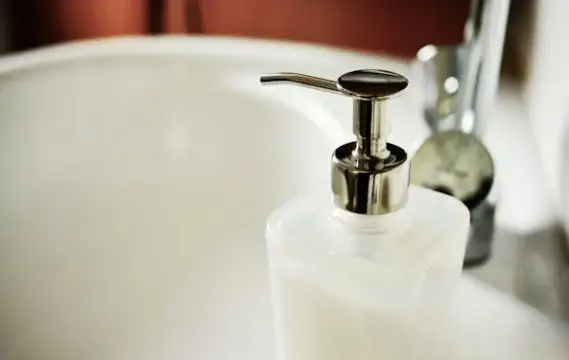
Vinegar and baking soda can be used to clean faucets.
Faucets often accumulate limescale. Soak paper towels in white vinegar, wrap them around the faucet, and leave them for 30 minutes. After that, remove the paper towels, sprinkle baking soda on the faucet, and gently scrub with a brush. The limescale will be easily removed.Microwave cleaning method
: Add a few slices of lemon or two tablespoons of white vinegar to a bowl of water and microwave on high for 3-5 minutes. The steam will soften the stains on the inner wall. Then wipe with a damp cloth to easily remove grease.To remove odors from a garbage disposal,
pour a few ice cubes and a small amount of baking soda or lemon slices into the disposal. Turn on the machine and run it for a few minutes. The ice cubes will remove residue, while the lemon or baking soda will help eliminate odors.To clean greasy
kitchen countertops and stovetops, sprinkle dry flour on them first. The flour will absorb the grease, and then you can wipe it clean with a dry cloth without leaving any grease.A simple trick for cleaning windows:
Mix water and white vinegar in a 1:1 ratio, spray the mixture onto the window glass, and then gently wipe it with newspaper or a window cleaner. This will make the glass shine like new.

Use an old toothbrush
to clean hard-to-reach areas such as tile grout and floor edges. Dip it in a mixture of baking soda and water and scrub to effectively remove stubborn dirt.Baking paper prevents grease stains.
Baking paper is not only used in ovens, but can also be placed on top of the filter of a kitchen range hood. It can absorb grease and reduce the frequency of filter cleaning.Clothing care: Freezing sweaters to prevent pilling.
New sweaters are prone to pilling. Before wearing them, put them in a plastic bag and freeze them overnight to effectively prevent pilling.
If there are minor stains on the wall, such as pencil or crayon marks, you can remove them by gently rubbing with an eraser without damaging the wall .To remove shoe odors
, crumple old newspapers into balls and stuff them into your shoes. The newspapers will absorb moisture and odors, keeping your shoes dry and fresh.
To remove limescale from a kettle
, pour in a mixture of white vinegar and water, boil for a few minutes, let it sit for a while, and then pour it out. The limescale will dissolve automatically, keeping the kettle clean.A handy tip for cleaning your dishwasher
once a month: put baking soda and white vinegar inside the dishwasher and run it empty once a month to remove residual dirt and odors.To remove candle wax stains with a hairdryer,
if candle wax drips onto a table, use the hot air from a hairdryer to soften the wax. Then, you can easily wipe it away with a tissue or cloth without leaving any residue.A tip for cleaning dusty window screens
: Put an old sock on your hand, dampen it with a little water, and gently wipe the dust off the screen. The screen will become clean and transparent.Cleaning the inside of narrow-necked bottles with rice
: Pour in a small amount of raw rice and water, shake the bottle, and the rice grains will rub against the bottle wall, effectively removing the dirt inside.
Bread can remove hook marks from the wall.
After removing the hooks, there may be unsightly marks on the wall. Gently press the marks with bread, and the marks will gradually fade and disappear.Coffee grounds can remove refrigerator odors.
Placing a bowl of dry coffee grounds in the refrigerator can absorb odors and leave a faint coffee aroma.To remove pet hair from a dryer
, you can put clothes with hair in the dryer, add a dryer sheet, and dry on low for 10 minutes. The hair will then be collected in the filter.To protect the fan blades from dust,
cover them with a pillowcase and slowly pull it out. This will prevent dust from scattering into the air. Then wipe them again with a damp cloth to ensure they are clean.Tea leaves can be used to clean wood floors.
The mild and non-irritating tea water is perfect for wiping wood floors, providing excellent cleaning results and helping to maintain the natural shine of the floor.
To clean the adhesive backing of a mirror
, use a hairdryer to heat the adhesive residue on the back of the mirror for a few seconds. The adhesive will soften and can be easily wiped away with a cloth without the need for chemical cleaners.A washing machine cleaning method
involves regularly pouring two cups of white vinegar and one cup of baking soda into the washing machine, then running a high-temperature empty cycle. This can effectively remove mold and dirt from inside the washing machine.Vacuum cleaners
can be used to clean dust from ceilings, light fixtures, and suspended ceilings. This avoids the need for ladders and reduces the risk of accidents.To prevent mirrors from fogging
up due to heat, rub a bar of dry soap on the mirror a few times, then wipe it off with a dry cloth. The soap residue can prevent the mirror from fogging up.Use medicated oil to remove sticker residue.
Stickers or labels often leave adhesive residue after being peeled off. Gently wiping with medicated oil can quickly remove the residue without leaving any trace.
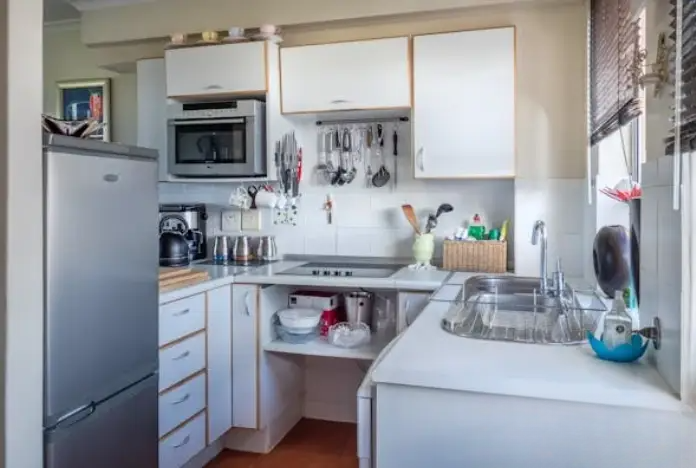
Boiled grapefruit peel can be used to clean grease stains on the stove.
After boiling grapefruit peel in water and letting it cool, use this water to wipe the stove and kitchen countertops. This can remove stubborn grease stains and leave a fresh scent.Cleaning stainless steel utensils with dish soap:
Stainless steel utensils such as pots and sinks are prone to water stains or fingerprints. Mix a few drops of dish soap with a little water, wipe the surface with a soft cloth, and the utensils can be restored to their shine.To clean mold from tile grout using bleach,
mix bleach and water in a 1:1 ratio. Use a toothbrush to apply the mixture to the mold in the tile grout, leave it for 10 minutes, and then rinse with clean water.To clean a sink drain,
squeeze the juice of half a lemon into the drain, then pour in a cup of white vinegar. Let it sit for 5 minutes, then flush with hot water. This will eliminate odors and minor blockages.Removing Tea Stains from Coffee Cups with Salt:
Coffee cups and tea cups are prone to tea stains that are difficult to clean. Simply rub the tea stains with salt and water, and the stains will be easily removed after a few minutes.
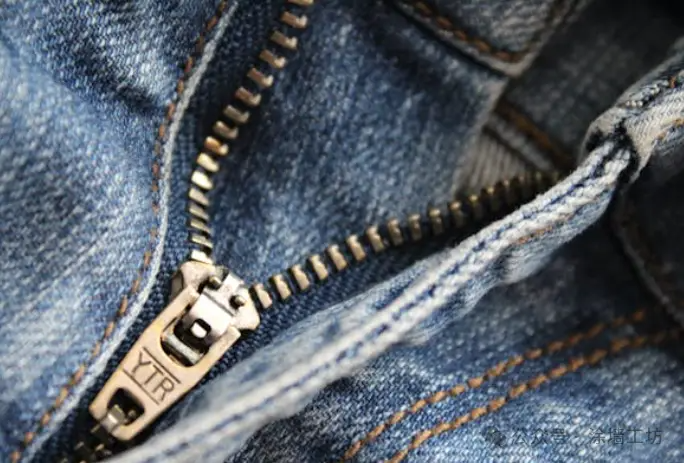
To maintain a zipper,
if it's not smooth, rub some dry soap on the zipper teeth; it will then become smoother.Cleaning cutting boards with lemon water:
Cutting boards tend to develop odors and bacteria after long-term use. Wipe the cutting board with half a lemon, then rinse it clean. This will not only disinfect but also remove odors.Wiping remote controls with alcohol:
Buttons on remote controls are prone to accumulating dirt and grime. Use a cotton swab dipped in a small amount of alcohol to carefully wipe each button crevices, which can effectively clean and disinfect them.To clean fingerprints on walls,
mix a few drops of laundry detergent with warm water to create a cleaning solution. Gently wipe the fingerprints and stains on the wall with a sponge. The fingerprints will be removed without damaging the wall coating.White vinegar is most effective at removing hard water stains
in showers and on faucets. Soak a cloth in white vinegar, cover the water stain, let it sit for half an hour, and then wipe it off. Stubborn water stains will be easily removed.
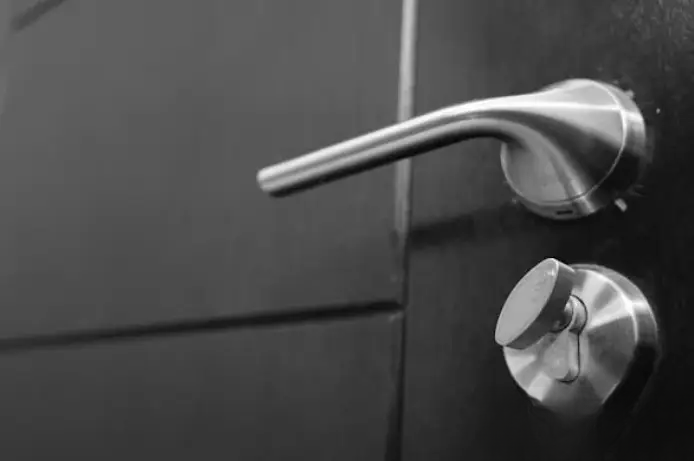
Plastic wrap can be used to protect refrigerator shelves.
Refrigerator shelves are prone to accumulating stains and food residue. You can use plastic wrap to cover the shelves, and when cleaning, you only need to replace the plastic wrap, which saves time and effort.Disinfect switches and door handles with alcohol.
Switches and door handles commonly used in the home are breeding grounds for bacteria. Regularly spraying or wiping them with alcohol can not only clean them but also effectively kill bacteria.To remove dust from window tracks,
use dish soap. Window tracks easily accumulate dust and stains. Mix dish soap and water to make a solution, scrub the tracks with a toothbrush, and then rinse them clean with water.Iron Descaling Method:
If dirt and limescale accumulate on the soleplate of your iron, mix a small amount of baking soda with water to form a paste, apply it to the soleplate, and then gently wipe it off. This will easily remove the stains.Toothpaste can prevent fingerprints from leaving on faucets.
Faucets are prone to leaving fingerprints and watermarks. Gently wiping the faucet surface with toothpaste and then rinsing it clean will make the surface shiny and less prone to fingerprints.
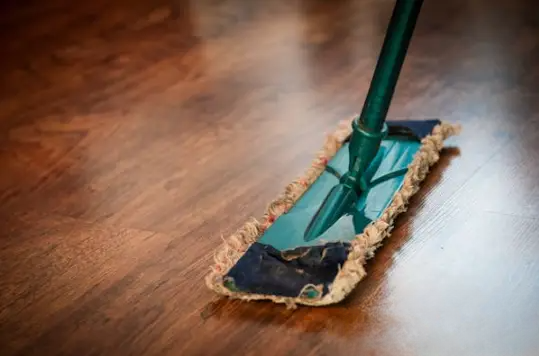
Toothpaste can remove scratches on furniture.
Small scratches on the surface of wooden furniture can be removed by applying a small amount of white toothpaste to the scratch and wiping it gently with a soft cloth. The scratches will gradually disappear without damaging the surface.White vinegar can be used to clean curtains.
Curtains easily accumulate dust and impurities from the air. Adding half a cup of white vinegar to the water when washing curtains can effectively remove dirt and make the colors of the curtains brighter.Baking soda can be used to clean toilet stains.
Pour a cup of baking soda into the toilet bowl, let it sit for an hour, and then scrub. This can remove stubborn stains that are difficult to remove and restore the toilet to its clean and shiny state.To remove fine hair from the floor,
dampen a cloth and gently wipe the floor. The moisture will cause the hair to adhere to the cloth, making the cleaning more thorough.
When washing fruits and vegetables, you can soak them in lightly salted water for a few minutes. This can not only remove pesticide residues on the surface, but also remove dirt .

To clean copperware,
use half a lemon dipped in salt to rub the copper items. This will quickly remove oxidation spots and restore the copperware's shine. Then rinse it clean with water.To remove stains from the soleplate of an iron
, sprinkle a little salt on a piece of white paper, then heat the iron and iron it on a low temperature setting. The salt will absorb the stains.Use cotton swabs to clean the headphone jack.
Dust and small particles accumulated in the headphone jack can be gently wiped away with a cotton swab in a rotating motion to keep the headphone jack clean and prevent damage to sound quality.Rice can remove the stickiness from oil bottles.
Oil bottles often become sticky due to residual oil. Put a small amount of rice into the bottle, add water, shake the bottle, and the rice grains will absorb the oil. After rinsing, the bottle will be clean and new.Freezer cleaning:
Frost easily accumulates in the freezer. First, remove the food from the freezer, then use a hairdryer to blow on the frost for a few minutes. The frost will melt quickly and be easy to clean.
If your sweater
is pilling, you can gently shave off the surface lint with a razor. The sweater will then be smooth and clean again. Be careful not to use too much force to avoid damaging the fabric.Milk can be used to clean leather products.
Milk isn't just for drinking; it can also be used to condition leather goods. Dampen a clean cloth with a small amount of milk and gently wipe the leather surface. This will increase its shine and extend its lifespan.Baby wipes
can be used to wipe the soles of sneakers or leather shoes. They can easily remove mud and stains, making them especially suitable for everyday cleaning.Cleaning dust from lampshades:
Ceiling lights and pendant lights are prone to accumulating dust. Gently wipe the surface of the lampshade with a static-charged dust cloth; the dust will be quickly absorbed, making the light brighter.To clean the crevices of your stovetop
, cut a sponge into thin strips, dip it in a mixture of dish soap and water, and gently wipe the crevices. This will effectively remove grease and dust.
To clean oven door glass with baking soda,
mix baking soda with water to form a paste, apply it to the oven door glass, let it sit for 15 minutes, and then wipe it off with a damp cloth. The grease on the glass will be removed.To remove keyboard dust
, simply stick transparent tape between the keyboard crevices and gently peel it off. The dust and debris will be removed, leaving your keyboard clean again.Plastic wrap can prevent oil stains from splashing onto the stove
. When cooking, oil stains easily splatter onto the stove wall. You can stick plastic wrap behind the stove. After cooking, you can remove the plastic wrap and the stove will still be clean.Old toothbrushes
are difficult to use to clean the corners of window frames. Using an old toothbrush dipped in dish soap to gently scrub can effectively remove accumulated dust and dirt.To remove odors from
wooden cutting boards, rub half a lemon on the board, sprinkle some salt and rub gently, then rinse with water. The odor will be completely removed.