Home renovation experts share moneysaving tips and tricks for refurbishing old items.
Home renovation experts share money-saving tips and tricks for refurbishing old items - sofa refurbishment, leather sofa refurbishment
In home renovation, many homeowners are concerned about the cost. Following the economic crisis, prices have fluctuated, with many items experiencing price increases, including furniture and decorations. How can one create the perfect home with a limited budget? How can furniture be made to shine and serve its maximum purpose? These are questions many homeowners worry about. When moving to a new home, many old pieces of furniture are still usable, and throwing them away seems wasteful, but they also look a bit worn in the new space. Refurbishing and using these old pieces can save a significant portion of renovation costs. Selling old furniture to a recycler won't get you much, but with a little ingenuity, their value can increase dramatically. Furniture refurbishment is a good way to cope with rising prices. With the new year approaching, we've summarized several refurbishment techniques for common household items. Why not try it yourself and give your furniture a fresh new look to welcome the new year with minimal expense?

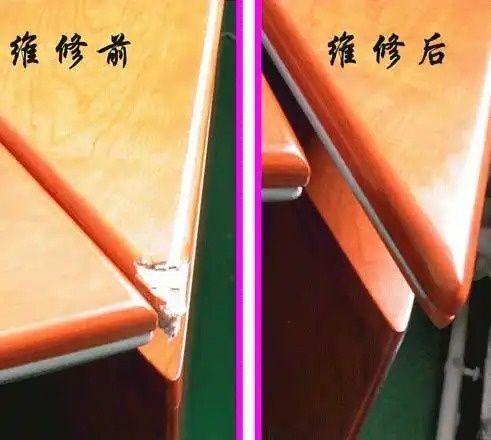
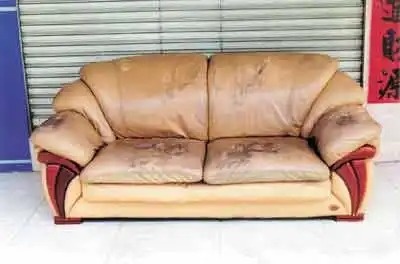
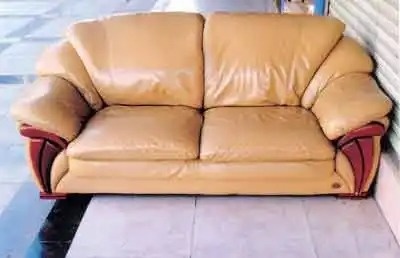
Item to be renovated: genuine leather sofa
Genuine leather sofas inevitably experience discoloration, localized scratches, cracking, and aging over time. Refurbishment can repair these issues to the greatest extent possible. Moreover, leather that has been repaired, refurbished, or partially repaired retains a soft feel, a natural and gentle luster, and maintains its elasticity and good breathability.
Renovation Tip 1: Repairing Sofa Scratches with a Hair Dryer
Use a blade to apply the leather repair ointment to the wound and smooth it out. Then use a hairdryer to speed up the drying process (repeat several times as needed for best results) to prevent shrinkage!
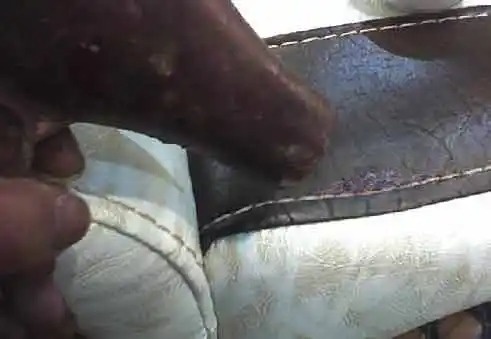
Renovation Tip #2: Egg Whites to Remove Stains
Refurbishment method: For a soiled genuine leather sofa, you can use a clean flannel cloth dipped in some egg white to wipe it. This will not only remove the stains but also make the leather surface shine like new.
Item to be renovated: Plush fabric sofa
Refurbishment Tip 1: Clean Plush with Alcohol
For plush fabric sofas, you can use a soft brush dipped in a little diluted alcohol to brush them, and then blow-dry them with a hair dryer. If you encounter juice stains, mix 1 teaspoon of baking soda with water, and then use a cloth to wipe the stains. The stains will fade.
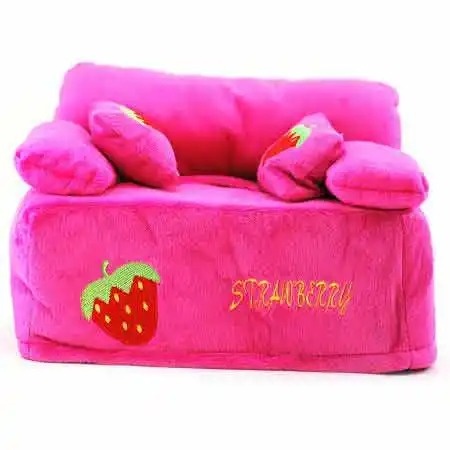
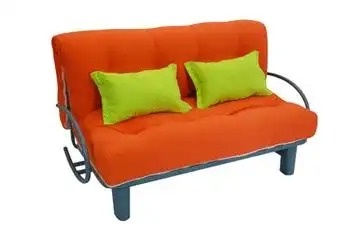
Renovation Tip #2: Custom-Made Sofa Covers
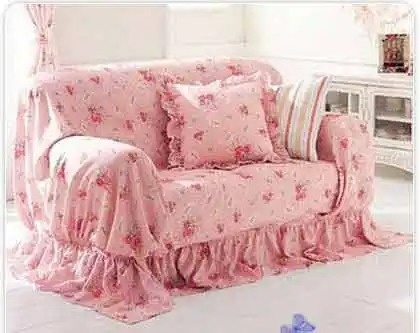
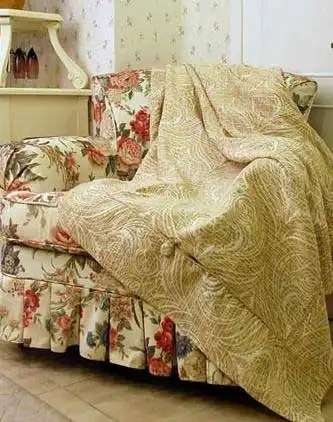
A custom-made sofa cover can instantly transform a sofa. Choose the right fabric, then two people work together to cover different parts of the sofa with the fabric. According to the curves of each part of the sofa, leave extra for sewing (leave extra to prevent uneven cutting; too much extra can be sewn in, too little will cause the cover to tear). Cut out various shapes of fabric piece by piece, and finally sew them together. I don't know what style your sofa is, but generally you'll need to cut out the back panel, backrest panel, seat panels, front panel (you can add a ruffle at the bottom of the front panel), and two side panels (if there are armrests, you'll need to cut a few more). Cutting the two side panels is the most important; they must follow the curvature of the sofa. Note that the top edges of the backrest should be pleated; the exact pleat length depends on the curvature of the sofa. When sewing, sew vertically first, then sew the two side panels. This will result in a neater sofa cover. If using floral or plaid fabric, make sure to align the pattern correctly. Of course, you can also take the measurements and have them sewn by a professional tailor.
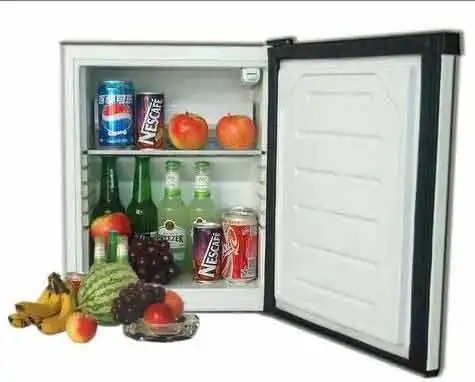
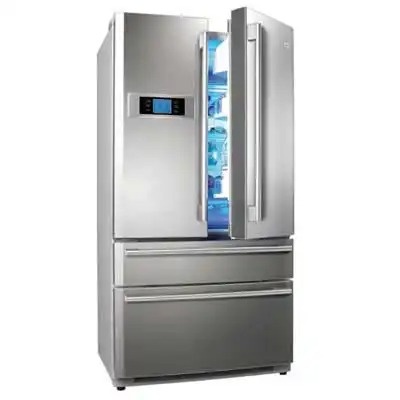
Refrigerator
Refrigeration Tip 1: Removing Dirt from the Refrigerator Exterior
For general dirt on the refrigerator exterior, you can gently wipe it with a soft cloth dampened with a small amount of toothpaste. If the stains are stubborn, apply more toothpaste and wipe repeatedly with the cloth until the refrigerator is clean again. This is because toothpaste contains abrasives, making it very effective at removing dirt.