Home Gardening | Winter Flower Care Guide
Winter is different from other seasons when it comes to growing flowers. Due to the harsh environmental conditions, many people find that their hard-earned plants begin to lose their luster, and worry that their beloved flowers won't survive the winter. How can you help your plants safely overwinter?
Money Tree Winter Care
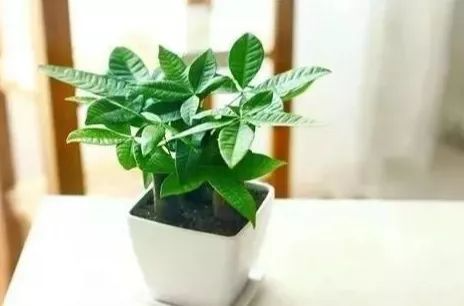
Money trees are not very cold-hardy, so when cultivating them in winter, attention should be paid to controlling factors such as temperature, water, and light.
1. Temperature
The optimal temperature for the growth of the money tree is 20℃~30℃. In winter, the temperature should be kept above 5℃, otherwise frost damage will occur. During the depths of winter, if the temperature is kept above 15℃ and there is sufficient sunlight, the money tree can continue to grow. If the room temperature is below 8℃, and the environment is too humid or dry, and lacks ventilation, water-soaked spots will appear on the leaves, initially turning bronze, and then gradually falling off. If the temperature drops below 5℃, all the leaves will fall off, and the tree may even die.
Therefore, the potted money tree should be moved indoors for overwintering in mid-November, and then moved outdoors again around Grain Rain (mid-April) of the following year.
2. Moisture
Money trees are not very demanding when it comes to water. They can grow normally even with heavy watering outdoors or without watering for 10 days indoors. However, watering should be done sparingly and in moderation during winter. The potting soil should not be too wet; it should be slightly moist. Otherwise, the leaf tips will easily wither and scorch, and the leaves may even fall off.
The room temperature should usually be kept between 12 and 18 degrees Celsius, and watering once a month is sufficient.
3. Light
Money trees thrive in full sunlight, producing short internodes, wide, dark green leaves, and a thick, sturdy stem base. If grown in low light for extended periods, the branches become thin, the petioles droop, and the leaves turn a pale green. However, full sunlight is difficult to achieve in winter. After winter, when moving the plant outdoors, allow it to gradually acclimate to sunlight to prevent sunburn on the leaves.
The best approach is to move the pot outdoors in mid-to-late March of the following year, choosing a sunny midday. Initially, expose it to sunlight for 1 to 2 hours daily, gradually increasing the duration until full sun exposure is restored.
4. Smoking
When moving your money tree indoors for winter, avoid exposing it to smoke. Smoke will cause the leaves to turn yellow, reducing its ornamental value. Therefore, try not to place the plant near smoke vents or air conditioner vents.
Remedies for frostbite on money trees:
Money trees are highly susceptible to frost damage if not properly cared for. In winter or early spring, when temperatures drop suddenly, the leaves and roots are easily damaged by frost. Once frost damage occurs, it needs to be remedied promptly.
First, move the plant to a warm place.
Check the extent of frost damage. If only the leaves are affected, spray the leaves with a solution of butyl naphthaleneacetate and gibberellin, and simultaneously drench the roots with naphthaleneacetic acid and other similar agents. Treat every 3 days, and once new leaves emerge, reduce the frequency to once every 7 days. Generally, 5 to 6 treatments are sufficient for recovery.
When root damage is found, drench the plant with a 200-fold dilution of 70% manganese ethylene wettable powder, and then place the plant in a warm, dry place to recover.
Clivia winter care
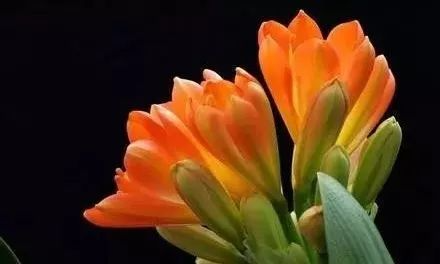
However, the low winter temperatures and unfavorable environmental conditions make it necessary to focus on five key management points for Clivia.
1. Fertilizing
First, apply a solid fertilizer, such as fermented soybean cake, roasted hemp seeds, bone meal, or dried pig blood meal. Then, every 20 days or so, water the plants and apply fermented soybean cake water, hoof and horn water, or diluted fishy water. After 50 days, apply another solid fertilizer. Apply more fertilizer to flowering plants to promote flower bud differentiation and formation, encourage rapid flower stalk emergence, and advance flowering.
2. Temperature
The ideal winter temperature for Clivia is 15℃~20℃, and it should not fall below 10℃. After the flower stalk emerges, maintain the room temperature at around 18℃, and the ideal day-night temperature difference is around 6℃~10℃. Otherwise, the flower stalk will not grow to the appropriate height before blooming, resulting in "bud entrapment". After flowering, proper ventilation and cooling can help prolong the flowering period.
3. Light
In winter, low temperatures make sunlight essential for the vigorous growth of clivia. Therefore, clivia should be placed in a location with excellent sunlight, especially before flowering. After flowering, to prolong the blooming period, the duration of sunlight exposure can be appropriately reduced.
4. Watering
Clivia plants have fleshy roots and are susceptible to waterlogging; overwatering can suffocate the roots and even cause them to rot. Especially in winter, when transpiration is slower, watering should be carefully controlled. Generally, it's best to keep the potting soil slightly dry, watering approximately once every 20 days. In winter, never use ice-cold water, and be careful not to wet the leaf sheaths. To increase humidity, you can spray water around the edge of the pot on the ground. The water used should be clean water that has been stored for 1-2 days to allow harmful gases to evaporate.
5. Pollination
To increase the production of high-quality Clivia plants, select a cross-pollinating Clivia species as the male parent when it blooms, and pollinate it promptly. Avoid self-pollination, as it not only results in low seed production but also leads to varietal degeneration.
Orchid winter care
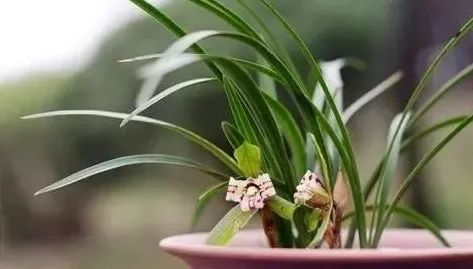
Winter is crucial for the vigorous growth and flowering of orchids, but caring for orchids well in winter is not an easy task.
1. Orchids need to be brought indoors for warmth during winter.
As winter approaches and the weather gets colder, orchids placed outdoors are easily affected by cold waves and must be moved indoors to a sunny place for care.
For those living in apartments, it's best to place the orchid pots on an enclosed balcony. This ensures the orchids receive ample sunlight, which is extremely beneficial for bud formation and flowering.
After bringing the plant indoors, the room temperature should be controlled between 5 and 15℃, which is generally sufficient for most households. However, the room temperature should not be too high, as this will slow down the growth of the flower stems and result in poor bud development.
2. Orchids need reduced fertilization and increased light during winter.
Orchids generally do not need to be fertilized during their dormancy period.
Orchids have a symbiotic relationship with root fungi in their roots, so they generally need to be repotted every other year. However, since the soil already contains abundant nutrients, repotting is not necessary. But for Cymbidium goeringii, which grows during winter, it is necessary to replenish nutrients in time by spraying a small amount of phosphorus and potassium fertilizer on the leaves.
3. Watering orchids should be controlled during winter.
"Do not let the soil dry out in summer and autumn, and do not let it get too wet in winter and spring"—this is a summary of orchid cultivation experience from our predecessors. Orchids are mostly dormant in winter and require less water; the potting soil should only be slightly moist.
If the potting soil is indeed very dry, you can spray it with water at room temperature around midday on a sunny day, just enough to keep the soil slightly moist. Rainwater or snowmelt is best for watering orchids; if using tap water, let it sit for two days before using.
4. Orchids need ventilation in winter.
Orchids prefer a warm, humid environment with good air circulation. In northern regions where indoor heating is provided by stoves, the pots should be kept away from the fire. On sunny days around noon, windows should be opened for ventilation, or the pots should be placed outdoors in a sheltered, sunny spot.
Orchids kept on enclosed balconies also need good air circulation; open the windows frequently. However, if the temperature drops suddenly, close the windows immediately to prevent the orchids from freezing.
5. Orchids need protection against diseases and pests in winter.
Winter air is dry, reducing the incidence of pests and diseases. However, this may not be the case for indoor plants with high humidity, requiring timely and appropriate pesticide application. During routine maintenance, protective spraying is also necessary; applying Bordeaux mixture to the potting soil and surrounding area can reduce the occurrence of pests and diseases the following year.
Silver Queen Winter Care
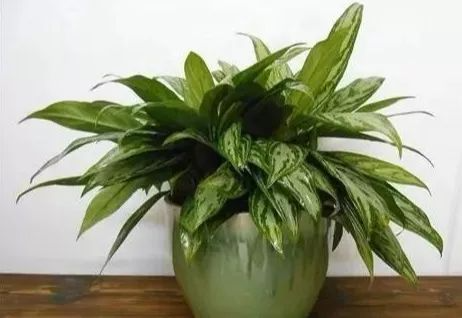
Silver Queen is often used as an indoor potted plant for interior decoration.
1. Light and temperature
Silver Queen is a plant that prefers warmth and sunlight, but it is also very intolerant of cold and dislikes strong sunlight. Therefore, special attention needs to be paid to its light and temperature when cultivating Silver Queen in winter. Winter has fewer sunny days and insufficient sunlight, so it's crucial to ensure adequate lighting for Silver Queen. If insufficient light occurs, supplemental lighting should be used promptly; otherwise, the leaves will become pale. Furthermore, the ideal temperature for Silver Queen is between 20 and 24 degrees Celsius. In the harsh winter, it needs to be protected with a greenhouse to maintain warmth, ensuring the temperature never drops below 5 degrees Celsius, otherwise the Silver Queen will freeze to death.
2. Watering and fertilizing
Silver Queen is a plant that prefers a humid environment, so it needs plenty of water to keep the potting soil moist. However, as we all know, in winter, the temperature is low and water evaporates very slowly, so it's necessary to reduce watering. Be careful to avoid waterlogging in the pot; only water when the soil is completely dry, and ensure the minimum temperature is above 15 degrees Celsius before watering. Additionally, plant growth slows down in winter, including for Silver Queen, so its nutrient requirements are low. Therefore, stop fertilizing it at this time.
Winter care for the money tree
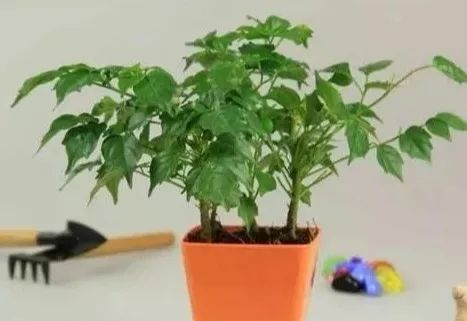
The money tree prefers a warm climate. It has a very beautiful appearance, and its lush green leaves are very suitable for placing in some stylish places in the home.
1. Temperature
The money tree is a plant that grows in subtropical southern regions. It prefers temperatures around 20 degrees Celsius. Summer temperatures are high, so they should not exceed 30 degrees Celsius. If the temperature gets too high, cooling and shading measures are necessary. In winter, the room temperature should be kept above 10 degrees Celsius to prevent frost damage.
2. Sunshine
In winter, the money tree needs plenty of sunlight. Place it in direct sunlight on sunny days to ensure it survives the winter safely. When moving it outdoors for sunlight, choose a time when the temperature is relatively high to avoid frost damage. If the money tree is kept in a dark place throughout the winter, its leaves will easily turn yellow and fall off. Therefore, adequate sunlight is crucial in winter.
3. Moisture
The growing environment for the money tree needs to be kept moist, and the soil should also be kept consistently moist. When watering, avoid excessive water accumulation in the soil, as this can easily lead to root rot. In winter, when temperatures are lower, the money tree's water requirements will decrease; at this time, simply pay attention to the moisture level of the soil.
4. Fertilizing
After a period of cultivation, the soil of the money tree will become deficient in nutrients. At this time, we need to apply a small amount of fertilizer before winter arrives to help it overwinter better. The fertilizer should be mixed with water before application. If these steps are taken, the money tree will safely survive the winter.
Golden Diamond Winter Care
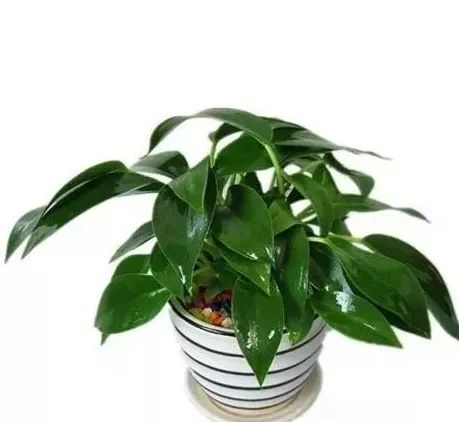
The Golden Diamond foliage has lush, firm green leaves, making it highly ornamental, and maintaining its vibrant green color is not a problem. Here are some tips!
1. Increase temperature
Golden Pothos is not cold-hardy. The room temperature in winter should be kept above 10℃ and should not be lower than 5℃. Otherwise, the leaves are prone to developing damaged patches, turning yellow and falling off, which reduces its ornamental value.
2. Reduce watering
When the room temperature is low in winter, watering should be controlled and fertilization should be stopped. In winter, watering should be done on the side of dryness rather than wetness, as the Golden Pothos is in a dormant period. Overwatering can easily lead to root rot, resulting in slow growth or cessation of growth.
Winter care for pothos
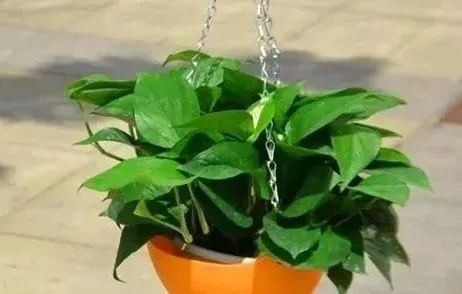
Pothos is a plant that is very suitable for indoor cultivation. It can freshen the air, increase air humidity, and can also protect against radiation when placed near a computer.
1. Light Management
In fact, pothos is not a plant that needs a lot of light. However, in the winter in the north, it is easy for pothos to not get enough sunlight. Therefore, in winter, you should increase the light exposure of pothos appropriately. You can place it in a well-lit place indoors or on the balcony to give it enough light. Since the temperature is low in winter, it should not be placed outdoors for too long.
2. Temperature Management
Generally, pothos plants are grown indoors. In winter, as long as the indoor temperature is above 10°C, they can safely overwinter. If the temperature reaches above 20°C, they can even continue to grow. However, it's important not to place them near heating appliances for warmth.
3. Water Management
In winter, the growth rate of pothos slows down, and it needs less water. Due to the low temperature, water evaporates slowly, so it doesn't need much watering; generally, reducing the amount of water to half of the usual amount is sufficient. After heating is turned on, the amount of watering should not be increased. When watering in winter, it's advisable to let the water sit indoors for a day before watering. This allows the water to warm up to near the room temperature, preventing the cold water from freezing and damaging the roots of the pothos.
4. Fertilizer Management
The growth rate of pothos is very slow in winter, so fertilization should be reduced during this period. You can apply some foliar fertilizer during this time, as foliar fertilizer can be absorbed through the leaves and is better for the growth of pothos in winter.
Kalanchoe winter care
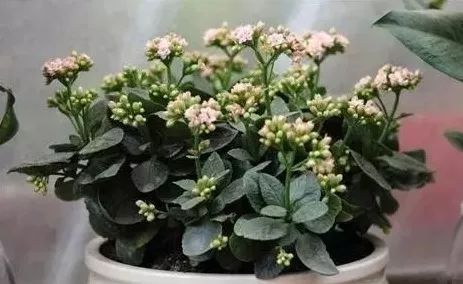
Kalanchoe is especially beautiful when it blooms, with its flowers clustered together in vibrant colors, making it a favorite among many.
1. Temperature
The temperature for cultivating kalanchoe in winter should be above 8 degrees Celsius; otherwise, the leaves will turn red. Below 5 degrees Celsius, the plant is easily damaged by frost, and its flowering period will be delayed. The optimal temperature for winter cultivation of kalanchoe is between 12 and 15 degrees Celsius.
2. Environment
When growing kalanchoe indoors during winter, choose a well-lit location, ideally where it can receive direct sunlight. Insufficient light can easily cause the stems and leaves to grow excessively long. Avoid placing it near the vents of air conditioners or stoves, as the high temperatures from these vents can damage the plant. Good ventilation is also essential, especially when indoor temperatures are high, as it helps reduce the occurrence and reproduction of many pests and diseases.
3. Watering
When watering kalanchoe in winter, pay attention to the moisture level of the soil. If the soil is dry, it's time to water. There's no fixed schedule for watering in winter; about once a week is fine. The safest method is to check the soil moisture. It's better to water when the soil is slightly dry than to let it become too wet. The water temperature should ideally be close to room temperature. If using tap water, let it sit for a while before watering.
4. Fertilizing
Kalanchoe does not need to be fertilized during winter.
Snowdrop winter care
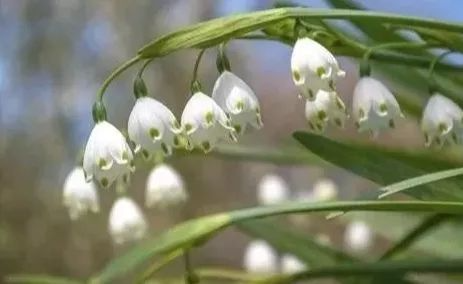
The shape of the snowdrop resembles a pair of delicate, dangling earrings. From a distance, it looks lively, translucent, and endearing.
1. Light
Snowdrops are sensitive to heat in summer and should be protected from direct sunlight. However, in winter, they need plenty of sunlight. Insufficient sunlight can lead to malnutrition. On sunny midday days in winter, place the snowdrops in a sunny spot to receive ample sunlight. Rotate the pot every now and then to ensure even sunlight distribution.
2. Moisture
In winter, snowdrops are essentially dormant due to the low temperatures, but they still need essential water to survive. Of course, compared to the hot summer, their water requirements are significantly reduced in winter, and water consumption is correspondingly lower. Watering is generally unnecessary at this time, but the frequency can be adjusted based on the weather. For example, watering can be less frequent on sunny days and more frequent on cloudy or rainy days, or even stopped altogether. However, regardless of the weather, watering should ideally be done during warmer times of the day.
3. Temperature
Although snowdrops are relatively cold-hardy, like most plants, they cannot withstand sub-zero temperatures. In fact, when the ambient temperature drops below 10℃, snowdrops will enter a dormant period and their growth will slow down. Therefore, if possible, it is best to place them indoors in a warm or sunny place during winter, keeping the temperature around the plant between 15-25℃.
Winter care for Sedum 'Golden Yellow'
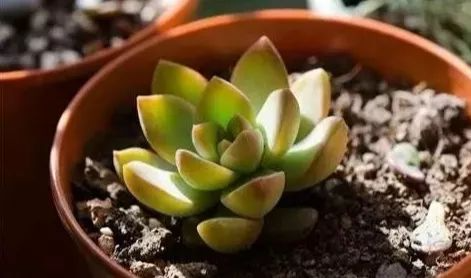
This plant is known as the gem flower.
1. Preferences
This plant prefers an environment that isn't too humid and has plenty of sunlight. It shouldn't be placed in complete shade; partial shade is fine, but not for too long.
2. Temperature
The primary reason for needing special measures in winter is temperature, making it the most important factor. While winter temperatures may not reach the ideal level, they also shouldn't be too low; ideally, the temperature should be above five degrees Celsius, and it's crucial to avoid prolonged exposure to temperatures below three degrees Celsius. When the outdoor temperature feels like it's dropping rapidly, it needs to be brought indoors. In fact, this is necessary in most areas.
3. Light
We just mentioned that it loves sunlight, and that's where this comes in handy. We all know that sunlight is crucial for plants to survive the winter, so we don't need to emphasize its importance again. When the warm sunshine is shining in, don't forget to bring your lovely plants out!
4. Moisture
As winter approaches, plant growth and development slow down, eventually ceasing when temperatures drop significantly. Therefore, when watering, it's advisable to gradually reduce the amount and frequency of watering below 5 degrees Celsius, and completely stop watering below 3 degrees Celsius. It's important to have a gradual process, slowly reducing the amount of water.
5. Ventilation
This is quite difficult to control, since the temperature will drop if the window is open for too long. However, you can't keep it completely closed either; you can keep the window open for a shorter time, or just open it a crack.
6. Fertilizing
This plant has few requirements and generally doesn't need any care in winter.
Winter care for elm bonsai
Many people like to keep lucky charms in their homes. The 'money tree' is the top choice for most families.
1. Temperature
Speaking of winter, the harsh cold is a problem that many plant enthusiasts have to face, and elm bonsai growers are no exception. Unless it's a plant specifically adapted to cold regions, the temperature of the plant's growing environment must be carefully considered during winter cultivation. Potted elms are relatively cold-hardy, so they don't necessarily need to be kept indoors. However, when outdoors, avoid placing them in shady spots, as prolonged lack of sunlight can lead to disease and even death. When placed outdoors, ensure they receive sunlight while protecting them from direct, cold winter winds. In short, the winter growing environment for this plant requires two things: ample sunlight and protection from drafts.
2. Watering
Potted elm trees enter a dormant period in winter, so watering should be reduced. Furthermore, these plants are generally not kept indoors where temperatures exceed freezing; they are usually cultivated outdoors in sunny locations protected from the wind. Therefore, watering should be even less frequent. It's best to keep the soil in the pot slightly dry. Remember, in winter, it's better to let potted elm trees dry out than to overwater them.
3. Pruning
During the winter dormancy period, potted elm trees have no leaves, and many of the exposed branches are useless. Proper pruning can not only make the plant look more aesthetically pleasing but also provide ample nutrients for the growth of new buds in the following spring. However, it is important to avoid touching the small, pre-reserved branches when pruning excess and useless branches. These buds are very fragile, and if damaged, they will be unable to absorb nutrients, significantly affecting the overall appearance of the plant the following year.
Winter care for ornamental flowers in the courtyard

Many flowers are placed in the yard because of their large size, which makes them more troublesome to manage in winter. If you also grow flowers in your yard, then take a look.
1. Fertilizer and water management
As autumn arrives and the weather cools, flowers enter their later growth stage. It's necessary to reduce the use of fertilizers high in nitrogen and increase the use of organic fertilizers high in phosphorus, which promote root growth. Gradually reduce the frequency and amount of watering to strengthen the roots' ability to withstand cold. After entering dormancy, thoroughly turn the soil and apply organic fertilizer to increase the soil's nutrient content, helping the flowers improve their cold resistance.
2. Overwintering by covering
Many flowers planted in courtyards are easily damaged in winter, with peonies and tulips being particularly vulnerable. Before the cold snap arrives, cover the base of these flowers with leaves, plastic film, or other insulating materials to effectively mitigate frost damage. The coverings can be removed in May of the following year.
3. Soil management
Before winter arrives, mound soil around the base of the flowers and cover the surrounding area with a thick layer of soil to keep them warm. When the flowers begin to grow in the spring, dig up the soil and water and fertilize them appropriately to ensure their normal growth.
4. Bandaging Management
Some flowers are too large to be managed using conventional methods. In this case, you can cover them with straw mats or plastic film and then tie them securely with rope. Other flowers are susceptible to cold winds; in this case, you can build a windbreak nearby and cover it with tarpaulins or straw mats. This method can effectively protect them from the cold air and help the plants survive the winter.
Winter Flower Care Tips
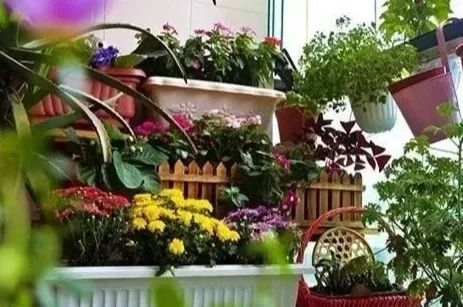
1. Suitable temperature for growing flowers in winter
With improved housing conditions, enclosed balconies are very beneficial for potted plants to survive the winter. If there is no enclosed balcony, potted plants should be brought indoors at night. For some potted plants that are particularly sensitive to cold, such as tropical orchids, pineapples, poinsettias, anthuriums, milan, Christmas cacti, poinsettias, cinerarias, and amaryllis, the room temperature at night should ideally not be lower than 10℃.
Jasmine, Begonia, Hibiscus, Pineapple, Clivia, Monstera, Asparagus Fern, Epiphyllum, Schefflera, Ficus elastica, Epipremnum aureum, Coralberry, Coral Tree, Snake Plant, Bird of Paradise, Ficus microcarpa, Epiphyllum oxypetalum, Dracaena fragrans, Chinese Orchid, Belgian Azalea, Areca Palm, Schefflera arboricola, Aglaonema, Geranium, Cymbidium, Dwarf Coconut Palm, Cyclamen, Philodendron bipinnatifidum, Spider Plant, Cycas revoluta, Rhapis excelsa, Livistona chinensis, Kumquat, Aloe vera, Peony, Nephrolepis cordifolia, Fatsia japonica, Citrus aurantium, Alocasia macrorrhiza, Oleander, etc., require a minimum room temperature of 5℃. If the room temperature is too low, these flowers will develop yellow leaves.
2. Ensure sufficient sunlight for growing flowers in winter.
In winter, sunlight is weaker, and plants that prefer light or are somewhat shade-tolerant will develop yellow leaves if they are placed in places with no light or insufficient light for a long time. Plants such as Milan, poinsettia, jasmine, hibiscus, geranium, camellia, cyclamen, cycad, azalea, and clivia need to receive plenty of sunlight in winter.
3. Maintaining humidity when growing flowers in winter
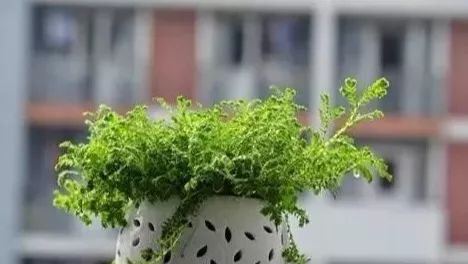
Many houseplants thrive in high humidity, such as Cymbidium orchids, Phalaenopsis orchids, Boston ferns, Nephrolepis cordifolia, azaleas, pothos, asparagus ferns, Monstera deliciosa, Philodendron bipinnatifidum, Calathea, camellias, and Aglaonema. However, since most homes in northern regions have ample heating and dry indoor air, the leaves should be frequently sprayed with water at room temperature to keep the soil moist and prevent yellowing leaves.
4. Water flowers appropriately in winter.
As temperatures drop in winter, water evaporates slowly, so watering should be reduced appropriately. Plants that are in a slow-growing or semi-dormant state during winter should have their potting soil kept slightly drier. Due to the low temperatures in winter, water used for watering should be stored in containers or allowed to stand in the sun; never use tap water directly to prevent damage to the roots from the large temperature difference. Because temperatures continue to drop in winter, the metabolism of plants slows down or they enter a dormant state, so fertilization and watering of potted plants should generally be strictly controlled. Shade-tolerant plants should be especially protected from overwatering, which can cause root rot and leaf drop. Watering is generally best done around midday.
5. Fertilizing flowers in winter should be done in moderation.
Most flowers enter dormancy in winter, so fertilization should be reduced or stopped altogether. Indoor plants that don't go dormant in winter, such as evergreens like snake plants, fishtail palms, bamboo palms, and pothos, require virtually no fertilizer when the room temperature is around 5℃, so no additional fertilization is needed. Fertilizing at lower temperatures can easily lead to root rot. This is mainly because plant root growth slows down in winter, and the applied fertilizer cannot be absorbed by the roots, hindering normal absorption and potentially causing root rot. If the room temperature is higher, and the plant is a winter-flowering plant such as cineraria, cyclamen, primrose, impatiens, or anthurium, a diluted organic liquid fertilizer should be applied every two weeks, or a small amount of compound fertilizer can be used. If over-fertilization occurs, water should be applied promptly to dilute the fertilizer concentration.