Home gardening tips – How to prune
(1) Thinning
Thinning involves removing unwanted branches from their basal part. This primarily involves removing densely growing branches, overly vigorous shoots, forked branches, old branches, and diseased or insect-infested branches. The aim is to ensure even branch distribution, improve ventilation and light penetration, regulate the balance between vegetative and reproductive growth, concentrate nutrients on the retained branches, and promote flowering and fruiting. Thinning should be done diagonally from the top of the branch point, leaving no stub, and the cut should be smooth.
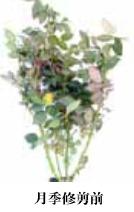
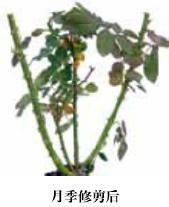
(2) Short cut
Heading back refers to pruning a portion of a one-year-old branch, also known as shortening. This thinning pruning is further divided into light pruning (light heading back) or heavy pruning (heavy heading back) depending on the degree of pruning. During the growing season of flowers, pruning is mostly done lightly, that is, cutting off less than half the length of the entire branch. The purpose of pruning is to disperse the branches and promote the production of a large number of medium and short branches, so that they can fully lignify before winter and form full and plump axillary or flower buds.
Pruning during dormancy is often a heavy pruning, removing more than half the length of the branch. For some vigorous flowering plants, sometimes the entire branch is cut off, leaving only 2-3 lateral buds at the base to encourage strong branch growth and flowering. This method is commonly used for pruning roses, crape myrtles, and other flowering plants. When pruning, ensure the cut is at a 45-degree angle, opposite to the direction of the bud, and about 1 cm away from the bud. The direction of bud retention should be determined by the direction of branch growth. Generally, buds should be left on the outer side of the branch to encourage outward growth and a fuller plant shape later.
(3) Pinching off the tips and leaves
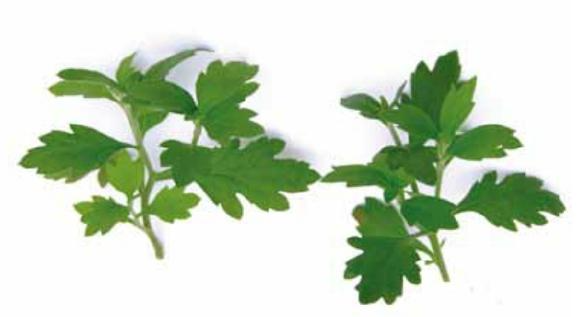
Pinching refers to removing the terminal buds from the main branches or lateral branches of a plant. Pinching can inhibit the growth of the main branches, promote the growth of more lateral branches, and make the plant shorter, stronger, and fuller in shape. It also increases the number and location of flowers. Pinching can delay the flowering period or encourage it to bloom again.
Leaf removal refers to the appropriate pruning of some leaves during the plant's growth process. The purpose is to promote metabolism, encourage new bud growth, reduce water transpiration, and make the plant neat and aesthetically pleasing. Evergreen trees and those transplanted during the growing season require the removal of a small number of leaves to improve their survival rate.
(4) Remove buds
Bud removal involves removing some lateral buds that consume nutrients and digging out basal buds. The purpose is to prevent excessive branching, which would cause nutrient dispersion, and to ensure that the main branches receive sufficient nutrients for rapid growth and bud formation. It can also prevent the plant from becoming too dense, or prevent some vigorous flowering plants from growing into clumps or shrubs, which would reduce the plant's aesthetic appearance and affect its ornamental value.
(5) Peeling buds and thinning fruits
To ensure that nutrients are concentrated on the terminal bud for flowering and to guarantee flower quality, it is necessary to remove excess buds, except for those growing in the leaf axils. This is especially important for plants such as camellias, roses, dahlias, chrysanthemums, jasmine, and peonies. Bud removal is generally best done when the flower buds are about the size of a mung bean.
Fruit thinning is to ensure that the retained fruits receive sufficient nutrition, resulting in larger, more beautiful fruits, and earlier ripening to avoid the phenomenon of bearing fruit the following year. For ornamental fruit trees such as kumquat, bitter orange, Buddha's hand, and pomegranate, when the young fruits reach about 1 cm in diameter, some fruits with poor shape and those that are too small should be removed.
(6) Breaking branches and twisting shoots
The purpose of bending and twisting branches is to prevent excessive growth of branches by twisting the branches so that they remain connected without breaking, thereby promoting flower bud differentiation.
(7) Root Cultivation
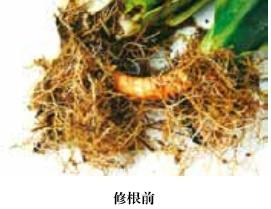
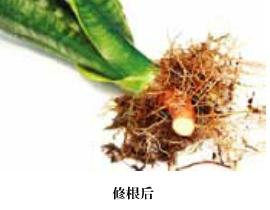
Root pruning refers to removing rotten, old, dead, and diseased roots during repotting. At the same time, excessively long, damaged, and lateral roots should be appropriately shortened to encourage the growth of more fibrous roots. This is a very important technical measure for the survival and healthy growth of the plant.
Trimming Tips
(1) Remove diseased, intersecting, and overlapping branches to make it easier for the plant to receive light and improve air circulation, which is beneficial for the healthy growth of the plant.
(2) The flowering parts of many woody flowers are new branches that are one or two years old, while old branches that are three or four years old must be cut off.
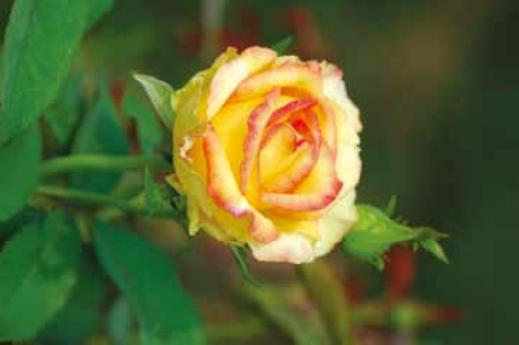
(3) Some plants that bloom at the tips of branches should be pruned after flowering to encourage the growth of new flowering branches and further blooming. Examples of such plants include roses, jasmine, crape myrtle, and geraniums.
(4) After the seedlings are pruned, they can form 3 to 4 branches. Each branch can be pruned again to form a spherical crown with 9 to 12 branches.
(5) The cut should be made 1 to 1.5 cm above the bud. At the same time, the position of the bud should be carefully selected to guide the direction and position of the new branches. The cut for thinning should be made at the branching point. The cut should be smooth and should not tear the bark.
(6) Pay attention to minor repairs in normal times, and conduct a comprehensive inspection and large-scale pruning in November and December.
Pruning rose bushes after they bloom encourages them to continue flowering.