Home gardening for beginners, Part 4: Prevention and control of common diseases and pests
Today, let's continue to explore the common methods for preventing and controlling diseases and pests in the process of growing flowers.
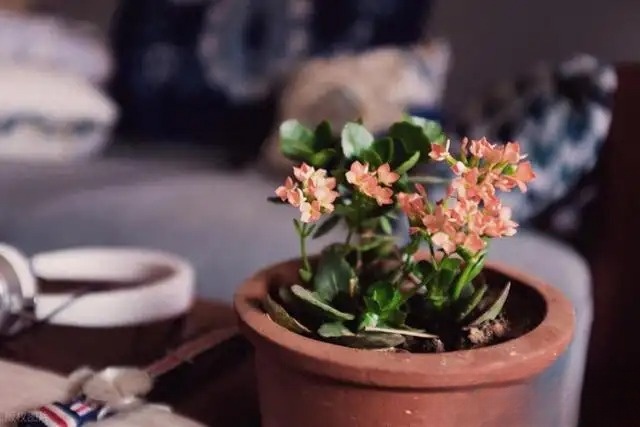
For beginners, pests and diseases are unavoidable problems in flower cultivation. However, by taking effective preventive measures, their occurrence can be significantly reduced. First, ensuring good ventilation is crucial. Placing flowers in a well-ventilated location and avoiding overcrowding helps reduce the growth and spread of pathogens.
When minor pests such as aphids and spider mites are found, they can be gently brushed off with a soft brush, or sprayed with homemade natural insecticides such as soapy water or garlic water. To make soapy water, cut a bar of soap into small pieces and dissolve it in 500 ml of water; to make garlic water, crush 5 to 6 cloves of garlic, add them to 500 ml of water, soak for 24 hours, and then filter before use. For diseases such as powdery mildew, a baking soda solution (1 gram of baking soda in 1 liter of water) can be sprayed initially, once every 3 to 5 days, for 2 to 3 consecutive applications.
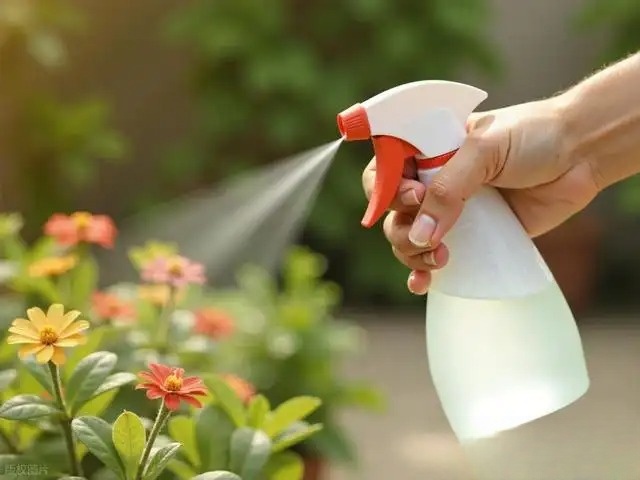
If the pest and disease situation is severe, timely use of professional pesticides is necessary. When using pesticides, always follow the dilution ratio on the instructions and do not arbitrarily increase the concentration to avoid unnecessary damage to the plants. At the same time, take appropriate protective measures, such as wearing masks and gloves, to avoid contact with the pesticide on the skin, mouth, and nose. Apply the pesticide 2 to 3 times consecutively, with an interval of 7 to 10 days between each application, to ensure complete eradication of the pests and diseases.