Highquality pest and disease control
Give the flowers a little vinegar
Vinegar is an indispensable condiment in our lives, not only enhancing flavor but also softening blood vessels. Actually, some flowers also love vinegar; flowers treated with vinegar grow like bamboo, growing uncontrollably!
How to use:
(1) Improve soil pH and treat yellowing leaves
1. Many southern flowers that prefer acidic soil, such as jasmine, gardenia, and camellia, begin to develop yellow leaves when transplanted to the north. This is mainly due to the alkaline nature of the northern soil. In this case, we can dilute vinegar and water at a ratio of 1:300 to make a vinegar solution.
2. Fill a spray bottle with a vinegar solution and spray it onto the plant. Spray once every 10 days, and repeat 4-5 times to significantly improve the yellowing leaves. Spraying the leaves should be done before 10 am and after 4 pm.
(2) Prevention and control of diseases and pests
1. Vinegar has a bactericidal and disinfecting effect, so when you find that your rose has just been infected with powdery mildew or black spot, you can spray it directly. Generally, the dilution ratio is 1:150. Then, use a spray bottle to spray the affected parts of the leaves, about once a week, for three consecutive weeks to solve the problem.
2. When you find pests such as aphids and scale insects, you can also use a cotton swab dipped in vinegar solution to apply to the affected areas, which can also kill the insects.
Note: Choose a high-quality edible vinegar, not industrial vinegar. It's best to avoid using this vinegar on plants that prefer alkaline soil, such as cacti and succulents.
Give the flowers some beer
After summer, there were a lot of leftover beer bottles at home. It felt wasteful to throw them away, but they would expire if I kept them. So I decided to give them to the flowers to drink, so they would grow stronger and stronger!
How to use:
1. Watering flowers with beer
Dilute beer to a ratio of 1:50 and water the plants directly at the base of the plant, about once every two weeks. Plants watered with beer will have greener, shinier leaves and produce more abundant and vibrant blooms!
2. Spray the leaves
Dilute beer and water in a 1:10 ratio to make a solution, then pour it into a spray bottle and spray it directly onto the leaves, making sure to spray both sides. Since leaves typically have stomata, they will absorb most of the nutrients from the beer solution directly.
3. Wipe the blades
Dilute beer and water in a 1:10 ratio to make a solution. Take a soft cloth or towel, soak it in the beer solution, and gently wipe the leaves. This will not only clean the dust off the leaves but also provide nutrients. This method is generally suitable for plants with larger leaves, such as pothos and clivia.
Give the flowers some small pills
When people get sick, they need to take medicine. What if a flower gets sick? It needs some medicine too! Different little pills are needed for different ailments of flowers!
How to use:
1. Vitamin C helps prevent yellowing leaves
Crush one vitamin C tablet thoroughly, stir it in water, and use the solution to water your plants. This is particularly effective for treating yellowing leaves caused by alkaline soil, and is especially suitable for jasmine, gardenia, and camellia.
2. Aspirin promotes root growth
Aspirin contains salicylic acid, which can increase cell division. Dissolve one aspirin tablet in water at a ratio of 1:100, then soak the cuttings in the aspirin solution for 3-4 hours to effectively promote rooting.
3. Metronidazole prevents hydroponic culture from developing a foul odor.
Metronidazole has bactericidal and antiseptic properties. Crushing one metronidazole tablet and placing it in a hydroponic bottle can effectively kill anaerobic bacteria in the bottle, and even if the water is not changed for a long time, the hydroponic bottle will not develop a foul smell.
Bury some cigarette ash on your spider plant, and insects will stay away!
Although it's already winter, I sometimes find that my spider plants still attract small insects, especially those in the soil. It's always a real nuisance for me. What should I do? Try burying some cigarette ash around the edge of the pot, and the problem will be solved!
How should cigarette ash be buried around the edge of the pot?
1. Collect all the cigarette ash from the ashtray for later use.
2. Using a small shovel, dig several holes along the edge of the spider plant pot. Slowly place the cigarette ash into the holes, then cover it with soil. Each time you water the plant, the ash will seep into the soil, killing any small insects in the soil!
Bury banana peels in your Christmas cactus and it will bloom again and again!
Banana peels contain a lot of phosphorus and potassium fertilizer and rot easily. If you bury a small amount of banana peels in the pot, you can supplement the phosphorus and potassium fertilizer for the Christmas cactus, which will make the Christmas cactus produce flower buds and bloom one after another!
How do you bury banana peels around the edge of a pot?
1. Collect the banana peels that are left over from eating at home, and then cut them into small pieces with scissors.
2. Cut the banana peel into small pieces and leave them in the sun for about 5-7 days. The banana peel will become very brittle and can be crushed with a single squeeze.
3. Use chopsticks or a small shovel to dig 3-5 holes around the edge of the Christmas cactus pot. Make sure the holes don't touch the roots. Then, bury the dried and crushed banana peels directly into the holes and cover them with soil.
Sprinkle some cinnamon powder in the pot to kill insects and promote faster root growth.
Cinnamon powder, which is frequently used in the kitchen, is also excellent at killing and repelling insects!
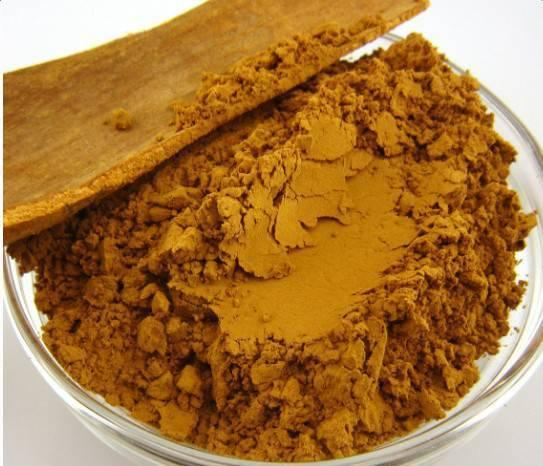
1. Spread some cinnamon powder on the surface of the basin to kill ants and fungus gnats.
1. Cinnamon powder has antibacterial and disinfecting properties. Sprinkling cinnamon powder on the surface of flowerpots can kill some small fungus gnats and fruit flies in the soil. Because fungus gnats and fruit flies prefer dark and damp places, the antibacterial and disinfecting properties of cinnamon powder can effectively kill these pests.
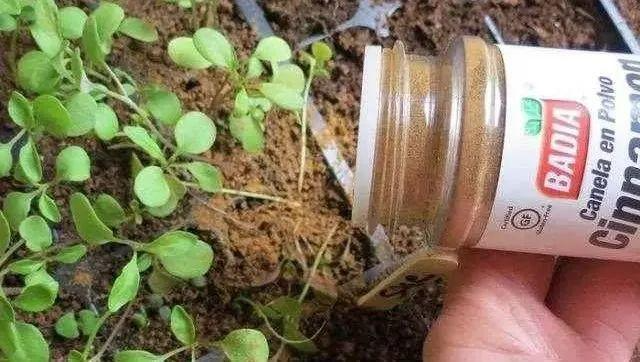
2. Ants particularly dislike the smell of cinnamon powder. As long as we sprinkle cinnamon powder around the flower pot, ants will basically not dare to approach the flower pot.
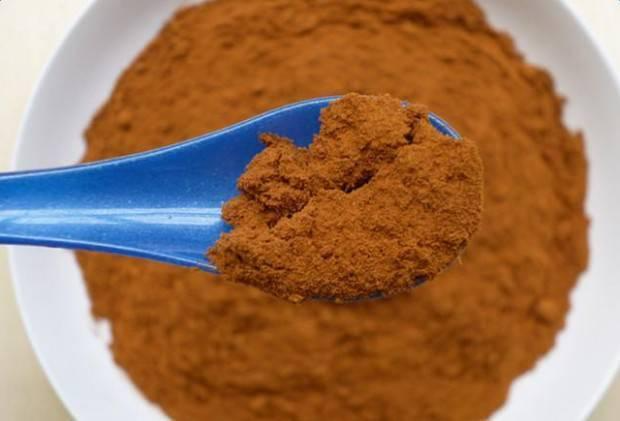
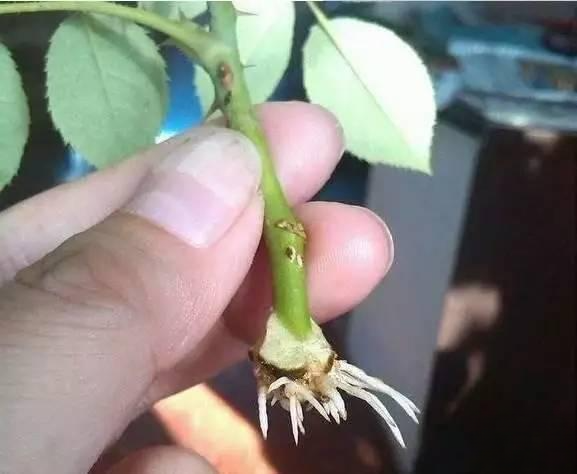
2. Apply a little cinnamon powder to improve the rooting rate.
Cinnamon powder can kill bacteria and fungi and has strong antibacterial activity. Therefore, if you don't have rooting powder at home when propagating cuttings, you can use cinnamon powder instead, which can effectively reduce wound infection and increase the survival rate of cuttings.
Sprinkle some cigarette ash in the pot to kill insects and supplement potassium fertilizer.
In daily life, you often see people flicking cigarette ash into flower pots. Although this behavior is uncivilized, you will find over time that the flower pot with cigarette ash is basically free from insects.

1. Sprinkle some cigarette ash into the basin to kill the insects.
1. The toxic substances in cigarette ash can kill pests. Sprinkle the cigarette ash from the ashtray onto the surface of the flowerpot. Each time you water the plant, the ash will gradually seep into the soil with the water, killing all the insects in the soil.
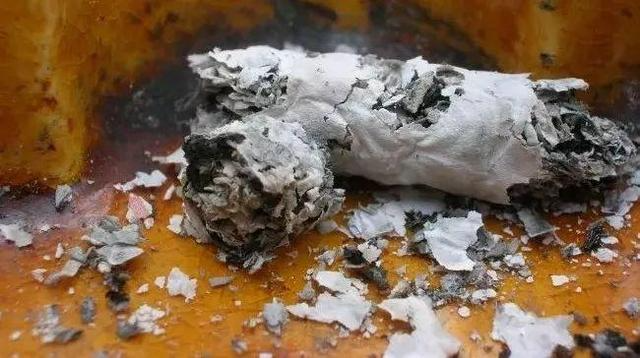
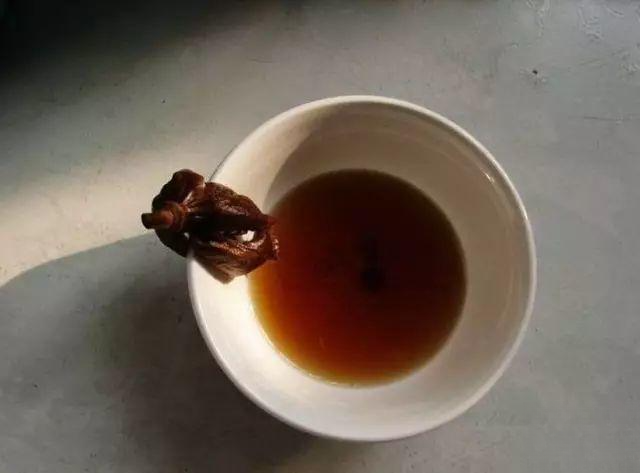
2. If you find small fungus gnats or other insects in the flowerpot, soak cigarette ash, tobacco, and water together for 2-3 days, then pour the mixture directly into the potting soil. The next day, you will find that all the small fungus gnats have disappeared.
2. Sprinkle some cigarette ash into the pot to supplement potassium fertilizer.
!
Sprinkle some wood ash in the pot to kill insects and keep it warm.
Wood ash is the ash left after burning plants. It contains all the minerals that plants need, especially potassium, and has a strong effect in killing bacteria and viruses, making it a good material for growing flowers.
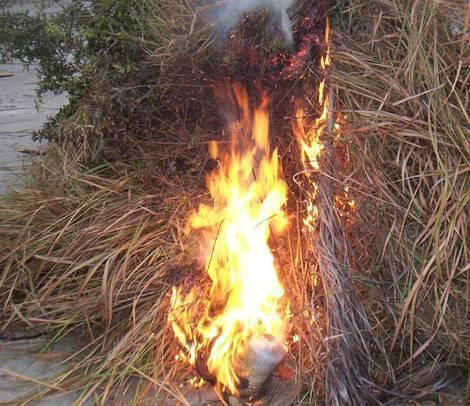
1. Spread some wood ash on the surface of the basin to kill insects.
1. Sprinkle a layer of wood ash on the surface of the flowerpot, then spray some water with a spray bottle, just enough to slightly wet the wood ash.
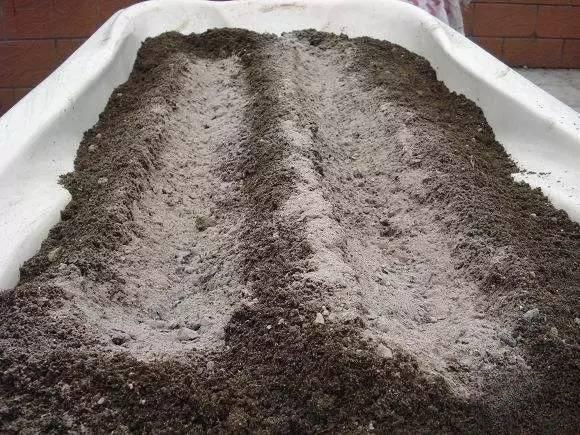
2. Because wood ash is alkaline and contains tiny particles, these particles can block the respiratory tracts of pests such as aphids and wheat sawflies, causing them to suffocate and die.
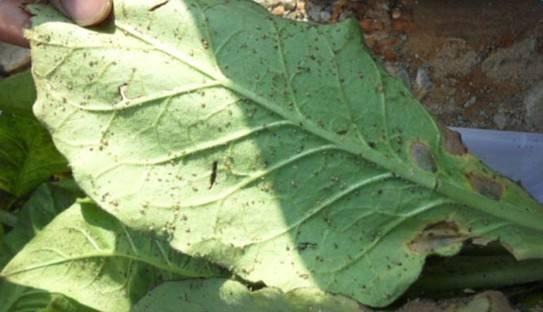
2. Spread some wood ash on the surface of the pot for insulation in autumn and winter.
Wood ash is dark in color, has strong heat absorption, and good heat retention properties. In the cold autumn and winter, sprinkling wood ash on the surface of flower pots and then covering it with a layer of soil can help keep the flower pots warm and prevent the roots from freezing.