Here's the ultimate solution! What are some foolproof methods to deal with these 9 common and annoying plant diseases and pests?
For those who enjoy growing succulents, the last thing they want to see is their plants infested by unidentified small organisms. When it comes to plant diseases and pests, "prevention is key, early treatment is crucial" is the consistent principle. Today, let's take a look at some effective ways to deal with these annoying pests and diseases!

Mollusks
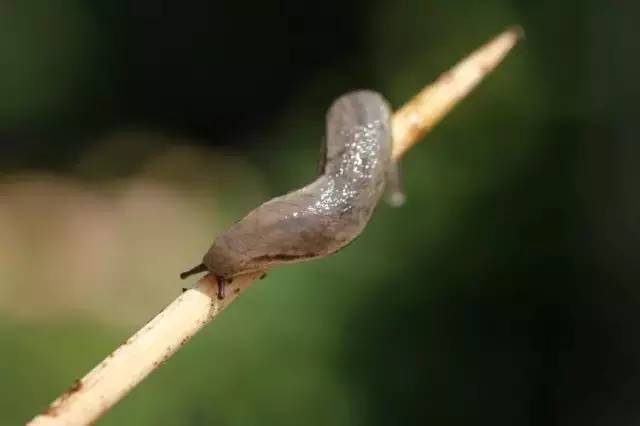
This mainly includes various snails, terrestrial snails, and slugs (commonly known as "slugs"). They are active at night or on rainy days, mainly feeding on plant stems, leaves, flowers, fruits, and roots, leaving behind black, thread-like excrement. These mollusks have an astonishing appetite, capable of devouring large areas of tender shoots, leaves, and flowers overnight, ruining your hard work.
processing method
Once you catch them, remember not to crush them in the garden or flowerpots, otherwise their eggs will remain in the soil and hatch soon. The best way is to put them in a garbage bag first, then crush them. Promptly removing fallen and diseased leaves, and denying them the conditions to survive, can effectively prevent their reproduction.
A small amount of beer in a small-mouthed bottle can be used as bait. For hand-catching, it should be done at night, as they usually hide on the undersides of leaves or flowers. When the numbers are large, it is recommended to use chemicals such as metaldehyde (the active ingredient), which is moderately toxic; use only if the safety of children and pets in the home is ensured.
Red Spider
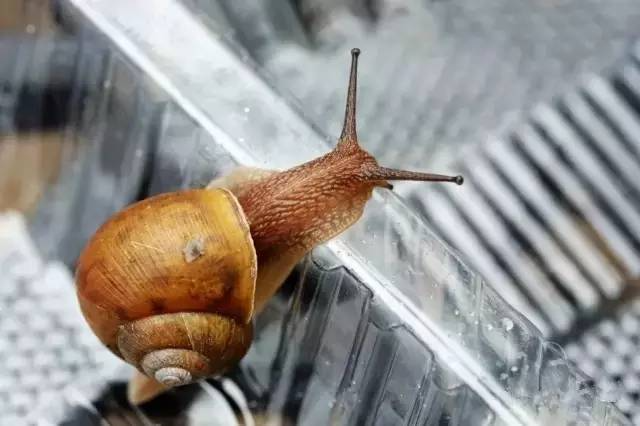
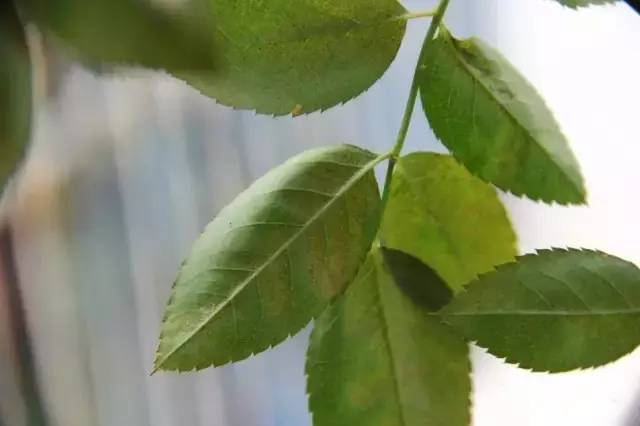
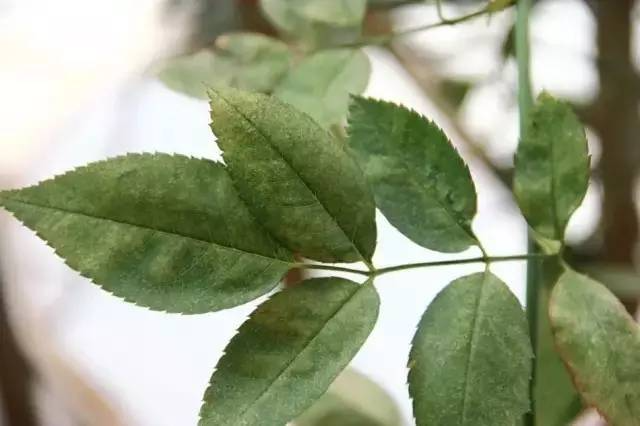
Spider mites, belonging to the family Tetranychidae of the class Arachnidae, are approximately 0.42–0.52 mm in size. Many plants are susceptible to this pest, which is most prevalent in hot, dry, and poorly ventilated environments. They damage plants by piercing their leaves with their mouthparts and sucking sap, destroying chlorophyll and preventing photosynthesis. Symptoms include grayish-yellow spots or patches on the leaves, orange-yellowing, leaf drop, and even complete leaf fall, which can lead to plant death in severe cases.
processing method
Insecticides such as abamectin, miticides like chlorpyrifos, chlorpyrifos-methyl, and chlorpyrifos-pyridaben should be mixed according to the instructions. In severe cases, two pesticides can be mixed. Crucially , the underside of the leaves must be sprayed after disease onset; spraying after rain is more effective. Regular monthly spraying with the above-mentioned pesticides can effectively prevent disease.
long, thin worm
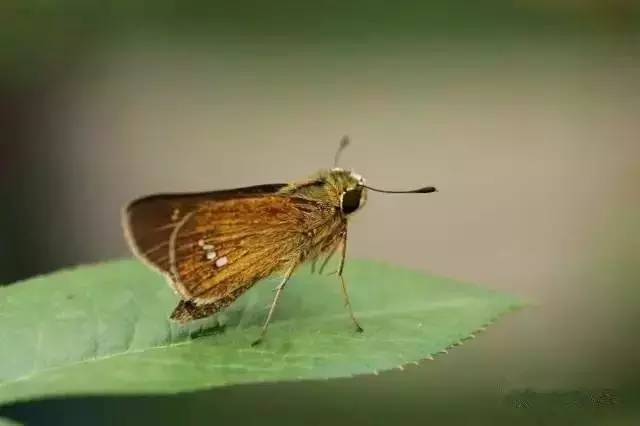
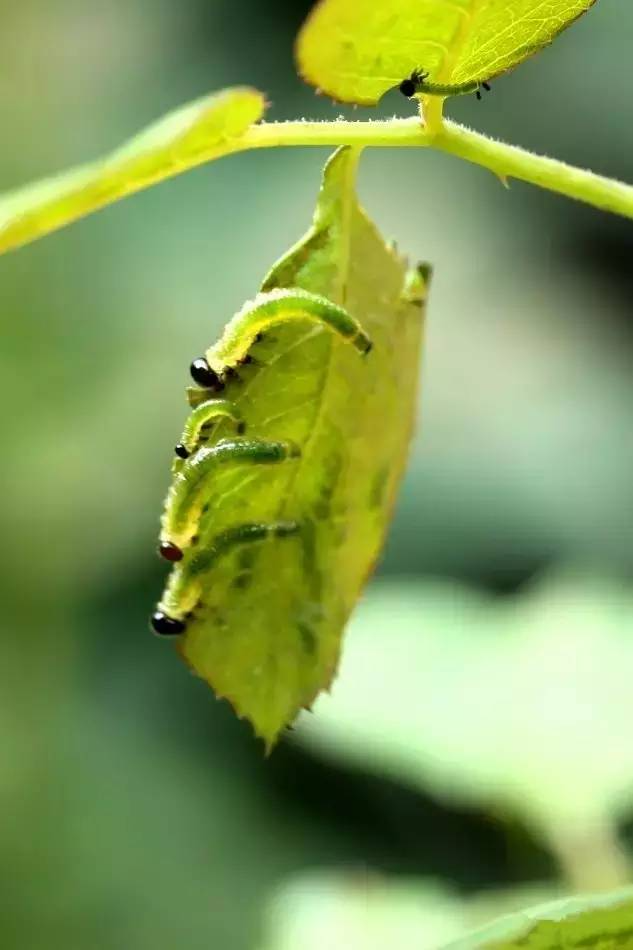
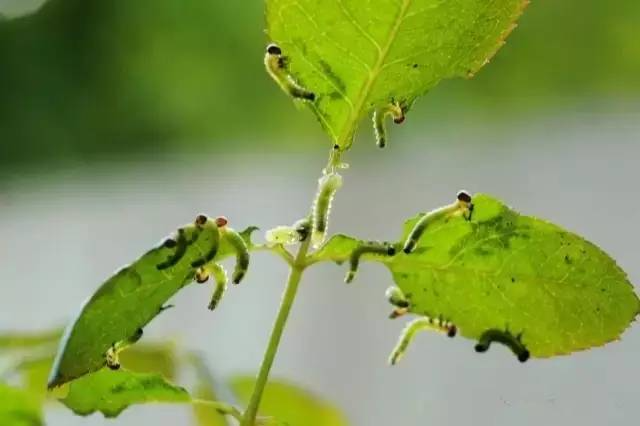
This includes caterpillars, leafhoppers, moth and butterfly larvae, stem borers, sawfly larvae, and stem wasp larvae. They are most prevalent in late summer and early autumn. Some of these worms have venomous stings that are extremely painful; it is not recommended to handle them. When moths and butterflies linger on plants, they are finding a place for their offspring to nest. Once the larvae hatch, they feed on tender buds and leaves at an alarming rate, potentially ruining the entire flowering season. Therefore, prevention is crucial, and any discovered worms must be treated immediately.
processing method
First choice: Bacillus thuringiensis, diluted approximately 1000 times (i.e., 1 gram to 1 liter of water), is effective for both prevention and treatment. Other insecticides such as imidacloprid, chlorpyrifos, and abamectin are also effective during the larval stage.
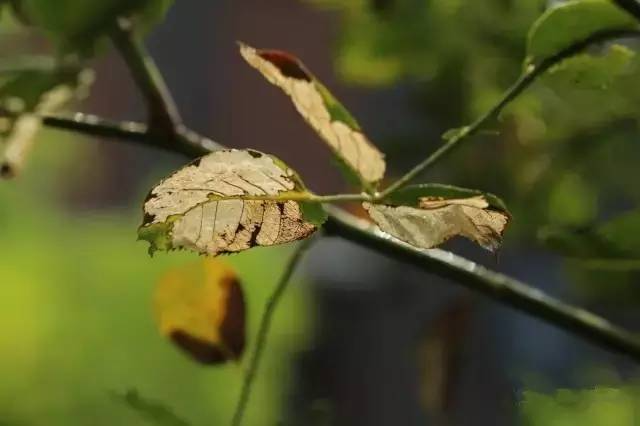
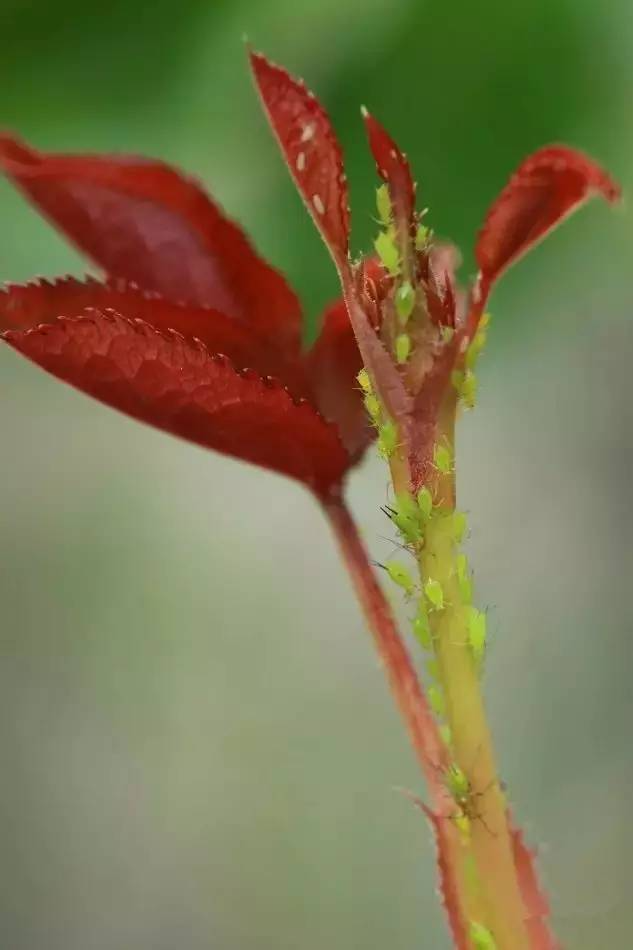
aphid
Also known as plant lice or honey bugs, they are a type of herbivorous insect, which can be black or green.
Symptoms: These symptoms can lead to reduced plant growth, leaf spots, yellowing, stunted growth, leaf curling, decreased yield, wilting, and even death. They are most common during periods of mild weather.
processing method
It can be squeezed by hand, sprayed with water, or treated with various low-toxicity pesticides such as imidacloprid or chlorpyrifos. These pesticides can also be used for prevention.
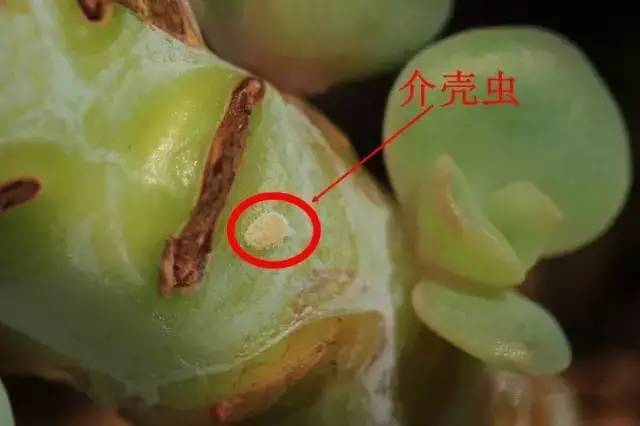
Scale insects
It commonly affects succulents, but can also occur on other plants, and is more prevalent in dry environments. It mainly attaches to the undersides of leaves and stems, feeding on the plant. It is highly contagious, so it should be removed promptly upon discovery.
processing method
Effective treatment: Spray and water succulents with "Flower Protector" according to the instructions. When spraying succulents, the leaves only need to be slightly moist; if there is standing water, remember to dry it thoroughly. Do not expose them to direct sunlight after spraying. Burying "Bayer Little Green Medicine" in the growing medium can also prevent this.
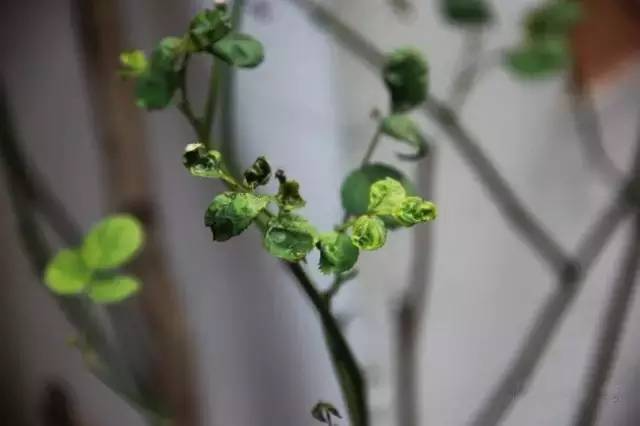
thrips
A tiny, nocturnal pest that sucks sap and damages leaves and flowers (charring and wrinkling) while feeding, affecting both appearance and plant growth.
processing method
Use insecticides such as imidacloprid, abamectin, and acetamiprid, and mix according to the instructions. Key point : Spray the insecticide after dark, once every 3 days, for a total of 3 sprays. This should effectively eliminate the pests. These insecticides can also be used for preventative purposes.
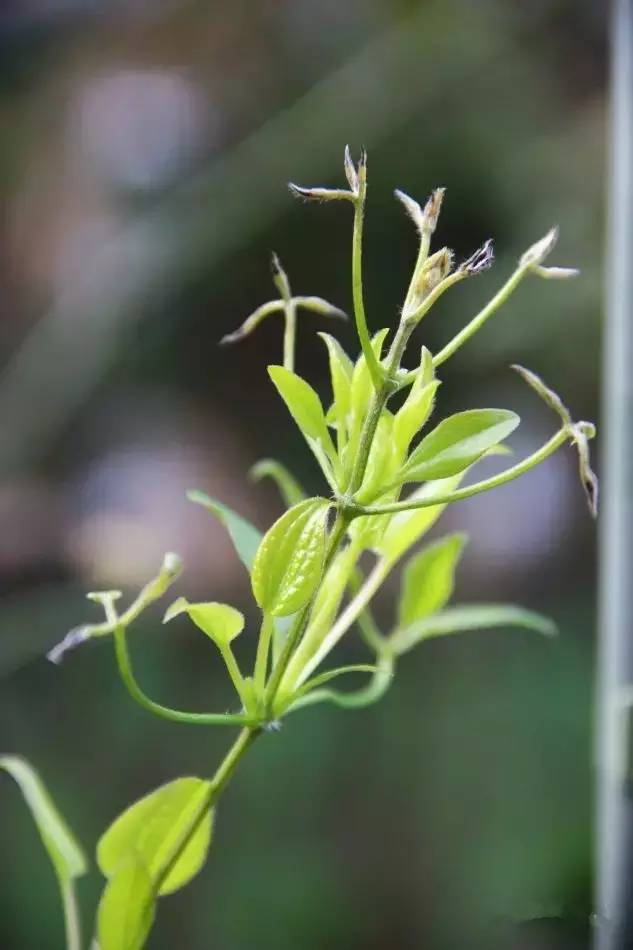
stem wasp
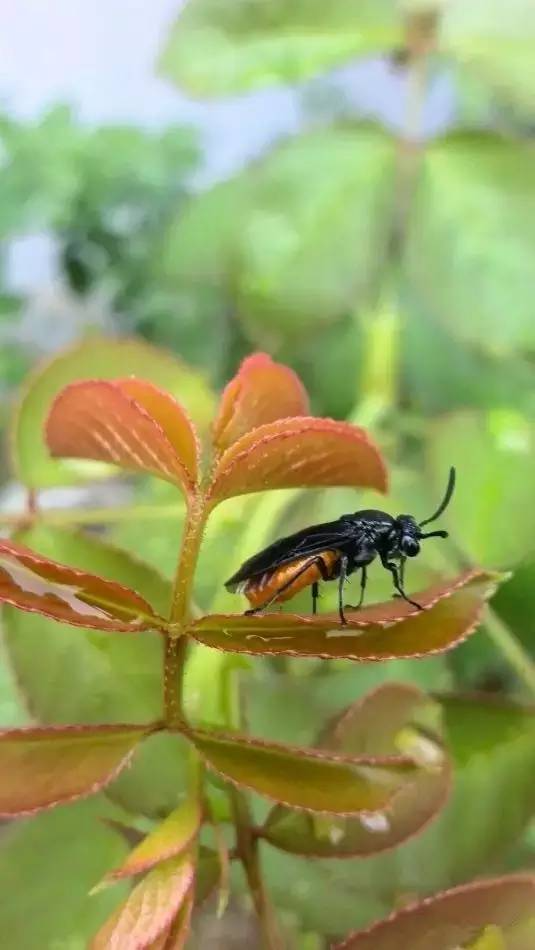
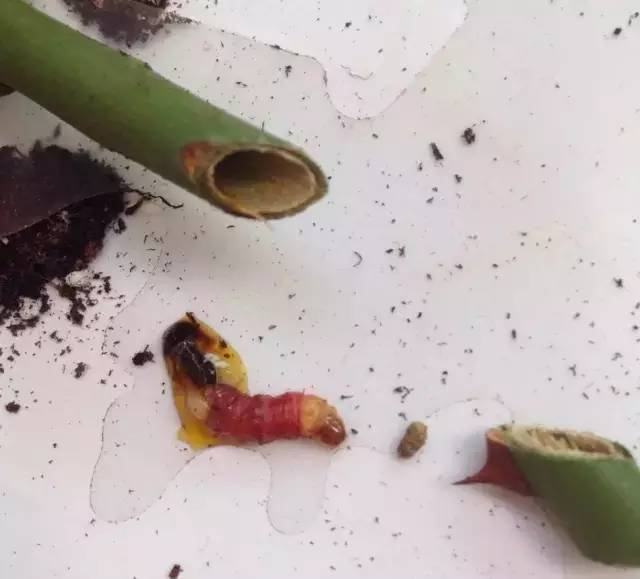
Belonging to the class Hymenoptera, order Hymenoptera, they have slender bodies. Their body color is usually black with yellow bands and other markings. The eggs are round and laid in plant tissue. The larvae are pale, with wrinkled skin, degenerate legs, and a tail-like projection at the end of their abdomen. They bore into plant stems and trunks. The bored branches wilt and wither, especially the tender shoots of roses.
processing method
Bacillus thuringiensis can be used for both prevention and treatment, prepared according to the instructions.
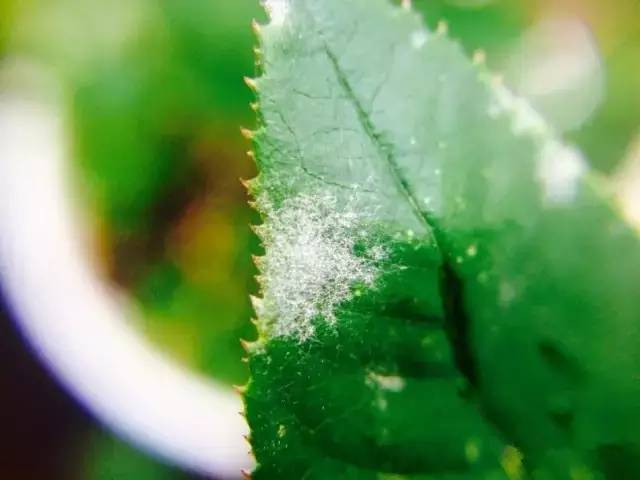
powdery mildew
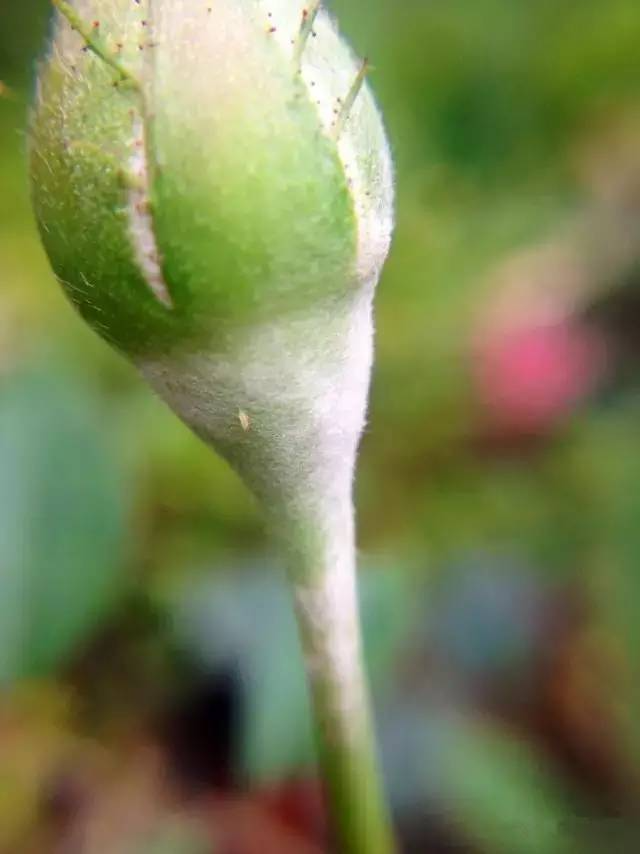
This is a common pathogen affecting roses, and it is prevalent in spring and summer.
processing method
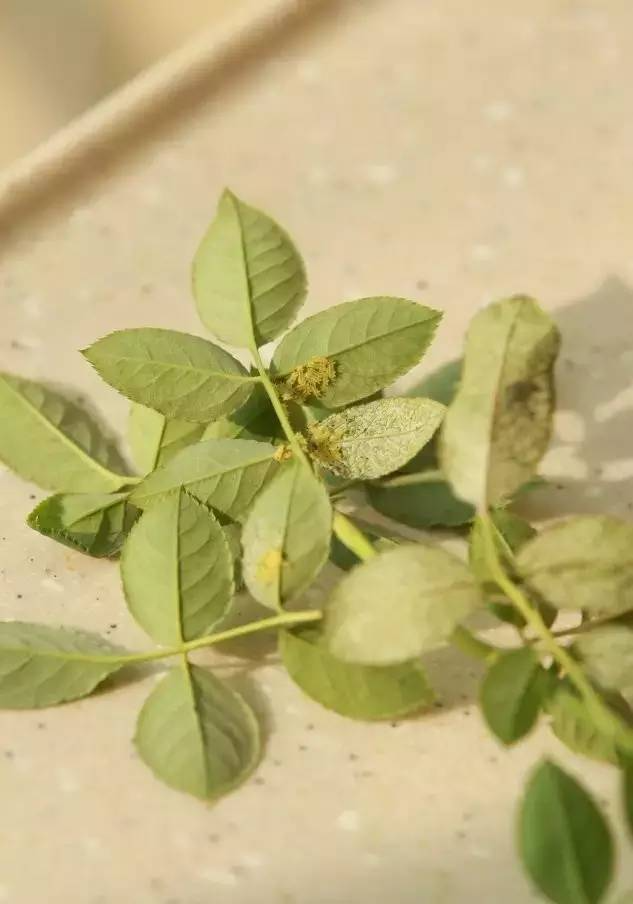
Fungicides are needed. Tetrafluthrin, azoxystrobin, mancozeb, thiophanate-methyl, and propineb are all effective treatments. In severe cases, a "cocktail therapy" can be used, mixing two or more fungicides and carefully spraying both the upper and lower surfaces of the leaves. After one or two treatments, the condition should heal. For preventative care, spray with thiophanate-methyl or mancozeb (also known as blue powder) every two weeks or once a month.
Black spots
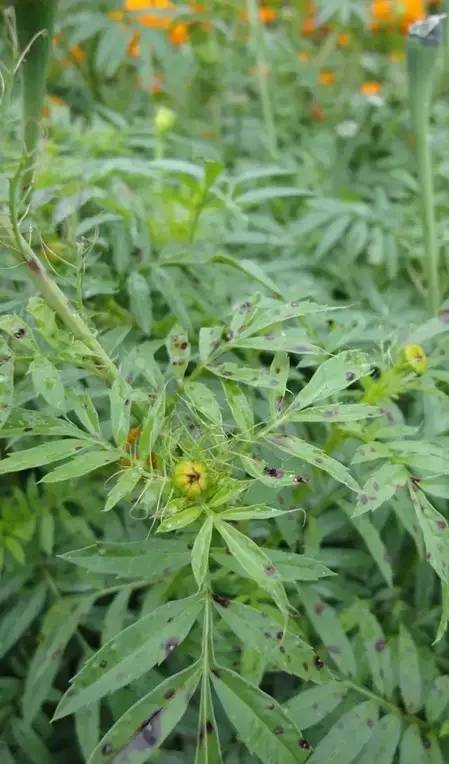
This disease commonly affects various flowers and vegetables, caused by a variety of bacteria and fungi. It manifests as black, patchy lesions on leaves, petioles, and young fruits, severely impacting plant growth and yield. It primarily affects leaves, followed by petioles, leaf tips, young branches, and flower stalks. The disease is severe in both southern and northern regions, causing leaves to yellow and fall prematurely. During peak seasons in April/May and late summer (August/September), all leaves can be lost, devastating autumn flowering and severely weakening the plant.
processing method
The main fungicides used are "DuPont Fuxing", "Tebuconazole", "Xiangshan Bactericide King", and "Zinc (also known as Blue Powder)". Generally, treatment is applied every 3-7 days when the disease is present, and preventative treatment is applied about every two weeks when there is no disease, especially after prolonged periods of rain.
With these tips, isn't daily maintenance and pest control much easier?