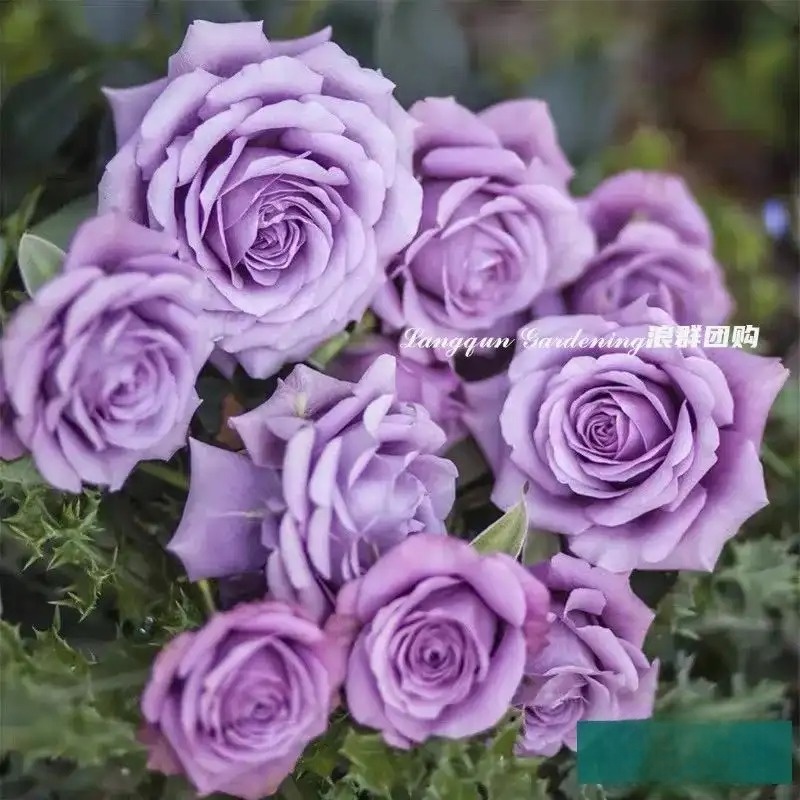
Here are some pruning tips to help your roses bloom in waves.
In late spring and early summer, the roses in the garden are in full bloom, creating a vibrant sea of flowers. This is probably what my dream garden looks like!
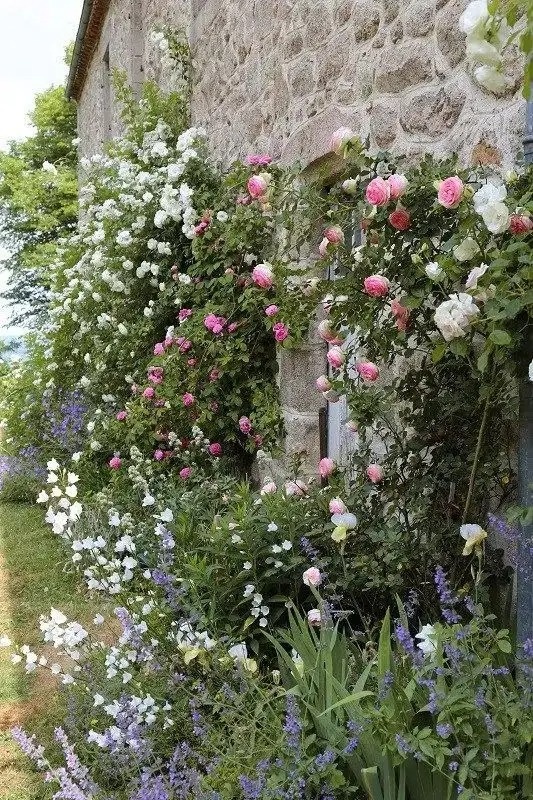
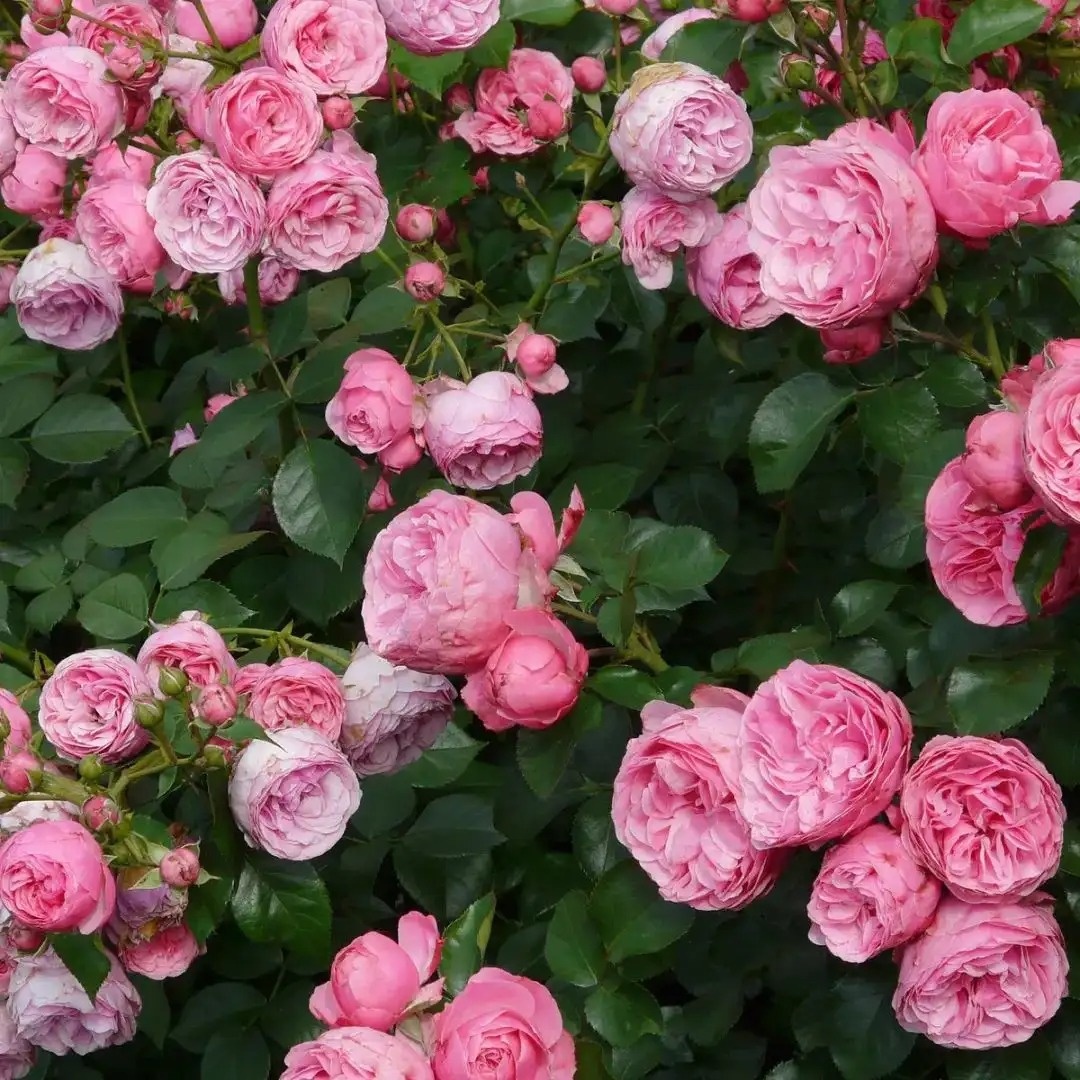
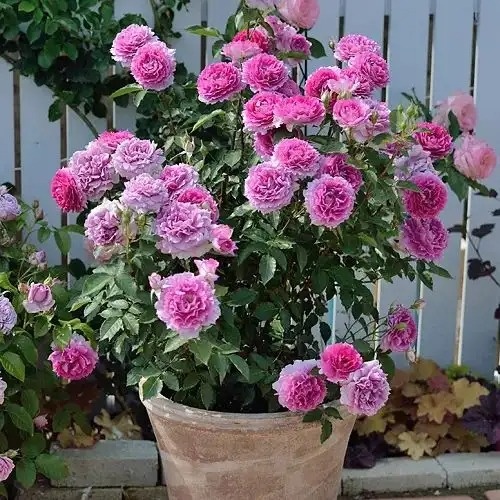
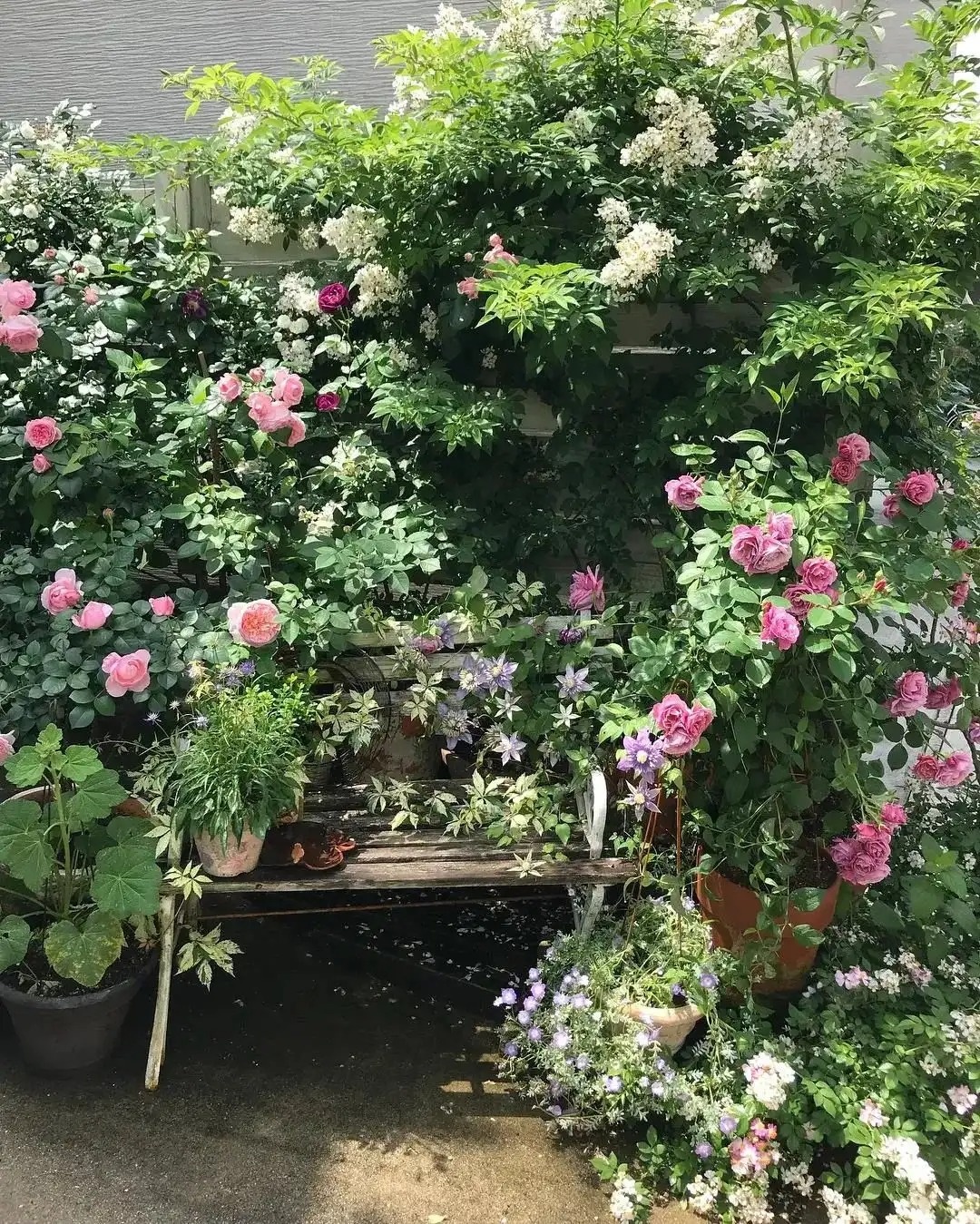
Most of the first blooms of the roses have finished, so it's time to prune them appropriately to promote nutrient return and prepare for the next wave of blooms!
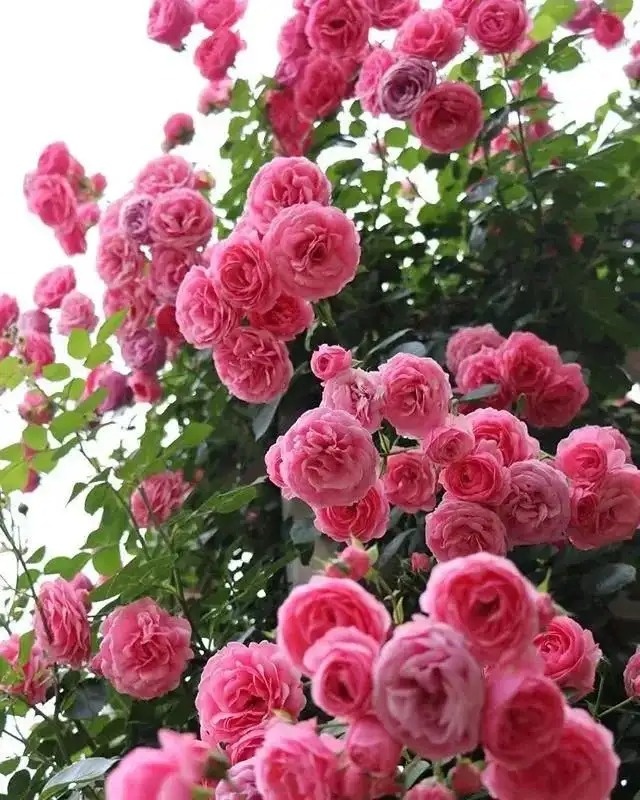
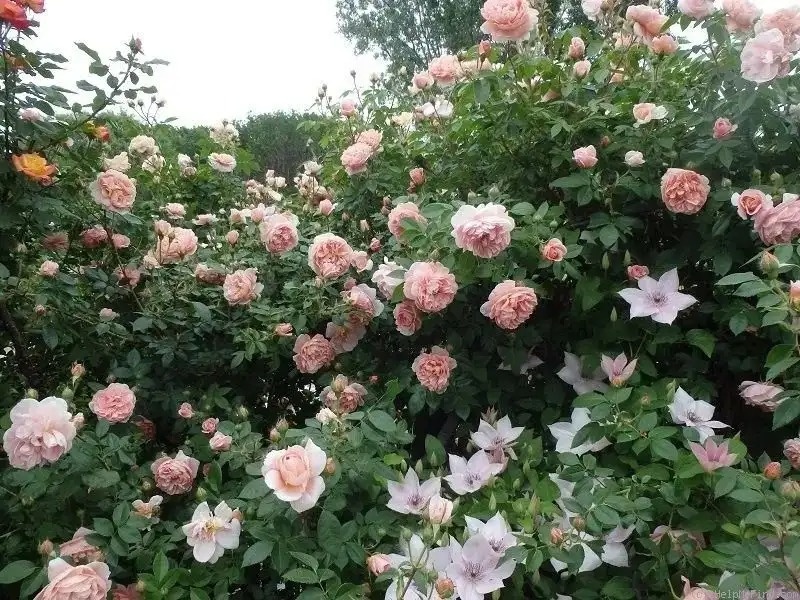
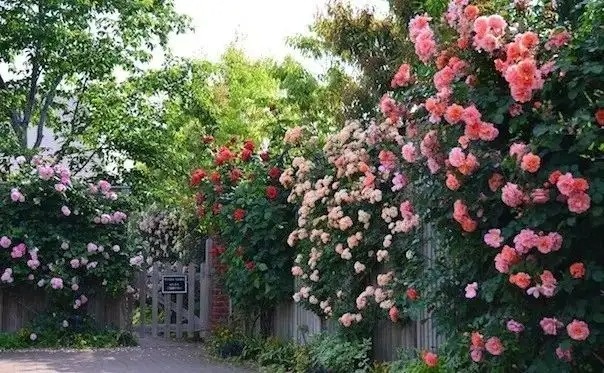
Roses should be pruned when the flowers are about to fade. If pruned too late, the rose will produce seeds. Unless it is for hybridization breeding, leaving seeds is a waste of the rose plant's nutrients. Therefore, the faded flowers should be cut off as early as possible to promote the return of nutrients to the branches, especially for varieties that bloom in multiple seasons!
The earlier you prune, the less burden the plant will bear, the more nutrients it will retain, the more nutrients it will have for the next wave of budding and flowering, and the better the quality of the flowers will be.
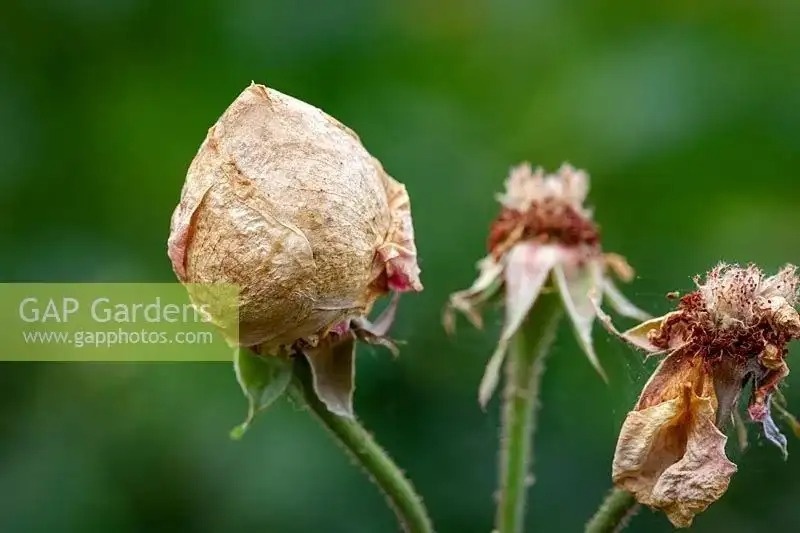
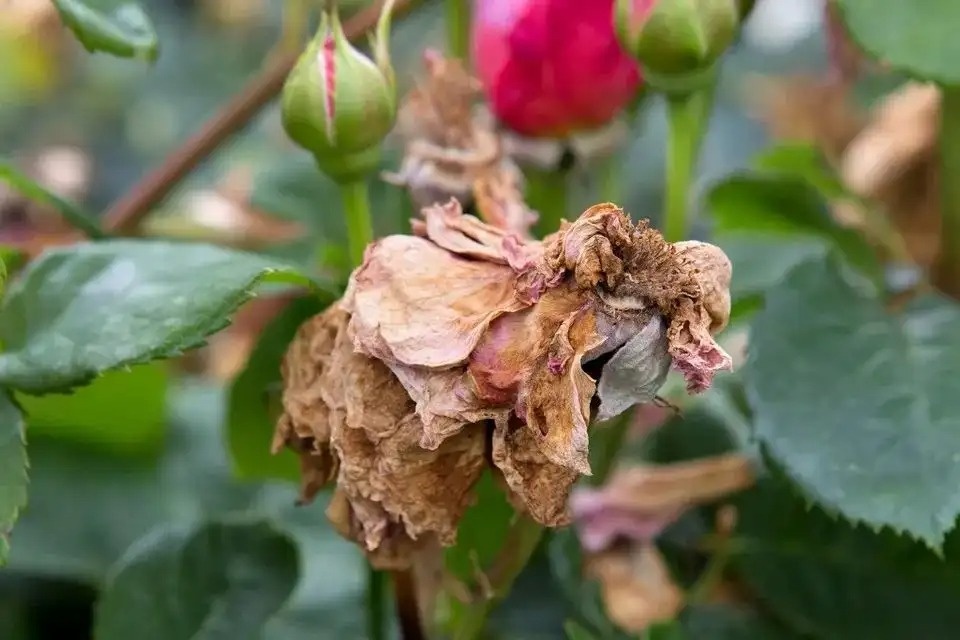
It can also encourage plants to sprout earlier, especially with the high temperatures that are just around the corner. Most roses, even if they can bloom in summer, will be affected by the high temperatures, resulting in less than ideal flowers and colors!
Generally, flower buds will re-form in about 40 to 60 days after pruning, so pruning early now can allow for another round of standard blooms before the high temperatures!
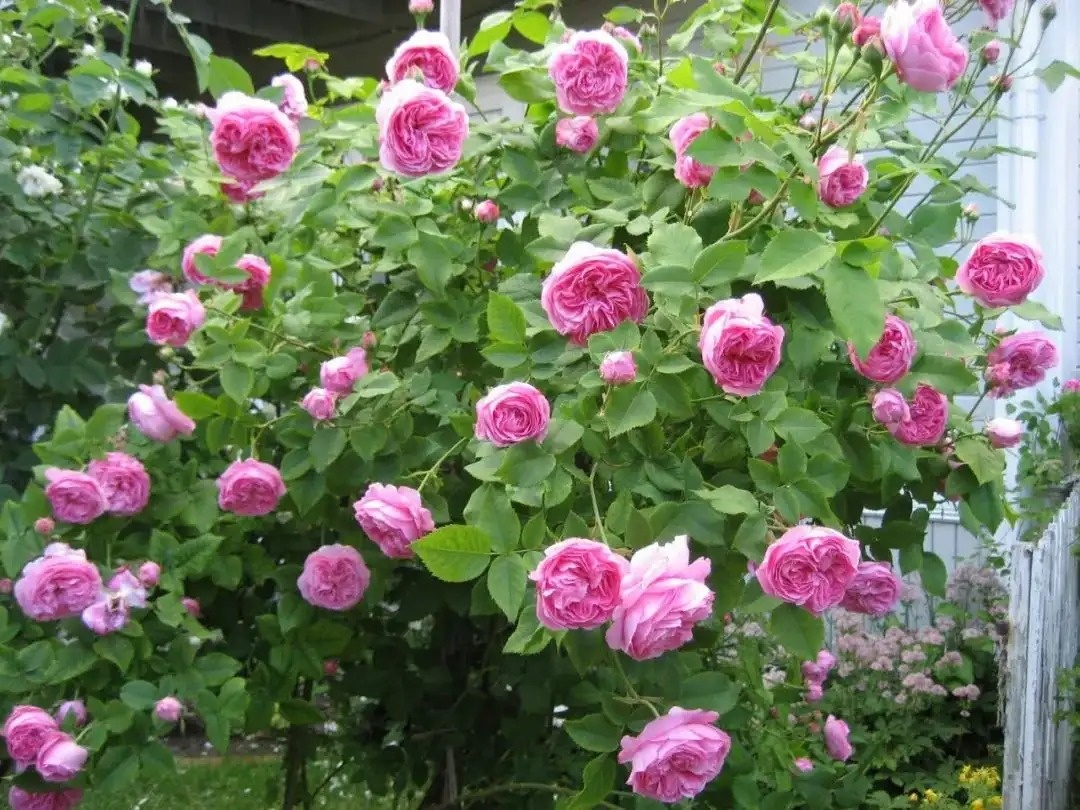
We usually say to prune the rose after it blooms, up to the third leaf below the flower. However, there are many types of roses, so we can differentiate the pruning methods.
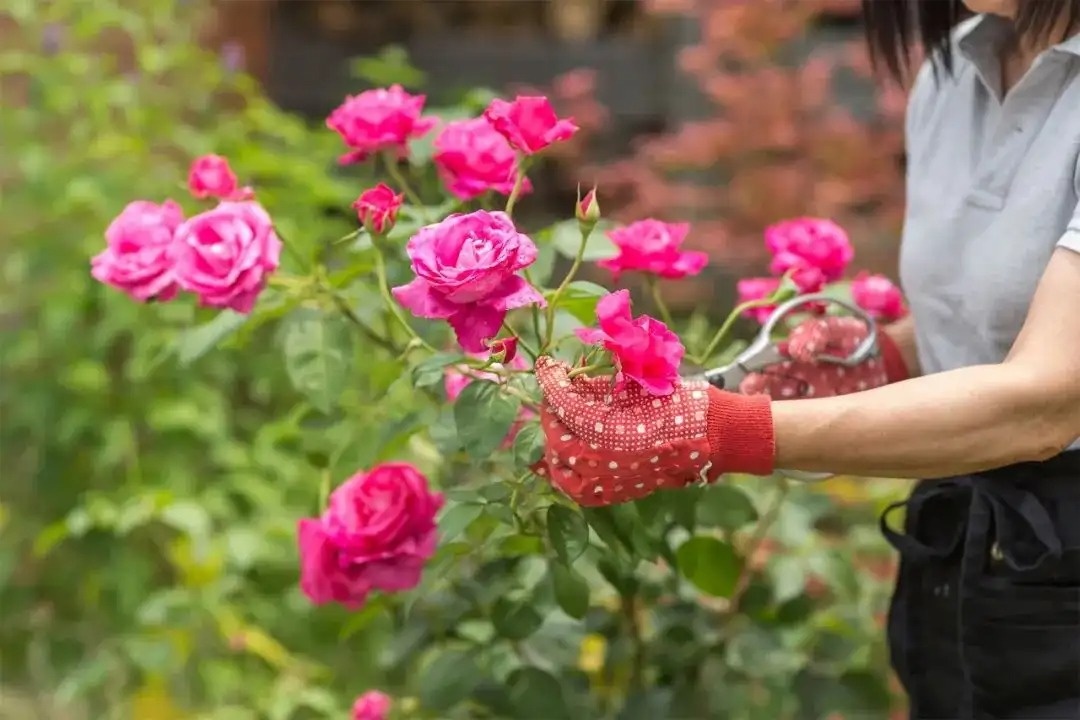
1. Single-head type
Many large-flowered roses have only one flower per stem, meaning that only one flower blooms on each branch.
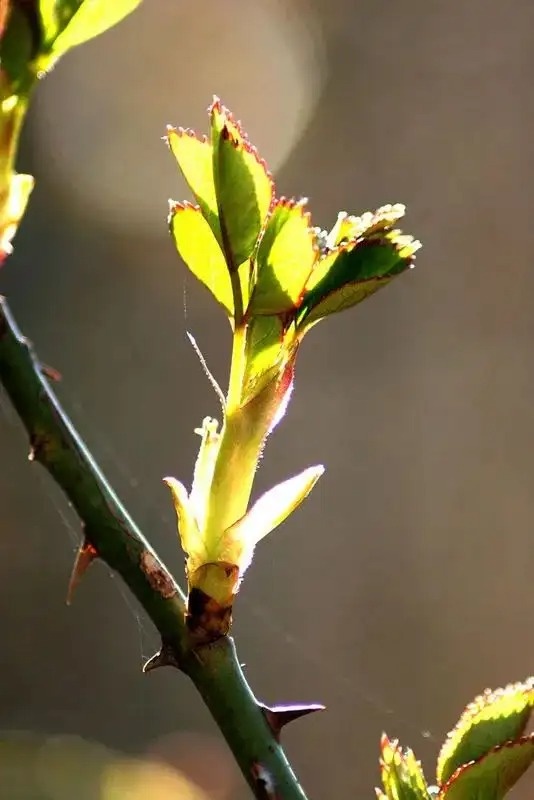
The pruning method for this type of rose is very simple. Just follow the tip of the branch down to find the first large leaf of the rose (where there are the most leaves)!
There's no set height for pruning, but you must prune down to the large leaves of the rose so that the new shoots that grow out will be strong!
According to the principle of supplying nutrients to the nearest part of the plant, the nutrients produced by the leaves are first supplied to the buds below the leaves, and then to the branches, roots and other parts!
In addition, when pruning, you should also consider the plumpness of the axillary buds. If the bud of the first large leaf has obviously turned black, then you can simply cut above the next leaf.
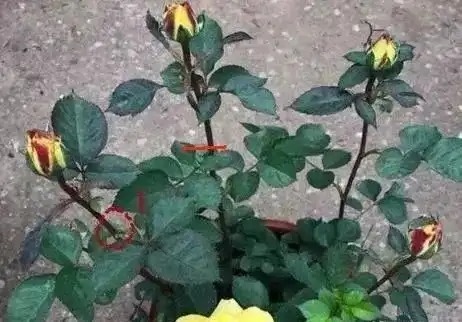
2. Multi-headed roses
Multi-headed roses are more common in floribunda and miniature roses. These roses are characterized by several, even a dozen, flower buds on a single branch, but these buds open gradually in batches. Therefore, pruning these roses cannot be done in the same way as described above.
Pruning multi-headed roses after flowering involves two steps. The first step is to cut off the flowers that have already finished blooming, while keeping the unopened flowers. Just cut off each flower that has finished blooming.
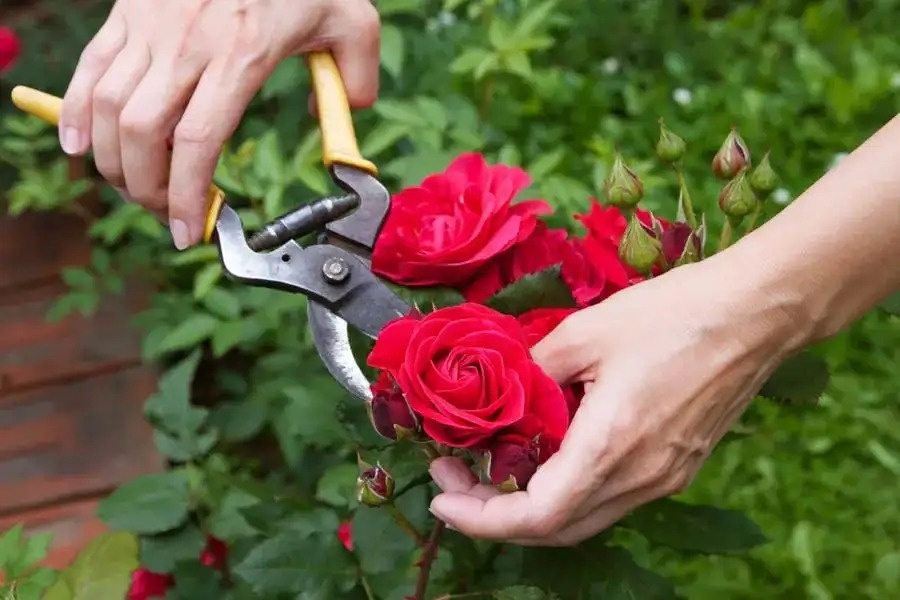
The second step is to wait until all the flowers have faded before pruning the branches to the large leaves of the rose (same as the single-head pruning method).
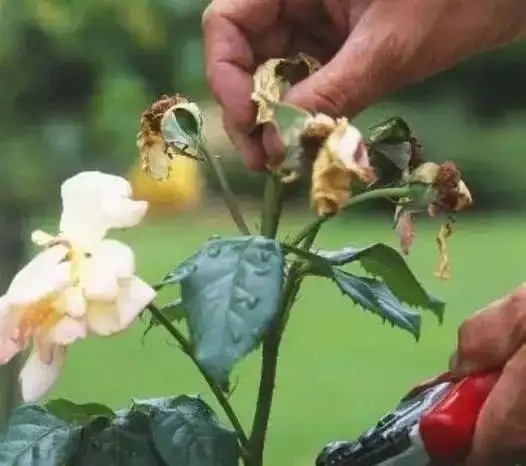
Generally, the first or topmost flower of a multi-headed rose is the largest and most standard. This is due to the plant's apical dominance. Moreover, the nutrients supplied by a single branch are limited, so never wait until all the buds have withered before pruning them together. Otherwise, some buds may not open at all or even fall off due to insufficient nutrients.
Therefore, it's best to cut off each bloom as it opens, saving nutrients for the other lower flowers. This way, the flower shapes at the top and bottom won't differ too much, ensuring that each flower blooms well.
1. The cut should be made 5-8 mm above the strong bud, at an angle parallel to the bud. Please use the correct method to prune the selected strong bud.
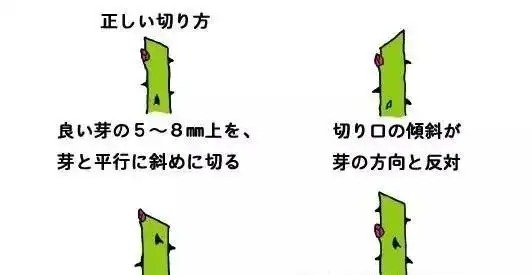
Top left: The correct pruning method is to make a slanted cut parallel to the bud point, 5-8mm above the selected strong bud.
Bottom left: Pruning too close to the bud point will prevent the bud from sprouting.
Top right: The slanted cut is opposite to the direction of the bud point. Bottom
right: Leaving too much of the upper part of the bud point can easily cause the branch to turn black from top to bottom.
2. Be sure to choose a sharp pair of scissors; dull scissors can easily cause dead branches.
3. Try to avoid pruning on rainy days to prevent the wound from turning black and becoming infected. Pruning in the morning is better than pruning at night.
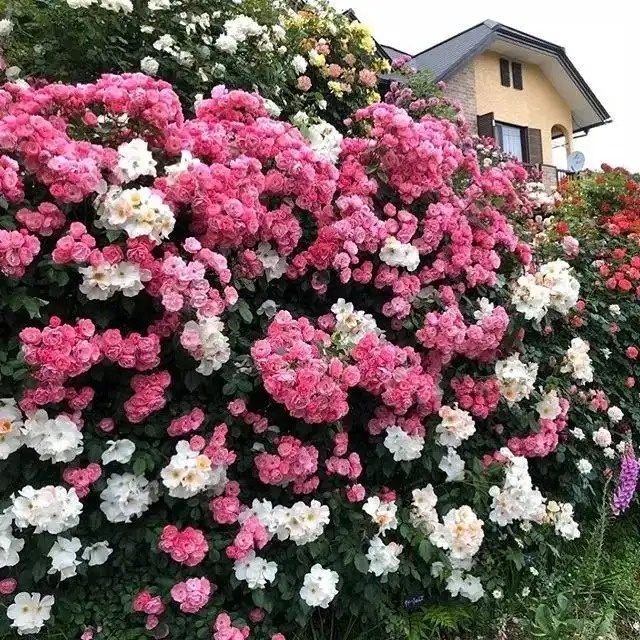
Rose blooming is a very nutrient-intensive process. If you don't replenish fertilizer in time, the growth rate of roses will inevitably slow down, and it may even affect the next blooming!
It is recommended to bury an appropriate amount of Osmocote slow-release fertilizer and Magic Fertilizer when pruning. One week after pruning, start using water-soluble fertilizer (alternate between Flower Power No. 1 and Flower Power No. 2 fertilizers, watering the roots and spraying the leaves).
Sufficient water and fertilizer can promote faster and better germination of buds!
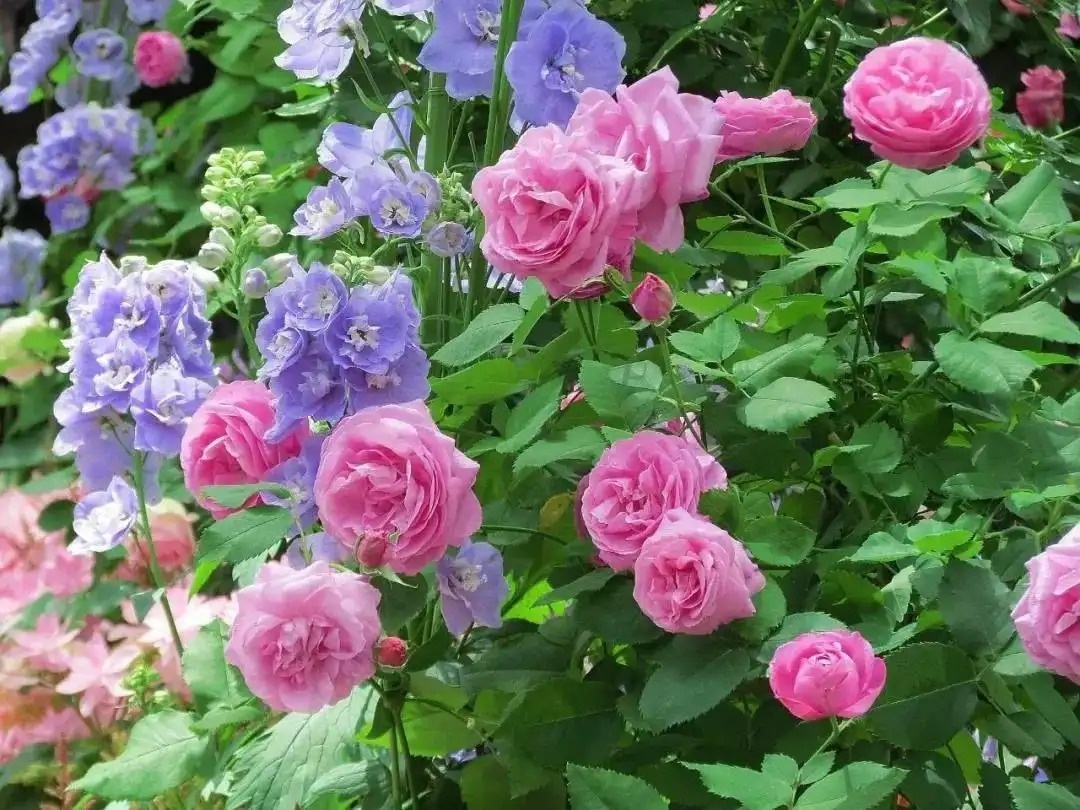
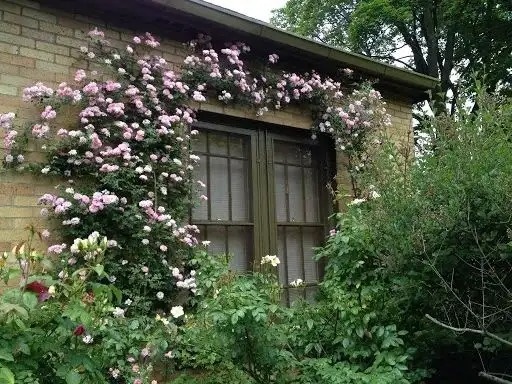
We recently organized a group buy for a gallon of roses, and many of our members have been sharing beautiful photos of them in the group chat these past few days!
Many people are asking when we'll have another group buy for roses!
What a pity it would be if a garden were without roses! Langqun Group Buying has prepared a special group buy for roses, with 62 varieties to choose from, including shrubs, climbing roses, and miniature roses!
There's bound to be one that will win your heart!
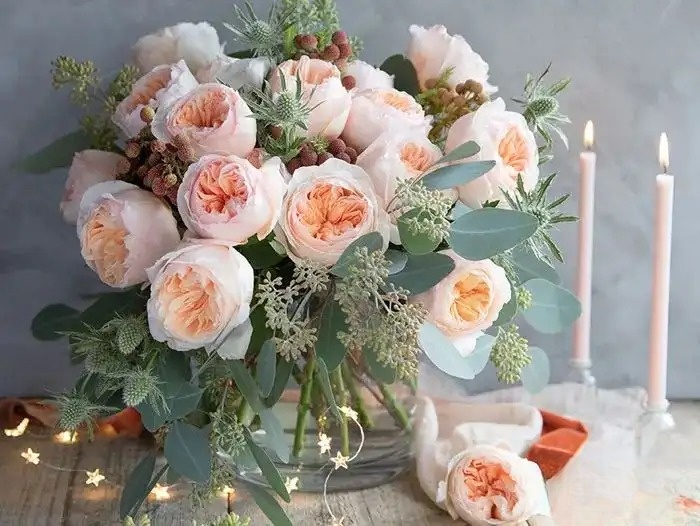
Below is a list of rose varieties for this group purchase. You can choose the varieties according to your preferences!
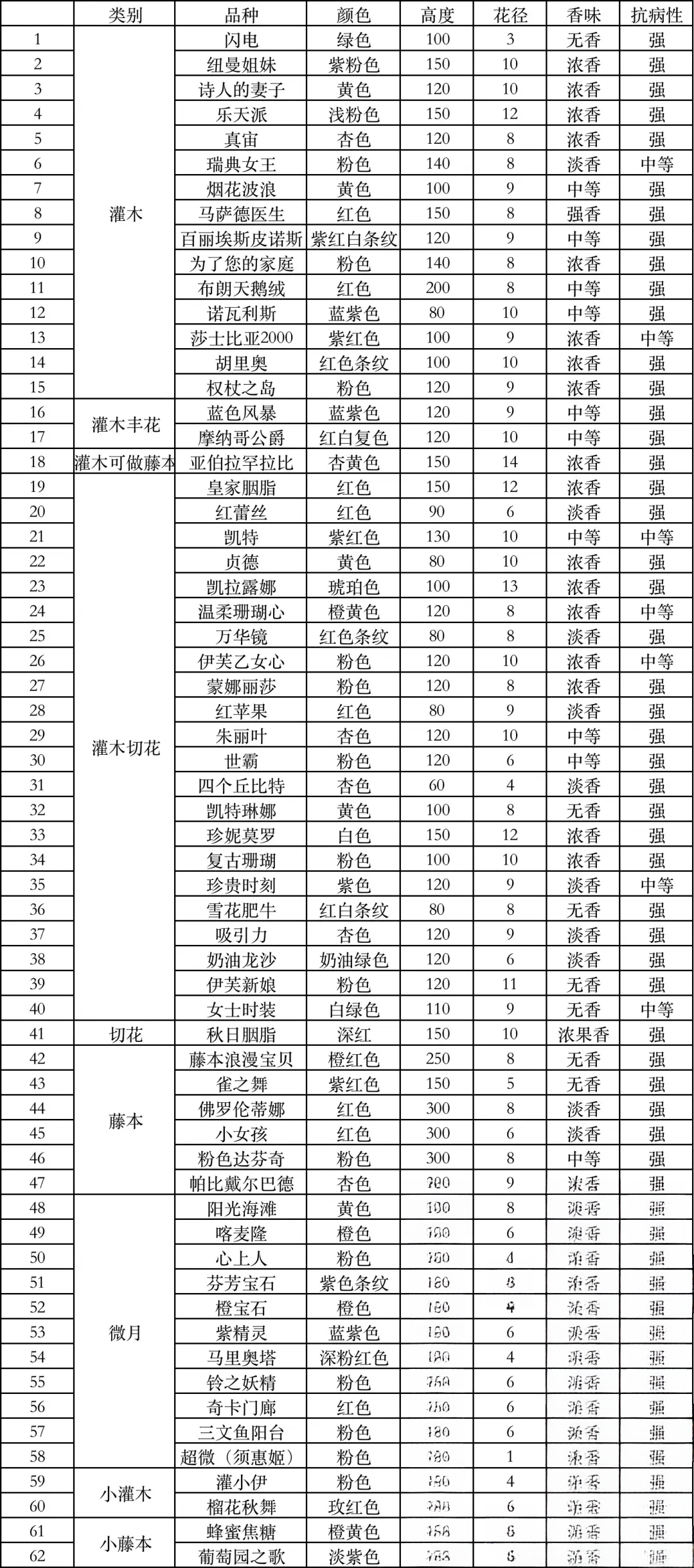
NO.1
Shrub roses
Shrub roses refer to roses that are upright, not easily toppled, and do not have a distinct main trunk. They grow rapidly, sprout new shoots from the base, have a good upright shape, sturdy branches, and can bloom in all four seasons.
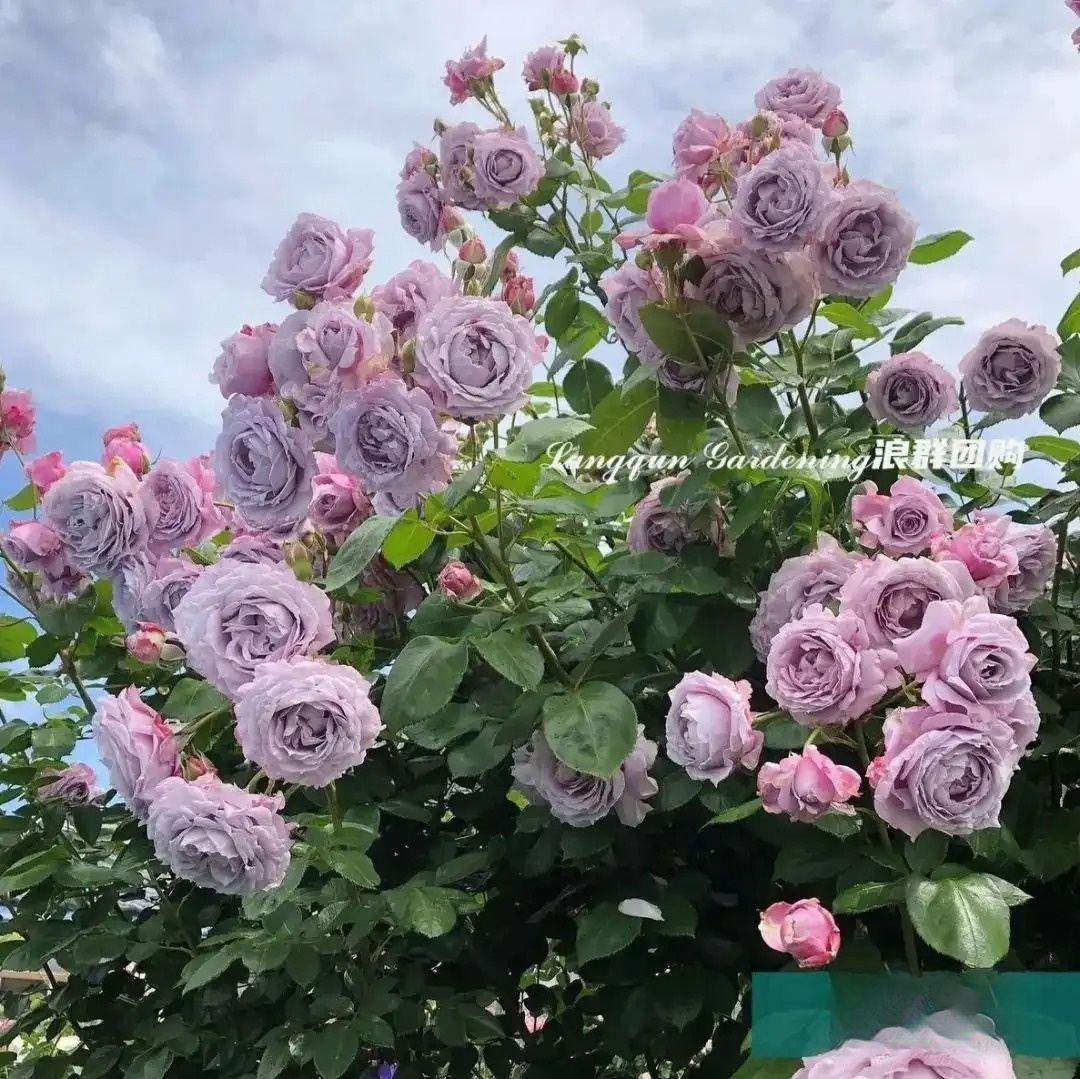
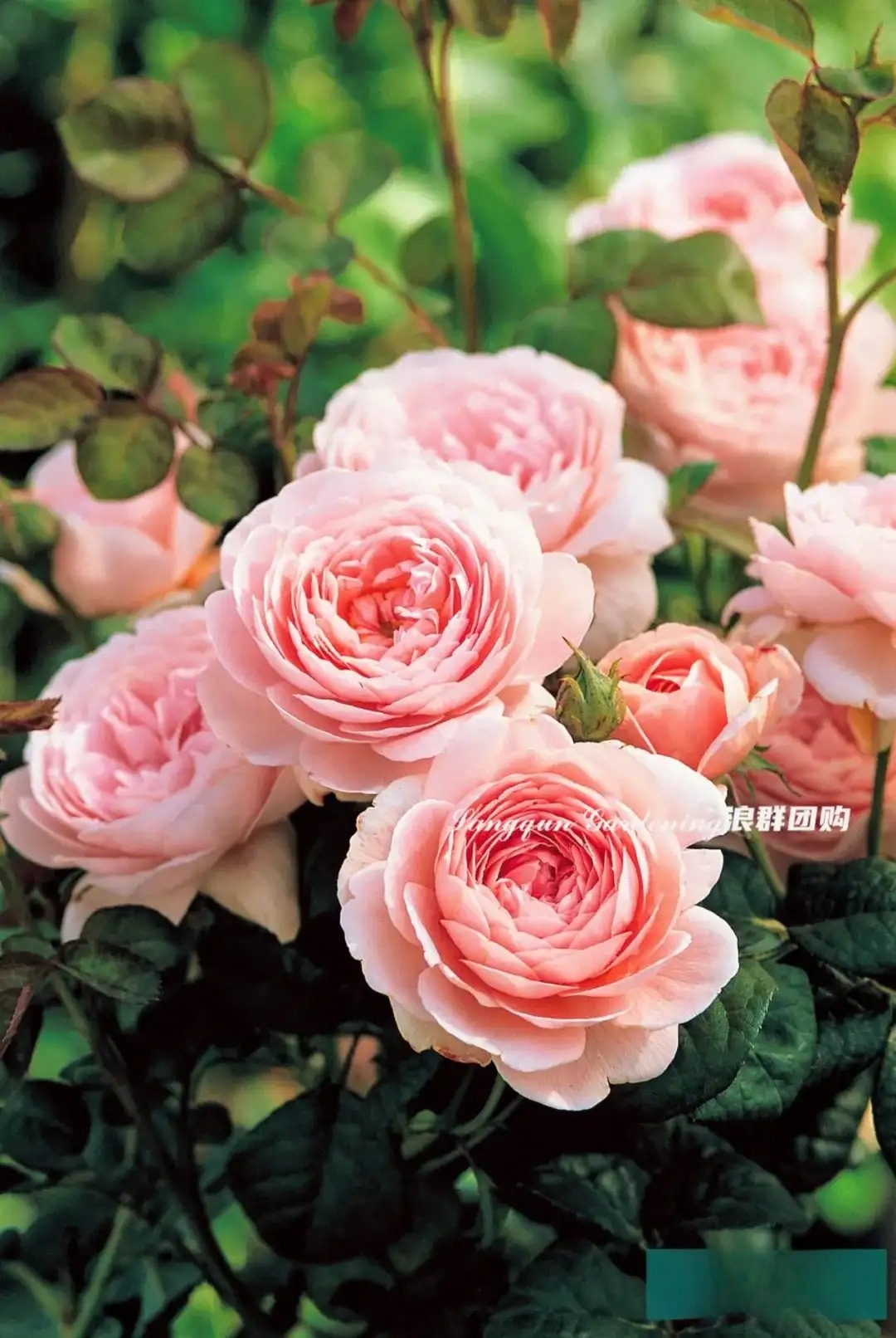
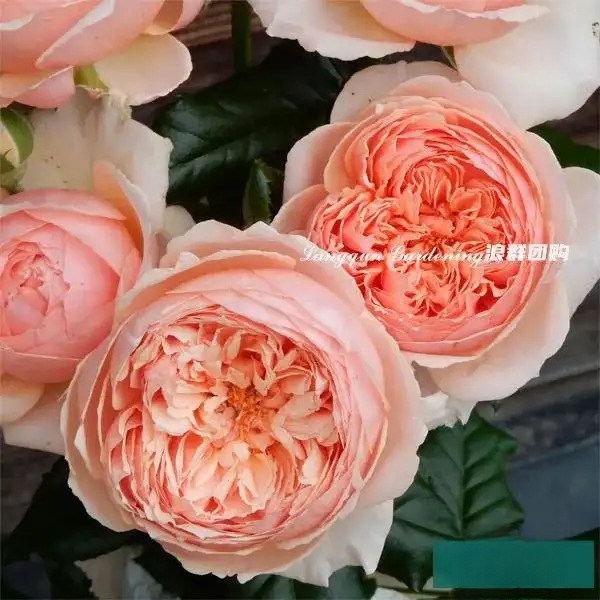
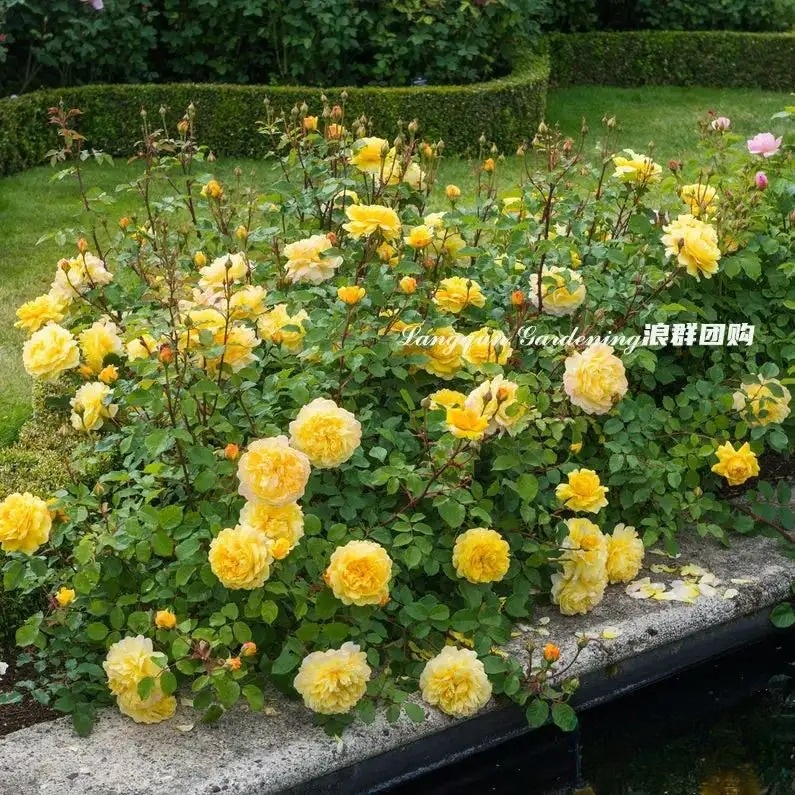
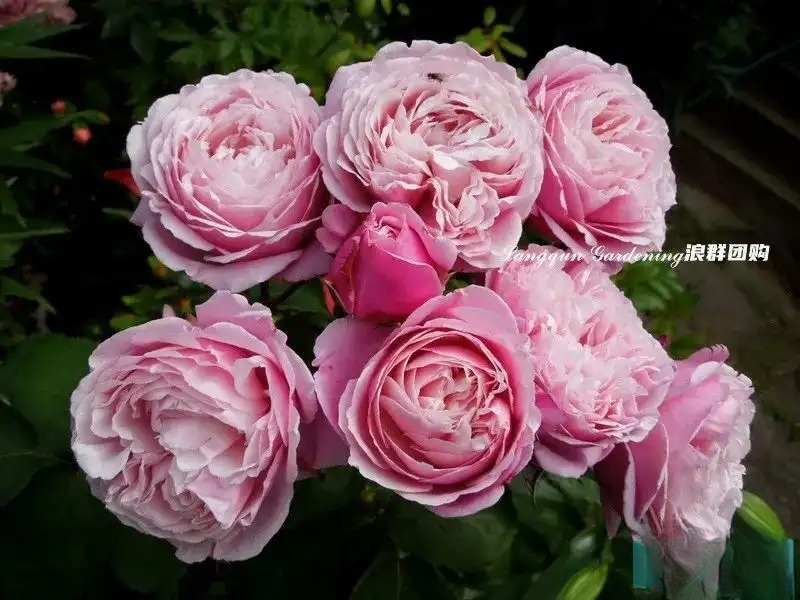
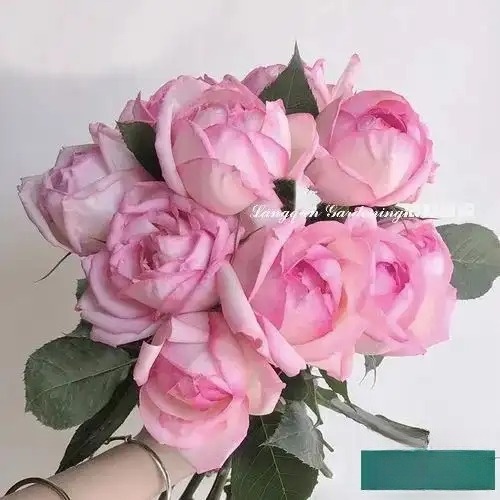
Due to space limitations, please see the end of the article for more beautiful pictures.
NO.2
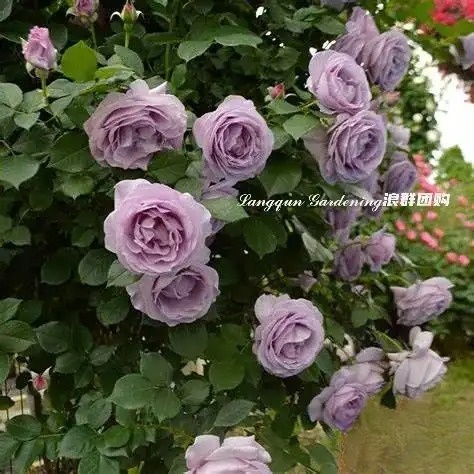
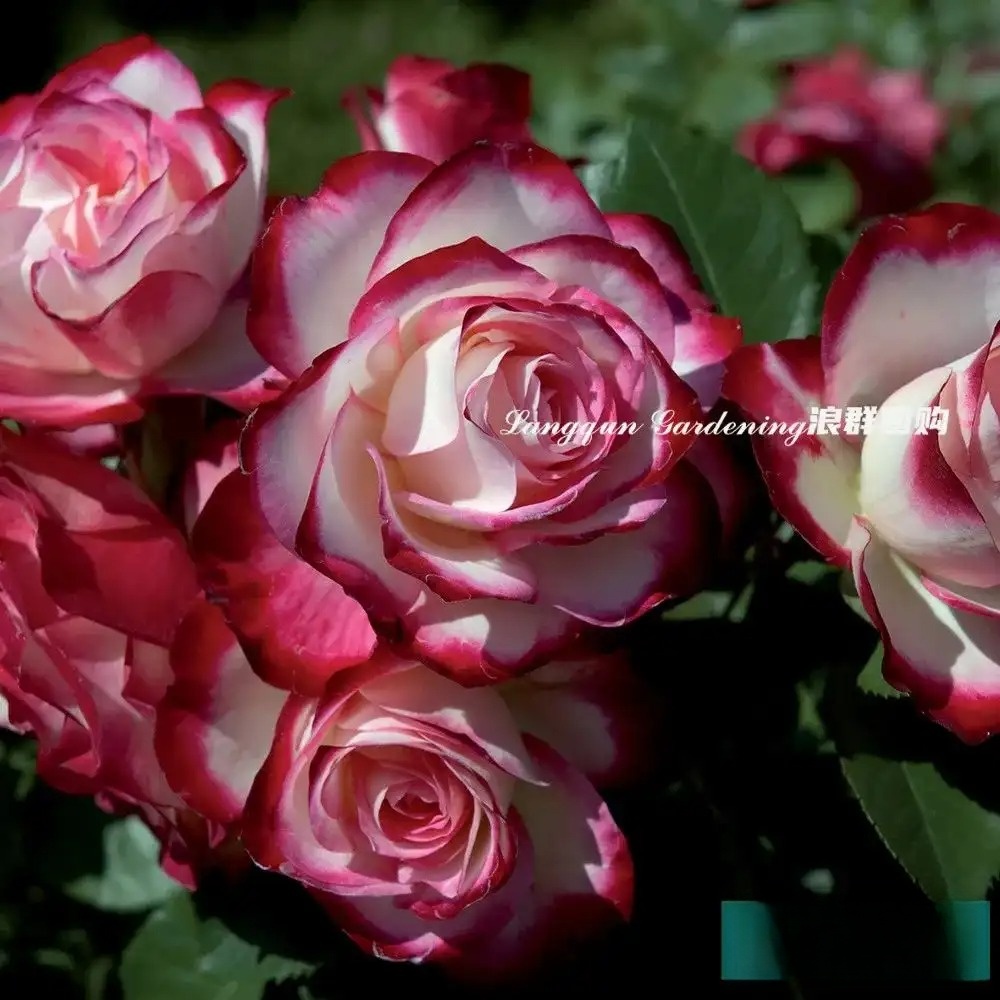
Fenghua Moon Season
Floribunda roses can bloom in all four seasons as long as the temperature is suitable. They produce a large number of flowers and have a long flowering period, making them an excellent choice! Moreover, floribunda roses are generally not tall, and with pruning, they can be kept to a height of about 90cm, making them suitable for balcony gardeners.
NO.3
Cut roses
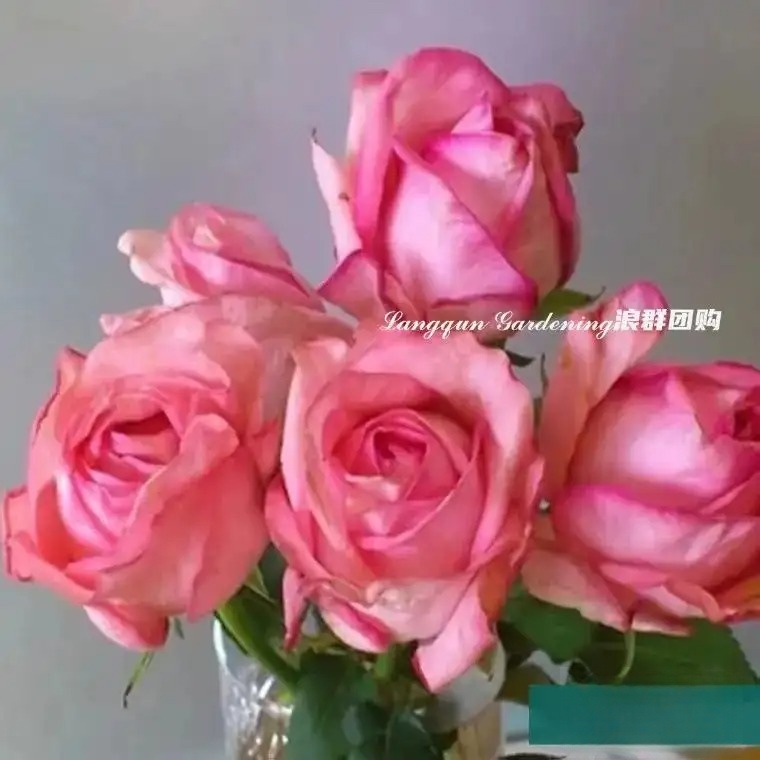
Cut roses are a type of rose that many florists use nowadays. They usually have beautiful flower shapes, bright colors, and pure, cheerful colors.
The plant is vigorous and tolerant of pruning, and can bloom repeatedly in a short period of time, and can bloom all year round under suitable conditions.
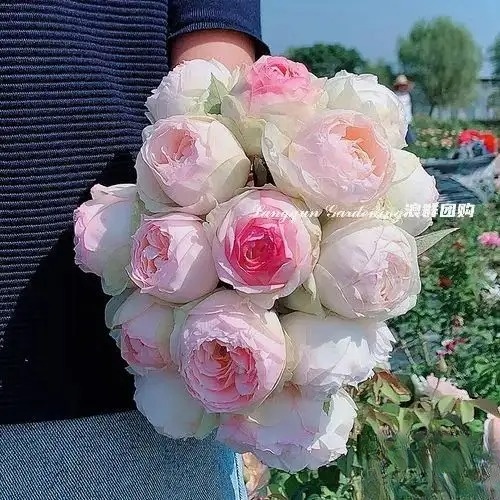
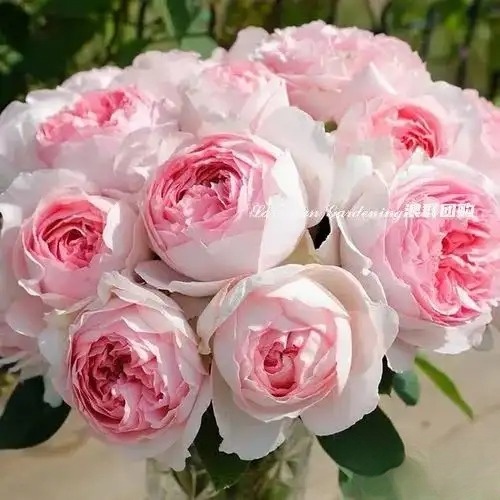
Cut roses have high yields, beautiful leaf color, few thorns, petals that do not fade, and resistance to diseases and pests.
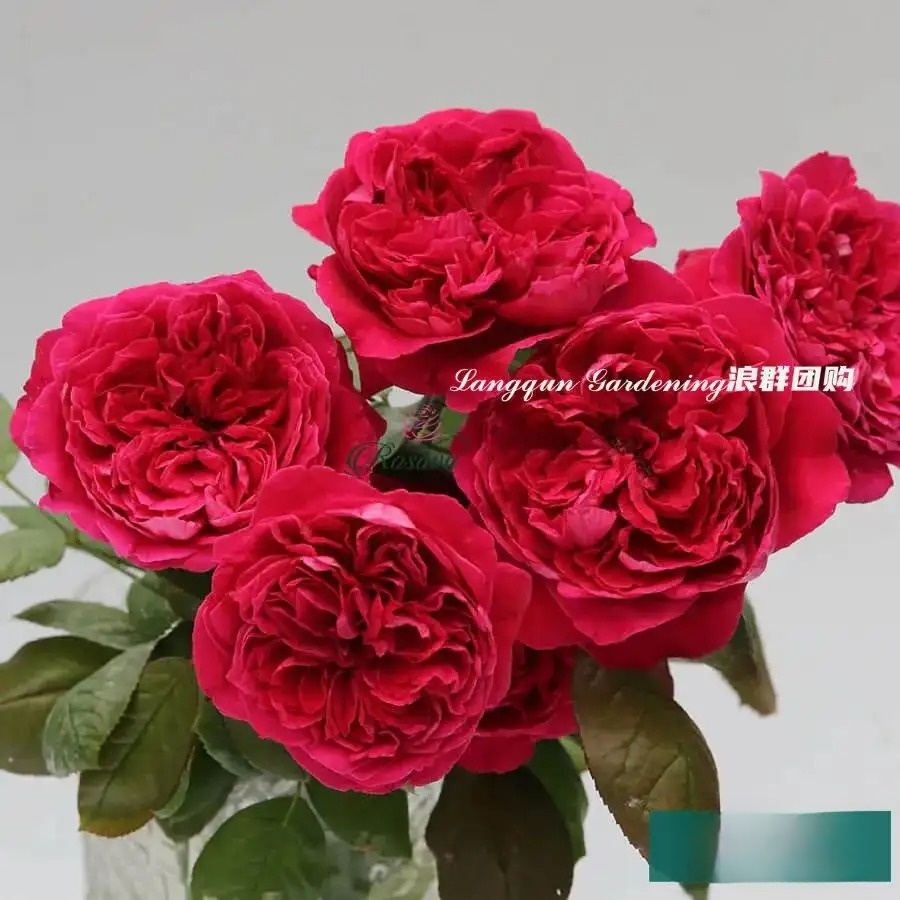
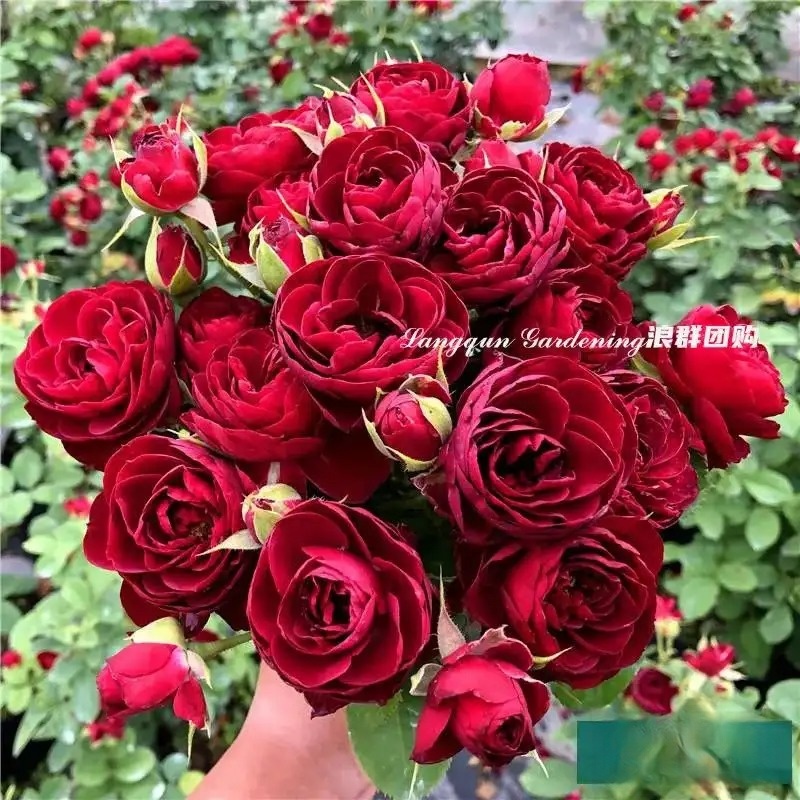
The flowers open slowly, and the petals are relatively thick, allowing them to maintain their beautiful shape for a longer period of time.
NO.4
Fujimoto Tsuki
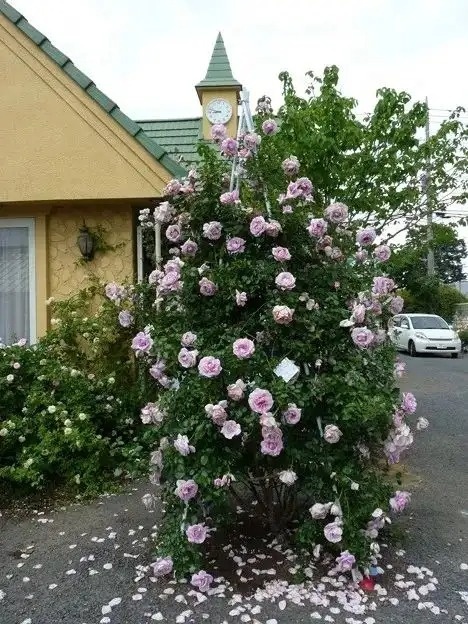
Climbing roses have large, fragrant, and vibrant flowers, blooming all over their bodies with numerous flower heads, creating a spectacular sight. In gardens, they are often trained to climb on various well-ventilated trellises and pergolas, forming flower balls, flower columns, flower walls, seas of flowers, arches, corridors, and other landscape features.
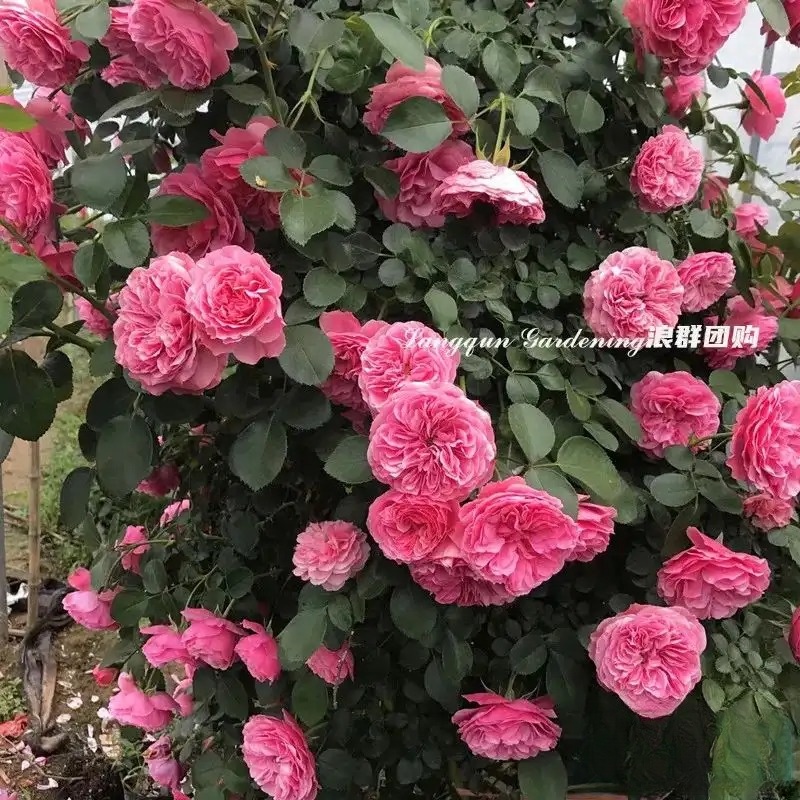
Climbing roses, with their relatively flexible branches, can be trained into different shapes according to personal preferences. Moreover, with a wide variety of varieties and vibrant colors, they are very popular.
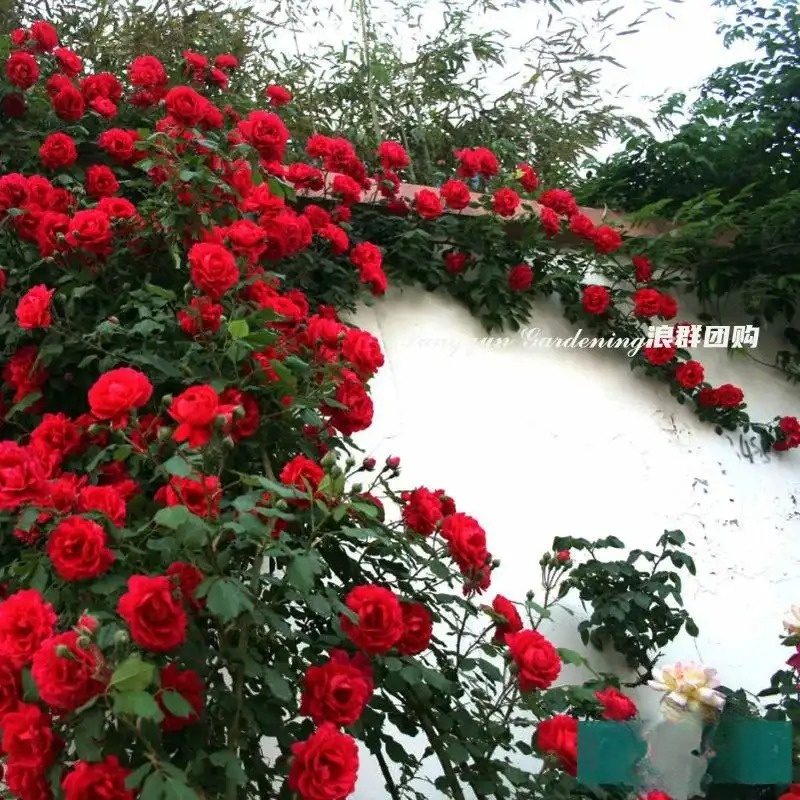
Climbing roses are vigorous growers, with branches typically reaching 2-6 meters in length. A large, three-year-old climbing rose can cover a 3-5 square meter wall. With ample fertile soil and sufficient fertilizer, they will bloom into a sea of flowers!
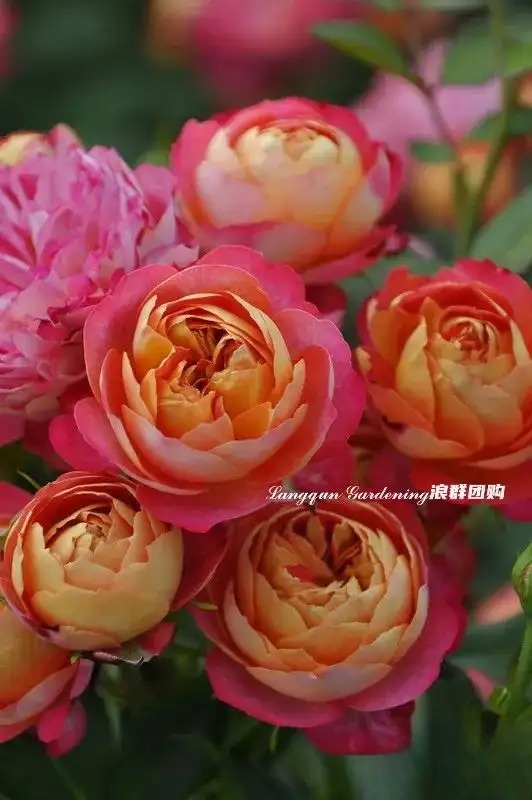
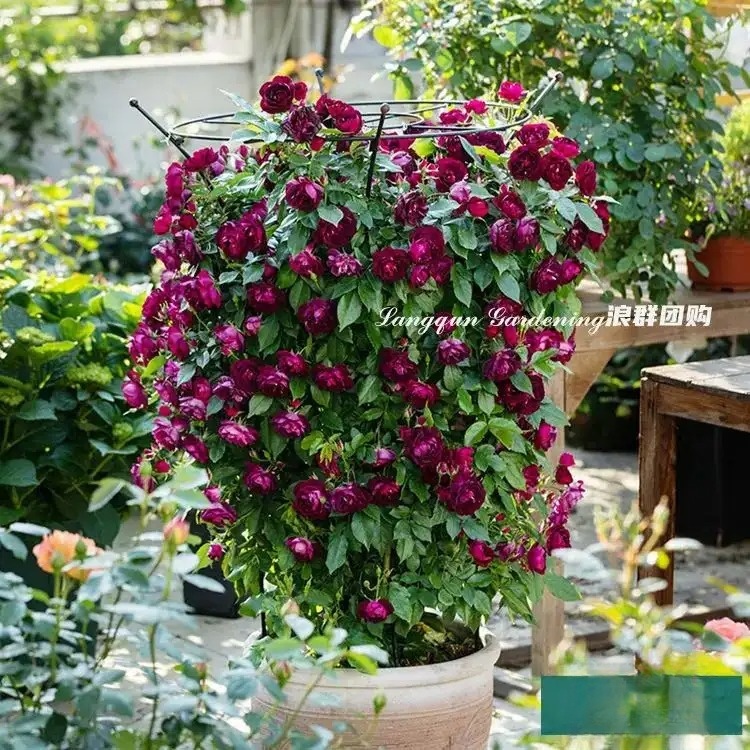
Except for a few that require vernalization to bloom, the vast majority of them bloom year-round, grow rapidly, and require large flower pots or ground planting to meet their growth needs.
NO.5
Miniature Roses
Because of the beauty of roses, more and more flower lovers have fallen into the rose trap. However, not everyone has the space to grow shrub roses and climbing roses, which has led to the development of small and cute miniature roses.
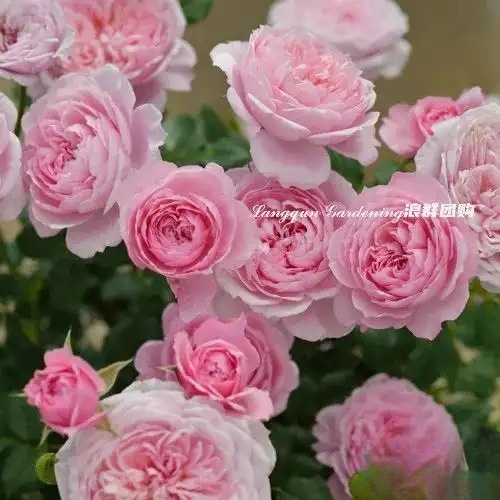
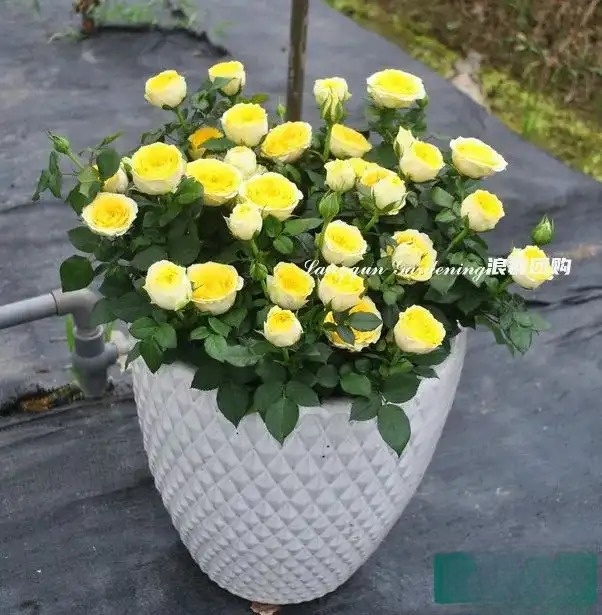
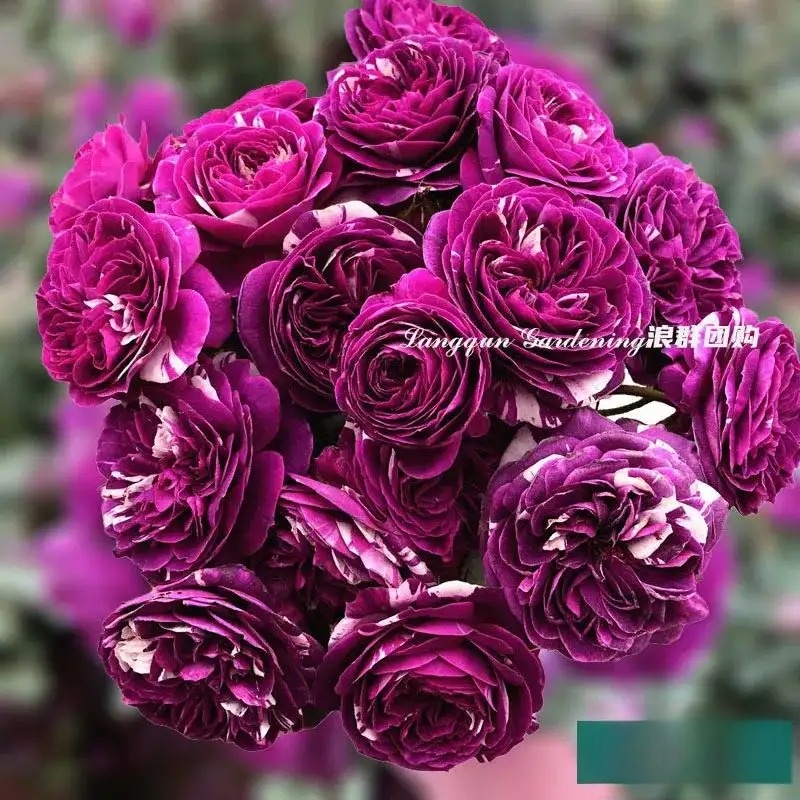
Miniature roses are small in size, making them suitable for potted cultivation on balconies. Their biggest advantage is that they bloom frequently and produce an enormous number of flowers, several times more than shrub or climbing roses! A well-managed miniature rose can produce twenty to thirty flowers on a single branch!