Health knowledge
Five Ways to Maintain Eye Health: 1. **Medicinal
:** Traditional Chinese medicine often uses Dingzhi Wan and Qiju Dihuang Wan to treat symptoms such as eye fatigue and nearsightedness. Dingzhi Wan is suitable for those who can see clearly up close but blurry distant objects, accompanied by palpitations, chest tightness, and fatigue. Qiju Dihuang Wan is suitable for those with nearsightedness who experience floaters, tinnitus, dizziness, frequent dreams at night, and lower back pain. If floaters are frequent, Danshen and Yujin can be added to promote blood circulation and remove blood stasis. 2. **
Dietary Care
:** Eat more foods beneficial to eyesight, such as longan pulp, yam, carrots, spinach, sweet potatoes, taro, corn, animal liver, beef, mulberries, and red dates. Alternatively, you can drink tea made with red dates, ginseng, goji berries, chrysanthemum, and luo han guo (monk fruit). 3. **
Water Care:**
Eyes prefer cool temperatures and dislike heat. Excessive heart fire or liver fire can cause eye discharge, dryness, redness, and congestion. Regularly washing your face with cool running water can reduce eye diseases, protect vision, and enhance the eyes' resistance to disease. Steaming your eyes with tea can also help protect them and restore vision.
Exercise:
Move your eyeballs to strengthen them. The specific method is: Stand with your feet shoulder-width apart, chest out, and head slightly tilted back. Widen your eyes and try to keep your eyeballs moving continuously, first from right to left 10 times, then from left to right 10 times. Rest for 10 minutes and repeat the exercise 3 times. This method can refresh the mind and improve eyesight.
Massage:
Eye-warming method:
Exhalation method:
Finger bending method: This refers to the flexion and extension movement of bending the little finger inward and then backward. Perform each repetition 30-50 times, and then knead the base of the little finger on the outer side with your thumb and forefinger 50-100 times. This method can be done sitting, standing, or lying down. Do it once in the morning and once in the evening daily. It not only nourishes the brain and improves eyesight, but also has a certain therapeutic effect on cataracts and other eye diseases. (Sorghum)
There's some breaking news in our compound: there's a villa in Building 3 at the back, where retired cadres live.
It stands out prominently in our slum.
Other people's children are all cadres, driving luxury cars everywhere. Compared to ordinary people, I feel a bit resentful.
The retired cadre looked refreshed and didn't appear old. His wife had been diagnosed with Parkinson's disease more than 10 years ago, and her whole body trembled.
Twenty years ago, when they were building the villa, my wife refused to pay the migrant workers and even sent people to beat them. Soon after, she developed Parkinson's disease, her whole body trembled, and she never left the house again. The people in the neighborhood all said it was retribution—the consequence of not paying the migrant workers and beating them.
The retired cadre looked refreshed and didn't appear old; he had fair skin and handsome features.
He was said to be the commander of some division, so his wife naturally had a job and a salary. In his spare time, the retired cadre bought land and built a small two-story house for his retirement and two rows of single-story houses for rent. The retired cadre was in very good health, without any illnesses, and ate well. His wife, however, developed Parkinson's disease, suffering from pain and tremors all over her body.
The retired cadre's home was very secure; ordinary people couldn't get in. I went there to deliver the key to the front door. When I entered, I saw an old woman lying on the sofa, wailing and trembling. The retired cadre sighed when he saw her.
I talked to the retired cadre about his wife's illness and recommended my medicinal wine. Without hesitation, he bought it and gave it to his wife. Better safe than sorry; I wrote down the prescription so he could buy it himself. The retired cadre couldn't bear to see his wife lying on the sofa, her voice trembling and crying out, so he went upstairs. I stayed a little longer before leaving.
For over ten years, the retired cadre has been facing his wife's trembling voice every day, and he has developed a mental block. He sees the retired cadre coming and going, playing mahjong with us retirees, but when he goes home, he has to face a completely different scene.
The New Year has passed, and the retired cadres haven't gone out.
Recently, a lot of wreaths have suddenly appeared at the retired cadre's house every night. People are spreading the news, saying it's karma, karma. His wife didn't pay the migrant workers their wages (people always remember bad things), and even sent people to beat them up. He died of Parkinson's disease. That's great.
I naturally thought the same thing as everyone else.
Upon seeing the people in the courtyard, everyone was talking about it. Some said, "Those who should have died didn't, while those who shouldn't have died did. How ridiculous."
Something's not right. Wasn't it the retired cadre's wife who died? No, it's the retired cadre who died!
Oh no, the retired cadre isn't sick.
The retired cadre had to face his wife's illness and the wailing of ghosts at night every day. He had been doing this for more than ten years and probably developed heart disease long ago. Suddenly, he couldn't take it anymore and died within a few days of arriving at the hospital.
The people are saying again, "They've made their money and left, leaving behind a trembling old woman. How pitiful."
The retired cadres aren't really that old; it's just that rich people don't live long.
Our yard is interesting.
The oldest people there are both men and women; the old man upstairs passed away at 97.
The old auntie passed away at 93. She really shouldn't have gone; she was in such good health. She just had a falling out with her children and wanted to go to a nursing home, where she died. She wasn't sick at all; she was our daycare teacher when we were little. "Old Auntie" was her nickname; we didn't know her real name, we just called her that. She loved children, was optimistic, and loved to sing. She came to our house when she was 92. I cooked something delicious, and she drank and sang—it was so lively! Whenever she came, our courtyard was like it was New Year's Day; everyone invited her to eat.
She died after going to the nursing home. The old lady wasn't sick, but the blame for her death fell on the nursing home. The nursing home is really wronged; why does the nursing home have such a bad reputation?
There was also an 87-year-old woman named Gao who passed away. She was a devout Buddhist, but her relationship with her adopted daughter was strained. Fearing her adopted daughter would mistreat her on her deathbed, she prayed to Buddha to let her pass away quickly so as not to be a burden on her daughter. And indeed, she passed away soon after, fulfilling her wish. Everyone said they should learn from Grandma Gao and practice Buddhism. Grandma Gao was a respected Buddhist who had done many good deeds. She should have gone to the hospital when she was in poor health; otherwise, she wouldn't have passed away. She was just reluctant to spend the money.
My mother is now the oldest person in our neighborhood, and there are two other people who are the same age as her.
Actually, my mother's health is not as good as theirs, but I take care of her health.
People healthier than my mother are starting to decline. Elderly people in China don't take care of their health; they just live and die on their own, without any strenuous exercise. Their children don't interfere with their parents' health, or simply leave it to Western medicine. The children also think their parents shouldn't exercise, fearing fractures. The elderly feel they've lived to seventy or eighty, that's enough. Japanese elderly, on the other hand, want to live past 120 to feel truly satisfied.
My mother takes vitamins and traditional Chinese medicine, and she's staying healthy. When it's hot, I take her out for brisk walks, and people on the street say I'm not her biological daughter, that I'm mistreating my elderly mother. I tell her to walk by herself, but she insists I pull her along faster, which makes people misunderstand my behavior. But the faster she walks, the better her health becomes, and people praise me for being filial.
There are several elderly people in the courtyard who love to exercise, but they are all dying soon. They climb the mountain every morning to exercise, but they don't take any health supplements. So, vitamins and traditional Chinese medicine are still important for their health.
My mother's health also puzzled the elderly people in the yard. They wanted to ask what medicine my mother was taking for health maintenance, so I told them. Some people don't like vitamins, while others reluctantly accept them.
This winter is almost over, and I've managed to get through it working as a nanny. It's been good exercise, isn't it?
I also feel that now that I'm retired, it's hard to stay healthy without exercising. My frozen shoulder got better, but it flared up again because I didn't exercise. Exercise is now essential.
Glomerulonephritis caused hematuria. After taking the herb "Achyranthes bidentata" (牛膝), which is boiled in water, the hematuria was quickly controlled.
After consuming angelica root powder, my headaches, which had lasted for many years, were cured.
Mulberry leaves can treat vomiting blood.
The fundamental principles of Traditional Chinese Medicine (TCM) in treating and preventing diseases are to replenish Qi and blood and unblock the meridians. The methods we use today are all left to us by our ancestors. For example, Tuina (a form of massage), massage, and moxibustion are based on the meridian theory invented by our ancestors, while dietary therapy is based on the properties, effects, and contraindications of various foods summarized by our ancestors.
Therefore, whether you are from ancient times or live in the present, whether you are rich, a high-ranking official or an ordinary citizen, whether you are a man, a woman, an old person or a child, the body's needs for health are the same: to replenish qi and blood through diet and to unblock meridians through exercise and massage. When it comes to qi and blood, most people think of it as something mysterious. Traditional Chinese medicine believes that the standard for a person's health is sufficient qi and blood. Just like a person, the body's organs need to be well-fed to function properly. Blood is the "food" for the organs.
Therefore, the importance of blood is the core of my dietary therapy theory. As long as the food is nutritious and properly combined, the quality and concentration of blood in the body can be guaranteed; and ensuring the digestive and absorptive capacity of the gastrointestinal tract can ensure sufficient blood volume. Remember, the importance of dietary therapy is lifelong and must be implemented in every meal of the day.
What is Qi? "Blood is the mother of Qi, and Qi is the commander of blood" is a common saying used to describe the relationship between Qi and blood.
Traditional Chinese medicine (TCM) explains Qi as follows: Qi is composed of the essence of one's constitution, the essence of food and water, and the pure Qi inhaled from nature. Qi possesses strong vitality and is constantly in motion; TCM uses the movement of Qi to explain life activities. The main functions of Qi are: propulsion, warming, defense, consolidation, and transformation; that is, it propels the generation and circulation of blood and body fluids, and drives various physiological activities of the internal organs and tissues. Human Qi is further divided into Yuan Qi, Zong Qi, Ying Qi, Wei Qi, and the Qi of the internal organs. Yuan Qi, also known as "original Qi," is generated from the essence of one's constitution and supplemented by the essence of food and water acquired later in life; it is the driving force of human life activities. Zong Qi is formed by the combination of the pure Qi inhaled from nature and the essence of food and water, flowing through the blood vessels of the heart and lungs, and is closely related to respiration and circulation. Ying Qi is an important component of blood, generated from the essence of food and water, and circulates within the blood vessels. Wei Qi, meaning to protect, is derived from the essence of water and grain. It is particularly vigorous and flows rapidly, circulating throughout the skin, muscles, and the entire body, both inside and out. It can protect the skin surface, warm and nourish the internal organs, regulate the opening and closing of sweat pores and the excretion of sweat, and maintain a constant body temperature.
Temperature is the driving force that enables blood to flow. It keeps blood circulating throughout our body, maintaining the physiological activities of various organs and ensuring life.
When I understood the importance of temperature, and realized that temperature could determine the strength or weakness of a person's vital energy, I gained a more comprehensive understanding of life.
Replenishing Qi means tonifying the kidneys, warming the kidneys, keeping warm, and dispelling cold. Sufficient Qi and blood means that the body has enough blood in quantity and quality, sufficient kidney Qi, a slightly higher basal body temperature, normal function of various organs, vigorous metabolism, and smooth blood circulation. Deficiency of both Qi and blood means that the body has little blood in quantity and poor quality, weak kidney Qi, low basal body temperature, low function of various organs, slow metabolism, and poor blood circulation.
Therefore, the purpose of replenishing Qi is to maintain a suitable body temperature, along with Zong Qi, which is the fresh air that people breathe in from nature. Only in this way can people stand vibrantly between heaven and earth.
Traditional Chinese medicine believes that warmth and heat are yang, while cold and cool are yin. Only by flexibly applying the warm, hot, cold, and cool properties of food according to the individual, the time, and the place can the human body maintain a balance of yin and yang at all times and avoid getting sick.
1. Choose foods according to individual constitution
People with excessive internal coldness and deficiency of both qi and blood should eat more warm foods regardless of the season, such as beef, mutton, onions, leeks, and ginger. This will help the body generate heat, stimulate bodily functions, increase vitality, and promote blood circulation. Nowadays, people generally eat cold foods and use air conditioning extensively to cool down, so 99% of people today have a cold constitution.
If you have a lot of internal heat and are full of energy, you don't need to eat too many warm foods. Eating too much can cause dryness, internal heat, and over-excitement, so you should choose some cooling foods to balance it out.
2. Choose foods in line with climate change
Climate change is essentially temperature change. Therefore, when the temperature is high, people should eat more cooling foods to clear away heat, and when the temperature is low, they should eat warm foods to keep warm and dispel cold. Nowadays, in summer, most indoor spaces are air-conditioned, and the heat from nature has been greatly reduced. However, people are still not satisfied and still crave cooling foods, resulting in a heavy accumulation of cold and dampness in their bodies.
Winter weather is cold, and we should eat more warm foods to keep warm. However, indoor air is often hot and dry due to the extensive use of heating and air conditioning, so people still crave cold drinks, watermelons, bananas, and so on. This is completely wrong. A friend's mother ate half a watermelon on a cold day and died of a stroke half an hour later.
3. Eat the food of the place where you are.
Different regions produce different foods due to their different climates and geography. The most obvious difference is that hot regions produce more cold-natured fruits, such as bananas, watermelons, and sugarcane, while cold regions produce more onions, scallions, garlic, potatoes, soybeans, and other foods that are neutral or warm in nature. These are foods that nature has prepared for people, which are perfectly suitable for their bodies. This is the principle of "different regions nurture different people".
I want to remind everyone that the abundance of out-of-season and cross-regional foods available year-round, despite the abundance of resources, is not for the sake of health, but rather a necessity for economic development and profit. To maintain good health, the food we eat must be in balance with our physical condition, our environment, and the season. We should choose foods with different properties according to our individual needs, the time of year, and the location to avoid or minimize illness.
Below is a list of the five flavors of common foods for your reference:
cereal diet
Neutral in nature: Rice, corn, barley, rice bran, sweet potato, sesame, soybean, cowpea, pea, lentil, broad bean, red bean, black soybean, oat.
Warm in nature: glutinous rice, black rice, sago, sorghum.
Cooling in nature: millet, wheat, barley, buckwheat, Job's tears, mung beans.
Meat diet
Neutral in nature: pork, pork heart, pork kidney, pork liver, eggs, goose meat, donkey meat, wild boar meat, hedgehog meat, pigeon meat, quail, crow meat, snake meat, locust, donkey-hide gelatin, milk (slightly cooling), yogurt, human milk, soft-shelled turtle (slightly cooling), turtle meat (slightly warming), dried scallops, loach, eel, crucian carp, grass carp, yellow croaker, cuttlefish, shark fin, perch, silverfish, shad, carp, pomfret, salmon, shark, rubber fish, sea cucumber (slightly cooling).
Foods with warm properties: Beef, tripe, marrow, dog meat, cat meat, mutton, tripe, bones, marrow, chicken (slightly warm), black-boned chicken, sparrow, pheasant, venison, bear paw, gecko, roe deer, silkworm pupae, goat milk, seahorse, sea dragon, shrimp, cockles, mussels, silver carp, ribbonfish, bream, catfish, knife fish, mixed fish, minnows, trout, eel, bighead carp.
Cooling in nature: Water buffalo meat, duck meat, rabbit meat, mare's milk, frog meat, fish, abalone.
Cold in nature: Duck eggs (slightly cold), horse meat, otter meat, crab, sea crab, clam (sand clam, sea clam, hard clam), oyster meat, snail, earthworm, river snail (very cold), snail, clam meat, clam meat (river clam), cuttlefish, octopus.
Fruit diet
Neutral in nature: plums, crabapples, pineapples, grapes, olives, sunflower seeds, torreya seeds, pumpkin seeds, fox nuts, lotus seeds, coconut juice, cypress kernels, peanuts, ginkgo nuts, hazelnuts, hawthorn, and chestnuts.
Foods with warm properties: peaches, apricots, jujubes, lychees, longan pulp, bergamot, lemons (slightly warm), kumquats, bayberries, pomegranates, papayas, areca nuts, pine nuts, walnuts, and cherries.
Cooling in nature: Apple (slightly cooling), pear, tangerine, orange, strawberry (slightly cooling), mango, loquat, monk fruit, water chestnut, lotus seed core, lily.
Foods with a cooling nature include: persimmon, dried persimmon, pomelo, banana, mulberry, star fruit, fig, kiwi, sugarcane, watermelon, and cantaloupe.
Vegetable diet
Neutral in nature: yam, radish (slightly cooling), carrot, cabbage, garland chrysanthemum, turnip, bok choy, hen's head, fermented black beans, cowpeas, potatoes, taro, ginger, jellyfish, black fungus (slightly cooling), shiitake mushrooms, oyster mushrooms, throat mushrooms, gourd.
Foods with warm properties: scallions, garlic, chives, coriander, pickled mustard greens, onions, toon shoots, and pumpkin.
Hot in nature: chili peppers.
Cooling in nature: Tomatoes (slightly cooling), celery, water celery, eggplant, rapeseed, kohlrabi, water bamboo, amaranth, purslane, chrysanthemum leaves, spinach, daylily, lettuce, cauliflower, wolfberry leaves, artemisia, tofu (tofu skin, dried tofu, fermented tofu), gluten, lotus root, winter melon, sweet potato, loofah, cucumber, sea celery (wakame), mushrooms, enoki mushrooms.
Cold in nature: arrowhead (slightly cold), purslane, water spinach, wood ear fungus, water shield, black moss, houttuynia cordata, bamboo shoots (slightly cold), bottle gourd, cucumber, kelp, laver, seaweed, earth ear fungus, straw mushroom, bitter melon, water chestnut.
Other diets
Neutral in nature: white sugar, rock sugar (slightly cooling), soy milk, goji berries (slightly warming), lingzhi mushroom, white fungus (slightly cooling), bird's nest, corn silk, polygonatum, gastrodia elata, codonopsis, poria cocos, licorice, chicken gizzard lining, jujube seed, vegetable oil, sesame oil, peanut oil, soybean oil, maltose (maltose, syrup).
Warm in nature: ginger, cardamom, Sichuan pepper, perilla, fennel, clove, star anise, fennel, galangal, wine, vinegar, black tea, soda ash, coffee, brown sugar, osmanthus, pine pollen, cordyceps, placenta, chuanxiong, astragalus (slightly warm), codonopsis (slightly warm), ginseng, angelica, cistanche, eucommia, atractylodes macrocephala, and he shou wu (slightly warm).
Foods with warming properties: pepper, cinnamon.
Cooling in nature: green tea, honey, royal jelly, hops, sophora japonica flowers (sophora japonica buds), chrysanthemum, mint, malva nut, white peony root, sand ginseng, American ginseng, cassia seed.
Cold in nature: soy sauce, fermented soybean paste, salt, honeysuckle, bitter melon tea, bitter tea, cogongrass root, reed root, alum.
Special attention
1. Foods with a neutral nature can be eaten all year round.
2. Foods with warm properties can be eaten in all seasons except in summer when they should be consumed in moderation.
3. Cooling foods can be eaten frequently in summer, but if you want to eat them in other seasons, you should eat them with warming foods.
4. Eat as little cold-natured food as possible. If you must eat it, add warm-natured foods such as chili peppers, Sichuan peppercorns, and ginger.
The consequence of decreased body temperature is arteriosclerosis.
The head and face are also the areas most prone to internal heat. This is because of insufficient kidney yang and kidney qi deficiency, resulting in insufficient blood flow to the head. Consequently, the organs in the head and face do not have a sufficient blood supply, leading to symptoms of internal heat such as dry eyes, dry mouth, dry tongue, dry throat, and sore throat.
When blood supply decreases, the immune function of the head and face declines. In addition, the mouth, throat, nasal cavity, and ears are organs exposed to the air, making them most susceptible to bacterial infections. This greatly increases the chances of developing rhinitis, pharyngitis, periodontitis, tonsillitis, and otitis media, which are difficult to cure and soon turn into various chronic diseases.
The common treatment for this symptom is to use cold and cooling medicines that purge, clear, and reduce heat. This only exacerbates the coldness and weakness, making the heat worse and the illness more numerous and severe with each treatment.
In fact, if a person with excessive internal heat still has a lot of internal heat after using general massage to unblock the meridians, they can soak their feet in mugwort water, apply garlic to the soles of their feet, or use raw loach to reduce the internal heat.
The finer the food is chopped, the more it nourishes the blood and qi.
The key to digestion and absorption is closely related to the form of food. Liquid and paste-like foods, due to their small molecular structure, can directly enter the bloodstream through the mucosal epithelial cells of the digestive tract to nourish the human body.
When the functions of the stomach and intestines begin to weaken, wouldn't it be easier to digest and absorb the nutrients we deliver to them in the form of liquids or fine, pasty particles? Wouldn't these nutrients be able to directly generate blood, which in turn nourishes the stomach and intestines, helping to revive the weakened stomach and intestines? By preserving the stomach and intestines, the foundation of our health, we can reduce the likelihood of illness.
Protect your stomach and intestines, and you'll have a healthy mind and body.
The principle of maintaining stomach and intestines is to give them what they like and avoid doing what they fear.
Your stomach and intestines prefer to chew slowly and thoroughly. This reduces their burden, so easily digestible, appropriately warm, and delicious foods are most welcomed by your stomach and intestines. Foods that are too hard, too hot, too cold, too spicy, too sticky, fried, or pickled should be kept away from your mouth.
Physical exercise can increase your appetite. Some might think this is a simplistic view, wondering why some people experience a surge in appetite after exercise while others lose their appetite. The latter is often due to insufficient Qi and blood. This is because after exercise, Qi and blood are distributed to the limbs. If Qi and blood are insufficient, the stomach and intestines will experience relative blood deficiency. Reduced blood supply leads to decreased digestive function, resulting in a loss of appetite. In such cases, reduce the amount of exercise and eat more soft, easily digestible foods. Wait until your Qi and blood are replenished before resuming exercise; this will prevent the aforementioned discomfort.
The stomach and intestines love massage. When you often experience bloating or indigestion, gently massaging your abdomen left and right, up and down can alleviate these symptoms. Therefore, people with poor digestive function should massage their abdomen frequently.
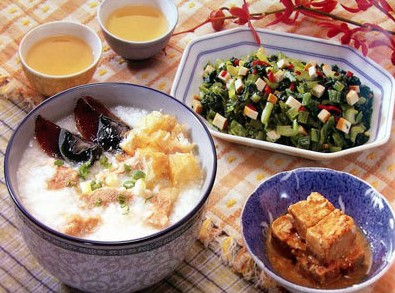
Another way to replenish blood is to consume various highly nutritious meat broths and porridges made from black rice, corn, glutinous rice, and regular rice, with the addition of processed red dates, walnuts, peanuts, lotus seeds, longan, and goji berries. Therefore, those recovering from illness, postpartum women, the elderly, children, and those with weak constitutions should drink more beef broth, mutton broth, pork liver broth, chicken broth, bone marrow broth, and tendon broth made with thoroughly cooked meat, and eat more easily digestible porridges, which are particularly beneficial for health maintenance and disease treatment.
What are the best foods for replenishing blood?
Comparatively speaking, high-quality animal proteins such as meat, eggs, and fish can significantly improve blood quality, making people more resistant to disease and full of energy.
Are black foods all kidney-tonifying foods?
We often see advertisements claiming that black foods nourish the kidneys and blood, such as black sesame seeds, black beans, black rice, black fungus, kelp, seaweed, and black-boned chicken. However, this isn't entirely true. Warm foods are nourishing, while cold foods are purging. Black rice and black-boned chicken are warming in nature, with significant effects on nourishing the blood and kidneys; black sesame seeds are neutral, nourishing the kidneys and liver, moisturizing the intestines, and promoting hair growth; black beans are neutral, nourishing the kidneys, promoting blood circulation, and detoxifying; while black fungus is cooling, and kelp and seaweed are cold, so they can be eaten frequently in summer but should be avoided in winter. Whether a food is nourishing or not depends entirely on its properties. Neutral and warming foods are beneficial to the body year-round, while cooling and cold foods should be avoided except in summer. If you must eat them, combine them with warming ingredients like ginger, chili peppers, black pepper, and Sichuan peppercorns to ensure you receive the unique nutrients without harming your kidneys or stomach.
A universally loved family blood-tonifying recipe
There are many ways to replenish blood in our daily diet. If you are interested, you can follow the methods I introduce below, or you can change up the recipes to make them more appealing to your family.
Red dates, longan, peanuts, red beans, brown sugar, ginkgo nuts, and goji berries are all commonly consumed foods that nourish the blood and kidneys. Combining them together creates an excellent blood-nourishing dietary therapy.
Red dates are a commonly used food for replenishing blood, and they are most effective when eaten raw or soaked in alcohol.
Red dates can also be stir-fried in an iron pot until blackened and then steeped in water to treat stomach cold and stomach pain. Adding longan makes it a blood-nourishing and qi-tonifying tea, especially suitable for teachers, salespeople, and others who use their voices frequently. Adding 4-6 goji berries can also treat constipation, but those with loose stools should avoid adding goji berries. Women who regularly drink red date, longan, and goji berry tea often have fair skin and good beauty benefits. Don't add too many goji berries, just a few; and 6-8 red dates and longan are enough. Brew yourself a cup every morning after work; it not only nourishes blood and qi but also improves eyesight, making it especially suitable for workaholics who spend long hours in front of computers.
It's useless to make tea with red dates that haven't been roasted hard and blackened in an iron pot, because the outer skin covers the date and the nutrients can't be released. But if the red dates have been roasted and then soaked in boiling water, the skin will crack open and the nutrients inside will slowly seep out.
Red dates, peanuts, longan, and brown sugar are simmered in water in a pot until very soft. Eating this regularly is very effective for replenishing blood.
Red dates and red beans are cooked together with glutinous rice into porridge. Red beans are not easy to cook until soft, so you can cook the red beans first. Once the red beans are soft, add the glutinous rice and red dates and cook them together. This is also a good dish for nourishing blood.
Cut 10 red dates in half and remove the shells from 10 ginkgo nuts. Children should only eat 5 of each. Boil them in water for 15-20 minutes and eat them every night before bed. This can nourish blood and strengthen the kidneys, stop coughs and asthma, treat frequent urination and nocturia. It is very effective. You can eat it from autumn when ginkgo nuts are in season until the following spring. It is a special formula for nourishing the kidneys and stopping coughs and asthma for the elderly and children.
Cut 10 red dates in half, add 10 goji berries, boil them in water and drink the resulting liquid. This drink is good for nourishing blood and kidneys, and is especially effective for treating lower back and knee pain. Long-term consumption can also improve complexion and remove blemishes.
Cut 10 red dates in half, boil them with 3 slices of ginger in water, and drink the resulting liquid. It's a great way to stimulate your appetite.
In addition, stewing pig's trotters with soybeans until tender and eating them; stewing turtle with wolfberries, red dates, and ginger until tender and eating them; cooking beef liver, sheep liver, and pig liver in dishes or soups, or cooking them with rice into porridge; stewing beef bone marrow and pig bone marrow with red dates to make soup; and stewing beef tendons and pig tendons with peanuts and ginger until tender and eating them are all good foods for replenishing blood.
When preparing these dishes, it's important to choose fresh ingredients and cook them until they're thoroughly tender to aid digestion and absorption. This requires patience from the person in charge of the cooking and consistent effort over the years. Only by putting in the effort in preparing three meals a day can you truly ensure the health of your entire family.
The tonic was given a name – Gu Yuan Gao (固元膏).
The specific steps are as follows: Take half a pound of donkey-hide gelatin (1 pound can be used in winter), 1 pound of black sesame seeds, 1 pound of walnut kernels, 1.5 pounds of red dates, and half a pound of rock sugar.
Break the large pieces of donkey-hide gelatin, still in its packaging, into smaller pieces with a hammer, then grind them into powder using a food processor. Wash the black sesame seeds and dry-fry them in a pan to make them easier to grind in the processor. Walnuts are not easy to grind in a food processor, so it is best to grind them in a small household meat grinder. Wash the red dates, remove the pits, and then grind them in a meat grinder. Grind the rock sugar in the food processor.
After processing these five ingredients according to the prescribed method, mix them thoroughly in a large bowl. Then pour in 2 jin (approximately 1 kg) of Shaoxing wine (for children, you can use a milder cooking wine instead). Mix well, pour the mixture into a larger bowl, cover it, and then place it in a large pot for steaming. First, steam over high heat for 15 minutes, then over low heat for 1.5 hours, until fully cooked. After cooling, store it in a clean, dry large bottle. If you make a large batch, you can divide it into smaller bottles. Keep the bottle you are currently using out of the refrigerator, and store the rest in the refrigerator. Because it is steamed after being mixed with wine, it will keep for up to a year if refrigerated. When scooping it out, the spoon must be dry, as the tonic is prone to mold when it comes into contact with water. If mold appears, remove the mold, pour the mixture back into the bowl, cover it, and steam for half an hour before consuming.
It is suitable for women to take for a long time, and it is also suitable for the elderly to replenish blood and kidneys. It is also very effective in treating cough and asthma.
Gu Yuan Gao (a traditional Chinese medicine tonic) is also good for children because it's effective in replenishing blood, which is beneficial for their growth and development, and can also promote brain development, making them smarter. In addition, it's also effective in treating childhood asthma.
The dosage of Gu Yuan Gao (a traditional Chinese medicine) varies from person to person: Generally, people who are weak after illness can take one spoonful twice a day; for treating gynecological diseases, take one spoonful twice a day; for men who want to lower blood pressure, lower blood lipids, and treat gout, take one spoonful once or twice a day; for health maintenance, one spoonful every morning is sufficient; for people with sleep problems, take one spoonful after soaking your feet at night to help with sleep; children should take half a spoonful before going to bed at night.
Some people experience symptoms of internal heat after consuming it; in this case, the dosage can be reduced, or it can be consumed every other day. Others may experience diarrhea after consuming it; this is normal and indicates that the spleen and stomach are still experiencing significant cold and dampness. Eating more ginger or other spicy foods will help alleviate this.
In the recipe for Gu Yuan Gao (a traditional Chinese medicine tonic), red dates, black sesame seeds, walnuts, and rock sugar are standard ingredients. For diabetic patients, the rock sugar can be omitted, and 1-2 ounces of goji berries can be added; for severe constipation, 2-3 ounces of pine nuts can be added; for severe qi deficiency and extreme sensitivity to cold, 2-3 ounces of longan can be added; for severe insomnia, 1-2 ounces of jujube seeds can be added. This will enhance the therapeutic effect on various ailments.
Angelica sinensis is invincible: a tonic that everyone must take daily.
I mix a small amount of hawthorn powder into the angelica powder in a 5:1 ratio, and then eating it like this basically eliminates the heatiness.
Finally, I want to remind everyone that angelica root powder is most suitable for office workers who spend long hours in front of a computer. Traditional Chinese medicine says that "prolonged staring injures the liver," meaning that looking at a computer screen for extended periods can damage the liver. Angelica root has a particularly fast effect on replenishing blood, has no side effects, and can directly improve blood supply to the liver. Therefore, I suggest that people who frequently use computers regularly consume angelica root powder, as it will greatly benefit their health.
No more kidney deficiency: Shrimp has a strong kidney-tonifying effect.
It is common knowledge that shrimp can nourish the kidneys. All books on food therapy will tell you that shrimp is warm in nature, nourishes the kidneys, strengthens yang, and promotes lactation. It is a food that strengthens the body and replenishes essence.
Delicious and nourishing: the benefits of eel
This is the first time I've learned that eels have such amazing blood-nourishing properties. Eels are warm in nature and enter the liver, spleen, and kidney meridians. They can nourish the body, strengthen muscles and bones, and dispel wind and dampness. They can treat various ailments such as post-illness weakness and emaciation, fever and itching, lower limb ulcers, bleeding internal hemorrhoids, rectal prolapse due to qi deficiency, uterine prolapse, kidney deficiency and lower back pain, impotence and premature ejaculation, and postpartum weakness.
Offering tribute to our internal organs: Black rice is a breakfast for a healthy life.
Traditional Chinese medicine believes that black rice is warm in nature and can invigorate qi and blood, warm the stomach and strengthen the spleen, nourish the liver and kidneys, and relieve cough and asthma. It is especially suitable for patients with weak spleen and stomach, physical weakness and fatigue, anemia and blood loss, palpitations and shortness of breath, cough, asthma, premature ejaculation, spermatorrhea, and frequent urination.
Western medicine also recognizes that black rice has significantly higher nutritional value than white rice. Its protein, various vitamins, and trace elements are 1-3 times higher than white rice. Furthermore, black rice is rich in dietary fiber and has a glycemic index of only 55 (compared to 87 for white rice), making it particularly suitable for diabetics. In addition, the potassium and magnesium in black rice help control blood pressure and significantly reduce the risk of cardiovascular and cerebrovascular diseases. Therefore, people with cardiovascular and cerebrovascular diseases should include black rice in their diet.
Having seen so many ancestral secret recipes, and seeing how selfless they are, why can't I?
This recipe has been used by my grandfather's mother for over a century...
It specifically treats functional infertility (i.e., infertility despite no apparent medical diagnosis by Western medicine).
Angelica sinensis 15g , Paeonia suffruticosa 25g , Corydalis yanhusuo 10g , Prunus persica 10g, Scutellaria baicalensis 10g , Glycyrrhiza uralensis 10g, Salvia miltiorrhiza 15g , Carthamus tinctorius 15g, Amomum villosum 15g , Achyranthes bidentata 10g
The above 10 herbs do not need to be added or subtracted, and no syndrome differentiation is required (Note: if Western medical examination shows no disease, it means there are no lesions of the uterus or fallopian tubes). Take 5 jin of rice wine.
First, take 3 jin of rice wine, put all the herbs into a jar, seal it, and simmer it over a fire for about an hour. Then, strain it.
Take 2 jin of Shaoxing wine for the second time, strain it, and put it into a jar. Seal and simmer for another hour. (After the first simmer, strain the liquid, then put the dregs into 2 jin of Shaoxing wine, seal it, and simmer again.)
Mix the two decoctions together, take an appropriate amount each day, regardless of the frequency, and drink until finished.
In my clinical practice, I have treated three cases: one who had been infertile for 27 years, one for 7 years, and one for 4 years. All of these patients conceived within 2-4 months of treatment.
Clinically, many women experience infertility without any apparent illness, making diagnosis difficult. This formula can be effective in such cases. It consists mainly of blood-activating herbs, combined with Scutellaria baicalensis and Amomum villosum for fetal support. I have treated many infertile women before, and too few blood-activating herbs are ineffective; adding some kidney-tonifying herbs also helps. It's always effective!
This formula is offered to those who are destined to receive it, for the benefit of all. Those with good intentions should not use it to make unethical money. I offer this formula in response to everyone's encouragement, to help infertile people.
Top 10 Natural Kidney-Nourishing Foods (Practical)
01. Goji berries.
02. Seafood, abalone, octopus, sea cucumber, oysters, raw oysters.
03. Seaweed, fish, shrimp.
04. Leeks, scallions, and garlic.
05. Walnuts, walnut kernels, pine nuts, chestnuts, sunflower seeds, peanuts.
06. Honey, lotus seeds, lotus stamens, lotus leaves.
07. Pig kidneys, pig liver, pig stomach, and pig marrow.
08. Quail, pigeon, chicken, eggs, mutton, and dog meat.
09. Black sesame seeds, black beans, and lychees.
10. Wheat malt oil.
Top Ten Natural Kidney-Tonifying Herbs
01. Ginseng.
02. Deer penis, deer antler, deer blood.
03. Yam, silkworm pupae, gecko.
04. Gastrodia elata and Polygonum multiflorum.
05. Ganoderma lucidum and Cordyceps sinensis.
06. Seal kidney.
07. Angelica sinensis, Rehmannia glutinosa, Astragalus membranaceus.
08. Eucommia ulmoides and cinnamon.
09. Seahorse, Gorgon fruit.
10. Cordyceps, Cynomorium songaricum, Yangqishi (a type of mineral).
Top 10 Kidney-Tonifying Medicines (Traditional Chinese Medicine) — Male
01. Liuwei Dihuang Pills
02. Kidney-Nourishing and Longevity-Enhancing Capsules (Shenglixiong Capsules)
03. Huiren Shenbao Shenbao Mixture
04. Cistanche deserticola
05. Ant Power God
06. Yishen Pills
07. Huoxiang Zhengqi Soft Capsules
08. Ant Health Kidney Tonifying Pills
09. Sun God Kidney Tonifying Products
10. Thirty-Six Flavor Kidney-Nourishing and Rejuvenating Pills
Four major kidney-tonifying medicines (traditional Chinese medicine) — for women
01. Black Chicken and White Phoenix Pills
02. Xiaoyao Pill ( Concentrated Pill )
03. Dong-A E-Jiao
04. Chang'e Jiali Pill
Top 10 Kidney-Nourishing Lifestyles
01. Eat in moderation, maintain a regular daily routine, and keep a cheerful mood .
02. Moderate exercise (fitness /hiking /swimming /jogging /walking /volleyball, etc.).
03. Sexual fantasies (admiration /longing /adult films /beautiful women /handsome men).
04. Cherish your sperm (frequent ejaculation harms the body and kidneys; do not force or indulge in it).
05. Foot massage and kidney-strengthening exercises should be done regularly.
06. Frequently move and massage your waist.
07. Kegel exercises: Contract your anus several times a day.
08. Take alternating hot and cold baths on the testicles and penis, and gently massage the relevant areas to promote blood circulation.
09. Massage the scrotum, inguinal canal and surrounding areas appropriately.
10. Get enough sleep and rest.
To protect your kidneys, you should be aware of the following factors that can damage them .
I. Misuse of kidney-damaging Chinese herbal medicines
In recent years, clinical studies have increasingly revealed that certain traditional Chinese medicines ( including prepared Chinese medicines ) can cause kidney damage. These kidney - damaging herbs include: Tripterygium wilfordii, Aristolochia manshuriensis, Pharbitis nil, Xanthium sibiricum, Papaver somniferum husk, Aconitum carmichaelii, Quisqualis indica, Aristolochia debilis, and Stephania tetrandra. Among these, Tripterygium wilfordii causes the most severe kidney damage, followed by Aristolochia manshuriensis. The reason Aristolochia manshuriensis damages the kidneys is because it contains aristolochic acid, a nephrotoxic substance.
II. Misuse of Western analgesics
Long-term or high-dose use of certain anti-inflammatory and analgesic drugs, such as pain relievers, indomethacin, acetaminophen, and aspirin, can easily cause kidney damage. Kidney damage can manifest as fatigue, dry mouth, loss of appetite, frequent urination, urgency, painful urination, and even hematuria and sterile pyuria, accompanied by joint pain. In some cases, it can directly cause acute nephritis or glomerular necrosis, leading to nephrotic syndrome, and in severe cases, kidney failure and death.
Eliminate liver toxins:
1. Eat green foods, such as green lemons and green grapes. According to the Five Elements theory in Traditional Chinese Medicine, green foods can promote the flow of liver qi, effectively soothing the liver, relieving depression, and improving mood. They are considered foods that help the liver detoxify.
2. Goji berries have a good protective effect on the liver and can enhance the liver's tolerance to toxins. They can be soaked in water or chewed.
TIPS: The liver is the organ that regulates emotions in the body. If toxins in the liver cannot be eliminated in time, it will produce obvious negative emotions. Compared to men who never cry, women live longer, which is undoubtedly related to tears. As an excretory fluid, tears, like sweat and urine, do contain some biochemical toxins that are harmful to the body.
The heart, one of the five internal organs:
Clues:
1. Tongue ulcers: Ulcers on the tongue are usually considered to be caused by internal heat or fire toxins in the heart.
2. Acne on the forehead. When excessive internal heat becomes toxic, many pimples will appear on the forehead.
3. Chest tightness or stabbing pain. Blood stasis in the heart is also a form of toxin.
Expel toxins from the heart:
1. Bitter foods can disperse heart fire. Although they are cold in nature, they will not damage the body's yang energy. Therefore, they have always been considered the best foods to resolve heart heat toxins.
2. Use diuretic and heat-clearing methods to resolve and eliminate toxins from the heart, such as mung bean milk or mung bean soup.
The spleen, one of the five internal organs:
Clues:
1. Facial pigmentation.
2. Excessive vaginal discharge. The spleen is responsible for eliminating dampness from the body. If there is too much dampness, exceeding the spleen's capacity, it will lead to excessive dampness in the body, and increased vaginal discharge is one manifestation of this.
3. Fat accumulation. In Traditional Chinese Medicine, fat has another name: phlegm-dampness, which is caused by poor digestive function of the spleen, which prevents the timely elimination of waste and toxins from the body.
4. Noticeable bad breath, pimples or ulcers around the lips.
Expel toxins from the spleen:
1. Acidic foods: such as dried plums and vinegar. Acidic foods can enhance the digestive function of the stomach and intestines, allowing toxins in food to be excreted from the body in the shortest possible time.
2. Exercise can help the spleen and stomach digest food and speed up the elimination of toxins, but it requires long-term adherence.
TIPS: The best time for spleen detoxification
The time after meals is when toxins are most likely to accumulate. If food is not digested or absorbed in time, toxins will build up. Therefore, the time after meals is the best time for the spleen to detoxify.
The lungs, one of the five internal organs:
Clues
1. Dull skin: When there are a lot of toxins in the lungs, the toxins will accumulate on the skin, making the complexion look dull.
2. Constipation: When there are toxins in the lungs, there can also be abnormal accumulation in the intestines.
Expel toxins from the lungs
1. Radishes are a detoxifying food for the lungs and can help the large intestine excrete accumulated waste.
2. Sweating. The lungs govern the skin, so sweating through exercise or a hot bath will help cleanse the lungs of toxins.
3. Taking deep breaths can reduce the amount of waste gas remaining in the body.
The kidneys among the five internal organs
Clues
1. Scanty menstrual flow, short menstrual period, and dark-colored menstrual blood.
2. Edema.
3. Acne on the jawline.
Expel toxins from the kidneys
1. Winter melon. After entering the human body, winter melon stimulates the kidneys to increase urine production and expel toxins from the body.
2. Yam. Regularly eating yam can enhance the kidney's detoxification function.
TIPS: Optimal time for kidney detoxification
The best time for the kidneys to detoxify is between 5 and 7 a.m. After a night of repair, toxins accumulate in the kidneys by morning. Therefore, it is best to drink a glass of water upon waking to flush out the kidneys and expel toxins.
soybeans
Inhibiting tumors: Isoflavones and genistein in legumes are powerful antioxidants that can help reduce the risk of breast and cervical cancer in women.
Preventing coronary heart disease: The fat in soybeans is mostly unsaturated fatty acids, making them a good food for preventing coronary heart disease, high blood pressure, and arteriosclerosis.
fish
Eat Your Way to a Better Mood: Fish contains a special fatty acid that is linked to "happy hormones" in the human brain. Therefore, consciously eating more fish when feeling down can gradually improve your mood. Fish is also rich in magnesium and boron; magnesium has a calming effect, and regularly eating fish can relieve tension.
Good news for smokers: One of the early symptoms of arteriosclerosis is endothelial dysfunction (i.e., the inability of arteries to dilate), and smoking causes this dysfunction. However, the amino acids in fish can help prevent arteriosclerosis. So, if you can't quit smoking right away, eat more fish!
Cancer Prevention: A medium-sized orange provides the daily requirement of Vitamin C, enhancing the body's ability to fight off bacteria. Oranges can eliminate harmful free radicals in the body and inhibit the growth of tumor cells. Of all fruits, citrus fruits contain the highest levels of antioxidants, including over 60 types of flavonoids and 17 types of carotenoids. Flavonoids have anti-inflammatory, blood vessel-strengthening, and anti-clotting effects. Carotenoids have strong antioxidant properties. These components give oranges an inhibitory effect on the development of various cancers.
egg
Enhancing memory: The lecithin, triglycerides, cholesterol, and lutein in eggs play a significant role in the development of the nervous system and the body, and can also help prevent memory decline.
After I started taking vitamins, all my ailments gradually disappeared without me even realizing it, and my health improved year by year.
Later, I first recommended vitamins to my mother, and then continuously promoted them to family, friends, and patients. Because this treatment method is based on my own experience, has no side effects, is very inexpensive, and long-term adherence can keep people young, bring joy to their lives, and prevent age spots and blemishes.
Seriously, the severe pollution of air, water, and food has affected the body's internal environment, resulting in blocked meridians and excessive impurities in the blood. Coupled with the frequent consumption of out-of-season cold foods in winter and the frequent use of air conditioning in summer when pores are wide open, the direct consequence is a widespread accumulation of cold and dampness in the body. This leads to poor blood circulation, insufficient blood supply, malnutrition of various organs, decreased function, and the inability to promptly eliminate metabolic waste products, causing thickening of blood vessel walls, accelerating arteriosclerosis, and frequent occurrences of various vascular-related diseases (such as hypertension, hyperlipidemia, hyperglycemia, heart disease, cerebrovascular disease, diabetes, etc.). It also causes acne and blemishes on the body and face, and in severe cases, even tumors.
Various unhealthy habits that are harmful to the body, such as heavy smoking, excessive drinking, promiscuity, staying up late, irregular eating habits, and overeating.
Treats lumbar disc herniation
Prescription composition: 210g walnut kernels, 210g black sesame seeds, 60g Eucommia ulmoides, 30g Dipsacus asper, 30g papaya, 60g Cuscuta chinensis, 60g Angelica sinensis.
My formula is based on the above formula with added ingredients, and has been repeatedly verified through my clinical practice over ten years. Its main effects are: tonifying the kidneys, benefiting the liver and strengthening the spleen, promoting blood circulation, resolving phlegm and promoting diuresis, relaxing muscles and tendons, and relieving pain.
The decoction formula consists of: 12 grams each of Dipsacus asperoides, Cibotium barometz, Chaenomeles speciosa, Epimedium leaf, Rehmannia glutinosa, and Drynaria fortunei; 15 grams each of Eucommia ulmoides, Angelica sinensis, Cuscuta chinensis, Poria cocos, Alisma plantago-aquatica, Corydalis yanhusuo, and Spatholobus suberectus; 10 grams each of Cyperus rotundus, Sinapis alba, and Pinellia ternata; 5 grams of Panax notoginseng powder; and 30 grams each of walnut kernels and black sesame seeds.
Powder Formula: 15g each of Dipsacus asperoides, Cibotium barometz, Chaenomeles speciosa, Lindera strychnifolia, Clematis chinensis, Epimedium brevicornu, Drynaria fortunei, Taxillus chinensis, and Achyranthes bidentata; 20g each of Eucommia ulmoides, Angelica sinensis, Poria cocos, Pyrola rotundifolia, Alisma plantago-aquatica, Lycopodium clavatum, and Corydalis yanhusuo; 30g each of Spatholobus suberectus and Astragalus membranaceus; 10g each of Cyperus rotundus, Pinellia ternata, Arisaema cum bile, Eupolyphaga sinensis, Bombyx batryticatus, Pheretima aspergillum, Buthus martensii, Boswellia carterii, and Commiphora myrrha; 5g each of Panax notoginseng powder and Asarum heterotropoides. Grind all ingredients into a fine powder. Take 5g twice daily with warm rice wine. It can be taken alone or with the above decoction. (The decoction works faster, while the powder works more slowly). Alternatively, 150g each of walnut kernels and black sesame seeds can be added to the powder and made into honey pills, each weighing 10g, twice daily.
Traditional Chinese medicine diet can help you get a good night's sleep.
Label: lotus seedsHealth preservationPoriahealthy |