Having grown flowers for over 10 years, I've summarized a series of practical techniques for preventing pests and diseases, along with a guide to pesticide application.

Plant Disease and Pest Protection Guide
1. Precautions for using imidacloprid:
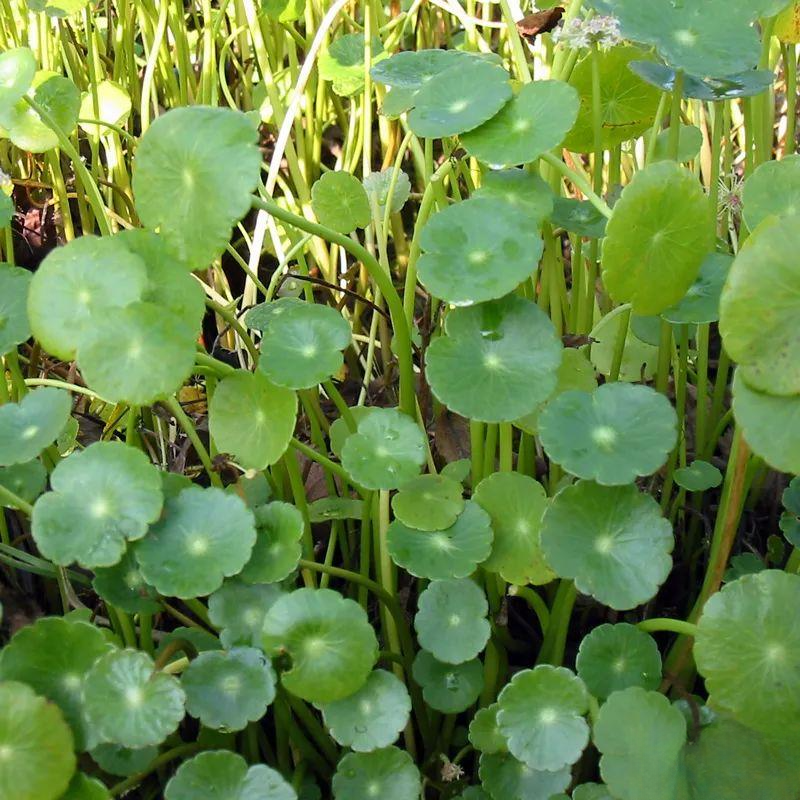
If you have hydroponically grown plants at home, including common ones like lotus, water lilies, and pennywort, especially those grown in a semi-aquatic environment, they are particularly prone to pests. Many mosquitoes and fungus gnats may even lay their eggs in the water, and you'll often see insects wriggling around. Regular cleaning is essential.
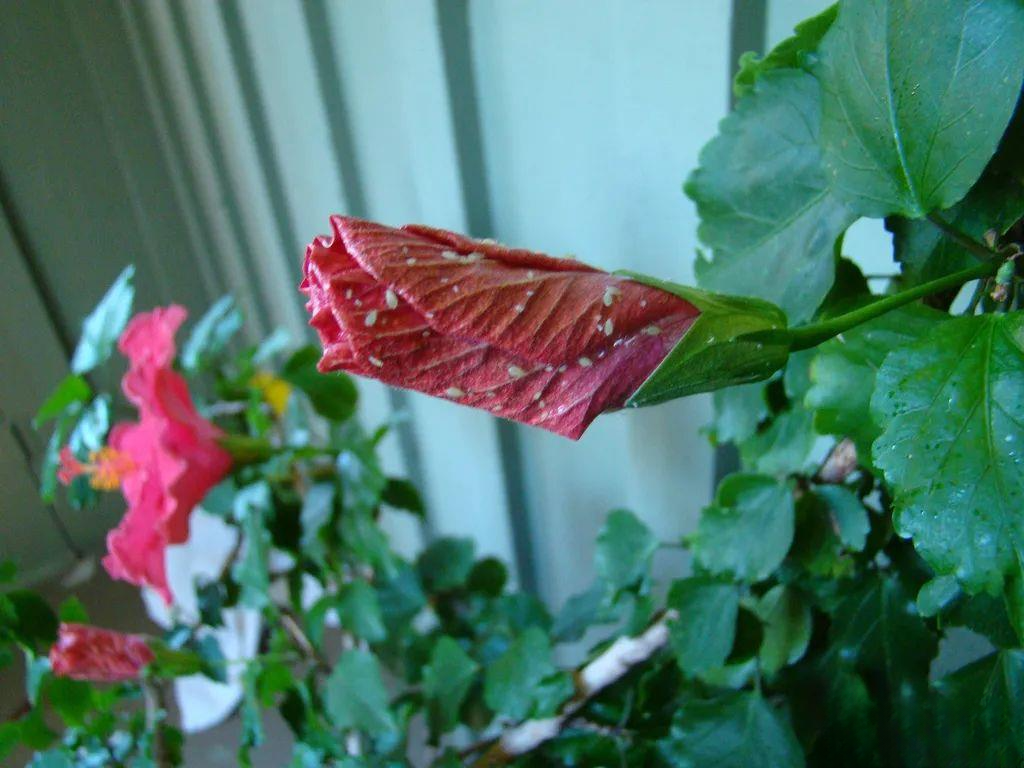
The above shows hibiscus flowers infected with aphids.
When watering plants or flowers, you can mix in a little imidacloprid. It is a low-toxicity insecticide that can be used to control various pests, including common aphids, fungus gnats, leaf miners, and whiteflies.
It is important to note that imidacloprid should not be mixed with alkaline substances, especially laundry detergent . When using imidacloprid, it is generally diluted 3000 times with water. Spray immediately upon discovering pests; do not spray if no pests are found. Spraying in the early stages of infestation is highly effective.
2. Pesticides
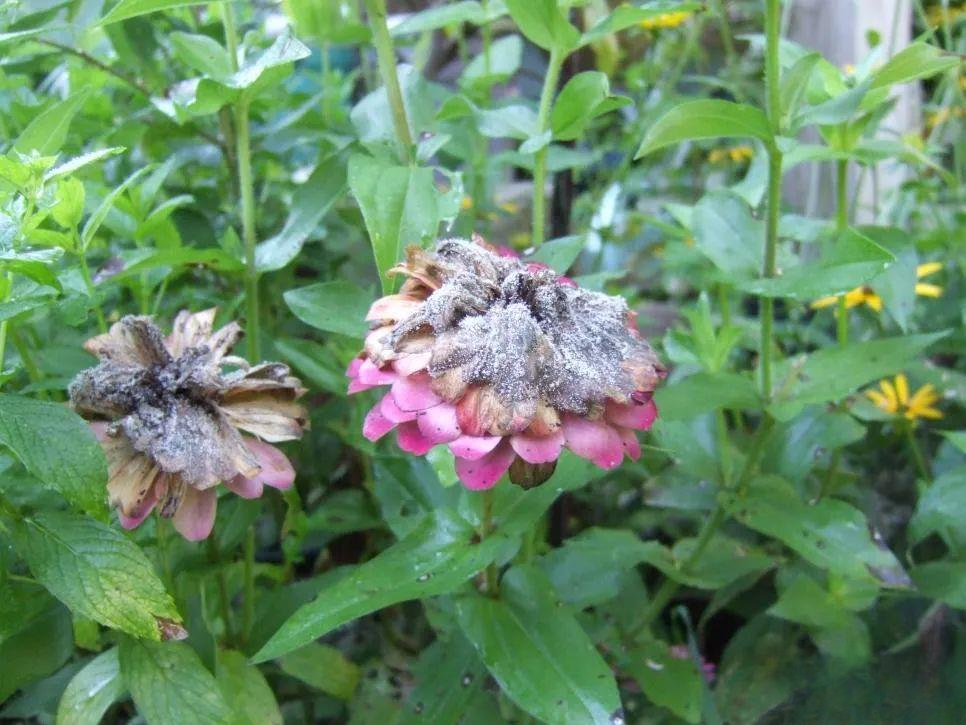
To prevent the breeding of these pests, you can use thiamethoxam or bifenthrin . In other words, some insecticides containing these two ingredients can prevent the breeding of various pests, including insects in the soil or water. I won't introduce specific insecticide brands. When purchasing insecticides, you can check the active ingredients. Agents containing more thiamethoxam or bifenthrin are acceptable.
The application method is very simple: just sprinkle these granular insecticides directly onto the surface of the potting soil, and then water normally. These pesticides will kill various insects in the soil and will also be absorbed by the plant to promote its growth. Of course, systemic insecticides should not be used on vegetables and fruits; they are only used when caring for ornamental flowers.
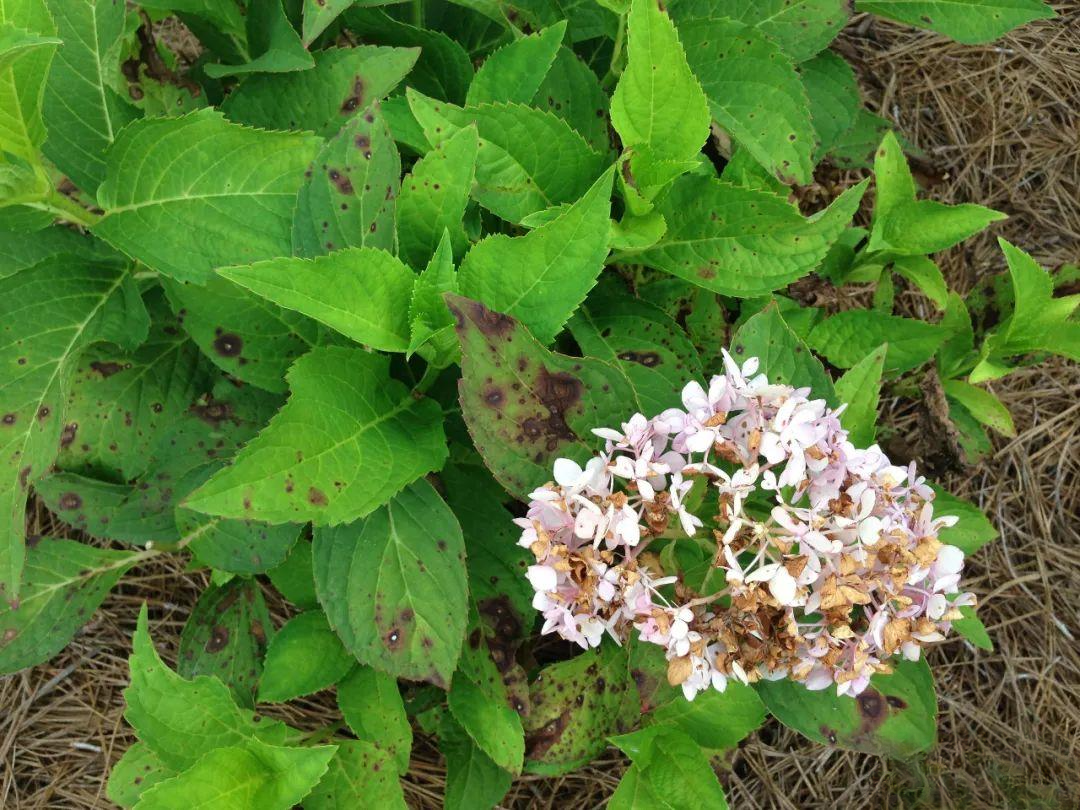
The above is a hydrangea infected with anthrax.
Thiamethoxam and bifenthrin are both systemic and contact insecticides that can be absorbed into the leaves of plants, killing pests that feed on the plant sap. They are highly effective against aphids, whiteflies, spider mites, and scale insects, providing excellent prevention of pest infestations.
If you have grubs, cutworms, or other pests in the soil of your flower pots, some of which can harm the plants, you can use imidacloprid. It is quite effective, so be sure to use it in advance.
3. Precautions for using potting soil and fertilizer
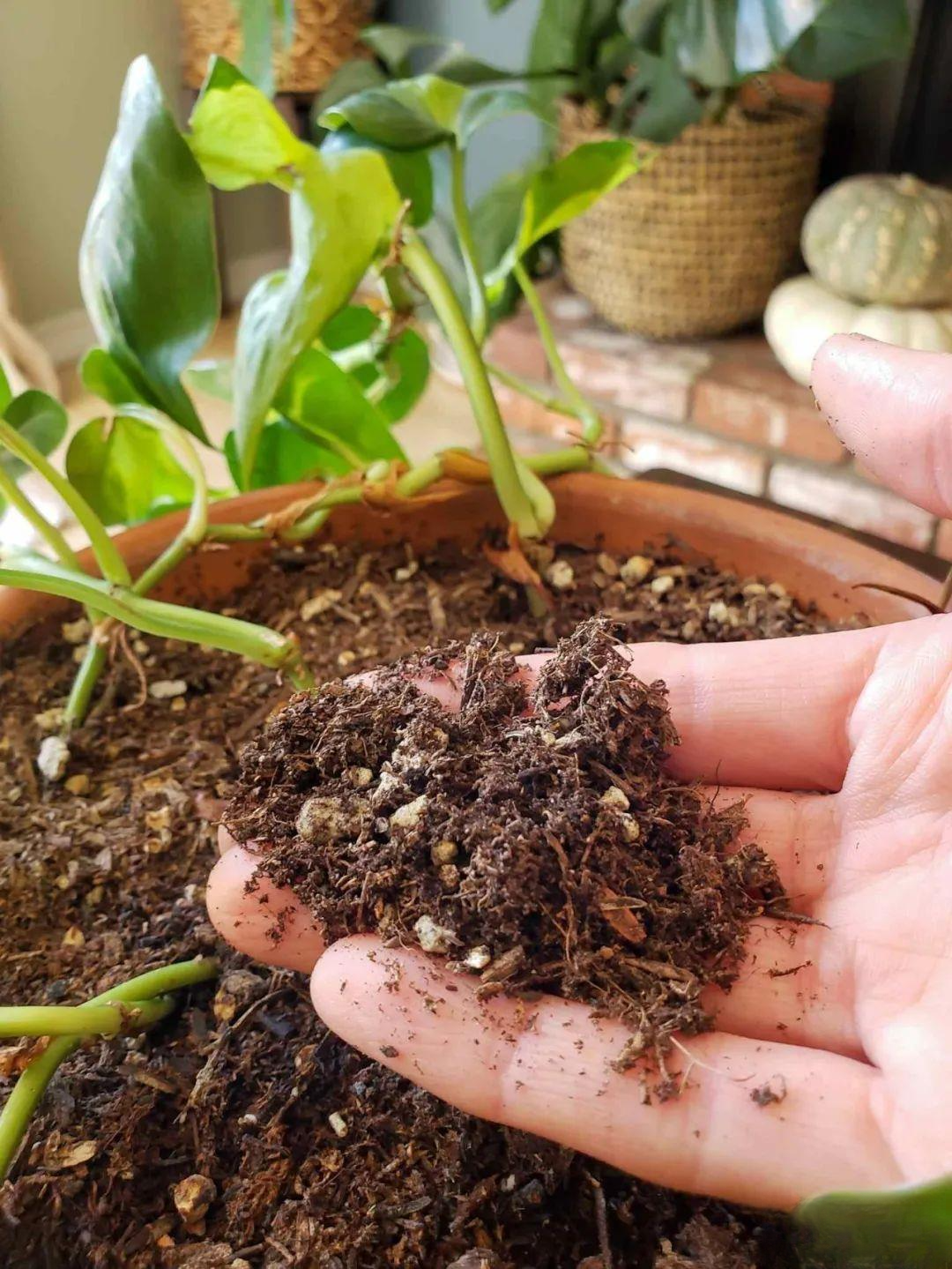
Some people use soil they dig up from the ground without sterilizing or removing pests, which easily leads to pests and diseases. Therefore, it's recommended to sterilize all types of soil before use, unless it's pre-sterilized potting soil. Flower pots can also be scalded with boiling water or cleaned with soapy water before use to easily remove germs.
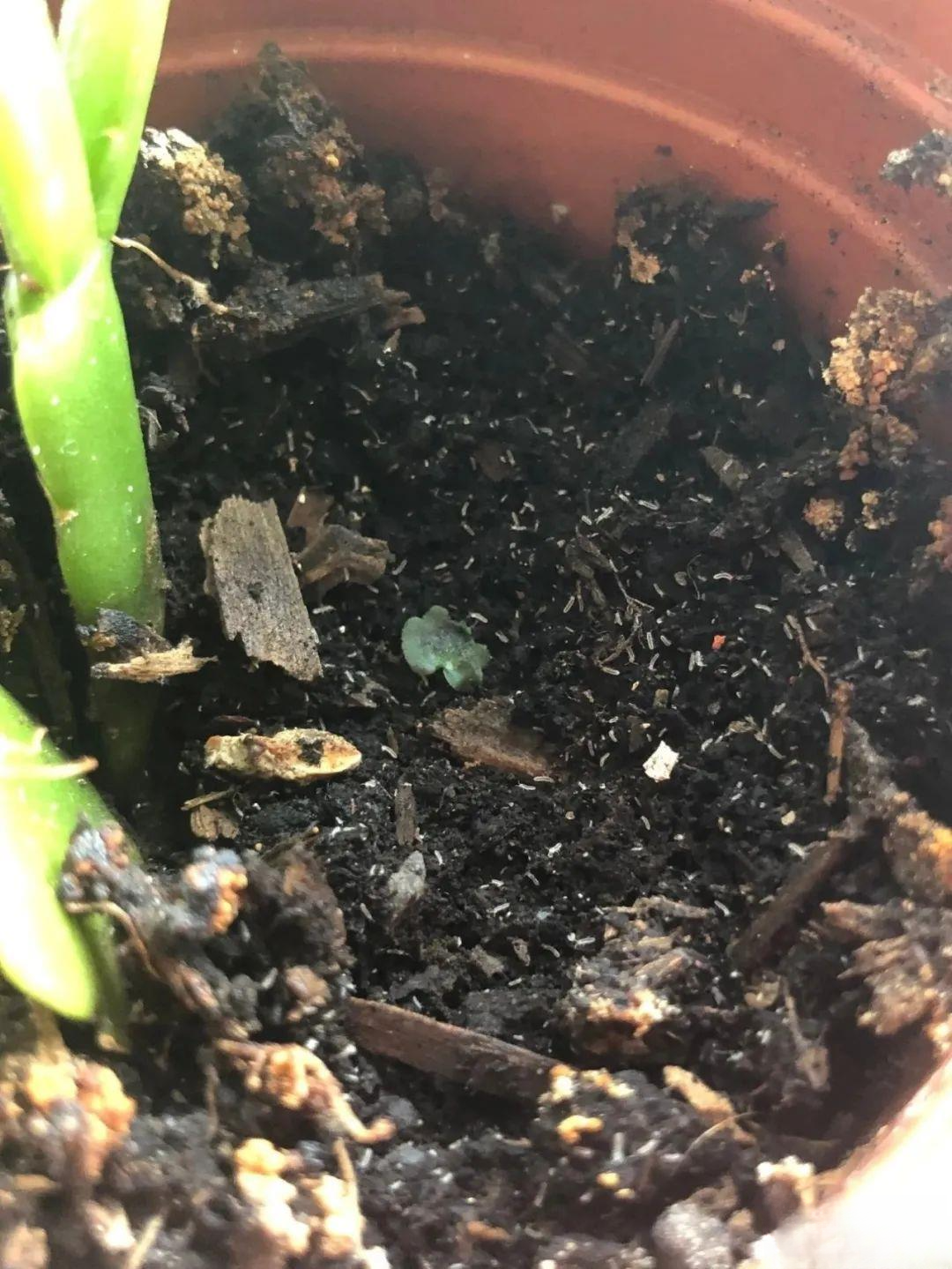
In addition, before using organic fertilizer, it is essential to check whether it is fully decomposed and fermented. Fully decomposed and fermented organic fertilizer has little to no odor and a relatively loose texture. Incompletely decomposed and fermented organic fertilizer usually has an unpleasant odor.
Some potting soils smell particularly bad, which is actually caused by some organic fertilizers that have not been fully fermented. Using this type of soil to grow flowers can easily burn the plants.
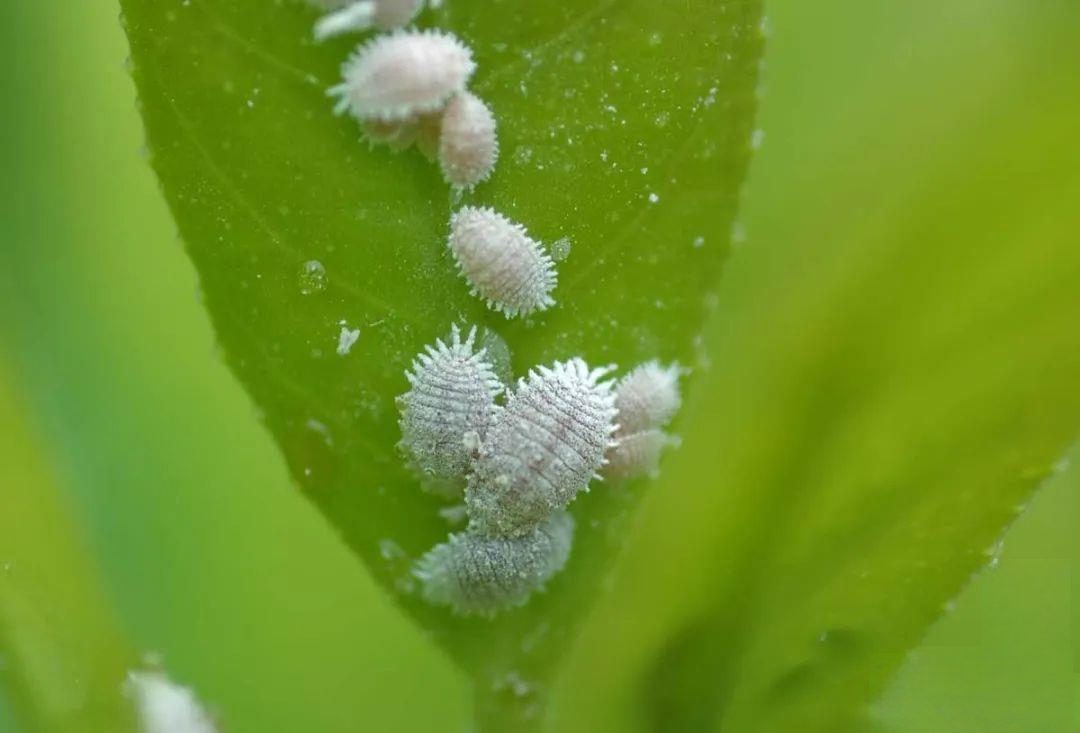
The above are scale insects.
If compound fertilizer is used in potting soil for a long time, it can easily lead to excessive mineral deposits in the soil, which can cause eutrophication and attract various pests.
Both compound fertilizers and organic fertilizers are prone to attracting pests. As long as there is an environment where plants are grown, there will be pests. Therefore, when we care for plants and flowers and prevent and control pests and diseases, we must focus on prevention.
4. Use of fungal preventative agents:
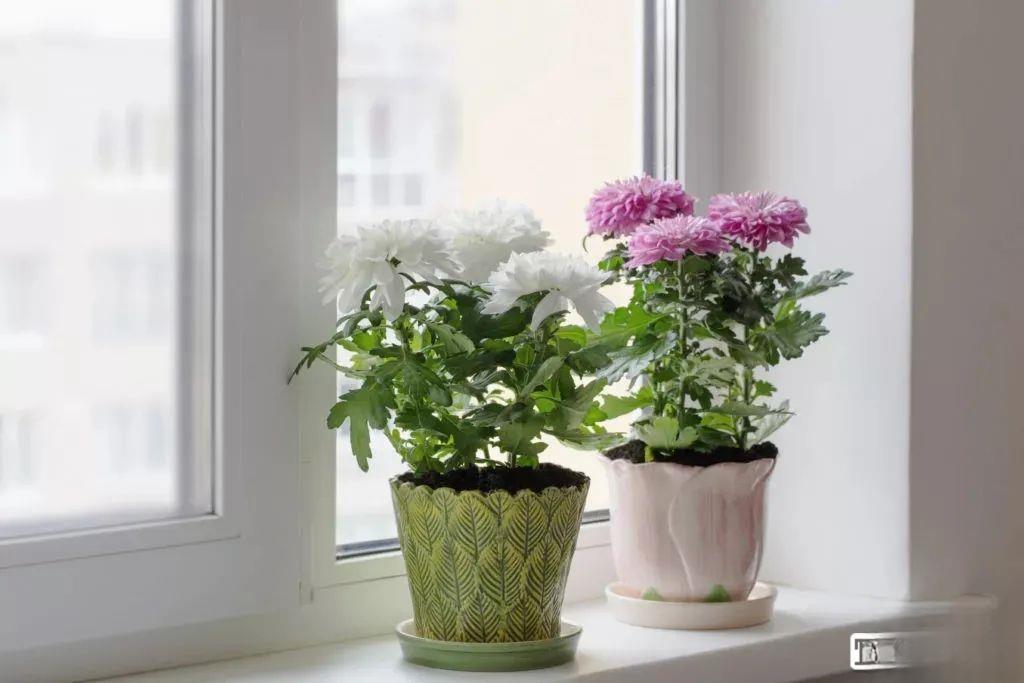
Plants are particularly susceptible to pests when they are growing rapidly, so it is essential to spray them in advance. This includes spraying common fungicides, with prevention being the primary focus. Before the rainy season or when the hot and humid season is approaching, it is necessary to regularly spray some fungicides, including common methyl thiophanate or mancozeb solutions. Generally, spraying once every 3 to 4 weeks can effectively prevent the growth of various diseases such as black spot and anthracnose.
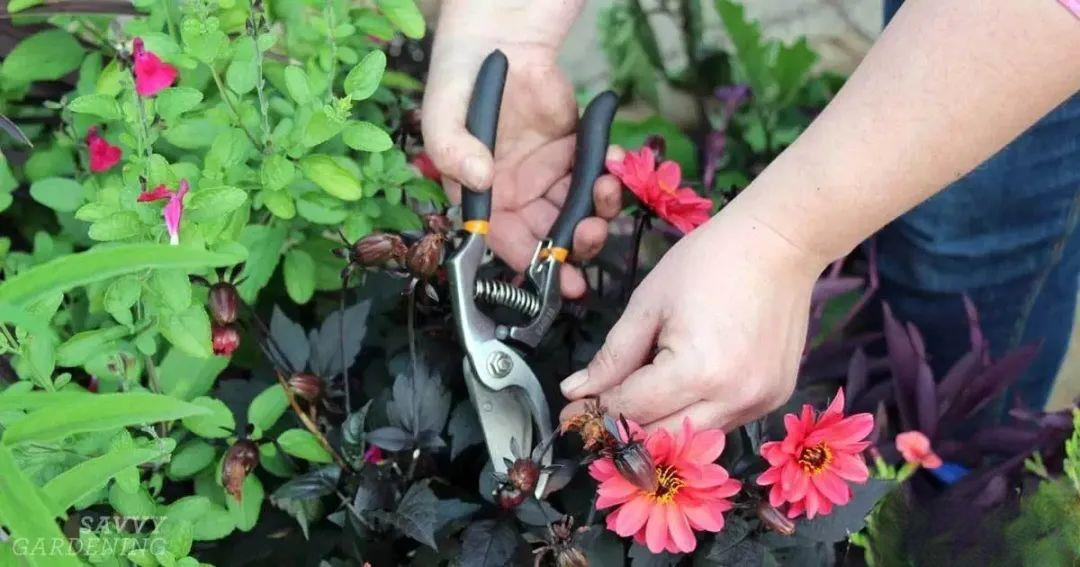
It's advisable to use low-toxicity, broad-spectrum fungicides and insecticides whenever possible. For common fungal diseases, fungicides like metalaxyl, boscalid, and pyraclostrobin are effective. For black spot or anthracnose , more potent fungicides such as triadimefon or tebuconazole can be used .
5. Aphid control precautions:
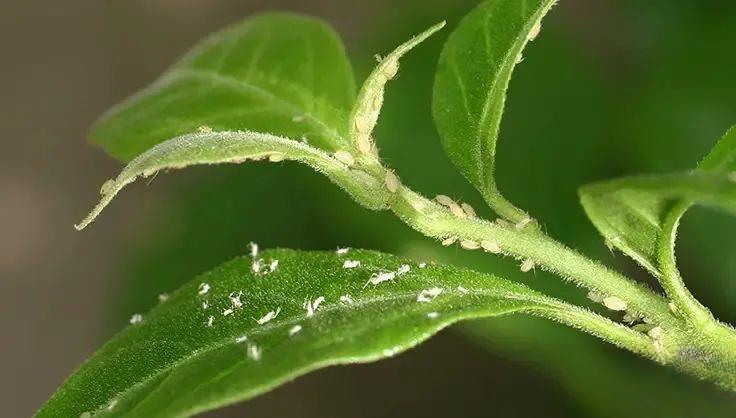
For example, aphids are a common pest that infects various plants and flowers. They are very fragile pests with very soft bodies, so even a strong stream of water can wash them away, and ordinary soapy water can also remove them.
Even very common aphids can completely destroy plants. If they are not detected in the first week or two, they will spread and infest the entire plant. They can even harm some healthy plants around them. They will wash away the sap from the plant's leaves and branches, resulting in poor plant growth, inability to flower, and easy death.
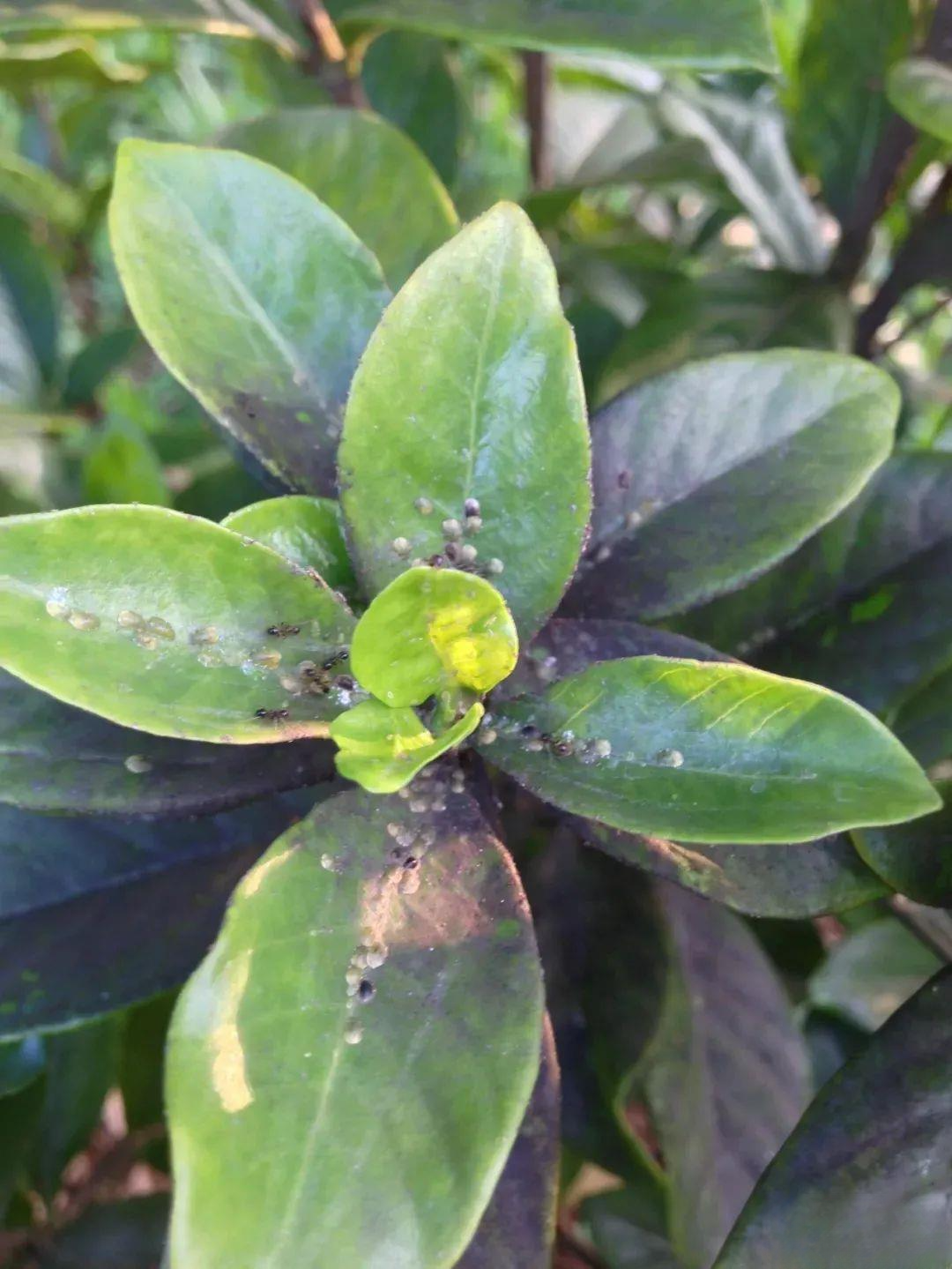
The black patch on top is sooty mold caused by pests, and there are ants helping the pests.
In addition, a large-scale outbreak of aphids on plants can attract various pathogens. The excrement secreted by aphids will stick to the leaves and branches. These sticky substances are particularly prone to causing sooty mold, which will leave patches of sooty mold on the leaves. This will affect the plant's photosynthesis and eventually lead to a deterioration in the plant's condition.
The most effective insecticide for treating aphid infestations on plants is imidacloprid. One application is usually sufficient to completely eradicate the pests, provided the spray is applied evenly. Other relatively effective insecticides include bifenthrin, thiamethoxam, and other similar products.