Handdrawn rose pruning method
Roses are something many of us saw frequently during our childhood. They were ubiquitous, both in cities and the countryside. Roses have vibrant blooms, resembling peonies. They can bloom in all four seasons and come in a rich variety of colors; there are currently over 30,000 known varieties of roses.
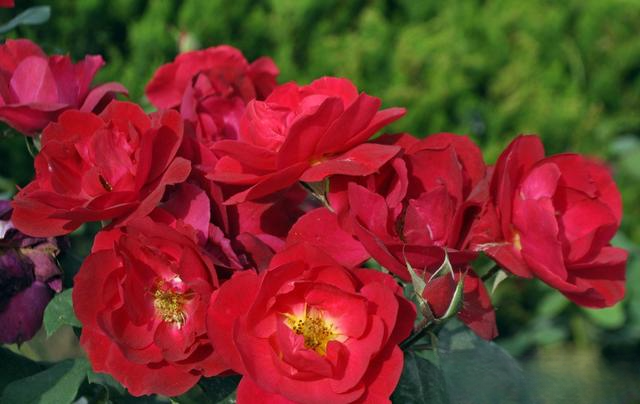
A while ago, Dapeng went back to his hometown and saw a rose bush growing in the corner of the yard. It just so happened that the first frost had just passed and winter was coming soon. He couldn't bear to see it freeze to death in the garden, so he dug it up and brought it back to his home to grow in a pot.
Growing roses is actually quite simple; the only slightly challenging part is pruning. I've been pruning roses these past few days, and to make it easier for everyone to see, I've hand-drawn some pictures for reference. Please excuse the imperfections of the drawings.
Things you need to know before pruning roses: Rose pruning can be divided into light pruning, medium pruning, and heavy pruning. Light pruning involves removing a small portion of the upper branches, medium pruning involves pruning from the middle of the rose bush, and heavy pruning involves pruning close to the base of the plant. These definitions do not specify a particular size or type; adjustments can be made according to the proportions of different plant sizes.
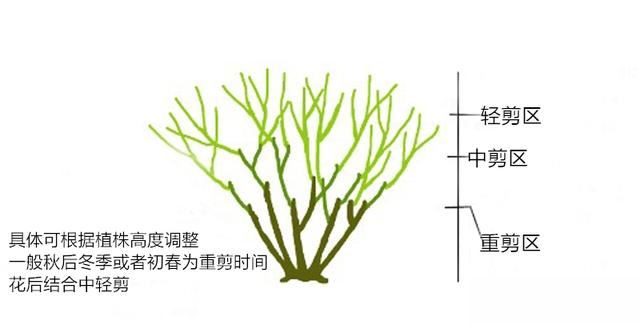
The principle of pruning roses: When pruning, please do not hold back; if you are reluctant, you will not get the flowers you want.
Don't hesitate to cut off diseased or dead branches.
Remove spent flowers promptly; do not wait for them to bear fruit, as the fruit is actually of little use!
Light, medium, and heavy cuts are combined.
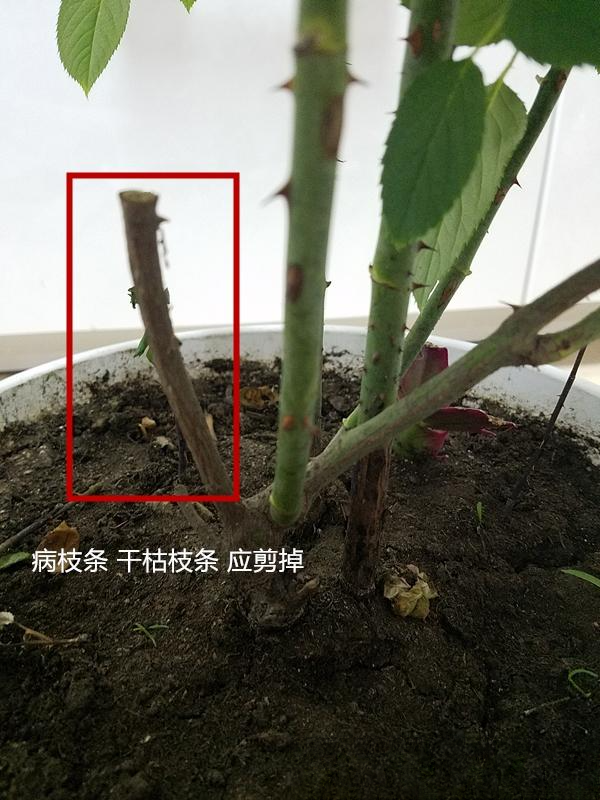
Pruning time:
Pre-flowering pruning: Pre-flowering pruning generally refers to pruning before winter or early spring. At this time, pruning should be heavy, leaving 4-5 buds on each branch. Refer to the diagram below for the position and direction of the buds.
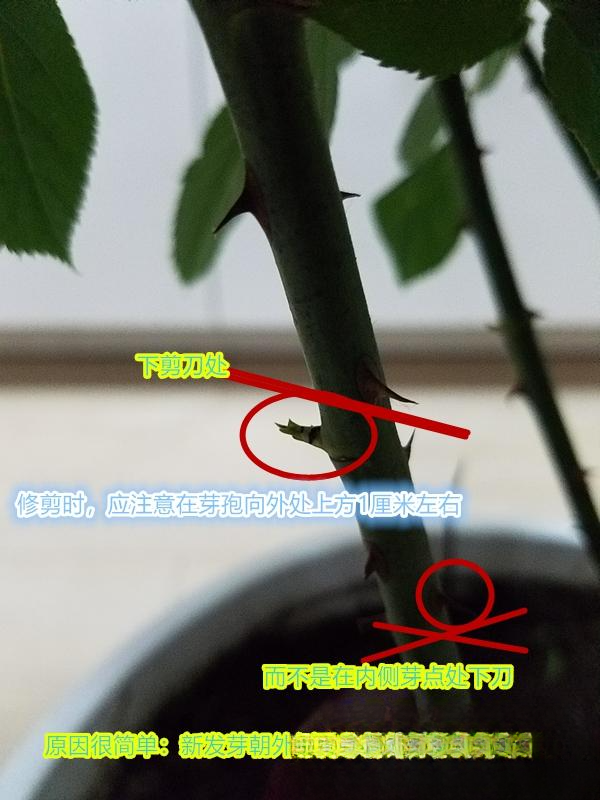
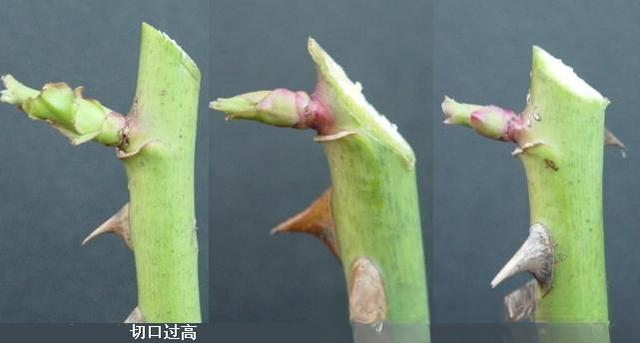
Cut direction and height
Post-flowering pruning: After the first batch of flowers blooms, medium-sized branches should be pruned back to the middle, retaining 3 to 4 buds on each branch. Weak branches should be pruned more severely, leaving 1 to 2 buds; strong branches should be lightly pruned, leaving 5 buds to appropriately inhibit growth. The second pruning should be light, cutting only above the second leaf below the spent flower, retaining the axillary bud of the second leaf. This bud has the best advantage in growth and development and is in a dominant position in the whole plant. Removing this bud will affect the next flowering period, flower quality, and plant growth.
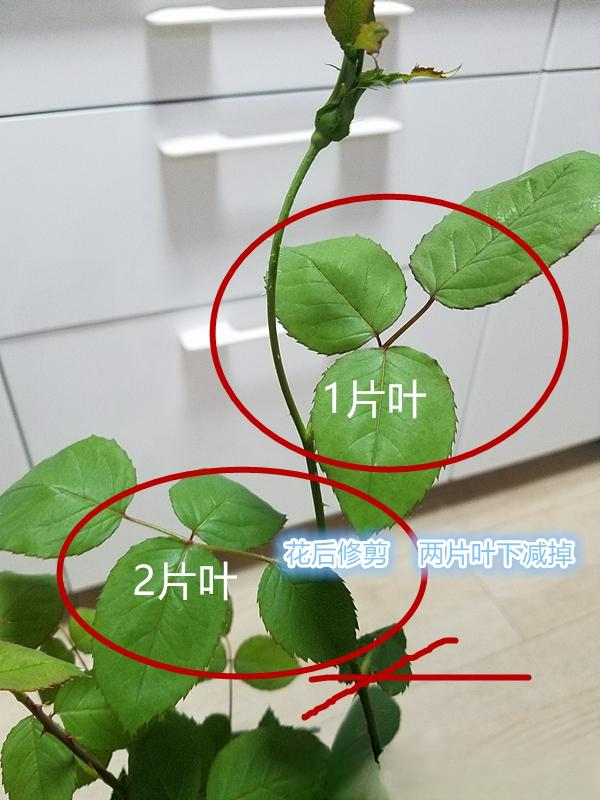
It's best to prune spent blooms simultaneously with the first bloom, so that the next flowering will be more synchronized. Within the same blooming batch, some flowers will bloom a few days earlier, while others will bloom a few days later. For the flowers that fade first, only remove the buds for now. Once the last flower has faded, prune them all together. After each subsequent bloom, prune according to the same method as the first batch.