Hai Mama's Gardening Class | First Lesson for Beginners: A Comprehensive Guide to Soil and Fertilizer Management
Today we'll talk about soil and fertilization!
PART 1 Soil
Some novice flower enthusiasts find their first potted plant doesn't grow well or even dies. The main reason for this is usually choosing the wrong soil. They assume that since crops and weeds can grow in outdoor soil, it can naturally be used to grow flowers.
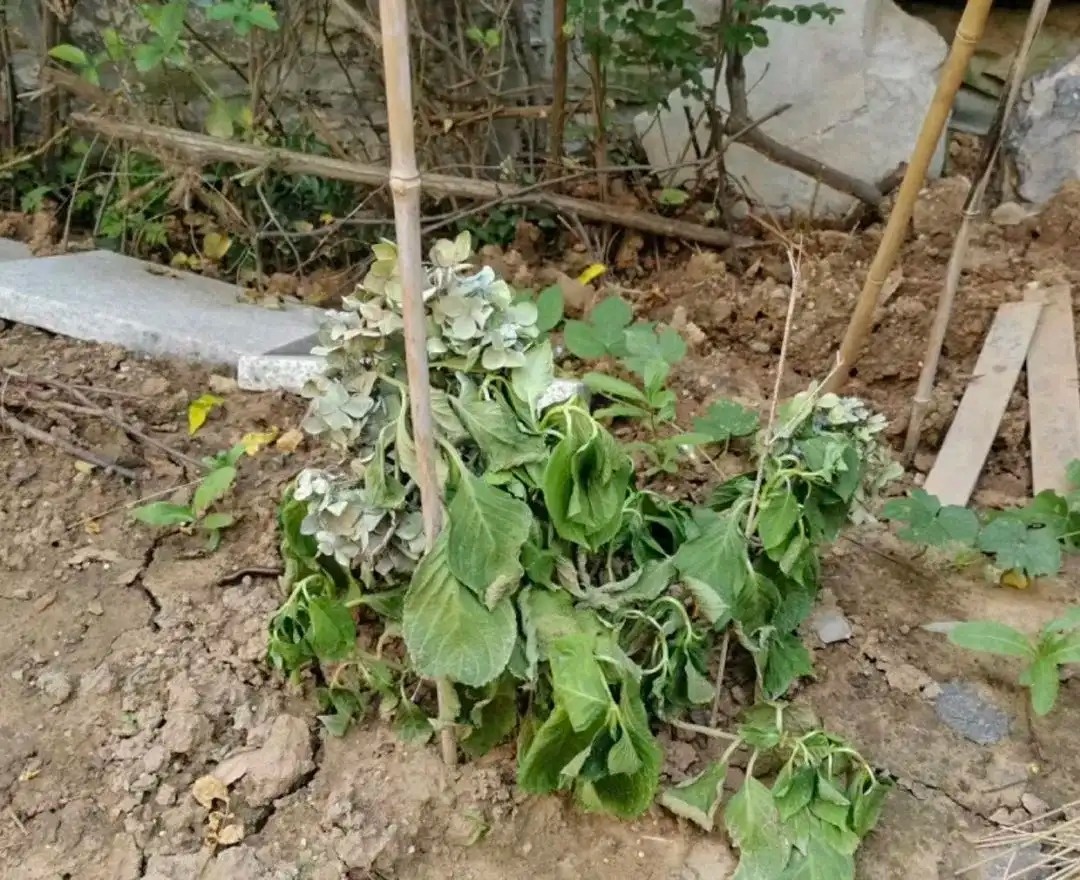
Hydrangeas planted in compacted soil ▲
However, for most common garden plants, not just any type of soil can satisfy the goal of lush foliage and abundant flowering and fruiting. Today, we'll discuss several aspects of what kind of soil is best for growing flowers.
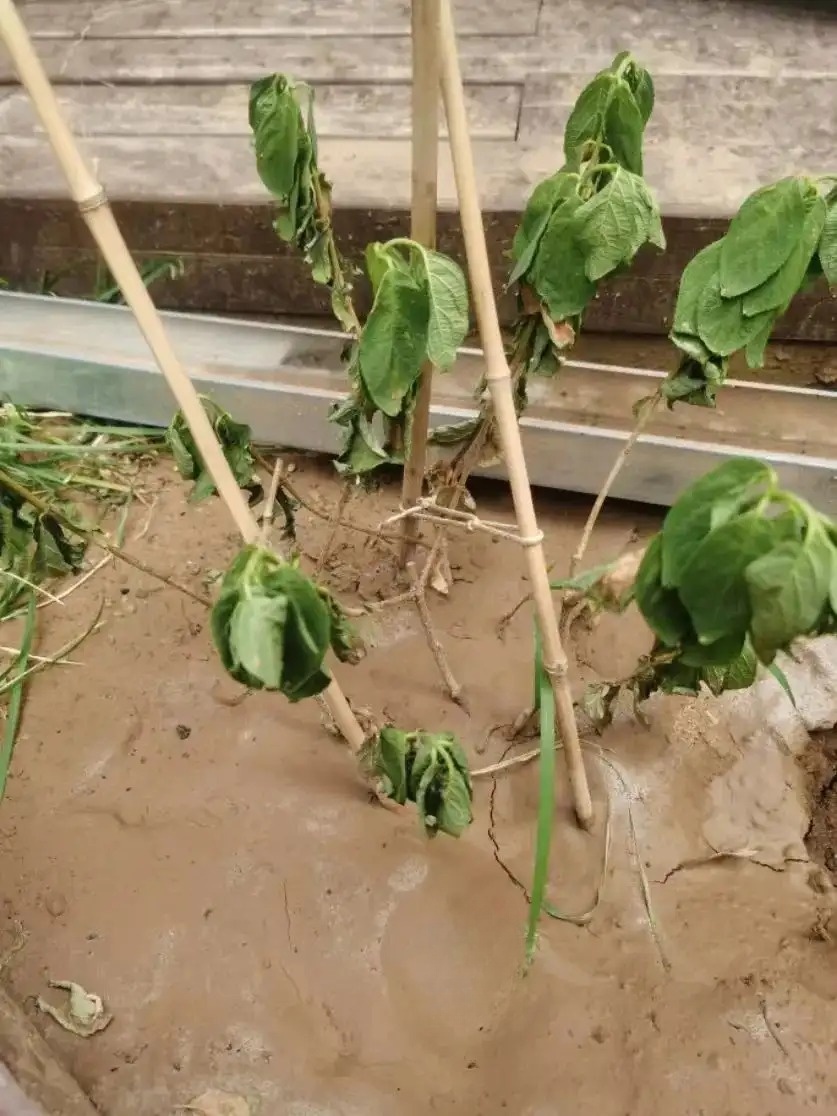
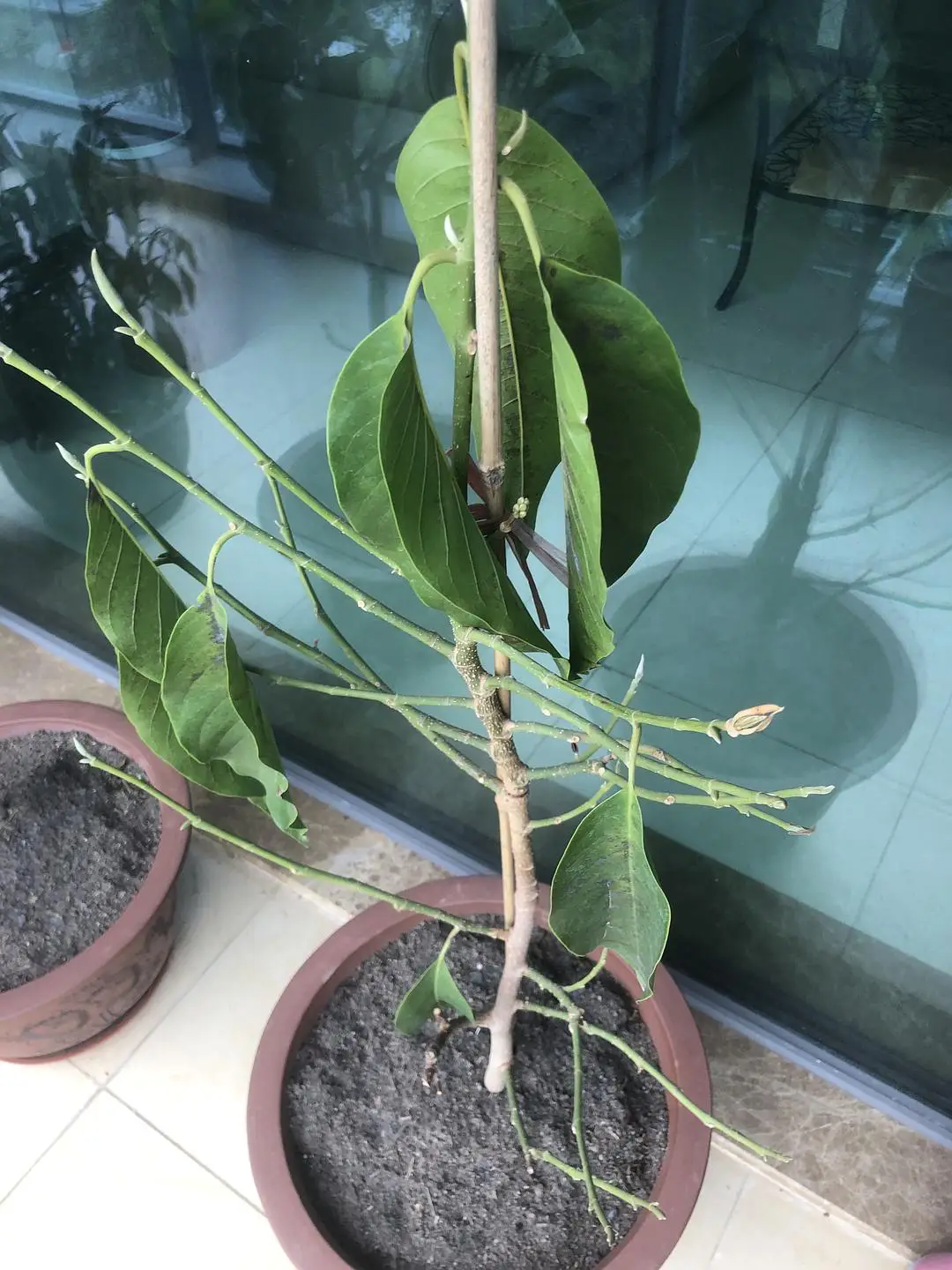
Hydrangeas and Magnolia ▲
I. What is the nature of soil like?
Soil is mainly composed of three components: clay, sand, and silt. Different proportions of these components result in different soil properties. In addition, soil also contains humus and water and air that reside within the humus.
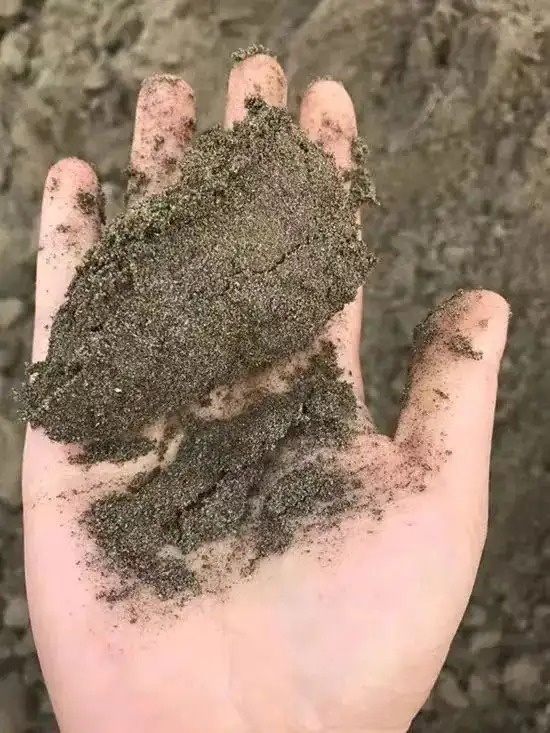
Sand ▲
Sand: The largest particle component in soil. It is mainly composed of quartz particles, contains virtually no nutrients, and cannot sustain plant growth.
Silt: Formed from a mixture of small quartz particles and other minerals. It contains nutrients but is relatively unstable. If the soil is not cultivated, the surface is prone to compaction after severe weather.
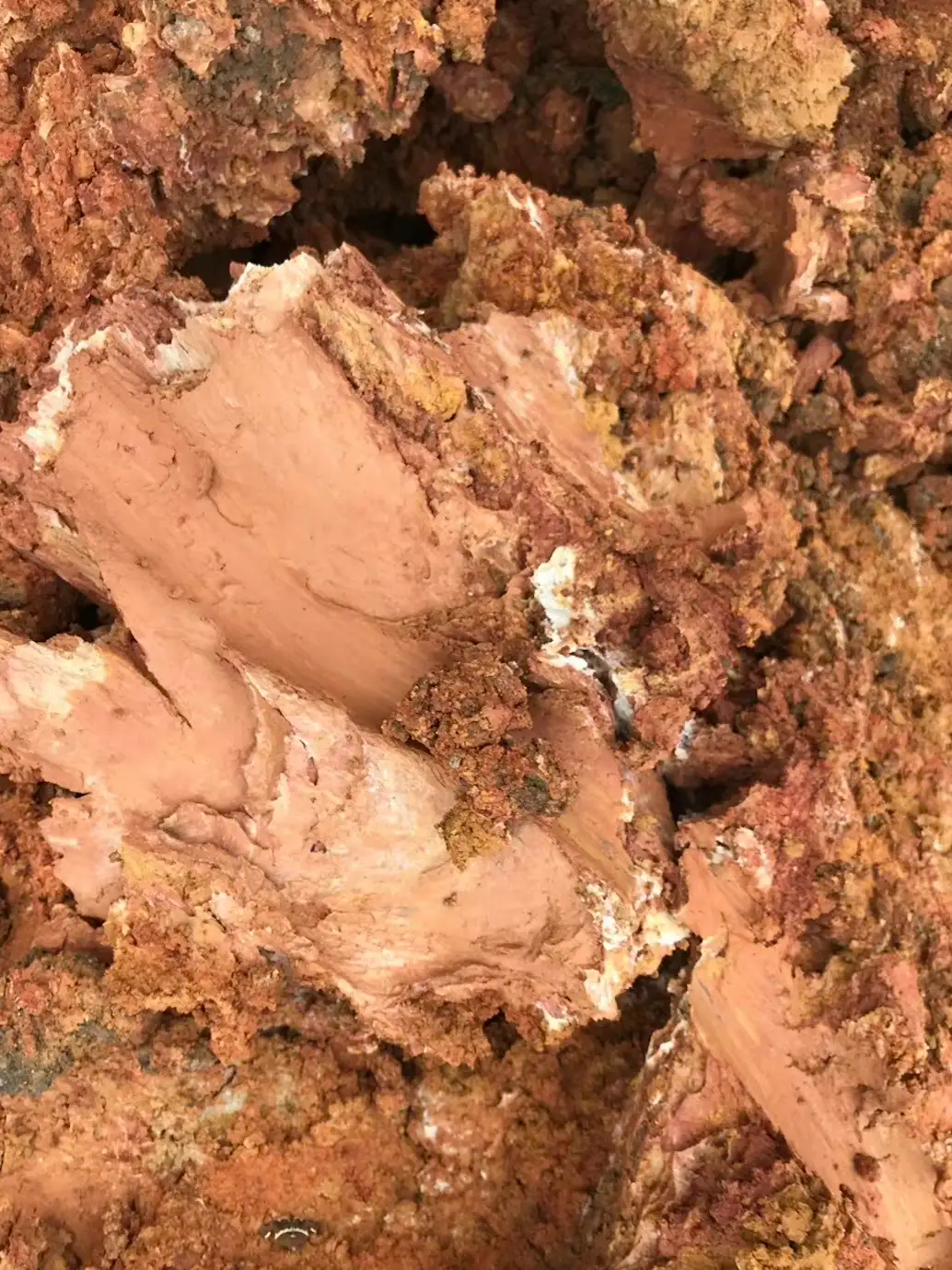
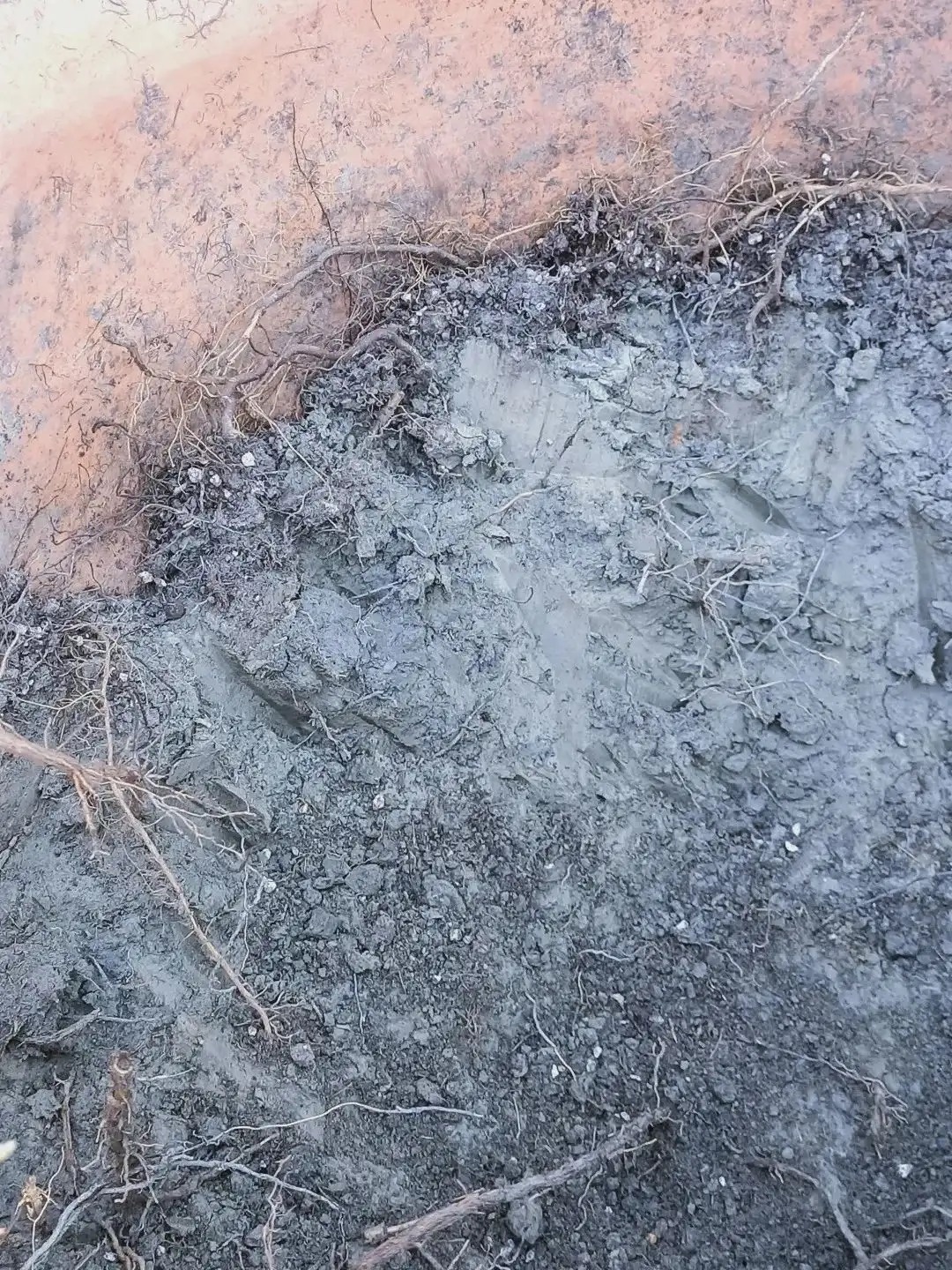
Different types of clay ▲
Clay: The finest component of soil. It forms thin layers that can store water, calcium salts, potassium salts, etc. Its strong adhesive properties make it a diverse soil type, difficult to cultivate, but it is also rich in minerals.
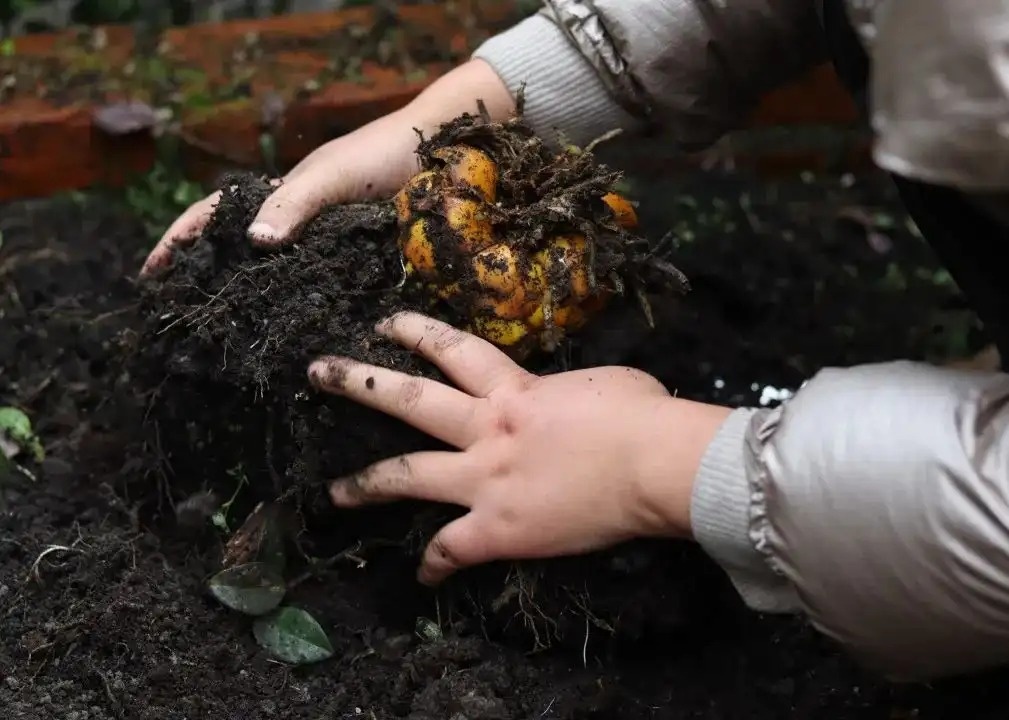
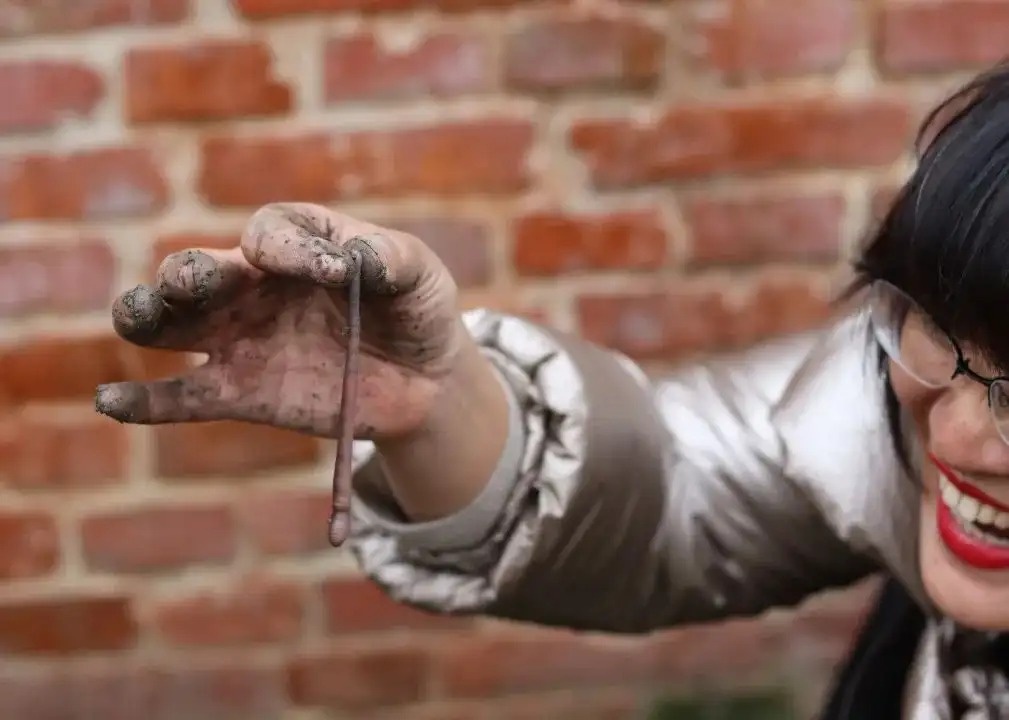
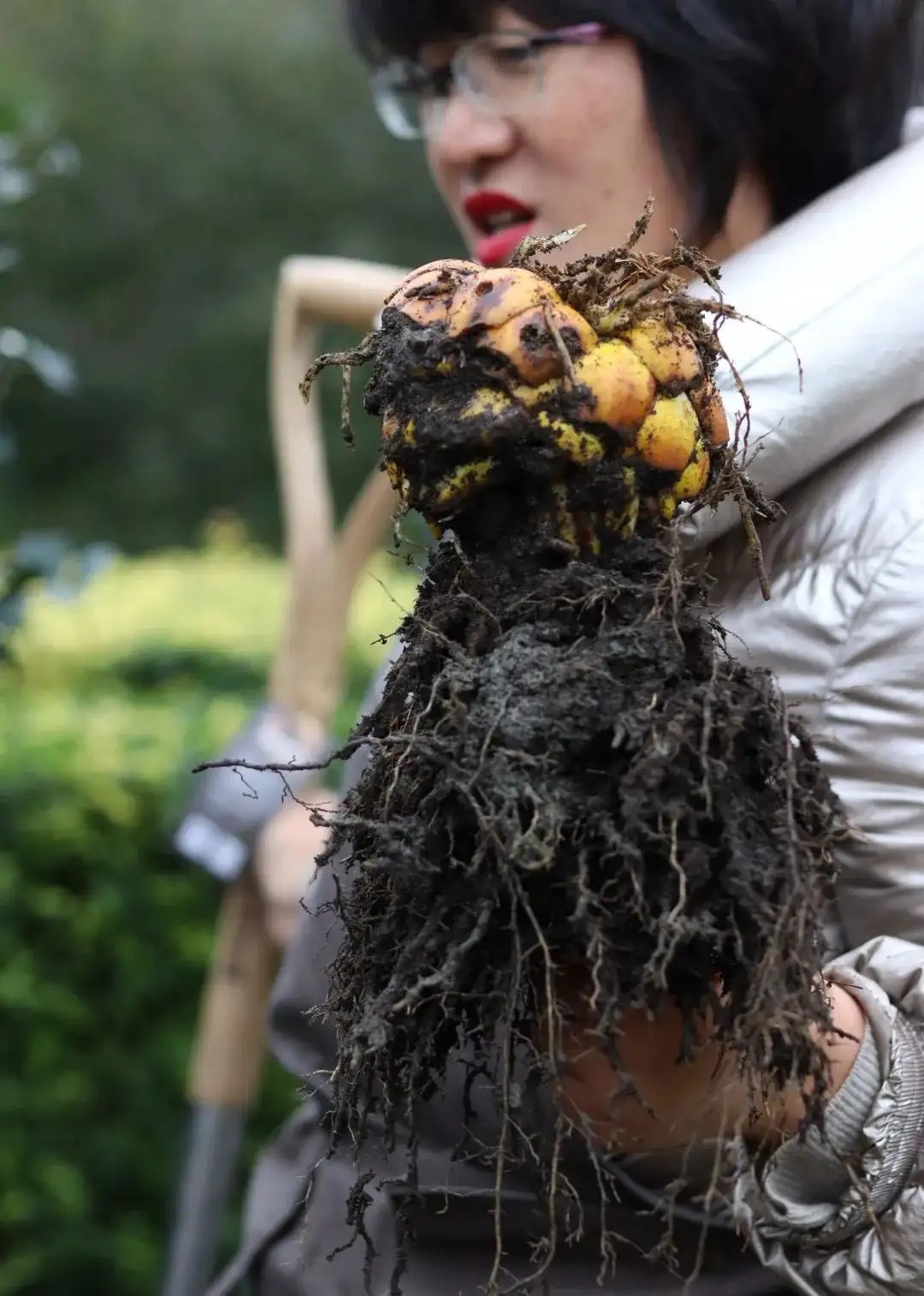
Lilies grown in humus-rich soil ▲
Humus: It is a unique organic matter in soil. It is a brown or dark brown amorphous colloid with complex molecules and strong resistance to decomposition. It is a class of organic macromolecules that are resynthesized by microorganisms through the decomposition and transformation of plant and animal remains (such as dead branches and leaves of plants, and animal excrement, fur and carcasses).
These factors combine to make the soil heavy (wet and poorly drained) or loose (dry and well-drained), thus determining which plants can thrive in it.
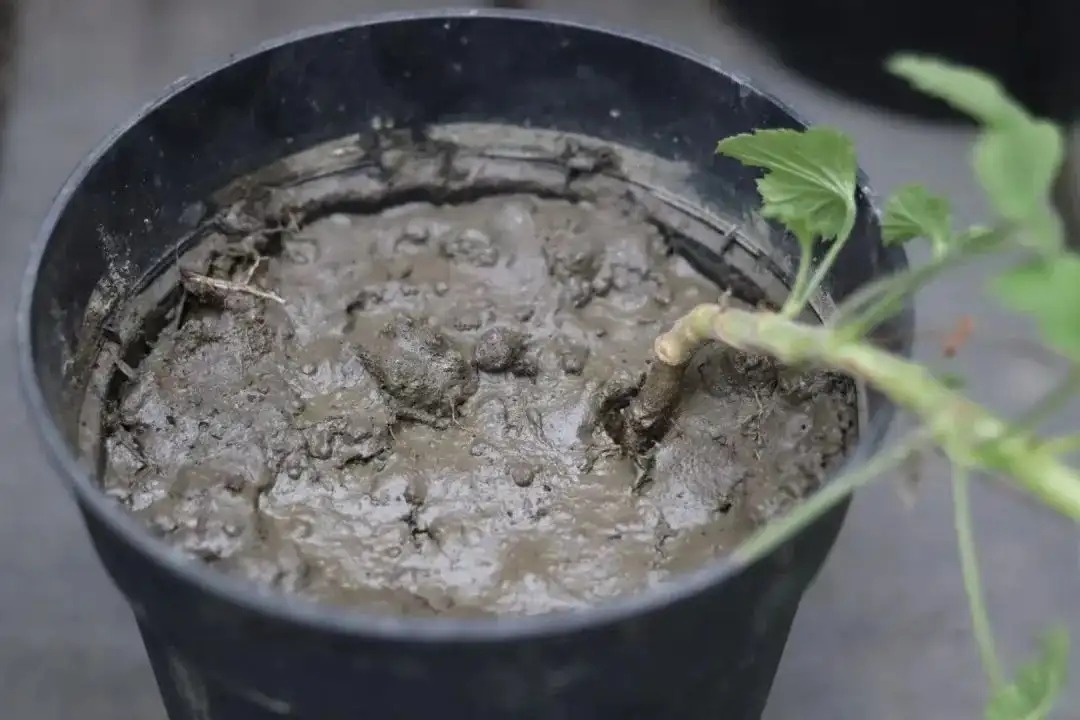
Impermeable garden soil ▲
The chemical properties of soil are expressed by pH values, which range from 1 to 14. Below a neutral value (7), the soil is acidic (without lime); above a neutral value, the soil is alkaline (calcareous).
By examining the color, touching the texture, or observing the types of plants already growing on it, you can roughly determine what type of soil it is. Of course, you can also have the soil tested if you wish.
II. What types of soil are suitable for planting?
Analyzing the reasons for failed flower planting, the most common cause is the choice of garden soil (clay, sand, etc.). But is ordinary garden soil, suitable for crops, trees, and weeds, truly unsuitable for flower growers? Are there no flowers that can bloom and bear fruit in different soils?
In fact, once the soil type is identified, suitable plants can be planted in those soils.
Plants suitable for planting in heavy clay soil include: Ajuga decumbens, Campanula spp., Hemerocallis fulva, Hosta spp., Prunella vulgaris, Rudbeckia spp., and Cornflower spp.
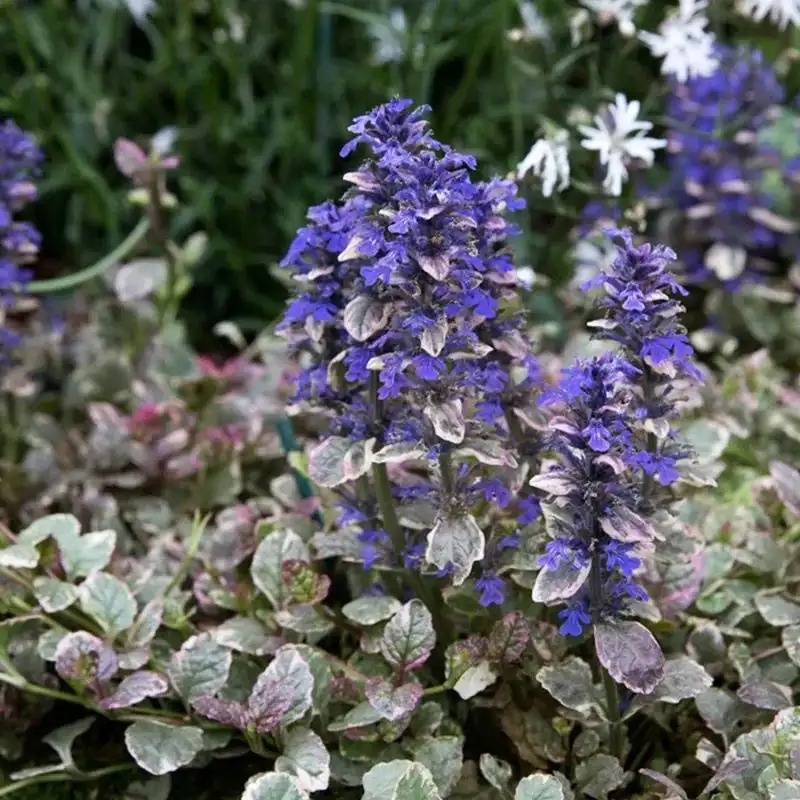
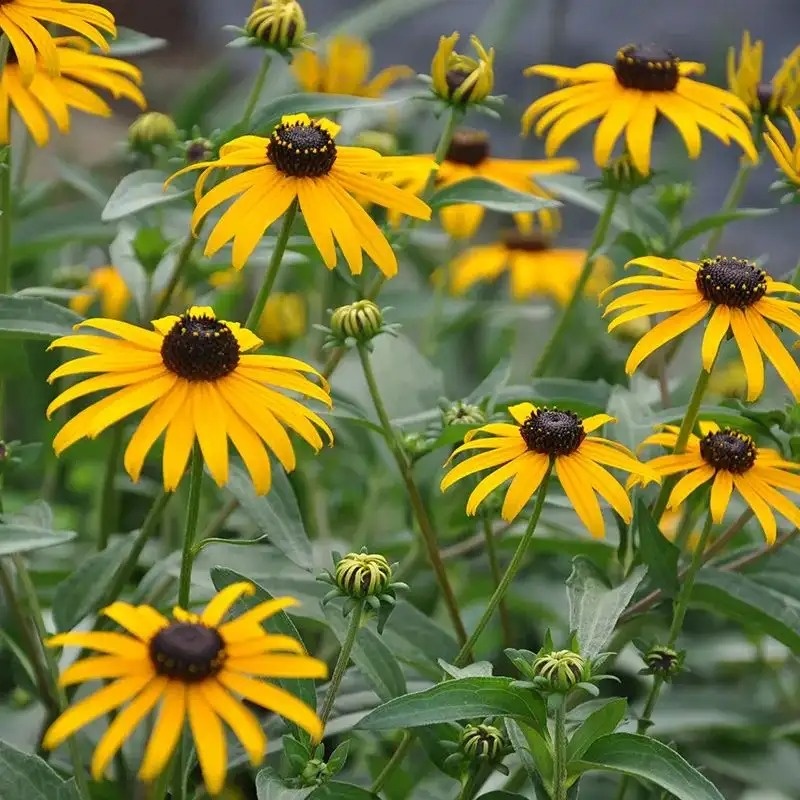
Ajuga decumbens, Rudbeckia zebrina ▲
Plants suitable for planting in sandy soil include: Limonium sinense, Evening Primrose, Geranium, Torchlea, Blue Spikeweed, Pampas Grass, and Deep Blue Sage.
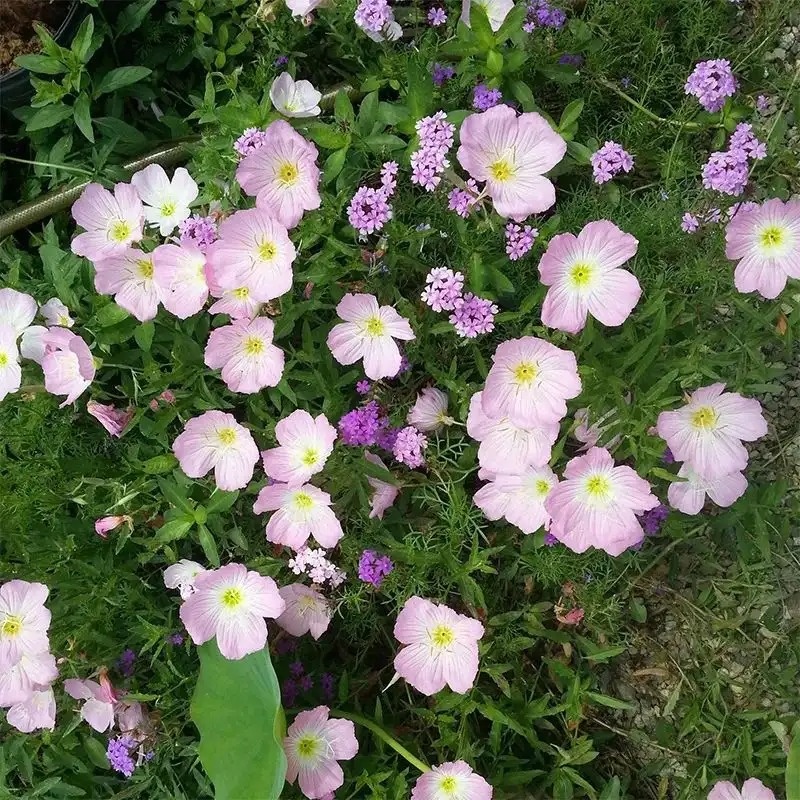
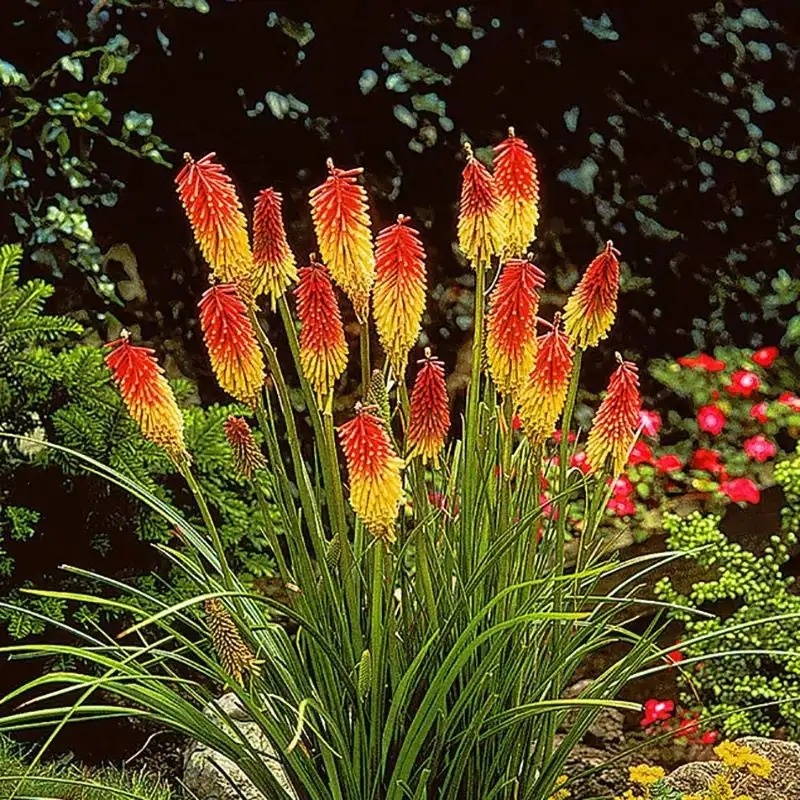
Evening primrose, torch lily ▲
Plants suitable for planting in lime-free (acidic) soil include: daisies, gentians, thalidomide, irises, some irises, and azaleas.
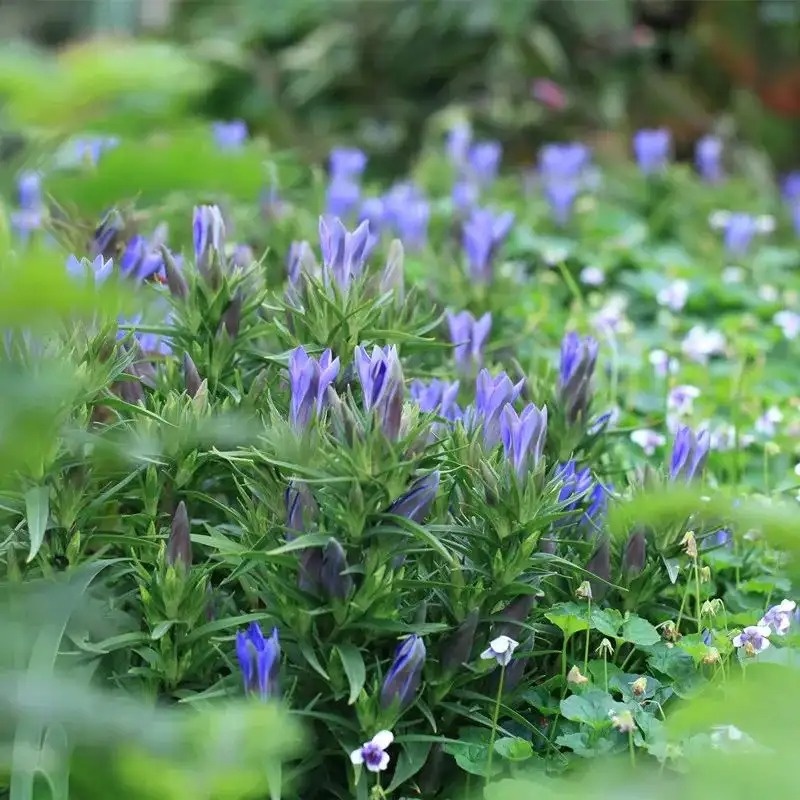
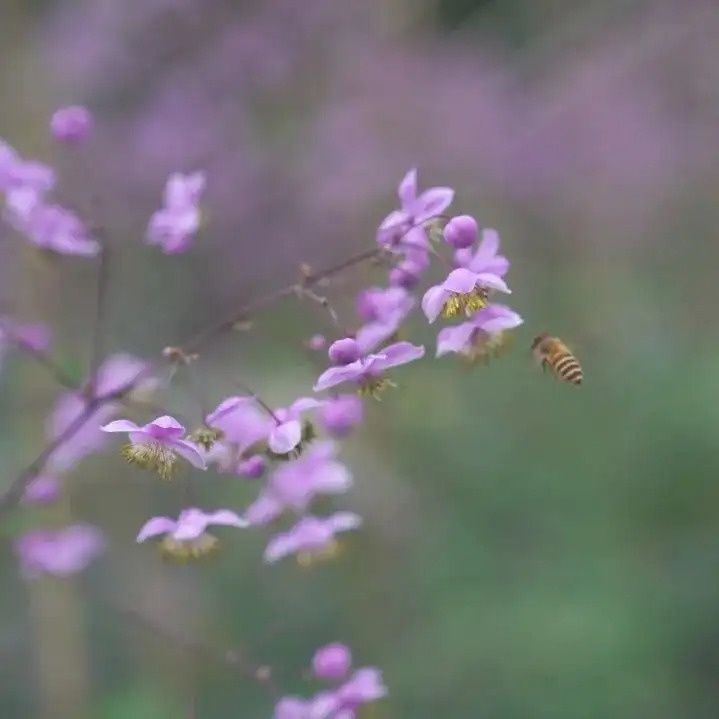
Gentian, Thalictrum ▲
Plants suitable for planting in calcareous (alkaline) soil include: Purple Bellflower, Tradescantia, Giant Single-tailed Flower, Large-flowered Cornflower, Spider Lily, Flowering Stem Grass, Silver Moon Helleborine, etc.
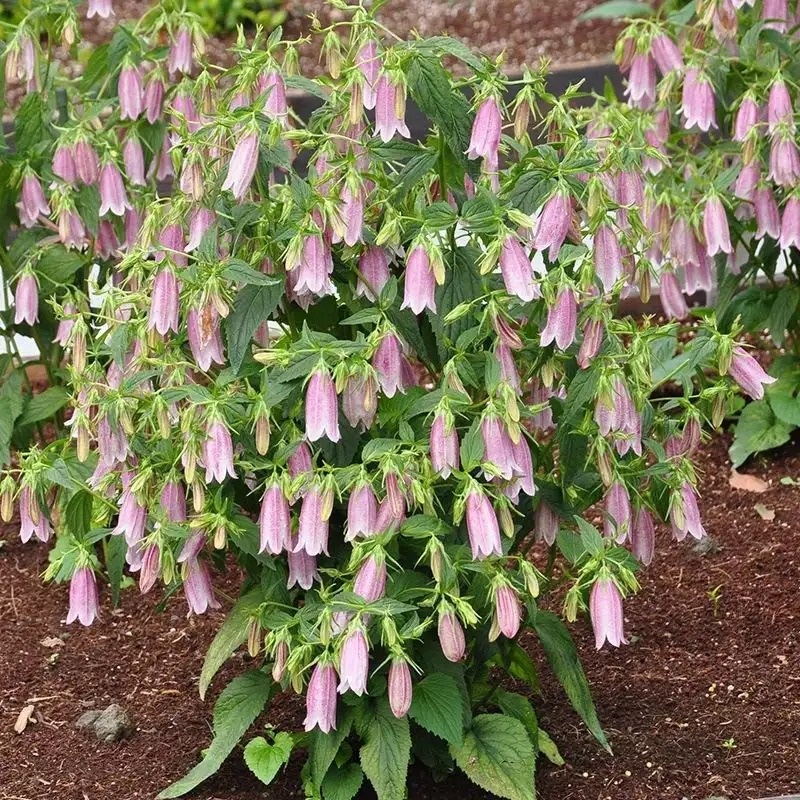
Purple-spotted bellflower ▲
It's important to note that these planting environments are only suitable for planting in the ground, not for digging up the soil and potting these plants. This is because potting limits the root system's growth range and makes water circulation less flexible compared to planting in the ground.
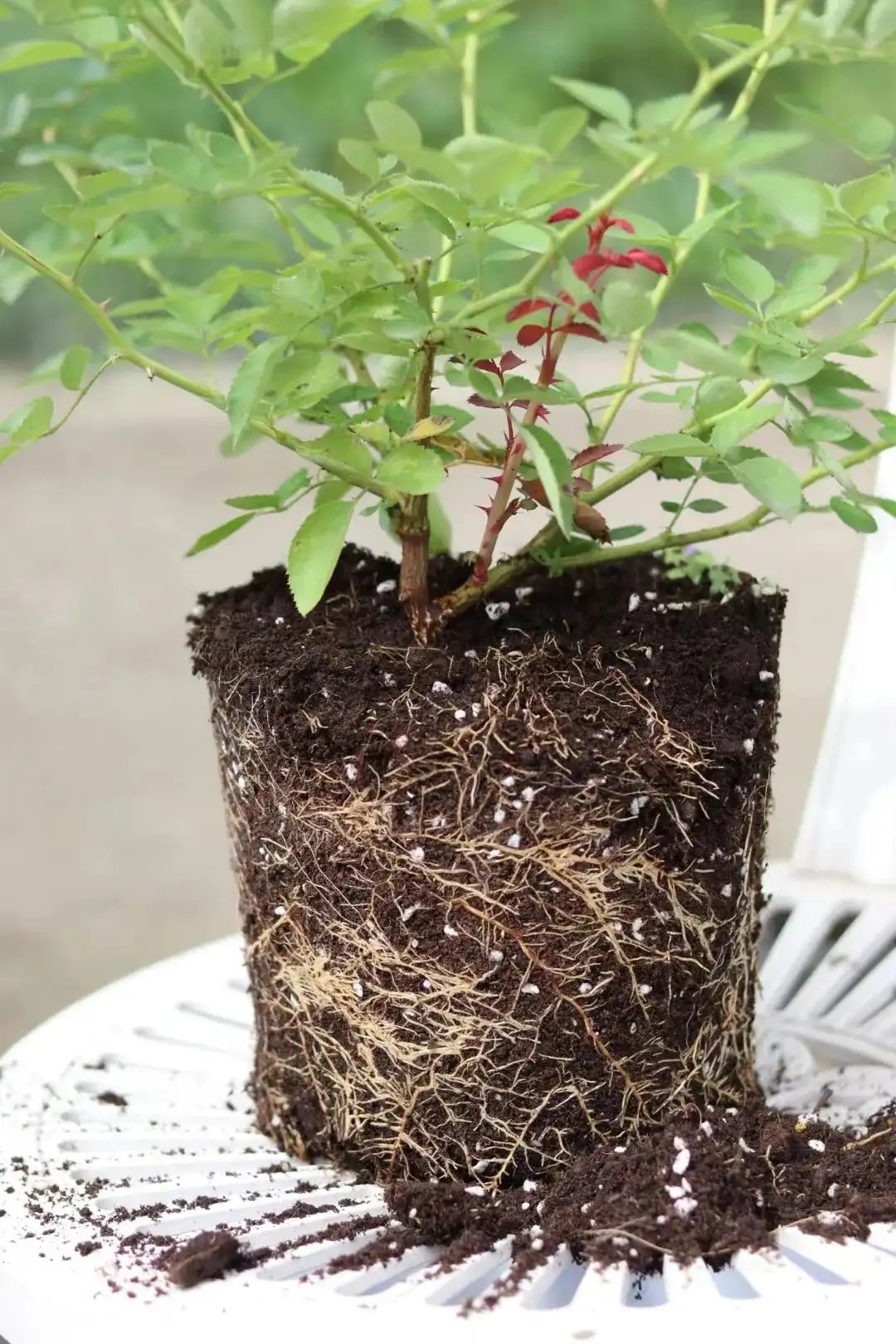
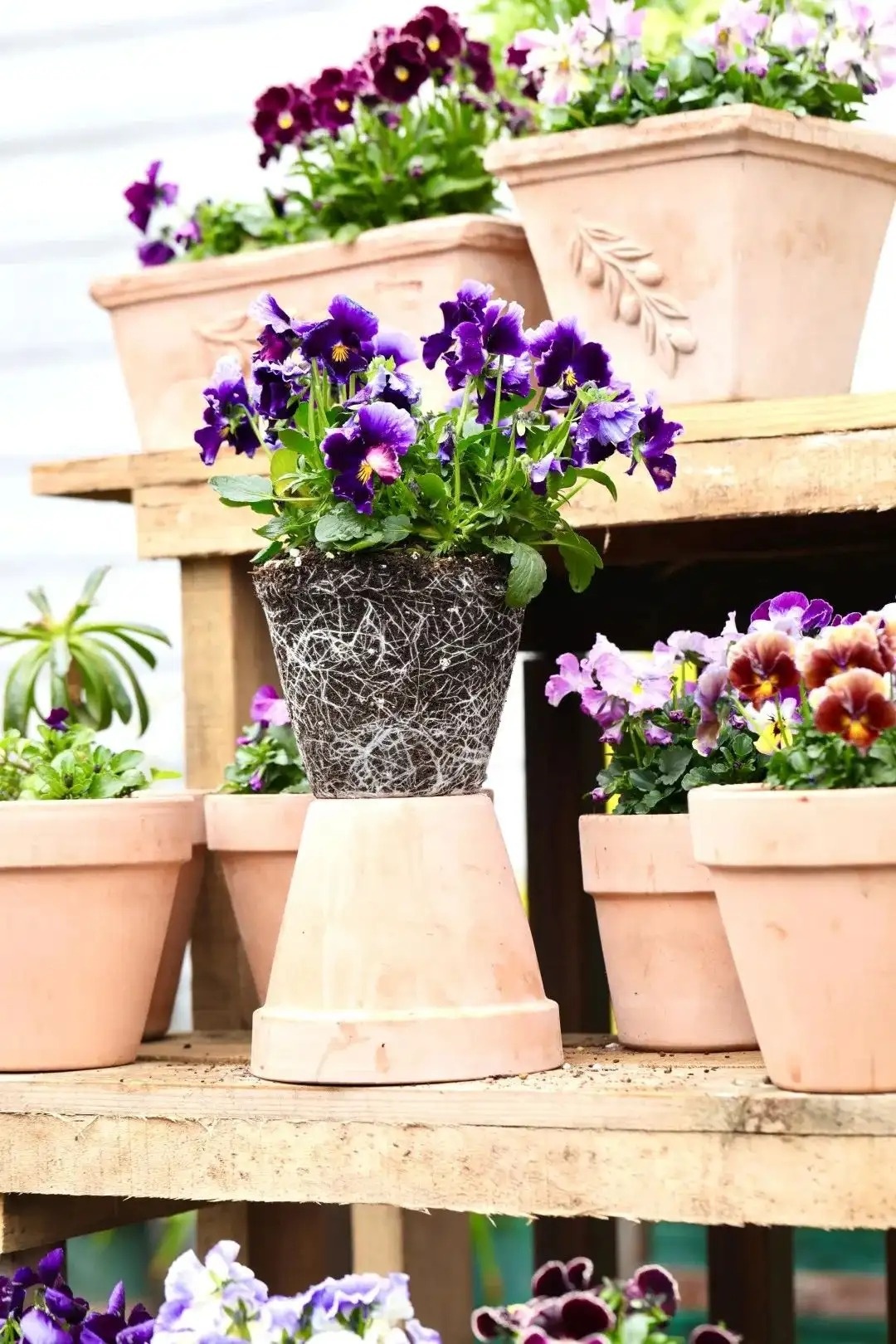
Root systems of roses and pansies ▲
If you want to grow more types of flowers in pots or in the ground (such as roses, hydrangeas, clematis, bulbous plants, etc.), what kind of soil should you use?
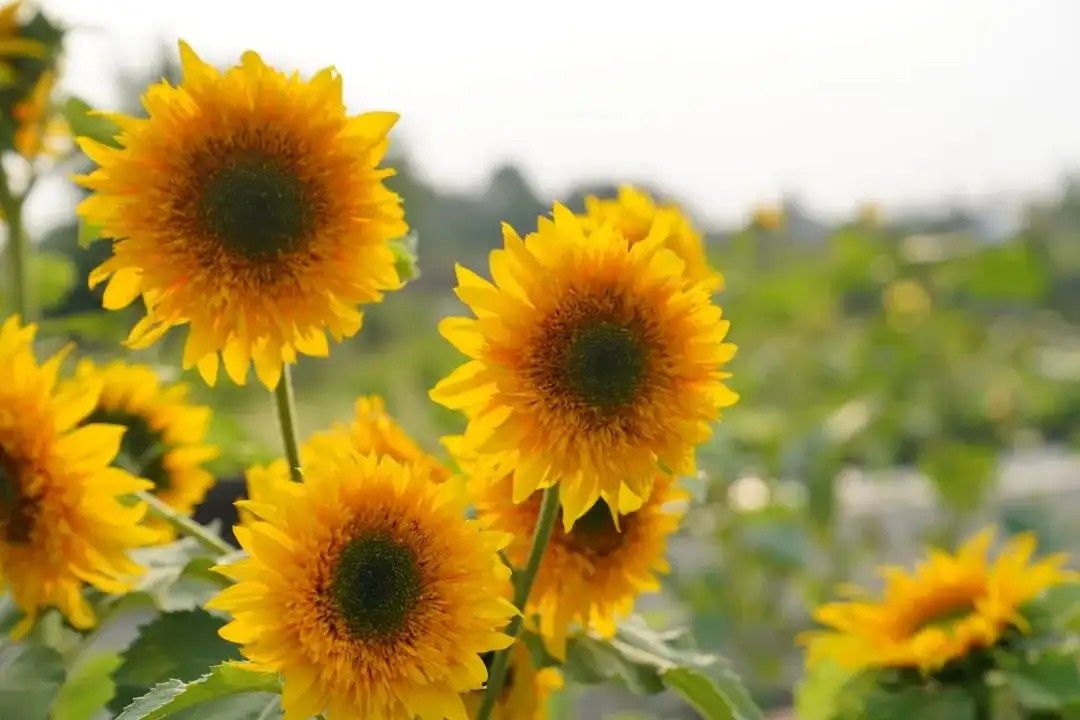
Cut sunflower ▲
If you could find soil in nature that is loose, nutrient-rich, has good water retention and drainage, and is free of insect eggs, bacteria, weeds, and odors, it would be perfect for growing flowers. However, such soil is very difficult to find in nature!
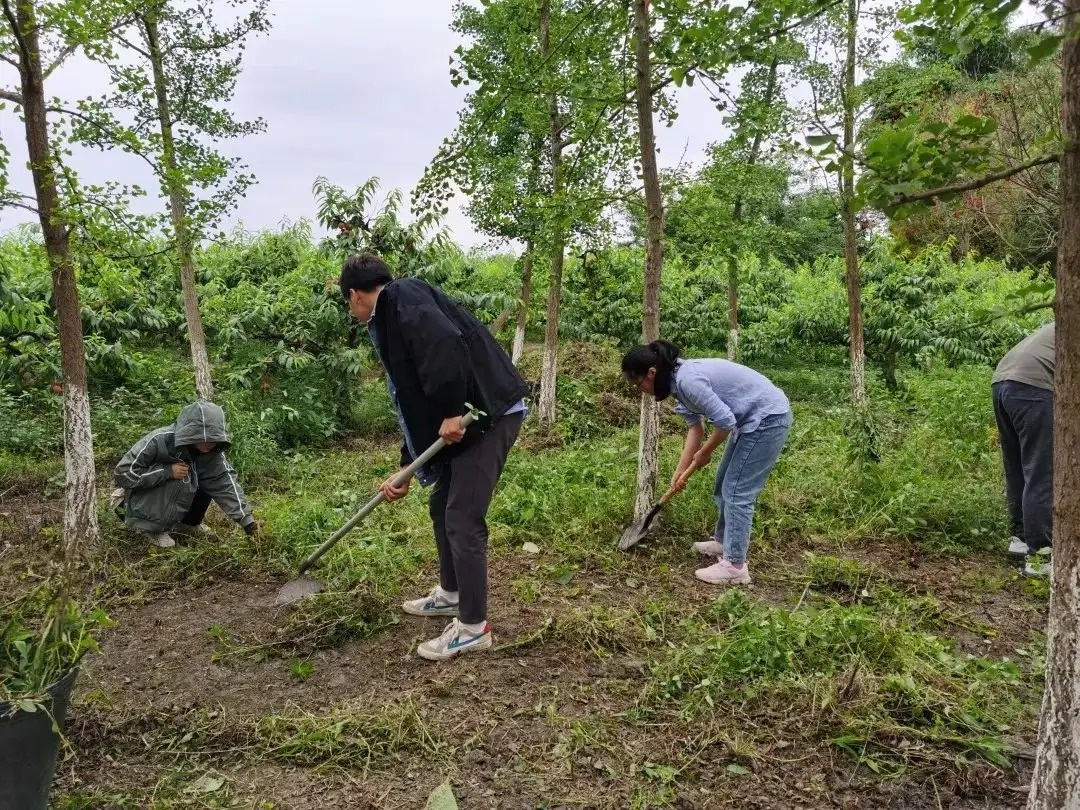
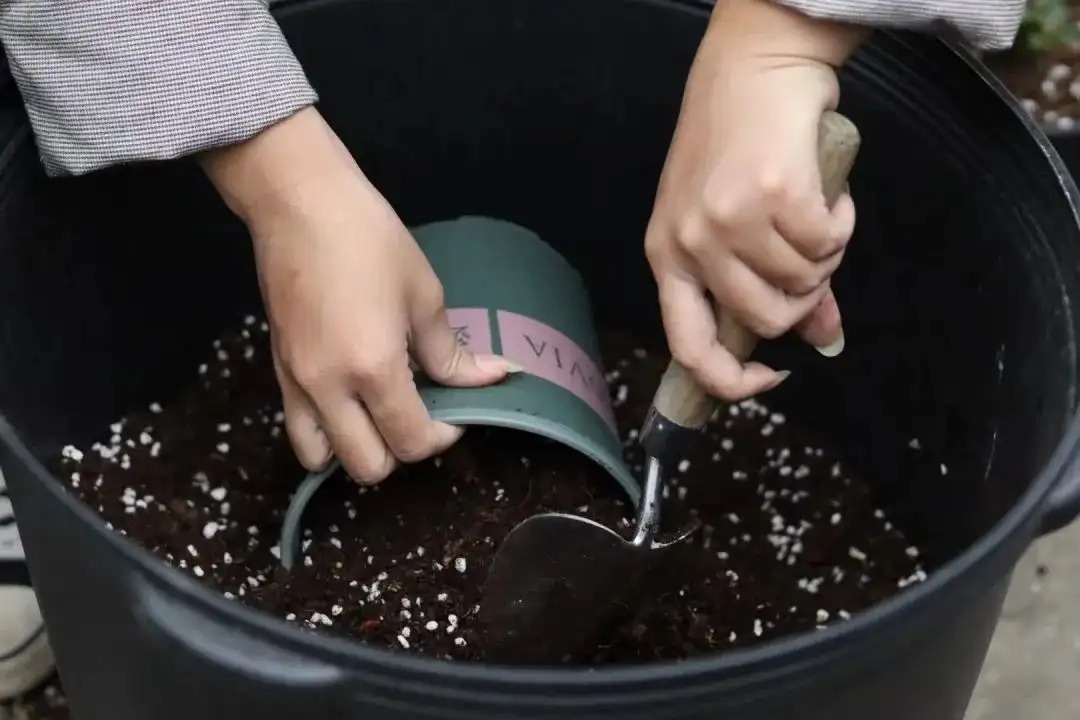
Above: Clearing garden soil and weeds
Below: Loose and breathable soil mix ▲
III. What are the advantages of commercially available horticultural potting soil over garden soil?
Excluding some inferior and counterfeit potting soils, the good potting soils/formula soils currently available on the market mainly focus on these functions and add different substances to ensure the success and efficiency of planting flowers, vegetables and fruits.
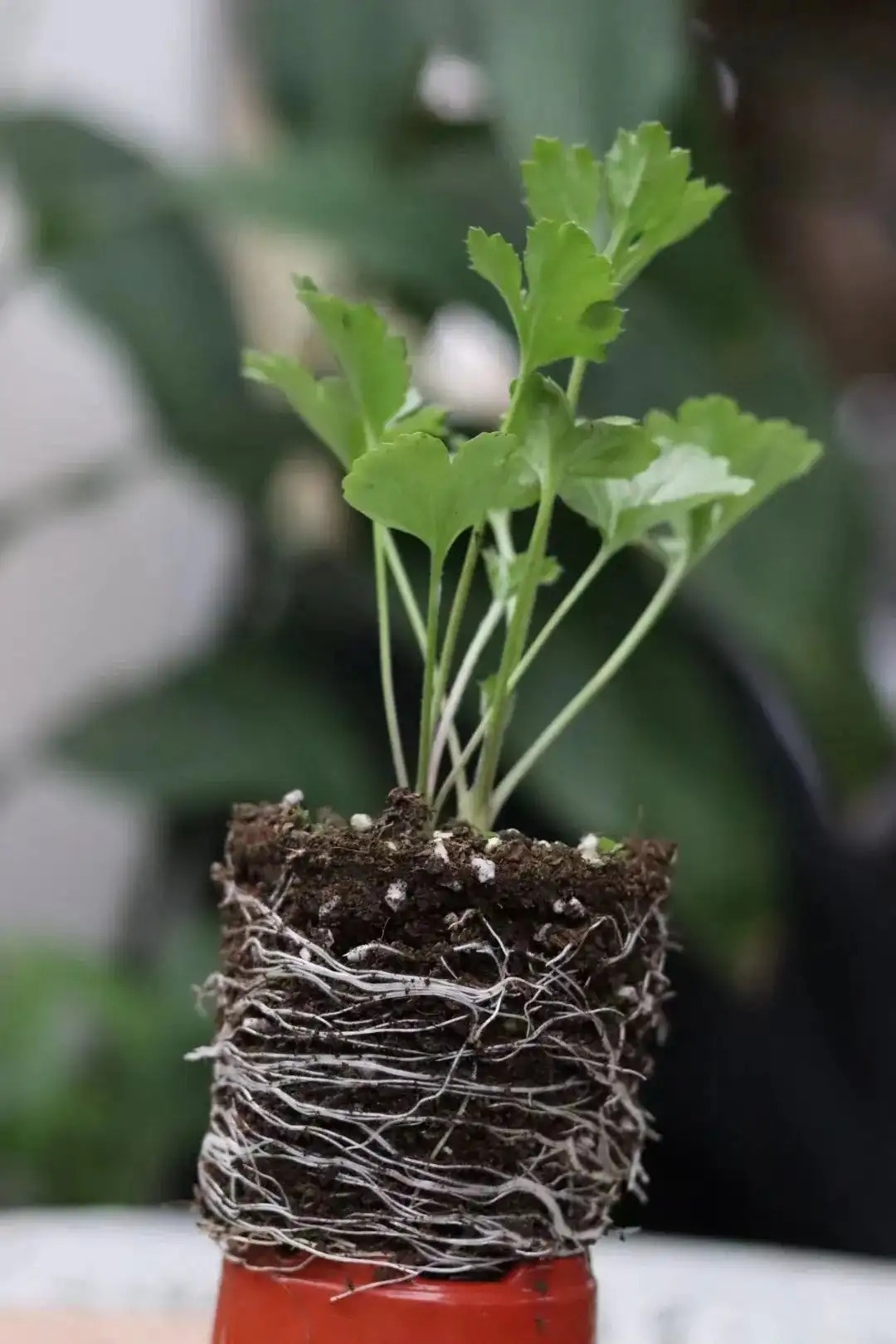
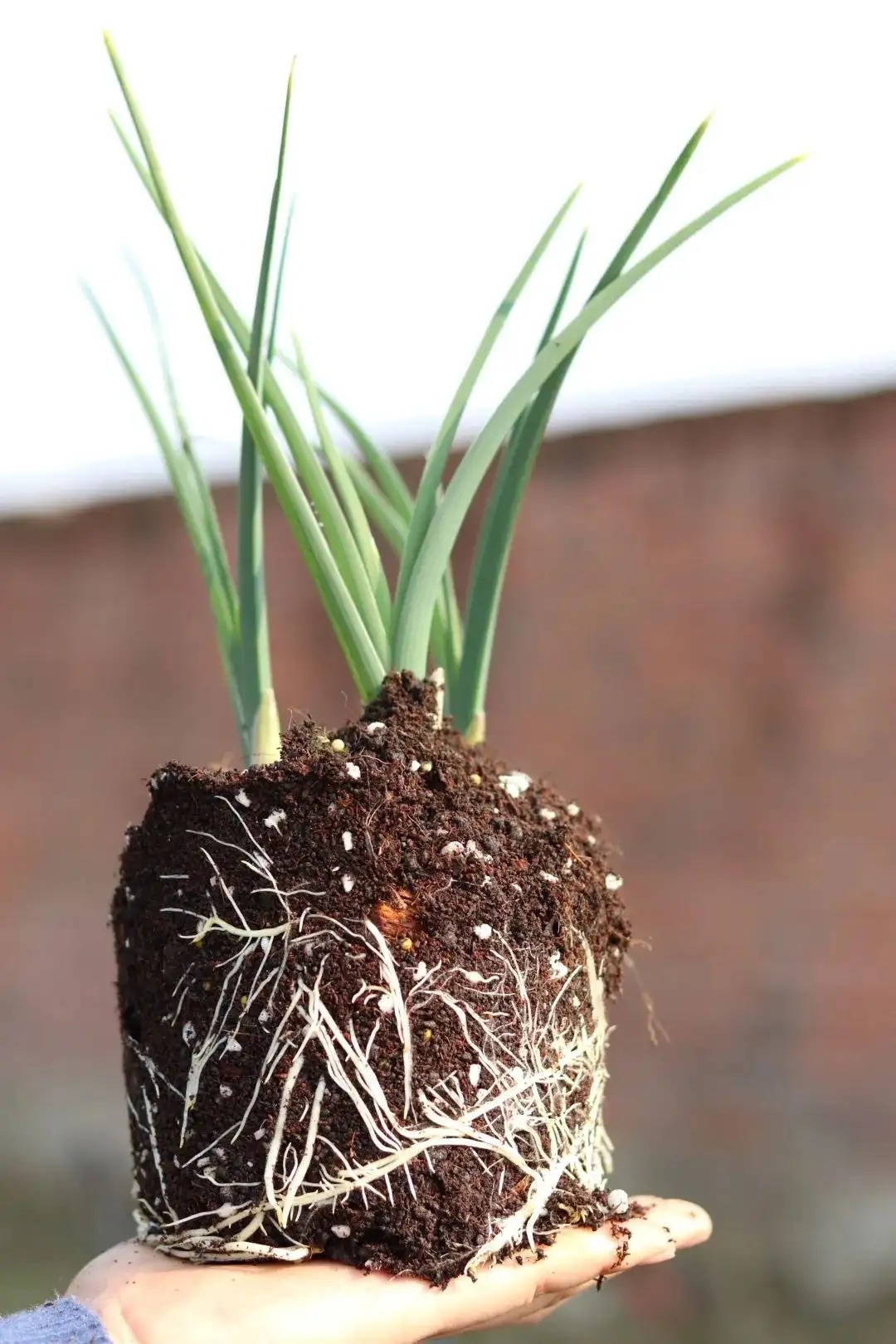
Loose and well-drained soil is more conducive to root penetration.
Water and fertilizer retention: peat moss, straw moss, coconut coir, leaf mold, garden soil, etc.
To increase breathability: Akadama soil, perlite, vermiculite, rice husk charcoal, ceramsite, Kanuma soil, diatomaceous earth, volcanic rock, maifanite, pine bark, sphagnum moss, etc.
Provide nutrients: slow-release fertilizer, organic fertilizer, etc.
perlite
vermiculite
Akadama soil
Pine scales
Expanded clay
Kanuma clay
Maifan stone
volcanic rock
These three functions are indispensable, and there is one more important point: these substances require special processing in order to be used safely and with peace of mind.
For example, coconut coir needs to be desalinated. Undesalinated coconut coir has a high salt content, which is detrimental to plant growth. Organic fertilizers need to be fully decomposed. Undecomposed sheep manure, cow manure, etc., release fertilizer effects unstably. At high temperatures, the fertilizer release is rapid and can easily burn seedlings.
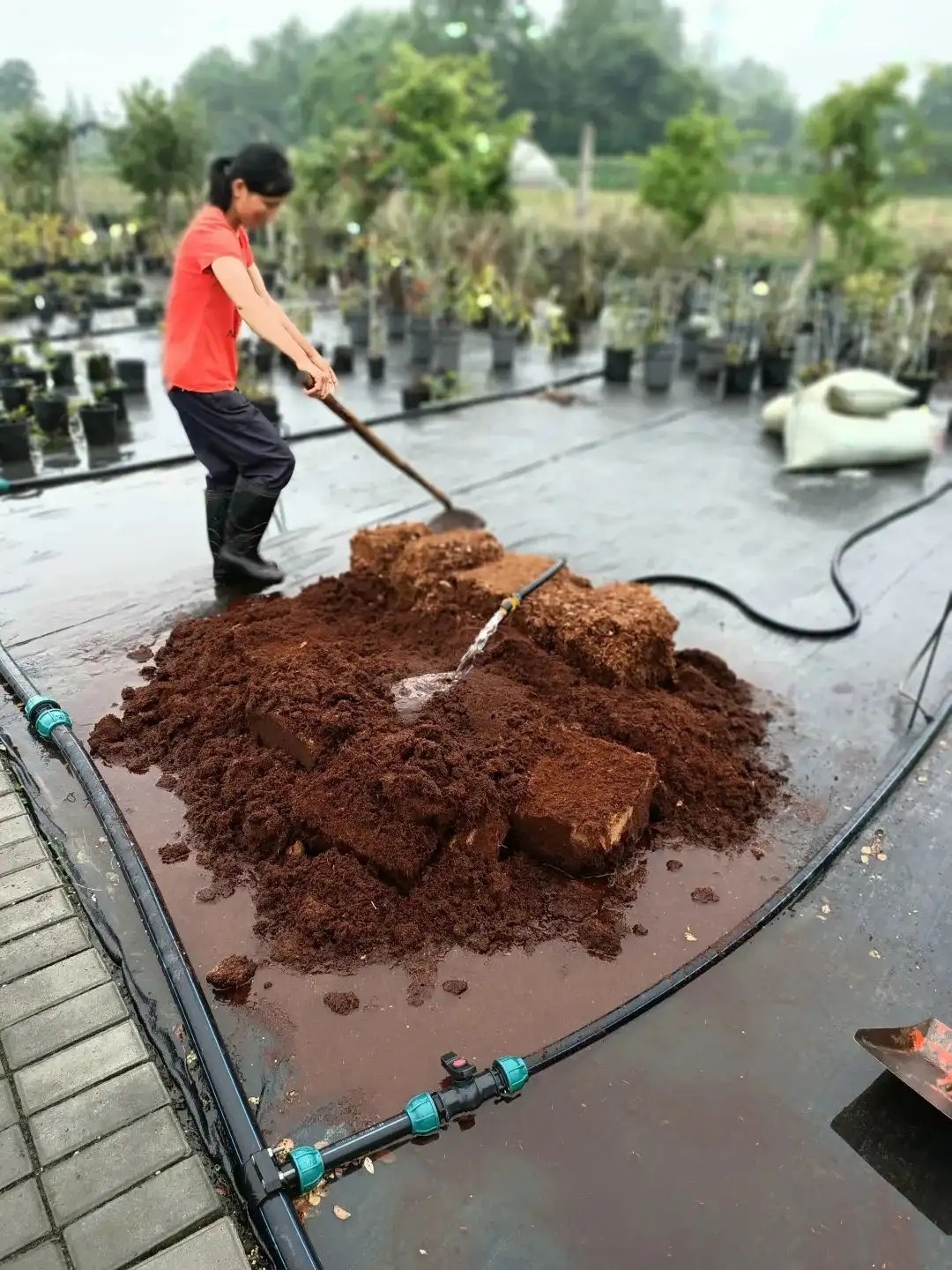
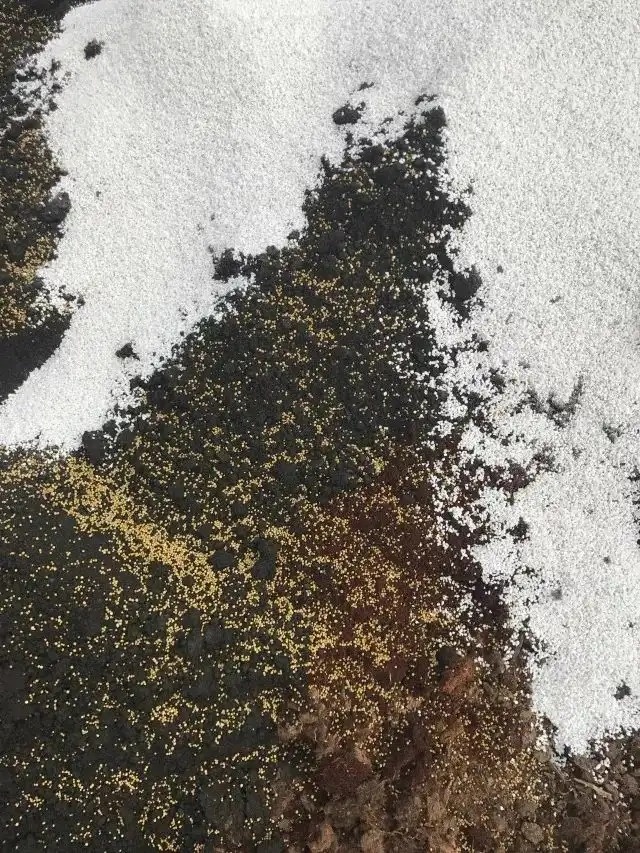
Left: Compressed coconut bricks soaked into coconut coir
Right: Mix soil with slow-release fertilizer and perlite ▲
Besides the difference in composition, the most obvious difference between garden soil and potting soil is that good soil is not necessarily heavier. So, instead of focusing on weight, look at volume and content. Heavy does not necessarily mean good.
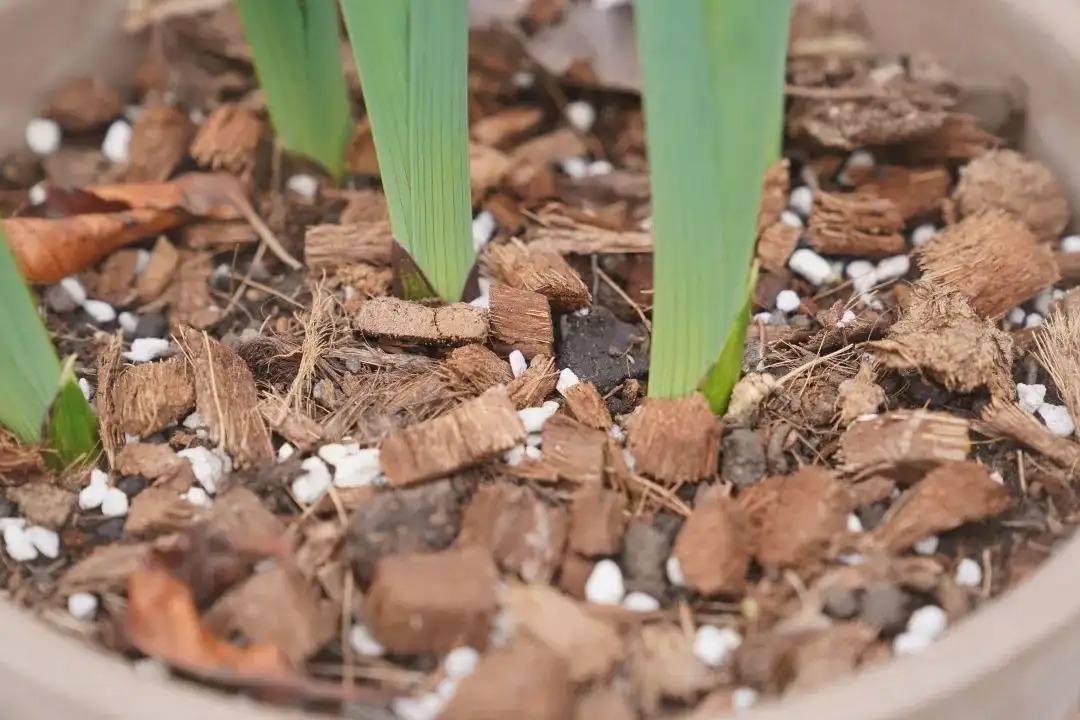
Adding coarse particles is suitable for planting bulbous plants that cannot withstand waterlogging. ▲
Finding a trustworthy seller allows you to confidently purchase well-formulated potting soil, which is based on the best formula derived from extensive practical planting experience.
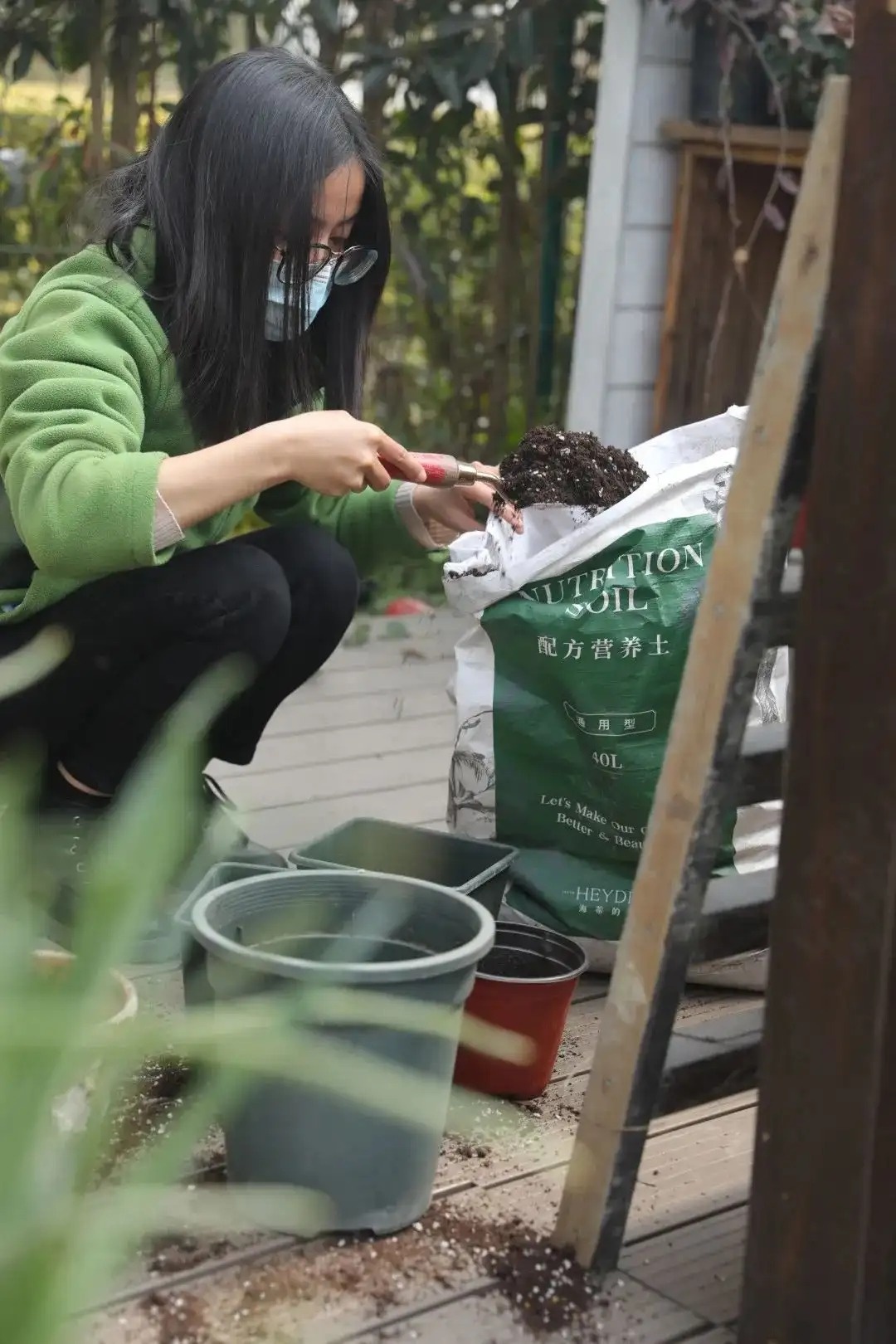
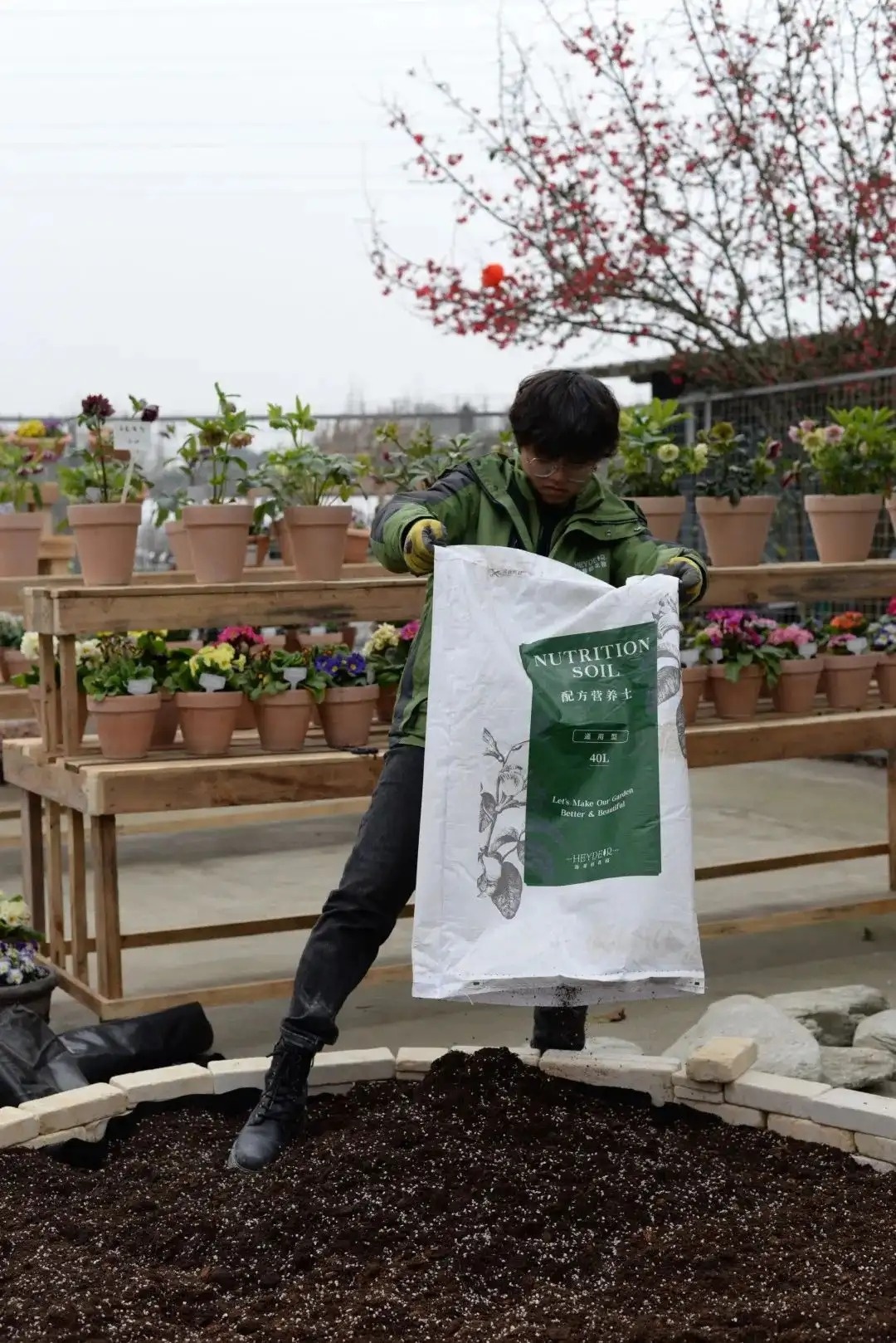
Heidi's Home Recipe Soil ▲
Furthermore, they offer customized soil mixes for different plant species, such as soil specifically for clematis, hydrangeas, and bulbs, which can be purchased as needed. This couldn't be more beginner-friendly.
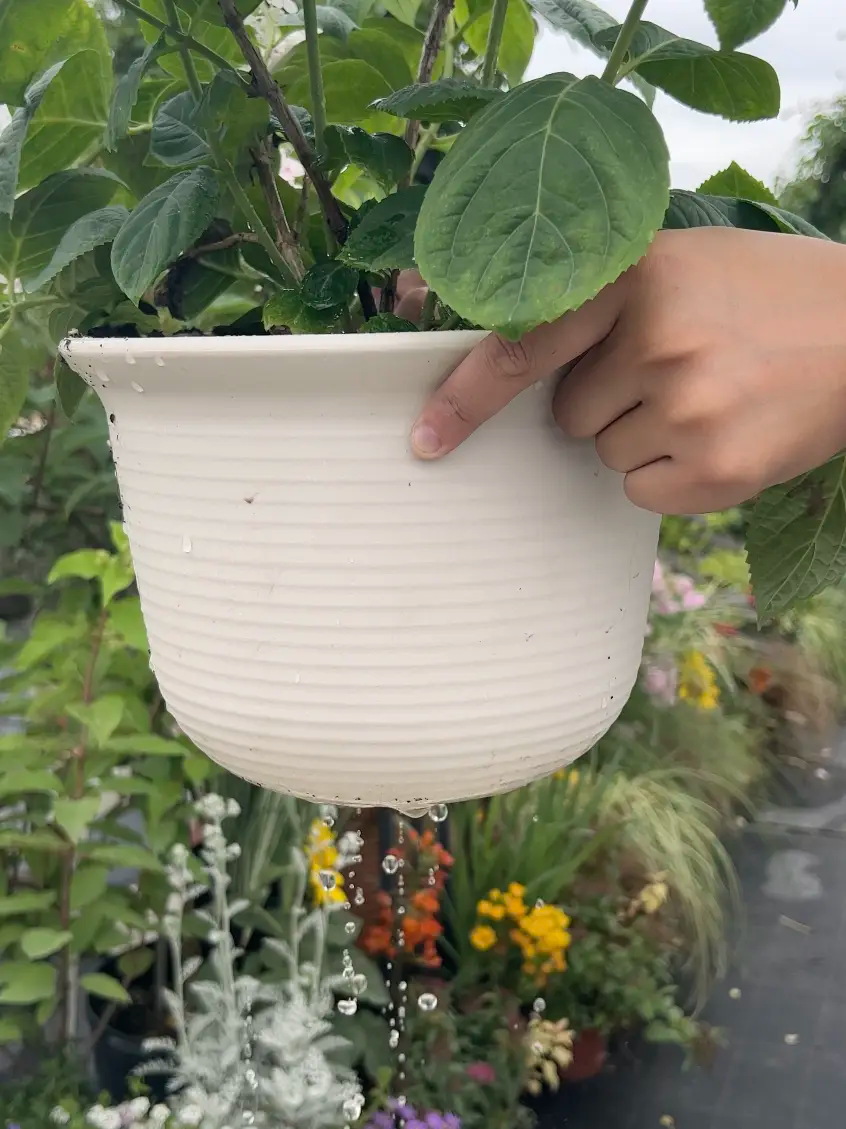
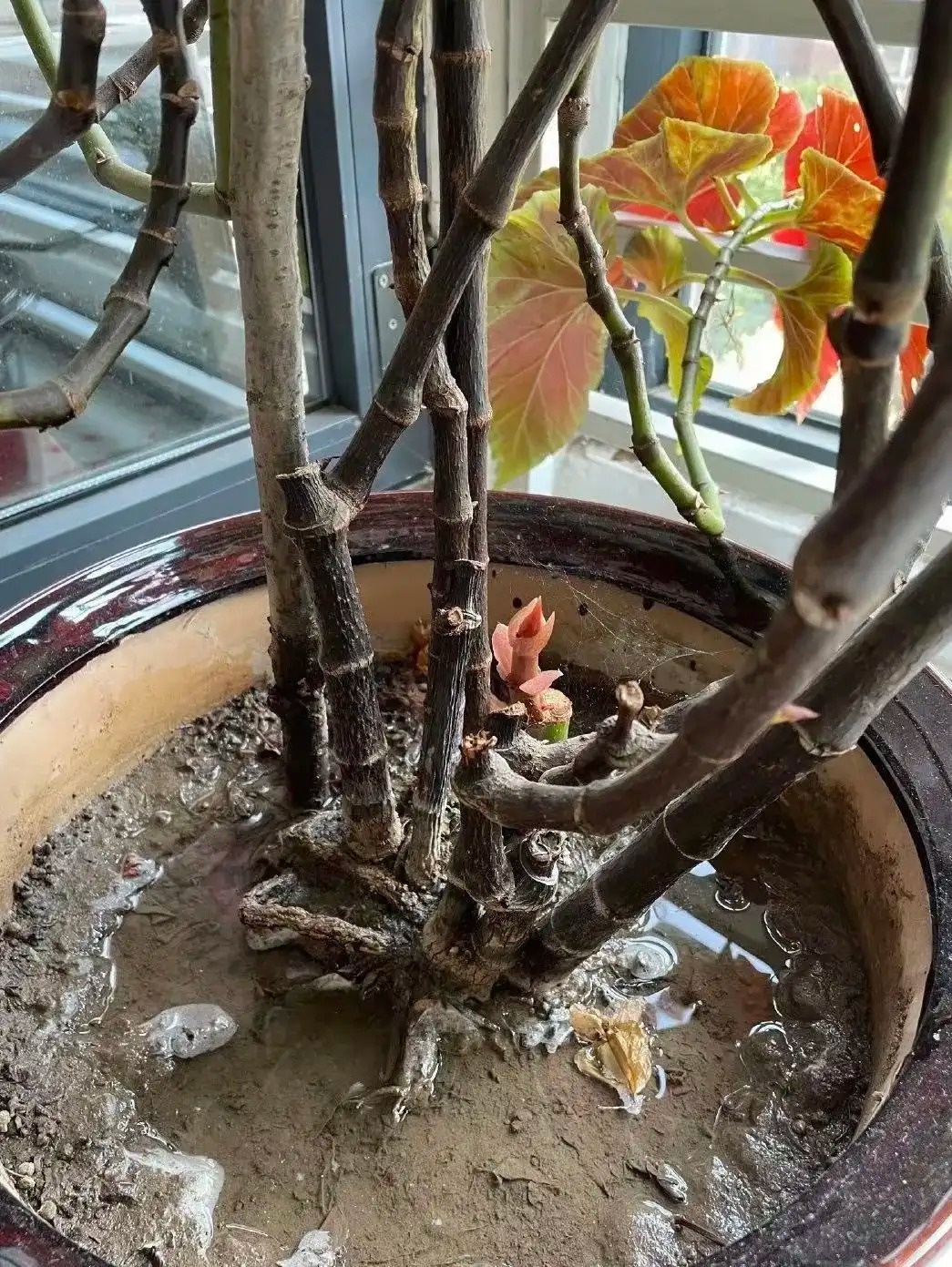
Nutrient soil becomes water-permeable after watering, while compacted garden soil retains water. ▲
IV. What kind of soil do expert gardeners use for potted plants?
After continuous exploration and summarization, experienced horticulturalists, having fully grasped the functions of soil components, will adjust the soil formula according to their own region, growing environment, plant species, etc., and purchase, find, and manufacture raw materials to mix the soil themselves.
Using a more economical and efficient method, a specific formula suitable for their own plants was developed, and the plants grown there bloomed profusely, making others envious.
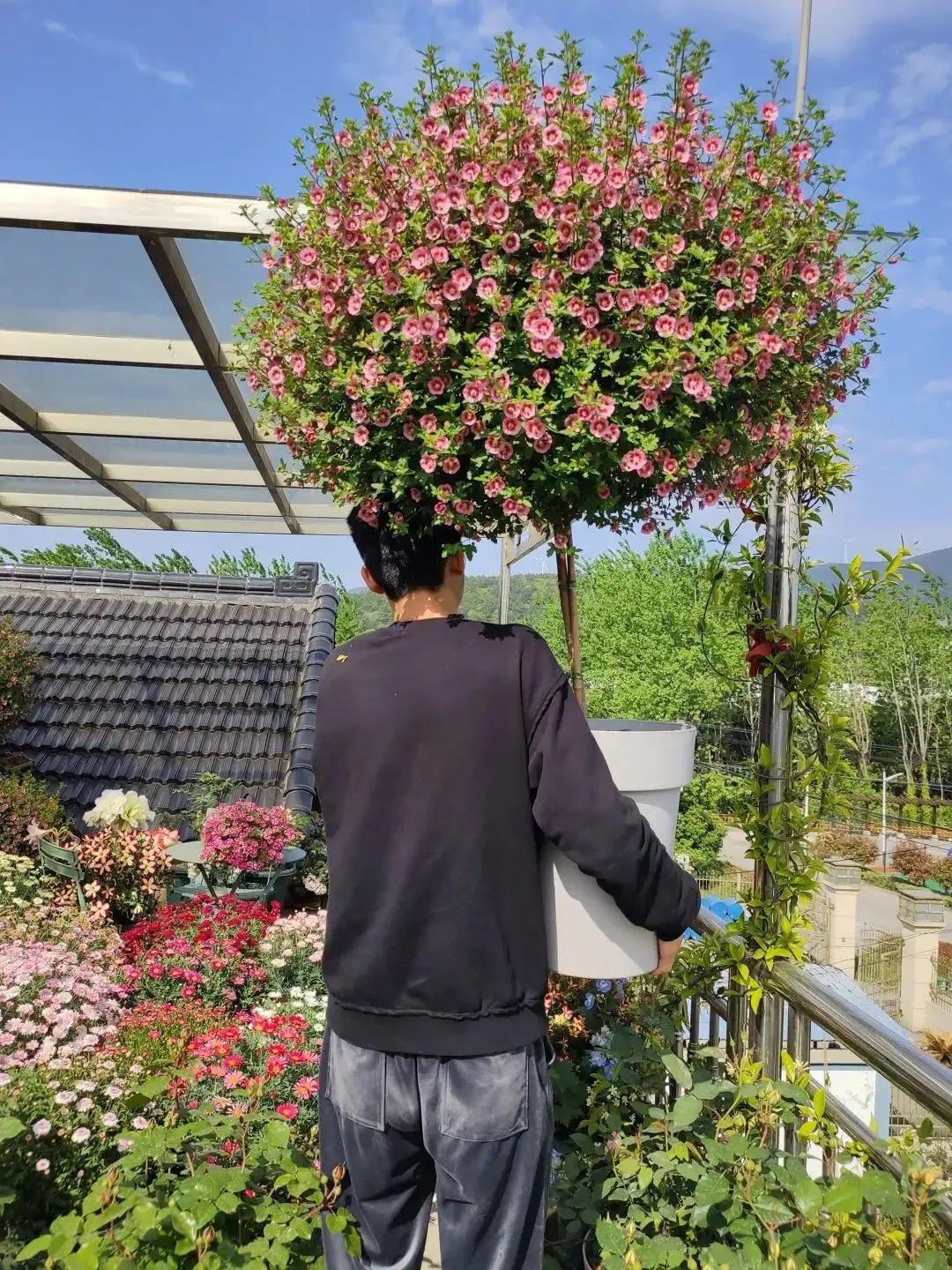
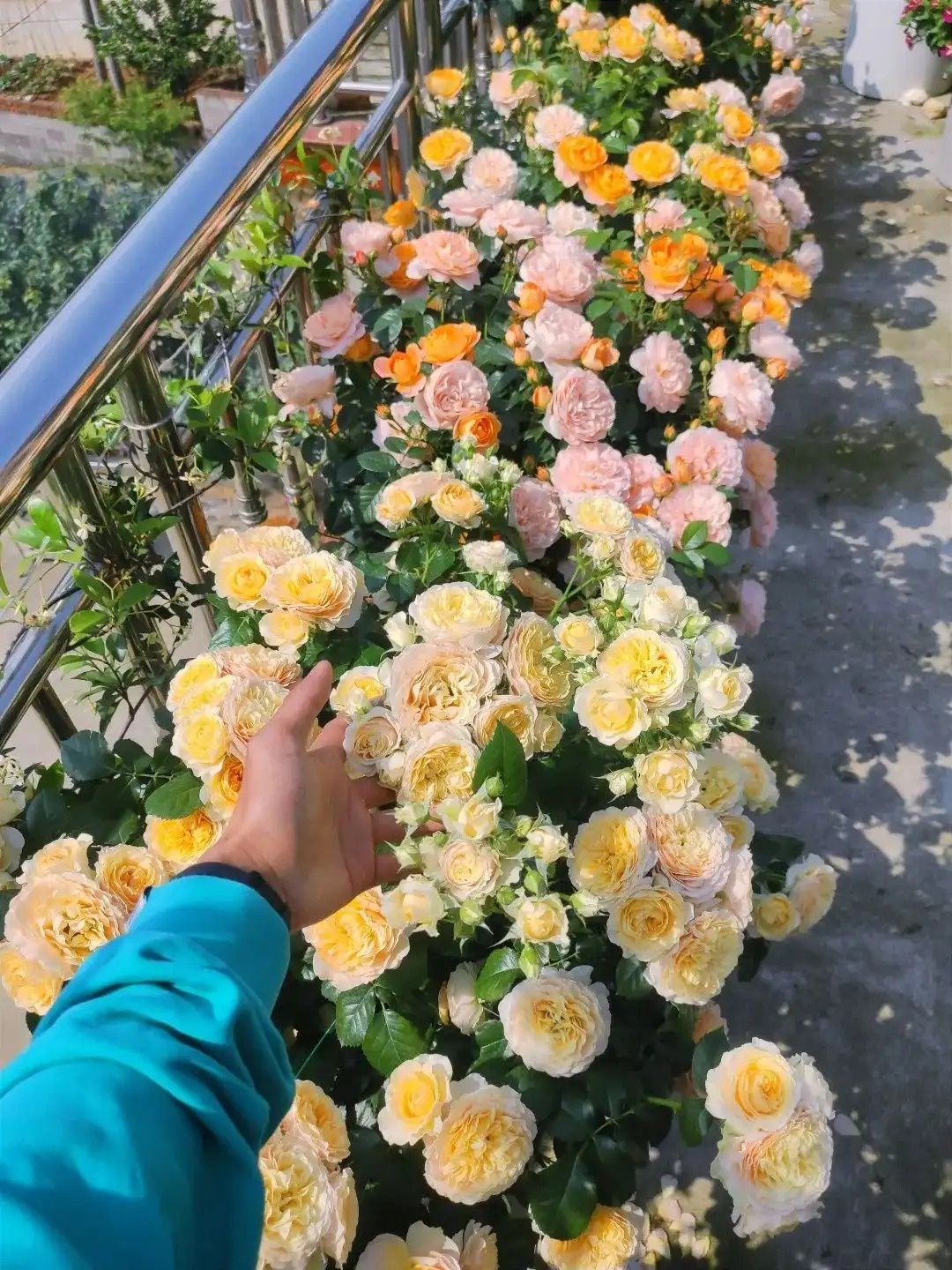
Summer-planted hibiscus and roses ▲
Xia, a flower enthusiast from Zhejiang.
He mixed his own soil mixture. It consisted of 8 parts 10-30 peat moss, 2 parts coconut coir, 1 part perlite or other granules (0.5 parts perlite is recommended), 5%-10% organic fertilizer (such as well-rotted sheep manure, earthworm castings, etc.) and 1 handful of Osmocote slow-release fertilizer. Mix well.
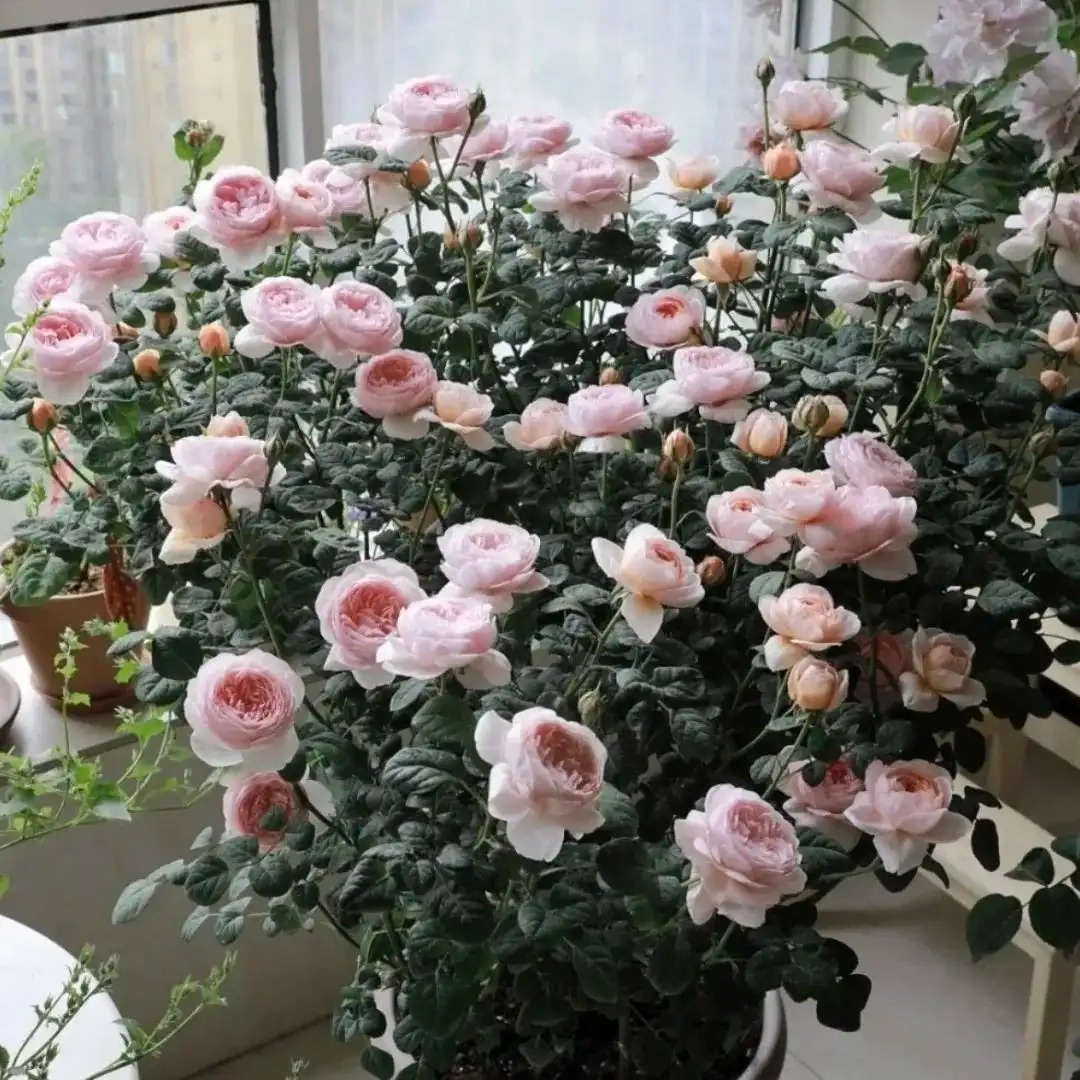
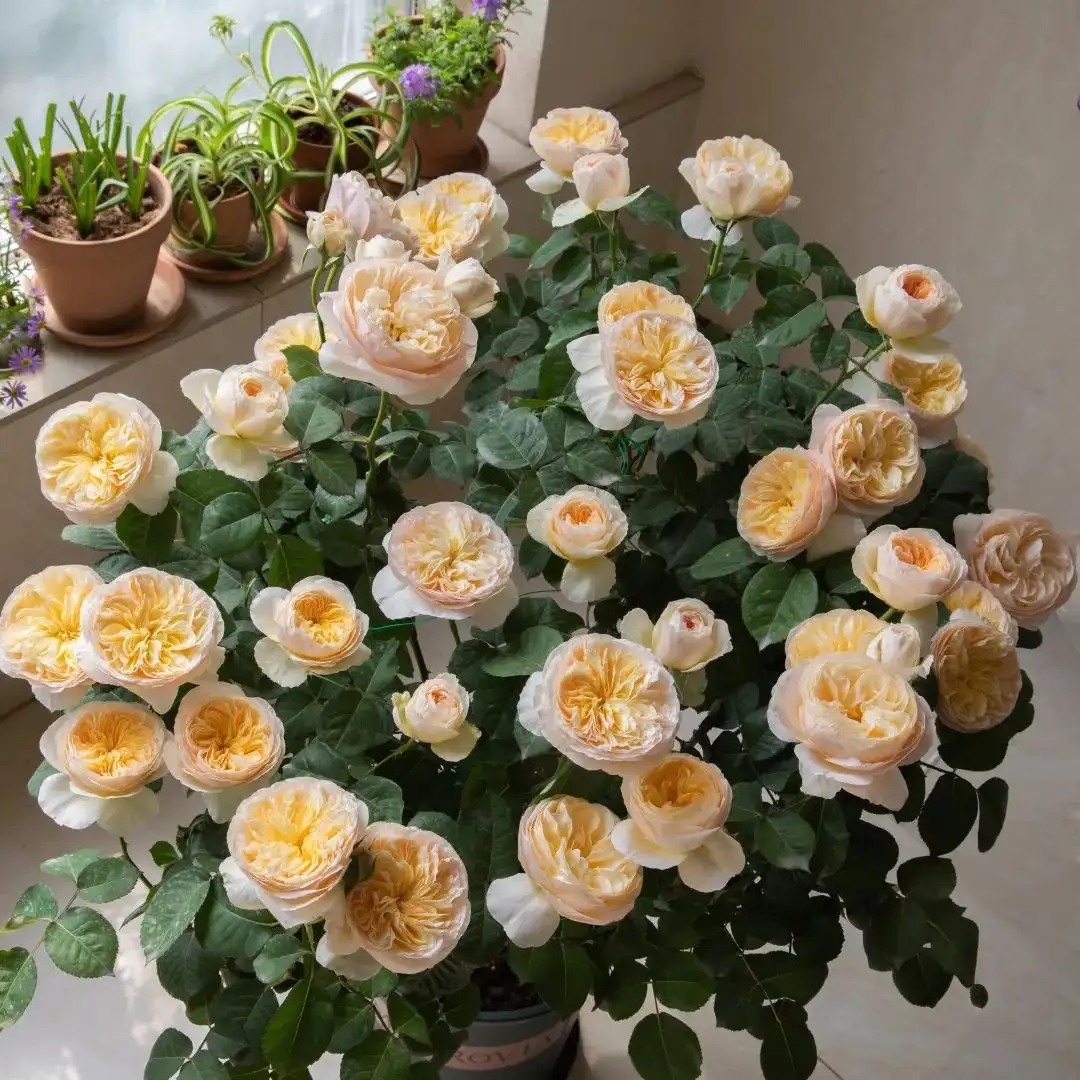
Queen and Juliet of Sweden (Western Species) ▲
Garden Xiyuan from Sichuan.
She uses coarse peat moss mixed with pumice, zeolite, etc. for her potting mix. If you find that too much trouble, you can just buy rose potting mix. The loose soil and small pots allow for quick water-drying cycles, making it very easy for the plants to root. The root system is also very strong. With proper daily water and fertilizer management and continuous pinching of flower buds to concentrate nutrients for growth, the seedlings grow very fast. Even for varieties like Archangel and Lucifer, you can easily fill 5 gallons a year.
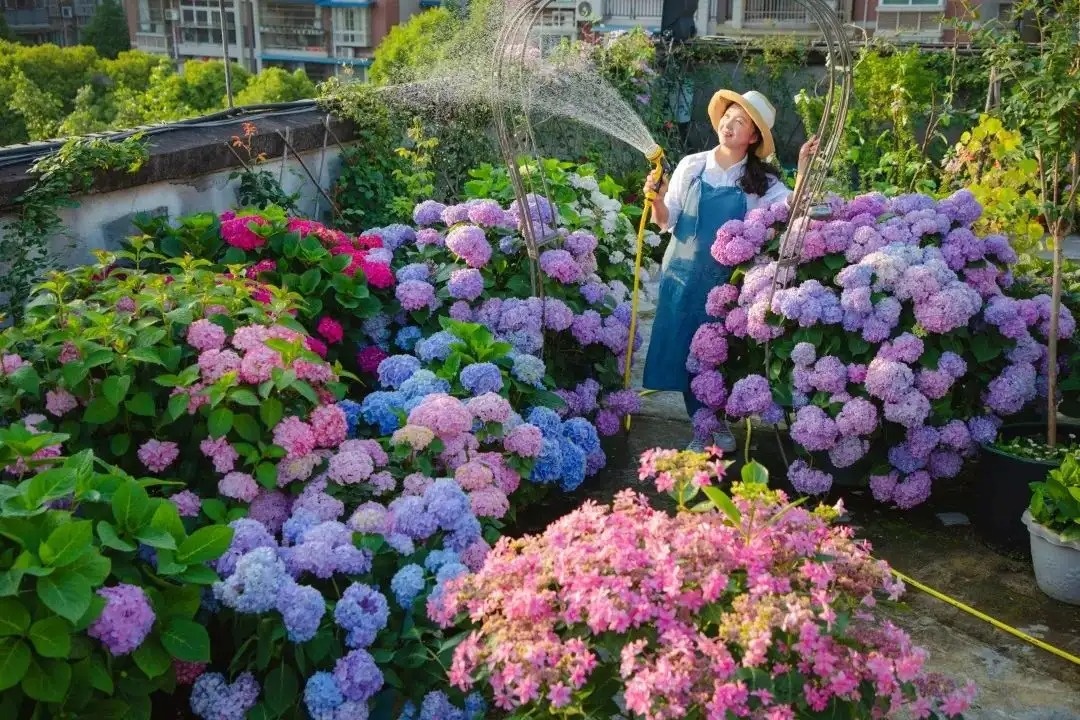
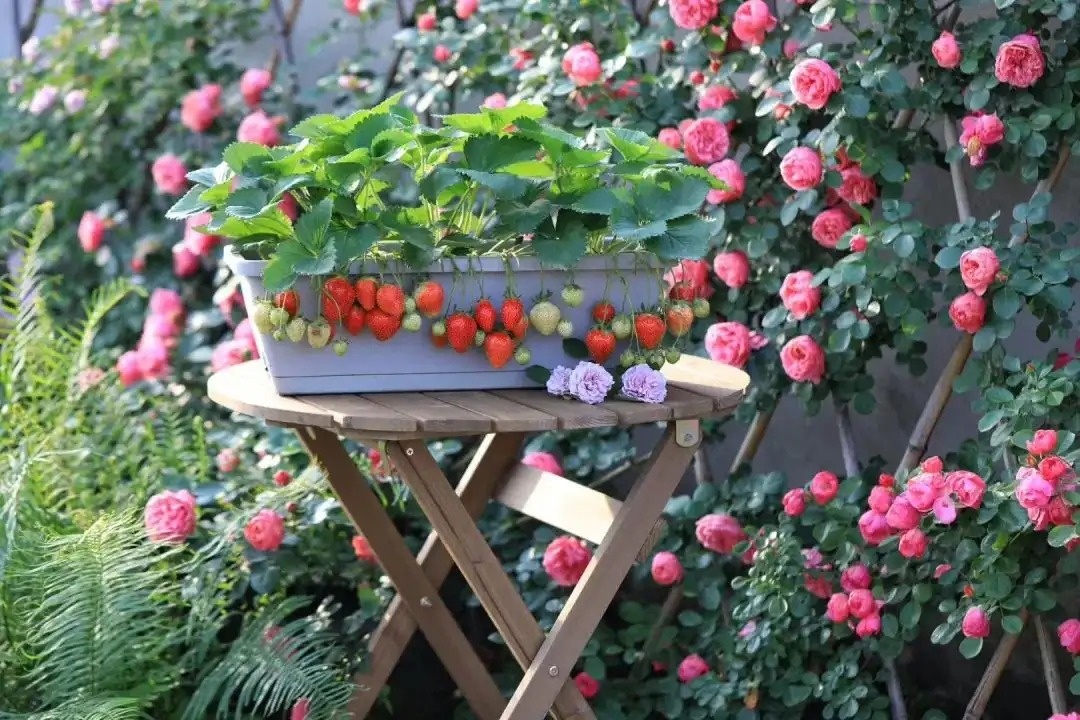
Teacher Chen's hydrangeas, strawberries, and pink daisies ▲
Mr. Chen, a flower enthusiast from Chongqing.
"The principle of soil preparation is to make the soil loose, well-aerated, and fertile. It should also be adjusted according to different planting environments. For example, in a full-sun environment, the proportion of garden soil should be increased to help retain water. Use seasonal plants to compost. After a summer of decomposition, you will have humus in the fall. Add garden soil, peat moss, pine needle soil, well-rotted sheep manure, sawdust, and peanut shells, mix them together, and then expose them to the sun. Finally, add soil insecticide."
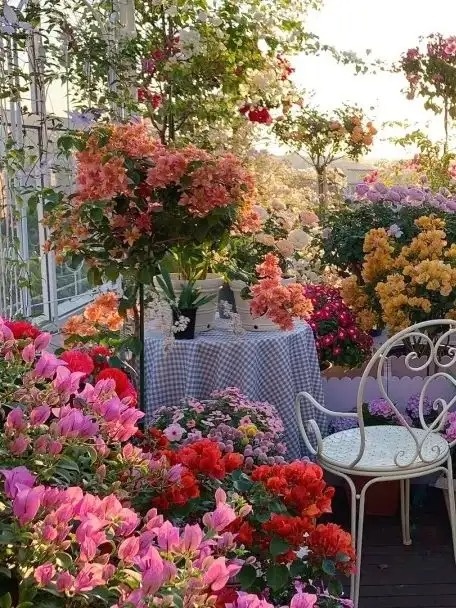
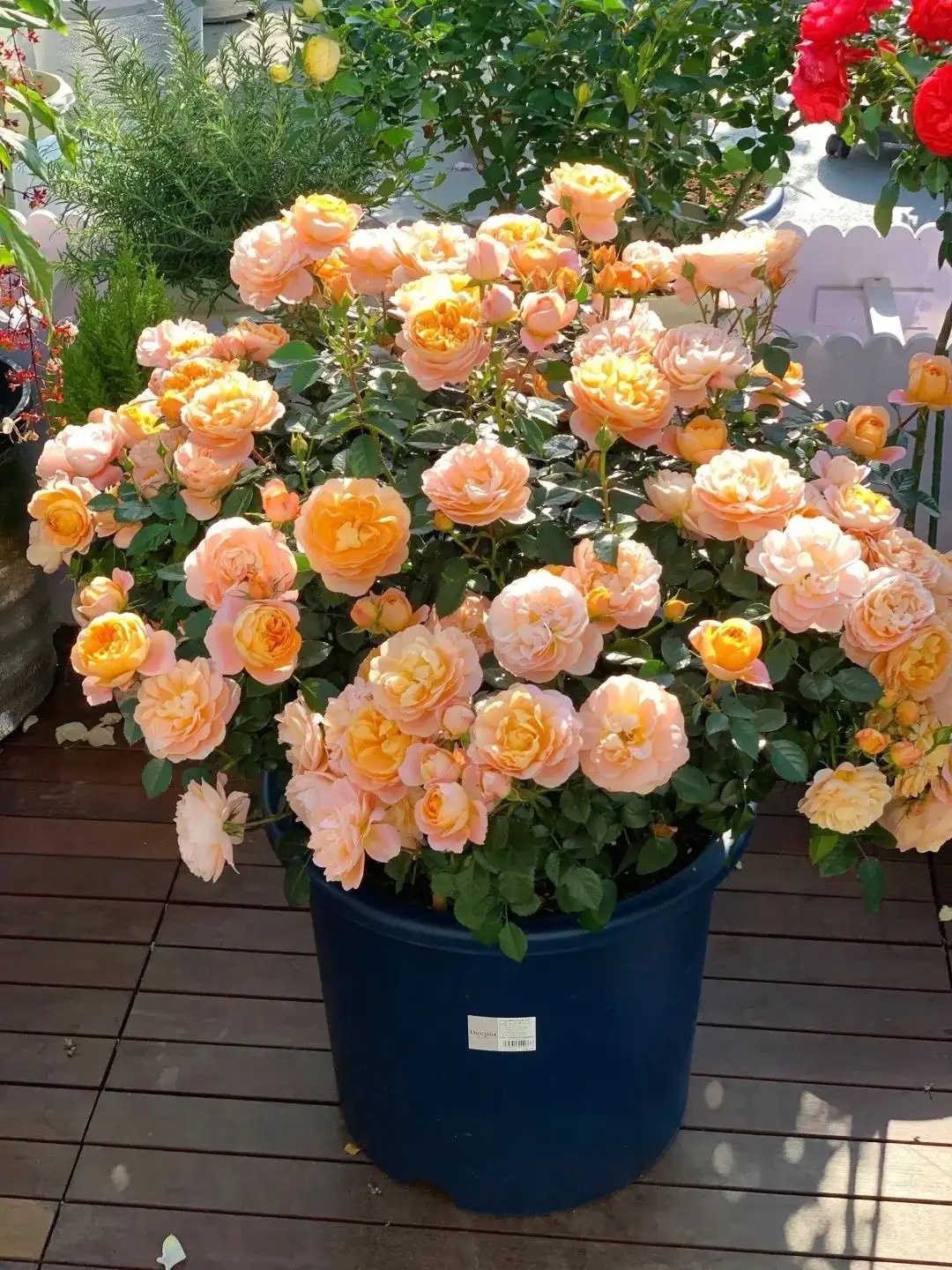
Lunzi's Bougainvillea and Juice on the Balcony ▲
Lunzai, a flower enthusiast from Guangdong.
"The most important thing in growing flowers is to first nourish the roots. Only when the root system is healthy can the roots absorb nutrients. The correct soil mix is the key to growing healthy roots. I dig up non-clay garden soil and humus from bamboo forests and mix it with coconut coir, perlite, base fertilizer, etc. I constantly adjust the proportions based on planting comparisons to find the right soil mix."
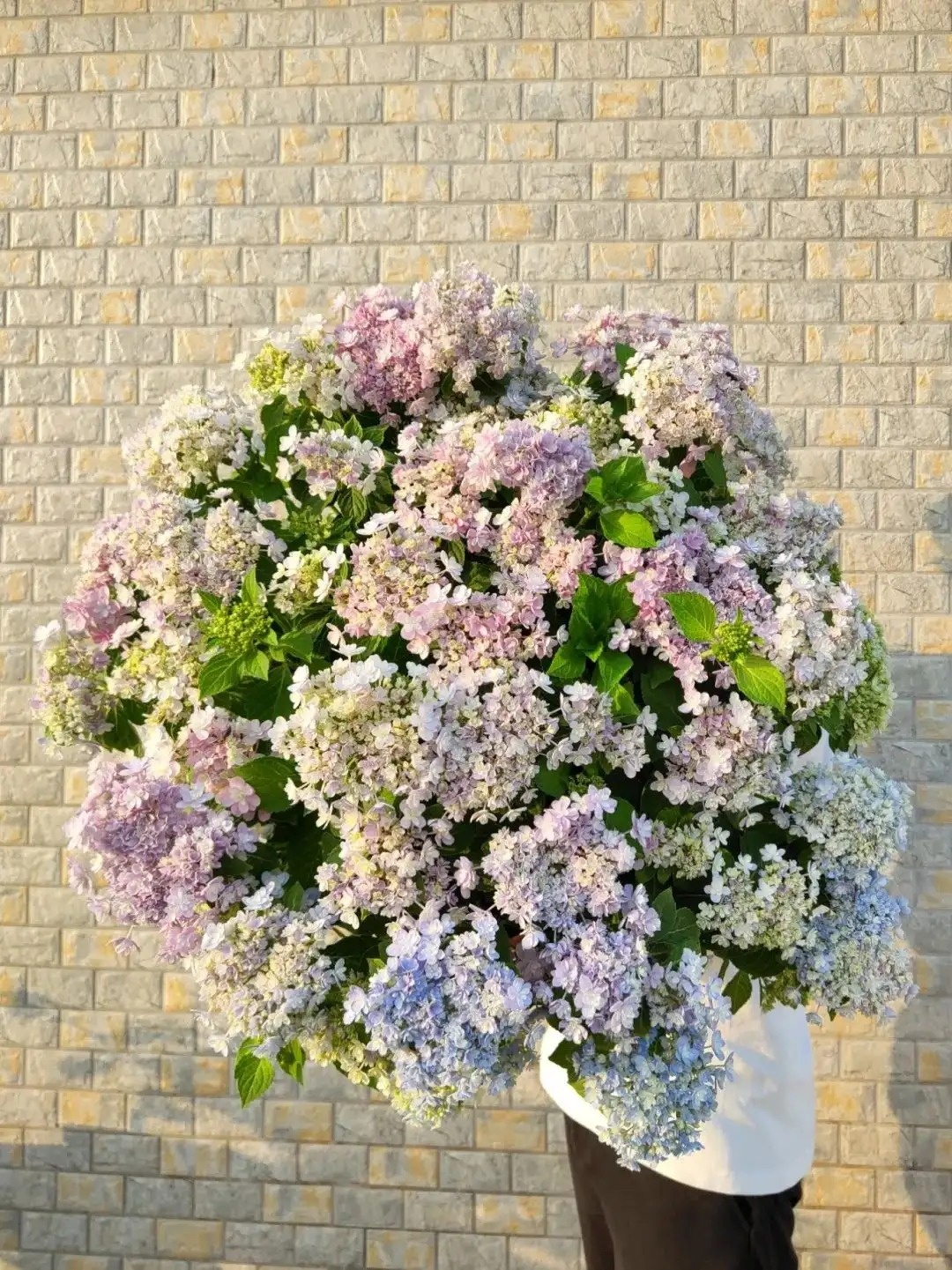
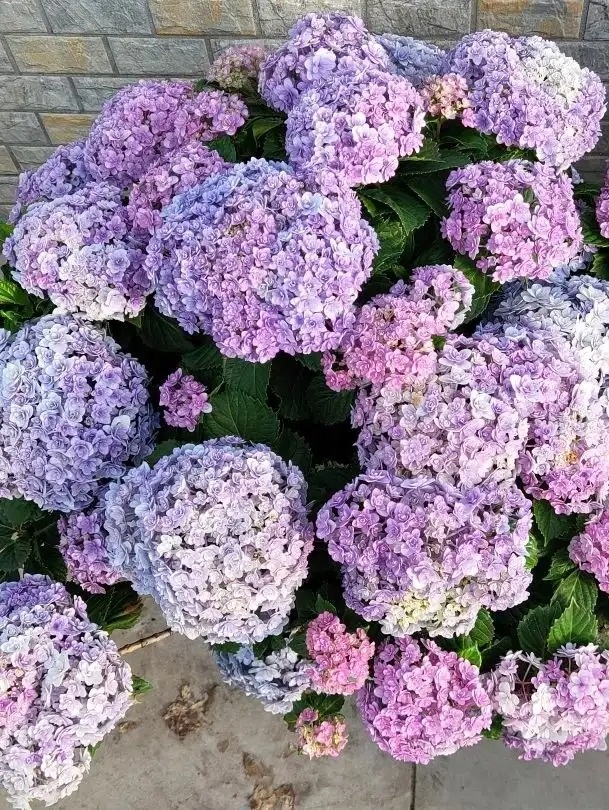
Gihoc's Kasumi and Hana Temari ▲
Gihoc, a flower enthusiast from Guangdong.
He shared with us the soil mix he used to grow hydrangeas overflowing their pots in Guangdong: coarse peat moss, coconut coir, coconut husk, and sheep manure, in a ratio of approximately 4:3:2:1.
5. What if the cost of buying all the formula soil is too high when there is a large area and many flowers?
Case 1
If you're growing all potted plants and don't mind the extra work, you can refer to the soil mixing methods summarized by experienced growers, try to find or buy qualified raw materials, and mix your own soil for planting.
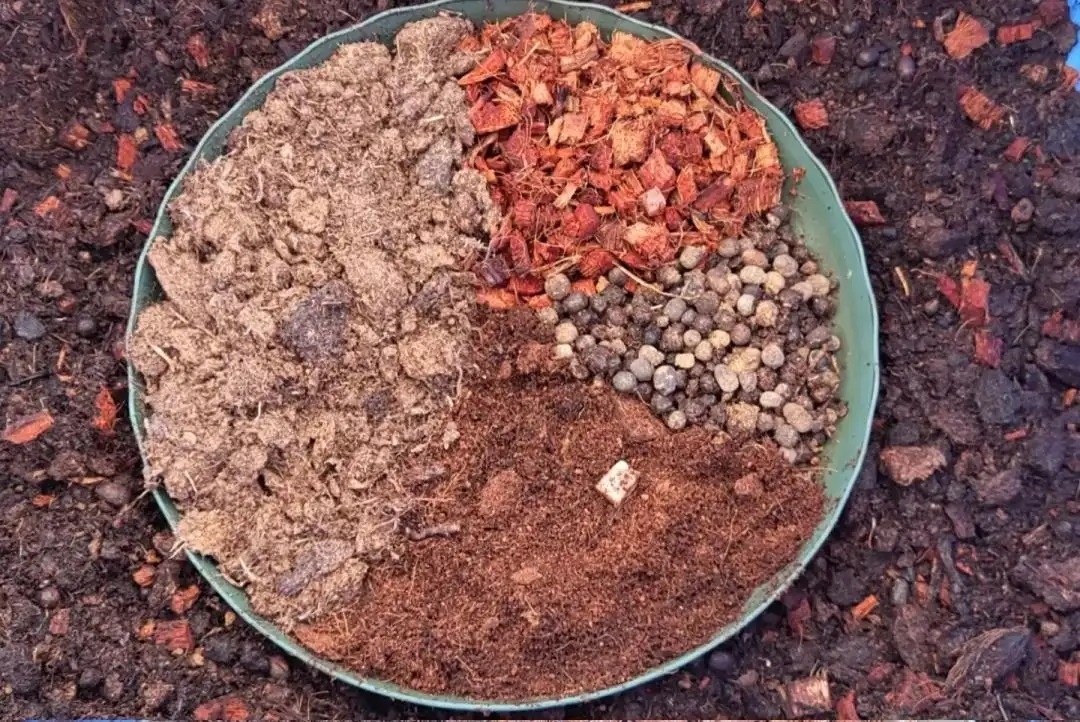
Gihoc's hydrangea soil mix ▲
Case 2
If you're worried about the hassle of preparing soil for potted plants, you can buy some garden soil and mix it with the best available garden soil, which is a way to reduce costs.
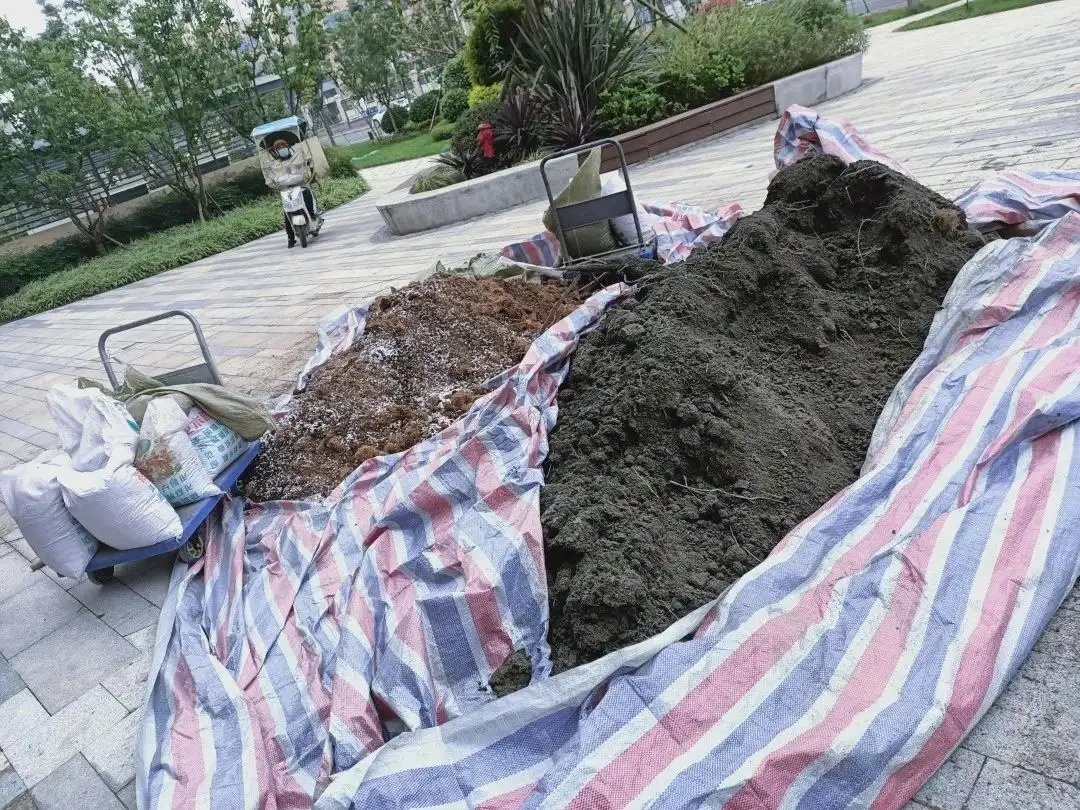
Garden soil plus formulated soil ▲
Case 3
For plants grown in the ground, if you have the means to compost (to increase soil humus at a low cost) to improve soil quality, you can refer to the composting tips shared by four experienced flower enthusiasts in previous articles and follow their instructions.
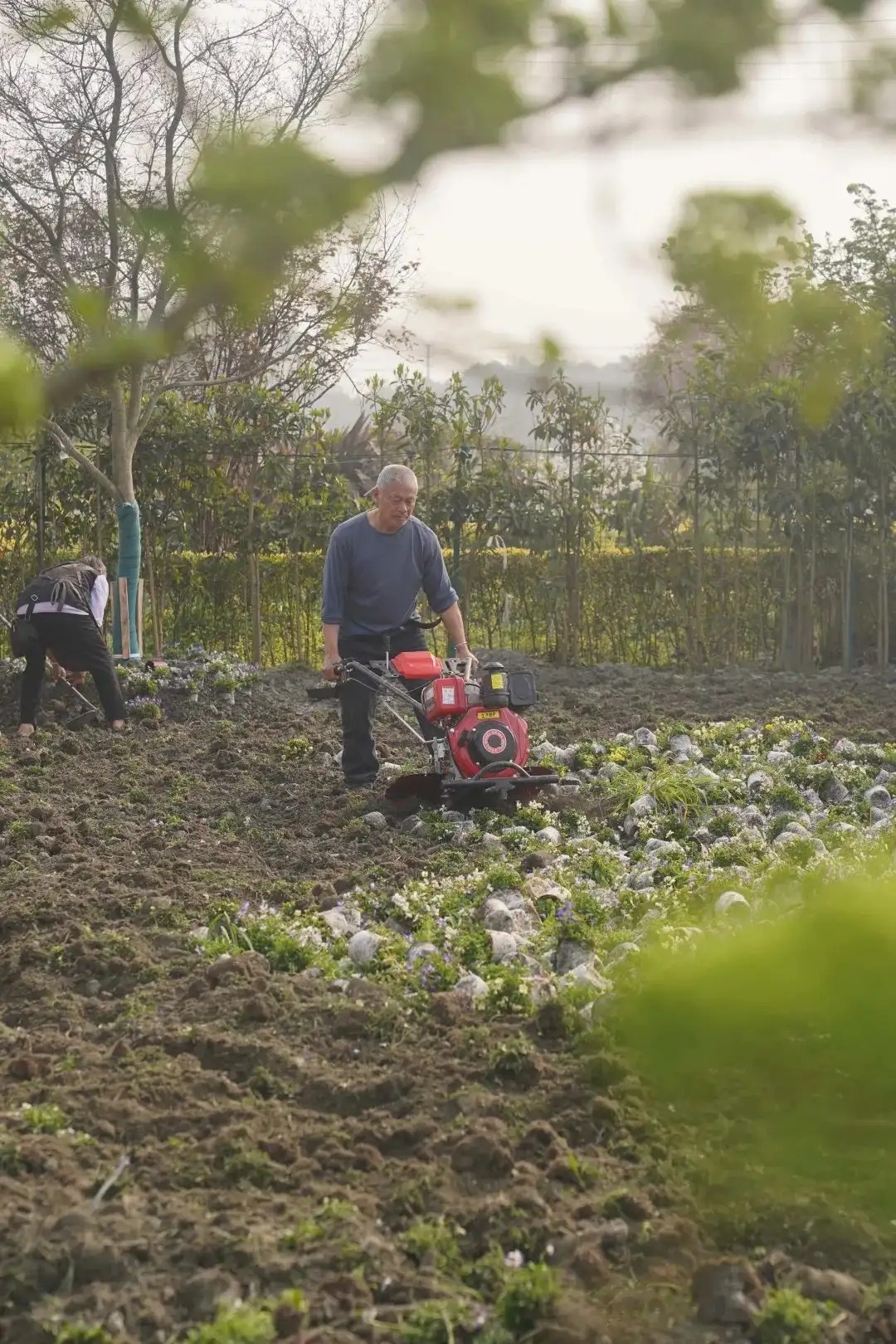
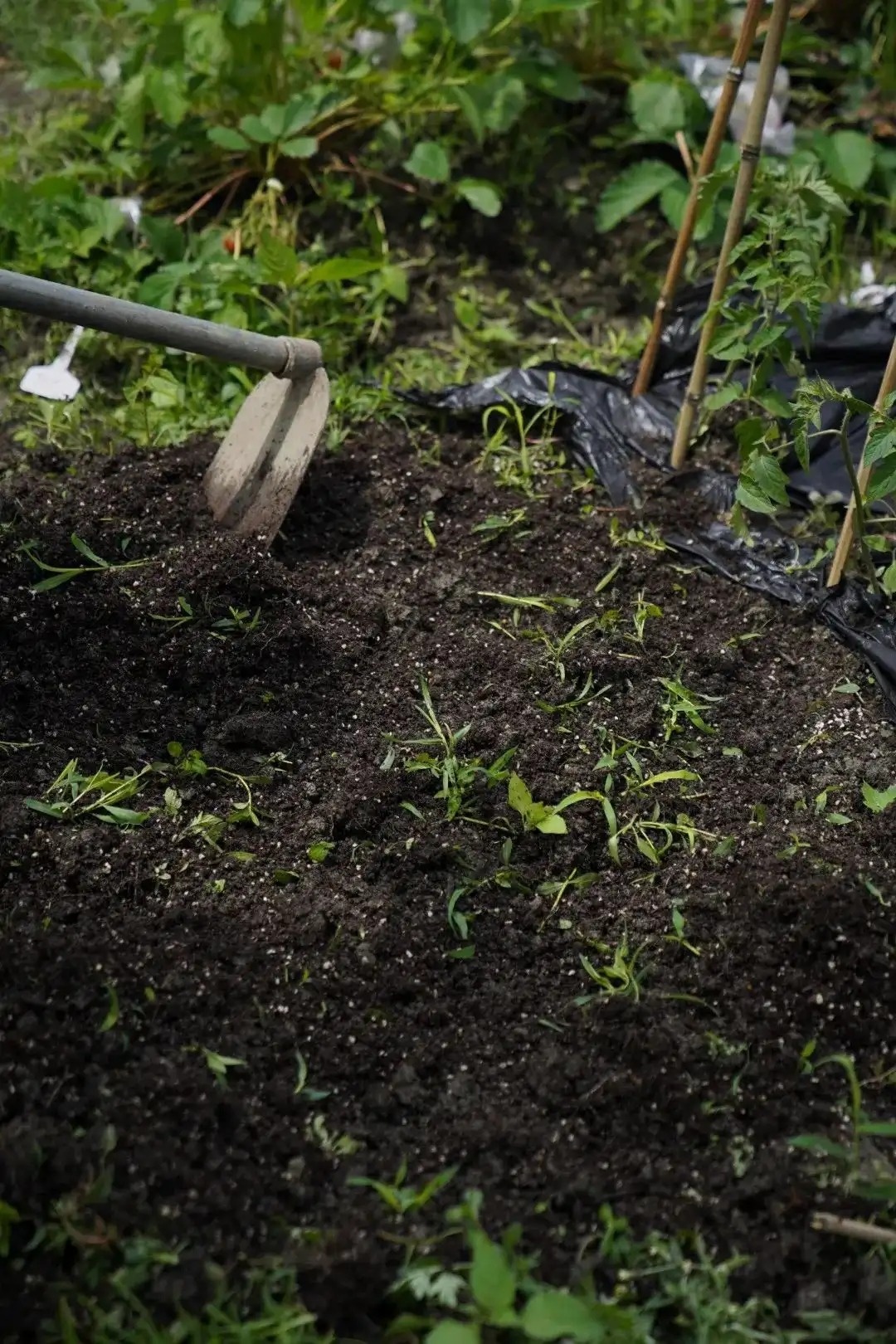
Out-of-season wildflowers mixed into soil compost ▲
Case 4
For plants grown in the ground and those who don't want to compost, you can refer to the methods for turning, mixing, and improving the soil that Hai Ma taught before. You can also refer to the article "Hai Ma's First Live Lesson: Soil" for further learning.
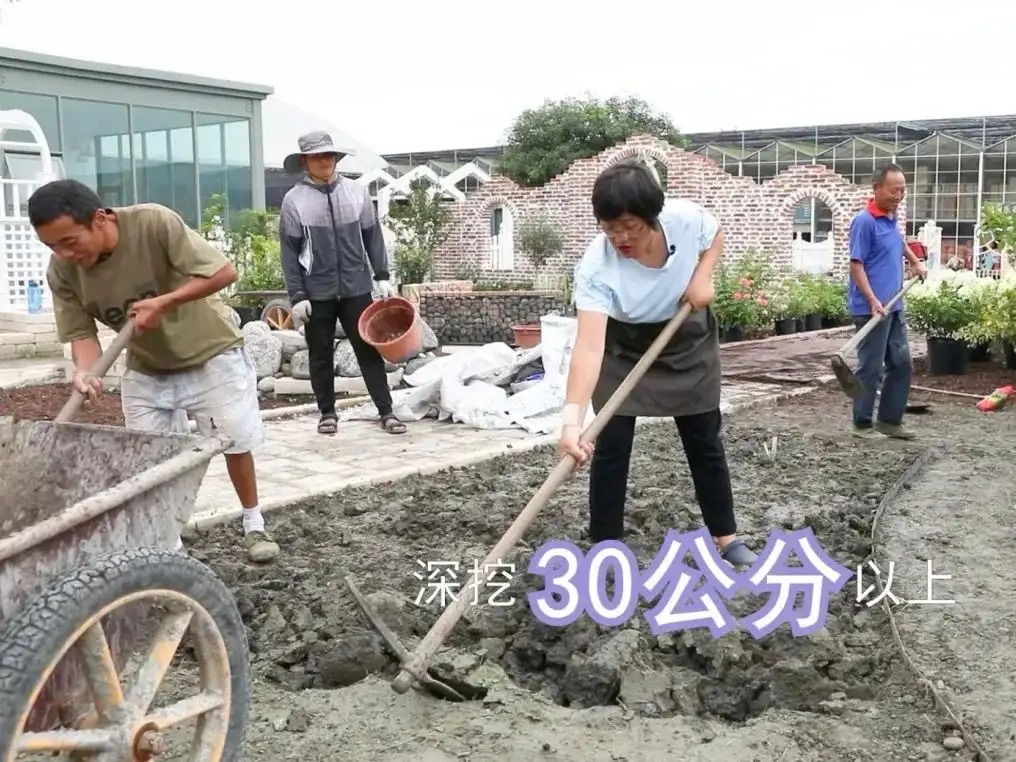
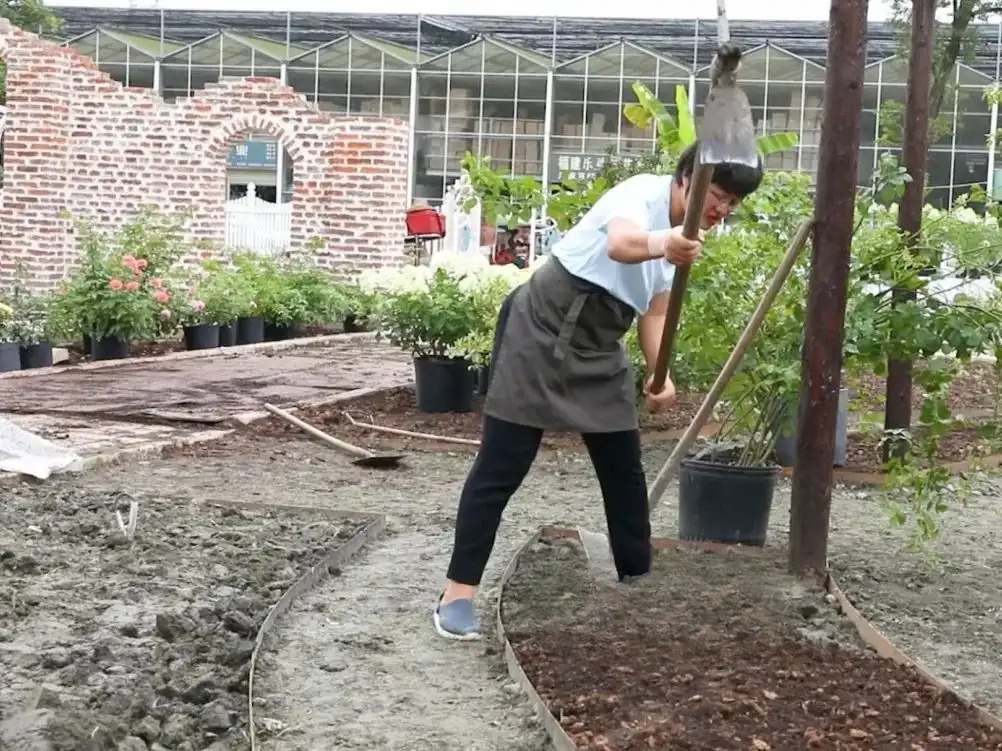
Hai Ma's renovation of the library ▲
Alternatively, you can modify the planting hole (also called the pit): simply dig a larger pit at the location where you want to plant the plant, add nutrient soil, and ensure that the soil around the roots is loose and breathable.
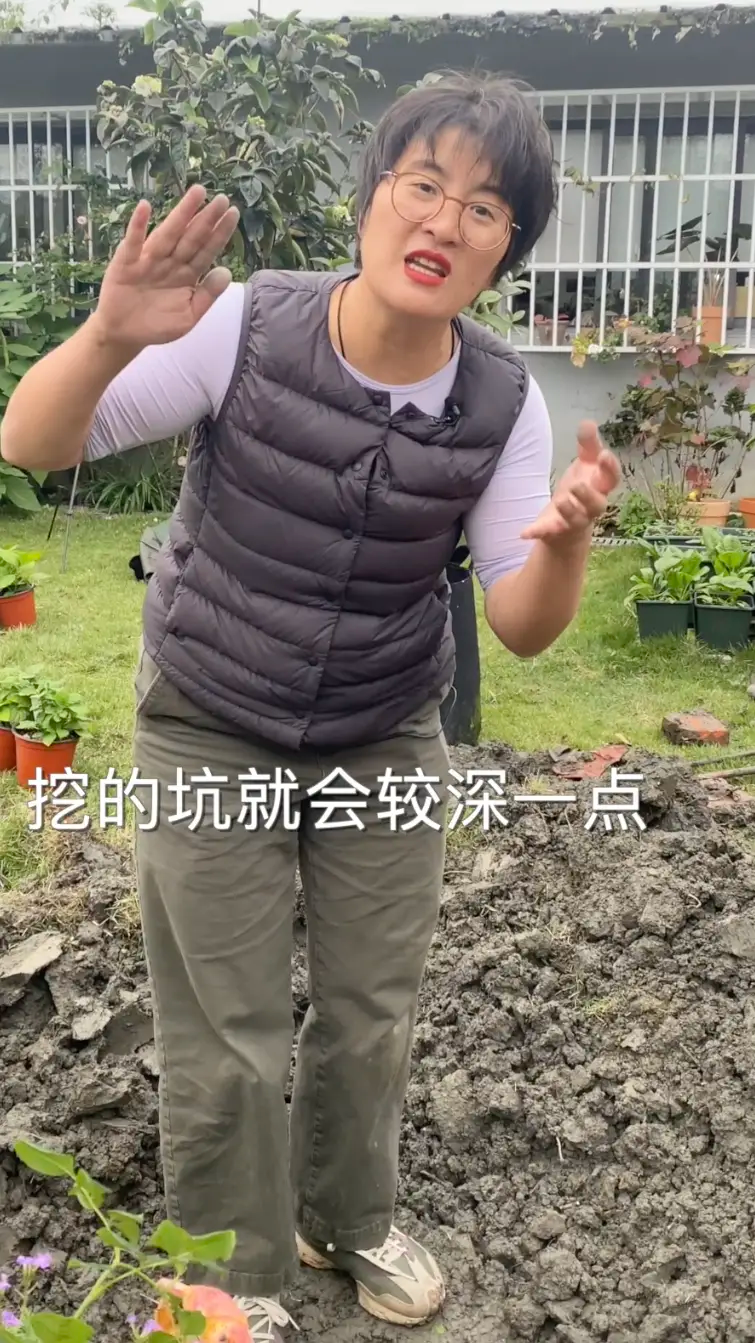
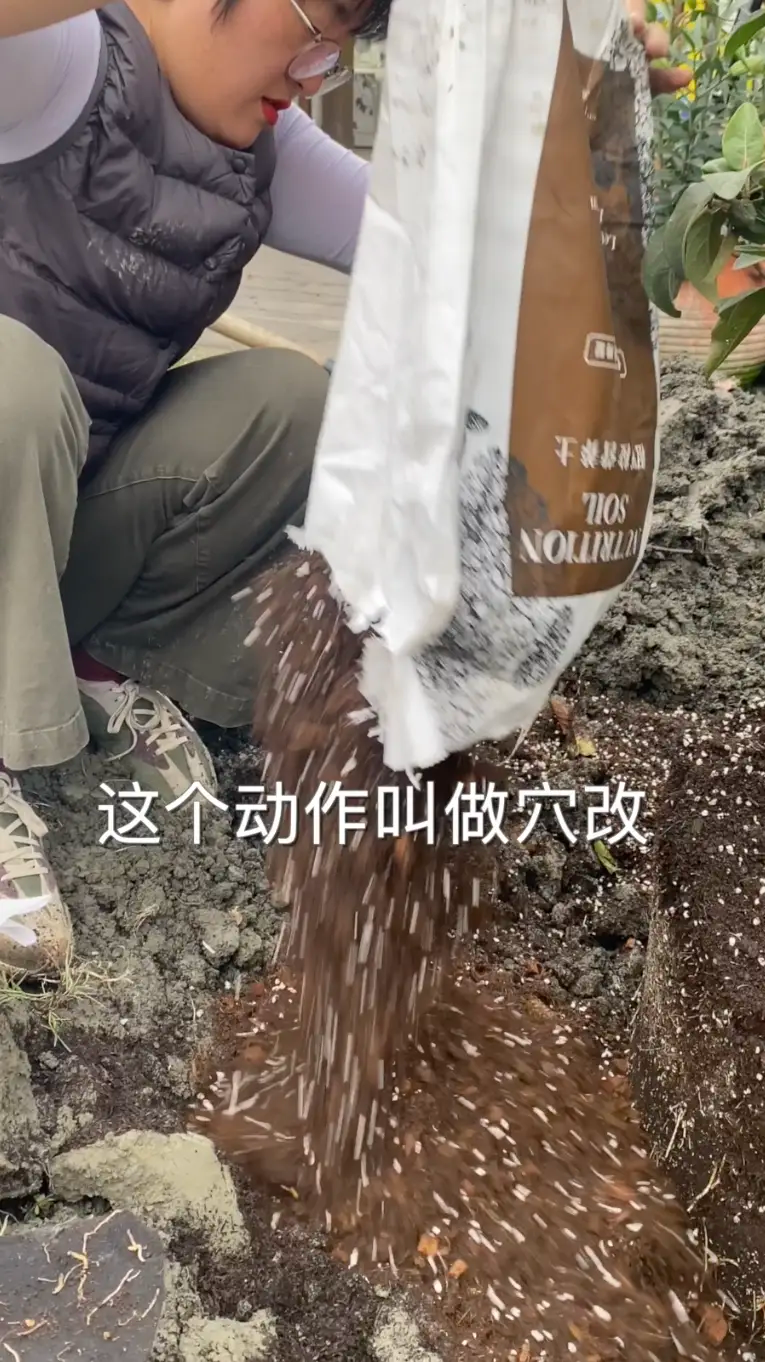
Modification of planting holes for Chinese hydrangea ▲
PART.2 Fertilization
Why do we need to fertilize plants?
The nutrients required for plant growth can be roughly divided into these three categories according to the amount required.
Macroelements: Carbon, Hydrogen, Oxygen, Nitrogen, Phosphorus, Potassium
Medium elements: calcium, magnesium, sulfur
Trace elements: iron, boron, manganese, copper, zinc, molybdenum, chlorine
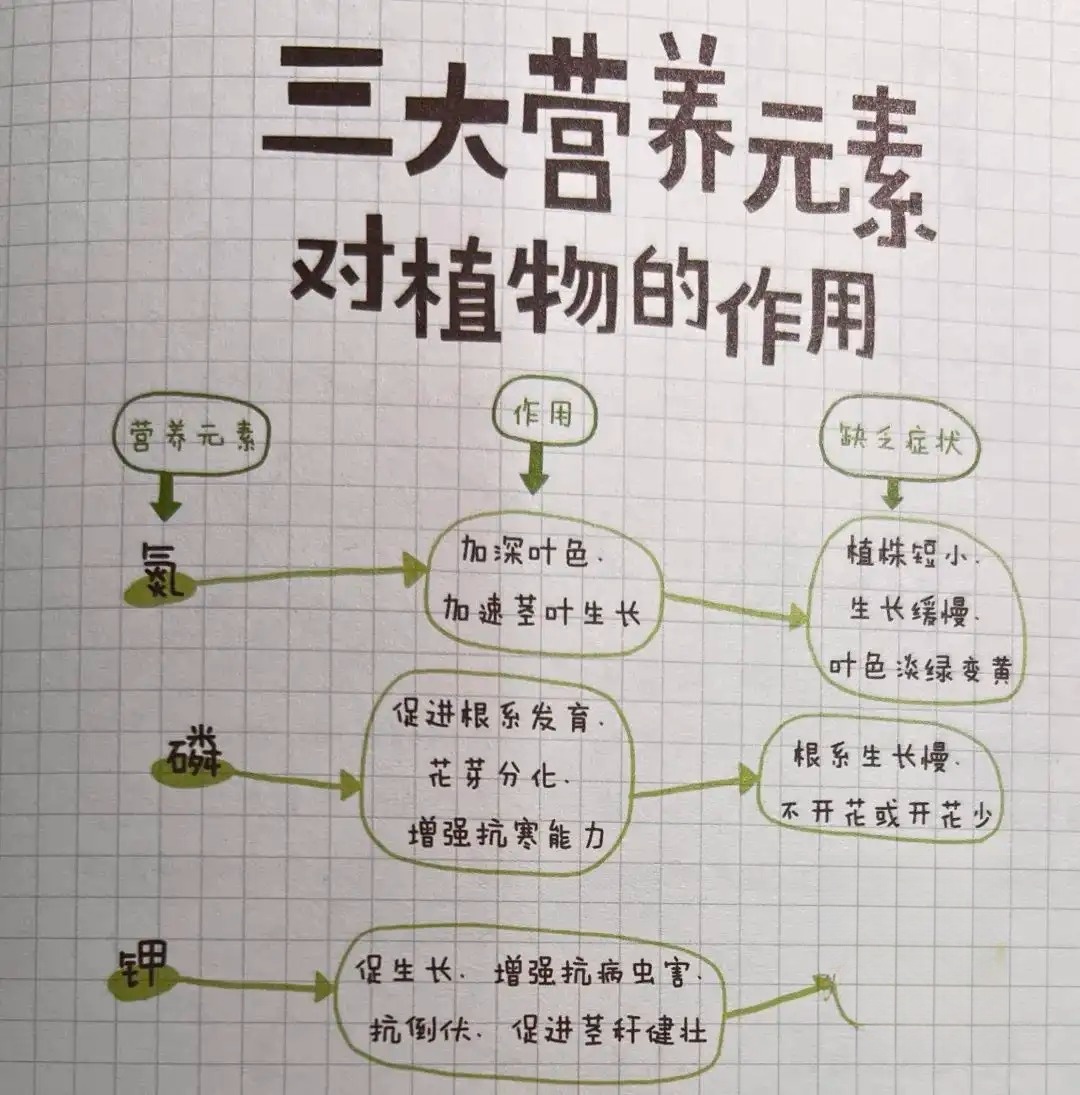
Carbon, hydrogen, and oxygen can be obtained from air and water, while the remaining elements must be obtained from the soil. However, soil nutrients are limited and cannot be continuously supplied, especially for potted plants. Therefore, we need to fertilize to support plant growth.
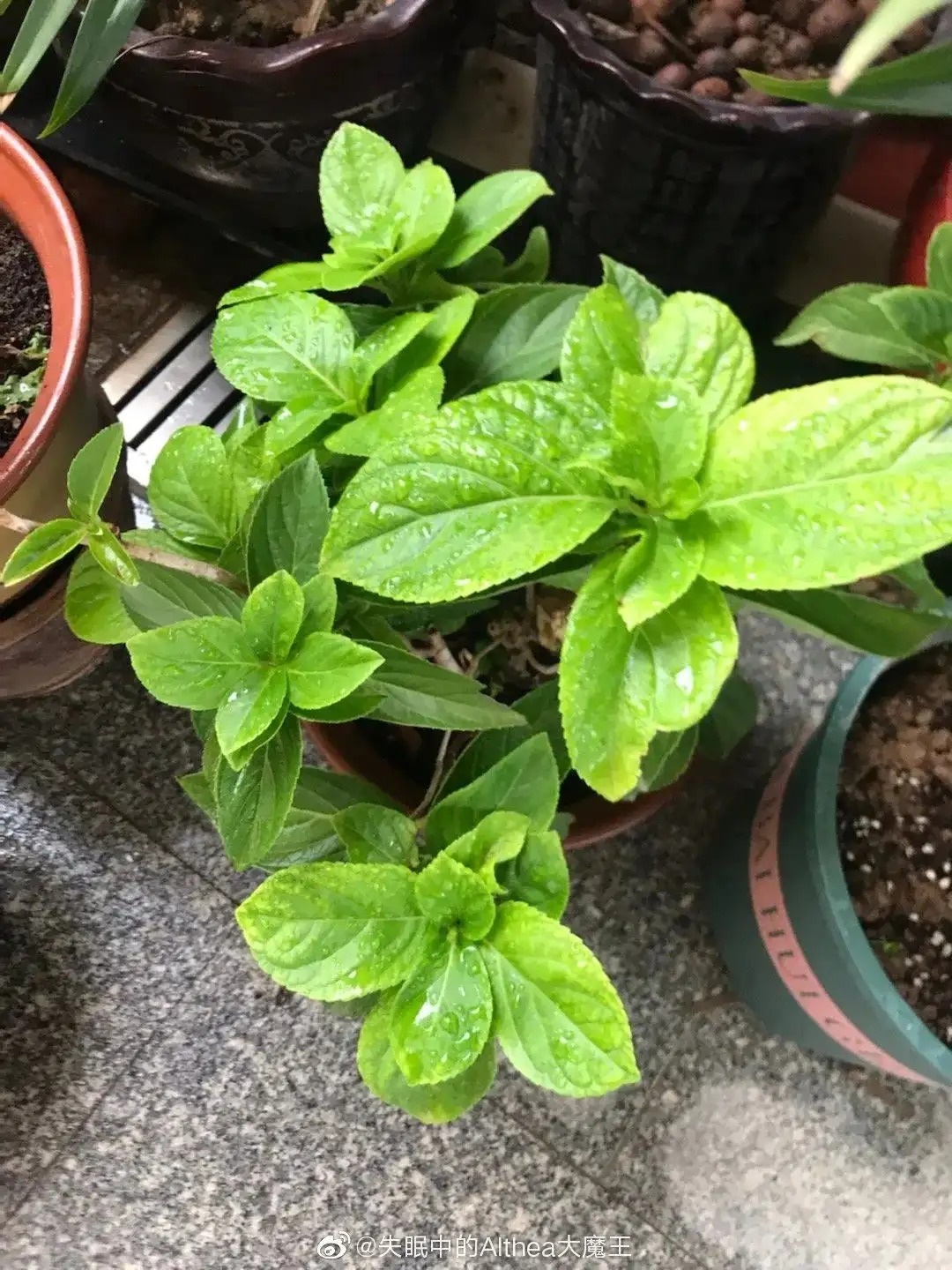
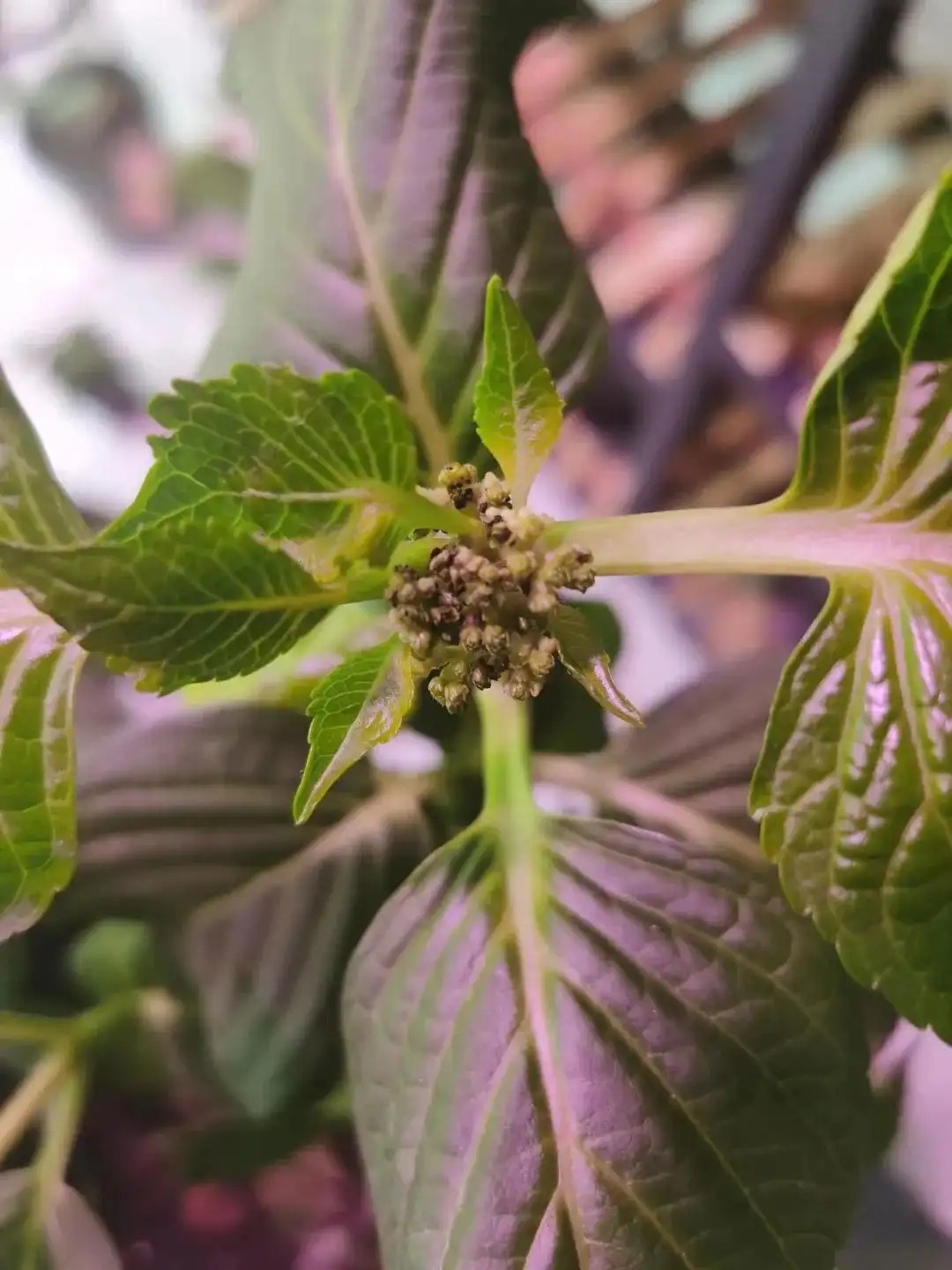
Hydrangea leaves turn yellow and flower buds wither due to lack of fertilizer.
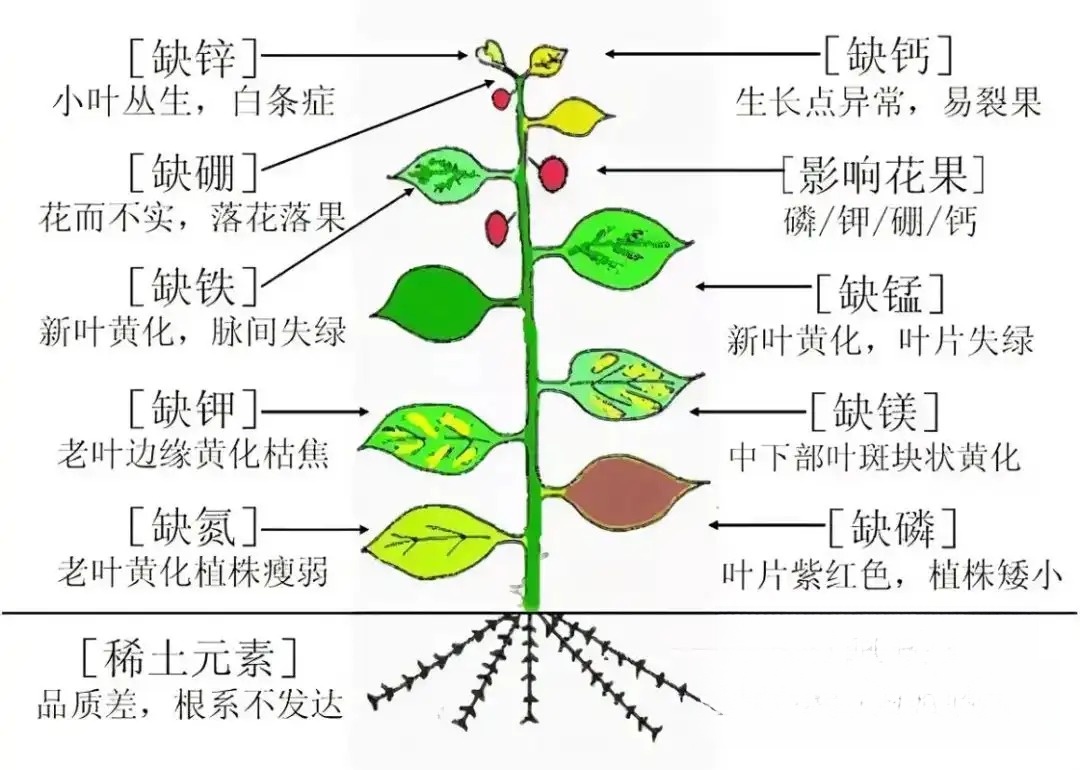
The role of trace elements (Image from the internet) ▲
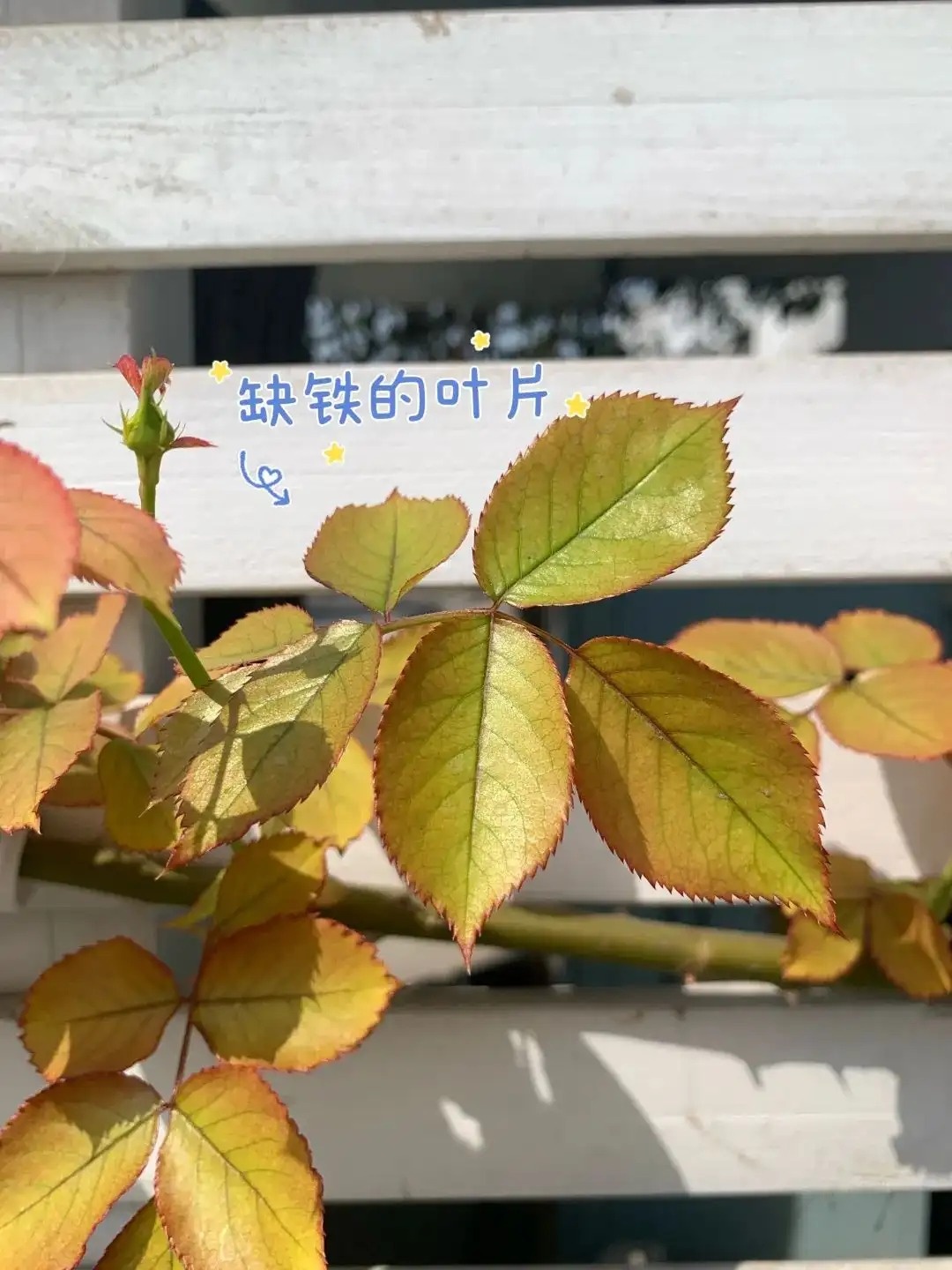
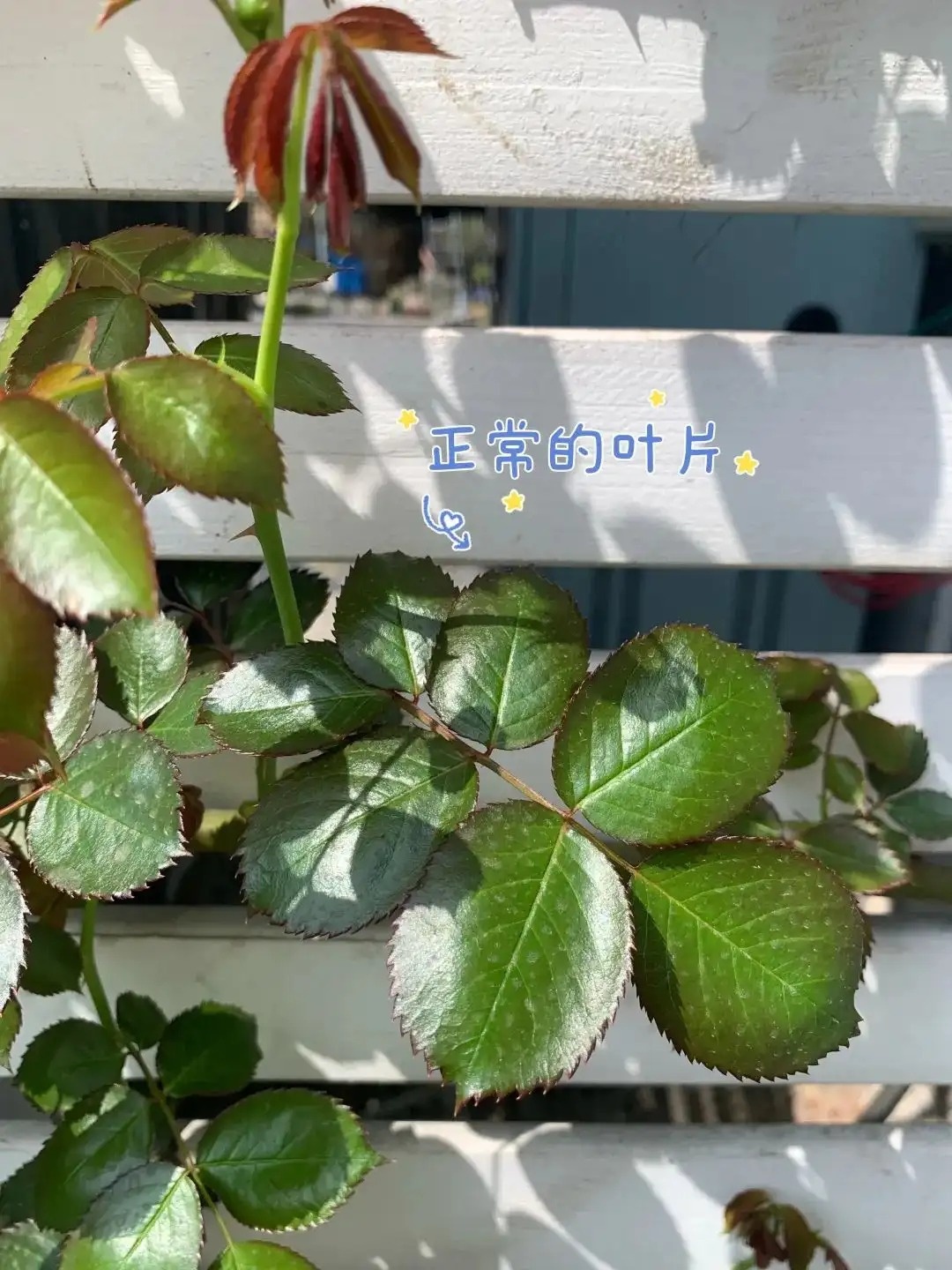
Rose leaves ▲
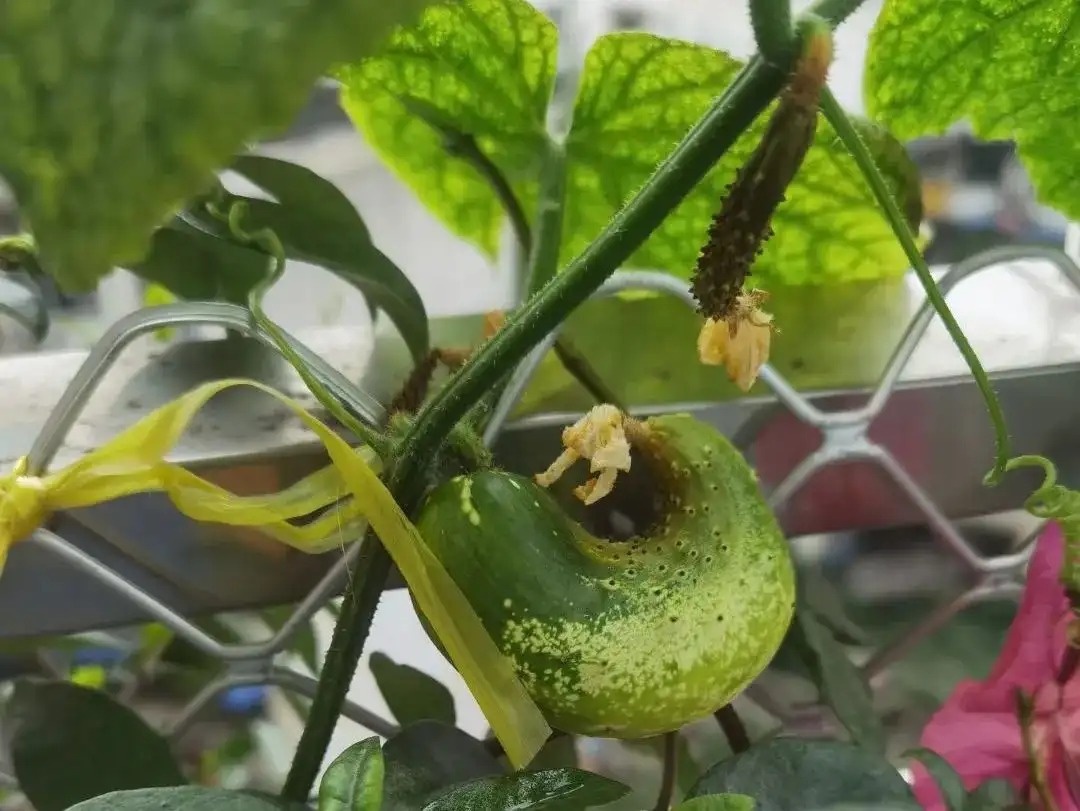
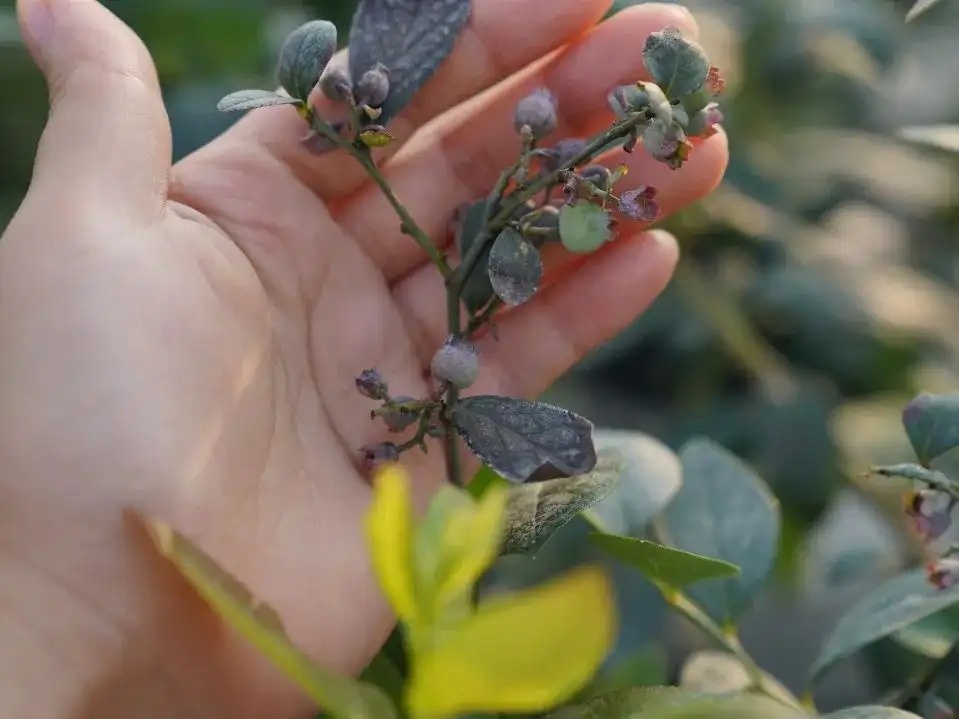
Cucumbers and blueberries lacking fertilizer ▲
II. What are some common types of flower fertilizers?
There are many types of fertilizers. To make it easier for everyone to understand, we will classify fertilizers from several perspectives. It is important to note that although there are many types of fertilizers, they all work by providing the essential elements for plants, such as nitrogen, phosphorus, potassium, calcium, iron, and zinc; the only difference is the proportions.
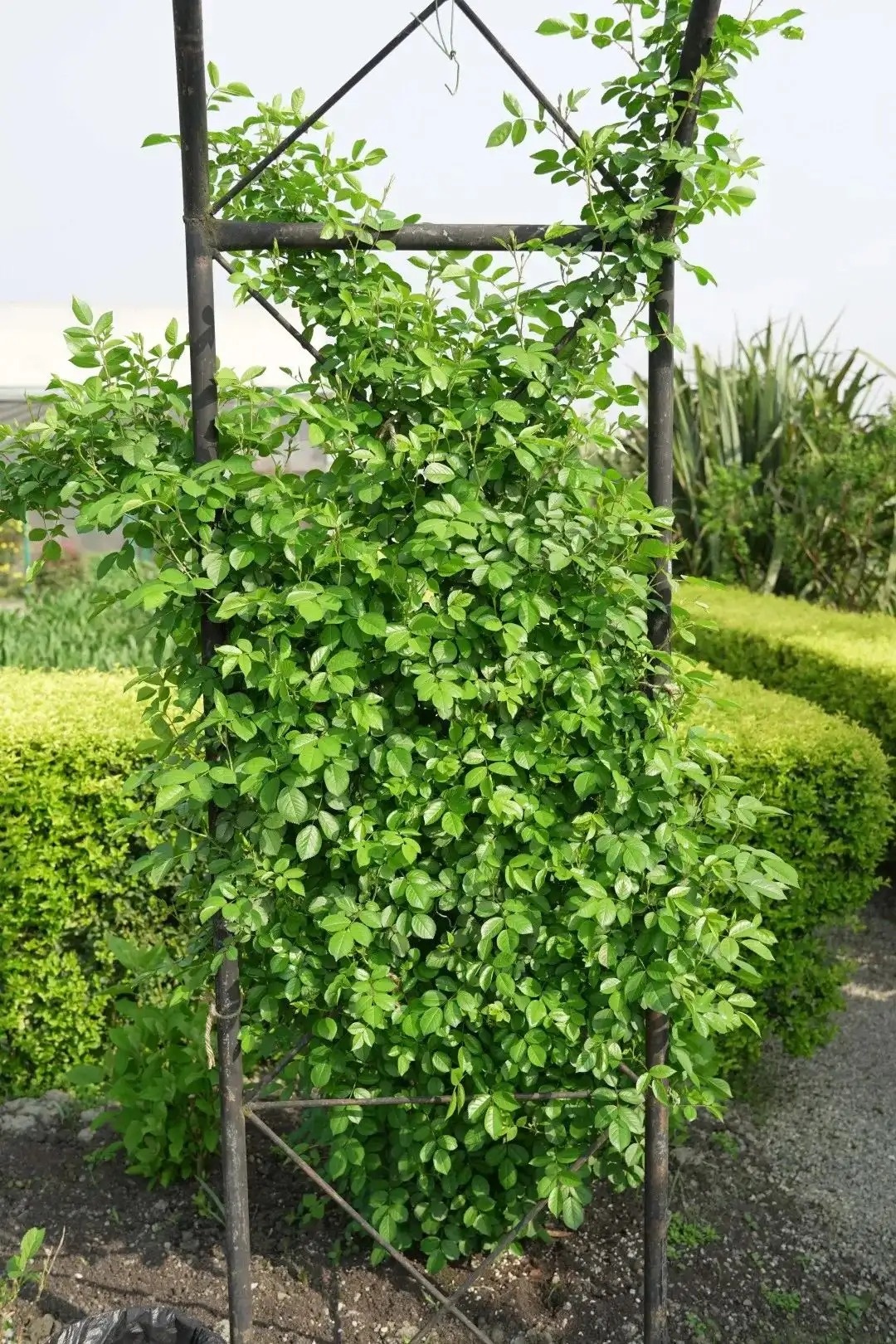
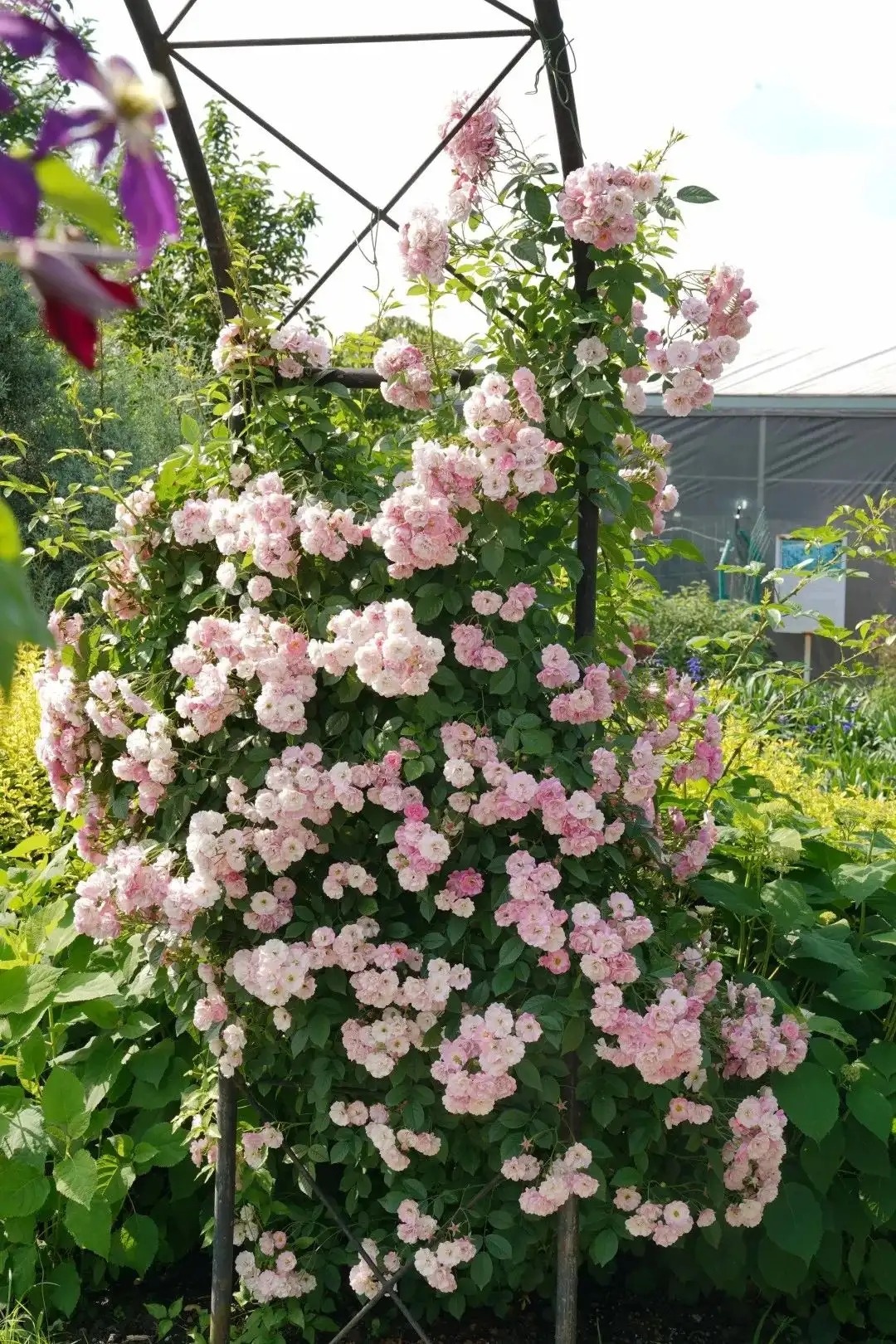
Healthy roses▲
1. Based on application time: base fertilizer and top dressing.
Base fertilizer: Also known as basal fertilizer, it is added to the soil before sowing or transplanting plants to ensure their basic growth. Base fertilizer generally has a slow but long-lasting effect.
Topdressing: To prevent burning the seedlings, the base fertilizer should not be added too much, so supplemental fertilization is needed during the plant's growing season. Topdressing can continue to add the base fertilizer mentioned above, or quick-acting fertilizer can be applied regularly.
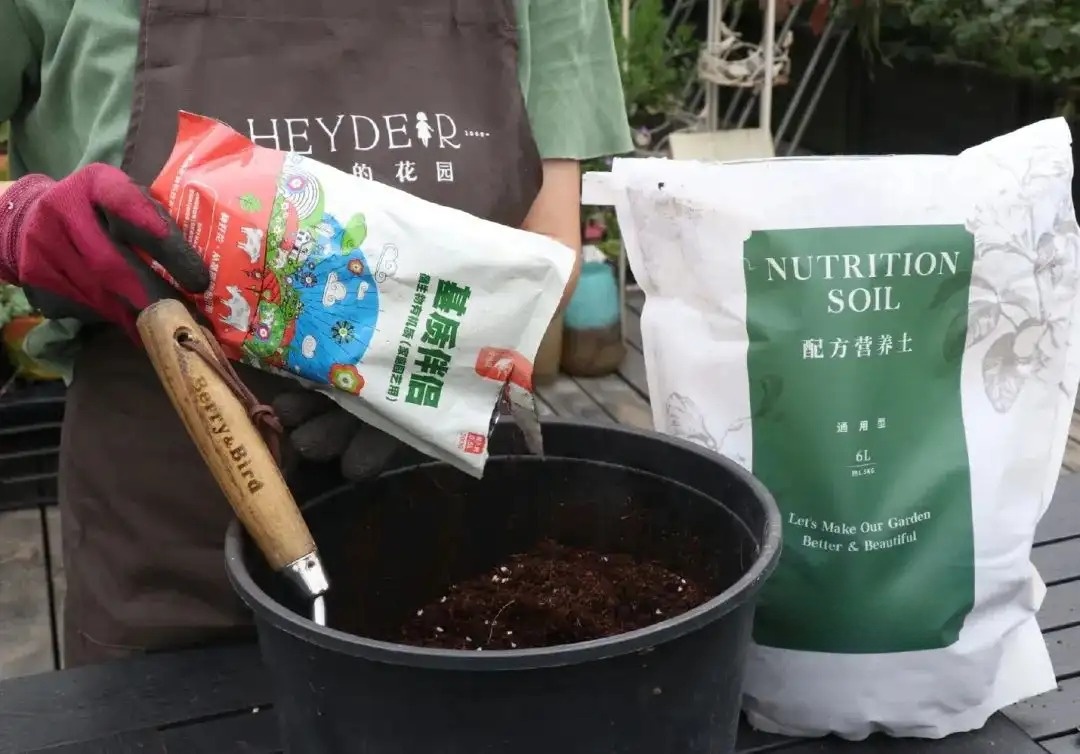
Add base fertilizer ▲
2. Based on the duration of fertilizer effect: slow-release fertilizer and fast-acting fertilizer.
Slow-release fertilizer: also called controlled-release fertilizer, can control the rate of nutrient release, so that it releases fertilizer effect slowly. For example, Osmocote slow-release fertilizer and Miracle-Gro granular slow-release fertilizer have a resin coating to encapsulate the fertilizer, so that it can maintain its fertilizer effect in the soil for 3-6 months.
Quick-acting fertilizers: Flower Power water-soluble fertilizer, Miracle-Gro liquid fertilizer, potassium dihydrogen phosphate, etc., dilute with water and spray the leaves and drench the roots regularly (usually once every 7-15 days) to fully supplement the nutrients needed by the plants.
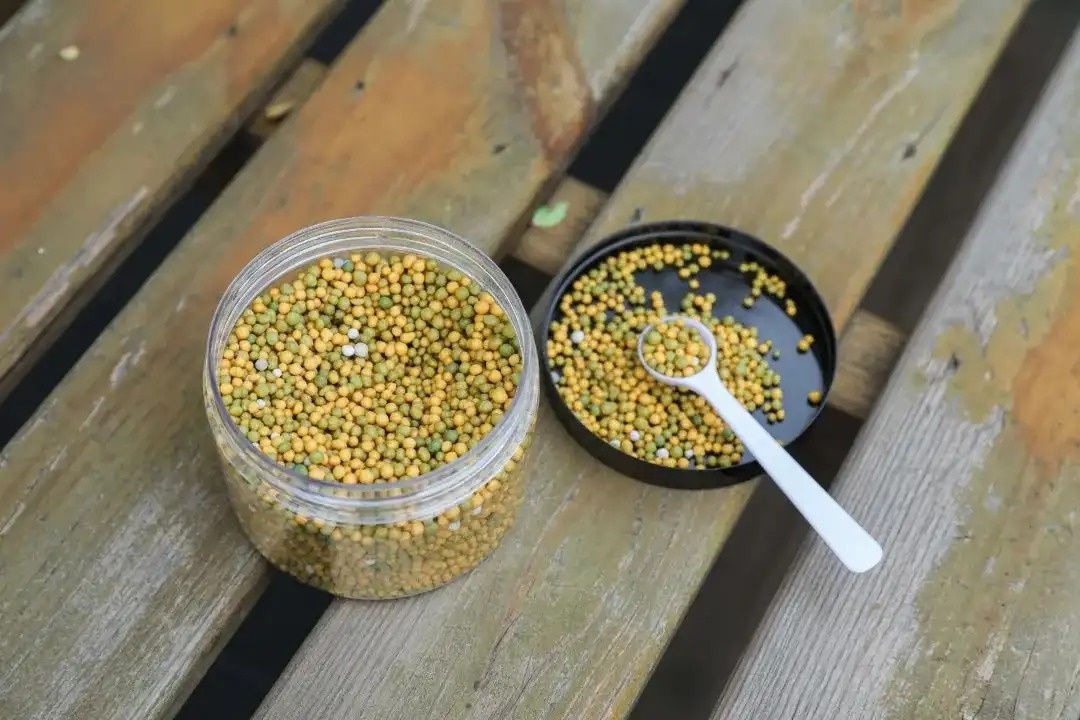
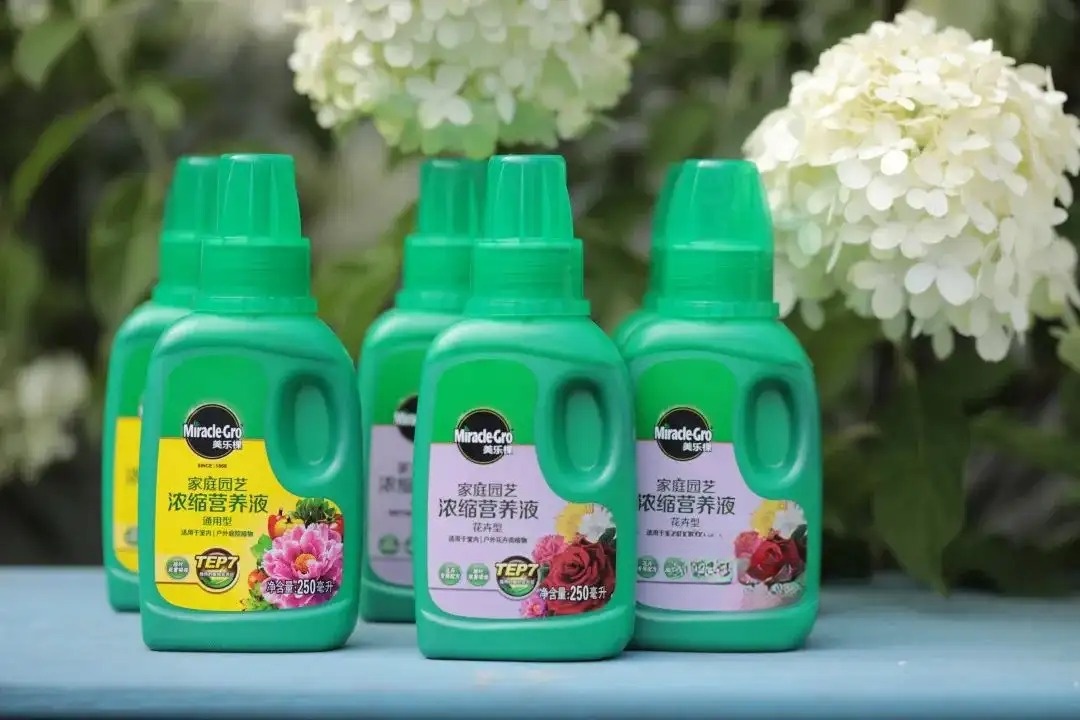
Osmocote slow-release fertilizer and Miracle-Gro liquid quick-acting fertilizer ▲
3. Based on composition: organic fertilizer and chemical fertilizer.
Organic fertilizer, also known as farmyard manure, includes green manure, human and animal excrement, compost, waste fertilizer, etc. It turns waste into treasure, is green and environmentally friendly, and can provide plants with the macro- and micro-elements they need, making plants grow vigorously and flowers bloom beautifully. All of them need to be fully fermented and decomposed before they can be used on plants, and the amount should not be too much, otherwise it will easily burn the seedlings and produce the opposite effect.
Chemical fertilizers, also known as inorganic fertilizers, are fertilizers manufactured using chemical methods or processed from mined ore. The slow-release and quick-acting fertilizers mentioned above belong to the category of chemical fertilizers.
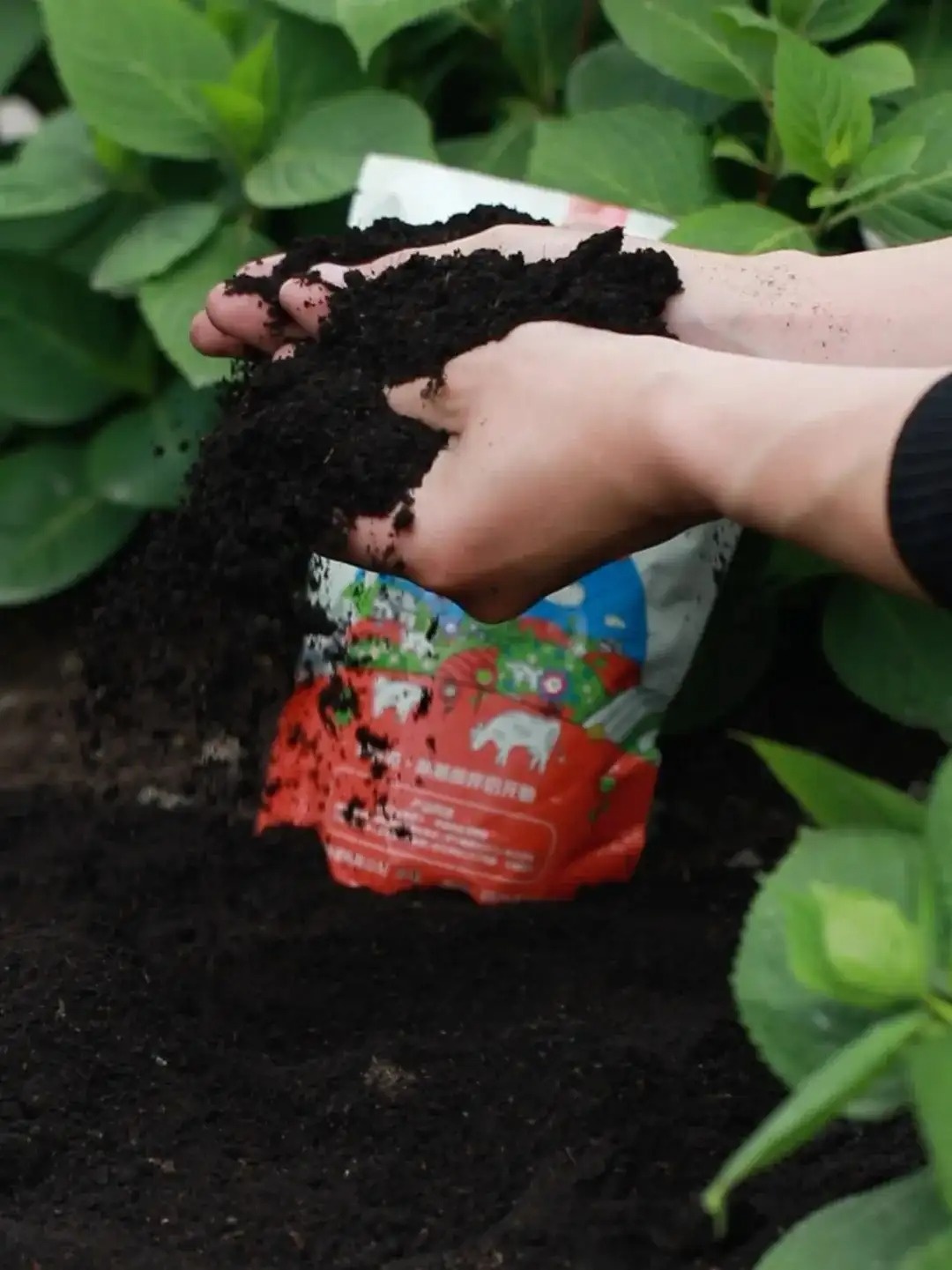
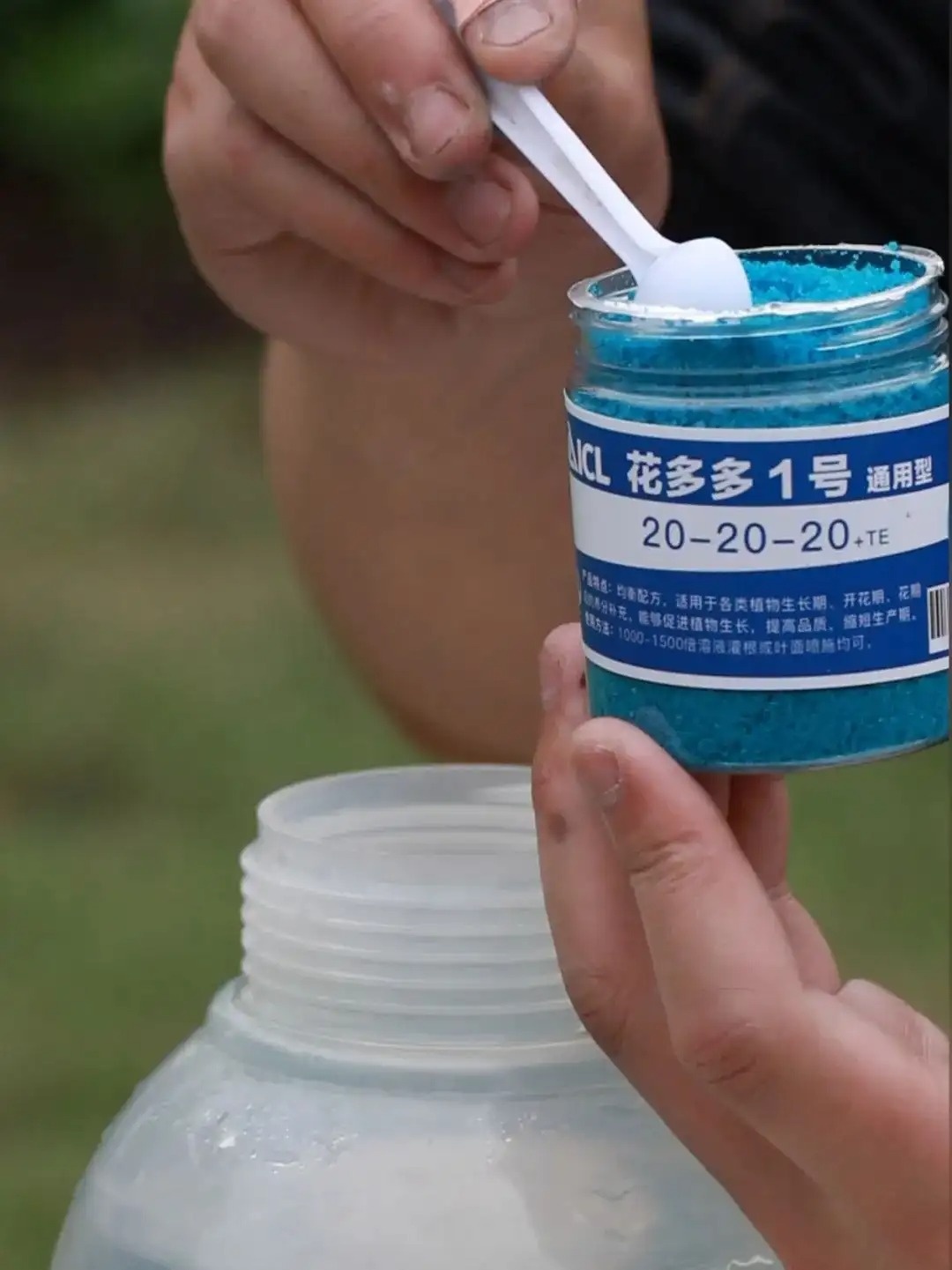
Organic fertilizer Huaxin substrate and chemical fertilizer Huaduoduo No. 1 ▲
4. Based on the elements they contain: single-element fertilizers and compound fertilizers.
Single-element fertilizers: These are fertilizers containing only one element, such as nitrogen fertilizer, phosphorus fertilizer, and potassium fertilizer. Although different elements play different roles, when fertilizing flowers and plants, try to minimize the use of single-element fertilizers, as plant growth requires the combined action of various elements.
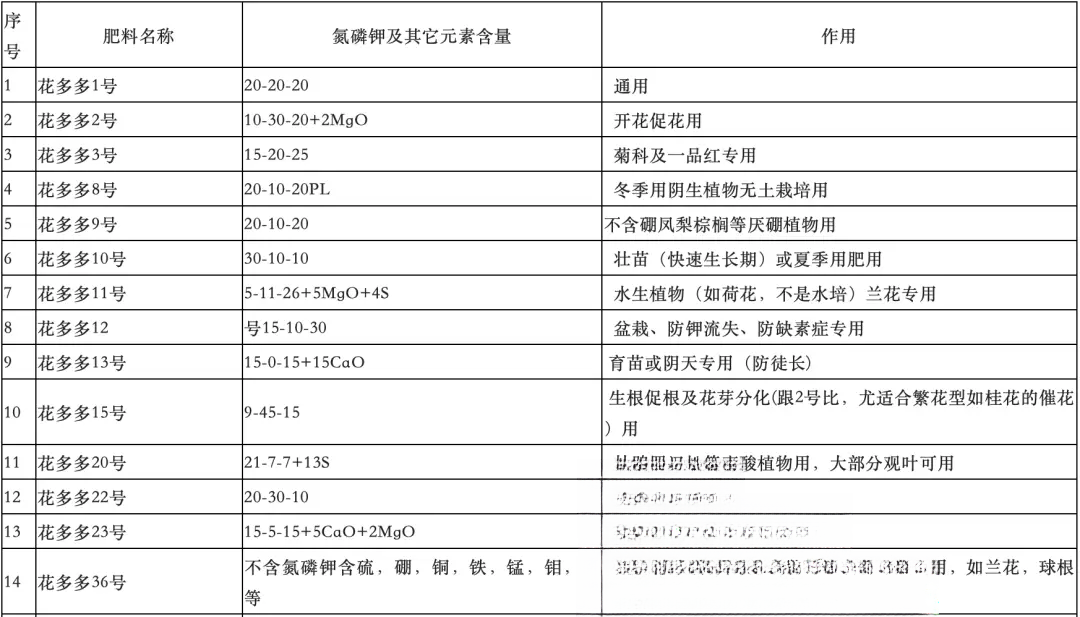
Compound fertilizer: A fertilizer containing multiple elements. For example, Flower Power No. 2 is known as a high-phosphorus and high-potassium fertilizer, with a nitrogen-phosphorus-potassium ratio of 10:30:20. Miracle-Gro general-purpose fertilizer is a high-nitrogen fertilizer, with a nitrogen-phosphorus-potassium ratio of 30:14:16. Different growth stages require compound fertilizers with different ratios of elements.
III. How exactly should fertilizer be applied?
1. Foliar fertilizer
Dilute quick-acting fertilizer with water according to the specified ratio, and spray the leaves with water using a spray bottle or a hose-connected nozzle. Generally, apply fertilizer during the plant's growing season, in spring, summer, and autumn. Do not fertilize during the winter dormancy period when leaves have fallen.
The timing of fertilization is also important. Try to do it before 10 a.m. or after 5 p.m. to avoid high daytime temperatures and rapid water evaporation, which can cause the fertilizer concentration on the leaves to rise rapidly and burn the leaves.
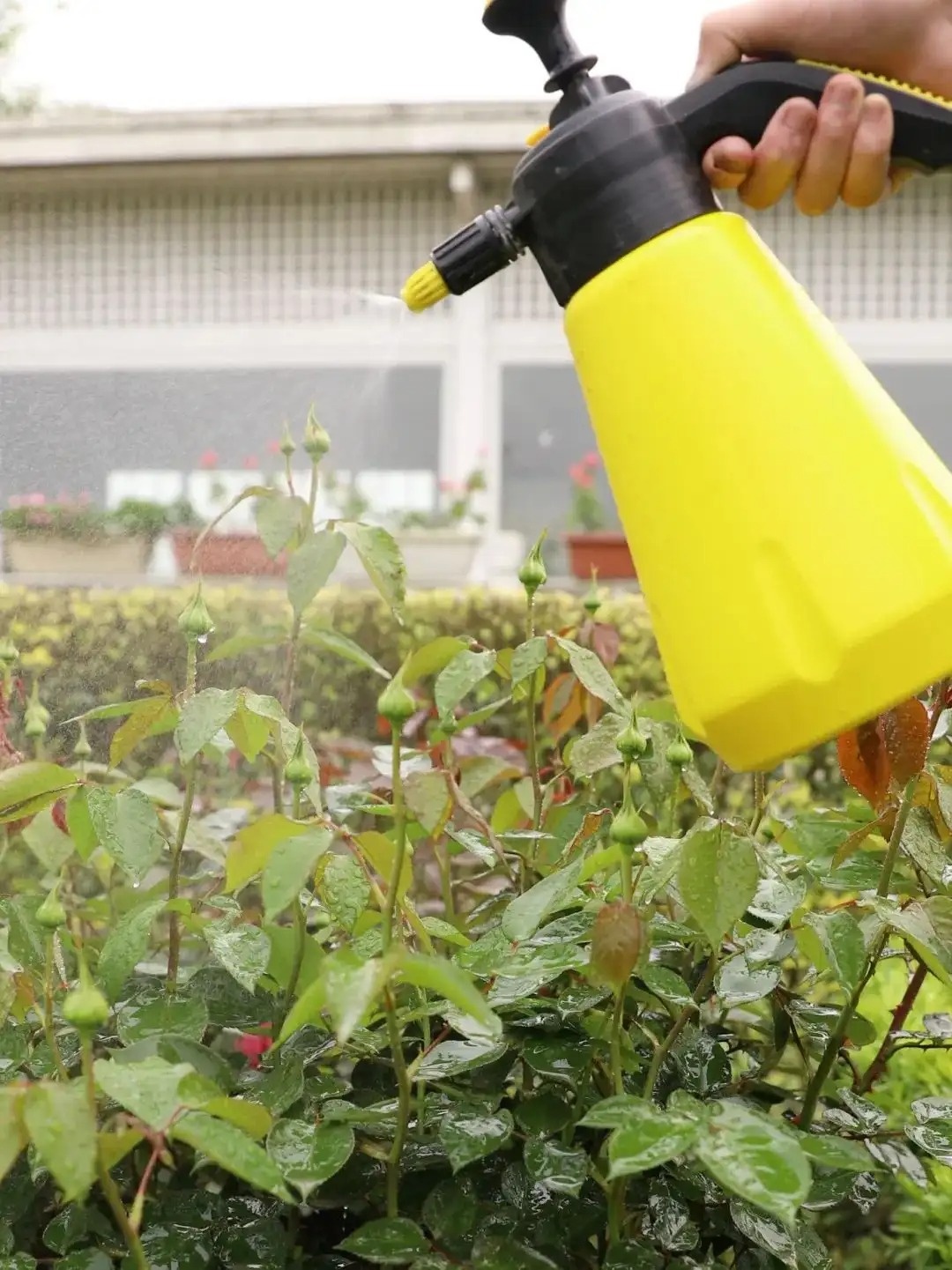
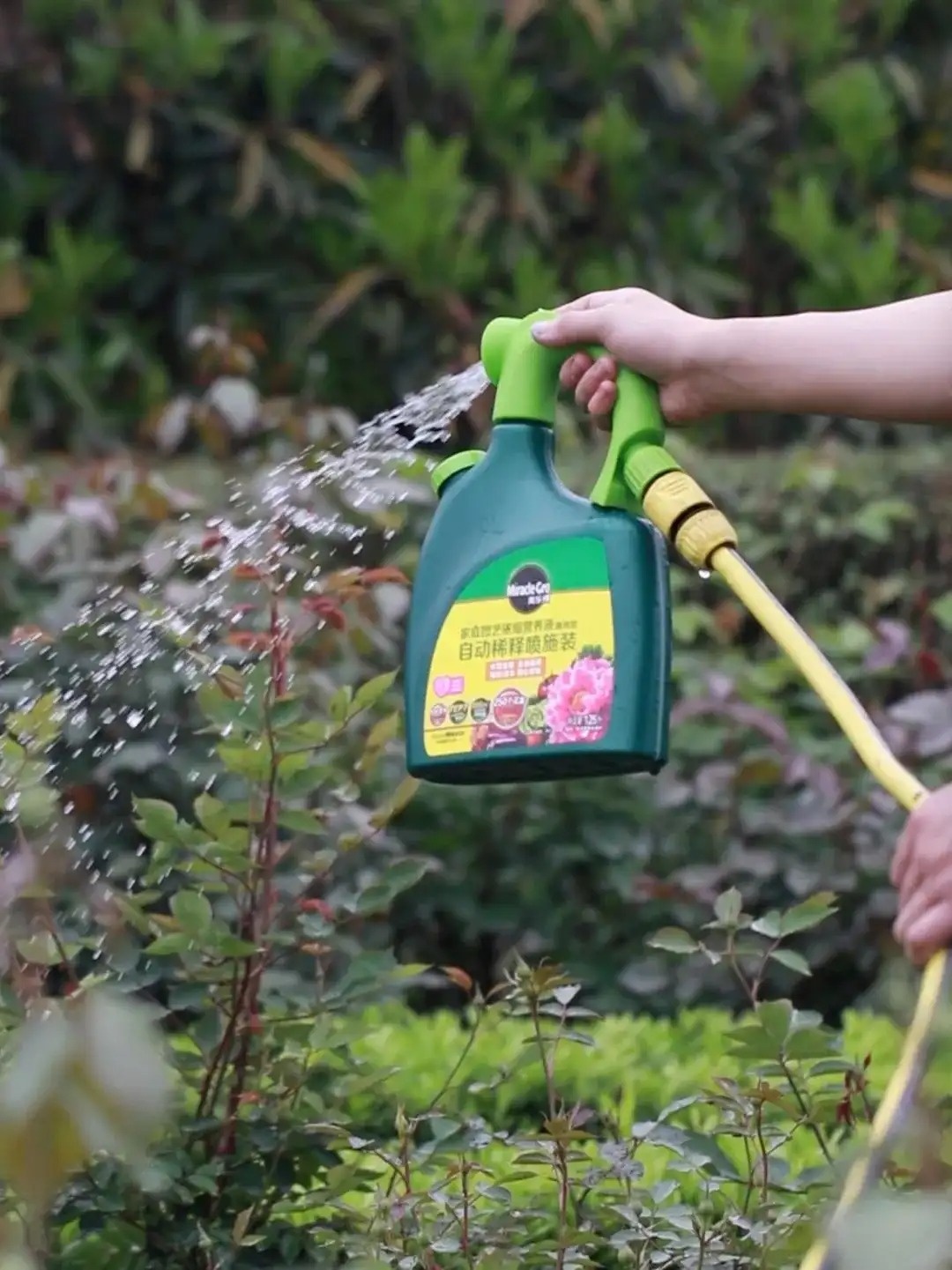
Apply foliar fertilizer ▲
2. Root irrigation
The remaining solution after applying foliar fertilizer can be used for root irrigation. Pour it into the soil, just like watering, and thoroughly saturate the soil. Plants mainly absorb nutrients through their root system, so throughout the growing season, it's necessary to regularly apply quick-acting fertilizer diluted with water to the roots.
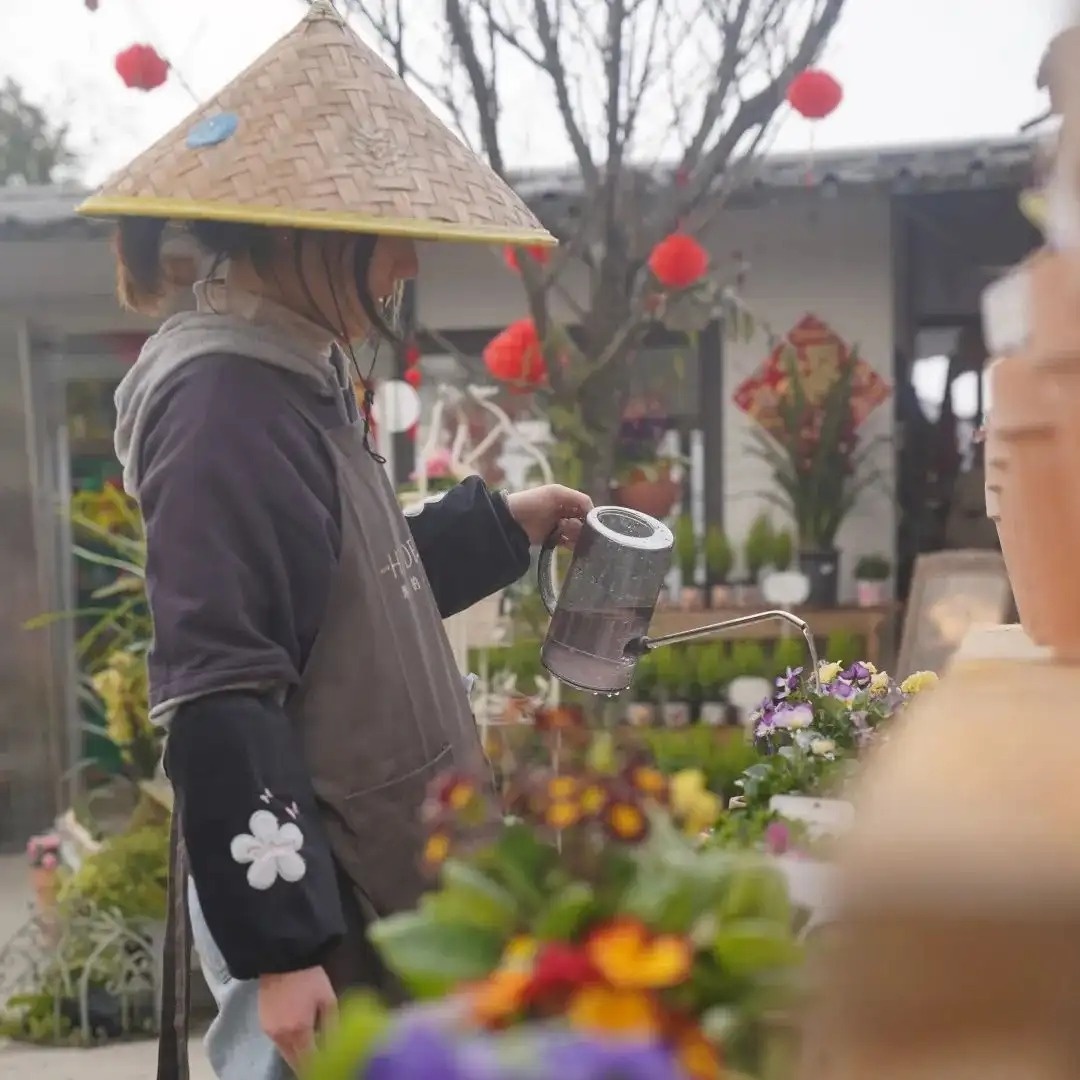
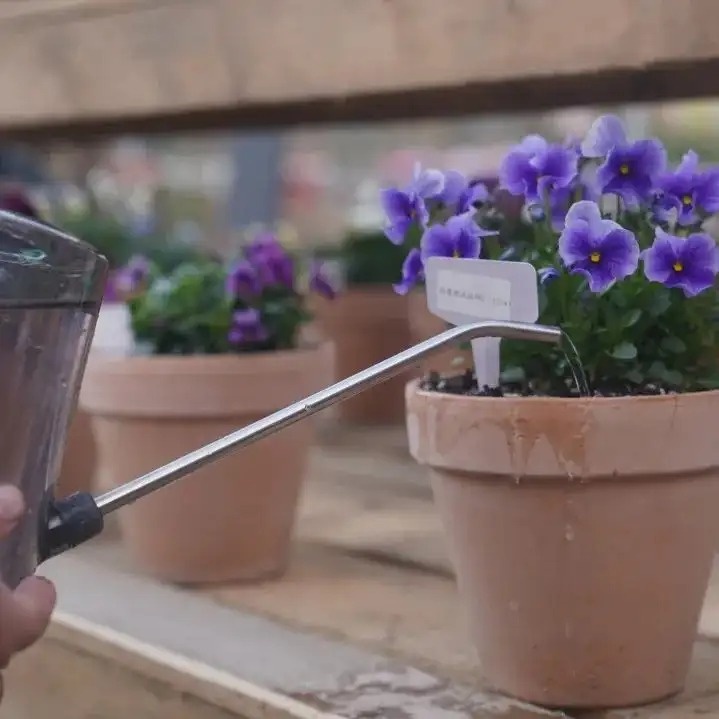
Add fertilizer to water for root irrigation ▲
3. Slow down fertilizer release
For newly potted plants, the slow-release fertilizer can be mixed evenly with the soil, or it can be applied as a top dressing by shallowly burying it on the soil surface (i.e., placing the slow-release fertilizer on the soil surface and then sprinkling a thin layer of soil). If the slow-release fertilizer is directly exposed on the soil surface, it will affect the effectiveness of the fertilizer release.
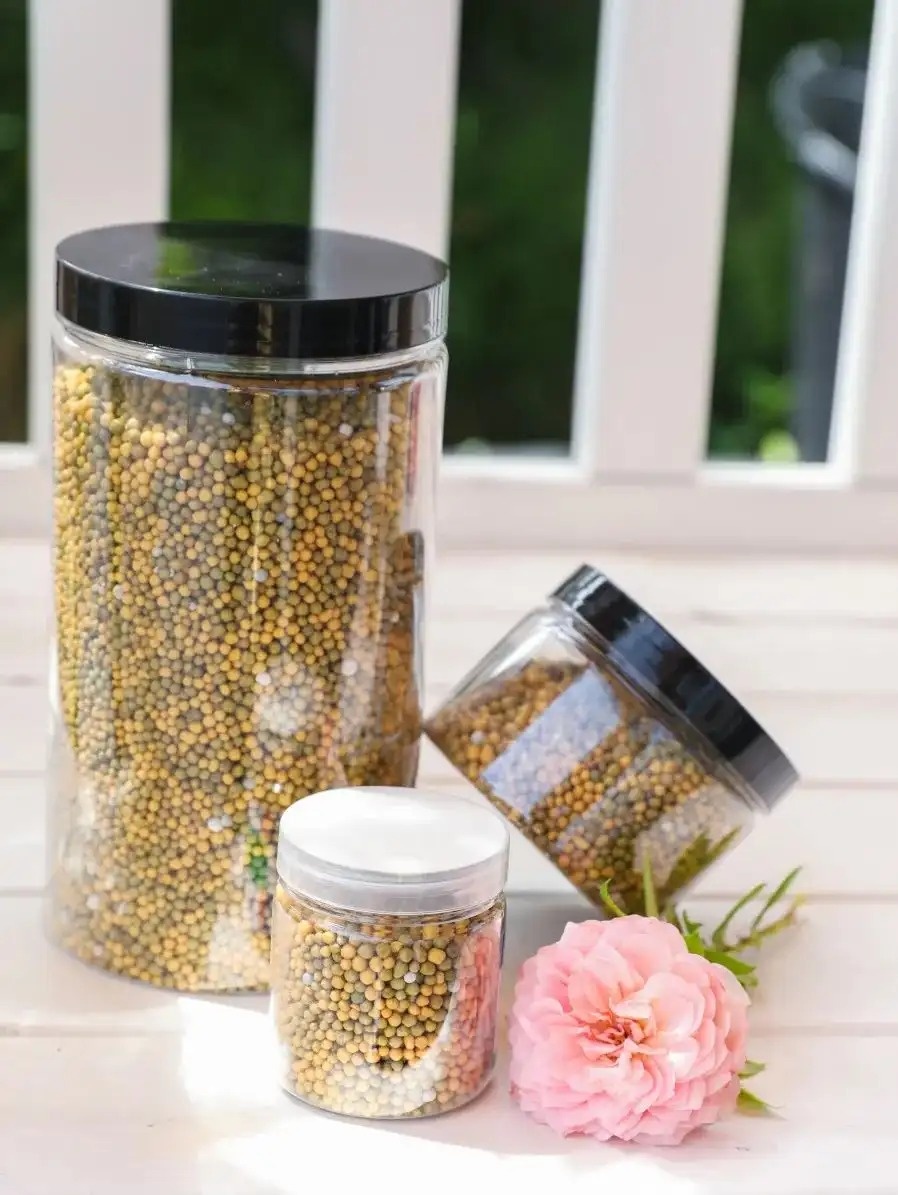
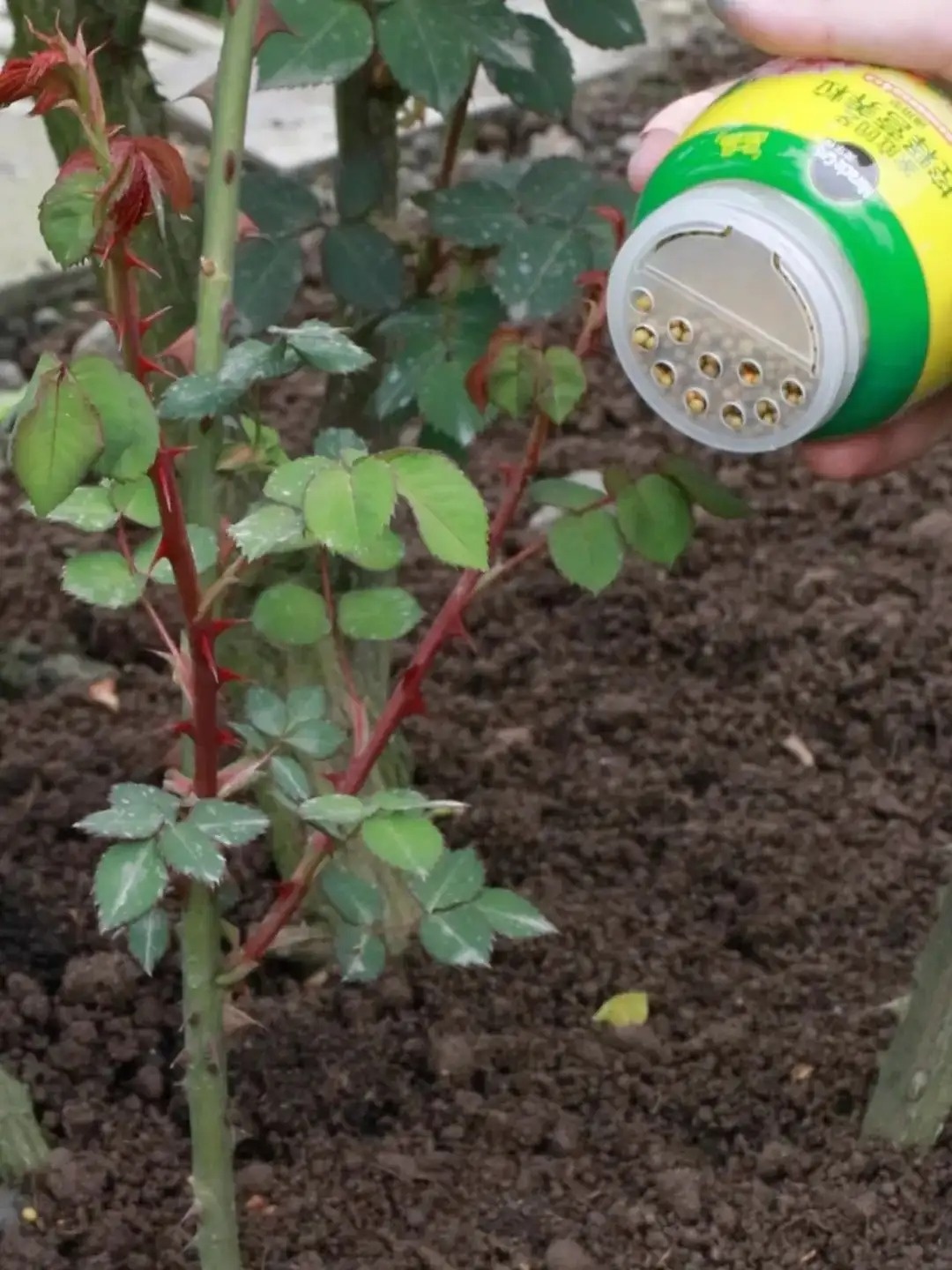
Add slow-release fertilizer ▲
4. Cover with soil and add fertilizer in winter.
For plants planted in the ground or in pots where repotting is inconvenient, after cleaning the garden during the winter dormancy period, remove a layer of topsoil, cover with some compost or well-rotted organic fertilizer or slow-release fertilizer, and then cover with a layer of loose and breathable soil. This will encourage the plants to grow rapidly and vigorously after they emerge from dormancy.
Well-rotted organic fertilizer can be used safely in winter (but not in excess). It is recommended that beginners reduce the amount or not use it at all when the temperature is high, especially in summer.
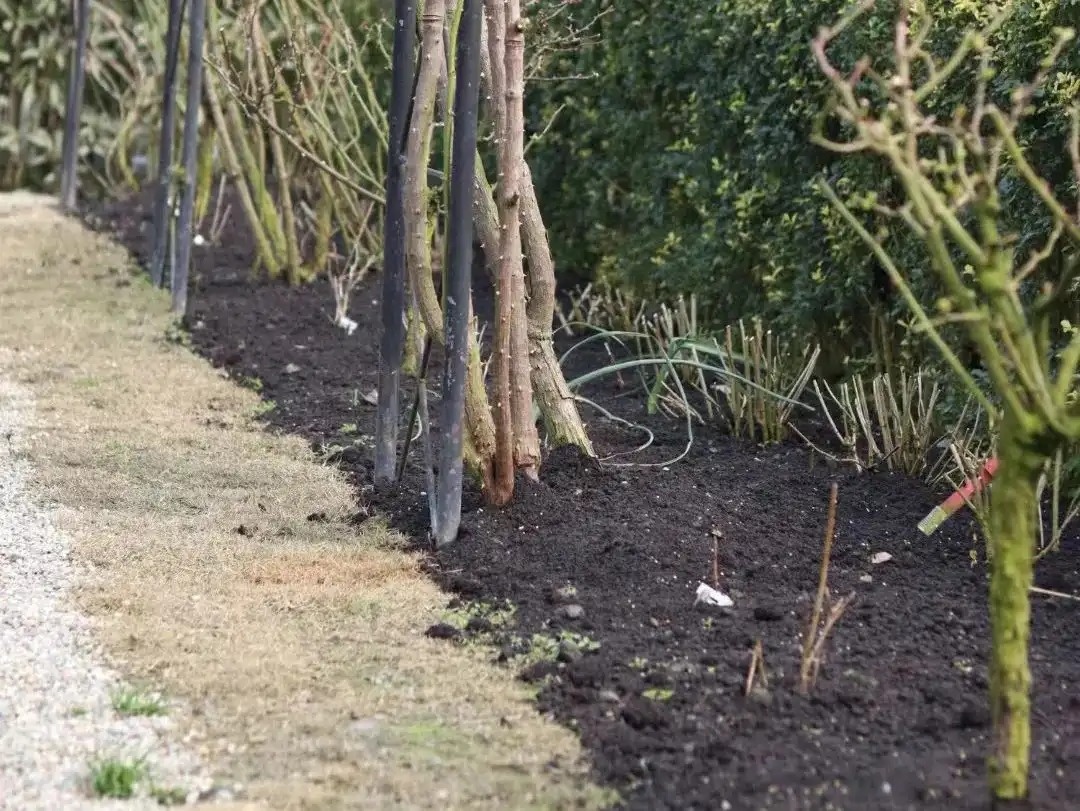
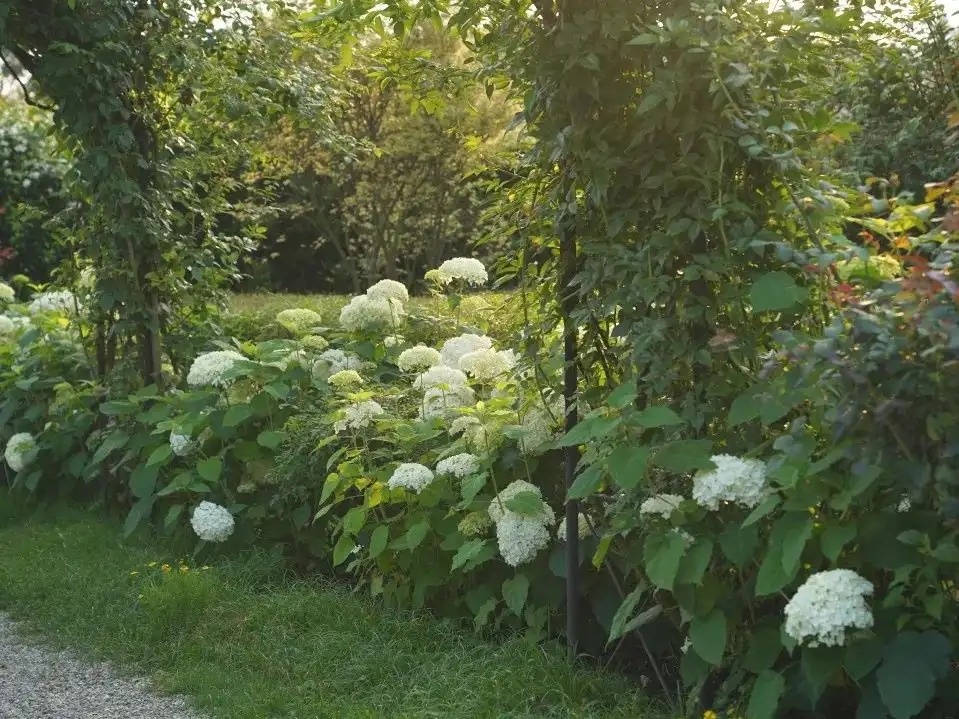
Winter soil covering and fertilization, and vigorous growth in summer ▲
5. Fertilizing hydroponic plants
Foliar fertilizer can be applied, or a hydroponic nutrient solution can be added to the water according to the dosage instructions. Since the roots of hydroponic plants are constantly submerged in water, the concentration should not be too high. For plants like water lilies, a few slow-release fertilizer pellets can be wrapped in gauze and placed in the submerged soil.
IV. How to choose the right fat for yourself?
Some flower enthusiasts believe that fertilizing flowers increases costs, assuming that since all flowers are fertilized, they need to use nitrogen, phosphorus, and potassium fertilizers, and there is no need to spend a lot of money to buy special flower fertilizers.
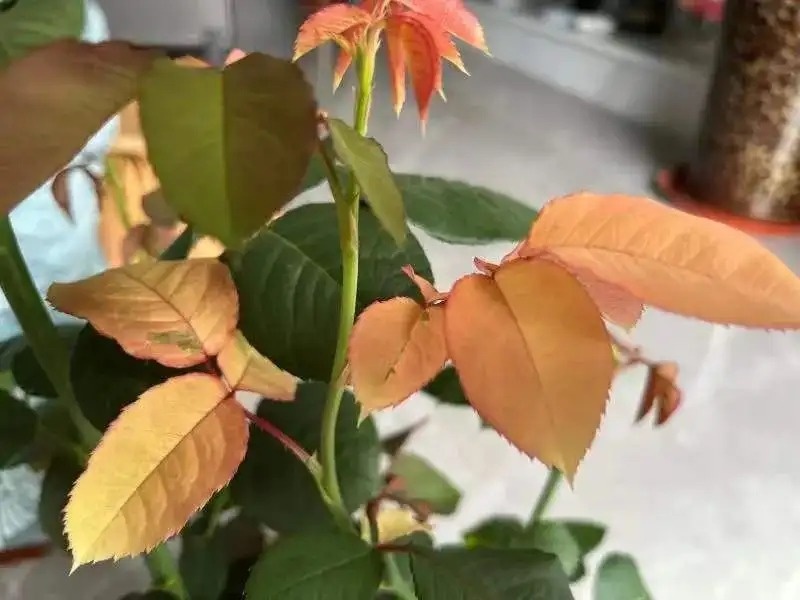
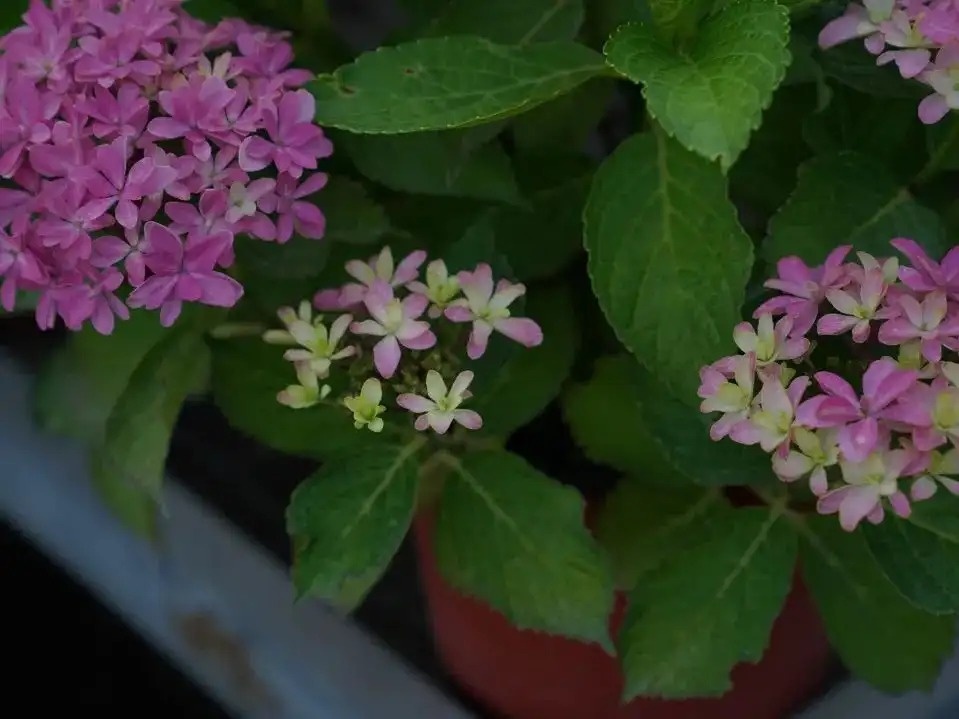
Rose leaves turn yellow due to lack of fertilizer; hydrangea flowers are small due to lack of fertilizer.
Agricultural fertilizers from agricultural supply stores, bulk compound fertilizers sold online for just a few dollars a large bag, and manure from one's own chicken or sheep pens are all low-cost and can be used directly to fertilize plants. However, this often causes fertilizer burn. Mild cases can be saved by flushing with plenty of water or changing the soil, but severe cases can lead to the plants withering and dying, resulting in more harm than good.
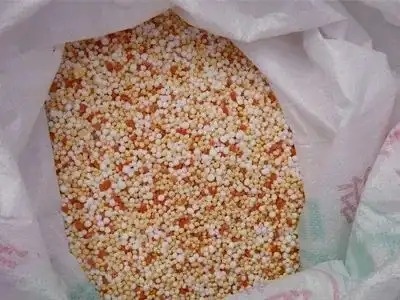
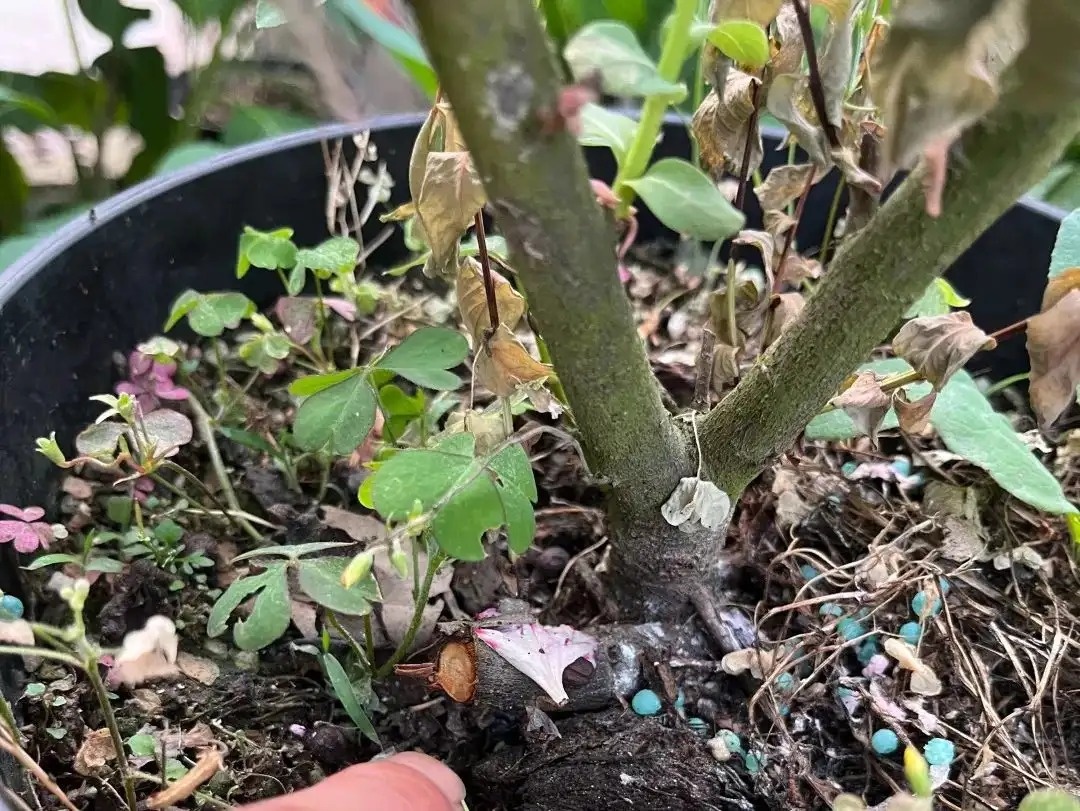
Low-priced compound fertilizer, fertilizer burn on seedlings ▲
One flower enthusiast did a simple calculation: he grows 10 potted plants and uses the relatively expensive Miracle-Gro liquid fertilizer, fertilizing it on average once every 10 days. In addition to slow-release fertilizer and organic fertilizer, he spends less than 500 yuan on fertilizer every year. If he were to switch to the cheaper Flower More, the annual cost would be around 200 yuan.
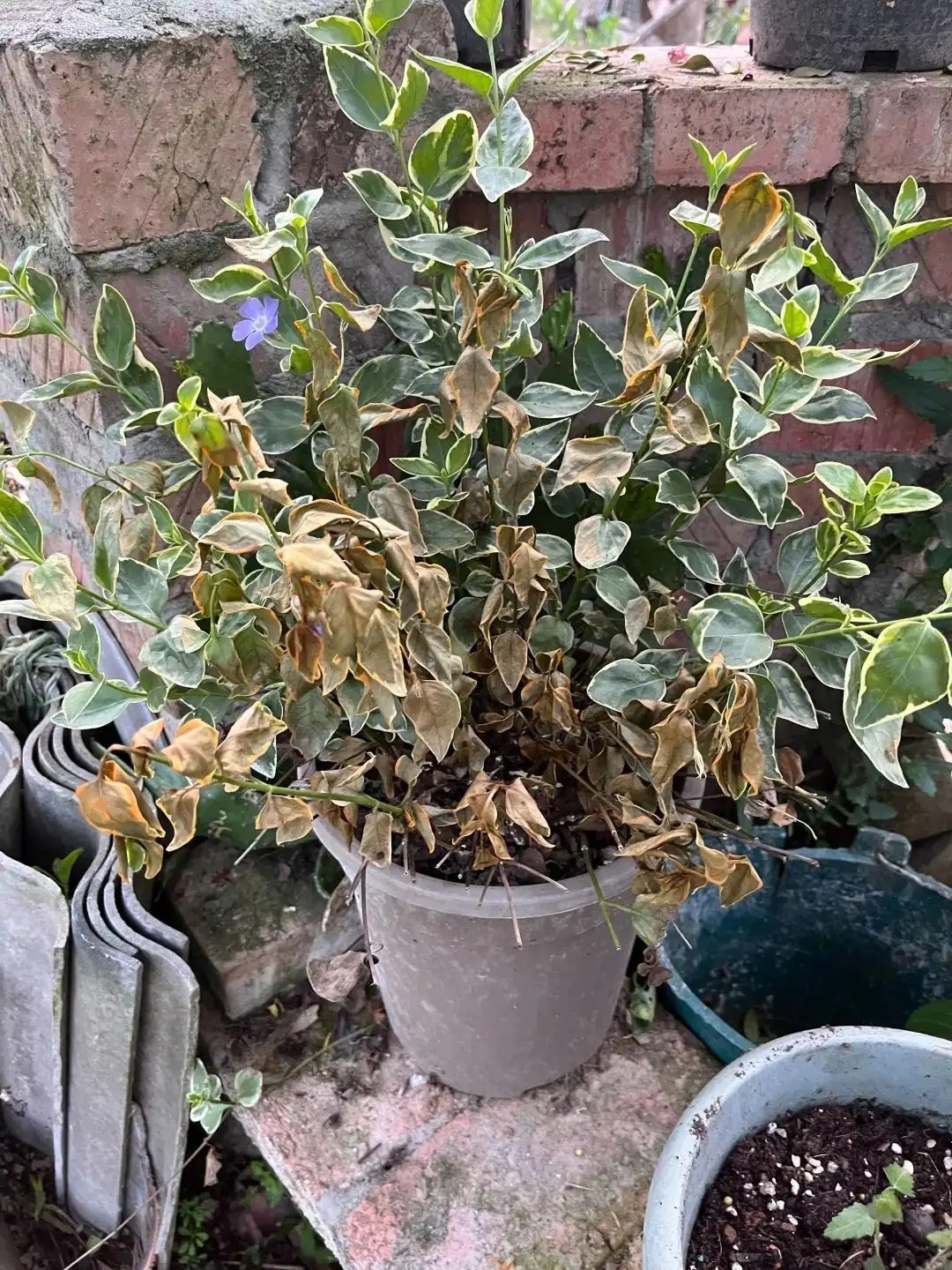
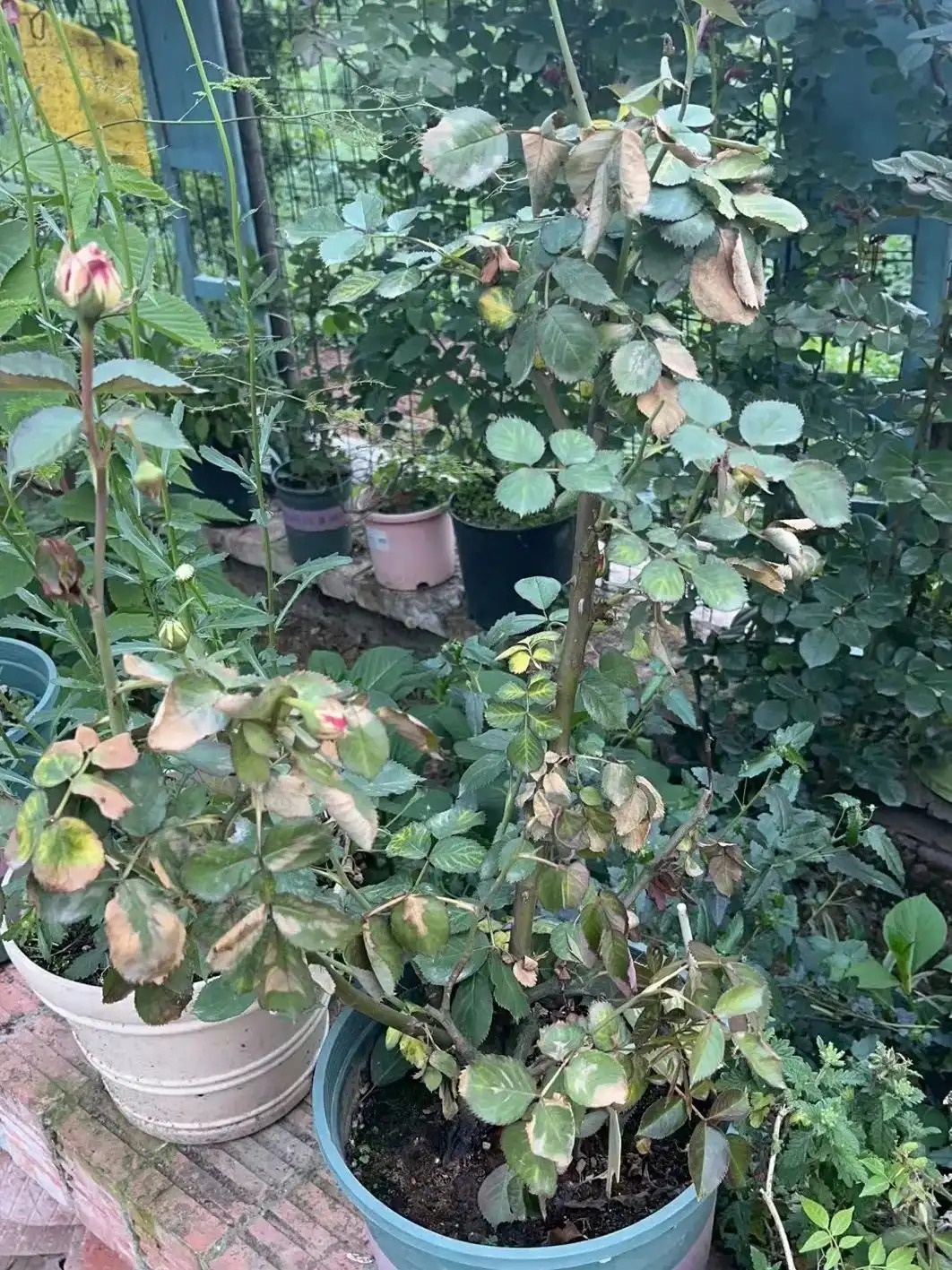
Seedling burn caused by a gardener using inferior fertilizer ▲
However, in reality, you won't need that much money: the proportion used is lower when the temperature is high, it's cheaper when fertilizers are on sale, and the actual number of fertilizations may be less than calculated. And there's little difference in effectiveness between Flower Power and Miracle-Gro. Note: If you're switching to a new fertilizer due to price, test a small amount on one or two pots first to ensure it's safe and won't burn the seedlings before applying it more widely.
We use Flower More fertilizer for the plants in our nursery. Therefore, everyone should choose different fertilizers based on their needs, the number of plants they grow, and their budget.
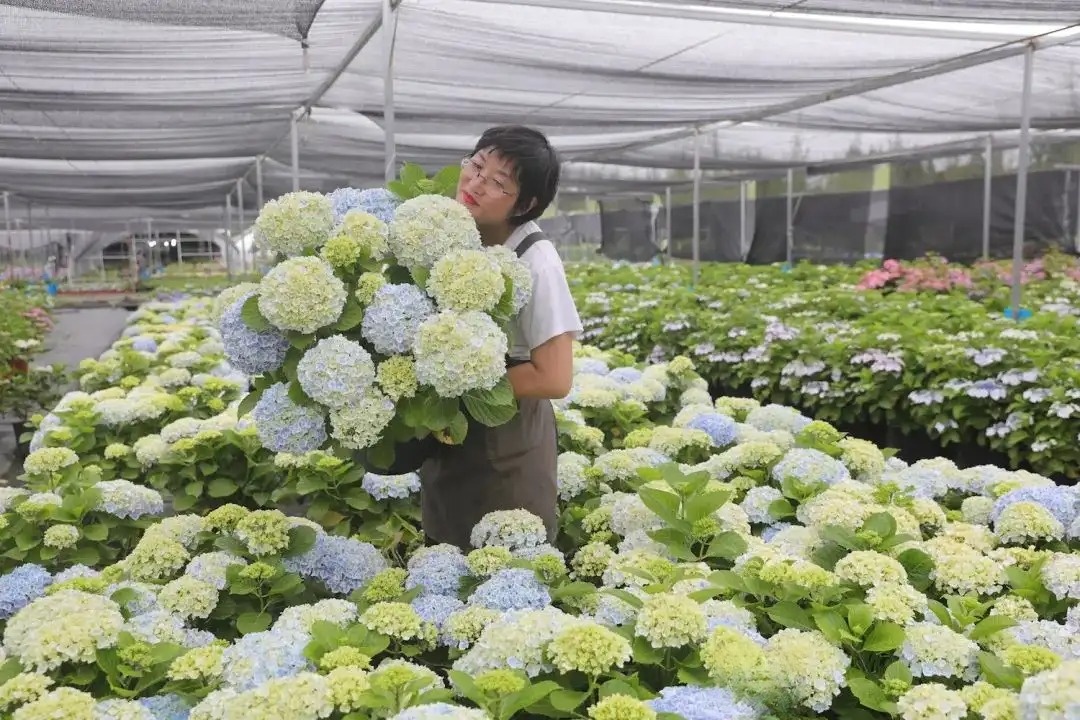
Hydrangea and Mint from Hai Ma's Nursery (Thumb Size) ▲
Taking Hai Ma's example of year-round fertilization and care for hydrangeas, what fertilizers are needed?
1. Winter (January): Mix Osmocote or Flower Seed Cow Manure substrate with a new formula medium or compost, and then cover with soil.
2. Early spring (March): Use Miracle-Gro general-purpose fertilizer or Flower More No. 1 when plants start to sprout.
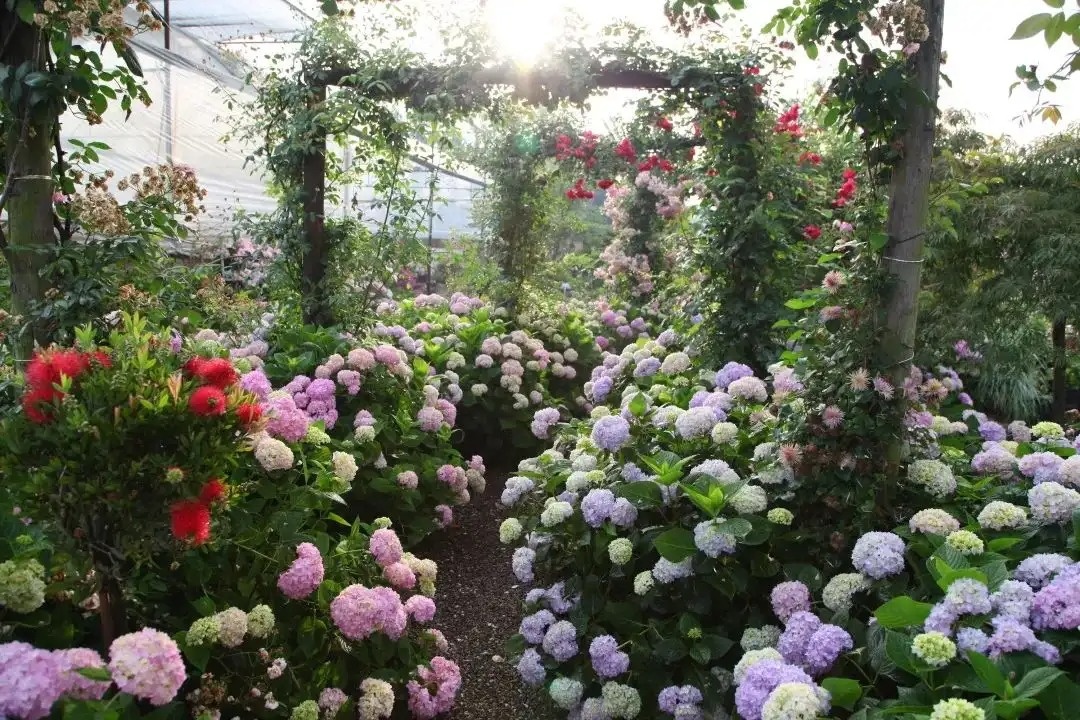
Endless Summer▲
3. Spring: When the first flower bud appears, start using Miracle-Gro flower-specific fertilizer or Flower Power No. 2, fertilizing once a week; once the flowers show color, stop fertilizing for one or two weeks. After the first wave of flowering, prune and then switch back to Miracle-Gro general-purpose fertilizer or Flower Power No. 1; after two weeks, switch back to flower-specific fertilizer and continue until June.
4. With the arrival of hot summer: Without fertilizer, plants will not only be unable to absorb nutrients, but it will also easily burden the plants and cause fertilizer damage.
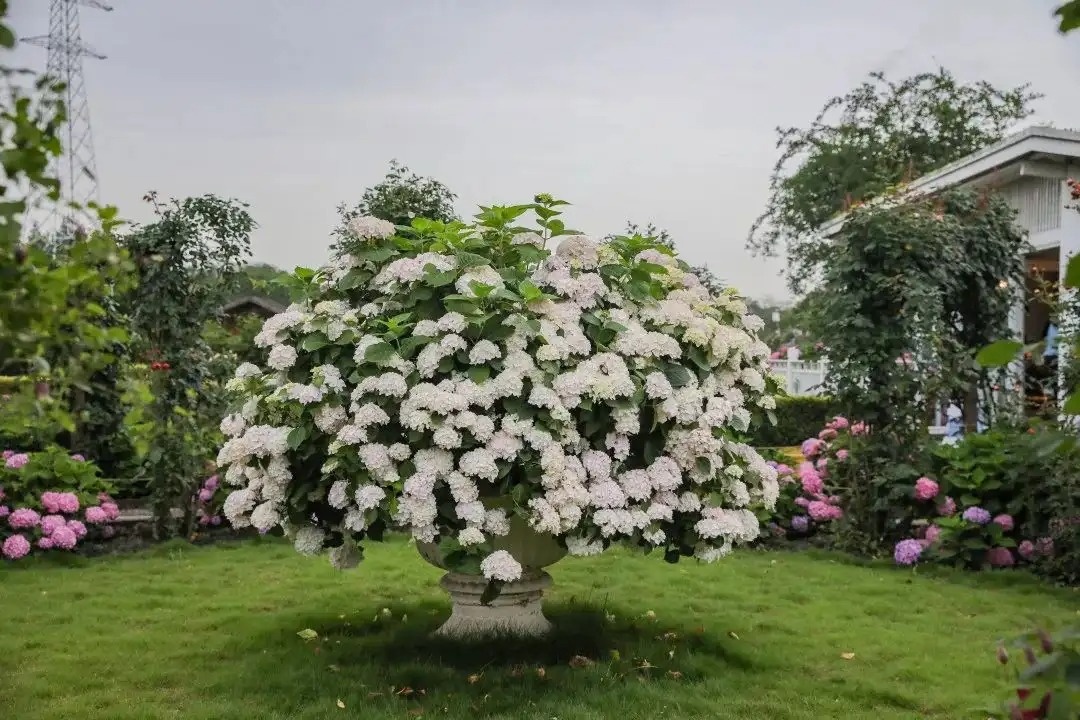
Endless Summer Bride▲
5. September: When the daytime temperature drops to around 25 degrees Celsius and stabilizes, resume normal fertilization with Miracle-Gro general-purpose fertilizer or Flower More No. 1.
6. After October: As temperatures drop and autumn arrives, gradually reduce fertilization until before the first frost. Once the first frost occurs, stop fertilizing altogether and allow the plants to go dormant.
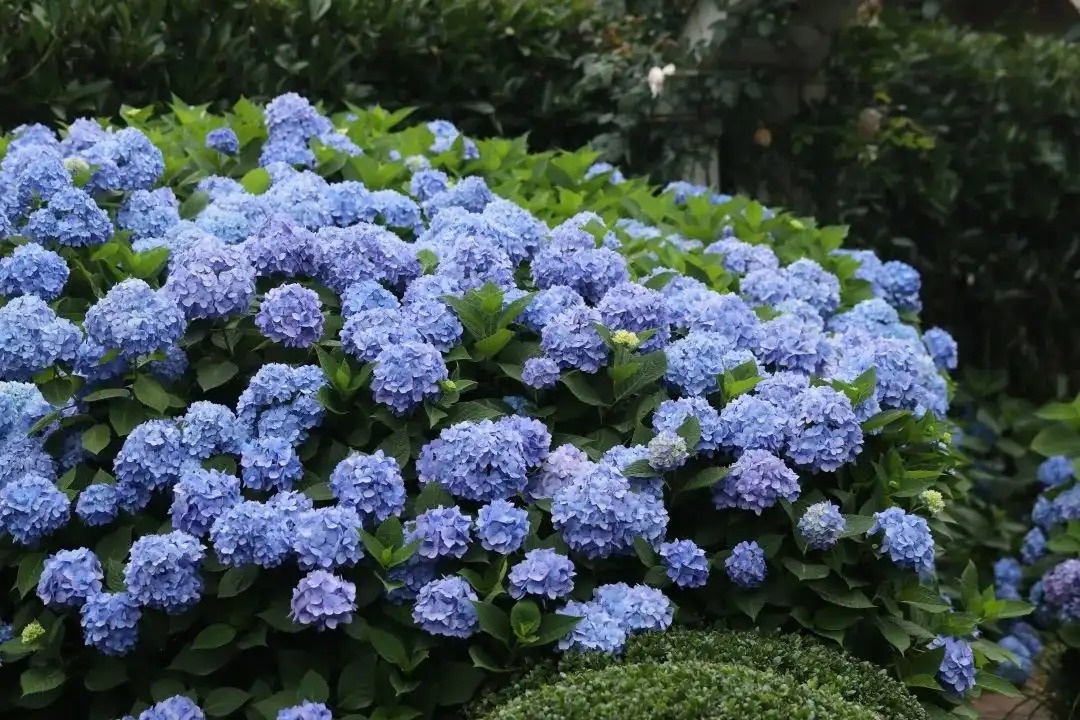
Endless Summer▲