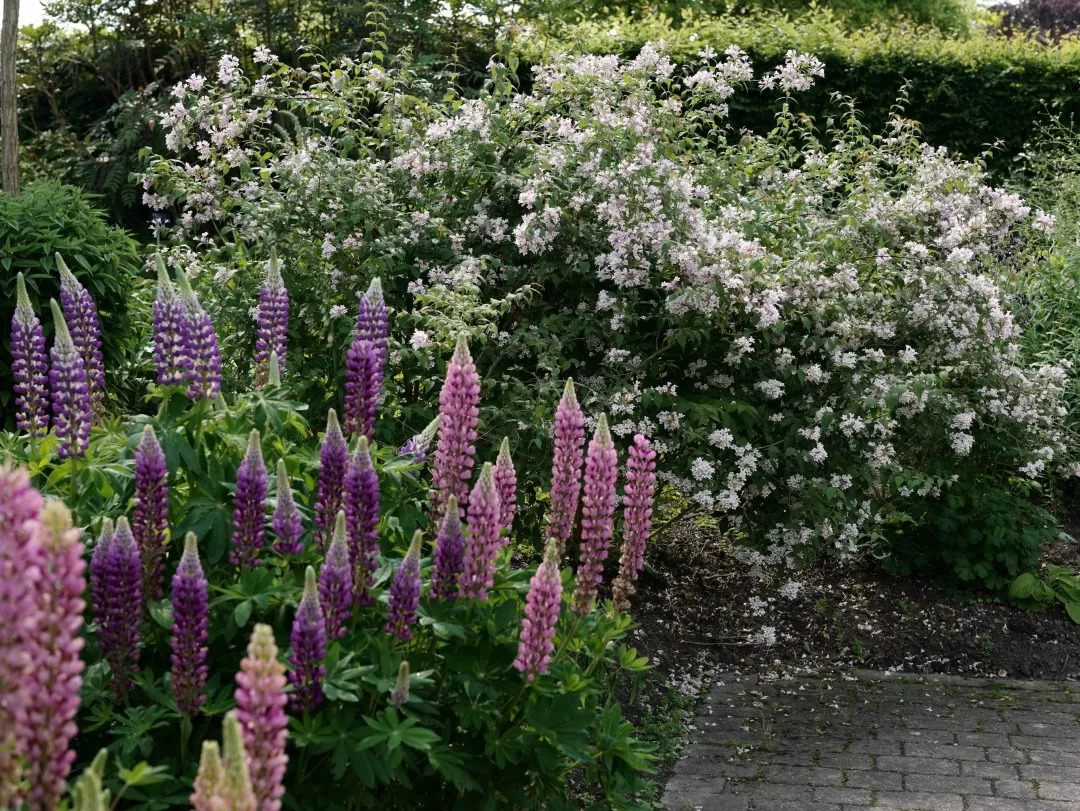
Hai Ma's Gardening Class | Plant flowers according to local conditions: master these four points first.
We often plant and buy the flowers we like, which seems fine. But we often overlook the most important point: what kind of plants can our environment grow?
Learn about it, break it down, modularize it, and you'll find that everything has its own rules and patterns.
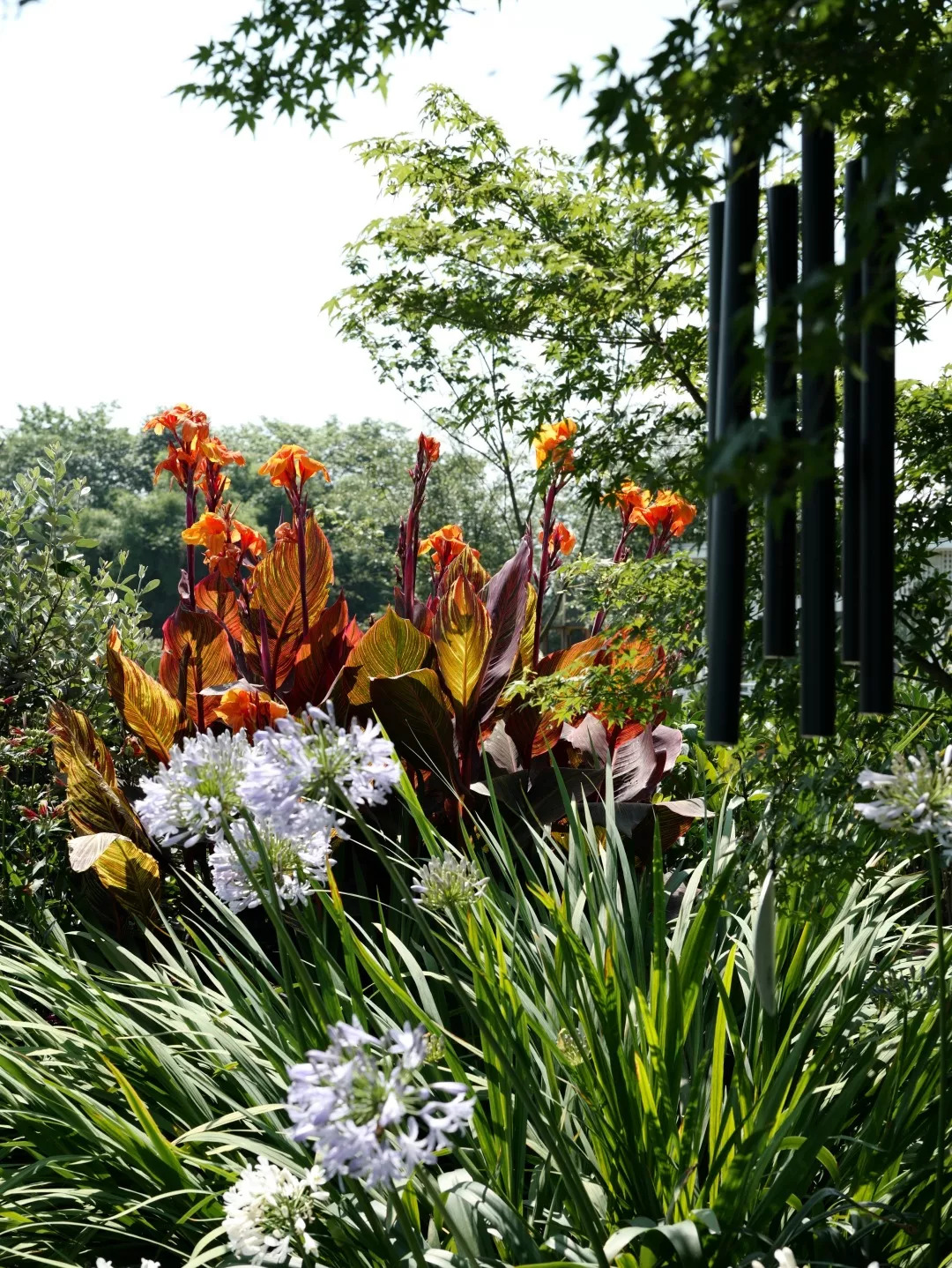
The first thing we need to do is understand our growing environment:
1
illumination
In terms of the four cardinal directions, it is generally said that the south receives the most sunlight, but it is said that the west side of Guizhou receives the most sunlight, and the amount of sunlight varies throughout the year.
We need to observe the sunlight and choose a sunny day in each season to take photos of the planting locations in our garden, one photo per hour from morning to night.
Take photos from a fixed position, then look at the nine-grid layout; it will be clear at a glance.
I know that the best sunlight should be given to roses, as well as some perennial plants that are prone to lodging and need full sun, such as sage.
Give the semi-sunny areas to hydrangeas or lilies, etc.
Under large trees, very shady spots are best suited for grasses or broad-leaved plants.
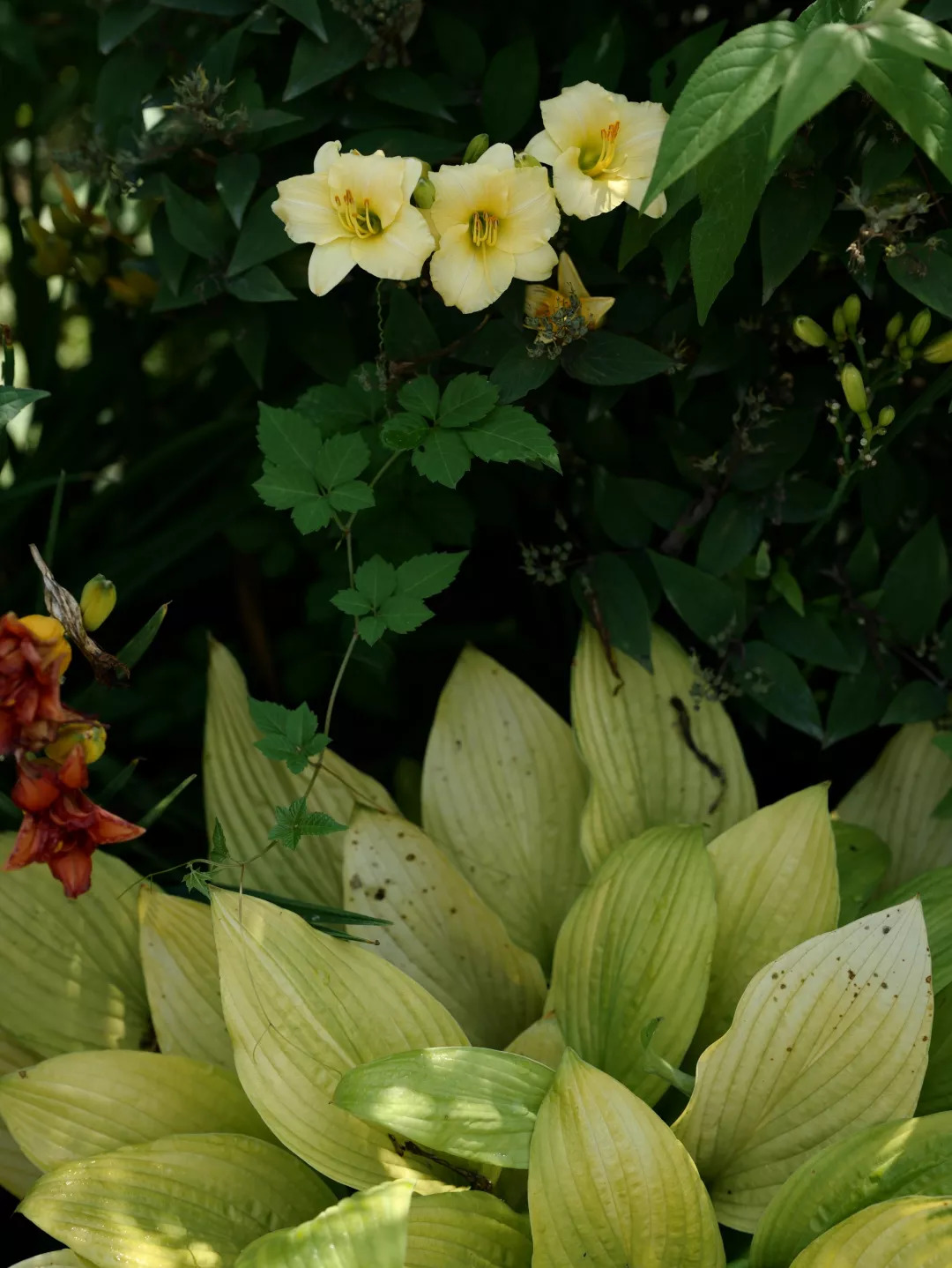
There's no need to worry about the garden being too shady, too damp, or too stuffy; there are suitable plants for any environment.
2
drain
Previously, Hai Ma hadn't paid much attention to this issue, but after the floods in July this year, the garden experienced a large number of deaths and diseases, bringing this problem to the forefront.
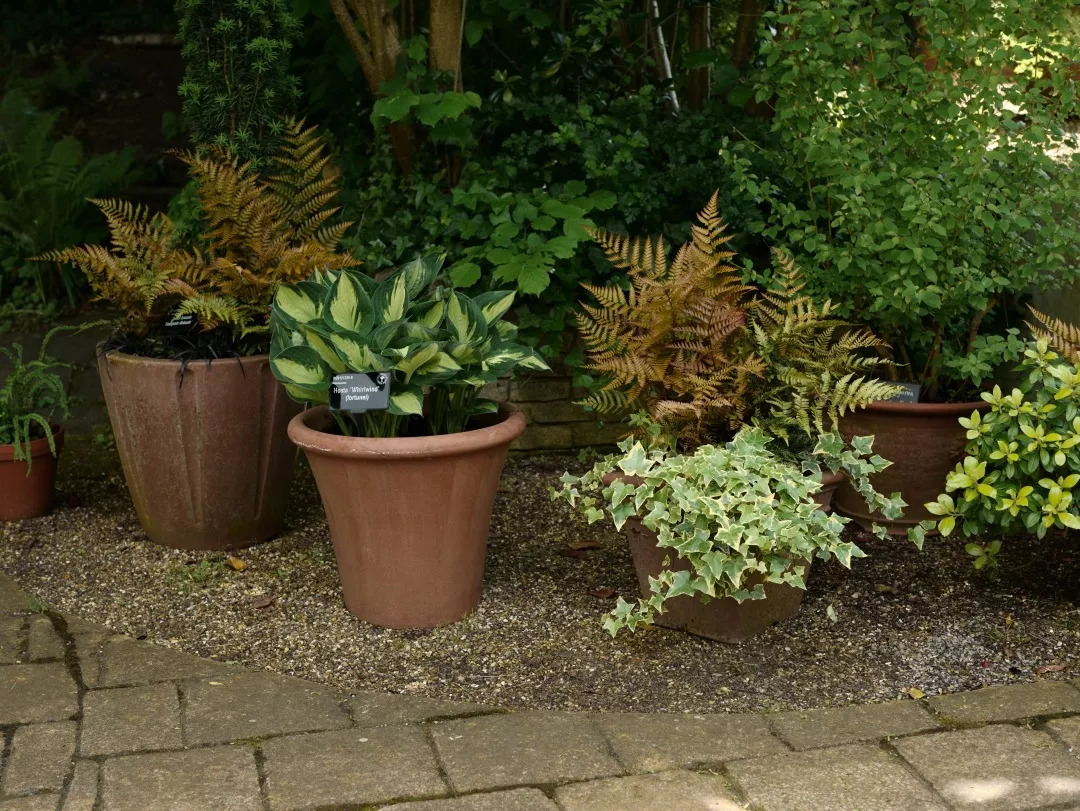
If the clay soil has poor drainage and the area is prone to flooding, semi-aquatic plants or plants that can tolerate short periods of waterlogging should be planted. Examples include hostas, daylilies, and agapanthus.
If you don't like these plants, you should consider building raised flower beds or planting beds to avoid the risk of water accumulation.
If all else fails, just pot your favorite flowers that don't tolerate waterlogging.
3
temperature
To talk about growing flowers without considering the climate is to be irresponsible. One of the important factors that makes horticulture so developed in Britain and why almost every household grows flowers is that the climate is suitable for growing flowers.
It is unfair to make a horizontal comparison between Yunnan and both northern and southern China.
We need to understand the climate of our location, the average annual temperature, the highest temperature, the lowest temperature, and the duration of these extreme weather events.
Even the duration of rainy and dry seasons can affect our flower planting, especially the rainy season.
There are indeed plants that can withstand high temperatures and humidity, as well as drought. Observe the native plants that grow in our local area; they are suitable for our local environment. Choose plants of the same family and genus as these plants, or similar plants.
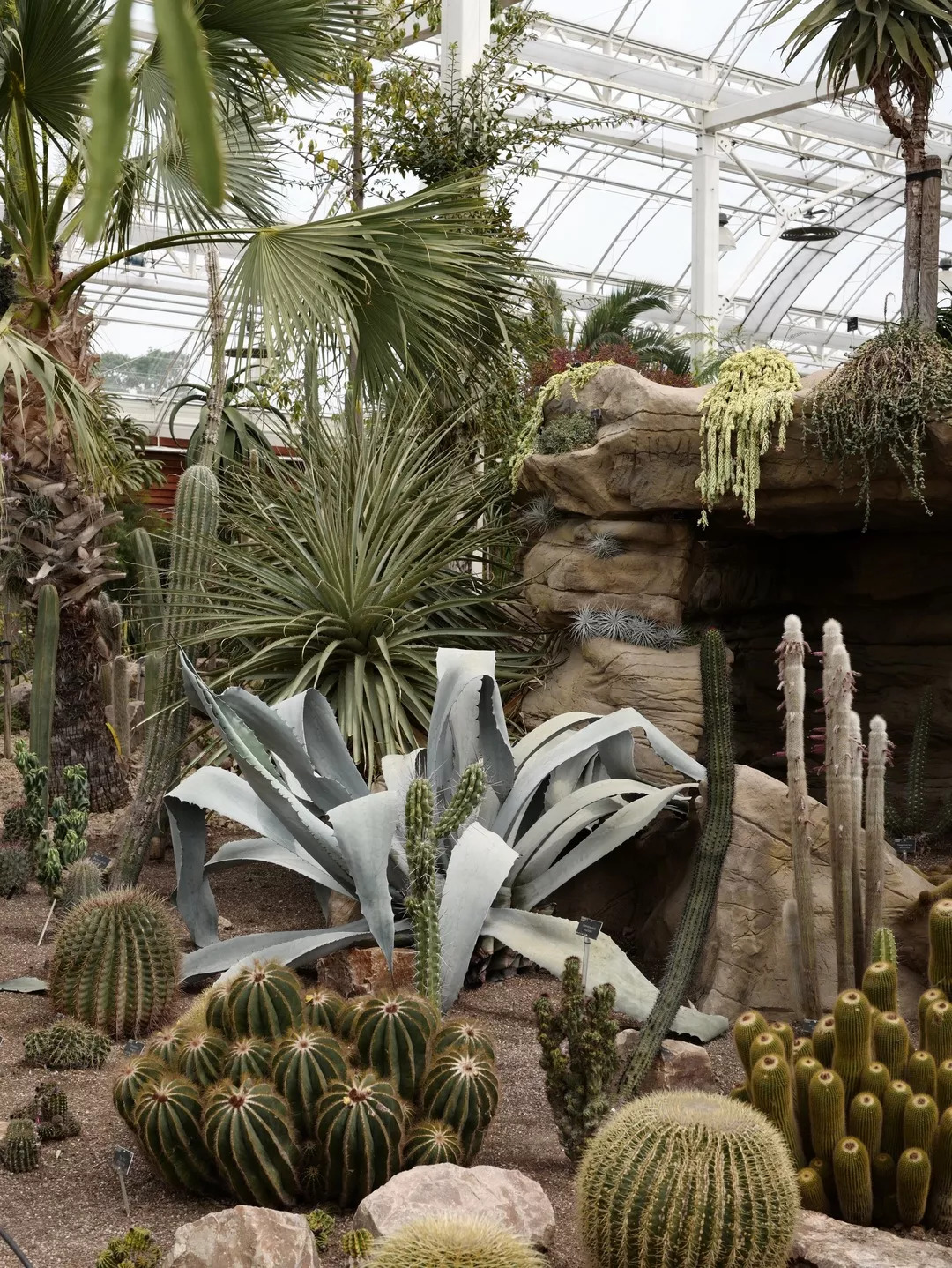
If we want to grow these plants that cannot be localized, we are bound to pay a high price.
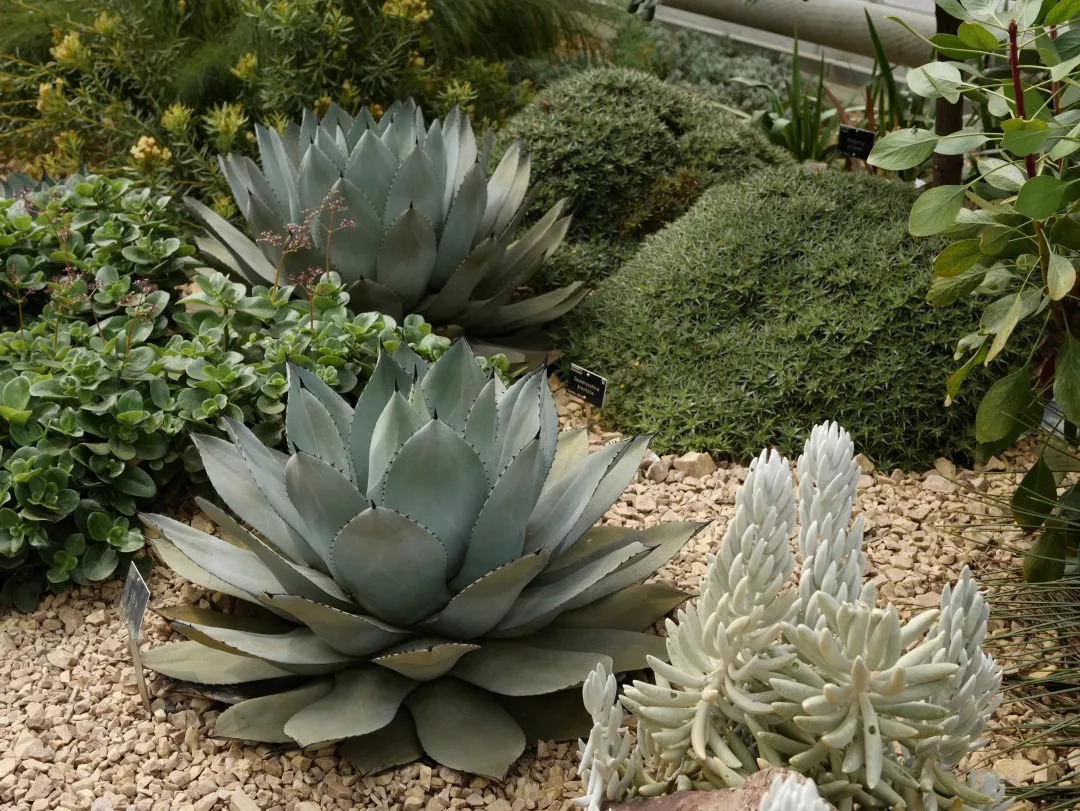
For example, this succulent garden in the UK requires greenhouses to precisely control temperature, humidity, and soil to ensure that the plants can grow normally.
Some flower enthusiasts are probably thinking, "Hai Ma, stop talking nonsense. If I had the means, I wouldn't bother with this. Why would I bother reading your writing?"
If we can't build a large greenhouse, we must at least protect it from rain and cold.
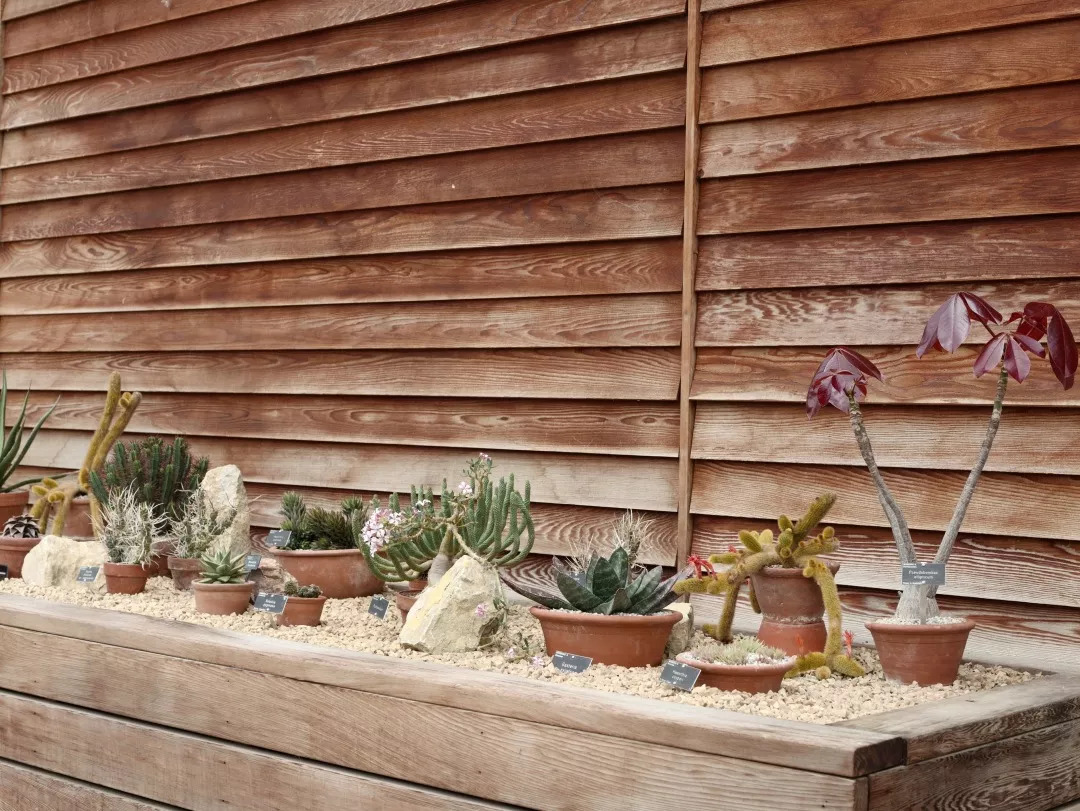
"Adapting to local conditions" means that succulents can be planted in places with large temperature differences, such as in the north, Yunnan, Xichang, or in the autumn and spring of Chengdu.
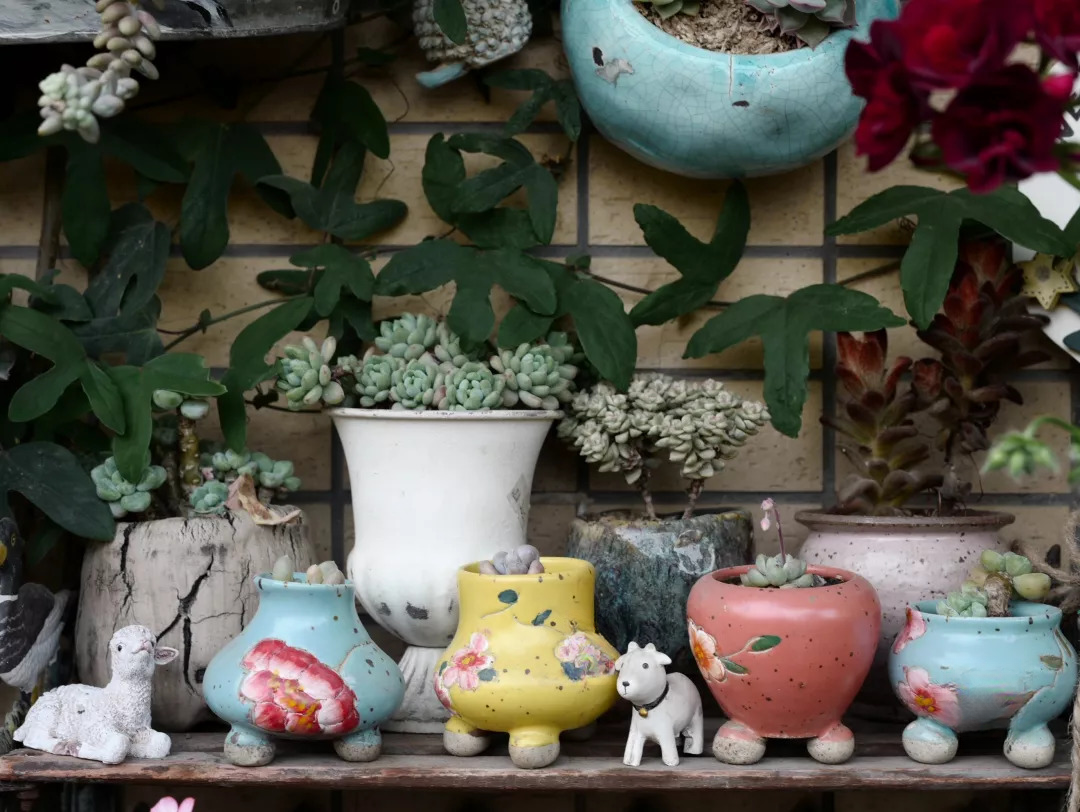
Because most succulents develop their colors due to temperature differences.
Many people think that succulents are all indoor plants, but that's only because they don't die when placed indoors; etiolation is inevitable.
Don't treat succulents as foliage plants, because there are many foliage plants available for indoor environments.
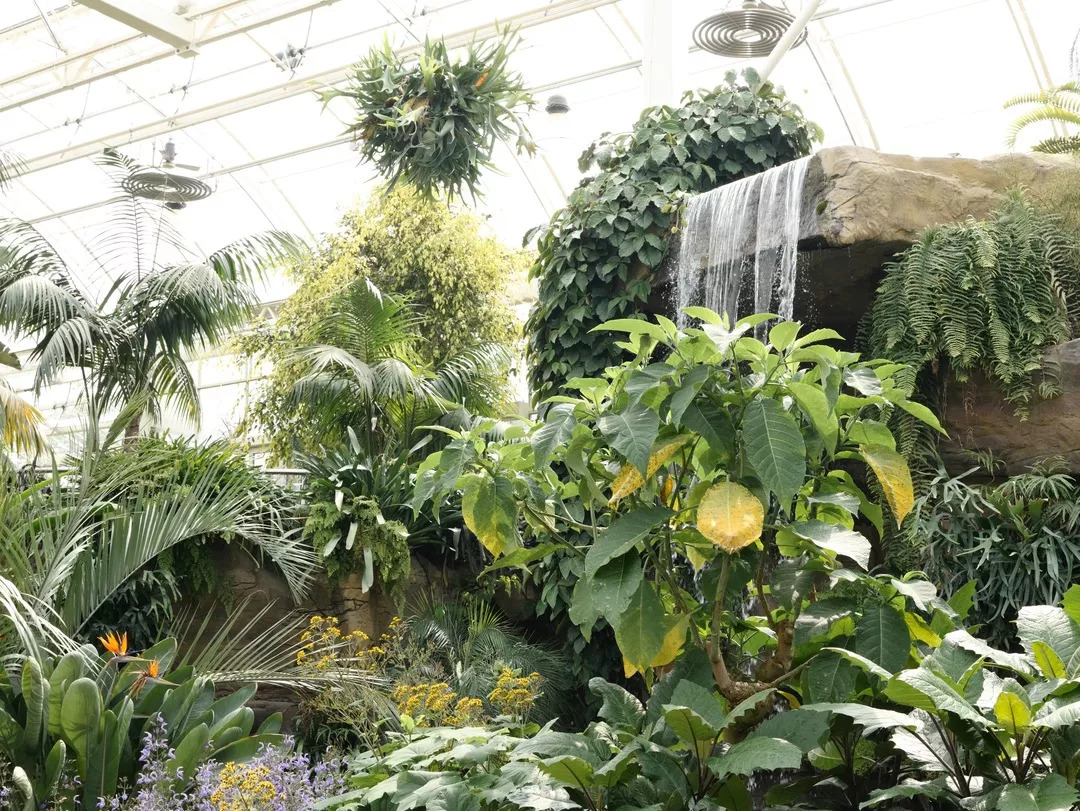
Even in Yunnan, there are times when things don't go as planned. You might encounter extreme weather, such as a sudden heavy snowfall when you're completely unprepared.
Every place has its own advantages, and planting flowers according to local conditions means amplifying these advantages. Let's take Chengdu as an example.
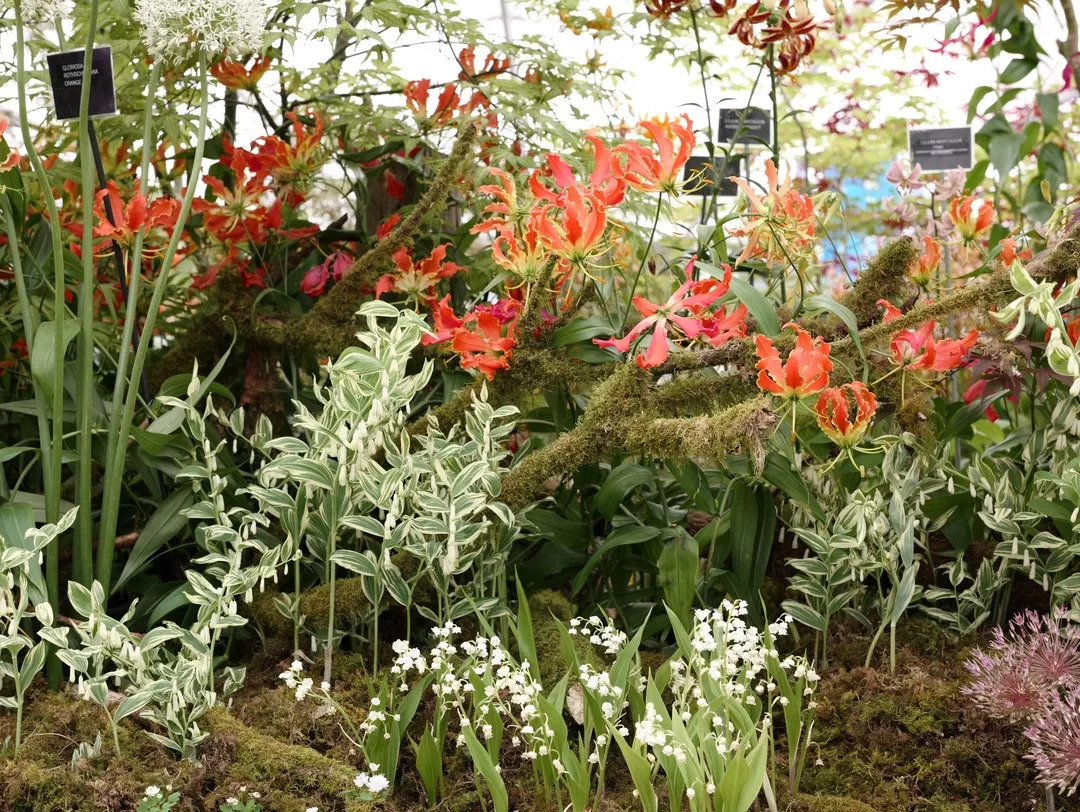
Aren't these British greenhouse plants shown in the picture the same ones that we can plant freely in our greenbelts?
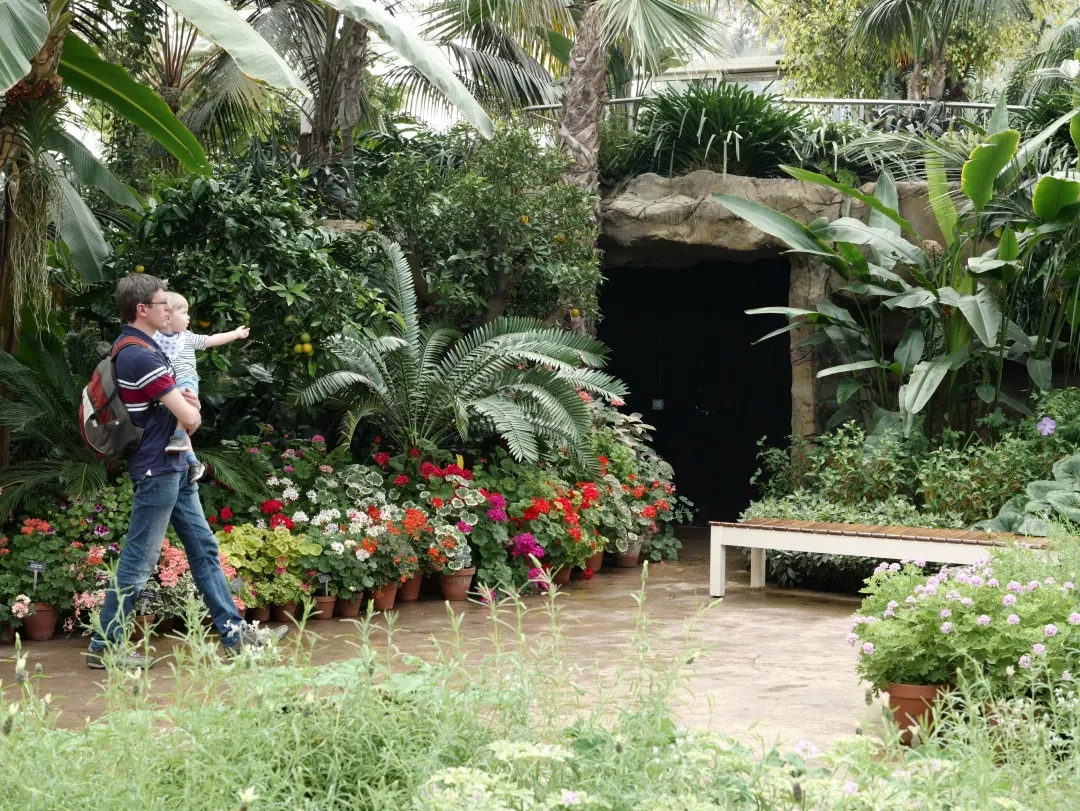
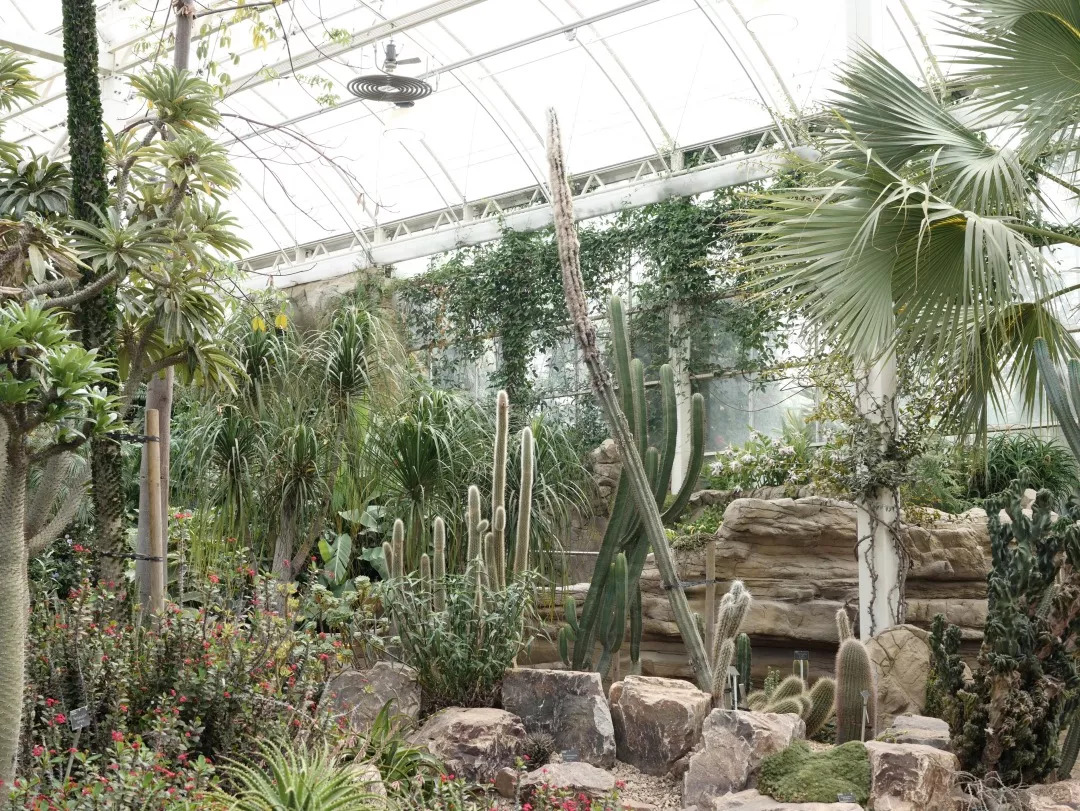
Aside from dolls, most of the time we think other people's things are better.
Especially plants, it's only human nature to crave what we can't have. Will you hit me for saying this?
When I went to Europe, they treated our most ordinary bamboo, the clump behind my old home, like a treasure and planted it in their gardens.
Its owner showed it off, claiming it was bamboo from the far east, from the foot of the Himalayas~~~
We can certainly say: it's a newly bred rose variety from Europe~~~
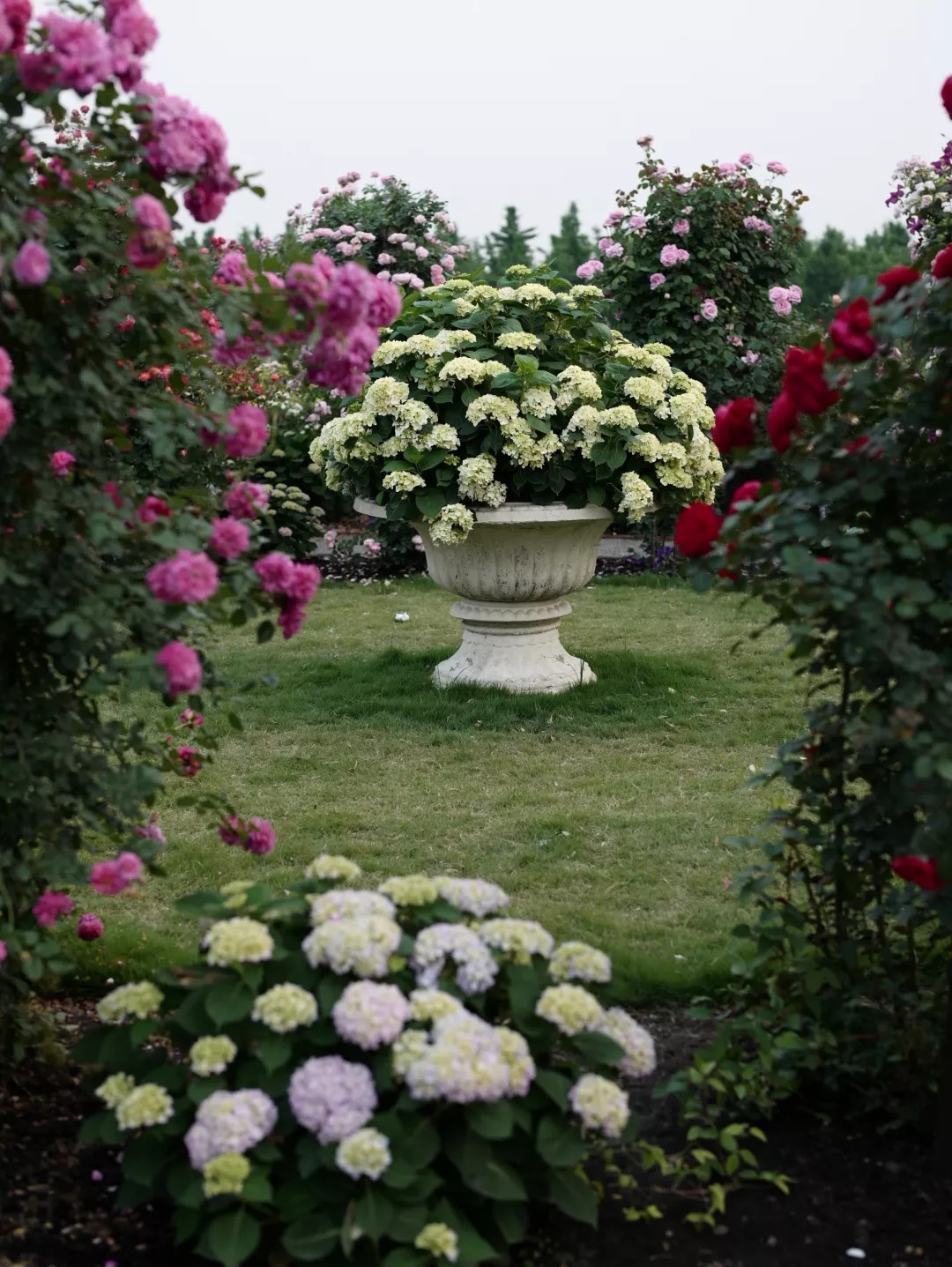
4
Planting location
You are the rooftop, terrace, first-floor garden, balcony, windowsill, even the office desk, or a corner of the living room with a high ceiling.
These flowers that can be grown well are quite different, at least in general:
Garden plants should not be grown indoors!
The reason for writing this article is that some people insist on keeping hydrangeas indoors. This is not advisable.
When you like someone, the first thing you usually notice is their face. Then you try to get to know them. It's the same when you like a flower. You learn about it, see what kind of environment, climate, and sunlight it's suited for, and try to create that kind of environment.
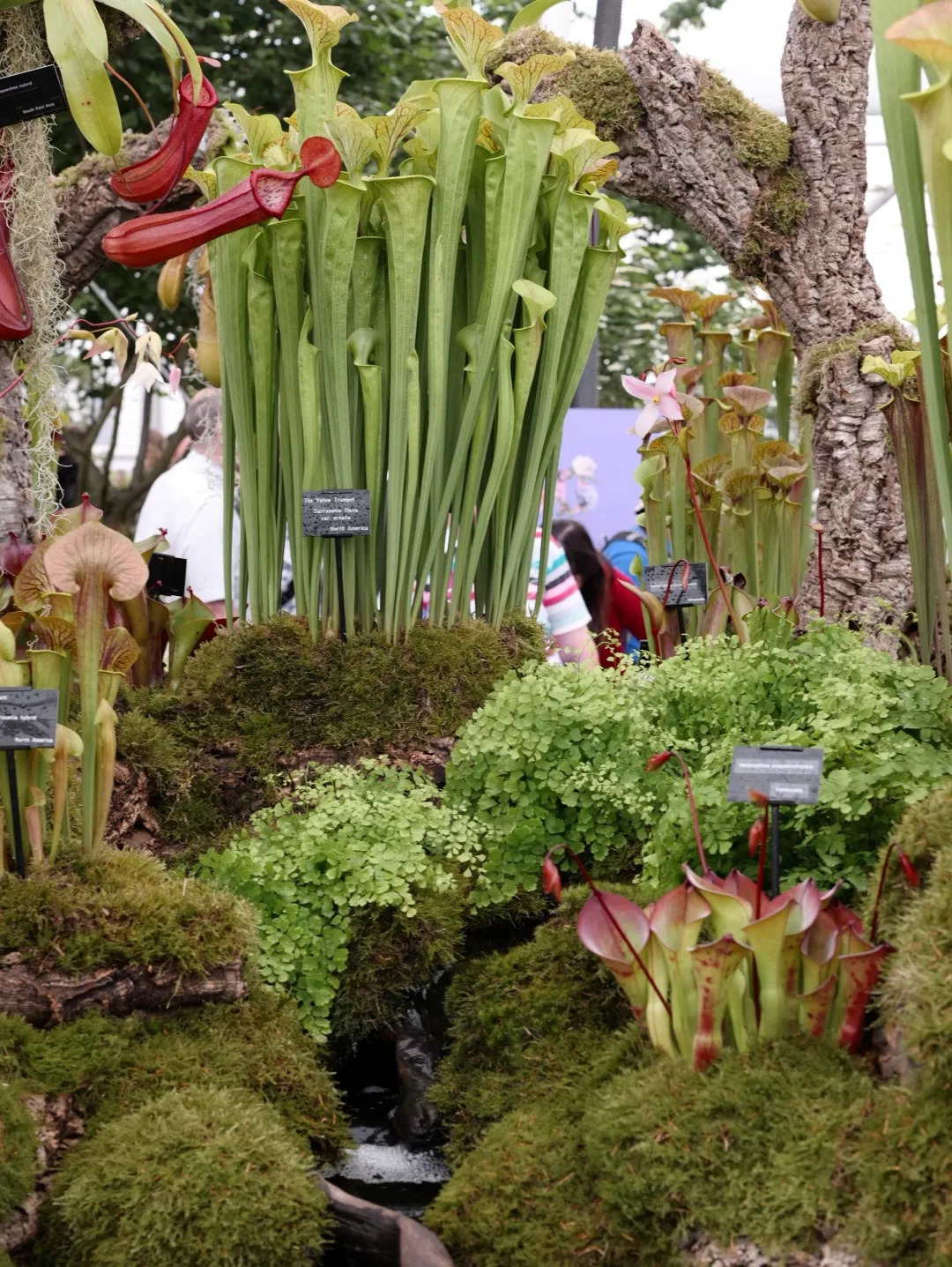
Carnivorous plants like pitcher plants need to be planted under trees to create a shady environment. If that's not possible, you'll have to consider using a small fish tank to keep them in a humid environment to maintain air humidity.
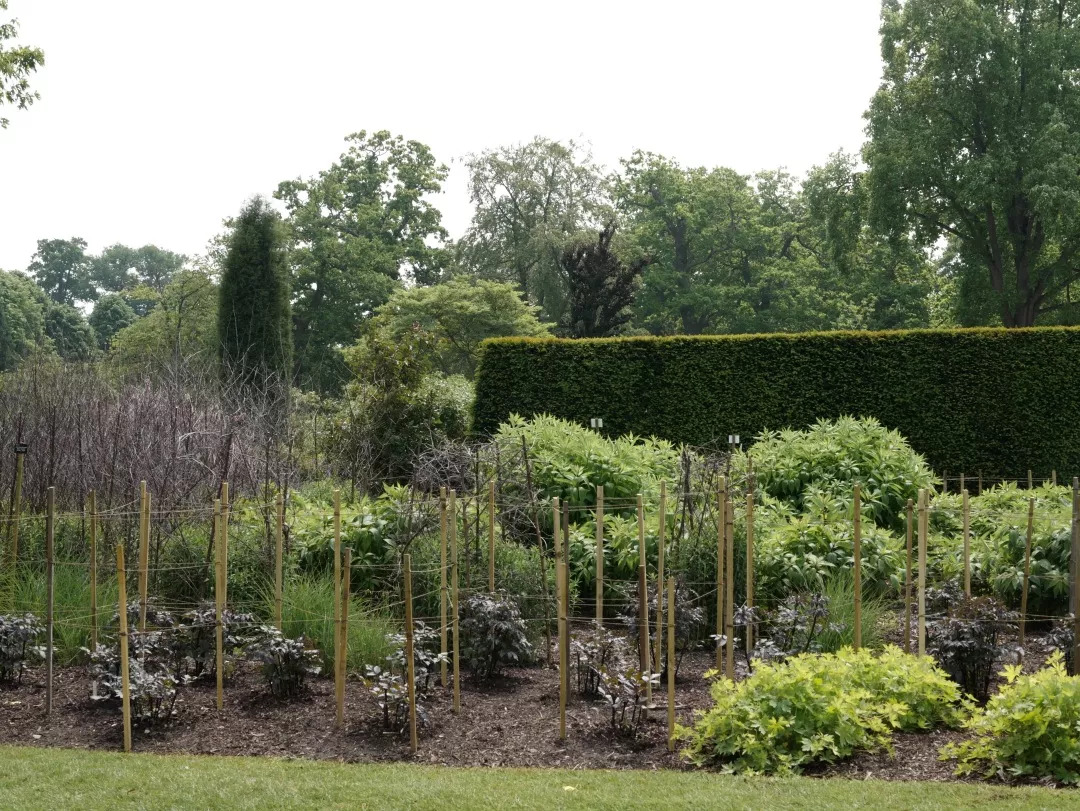
What kinds of animals are suitable for growing in dry places?
We don't feel the drought much because we can still afford the water bills. In France, water costs 5 euros a ton, and we can't even afford to water our large garden.
You have to consider the minimum maintenance, planting without even watering.
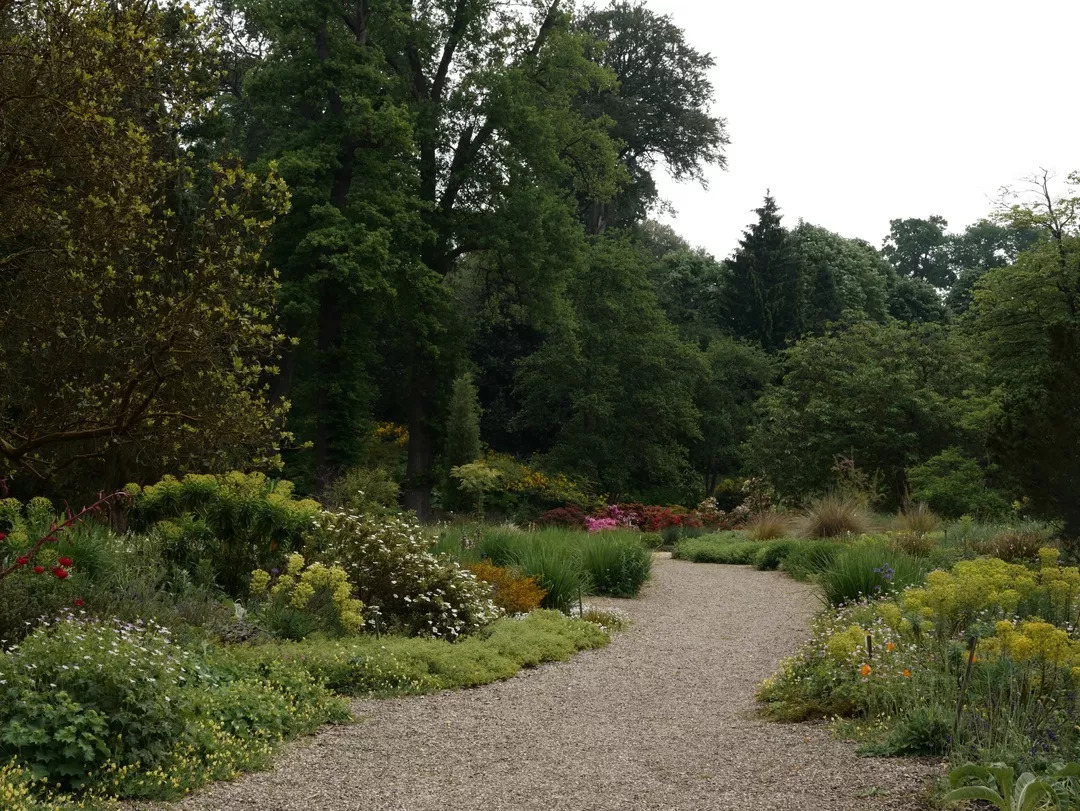
What crops should be grown in land that is chronically flooded?
Semi-aquatic plants; the book describes them as marsh gardens or wetland gardens.
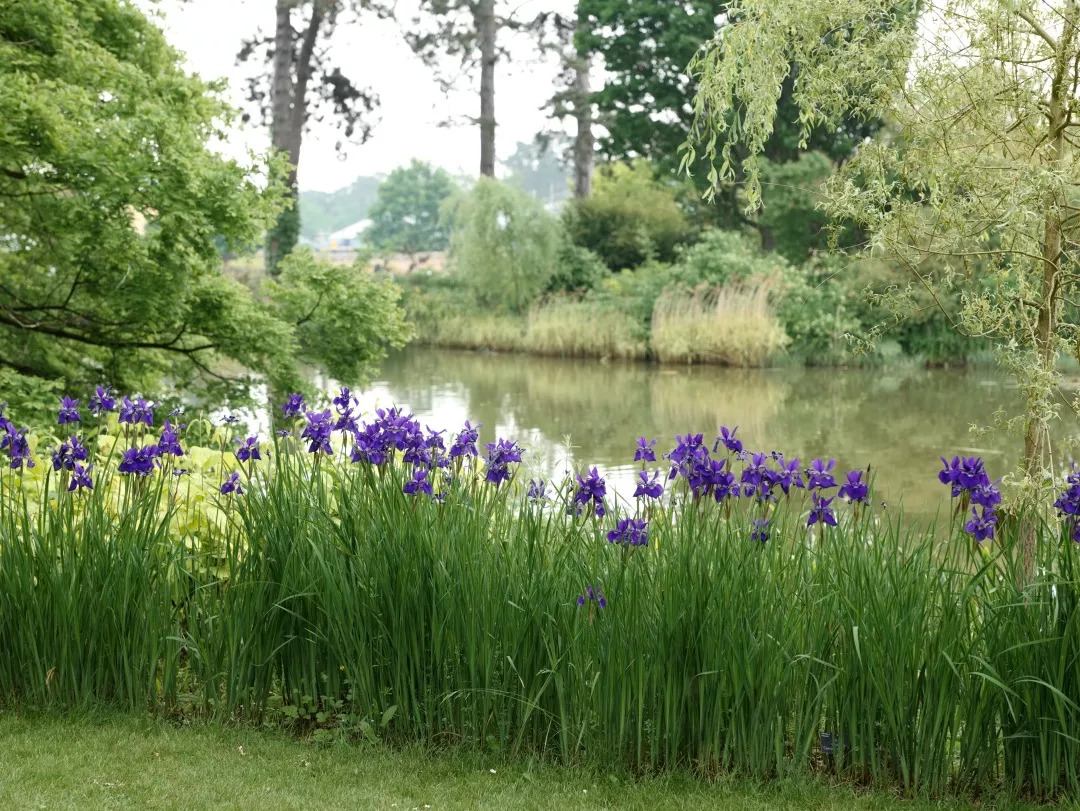
There are many kinds of irises. Aquatic irises are completely different from German irises. German bearded irises even need to be planted on raised beds, and their tubers will rot if they get too much rain.
Not everyone is a planting expert, and understanding these habits is something you can only learn from each failure.
Or you can follow Hai Ma's daily updates; there will always be some content you need.
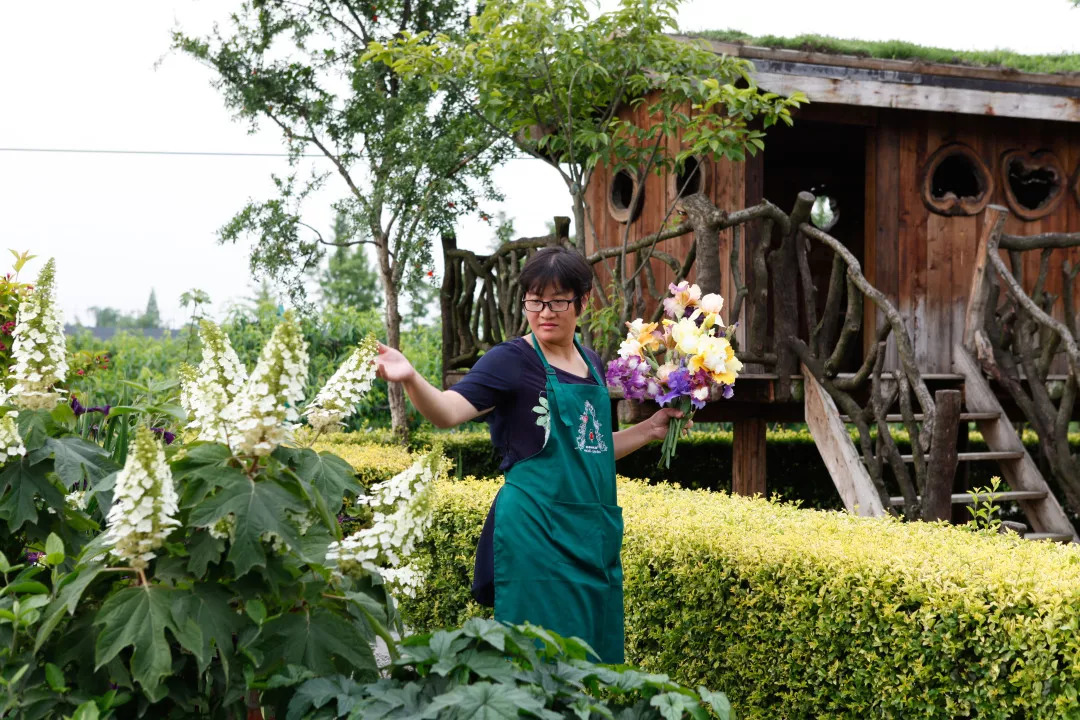
The bunch of German irises picked in early April this year have now suffered countless deaths, and this oak-leaved hydrangea in Sansheng Township, which is just as big, died simply because of excessive rain and overly moist soil.
Those planted at the same time on the slope are in good condition, so establishing one's own microenvironment is especially important.
I explained with great care that it was because so many plants had died this year, and it broke my heart.
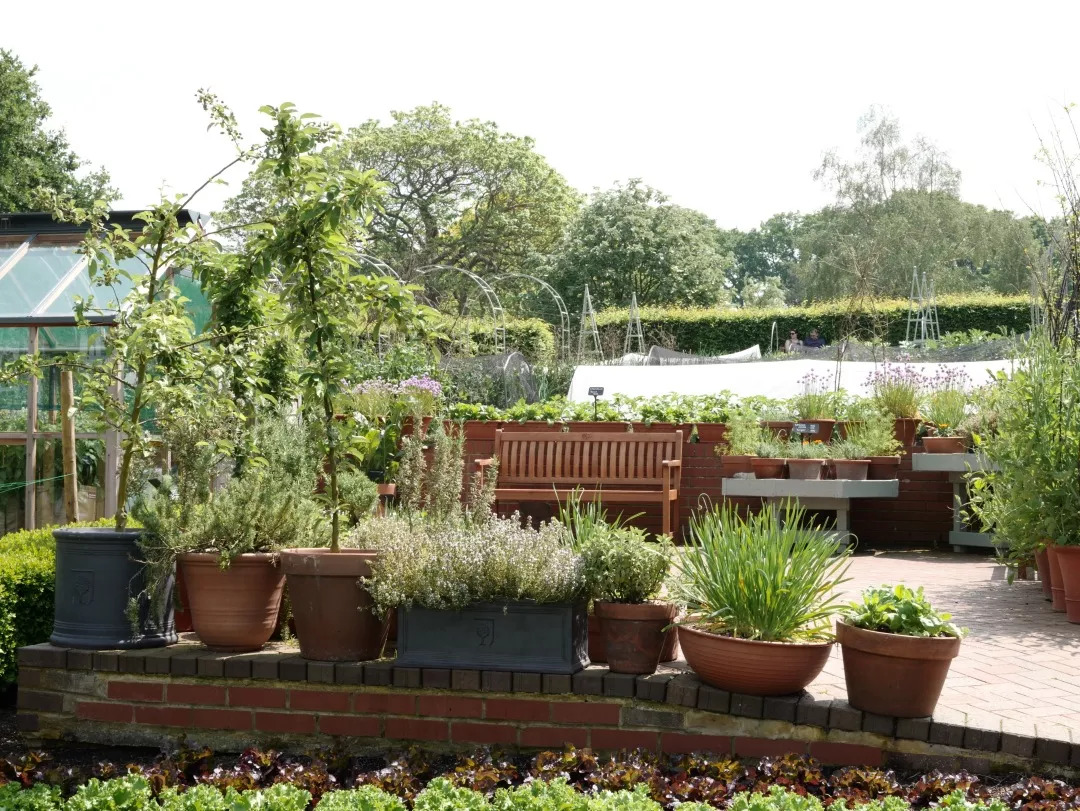
Sometimes potted plants are more convenient and easier to grow successfully, as they can be sheltered from rain or given individual care.
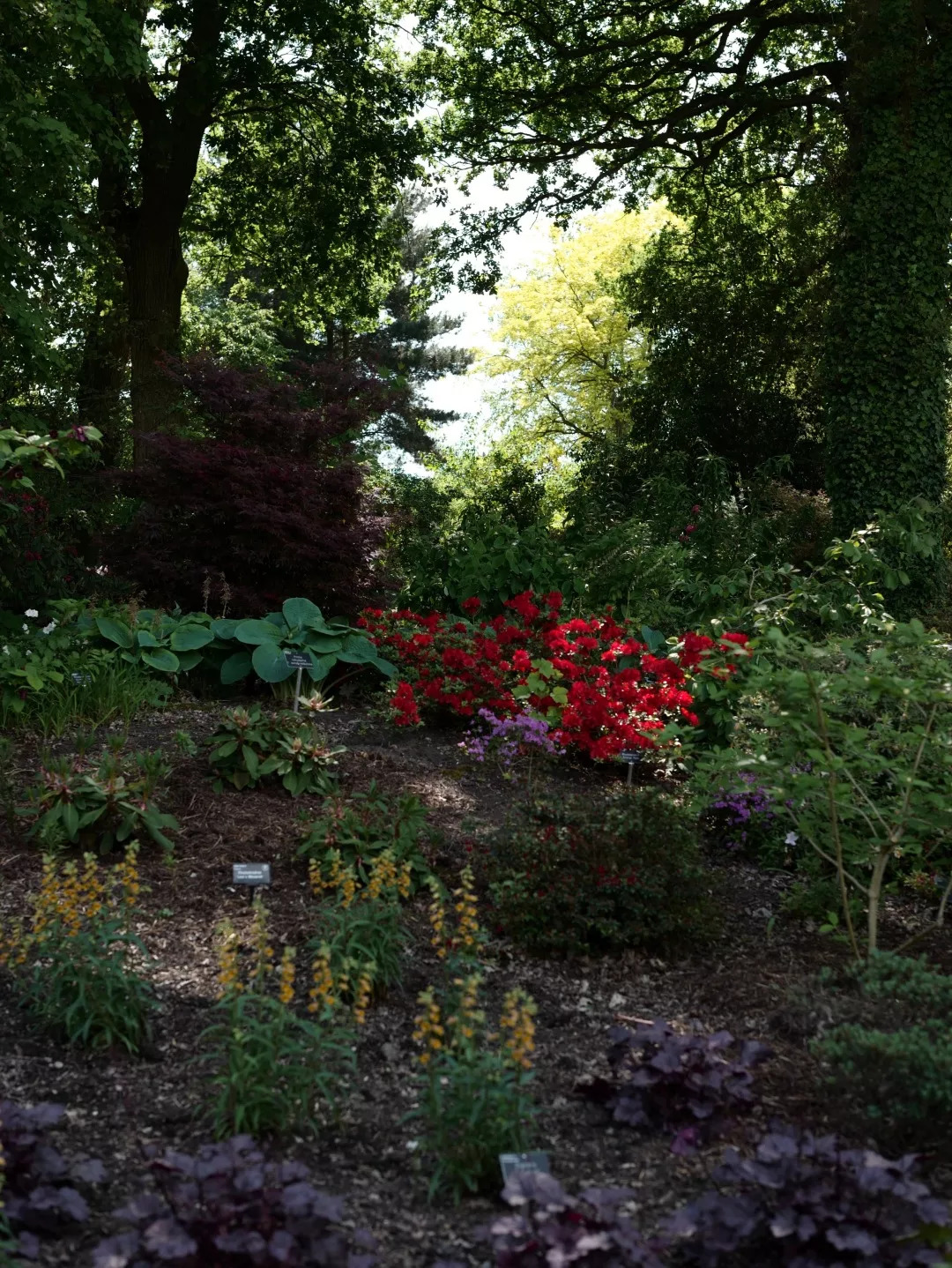
Planting trees on slopes, mimicking the green belts in residential communities, is a crucial key to success.