Gym Beginner's Guide Shoulder Training
Today we'll talk about shoulder training to help you build strong and powerful shoulders.
I. Shoulder Muscle Structure and Training Goals
The shoulder is primarily composed of the deltoid muscle, which is divided into the anterior, medial, and posterior deltoids. Strong shoulders not only enhance overall appearance but also increase upper body strength and improve posture. Our training goal is to develop these three parts in a balanced way, resulting in fuller, more upright shoulder lines.
II. Warm-up Preparation
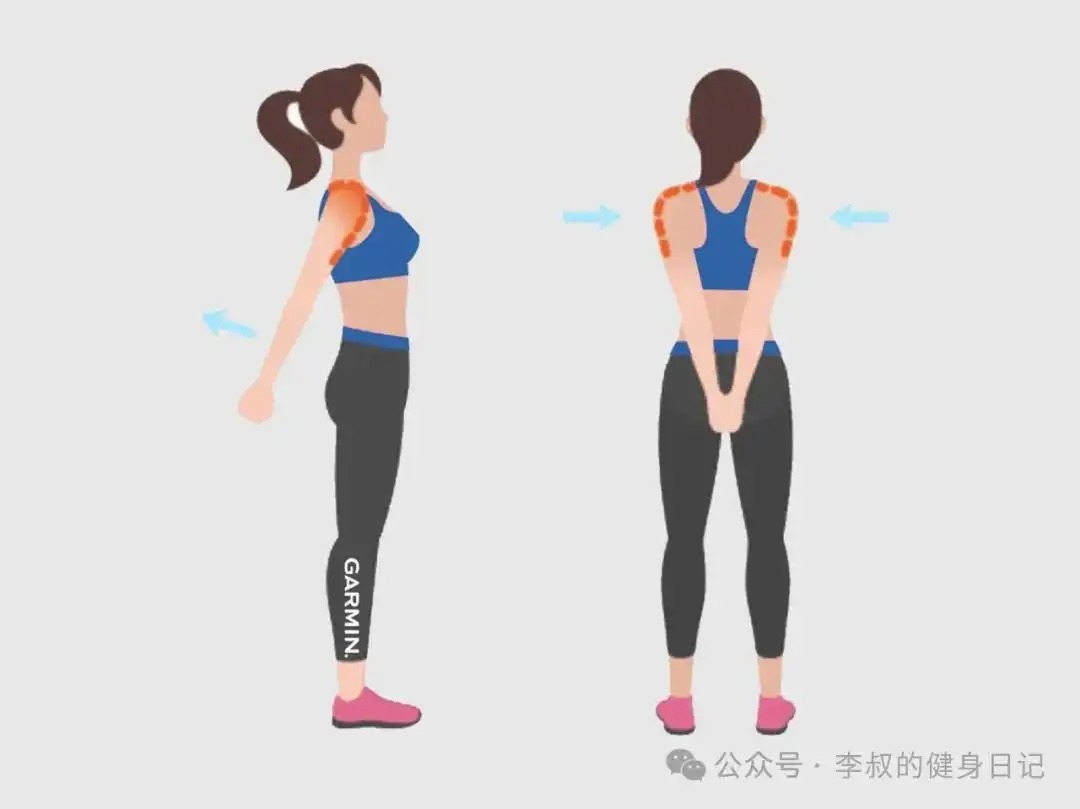
A thorough warm-up is essential before starting formal training. You can choose to briskly walk or jog on a treadmill for 5-10 minutes until you break a light sweat. Then perform dynamic shoulder stretches, such as arm circles and shoulder extensions, doing 10-15 repetitions of each movement.
III. Formal Training Movements
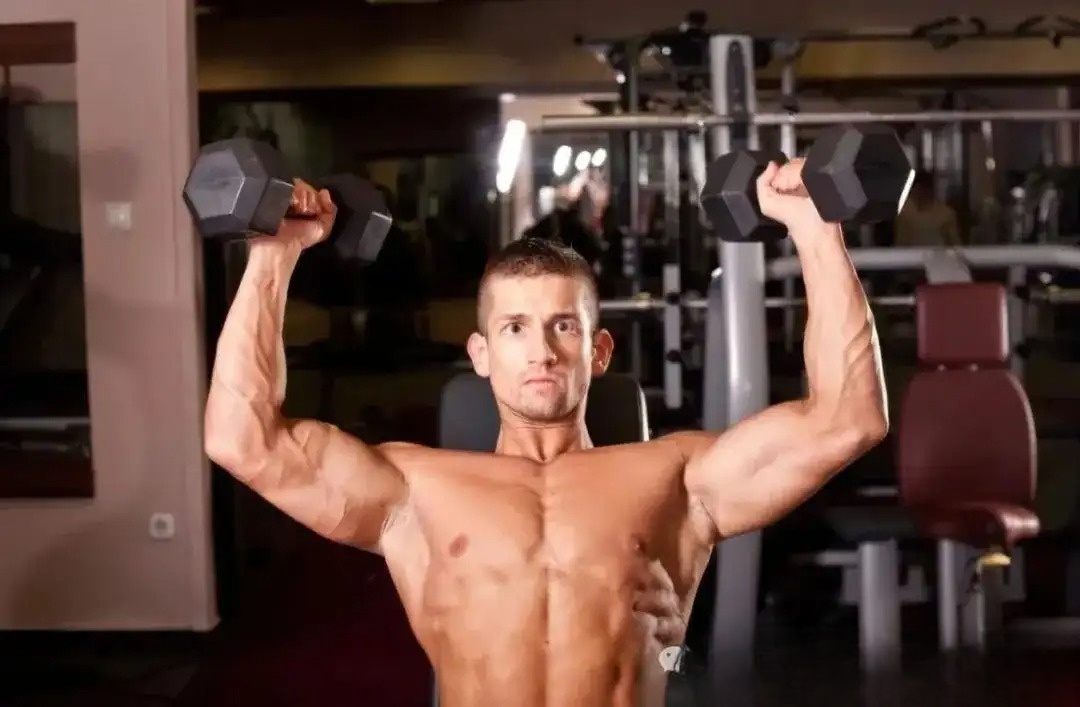
1. Seated dumbbell press
• Instructions: Sit on a dumbbell bench with your back pressed against the backrest. Hold dumbbells in both hands, positioned above your shoulders. Push the dumbbells upwards until your arms are fully extended, then slowly lower them. Repeat.
• Number of sets and repetitions: 4 sets, 8-12 repetitions per set (depending on your preferred weight)
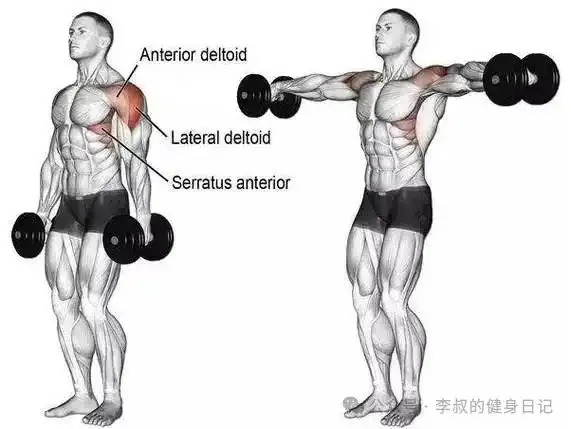
2. Dumbbell lateral raise
• Instructions: Stand with your feet shoulder-width apart, holding dumbbells with your arms hanging naturally at your sides. With your arms slightly bent, raise the dumbbells to shoulder height, then slowly lower them back down.
• Number of sets and repetitions: 4 sets, each set decreasing from 10kg to 2kg, 50 repetitions per set (adjust according to your preferred weight).
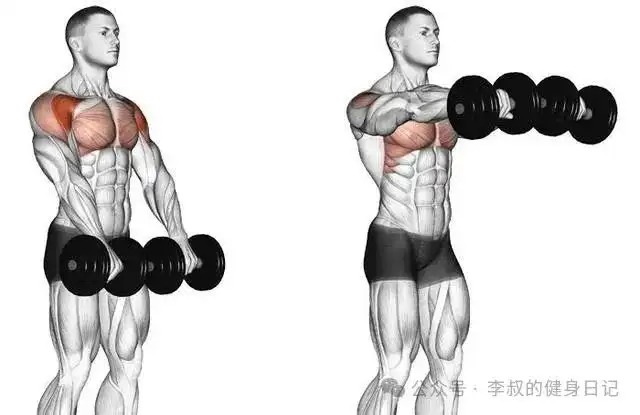
3. Dumbbell front raise
• Instructions: Stand with your feet shoulder-width apart, holding dumbbells in both hands with your arms hanging naturally in front of your body. Raise the dumbbells forward and upward until your arms are parallel to the ground, then slowly lower them.
• Number of sets and repetitions: 4 sets, 12-15 repetitions per set (depending on your preferred weight)
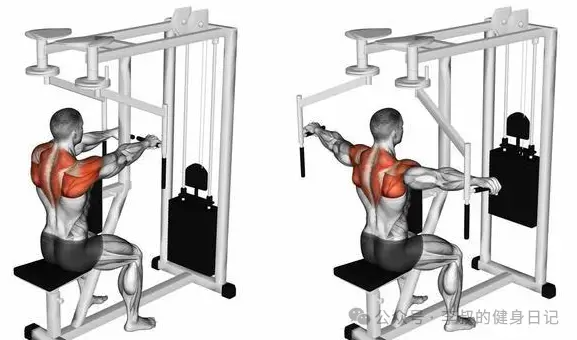
4. Reverse butterfly machine flying bird
• Instructions: Sit on the reverse butterfly machine, grip the handles with both hands, elbows slightly bent. Use your shoulder muscles to extend your arms backward, feeling the contraction of your posterior deltoids, then slowly return to the starting position.
• Number of sets and repetitions: 34 sets, 10-12 repetitions per set (depending on your preferred weight)
IV. Training Precautions
1. Control the range of motion
Each movement must be performed along the correct trajectory, avoiding excessive or insufficient range of motion to prevent unnecessary injury.
2. Choose an appropriate weight
Beginners should start with lighter weights and gradually increase the load. Don't blindly pursue heavy weights to avoid improper form.
3. Keep your breathing smooth.
Exhale when exerting force and inhale when returning to the starting position, maintaining a steady breathing rhythm.
4. Give muscles sufficient recovery time.
Shoulder muscles need time to recover and grow. It is recommended to do shoulder training 1-2 times a week, with an interval of 2-3 days between each training session.
V. Stretching and relaxation after training
After training, don't forget to stretch and relax. You can do static stretches for your shoulders, such as stretching the anterior deltoid with one hand against a wall, stretching the middle deltoid while lying on your side, and stretching the posterior deltoid while bending over. Hold each position for 15-30 seconds.
For those new to the gym, shoulder training requires the most patience and consistency. However, if you follow the correct methods and plan, you'll soon have enviable shoulder lines.
END