Growing flowers requires "70% management and 30% pruning." You must know how to prune your flowers!
As the saying goes, growing flowers requires "seven parts management and three parts pruning." Anyone who loves growing flowers and plants knows the importance of pruning: proper pruning can conserve plant nutrients, promote healthy plant growth, and also make flowers and plants more aesthetically pleasing.
Every time we prune the plants, some friends lament, "I can't bring myself to do it," "What if I don't prune it well?" or "Should I cut it off while it's still blooming?"...
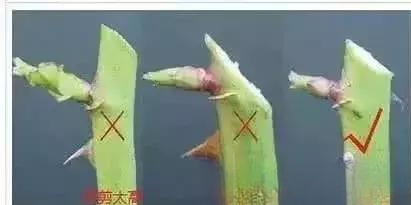
In fact, once the plant enters the seed-producing stage, it consumes a lot of nutrients, especially bulbous plants. For example, some gardeners have found that their rain lilies can bloom 4-5 times a year if they don't remove spent flowers, but if they remove the spent flowers, they have bloomed up to 13 times a year.
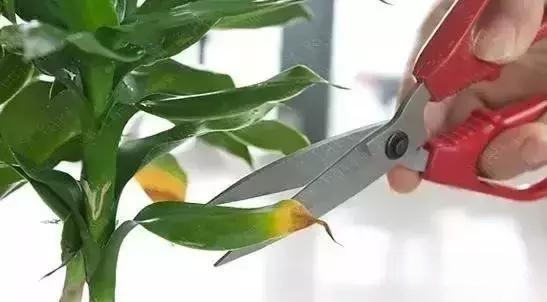
Therefore, pleasant and effective pruning is extremely important for flowering plants!
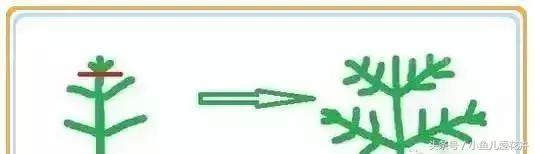
NO1, Pinching/Topping
Pinching back the tips of branches during the growing season is called pinching. This helps create flower balls [petunias, geraniums, baby's breath, etc.].
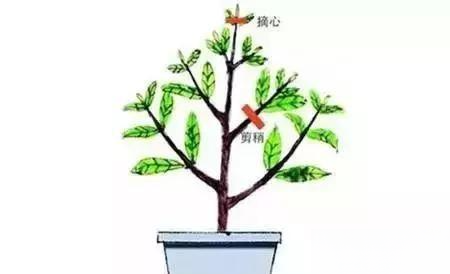
NO2, bud removal/tillering
Removing newly sprouted buds or flower buds is called bud removal; pruning branches that appear in inappropriate positions on the trunk is called sucker removal. Bud removal and sucker removal can reduce the loss of plant nutrients and improve the plant's light and water conditions.
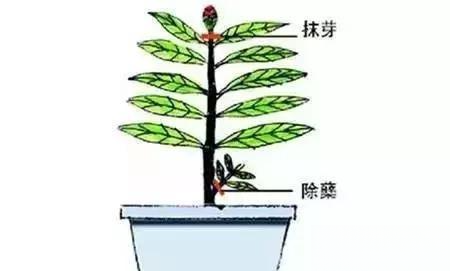
Remove the basal buds to create a lollipop shape [for tree roses, crape myrtles, Chinese junipers, etc.].
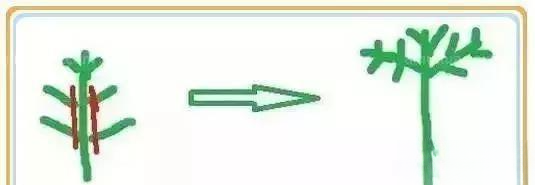
NO3, Pruning
Promotes ventilation, concentrates nutrients, and results in a more attractive shape [from diseased or weak branches, overly vigorous branches, overly dense branches, and any branches you don't like].
NO4, Sparse Buds
Remove side buds and weak buds to concentrate nutrients on producing large flowers [peony, chrysanthemum specimen...].
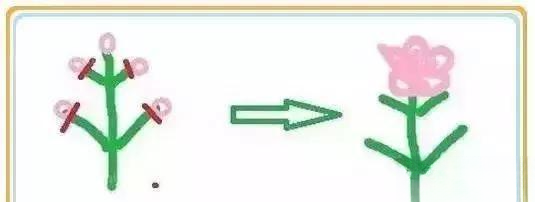
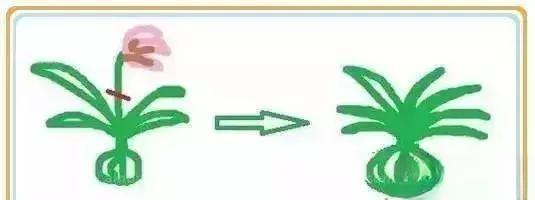
NO5, Cutting up withered flowers
Faster reblooming, larger bulbs, and neater plant appearance [for all flowers where you don't need to save seeds].
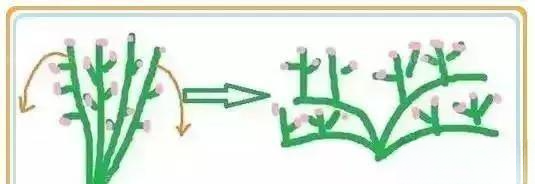
NO6, layering
Lower the main stem to encourage lateral bud growth and more flowers [climbing roses, clematis...]
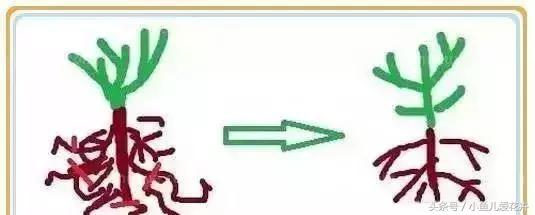
NO7, Root Pruning
Trim it when repotting or transplanting.
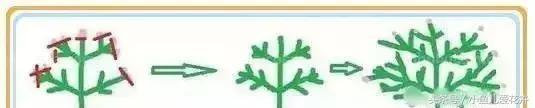
NO.8, Light Cut
Cut off 1-3 nodes for general post-flowering pruning.
NO9, Medium Cut
Cut off 1/3 to 1/2 of the length, shorten the plant shape after flowering, and perform general pruning during the autumn and winter dormancy period.
NO10, Recut
Cut off 2/3 to 3/4 of the plant, or even all of the above-ground portion, depending on the situation. This is used for rejuvenation, promoting the growth of new shoots, and shaping the plant. It is generally done during the autumn and winter dormancy period.

NO11, Leaf removal/Flower removal
When the plant grows too vigorously, you can prune some leaves to improve ventilation and light penetration. Remove excess leaves before flowering. The flowers are large; remove withered flowers promptly after they fade to enhance their ornamental value and reduce nutrient loss.
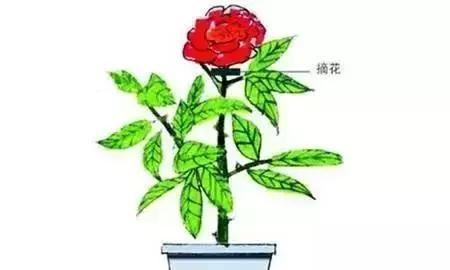
NO12, Twisting shoots, breaking shoots, twisting branches, and bending branches
Twisting shoots: During the plant's growing season, the semi-lignified upper part of the branch is twisted.
Twig breakage: to injure a branch without breaking it.
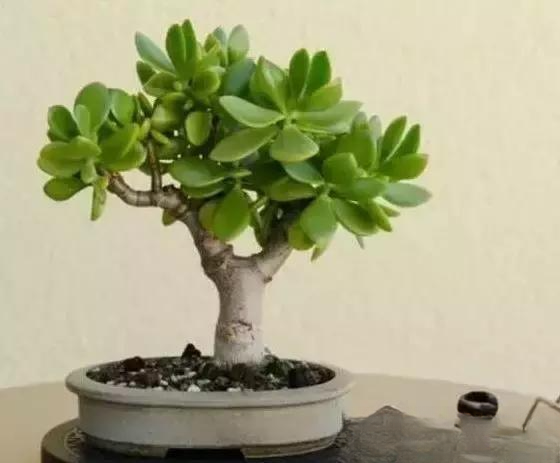
Twisting branches: Before the branches sprout, twist the base of the branches 180°, leaving cracks in the bark.
Branch bending: When the branch has lignified, bend the branch 7-10 cm from the base. After hearing a breaking sound, step back 7-10 cm and bend it again. After bending several times, the upright branch will be bent into a drooping shape.
The purpose of the above measures is to prevent nutrient transport, weaken growth vigor, and promote flower bud formation.
Proper pruning not only makes plants look better but also encourages them to bloom. Why not give it a try?