Growing flowers relies on pruning; come and learn these pruning methods!
Growing flowers is often said to be "70% care and 30% pruning," but many flower enthusiasts often overlook this step or don't even know how to prune. Below, we recommend four pruning methods for commonly grown houseplants.
Pruning roses
Pruning time:
Spring pruning is very important for roses. In warmer regions, pruning is generally done in late February. In colder northern regions, pruning is usually done in March or April.
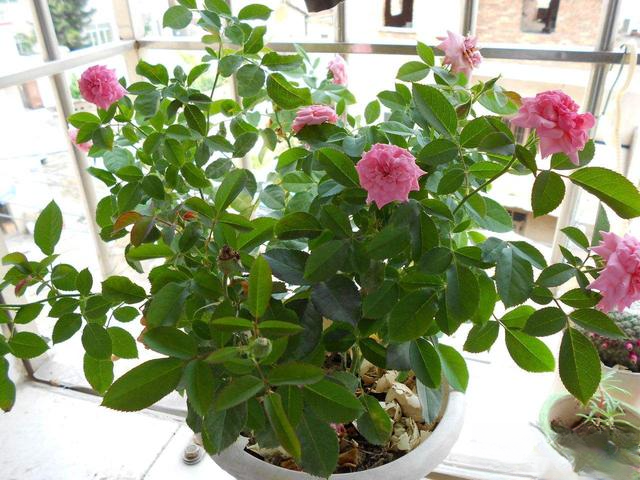
Pruning method:
When pruning roses in spring, it is generally necessary to cut off about one-third of the plant, and to remove weak, diseased, and dead branches.
Prune the rose bush branches, keeping a maximum of 5 branches. At a point about 50cm from the ground, select a plump section of the branch, retain a healthy bud, and prune above the bud. Note that if the cut is soft, cut downwards a bit. Be sure to remove any old or rough parts of the branch during pruning.
Note: To encourage more blooms in roses, light pruning is generally recommended. If you prefer better blooms rather than more, heavy pruning is preferable. Heavy pruning can also be applied to plants that are growing poorly.
Pruning Jasmine Flowers
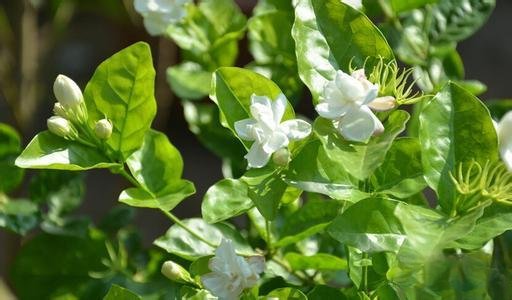
1. Jasmine should be properly pruned in spring, around March, before it sprouts. Remove long, weak, and overly old branches, and shorten healthy branches appropriately. This will encourage the growth of new branches and more flowers (jasmine flowers on new branches).
2. If new branches have already sprouted and are growing vigorously, pinch them back when they reach 10 cm or more to encourage secondary shoots and more flowers.
3. After each flowering period, promptly remove spent blooms, prune excessively long branches, and apply fertilizer. The amount to prune depends on the plant's height and personal preference, generally between one and three nodes below the flower. More should be pruned from elongated branches that are not flowering.
Note: Pruning should generally be done on a sunny day in conjunction with leaf thinning, and diseased branches should also be removed at the same time.
Pruning Gardenias
Pruning gardenias serves two purposes: first, to control their height and prevent excessive growth; and second, to suppress apical dominance, promote lateral branching, and increase flowering. Pruning can be done at two different times:
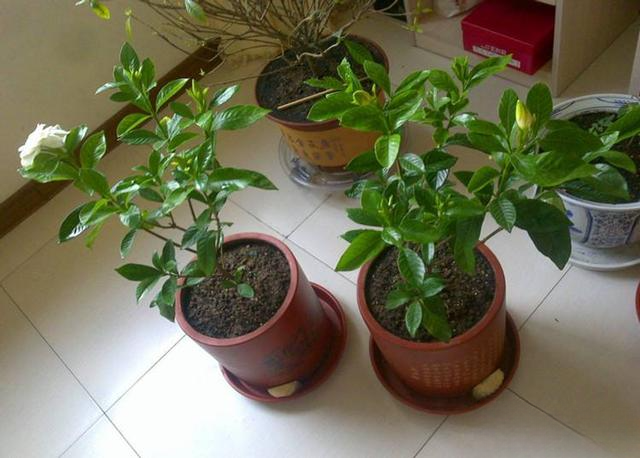
① Pruning should be done between May and July, ② or around December. Each pruning only requires removing 2-3 pairs of leaves from the tip of the branch, along with any spent flowers. After pruning, spray once with a 1000-fold dilution of carbendazim to prevent pathogens from entering through the wounds.
Pruning geraniums
From late August to early September, the plant should be pruned thoroughly in conjunction with repotting.
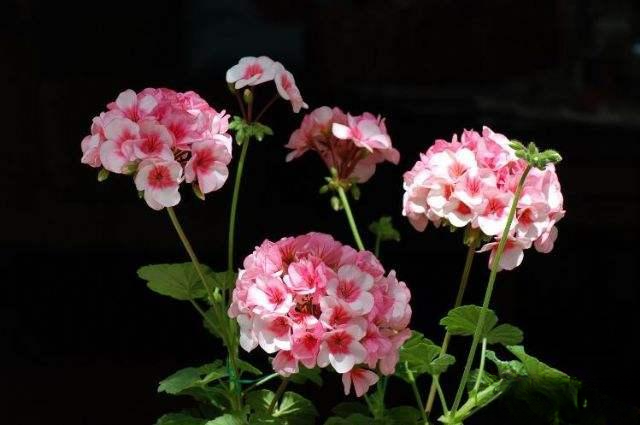
Depending on the plant's growth, generally select 3-5 strong, evenly distributed main branches near the base, and cut off any other overly dense, weak, or excessively long branches from the base. Then, shorten the main branches and lateral branches, leaving only a strong bud on each lateral branch, so that the branches of the entire plant are evenly and compactly distributed, resulting in a full and compact plant shape.
Notice:
For plants that have been cultivated for one year, simply prune them back at an appropriate point.
Generally, after the cut has dried and shrunk for half a month, you can start applying fertilizer normally so that new buds will continue to sprout and bloom successively.