growing flowers
Adjusting the temperature
Winter temperatures are generally low in northern regions, so it's important to keep plants that prefer warm temperatures warm when cultivating them. For example, the room temperature for plants like magnolia and milan should not fall below 10℃ in winter. In summer, plants that prefer cooler temperatures, such as cyclamen and Christmas cactus, should be placed in well-ventilated, cool locations. Temperature control methods can also be used to regulate the flowering period, allowing them to bloom as needed.
Keep warm and protect from freezing
Flowering plants, such as Milan, hibiscus, poinsettia, clivia, and cyclamen, generally require a winter temperature of 5 degrees Celsius or higher.
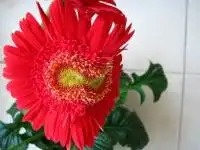
growing flowers
Above ℃, protection from cold winds is also necessary. For plants like lilies and cannas, those planted in the ground must be dug up and placed indoors for warmth in winter; potted plants also require protection. Foliage plants such as cycads, asparagus ferns, fan palms, and monstera only need to be kept above 12℃ in winter, as long as they don't freeze. Note that monstera requires slightly higher temperatures, needing to be kept above 5℃. Cacti thrive best at around 10℃.
Heating
In winter, indoor plants often struggle to maintain suitable room temperatures due to uneven heating. Large temperature differences between day and night are detrimental to plant growth. Therefore, it's crucial to ensure good ventilation, prevent dryness, and frequently mist the plants to increase humidity. Keep the plants a safe distance from radiators to avoid overheating and causing leaf tips to dry out.
Avoid low temperatures
Many foliage plants can only thrive in medium to high-temperature environments; if exposed to low temperatures, they will suffer frost damage or even die. For example, the optimal temperature for *Alocasia macrorrhiza* is 20-30℃, and the room temperature in winter should not fall below 18℃. *Codiaeum* will lose its leaves in cold weather, and ferns also dislike low temperatures. *Maranta* species are most susceptible to low temperatures; if the ambient temperature drops below 15℃, their leaves will wither, curl, and eventually fall off. Therefore, if the indoor temperature in winter is below 15℃, care should be taken when choosing foliage plants.
Lighting requirements
Flowers are generally divided into two categories: sun-loving and shade-loving. Roses, pomegranates, chrysanthemums, daffodils, and lotuses are all sun-loving plants; they need sunlight to thrive. Shade-loving plants are those that originally grow in shady, moist environments such as shady slopes or forests. Examples include begonias, clivias, azaleas, and monstera; they do not like direct, strong sunlight.
Proper watering
The main function of plant roots is to anchor the plant's growth and absorb water and nutrients from the soil. Roots also respire. If overwatered, the soil becomes waterlogged, hindering root respiration. Prolonged overwatering can lead to root rot and death of the plant.
Water is essential for the survival and reproduction of flowers, and proper watering is key to successful flower cultivation. The water requirements vary greatly depending on the type of flower, the environment, and the climate. For indoor plants, especially those in the living room, which lack direct sunlight and have lower transpiration rates, overwatering should be avoided. Otherwise, the soil will be constantly waterlogged, suffocating the roots and causing them to die. Overwatering is a major reason why many families fail to grow successful flowers. Generally speaking, plants on balconies need more water, while indoor plants need less; water more in hot weather and less in cool weather; water herbaceous plants more and woody plants less; and follow a "dry-wet cycle," watering only when the soil is relatively dry, and watering until water seeps out from the bottom of the pot each time.
Apply fertilizer at the right time
Household flowers generally don't need much fertilizer, especially popular foliage plants like the Brazilian ironwood and money tree. To maintain their original shape and prevent excessive growth and aging, they are generally fertilized 1-2 times each during the spring and autumn rainy seasons. Other vigorous plants only need to be fertilized once a month. You can use a 500-800 times diluted NPK compound fertilizer for drenching. You can also make your own organic fertilizer, such as by adding orange peels and eggshells to rice water or water used to wash baby bottles, sealing it, and soaking it for half a month. This will make an odorless, high-quality organic compound fertilizer.
Watering flowers with tap water
Some people say that tap water cannot be used to water flowers because it contains chlorine. However, years of practice have proven that tap water with a pH value between 6.8 and 7.8 is suitable for watering flowers, including prized plants that prefer slightly acidic conditions such as azaleas, camellias, and orchids. With proper fertilization and watering, these plants can thrive year after year with lush foliage and abundant blooms.
Watering flowers with tea
People often believe that watering flowers with tea, rice water, or even water used to wash fish will provide them with more nutrients. This is actually unscientific. Tea contains many alkaloids, which can interfere with plants' absorption of organic nutrients from the soil and don't actually help plant growth. While rice water and water used to wash fish do contain nutrients, they must be fermented and decomposed before plants can absorb them. Otherwise, they can burn the plant's roots.
Pollution-free pest control methods
For home gardening, the main pests include aphids, spider mites, scale insects, and soil-borne ants and grubs. Since most chemical pesticides are highly toxic and can easily pollute the environment and harm human health, it is best to remove them manually. Alternatively, you can make your own harmless pesticides, such as garlic juice mixed with a small amount of laundry detergent and diluted 50 times; or tobacco shreds soaked in 25 times the amount of water for 48 hours, then the filtrate mixed with an appropriate amount of laundry detergent; or eucalyptus oil diluted 500 times with water. These methods have a significant killing effect on most pests.
One should avoid being careless.
Flowers, like people, are living things and require careful nurturing. Many flower enthusiasts lack the necessary care and diligence towards these beautiful lives. Firstly, they are intellectually lazy, unwilling to study flower cultivation knowledge, remaining amateurs for years and failing to manage their plants effectively. Secondly, they are physically lazy, unwilling to spend excessive time and energy on their flowers. Once brought home, the plants are neglected, suffering from thirst, hunger, and pests. As a result, even the best flowers will gradually wither. Therefore, lazy people cannot grow flowers well.
Flowers, like people, are living things and require careful nurturing. Many flower enthusiasts lack the necessary care and diligence towards these beautiful lives. Firstly, they are intellectually lazy, unwilling to study flower cultivation knowledge, remaining amateurs for years and failing to manage their plants effectively. Secondly, they are physically lazy, unwilling to spend excessive time and energy on their flowers. Once brought home, the plants are neglected, suffering from thirst, hunger, and pests. As a result, even the best flowers will gradually wither. Therefore, lazy people cannot grow flowers well.
The second precept is against excessive love.
Conversely, some flower enthusiasts are overly fond of their plants, feeling an urge to tend to them constantly. Some water and fertilize irregularly, watering whenever they remember, leading to overwatering or over-fertilization and ultimately killing the plants. Others move their flowerpots around carelessly, several times a day, forcing the plants to constantly adapt to new environments and disrupting their normal growth patterns. It's no wonder that such behavior eventually kills the plants. Having a few favorite plants at home is perfectly acceptable, but like people, plants have their own growth cycles. If you frequently disturb them when they need rest, they will naturally become tired and their growth will suffer.
Conversely, some flower enthusiasts are overly fond of their plants, feeling an urge to tend to them constantly. Some water and fertilize irregularly, watering whenever they remember, leading to overwatering or over-fertilization and ultimately killing the plants. Others move their flowerpots around carelessly, several times a day, forcing the plants to constantly adapt to new environments and disrupting their normal growth patterns. It's no wonder that such behavior eventually kills the plants. Having a few favorite plants at home is perfectly acceptable, but like people, plants have their own growth cycles. If you frequently disturb them when they need rest, they will naturally become tired and their growth will suffer.
Three prohibitions: pursuing fame and fortune
Some flower enthusiasts believe that growing flowers means cultivating famous varieties because of their high ornamental value and greater market profits. Driven by this mindset, they spare no expense in searching for rare and expensive plants. However, the result is often that due to a lack of proper care and management techniques, the flowers die shortly after purchase, wasting both valuable plants and money – a misconception. The correct approach is to start with common, lower-end varieties, gradually learning the rules and techniques of flower cultivation. Only after reaching a certain level of skill should one gradually purchase more expensive varieties, thus increasing the chances of success.
Some flower enthusiasts believe that growing flowers means cultivating famous varieties because of their high ornamental value and greater market profits. Driven by this mindset, they spare no expense in searching for rare and expensive plants. However, the result is often that due to a lack of proper care and management techniques, the flowers die shortly after purchase, wasting both valuable plants and money – a misconception. The correct approach is to start with common, lower-end varieties, gradually learning the rules and techniques of flower cultivation. Only after reaching a certain level of skill should one gradually purchase more expensive varieties, thus increasing the chances of success.
The four prohibitions are about not being able to distinguish between good and bad.
Some flower enthusiasts, driven by greed, bring home any variety they see, regardless of its type. This not only makes management difficult but also introduces unsuitable plants into the home, polluting the environment and harming health. For example, some plants have poisonous sap that can easily cause poisoning upon contact. The scents of some flowers can affect the nervous system, potentially causing respiratory problems or even allergic reactions. Plants with sharp thorns also pose a threat to human safety. In short, home gardening should not be about pursuing large and diverse varieties indiscriminately; instead, choose smaller, aesthetically pleasing, and harmless species.
Some flower enthusiasts, driven by greed, bring home any variety they see, regardless of its type. This not only makes management difficult but also introduces unsuitable plants into the home, polluting the environment and harming health. For example, some plants have poisonous sap that can easily cause poisoning upon contact. The scents of some flowers can affect the nervous system, potentially causing respiratory problems or even allergic reactions. Plants with sharp thorns also pose a threat to human safety. In short, home gardening should not be about pursuing large and diverse varieties indiscriminately; instead, choose smaller, aesthetically pleasing, and harmless species.
The Five Precepts: Changing allegiance between Qin and Chu
Some flower enthusiasts are impatient and lack a focus in their gardening, constantly changing their plants. This is a major taboo in flower cultivation. First, changing varieties too frequently and having short cultivation periods hinders the development of beautiful, ornamental plants. Second, dabbling in each type of flower superficially hinders the improvement of gardening skills, leaving one ultimately a flower novice. Therefore, flower enthusiasts should choose one or two types of flowers and focus on their cultivation in order to truly gain expertise.
Some flower enthusiasts are impatient and lack a focus in their gardening, constantly changing their plants. This is a major taboo in flower cultivation. First, changing varieties too frequently and having short cultivation periods hinders the development of beautiful, ornamental plants. Second, dabbling in each type of flower superficially hinders the improvement of gardening skills, leaving one ultimately a flower novice. Therefore, flower enthusiasts should choose one or two types of flowers and focus on their cultivation in order to truly gain expertise.
The concept of the Six Precepts is not new.
While new knowledge and technologies are constantly emerging in the flower-growing industry, most flower growers still adhere to traditional methods. They are not adept at utilizing new technologies and equipment, such as hydroponics, odorless fertilizers, and various flower containers, in areas like flowerpot use, water and fertilizer management, and seedling cultivation. As a result, home gardening becomes unhygienic, unattractive, and lacks novelty, with significant negative consequences.
[Edit this section]Flower soil Because different plants have different habits, their requirements for soil also vary, so soil should be selected appropriately.
Sandy soil: It is soft and loose, non-alkaline, and has good drainage. It is most suitable for cuttings, sowing, and seedling cultivation of flowers and trees, but it dries out easily and is not suitable for planting woody flowers.
Street soil: It can only be used after being fully fermented. Because it has a certain fertilizing effect, it is suitable for planting perennial flowers and trees, and is more suitable for planting crabapple, fig, pomegranate and other plants.
Colloidal granular soil: Due to its large porosity, it has good drainage and ventilation, and its low soil temperature and low water and fertilizer evaporation make it suitable for planting plants such as Michelia champaca, Michelia figo, and jasmine.
Farmland and vegetable garden soil: It is a semi-colloidal and semi-sandy soil, containing a certain amount of humus, with good fertility, which is more beneficial for planting evergreen plants such as pines, cypresses, and palms.
River mud, grass ash, and leaf mold from hillsides: This type of soil is loose, fertile, rich in humus, and acidic. It is very beneficial for cultivating potted flowers such as Clivia, Amaryllis, and Azalea.
[Edit this section]Protective prescription 1. Garlic. Chop garlic and onions, add them to a liter of water along with a spoonful of pepper, and spray this mixture on the leaves of your flowers; animals like cats and dogs will stay away.
2. Tobacco. Nicotine is an effective pesticide for controlling aphids. Soak two or three cigarette butts in a cup of water until the water turns yellowish-brown, then add a small amount of alkaline solution, such as soapy water, before use. Soaking the affected parts of the flowers in the pesticide or spraying it directly can effectively kill aphids.
3. Vinegar. Azaleas and gardenias prefer acidic soil. Watering with hard water increases the lime content, causing the leaves to gradually turn yellow and wither. If you water the plant with a solution of two tablespoons of vinegar and one liter of water every two or three weeks, the yellowing leaves will disappear.
4. Whole milk. Ticks are a major pest for many houseplants, causing discoloration and wilting of leaves. Adding four cups of flour and half a cup of whole milk to 20 liters of water, stirring well, filtering through cheesecloth, and then spraying this liquid onto the leaves of the plants will kill most of the ticks and their eggs.
5. Beer. Beer is an effective and inexpensive remedy for snails. Pour beer into a shallow dish next to flowers, and the snails will crawl into the dish and drown.
6. Detergent. Mix one teaspoon of detergent with 4 liters of water to deal with whiteflies. Spray the undersides of the leaves every four to five days until the whiteflies are completely eliminated.
[Edit this section]Fertilizing flowers 1. Timely Fertilization: Timely fertilization means applying fertilizer when the flower needs it. The optimal time to fertilize is when the leaves turn pale or yellow, and the plant grows weakly. Additionally, top dressing should be applied when seedlings are producing leaves and branches are unfolding to meet the rapid growth needs of the seedlings. The fertilizer requirements of flowers vary at different growth stages. The type and amount of fertilizer also differ. For example, applying more nitrogen fertilizer during the seedling stage promotes seedling growth, while applying phosphorus fertilizer during the bud stage promotes larger, more vibrant flowers and a longer flowering period.
2. Appropriate Fertilization: Fertilizing potted flowers should follow the principle of "small, frequent meals," meaning fertilize more often, but with smaller amounts each time. Generally, apply a diluted fertilizer solution every 7-10 days, and once every 15-20 days after the start of autumn. As the plants grow, gradually increase the fertilizer concentration; for example, gradually increase the concentration of urea from 0.2% to 1.0%, and increase phosphorus and potassium fertilizer from 1.0% to 3.0-4.0%.
3. Fertilize according to the season: During spring and summer, flowers grow rapidly and vigorously, so more fertilizer can be applied. As temperatures gradually decrease in autumn, flower growth weakens, and fertilizer should be reduced. Fertilization should be stopped from late August to early September to prevent a second growth spurt, which can make flower cells delicate and difficult to overwinter. Overwintering flowers should not be fertilized during winter when they are dormant.
4. Fertilization should be done according to temperature. Potted flowers should not be fertilized around noon when it is hot or on rainy days, as fertilization at these times can easily damage the roots. It is best to fertilize in the evening. In autumn and winter, when the temperature is low and the growth of flowers is slow, fertilization is generally not necessary. In summer, when the temperature is high and the growth of flowers is vigorous, more fertilizer should be applied. When the temperature is high, the concentration of fertilizer should be low and the amount should be small. Diluted fertilizer solution should be applied several times.
5. Mixed application of pesticides and fertilizers: If pests or diseases occur during fertilization, an appropriate amount of pesticide can be added to the fertilizer solution, which can play a dual role in fertilization and pest and disease prevention.
[Edit this section]Balcony flower care To grow flowers on a balcony, you need to select suitable flower varieties based on the characteristics of the balcony, arrange them reasonably, make good use of space, and take good care of them in order to ensure that the flowers grow and develop well and fully display their ornamental effect.
(1) Choose flowers suitable for growing on the balcony. Currently, there are three main types of balconies in residential buildings in my country: protruding balconies, recessed balconies, and corridor balconies, but protruding balconies are the most common. This article will only briefly introduce which flowers are suitable for this type of balcony. For south-facing protruding balconies, which have plenty of sunlight and long hours of sunshine, it is advisable to choose flowers that like sunlight, such as Milan, Jasmine, Magnolia, Rose, Hibiscus, Chrysanthemum, Sunflower, Bitter Orange, Pomegranate, Kumquat, Grape, Cactus, Gymnocalycium, and heat- and drought-tolerant succulents. For north-facing balconies, it is advisable to grow shade-loving or shade-tolerant foliage plants, such as ornamental ferns, pothos, Philodendron, Aglaonema, Monstera deliciosa, Asparagus fern, Rhapis excelsa, Hosta, and Rubber tree. East-facing balconies generally receive 3-4 hours of direct sunlight daily, with only some diffused light in the afternoon. Therefore, they are suitable for short-day plants and those that prefer partial shade, such as Christmas cactus, camellia, azalea, and clivia. West-facing balconies are relatively shaded in the morning, but receive strong sunlight after midday. Therefore, they are suitable for growing shade-tolerant and heat-resistant climbing plants, such as star jasmine, Virginia creeper, trumpet vine, and Euonymus fortunei, to form a "green barrier" and also to protect against the afternoon sun in summer.
(2) Reasonable layout to make full use of balcony space. A well-planned balcony greening decoration, when viewed from inside, resembles a small framed view in nature, and when viewed from the outside, it is like a small showcase of flowers. There is no fixed pattern for the specific layout of balcony greening; it is determined by the location and size of the balcony and personal preferences. Generally speaking, it should be neat and beautiful, avoiding clutter, and should also be orderly in height, staggered, and layered, while leaving sufficient space to avoid creating a feeling of crowding. For example, when landscaping a sunny balcony that is 1m-1.2m wide and 3m long, you can place 2-3 potted plants that prefer neutral sunlight on the wider cement railing on the outside of the balcony. On the east side of the balcony, set up a small trapezoidal frame made of wood or metal with 3-5 tiers, and place several medium and small seasonal potted plants from bottom to top according to the plant's habits. On the west side of the balcony, set up a small planting trough and plant climbing or creeping plants such as Virginia creeper, climbing rose, sweet pea, and small gourd. To make full use of the space, you can install hooks on the balcony platform or eaves to hang hanging potted plants. The type of plant in the hanging pot depends on the location of the hook. Planting sun-loving plants is suitable for sunny locations; planting shade-tolerant plants is suitable for more shady locations. It is best to plant plants with drooping branches and leaves, light and green, swaying in the wind, and graceful and elegant in the hanging pot, which will give people a unique charm. Safety must be taken into account when growing flowers on the balcony, and care must be taken to prevent flower pots from falling and injuring people.
(3) Careful maintenance and management are essential. Since the balcony environment is relatively dry, watering should generally be slightly more frequent than in open ground. The frequency of watering varies depending on local climate conditions and should be adjusted according to the actual dryness of the potting soil, following the principle of "watering when dry." Since most balcony flowers do not receive natural rain or dew, artificial spraying is crucial. During dry seasons and hot summers, spray the leaves and branches several times a day to increase air humidity, which is very beneficial for most flowers. Some experienced gardeners often lay bricks on the balcony floor and sprinkle water, as bricks can absorb a lot of water, which evaporates when heated, thus increasing air humidity. This is a simple and effective humidification measure. To ensure the healthy growth and abundant blooms of balcony flowers, it is also important to regularly supplement necessary nutrients. Apply more well-rotted organic fertilizer to the potting soil according to the different types of fertilizers needed by different flowers, and apply compound fertilizer several times during the peak growing season. To maintain a beautiful plant shape, pay attention to pinching, bud removal, and pruning, and promptly remove withered flowers and branches to reduce nutrient consumption. For flowers that are strongly phototropic, the pots should be rotated every few days. In northern regions where summers are hot, reed or straw mats should be hung to provide shade around midday to prevent scorching from the sun. Furthermore, potted plants should ideally use sterilized potting soil to reduce the occurrence of pests and diseases. If aphids, spider mites, scale insects, leaf spot, powdery mildew, or chlorosis occur, these problems should be addressed.
While new knowledge and technologies are constantly emerging in the flower-growing industry, most flower growers still adhere to traditional methods. They are not adept at utilizing new technologies and equipment, such as hydroponics, odorless fertilizers, and various flower containers, in areas like flowerpot use, water and fertilizer management, and seedling cultivation. As a result, home gardening becomes unhygienic, unattractive, and lacks novelty, with significant negative consequences.
Because different plants have different habits, their requirements for soil also vary, so soil should be selected appropriately.
Sandy soil: It is soft and loose, non-alkaline, and has good drainage. It is most suitable for cuttings, sowing, and seedling cultivation of flowers and trees, but it dries out easily and is not suitable for planting woody flowers.
Street soil: It can only be used after being fully fermented. Because it has a certain fertilizing effect, it is suitable for planting perennial flowers and trees, and is more suitable for planting crabapple, fig, pomegranate and other plants.
Colloidal granular soil: Due to its large porosity, it has good drainage and ventilation, and its low soil temperature and low water and fertilizer evaporation make it suitable for planting plants such as Michelia champaca, Michelia figo, and jasmine.
Farmland and vegetable garden soil: It is a semi-colloidal and semi-sandy soil, containing a certain amount of humus, with good fertility, which is more beneficial for planting evergreen plants such as pines, cypresses, and palms.
River mud, grass ash, and leaf mold from hillsides: This type of soil is loose, fertile, rich in humus, and acidic. It is very beneficial for cultivating potted flowers such as Clivia, Amaryllis, and Azalea.
1. Garlic. Chop garlic and onions, add them to a liter of water along with a spoonful of pepper, and spray this mixture on the leaves of your flowers; animals like cats and dogs will stay away.
2. Tobacco. Nicotine is an effective pesticide for controlling aphids. Soak two or three cigarette butts in a cup of water until the water turns yellowish-brown, then add a small amount of alkaline solution, such as soapy water, before use. Soaking the affected parts of the flowers in the pesticide or spraying it directly can effectively kill aphids.
3. Vinegar. Azaleas and gardenias prefer acidic soil. Watering with hard water increases the lime content, causing the leaves to gradually turn yellow and wither. If you water the plant with a solution of two tablespoons of vinegar and one liter of water every two or three weeks, the yellowing leaves will disappear.
4. Whole milk. Ticks are a major pest for many houseplants, causing discoloration and wilting of leaves. Adding four cups of flour and half a cup of whole milk to 20 liters of water, stirring well, filtering through cheesecloth, and then spraying this liquid onto the leaves of the plants will kill most of the ticks and their eggs.
5. Beer. Beer is an effective and inexpensive remedy for snails. Pour beer into a shallow dish next to flowers, and the snails will crawl into the dish and drown.
6. Detergent. Mix one teaspoon of detergent with 4 liters of water to deal with whiteflies. Spray the undersides of the leaves every four to five days until the whiteflies are completely eliminated.
1. Timely Fertilization: Timely fertilization means applying fertilizer when the flower needs it. The optimal time to fertilize is when the leaves turn pale or yellow, and the plant grows weakly. Additionally, top dressing should be applied when seedlings are producing leaves and branches are unfolding to meet the rapid growth needs of the seedlings. The fertilizer requirements of flowers vary at different growth stages. The type and amount of fertilizer also differ. For example, applying more nitrogen fertilizer during the seedling stage promotes seedling growth, while applying phosphorus fertilizer during the bud stage promotes larger, more vibrant flowers and a longer flowering period.
2. Appropriate Fertilization: Fertilizing potted flowers should follow the principle of "small, frequent meals," meaning fertilize more often, but with smaller amounts each time. Generally, apply a diluted fertilizer solution every 7-10 days, and once every 15-20 days after the start of autumn. As the plants grow, gradually increase the fertilizer concentration; for example, gradually increase the concentration of urea from 0.2% to 1.0%, and increase phosphorus and potassium fertilizer from 1.0% to 3.0-4.0%.
3. Fertilize according to the season: During spring and summer, flowers grow rapidly and vigorously, so more fertilizer can be applied. As temperatures gradually decrease in autumn, flower growth weakens, and fertilizer should be reduced. Fertilization should be stopped from late August to early September to prevent a second growth spurt, which can make flower cells delicate and difficult to overwinter. Overwintering flowers should not be fertilized during winter when they are dormant.
4. Fertilization should be done according to temperature. Potted flowers should not be fertilized around noon when it is hot or on rainy days, as fertilization at these times can easily damage the roots. It is best to fertilize in the evening. In autumn and winter, when the temperature is low and the growth of flowers is slow, fertilization is generally not necessary. In summer, when the temperature is high and the growth of flowers is vigorous, more fertilizer should be applied. When the temperature is high, the concentration of fertilizer should be low and the amount should be small. Diluted fertilizer solution should be applied several times.
5. Mixed application of pesticides and fertilizers: If pests or diseases occur during fertilization, an appropriate amount of pesticide can be added to the fertilizer solution, which can play a dual role in fertilization and pest and disease prevention.
To grow flowers on a balcony, you need to select suitable flower varieties based on the characteristics of the balcony, arrange them reasonably, make good use of space, and take good care of them in order to ensure that the flowers grow and develop well and fully display their ornamental effect.
(1) Choose flowers suitable for growing on the balcony. Currently, there are three main types of balconies in residential buildings in my country: protruding balconies, recessed balconies, and corridor balconies, but protruding balconies are the most common. This article will only briefly introduce which flowers are suitable for this type of balcony. For south-facing protruding balconies, which have plenty of sunlight and long hours of sunshine, it is advisable to choose flowers that like sunlight, such as Milan, Jasmine, Magnolia, Rose, Hibiscus, Chrysanthemum, Sunflower, Bitter Orange, Pomegranate, Kumquat, Grape, Cactus, Gymnocalycium, and heat- and drought-tolerant succulents. For north-facing balconies, it is advisable to grow shade-loving or shade-tolerant foliage plants, such as ornamental ferns, pothos, Philodendron, Aglaonema, Monstera deliciosa, Asparagus fern, Rhapis excelsa, Hosta, and Rubber tree. East-facing balconies generally receive 3-4 hours of direct sunlight daily, with only some diffused light in the afternoon. Therefore, they are suitable for short-day plants and those that prefer partial shade, such as Christmas cactus, camellia, azalea, and clivia. West-facing balconies are relatively shaded in the morning, but receive strong sunlight after midday. Therefore, they are suitable for growing shade-tolerant and heat-resistant climbing plants, such as star jasmine, Virginia creeper, trumpet vine, and Euonymus fortunei, to form a "green barrier" and also to protect against the afternoon sun in summer.
(2) Reasonable layout to make full use of balcony space. A well-planned balcony greening decoration, when viewed from inside, resembles a small framed view in nature, and when viewed from the outside, it is like a small showcase of flowers. There is no fixed pattern for the specific layout of balcony greening; it is determined by the location and size of the balcony and personal preferences. Generally speaking, it should be neat and beautiful, avoiding clutter, and should also be orderly in height, staggered, and layered, while leaving sufficient space to avoid creating a feeling of crowding. For example, when landscaping a sunny balcony that is 1m-1.2m wide and 3m long, you can place 2-3 potted plants that prefer neutral sunlight on the wider cement railing on the outside of the balcony. On the east side of the balcony, set up a small trapezoidal frame made of wood or metal with 3-5 tiers, and place several medium and small seasonal potted plants from bottom to top according to the plant's habits. On the west side of the balcony, set up a small planting trough and plant climbing or creeping plants such as Virginia creeper, climbing rose, sweet pea, and small gourd. To make full use of the space, you can install hooks on the balcony platform or eaves to hang hanging potted plants. The type of plant in the hanging pot depends on the location of the hook. Planting sun-loving plants is suitable for sunny locations; planting shade-tolerant plants is suitable for more shady locations. It is best to plant plants with drooping branches and leaves, light and green, swaying in the wind, and graceful and elegant in the hanging pot, which will give people a unique charm. Safety must be taken into account when growing flowers on the balcony, and care must be taken to prevent flower pots from falling and injuring people.
(3) Careful maintenance and management are essential. Since the balcony environment is relatively dry, watering should generally be slightly more frequent than in open ground. The frequency of watering varies depending on local climate conditions and should be adjusted according to the actual dryness of the potting soil, following the principle of "watering when dry." Since most balcony flowers do not receive natural rain or dew, artificial spraying is crucial. During dry seasons and hot summers, spray the leaves and branches several times a day to increase air humidity, which is very beneficial for most flowers. Some experienced gardeners often lay bricks on the balcony floor and sprinkle water, as bricks can absorb a lot of water, which evaporates when heated, thus increasing air humidity. This is a simple and effective humidification measure. To ensure the healthy growth and abundant blooms of balcony flowers, it is also important to regularly supplement necessary nutrients. Apply more well-rotted organic fertilizer to the potting soil according to the different types of fertilizers needed by different flowers, and apply compound fertilizer several times during the peak growing season. To maintain a beautiful plant shape, pay attention to pinching, bud removal, and pruning, and promptly remove withered flowers and branches to reduce nutrient consumption. For flowers that are strongly phototropic, the pots should be rotated every few days. In northern regions where summers are hot, reed or straw mats should be hung to provide shade around midday to prevent scorching from the sun. Furthermore, potted plants should ideally use sterilized potting soil to reduce the occurrence of pests and diseases. If aphids, spider mites, scale insects, leaf spot, powdery mildew, or chlorosis occur, these problems should be addressed.