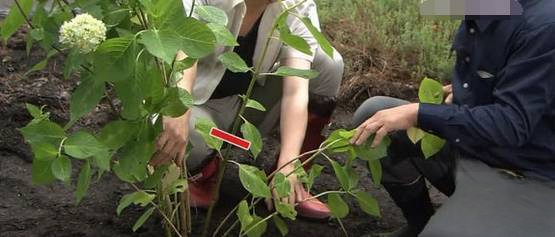
Give a flower a snip in the summer, and it will grow like crazy two months later!
camellia
Complete Guide to Flower Growing
1
Prune parallel branches
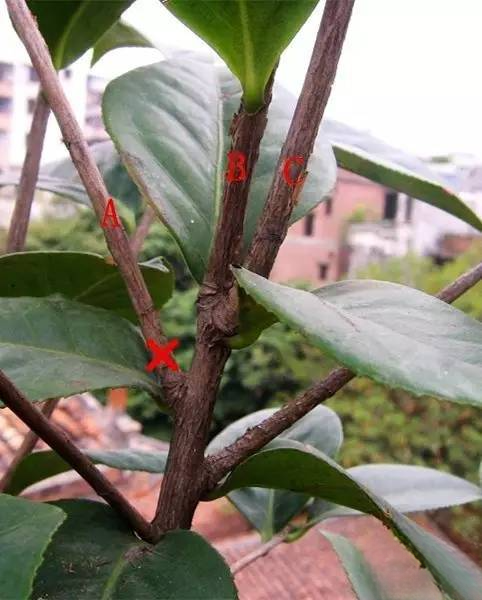
If parallel branches are not pruned in time, they will not only affect the plant's shape, but also divert nutrients.
For example, in the image below, branches A, B, and C are relatively close, so branch A should be removed. Since branches B and C are parallel, branch C should also be removed.
2
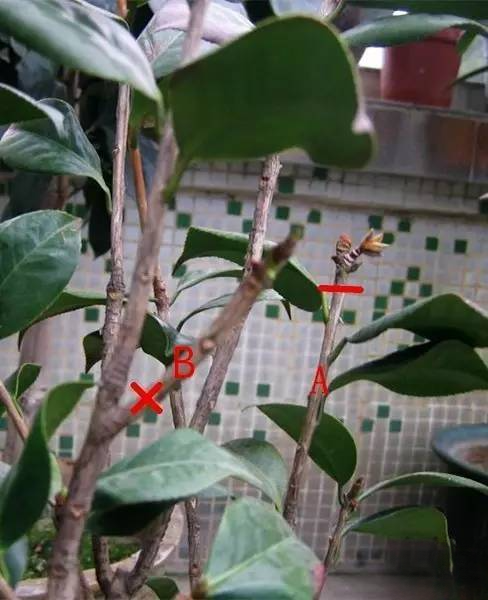
Cut off the entire dead branch or the dead terminal bud.
Some branches that have dried up and stopped growing new leaves can be removed directly, such as branch B in the picture below, which is no longer growing new leaves and can be removed directly.
3
Trim off any overly dense branches at the top.
This problem only occurs in some very vigorous camellias. The branches at the top are too dense, which not only hinders ventilation but also blocks light, which is not conducive to the growth of the camellia branches.
For example, in the picture below, the branches are very close together, and some branches are crisscrossed, which is not conducive to growth. The branches that need pruning have been marked in the picture below.
Before pruning
(This mainly involves pruning parallel branches and the crossing branches below.)
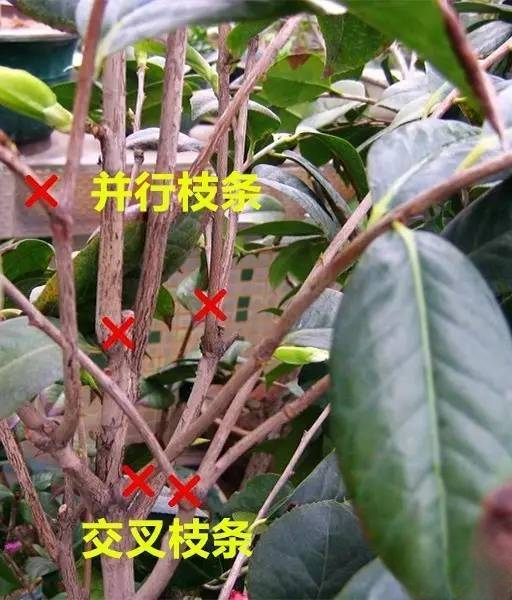
After pruning
(Doesn't it look instantly fresher?)
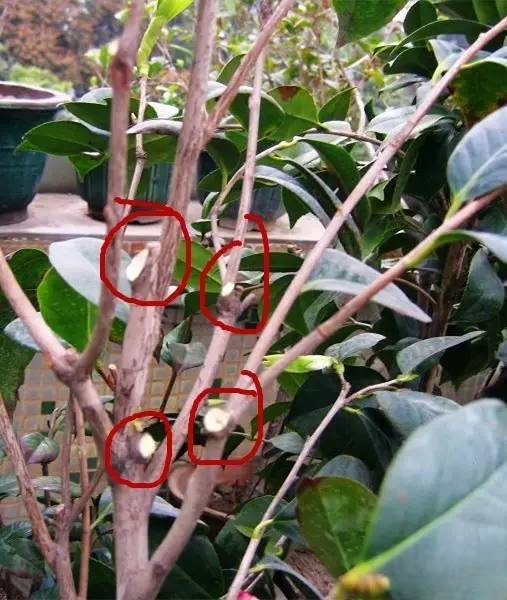
4
Trim off the thin, weak lower branches.
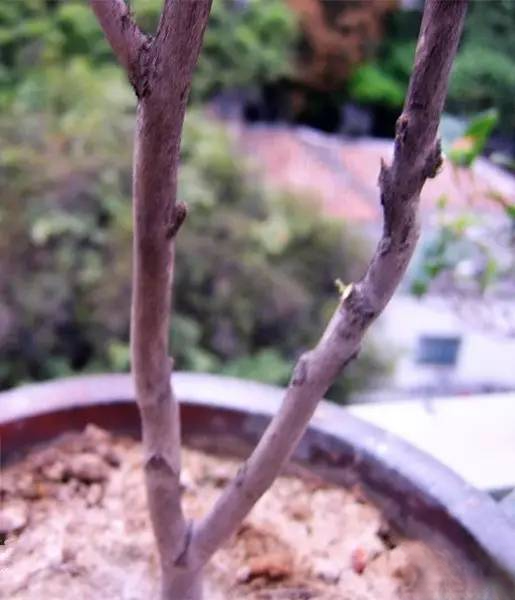
Sometimes, due to vigorous growth, new branches will sprout from the base of the camellia. These thin, weak branches at the base are called basal branches and should also be removed, otherwise they will not only damage the plant's shape but also consume nutrients.
Before pruning
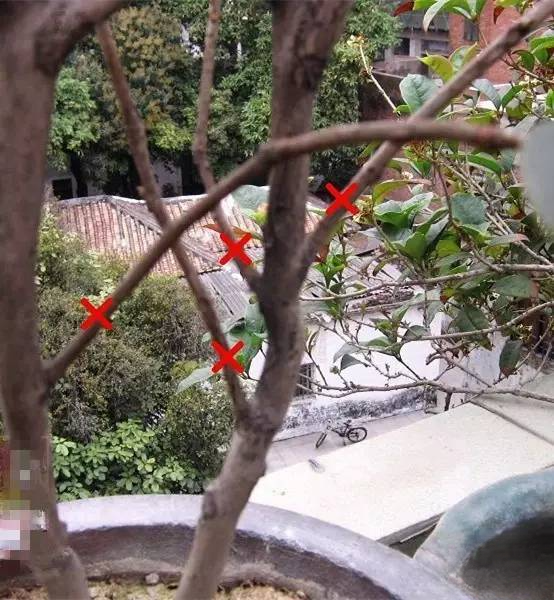
After pruning
Jasmine
Complete Guide to Flower Growing
Jasmine is a major bloomer in summer, but if you don't master the correct pruning methods, not only will it produce fewer flowers, but the quality of the flowers will also be poor.
If pruned properly, it's not a problem for a single branch to have more than a dozen flower buds!
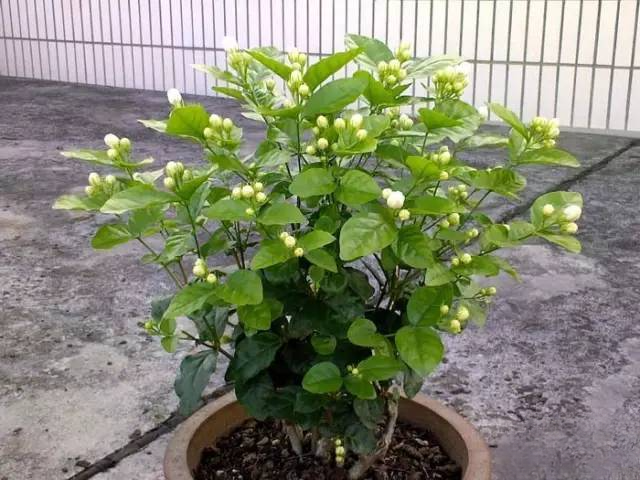
1
Prune thin, weak, and overgrown branches
Jasmine blooms better in higher temperatures, so before the hot summer months, the longer and weaker branches at the top of the jasmine plant should be pruned in half. See the image below for specific pruning locations.
Before pruning
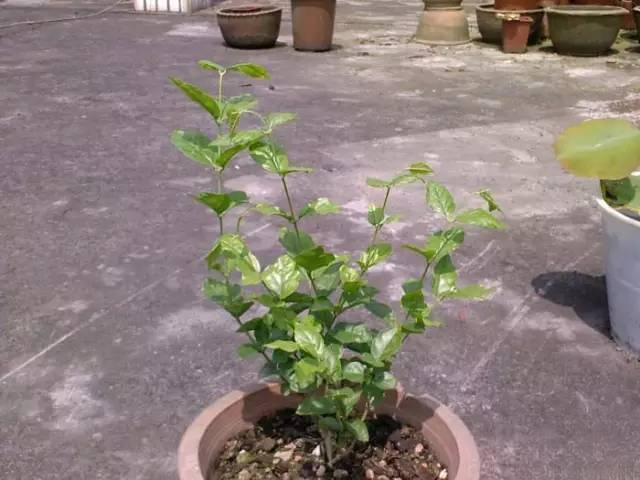
After pruning
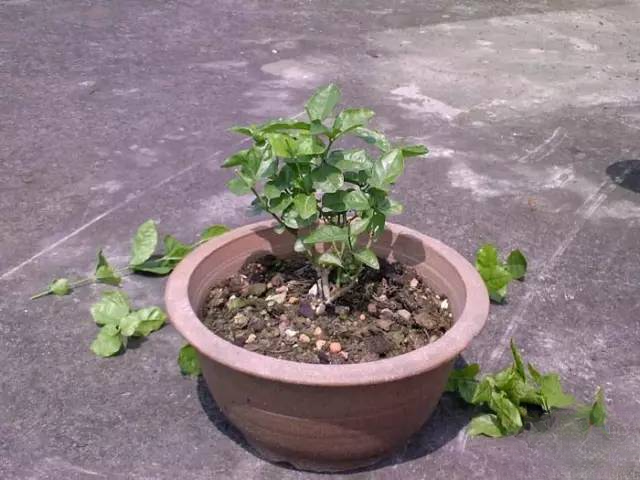
Germination status after 10 days
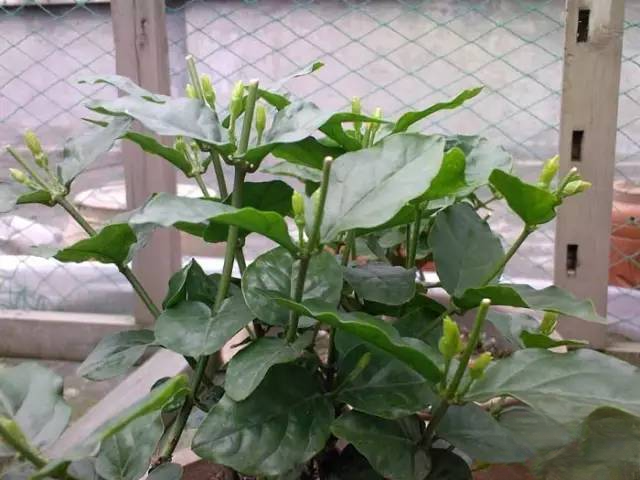
2
Prune promptly after flowering
Pruning is very important after jasmine flowers. Generally speaking, the branches that will flower are new branches that are relatively long and thin. If they are not pruned in time, the branches will become longer and thinner, and fewer and fewer flowers will be produced.
Before pruning
(Many flower buds that have already finished blooming can be seen)
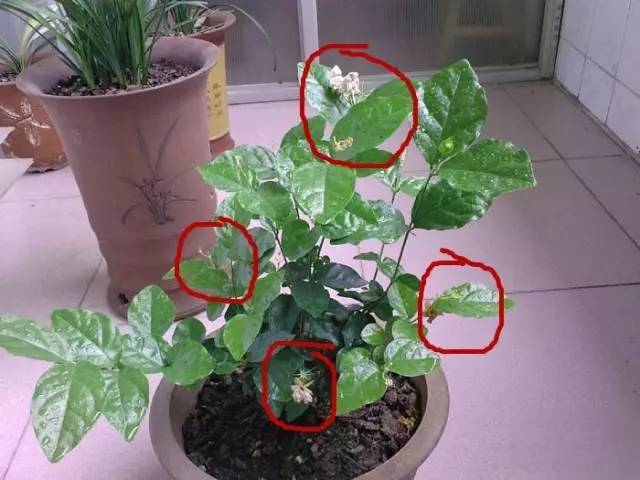
After pruning
(All longer branches and withered flowers have been pruned)
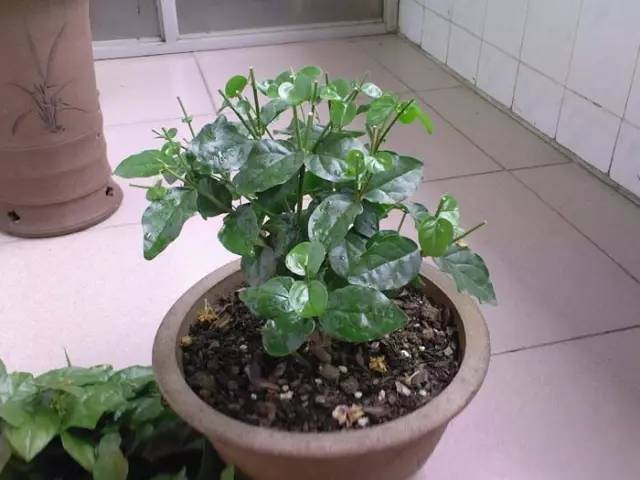
Note: Don't throw away the cut branches! These flowering branches are very easy to propagate by cuttings. You can use them for propagation or give them to friends or colleagues!
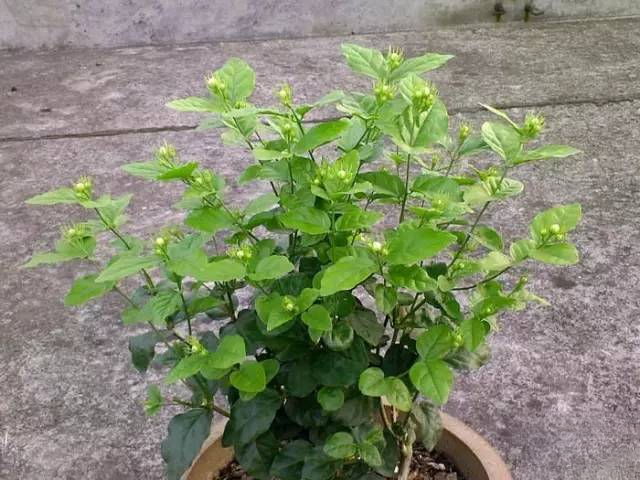
One month after flowering, prune
(New branches have sprouted and are already bearing flower buds; another batch of flowers will bloom soon.)
Clematis
Complete Guide to Flower Growing
Yes, vines like clematis also need pruning, especially early-flowering varieties. If they are not pruned, after a few years, the area where the roots connect with the soil will become very bare.
Therefore, it is essential to prune promptly after flowering to prevent the base from becoming bald. Pruning is generally done in mid-July.
1
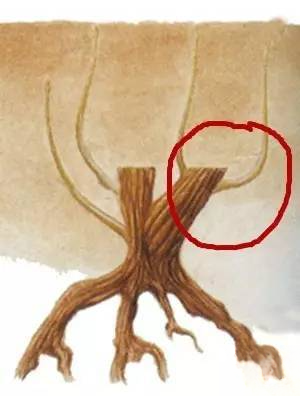
Cut off a very old branch.
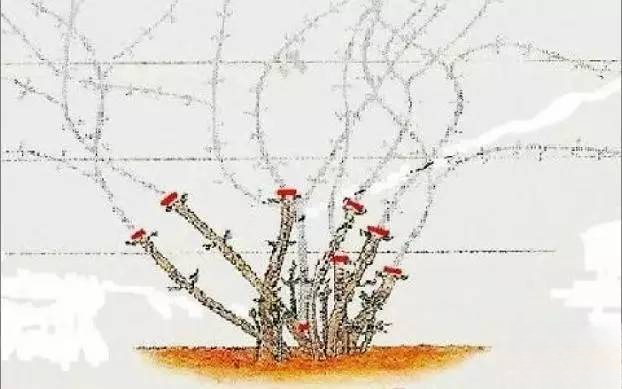
Those very old branches have gradually deteriorated in terms of both root absorption capacity and ability to sprout new branches. Therefore, it is appropriate to prune 1 to 2 of them to encourage more new branches to sprout from the base.
For example, in the image below, you can choose to cut off one of the branches. It is generally not recommended to cut them all off in the summer.
2
Cut the current year's shoots in half.
Because of the high evaporation rate in summer, it is not suitable to prune clematis heavily. However, since clematis blooms at the top, appropriately shortening the branches can promote the growth of lateral branches.
For example, in the picture below, the new branches of the current year are cut in half. Note that they must be new branches of the current year!
Hydrangea
Complete Guide to Flower Growing
1
Prune spent flowers promptly after flowering.
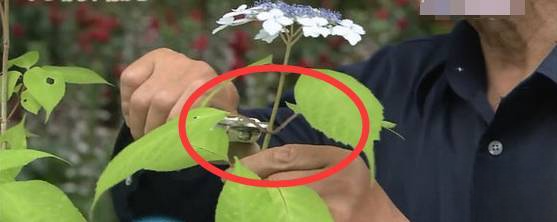
After hydrangeas bloom, the spent flowers should be removed promptly. If they are not pruned in time, the buds on the flower stems will not grow, resulting in fewer flowers the following year.
When pruning faded hydrangea flowers, look down at the top leaves. If there are buds at the nodes of the lower leaves, cut off the top of the buds, leaving the buds.
2
Prune some of the new branches
Except for the Endless Summer variety, other hydrangeas bloom on old branches. Therefore, if you want to reduce the size of a hydrangea, you should not prune the old branches, but rather work on the new branches.
For example, in the picture below, do you notice that the branches circled by the flower are different colors? The brighter green on the left is a new branch, while the one on the right looks grayish and is older.
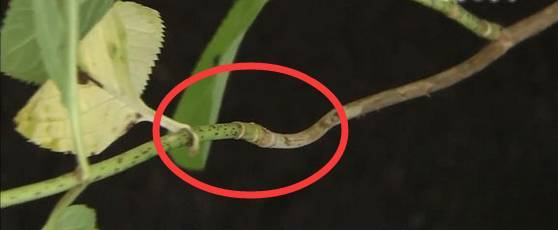
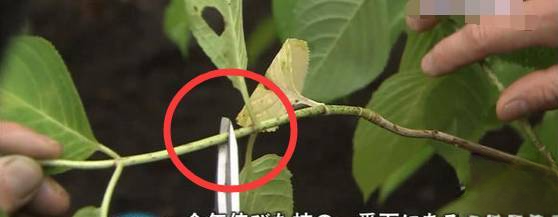
Therefore, when pruning, you should prune from above the first pair of healthy leaves on the left.
Trimming area diagram
3
Prune away any new shoots growing from the base.
Some new shoots grow from the base. If you don't want your hydrangea to grow too tall, you can cut off these shoots so that nutrients can be transported to other older shoots.
These new shoots can be pruned above the bottom pair of leaves.