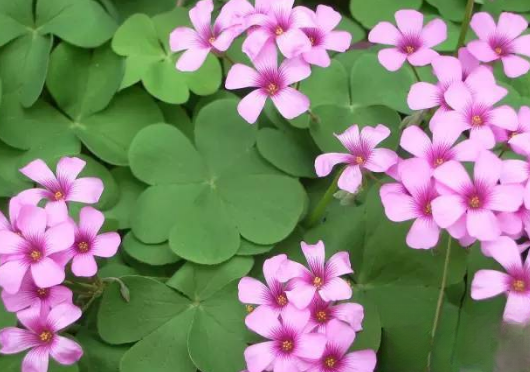
Gardening knowledge: the advantages and disadvantages of growing clover
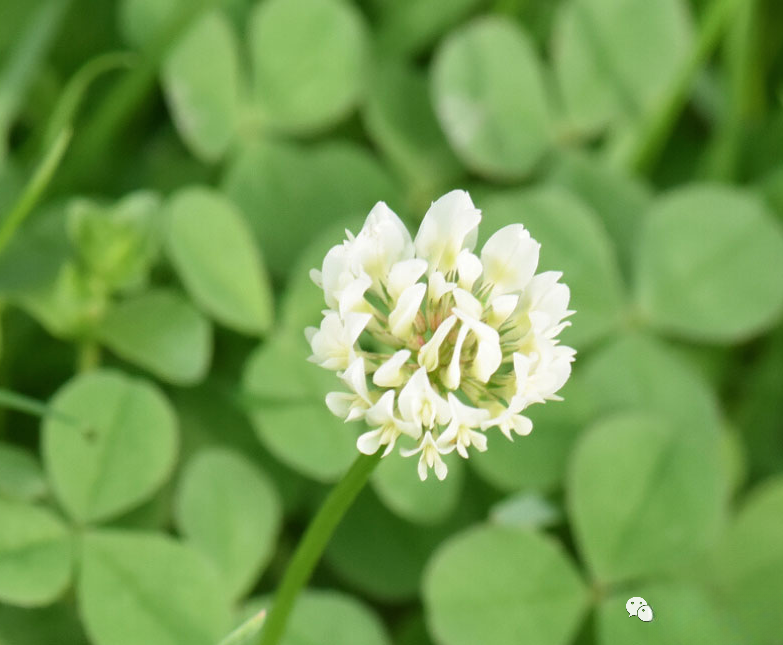
Many people either love the pretty clover or hate this weed. While this little model may have some advantages, clover also has many disadvantages. Let's take a closer look at this "two sides of the coin" and see which side it lands on.

Advantages of clover
Many people consider clover to be just a weed, but there are actually many benefits to planting clover on your lawn. Lawns planted with clover have a healthier and more natural turf than regular lawns because clover attracts many pollinators and requires minimal maintenance.

Attracting bees. Clover on the lawn attracts pollinators. Flowers are a source of nectar for bees and other pollinators. Clover helps provide additional food sources for bee colonies, thus increasing the amount of pollination needed in the garden.
Reduce lawn mowing . One of the biggest reasons to grow clover is that it requires almost no mowing for those who dislike gardening or weeding. Clover is the most common variety for lawns and grows very low.
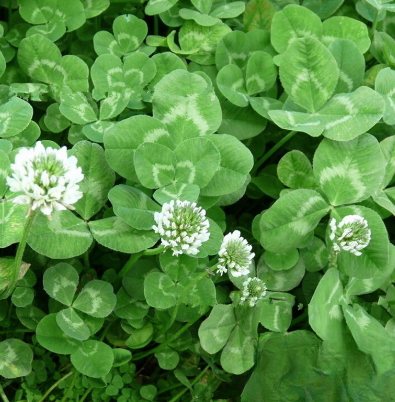
Enriching the soil. As a legume, clover absorbs nitrogen from the air and converts it into a form usable in the soil. If grass and clover are planted in a lawn, the grass will grow healthier and the need for fertilizer can be reduced.
Avoid browning. During the hottest season of the year, turfgrass tends to go dormant and turn brown, while clover stays green due to its deep root system. Clover can also prevent browning caused by dog urine.
Save water. While continuous watering can prevent browning during the summer, it's wasteful. The more clover in your lawn, the less water you need.
Prevent weeds from growing. If you intend to grow clover, you'll find that weeds are no longer a problem, regardless of whether they are present or not – because few weeds can compete with this stubborn little plant.
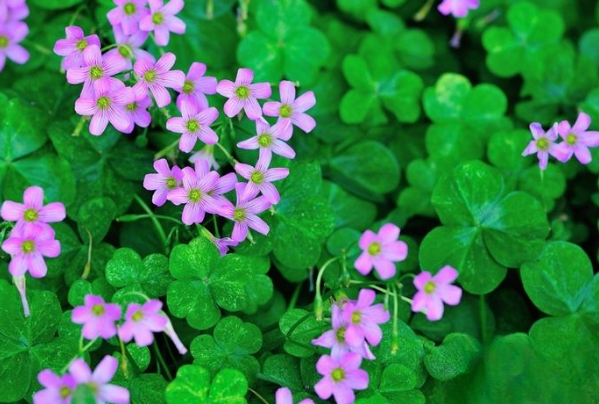
Disadvantages of growing clover
Lack of durability. If you have children and pets, clover is not as tough as turfgrass and is easily trampled. This is one of the main problems with clover, and if you want a sturdy and durable lawn, planting only clover is clearly not advisable; it is much better to mix it with common grasses.
Appearance. Some people may dislike the appearance of clover , finding it to look like weeds, uneven and messy, especially when clover is planted mixed with other grasses. If you prefer a neat lawn, clover certainly won't meet your needs.
Bee stings. Clover flowers are rich in sweet nectar, and dense clover bushes attract many bees. While pollinators are vital to the environment, a clover lawn can be dangerous if someone in your family is allergic to bee stings, or if you (or your child) enjoy running barefoot on the lawn. Aggressive. Clover is extremely aggressive , ranking first among invasive plants. A tangled mess of clover can climb flower beds, vegetable gardens, or a neighbor's lawn, competing with other plants for space, water, and nutrients.
Green stains. Traditional turf can discolor clothes (rolling on the lawn), but clover is even worse, and removing clover stains is a hassle.