Gardening knowledge: Seven herbs best suited for indoor cultivation
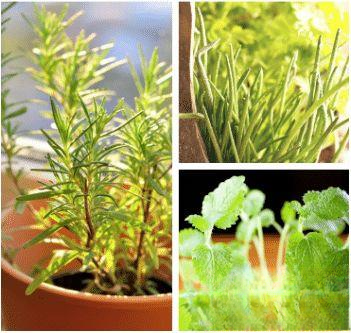
Many herbs thrive indoors under grow lights or near a window. Interested in growing your own herbs indoors? Here are seven of the most popular herbs to grow indoors.
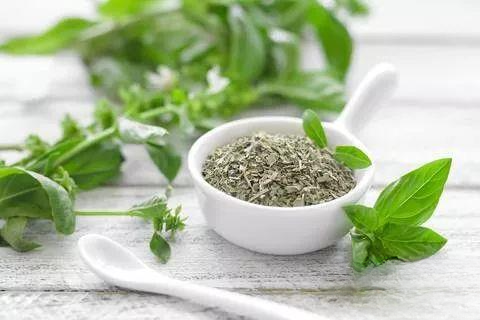
1. Basil - Basil is a type of culinary herb, mostly annuals, including African blue basil and Thai basil. In the Minnan dialect, it's called "nine-layered pagoda," a type of basil. In the Chaoshan region of Guangdong, it's called "Jin Buhuan," in northern Anhui it's called "Xiang Hua Zi," and in some parts of northern China it's called "Lan Xiang."
Basil was cultivated in India 5,000 years ago. Now, basil is an important ingredient in Italian and South Asian cuisine. The leaves have a strong, anise-like aroma that can enhance the flavor of dishes; for example, basil leaves can be sprinkled on top of Three Cup Chicken or Vietnamese Pho, or added during roasting or frying.
Basil can also be used in traditional Chinese medicine, commonly to treat bruises and insect bites. In northern Anhui province, basil is mainly used as a mosquito repellent and itch reliever, rather than as a cooking ingredient. Furthermore, the medicinal properties and applications of basil are also included in the Indian herbal medicine system.
In India, basil is often used as an adjunct treatment for asthma and diabetes. In ancient medicine, basil was also used to treat acne. Basil has been used since ancient times to treat respiratory problems, digestive and kidney diseases, epilepsy, insect or snake bites, fever, epidemics, and malaria.
Aromatherapy benefits: It helps maintain an open mind and improves mental clarity.
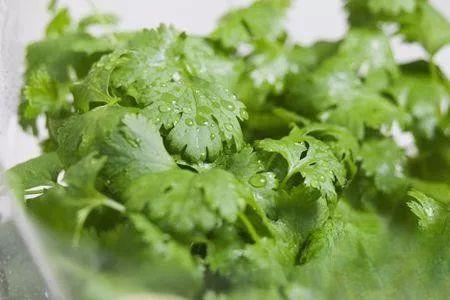
2. Coriander - Coriander, also known as cilantro , is an annual herbaceous plant belonging to the genus Coriander. It is frequently used in cooking in the Middle East, Mediterranean, India, Latin America, China, and Southeast Asia, and also has medicinal uses.
The Greeks have been using coriander since at least 2000 BC. Medieval Europeans often used coriander leaves and seeds to mask the odor of spoiled meat, and coriander seeds are still frequently added to European sausages today. In England during the reign of Elizabethan I, coriander seed powder was also commonly used in cocktails and coffee. In China, coriander leaves are more commonly consumed, used in soups or salads. Their aroma is believed to have a cleansing and invigorating effect, and they are often used to flavor soups and dishes.
Medical efficacy:
In the early stages of measles in children, the rash may not fully erupt, accompanied by fever and no sweating.
Relieves heat rash, fever, headache, and treats rash.
A solution made from coriander seeds can treat suppurative diseases.
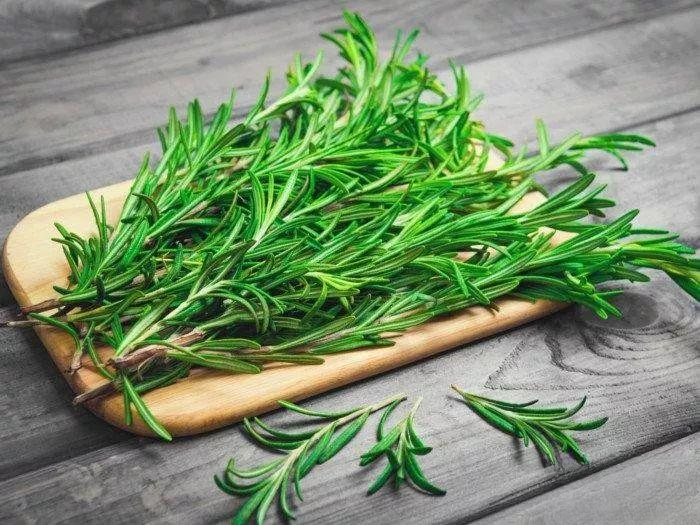
3. Rosemary - Rosemary is a woody perennial aromatic plant native to the Mediterranean basin, growing wild or cultivated in chalky soil. Aromatic oils can be extracted from its stems, leaves, and flowers. Perennial rosemary not only smells wonderful but also acts as a natural room deodorizer.
Fresh or dried rosemary leaves can be used as a spice. In traditional Mediterranean cuisine, rosemary leaves are often added to enhance the flavor of food. Rosemary leaves are also used as an ingredient in herbal teas.
Rosemary contains many phytochemicals, including rosmarinic acid , camphor, caffeic acid, ursolic acid, betulinic acid, and the antioxidants caryopsisic acid and caryopsisol . In traditional Indian medicine, extracts from the flowers and leaves, as well as essential oils, are used to treat a variety of ailments.
Medical efficacy:
In traditional Chinese medicine, rosemary is believed to have effects such as strengthening the stomach, inducing sweating, treating headaches, relieving bad breath, aiding digestion, and calming the nerves.
The scent of rosemary can uplift mood, combat depression, balance tension, and open the mind. It can be used as an anesthetic, sedative, antibacterial, antispasmodic, and astringent. It can also be used to invigorate the spirit and promote blood circulation. It is helpful for cellulite, dandruff, hair loss, memory problems, headaches, and muscle pain. In hair care products, it can help condition hair and increase shine.
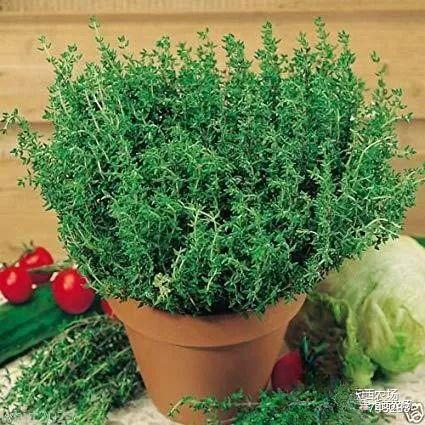
4. Thyme - Thyme, or thyme, is a herb with culinary and medicinal value, derived from a variety of plant in the thyme genus. It is rich in iron, and its aroma and preservative properties come from thymol. Thyme and rosemary combine beautifully and can be used as a seasoning for meats or on baked potatoes.
Ancient Egyptians used thyme as a preservative, while the ancient Greeks used it in baths or burned it as incense in temples, believing it represented courage. The ancient Romans are considered to have spread thyme to other regions because they habitually placed it in rooms to mask odors and add flavor to cheese and wine. In medieval Europe, it was common to place thyme under pillows to aid sleep and prevent nightmares.
Medical efficacy:
Because thyme essential oil contains 20% to 54% thymol, which has antibacterial properties, it is used in the formulation of mouthwashes, antifungal medications, and antitussive or antibronchitis medications. Many disinfectants also contain thymol. Before the development of modern antibiotics, thyme essential oil was used to make medicated bandages. It can be used as a bactericide, antispasmodic, and expectorant. It also has a calming effect.
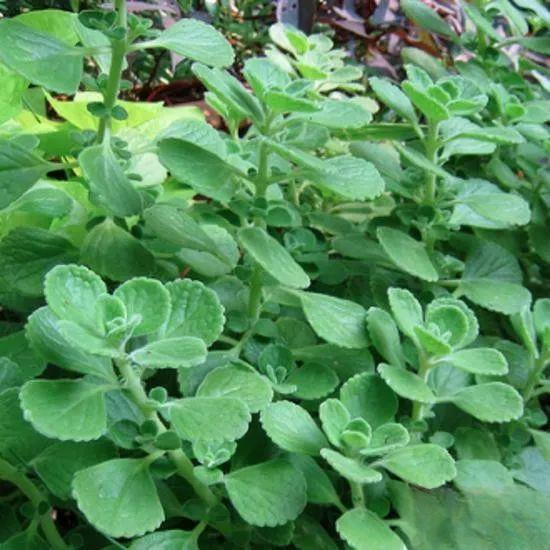
5. Oregano - Oregano, also known as Yunnan fragrant herb, is called "Oregano leaf," "pizza herb," or "wild marjoram" in European languages. It is a plant in the genus *Oregano* of the Lamiaceae family and ranks fifth on the list of most popular houseplants. Oregano is a versatile herb that holds a prominent place in Mediterranean cuisine and is found in Italian and Mexican dishes. It grows on grassy slopes and roadsides. Cultivation requires well-drained soil and ample sunlight.
Medical efficacy:
The whole oregano plant can be used to extract aromatic oil and is also used medicinally to relieve symptoms of colds and flu, but it tastes extremely unpleasant.
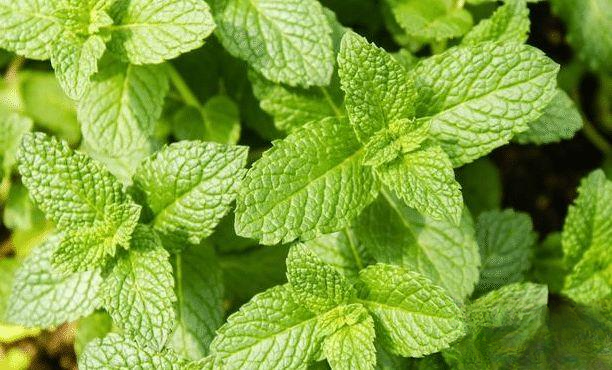
6. Peppermint - A genus in the Lamiaceae family, containing 25 varieties, with peppermint and spearmint being the most common. It was originally abundant in the Mediterranean region of Europe and West Asia. Currently, its main producing areas are the United States, Spain, Italy, France, the United Kingdom, and the Balkan Peninsula; it is also distributed in Asia, such as Jiangsu, Zhejiang, and Jiangxi provinces in China.
Peppermint oil, the main component of peppermint, stimulates the central nervous system, dilates skin capillaries, accelerates ATP synthesis, increases sweat gland secretion, and dissipates heat, thus exerting a diaphoretic and antipyretic effect. Peppermint oil can inhibit the contraction of gastrointestinal smooth muscle and antagonize acetylcholine, exhibiting an antispasmodic effect. Menthol and other components have significant choleretic effects. Menthol has anti-irritant properties, can stimulate the production of new secretions in the trachea, and facilitates the expulsion of thick mucus, thus having an expectorant effect and a good antitussive effect.
Peppermint decoction has inhibitory effects on herpes simplex virus, forest virus, and mumps virus, and also on Staphylococcus aureus, Staphylococcus albus, Streptococcus pyogenes, Streptococcus beta-1, Moraxella catarrhalis, Enterococcus spp., Shigella flexneri, Bacillus anthracis, Corynebacterium diphtheriae, Salmonella typhi, Pseudomonas aeruginosa, and Escherichia coli.
Medical efficacy:
In Traditional Chinese Medicine, peppermint has many benefits. Besides being added to seasonings, brewed individually or mixed with other herbs in tea, it can also repel insects and fleas, refresh the mind and relieve depression, eliminate fatigue, calm the nerves, aid sleep, treat colds and headaches, promote sweating, clear heat and detoxify, strengthen the stomach and relieve bloating, prevent spoilage and remove fishy odors, kill bacteria, and freshen the air. Due to its stimulating properties, it is also effective in treating rheumatic pain and neuralgia; it is also suitable for the nervous system, having a regulating and calming effect, and is a good blood purifier. Extracted into essential oil, it can help relieve headaches, congestion, fatigue, fever, indigestion, muscle pain, sinus problems, and stomach discomfort. It is an essential oil with antibacterial, antispasmodic, invigorating, and regenerative properties. It is suitable for use in bath products and oral care.
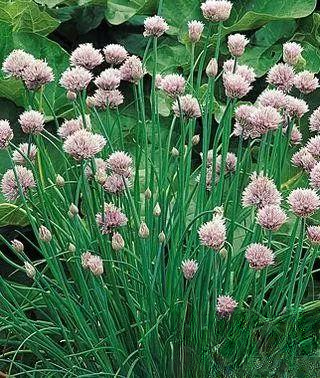
7. Ezo Scallion - Ezo scallion, also known as shallot, scallion, or simply scallion, is a member of the Allium genus. Its slender, tubular leaves are often used as a seasoning, like leeks, and are a common spice in Asia. It can also be used as a herb. Compared to onions or garlic, ezo scallions have a milder aroma.
Wild onions thrive in well-drained, organic-rich soil with a pH of approximately 6.0-7.0 and plenty of sunlight. While they can tolerate shade, 6 to 8 hours of direct sunlight is ideal.