Gardening knowledge and soil cultivation tips
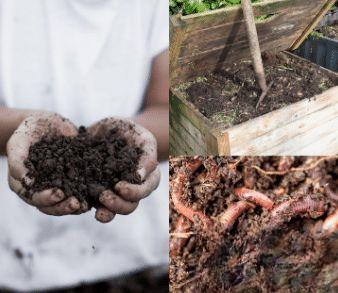
Healthy soil teems with billions of micronutrients, including fungi, bacteria, algae, protozoa, and yeast. In fact, experts at Ohio University Expansion say that a small handful of soil contains more microorganisms than the human body contains cells. Soil is also home to nematodes, mites, and of course, earthworms.
Garden soil needs to retain moisture, provide nutrients to plants, and remain loose. Healthy soil makes plants more beautiful and lush, and highly resistant to pests and diseases. The question is, how do gardeners maintain healthy soil?
1. Ample organic matter. Add plenty of organic matter, such as decomposed manure. Good manure includes bark chips, pine needles, straw, or chopped leaves. Be sure to water around the plants to keep the soil cool and moist.
2. Plant other crops. Planting crops helps control weeds. Good crops include peas, milkvetch, or other legumes; and grasses such as rye or buckwheat.
3. Compost bins. Accumulate green manure, such as grass clippings or kitchen waste (fat, bones, or meat), as well as paper, fallen leaves, or twigs. Composting may take months or years.
4. Raise earthworms in the soil. Add the earthworms to a compost bin or directly to the soil. Ensure the soil has sufficient organic matter to provide nutrients. The earthworms decompose organic matter, increasing nutrients in the soil.
5. Cultivate the soil scientifically. Do not treat the soil when it is wet, as this may damage its structure and create hard, compacted soil. Test the soil weekly by squeezing it with your hand; if the soil is compacted, loosen it with a fork. Avoid over-tillage.