Gardening knowledge: Advantages and disadvantages of growing annual flowers and plants
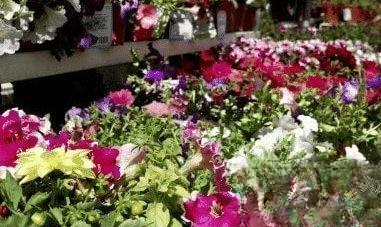
Annual plants (plants that die within a growing season; in other words, those that bloom once a year) are beautiful and wonderful, but unlike perennials, it is important to understand their growth habits, including the advantages and disadvantages of annual flowering, before planting seeds or plants.
Advantages of flowers in a year
If you're unsure about the difference between annual and perennial plants, here's a simple way to distinguish them. An annual plant has one annual event, such as Christmas or a birthday; an annual plant also blooms "every year." That is, an annual plant sprouts, grows, flowers, fruits, and withers within one growing season. Perennial plants last at least two years or longer.
Annual flowers grow faster . They are highly efficient plants, sprouting quickly and growing rapidly; perennials, on the other hand, require more time. Annual flowers often bloom for a few weeks before fading, preparing for the next season's growth.
Annual flowers offer a wide variety of colors to choose from . Another benefit of growing annuals comes from their short lifespan. The flowers that bloom every year are typically bright, vibrant, and fresh, as they need to attract pollinating insects. Gardening enthusiasts plant a large number of annuals, with numerous colors and different fragrances to create the visual and olfactory experience they desire.
Annual plants are not expensive. Whether you buy seeds or seedlings, the cost per year is lower than that of perennials. To save money, you can plant more annual flowers and grow different colors and scents each year.
Many types of annual plants can regrow the following year. You may need to plant an annual flower every year, but many types of annuals will regrow on their own, saving you the trouble.
Annual flowers are easy to grow. Just plant them, water them, and enjoy their blooms. Perennials, on the other hand, require the necessary maintenance to continue growing year after year.
The disadvantages of a year's worth of fresh flowers
While they are very popular, they may not be the best choice for gardening enthusiasts who cannot devote a lot of time to caring for their gardens.
Costs increase year after year. Annual flowers are often relatively cheap, but they only live for one year. Therefore, in the long run, they are much more expensive than perennials, which live for at least three to four years or longer.
Most annuals are not cold-hardy . Annuals are sensitive plants and do not tolerate cold. Therefore, annual flowers should not be planted until the last frost of the season has passed.
They often require more frequent watering . Some annuals, especially hanging baskets, must be watered daily (and sometimes twice a day in hot, dry weather). However, overwatering can easily lead to rot.
It attracts more insects. Annual flowers are more prone to attracting aphids and various other pests.
Annual flowers require more maintenance to bloom continuously. Most die frequently during their growth process, and they also need regular fertilization and pruning, which is time-consuming and labor-intensive.
How to overcome the drawbacks of planting flowers for one year
If you're a busy person and don't have much time to spend in your garden, then planting perennials makes more sense. If you prefer the vibrant colors of annual flowers, you can plant some around the perimeter of your garden.