Gardening Basics | Techniques to Reduce Pruning Mistakes
In the process of gardening, I've noticed that my plants don't look very good and have very few flowers. Have you ever had this experience? There are many reasons for this, but one reason is that I'm not pruning them properly.
Pruning is a term frequently heard in gardening and horticulture, but what exactly is it? This article will thoroughly explain the pruning methods that are indispensable for plant growth.
What is pruning?
Pruning refers to trimming overgrown branches and stems. Plant branches and stems continue to grow.
Details will be described later; this state can have adverse effects on plants. Of course, unwanted branches and stems can also hinder our lives. For this reason, pruning is necessary in gardening.
What is the purpose of pruning?
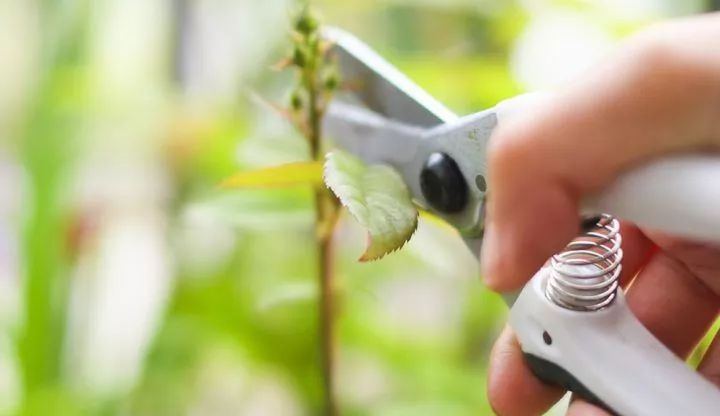
There are three main purposes to pruning.
Adjust the size and shape of the plants
Plant branches and stems can grow freely. If this continues for a long time, it will lead to distorted and unsightly shapes.
Plants that bloom with beautiful flowers when they reach their flowering season are not only for the purpose of simply flowering, but also because the beautiful appearance of the entire plant is one of the joys of gardening.
1
Promote the growth of new buds, fruits, and flowers.
When the roots and stems grow in different directions, the nutrients and water from the soil become insufficient. Furthermore, unwanted branches and stems can obstruct sunlight from reaching the roots, causing adverse effects. In the worst-case scenario, the plant will wither and die.
Pruning is the way to prevent this. By shortening unwanted branches and stems, you can provide the nutrients needed for future flowering. Additionally, pruned stems will sprout new lateral buds, increasing the number of flowers.
2
Prevention of diseases and pests
Randomly growing stems and branches not only result in an unattractive appearance but also lead to poor ventilation. This "poor ventilation = stuffy plant" condition can cause diseases and pests.
Pests and diseases can cause poor plant growth, resulting in flowers not blooming at all. These problems are more likely to be avoided by pruning and removing unwanted branches and stems.
3
What's the difference between cutting and trimming?
There are several ways to invoke reduction, and it's interesting for gardening beginners to distinguish between cutting and pruning. First, cutting is a type of pruning.
Pruning is the process of cleaning up the appearance and improving ventilation by cutting the branches of trees and flowers, as described above.
As you can see, there are many ways to prune, depending on the purpose, one of which is reduction. In gardening, pruning is sometimes collectively referred to as cutting.
In a narrow sense, it includes the work of shortening branches; in a broader sense, it includes preparing the shape of the tree and removing buds. The methods and approaches will vary slightly depending on the type of pruning, but pruning changes the plant's comfortable environment.
What is the best time to prune?
I know pruning is important, but I still have questions about when and how to prune. Here, we will explain the best time and the timing for pruning.
When there are few flowers or the shape is deformed
It is generally recommended to reduce pruning when there are few flowers or the flower shape is deformed. When pruning, it is important to cut off all branches from the pot.
This also helps to inhibit excessive stem growth and promote the production of new, strong buds. When pruning, ensure the rootstock has leaves. Pruning without leaves will not cause lateral buds to branch and die.
1
A sunny morning
It is said that pruning should be reduced on sunny mornings. If branches and stems are damp, the risk of developing diseases and pests increases.
For this reason, it is important to cut and trim in an environment where the cut surface dries quickly afterward. Rainy or damp days make it unsuitable for trimming as the cut surface can easily become wet.
2
Immediately after the flowers have finished blooming
You may need to remove flowers that have been blooming for some time, but immediately cut them off from the base of the flower (the flower neck) or the root of the branch. Flowers retain the ability to absorb nutrients even after they have fully bloomed.
Therefore, leaving it indefinitely will inhibit the growth of new buds and newly blooming flowers. Pruning and trimming as soon as possible after flowering will also encourage the growth of lateral buds, thus increasing the amount of rootstock.
3
Before waking up from hibernation
If there are many old or weak branches due to splitting, they can be pruned once during dormancy. In this case, wait for the flowers to bloom next year.
Perennials that flower annually, as well as perennials and trees, cease growth and only become branches when entering dormancy. In this case, it is best to cut everything off the rootstock at a certain length (the length of the remaining branches depends on the plant).
It is important to firmly remove old and weak branches through pruning, as these will make it difficult for the plant to bloom. In this way, the plant, awakened from its dormancy, will begin to grow gradually, producing new branches and beautiful flowers.
4
When unnecessary branch growth occurs
Branches that pollute the air, branches that reduce sunlight, and branches that pollute the air are the growth of new buds and blooming flowers. When these unwanted branches become noticeable, it is a good time to prune and trim them.
If you find any unwanted branches, especially those outside of dormancy, try cutting them off immediately. This diligent care can also result in many beautiful flowers blooming.
5
What are some methods for trimming and cutting?
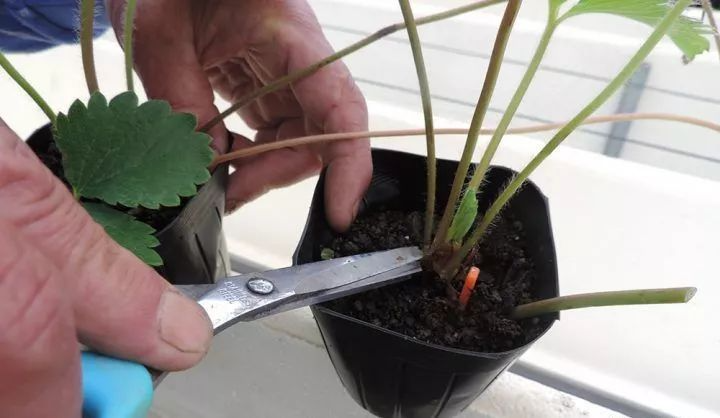
Pruning removes about 1/2 to 1/3 of unnecessary branches, but if pruned unnecessarily, small branches will grow from the cut branches, which can disrupt the shape. Pruned branches are generally only removed at the base and middle of the branch.
Additionally, when making a cut in the center of a branch, cut above a bud. If you observe the branch closely, you'll notice that part will swell slightly. This is a new bud; removing it can increase the number of branches and flowers.
Of course, if you want to reduce the number of flowers or branches, it's perfectly fine to select unnecessary branches and cut them off from the base. It's a matter of personal preference, so let's reduce and prune in a way that's close to your ideal.
Unnecessary branches can reduce pruning
Branches that have been pruned are also called "abnormal branches." This is a name in the sense that they detract from the aesthetic appearance of the tree. The types of unnecessary branches to be reduced are as follows.
Chief Branch
The branch that grows most vigorously during the growing season is called the main branch. The main branch is characterized by extending directly upwards. Because it looks unsightly, it needs to be pruned.
Even cutting off the branches of a primate is not a problem, but if there are very few branches in total, about one-third may be left.
1
Intersecting branches
Literally, it refers to a state of intertwined branches. Early intervention is necessary to prevent significant damage to the landscape of trees and flowers. If tangled branches are found, one branch is typically separated, and the other is cut off from the root.
What precautions should be taken when pruning?
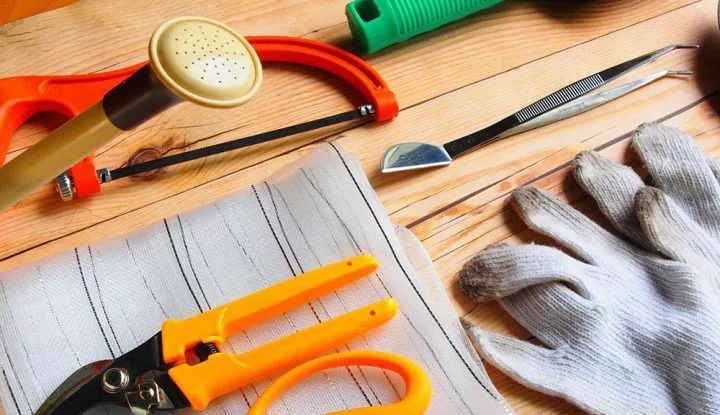
When pruning, keep two things in mind: "use clean scissors and a knife" and "wear gloves." Bacteria can easily enter from the cut end of a branch when pruning with dirty scissors.
As a result, the plant may die, so be careful. It is also recommended to use a wound-healing agent to heal wounds on branches.
Wearing gloves can prevent bacteria that may be on your hands from entering through the cut surface. In addition, wearing gloves will prevent you from being cut by plants.
By the way, plant sap can cause rough skin, so if you have sensitive skin, it is strongly recommended to wear gloves.
Encourage healthy plant growth !
In this article, we explained the basics of pruning, an essential task for growing plants. Pruning is expected to improve appearance, promote plant growth, and prevent pests and diseases.
These are essential tips for enjoying plants long-term. Learn how to prune properly and fill your garden and balcony with many beautiful flowers.