Furniture Maintenance Secrets: Classic Furniture
Introduction: We know there's an old saying, "Don't brew hot tea on a cold table." This refers to wooden furniture. Many people have classic furniture in their homes. How should we maintain it regularly? TuGou editors have compiled a furniture maintenance guide for your reference.
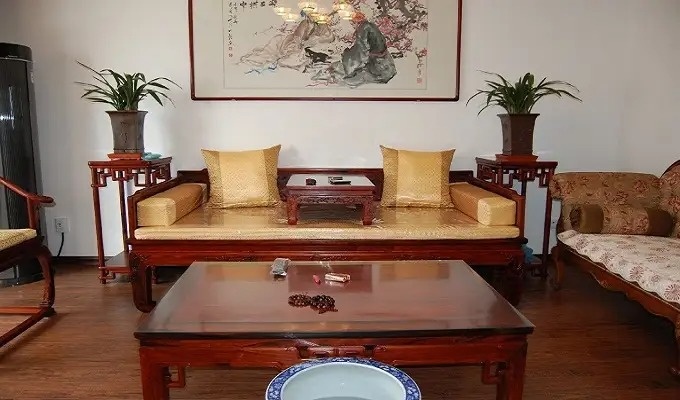
Prevent the work surface from collapsing
There is a type of long table called a shelf table, which has a very long, thick, and heavy tabletop. Its tabletop and legs are not one piece but are detachable. In the north, it is commonly called "a piece of jade," while in the south it is called "a slab table." It was popular in the late Qing Dynasty, and people generally used it to place heavy clocks or bonsai trees and rocks.
Because the items on the table are heavy, the tabletop bears a lot of pressure. The two ends of the tabletop are supported by legs, so the pressure is not too great, but the middle of the tabletop is unsupported, which can lead to sagging over time. To avoid this, the tabletop should be flipped every year or six months; the slightly bent surface will straighten as the force is reversed.
Follow the nature of wood
Furniture maintenance should respect the nature of the wood, or the "temperament" of the furniture: In summer, when it rains frequently, furniture should be avoided near windows to prevent it from getting damp, swelling, and damaging the joints. In winter, every household in northern China uses central heating. While it's comfortable to be close to the heater, furniture should be kept away from it to prevent excessive shrinkage of the wood due to high temperatures, which can lead to cracking.
Many types of furniture are susceptible to wind damage, especially furniture with surfaces such as tables, chests, and cabinets. Due to the effects of "dry shrinkage and wet expansion," furniture exposed to drafts for extended periods is prone to cracking and warping.
Southern furniture is painted to prevent moisture.
Because of the humid climate in the south, furniture surfaces are generally coated with a thin layer of raw lacquer to prevent moisture damage. Suzhou-style furniture is characterized by being lacquered both inside and out, providing comprehensive protection. Guangzhou-style furniture also has a layer of lacquer. Applying lacquer is difficult for most people and should be done by a professional. Beijing-style hardwood furniture is not lacquered; only a layer of wax is applied to the surface. Because the northern climate is dry, lacquering is unnecessary. Furthermore, after waxing, the wax penetrates the wood through repeated handling over time, causing oxidation and the formation of a patina. Furniture surfaces with a patina should not be exposed to boiling water or highly soluble liquids such as gasoline, as this will damage the patina.
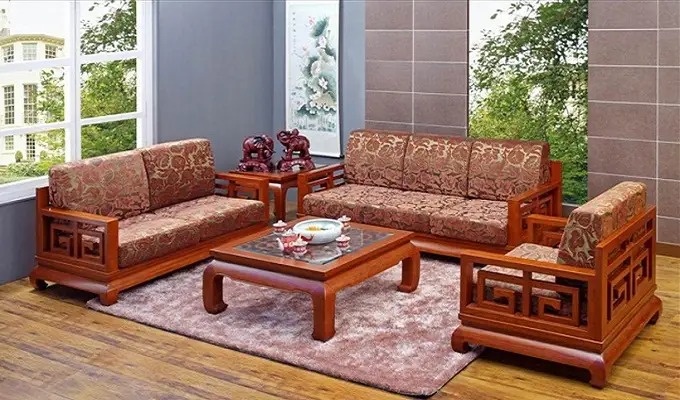
How to maintain your desktop
There's a saying that goes, "Don't brew hot tea on a cold table." This saying aligns with the nature of wood, as the environment in which furniture is stored should not experience sudden temperature changes. For example, furniture with stone surfaces (such as tables and screens) should not be placed outdoors in winter or exposed to direct sunlight in summer to prevent cracking.
Oil stains on the table can be wiped with alcohol. If you don't have alcohol, you can use high-proof liquor. This was a common method used by wealthy families in old Beijing.
Keep the area dry to cope with seasonal changes
In regions with distinct seasons, furniture maintenance requires meticulous attention. For example, after the hottest days of summer, or during spring and autumn, when the climate changes from humid to dry or from dry to humid, cabinet doors and drawers should be opened in a timely manner to allow the furniture to circulate air both inside and out, preventing warping due to one side being too dry or too damp.
However, when airing out furniture, it should not be exposed to direct sunlight or drafts; instead, it should be placed in a cool, dry place. Excessive sunlight can damage the wood, causing it to crack or warp. Therefore, it is important to ensure that antique furniture is kept away from direct sunlight while maintaining adequate dryness.
Waxing makes furniture shine
Furniture that has been used for many years will gradually lose its luster, affecting its appearance. When waxing furniture, it's important to ensure all dust has been completely removed; otherwise, wax spots may form, or scratches may appear. When waxing, follow the principle of starting with light application and gradually working your way up, applying the wax evenly.
The above are some methods for maintaining antique furniture, which we hope will be helpful to you.