Furniture maintenance methods for different materials
Furniture as gifts comes in different types and materials, such as plastic, wood, metal, and leather. Different needs lead to the emergence of furniture made from different materials. Today, let's learn about the different maintenance methods for furniture made of different materials.
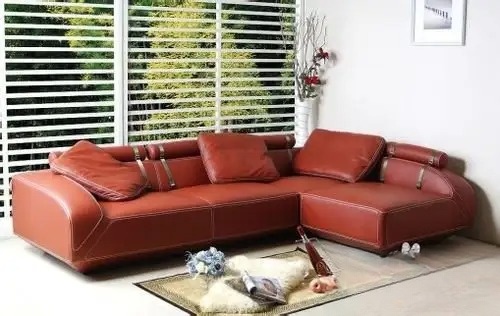
How to care for leather furniture:
Leather is highly absorbent, so care should be taken to prevent stains, especially with high-grade suede leather.
Once a week, use a clean, damp towel to wipe gently, repeating several times.
If there are stains on the leather, wipe them with a clean sponge dampened with a mild detergent and let them air dry naturally. Before using it on the leather, test it in an inconspicuous corner first. After washing, treat it with a leather conditioner.
If you spill drinks or soup on leather, immediately absorb it with a clean cotton cloth or sponge, wipe it with a damp cloth, and let it air dry naturally. Do not use a hairdryer to dry it.
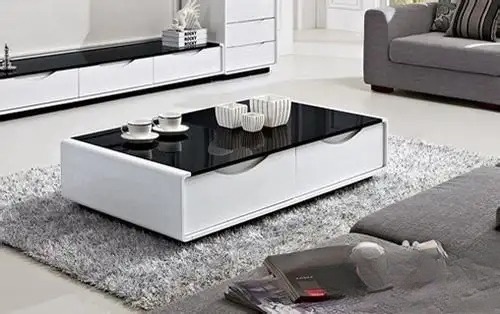
How to maintain glass furniture:
When using glass furniture, it should be placed in a relatively fixed place and not moved around casually. When placing items on it, handle them gently and avoid collisions. When moving it, it is best to push the base.
When cleaning dirt on glass furniture, you can use organic solvents such as gasoline or alcohol. It is best to use glass cleaners currently available on the market. Never use hard or sharp objects to scrape.
When placing glass furniture, avoid moisture, keep it away from stoves and ovens, and keep it away from acidic, alkaline and other chemical reagents to prevent corrosion and deterioration.
When transporting glass furniture, make sure to secure the casters on the base to prevent slippage and damage. Keep the furniture stable during handling and avoid excessive tilting angles.
Do not remove any parts such as snap-on rubber strips from glass furniture.
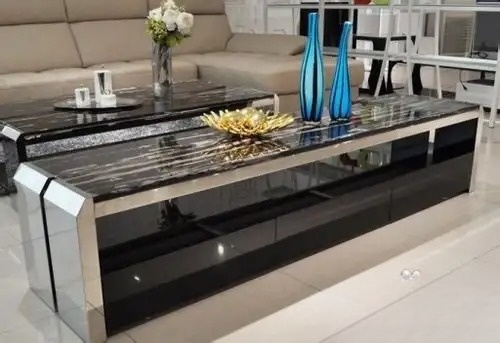
How to maintain metal furniture:
Chrome-plated furniture
Aluminum-plated furniture should not be placed in damp areas, otherwise it will easily rust and may even cause the plating to peel off. If yellowish-brown spots appear on the chrome plating, wipe it frequently with neutral machine oil to prevent it from spreading. If rust has already appeared, apply machine oil to the rust with cotton or a brush, wait a moment, and then wipe repeatedly until the rust is removed. Never use sandpaper to polish it. For chrome-plated furniture that is not in use, apply a layer of rust inhibitor to the chrome plating and store it in a dry place.
Titanium-plated furniture
While genuine high-quality titanium-plated furniture will not rust, it is best to minimize contact with water and wipe it frequently with dry cotton or a soft cloth to maintain its shine and appearance.
Powder-coated furniture
If stains appear on powder-coated furniture, wipe them clean with a damp cotton cloth and then dry them with a dry cotton cloth, being careful not to leave any moisture.
Key points to note during use
Regardless of the finish, handle metal furniture gently when moving it to avoid bumps and knocks; avoid contact with hard metal parts, such as fruit knives and keys, to prevent scratches. Do not fold too forcefully to ensure the folding parts are not damaged.
In fact, the most common materials for summer furniture include wood, wrought iron, rattan, and bamboo. Wooden furniture goes without saying, as everyone is familiar with it; wrought iron furniture not only has a cooling effect visually, but also feels cool to the touch, making it the perfect summer feel; rattan and bamboo furniture is even more refreshing, natural, simple, elegant, and cool, making it ideal for summer use.

How to maintain solid wood furniture:
Regularly dust the furniture with a soft cloth following the wood grain. When dusting, apply a little cleaning spray to the soft cloth.
When using it, place a mat under the hot plate to prevent food and soup from spilling and damaging the table.
Try to avoid letting furniture surfaces come into contact with corrosive liquids, alcohol, nail polish, etc.
Avoid direct sunlight. The optimal operating temperature is 22 degrees Celsius, and the relative humidity is between 60% and 70%. Keep the environment dry and well-ventilated.
Be careful to move furniture properly.
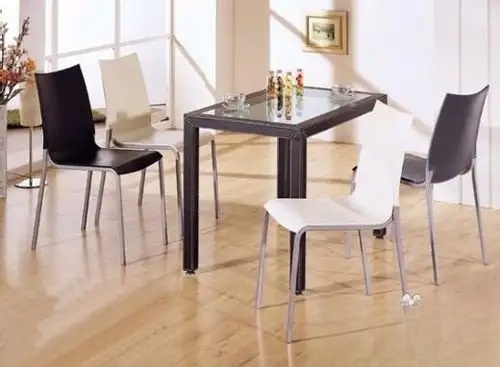
How to maintain plastic furniture:
Polyvinyl chloride (PVC) furniture is prone to aging and cracking, and can only be used indoors; it is not suitable for outdoor use. It should be kept away from direct sunlight and stoves and radiators. If cracks occur, they can be softened with a soldering iron and then glued together, or glue made from banana oil and PVC scraps can be used.
Polypropylene furniture is resistant to light, oil, and chemical solvents, but it has poor hardness. It should be protected from collisions and scratches by sharp objects. If cracks occur, they can be repaired by hot-melt method. No glue is needed for gluing.
Fiberglass furniture boasts excellent performance characteristics, making it suitable for both indoor and outdoor applications. It is long-lasting, sturdy, and durable, but damage is difficult to repair; however, it can be repaired using screws and washers. During use, it should be protected from overloading and accidental cracking or scratches.
Plastic furniture can be washed with ordinary detergent. Avoid contact with hard objects and do not use metal brushes. Frequent washing and sun protection will help keep plastic furniture looking new and last longer.
Artificial leather, synthetic leather, and upholstered furniture are sensitive to heat, sunlight, cold, and oil, and should not be placed in bathrooms or kitchens. They should be cleaned regularly with a clean, soft cloth. For heavy stains, wipe with a cloth dampened with neutral detergent, then wipe with a wrung-out damp cloth, and finally dry with a dry cloth. Covering artificial leather and synthetic leather furniture with cloth covers, such as sofa covers or chair covers, can extend their lifespan.
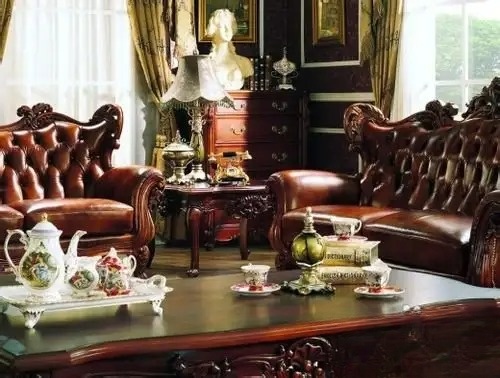
Plastic veneer furniture should not be exposed to direct sunlight or subjected to localized pressure or heat to prevent the veneer joints from swelling and delaminating. It should also be protected from localized impacts and cuts. The substrate of veneer furniture is mostly fiberboard, which is highly susceptible to moisture absorption, swelling, and separation; therefore, special attention should be paid to waterproofing and moisture prevention. One to two coats of clear varnish can be applied to the substrate, i.e., the reverse side of the veneer, for moisture protection. If the veneer separates from the substrate, first clean the joint area with banana oil or xylene, then reattach it with all-purpose glue. After the glue dries, seal the joint with clear varnish. White glue is not water-resistant and should not be used for gluing boards.
Learn the five methods and six taboos of cleaning furniture as a gift
Cleaning and maintaining furniture as a gift is an art, especially for homemakers. Making your loved one want to come home after get off work involves more than just catering to their stomach; it also means keeping the furniture clean. That's the way to love—start afresh! Today, we'll introduce five commonly used and effective methods for cleaning furniture as gifts. Give them a try!
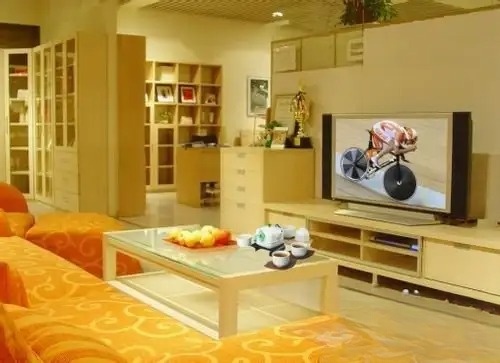
1. Tea water cleaning method: If painted furniture gets dusty, you can wipe it with gauze wrapped with damp tea leaves, or wash it with cold tea water, which will make the furniture particularly shiny.
2. Milk cleaning method: Soak a clean cloth in expired milk that is no longer drinkable, then use the cloth to wipe wooden furniture such as tables. It is very effective in removing dirt. Finally, wipe it with clean water.
3. Toothpaste cleaning method: To clean the paint on furniture, you can use a cloth dipped in toothpaste or tooth powder to wipe it. The paint will be shiny and new again. However, be careful not to rub too hard, so as not to wipe off the paint and damage the surface of the furniture.

4. White vinegar cleaning method: Mix equal parts white vinegar and hot water and wipe the surface of the furniture. Then wipe it vigorously with a soft cloth. This method is suitable for the maintenance of mahogany furniture and other furniture stained with ink.
5. Soap cleaning method: Every once in a while, wooden furniture should be cleaned. Use a soft cloth or sponge dipped in warm, mild soapy water to wipe it. After it dries completely, apply furniture wax to make it shiny.
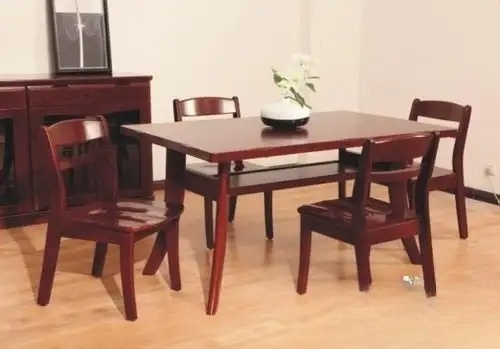
While learning how to clean furniture, it's also important to be aware of some "prohibitions" regarding furniture cleaning. Most people tend to overlook these six "prohibitions," which can lead to more and more problems during cleaning. Therefore, it's essential to understand these "six prohibitions."
1. Mop the PVC floor with water.
Cleaning or scrubbing vinyl flooring with water can cause a chemical reaction between the cleaning agent, water, and adhesive, leading to the flooring peeling off or warping. If water is spilled on vinyl flooring, it should be dried as soon as possible.
2. Wipe genuine leather sofas with hot water.
Never wipe a genuine leather sofa with hot water, as the high temperature will cause the leather to deform. You can gently wipe it with a damp cloth. If it gets oily, you can gently wipe it with diluted soapy water.
3. When cleaning cookware, only wash the front side and not the back.
After using a pot, wash both sides immediately and make sure to dry it completely. However, the common habit of only washing the surface and not the bottom is a big mistake. The bottom of the pot often gets covered with soup or broth that accidentally spills out when pouring food. If it's not cleaned properly, it will remain there, gradually thickening the bottom of the pot and making it heavier. This will definitely affect the cooking temperature later on. Therefore, you must wash both sides thoroughly and then place the pot on the stove to dry it completely to remove all moisture.

4. Wicker furniture can be washed with ordinary detergent.
Washing rattan furniture with ordinary detergent will damage the rattan. It's best to use salt water to clean it, which not only removes dirt but also makes the rattan soft and flexible. For dust on rattan chairs, use a soft-bristled brush to gently brush the dust away from the mesh, working from the inside out. If the stains are too heavy, you can use detergent to remove them, and then wipe it dry. If it's a white rattan chair, apply a little vinegar at the end to neutralize the detergent and prevent discoloration. You can also use a brush dipped in baking soda water to scrub the rattan chair to remove stubborn stains.
5. Wipe the computer, television, and stereo with water.
Computers, televisions, and stereos are all delicate machines; never wipe them with water when cleaning. When cleaning home appliances, use a lightweight electrostatic duster to wipe away dust, which will also prevent the generation of static electricity. Use cotton swabs to clean the small holes for headphone jacks or the grooves for buttons on home appliances. If the dirt is stubborn, you can use a toothpick wrapped in cloth to easily remove it.
Diluted alcohol is perfect for cleaning the buttons on speakers and computers. You can put alcohol in a spray bottle, spray it on the buttons, and then wipe them with a dry cotton cloth to remove stains and disinfect. Fabric softener can also be used for household cleaning. Wiping appliances with water mixed with fabric softener can prevent them from getting dusty for up to a week, with excellent results.
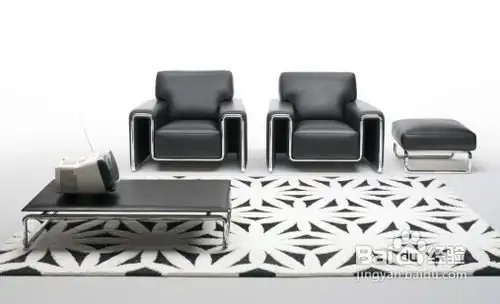
6. The walking route during cleaning is messy.
The specific approach is: from top to bottom, from inside to outside, keep cleaning supplies in a bucket and let it accompany you while cleaning the room in a clockwise direction. Store all necessary cleaning supplies together and keep cleaned rooms tidy. Prevent cleaned furniture from getting dusty again.
Do you know these five common mistakes when buying furniture as gifts?
Furniture is an essential gift for many, especially for housewarming celebrations. However, there are five common misconceptions to avoid when buying furniture as a gift. Many people have likely already fallen into these traps or are about to. Let's take a look at these five common mistakes together. Knowing more about them will make buying furniture as a gift much more worry-free!

Methods/Steps
Myth 1: The brighter the color, the better.
Some consumers particularly enjoy decorating their homes in vibrant colors, so when purchasing furniture, they prefer brightly colored pieces, even the brighter the better. However, these bright colors are often achieved through processes like applying film or spraying paint, which may result in higher levels of heavy metals, potentially harming children.
Myth 2: Move in as soon as you bring in the furniture
No matter how environmentally friendly the furniture is, it will always contain harmful substances. Moving in immediately after moving in with a lot of furniture may result in smelling pungent odors. The correct approach is to ventilate the house by opening windows for about a month after moving in before moving in.

Myth 3: Configuring a complete set of modular furniture
Some people love modular furniture, thinking it's easy to disassemble and move, and even allows for DIY creative designs. However, most modular furniture is made of engineered wood, which has high formaldehyde emissions. If the modular furniture in a child's room is made of engineered wood, it's best to avoid it.
Myth 4: Striving for luxurious surface decoration
Furniture surfaces are usually finished with paint. Water-based paint is rarely used in ordinary furniture because it is more expensive. Ordinary paint is a solvent-based wood coating, which is a major source of benzene and TVOC pollution. Moreover, its release period is relatively longer than that of water-based paint, and it also has a stronger odor.
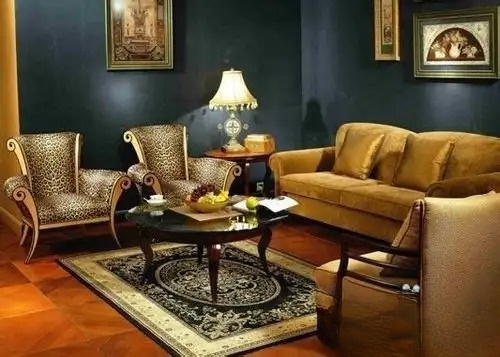
Myth 5: Filling every room with furniture
A single piece of furniture releases very little formaldehyde, so people don't notice it and it doesn't cause any harm. However, if a set of furniture is placed in a room, it can create a "cumulative" effect, resulting in a strong, pungent odor throughout the room and causing environmental pollution.

When it comes to home furnishings as gifts, whether you're giving them as presents or using them yourself, you shouldn't overlook the five points mentioned above. New furniture may bring a sense of novelty, but it also poses more safety hazards, potentially leading to a slow poisoning of the body.