Fun Facts (1042): 17 littleknown facts you've probably never heard of, refreshing your understanding of the world.
We think we know enough about the world, but reality always surprises us. Here are 17 little-known facts that you may have never heard of, yet they all make you pause and think. Behind these seemingly bizarre things lie little-known details in science, history, and culture. From strange human behaviors to awe-inspiring life phenomena, they together constitute a reality more complex than we imagine.
1. Did you know? A 23-year-old Russian woman plans to have 105 children; she is currently the mother of 11. According to Russian media reports, she is using surrogacy to expand her family and co-parents the children with her husband. She shares her parenting routines on social media, attracting widespread attention.

2. In 2015, a rare marriage lawsuit occurred in Algeria. A man, after seeing his newlywed wife without makeup for the first time after living together, claimed to have been "deceived" and sued her for "appearance deception."

3. This is a hyper-realistic wax figure created by Australian artist Sam Jinx. He uses materials such as silicone, resin, and human hair to meticulously recreate skin texture, pores, and facial expressions, often mistaking them for real people.

4. In Brazil, some prisons have implemented a "reading-for-sentence reduction" system. For each book a prisoner reads and submits an analytical report, they can receive a four-day reduction in their sentence, with a maximum reduction of 48 days per year. This measure aims to improve the education level and social adaptability of inmates and has been implemented in São Paulo, Rio de Janeiro, and other cities.

5. A family restaurant in Melbourne, Australia, has introduced a "no-phone discount": customers can enjoy a 10% discount if they do not use their mobile phones during their meal. This policy aims to encourage face-to-face interaction, especially during family gatherings. Parents generally support it, while children's reactions are mixed, with some even choosing to forgo the discount.

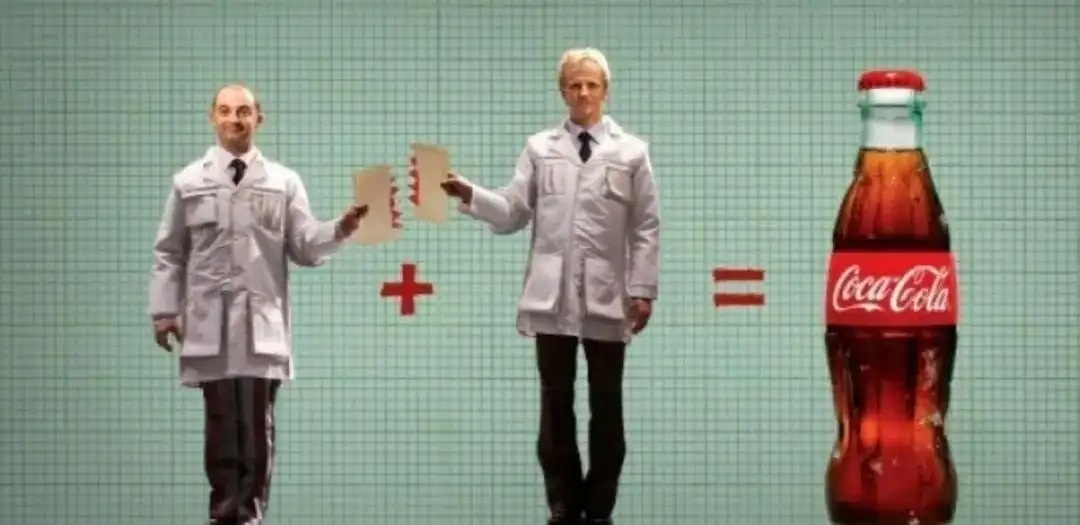
6. Coca-Cola's formula is considered one of the world's most closely guarded trade secrets. According to publicly available information, only two senior executives worldwide currently possess the complete formula. To prevent any mishaps, company regulations stipulate that these two individuals cannot travel on the same flight or attend the same meeting.
7. In an experiment at the New York Institute of Technology, scientists introduced a biomimetic robotic fish into an aquarium. Surprisingly, the artificial fish was not only accepted by the other fish but also gradually became their "leader." Researchers believe that fish group decision-making behavior can be influenced by external rhythms and movement patterns, providing new clues for animal behavior research.

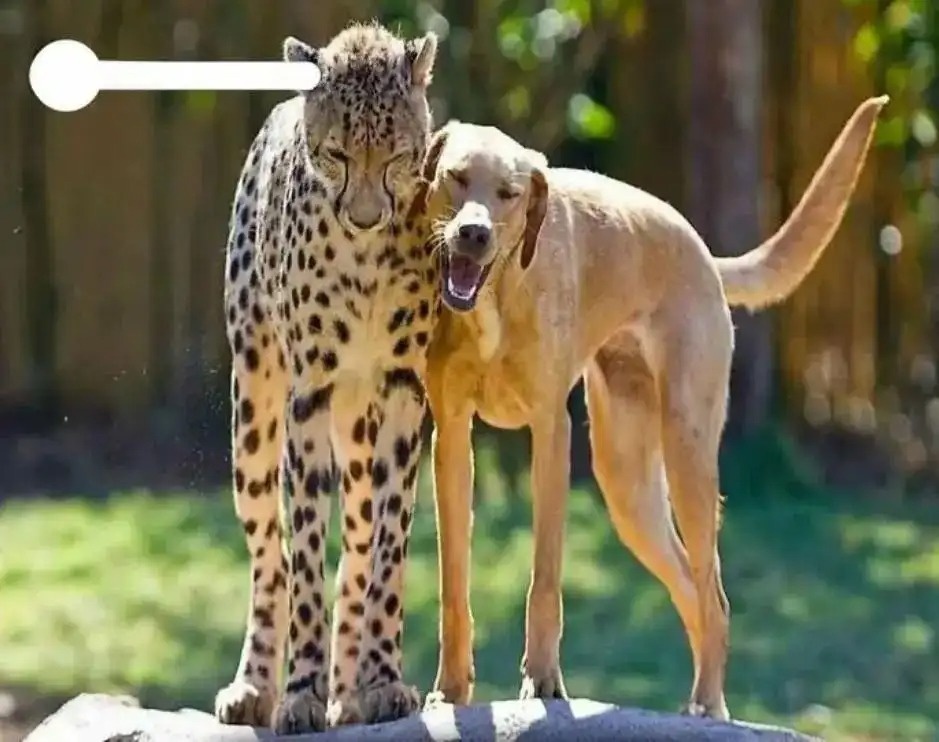
8. Cheetahs are naturally solitary and often exhibit anxiety and stress responses in human environments. To help them adapt to captive life, some zoos pair cheetahs with "companion dogs." This interspecies friendship helps stabilize the cheetah's emotions and enhances its reproductive willingness and social behavior. The San Diego Zoo in the United States was an early practitioner of this approach.
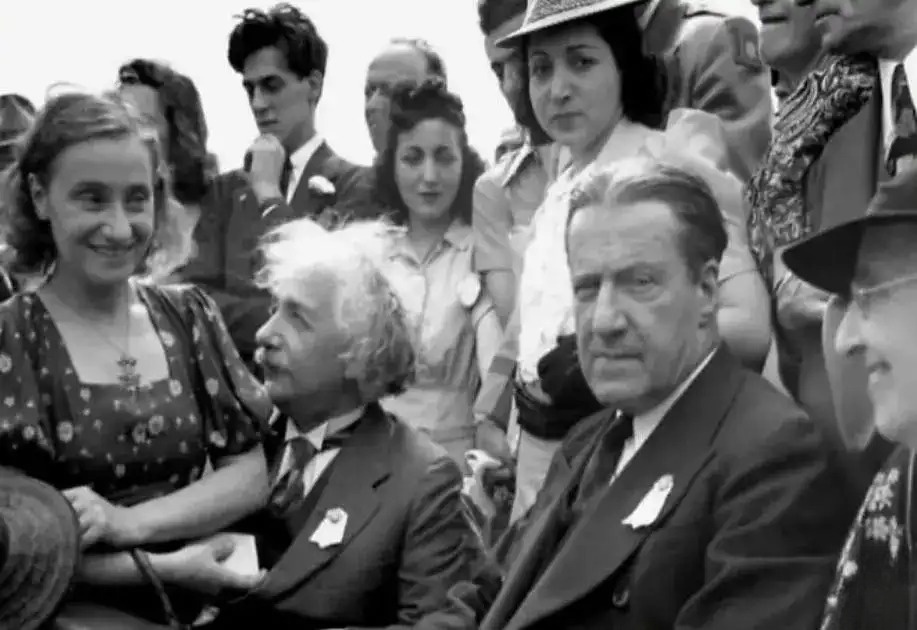
9. Einstein once used a vivid metaphor to explain relativity: "An hour with a beautiful woman feels like a moment; a minute with your hand on a hot stove feels like an hour." Although this is not a formal physical definition, it accurately conveys the difference between perceived time and objective time, and is a popular example often cited in the philosophy of physics.
10. Did you know? A woman menstruates for about 3,500 days in her lifetime, which is equivalent to nearly 10 years. Based on a 28-day cycle, that's an average of 13 menstrual cycles per year.

11. In 1980, Japanese fitness enthusiast Minor Yoshida set a record of doing 10,507 push-ups consecutively. The entire process lasted approximately 8 hours, with only short breaks during which he did so. This record was certified by the Guinness World Records and still stands today, becoming a symbol of extreme endurance.

12. Trying to brush your teeth with your non-dominant hand not only improves personal hygiene habits but is also recognized as a form of cognitive training. Studies show that this behavior can activate less-used neural pathways in the brain, improving attention and self-control, and is considered by psychologists as a practical "mini-brain training" method.

13. Supatra Sasupan is a Thai girl with hypertrichosis, whose skin is covered in hair, earning her the nickname "real-life werewolf." She suffered bullying at school because of her appearance but always maintained an optimistic attitude. In 2010, she was recognized by the Guinness World Records as "the hairiest girl in the world."

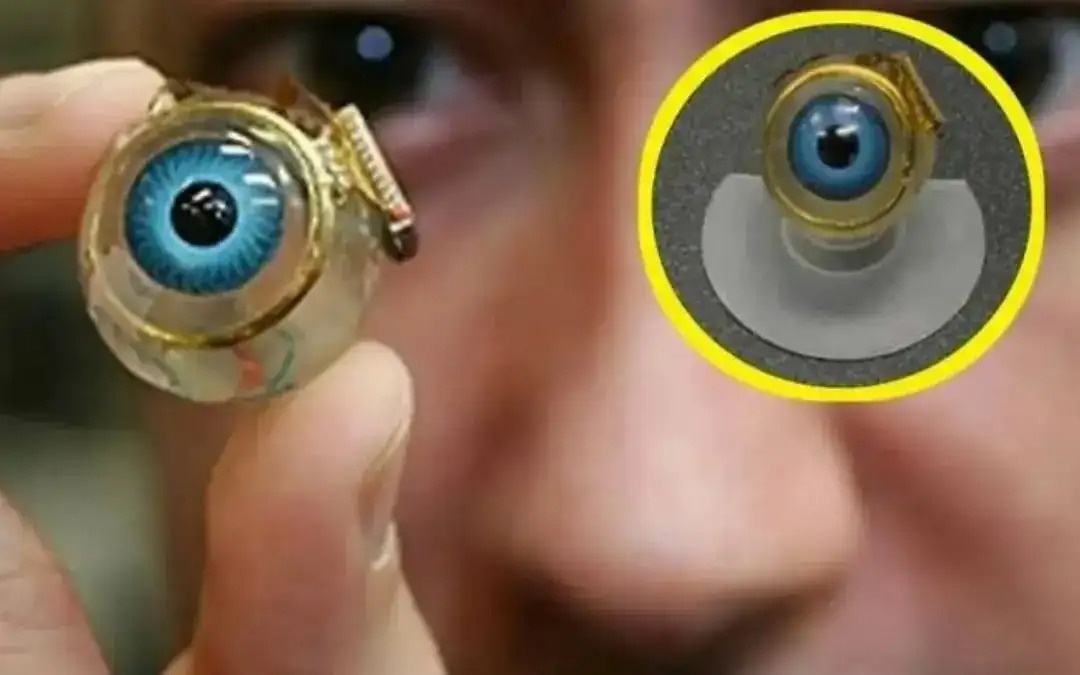
14. Scientists have developed a prototype electronic bionic eye that can transmit image signals to the brain via an implanted retinal electrode array. Preliminary trials show that some blind people can already distinguish light and shadow, outlines, and simple object shapes. This technology, which holds promise for rebuilding visual pathways, is entering the clinical trial phase.
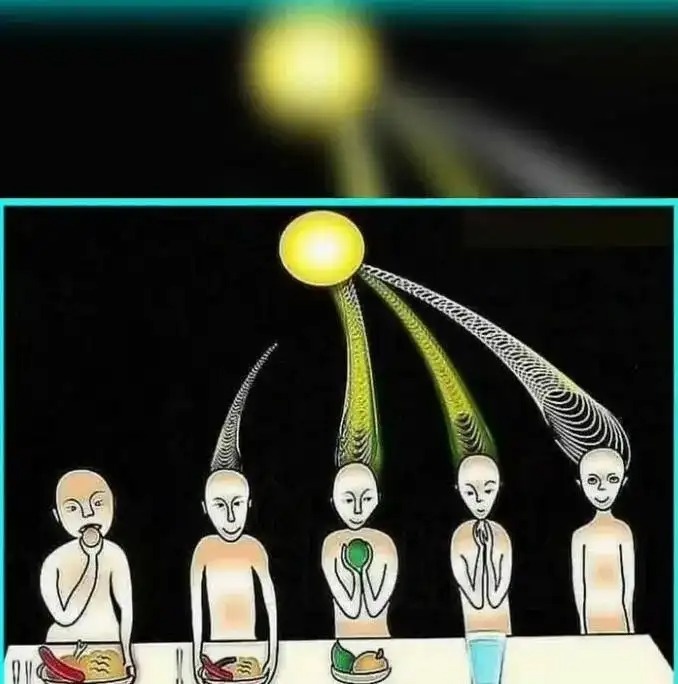
15. Did you know? Hunger is not just a physiological response; it also involves the brain's perception of self-control. One study showed that consciously delaying eating can help improve an individual's self-control. This method of delayed gratification training is widely used in behavioral interventions and habit optimization.
16. The Rh-null blood type is known as the rarest blood type in the world, found in only about 50 people globally, and is called "golden blood" by the medical community. This blood type almost never triggers an immune response when transfused, making it extremely valuable for medical purposes. Due to the scarcity of donors, related blood is strictly recorded and preserved.

17. According to a British study on the golden ratio of the face, supermodel Bella Hadid was rated as the woman with the "closest to perfection in appearance." Her facial proportions overlap with the ancient Greek ideal standard by a staggering 94.35%. However, this algorithm is primarily based on symmetry and proportion, and the evaluation criteria remain controversial.

This world is far more bizarre and real than we imagine. Have you ever been shocked by a little-known fact? Which one impressed you the most, or do you have any other truly strange and interesting stories you'd like to share? Feel free to leave your thoughts in the comments section, or share any "little-known facts" you've personally experienced or heard about!