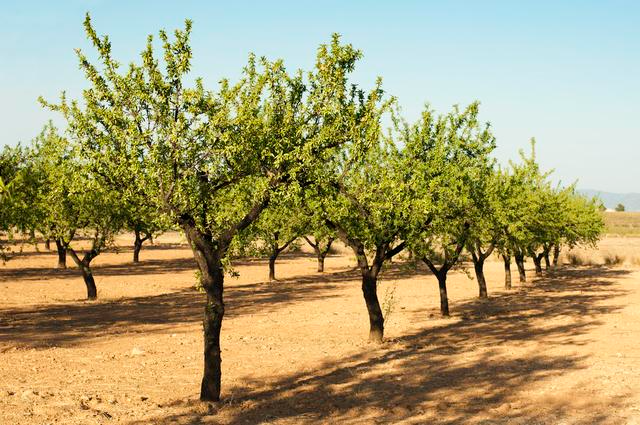
Fruit tree disease and pest control methods – learn them quickly, friends in the north! They're simple and practical.
The fruit tree industry is an important component of agriculture. The adjustment of the agricultural industrial structure has brought about an unprecedented revolution in the development of the fruit tree industry. Guiding the healthy development of the fruit tree industry is crucial, and the safety of fruit for consumption is key to its healthy development. This article addresses the current situation where fruit tree diseases and pests are severe, and the extensive use of chemical pesticides has led to pesticide residue pollution, which has become a key factor restricting fruit exports and consumption safety. It proposes a strategy of controlling diseases while reducing pesticide use, analyzes the problems in the prevention and control of fruit tree diseases and pests in northern China, and proposes control measures, detailed below:
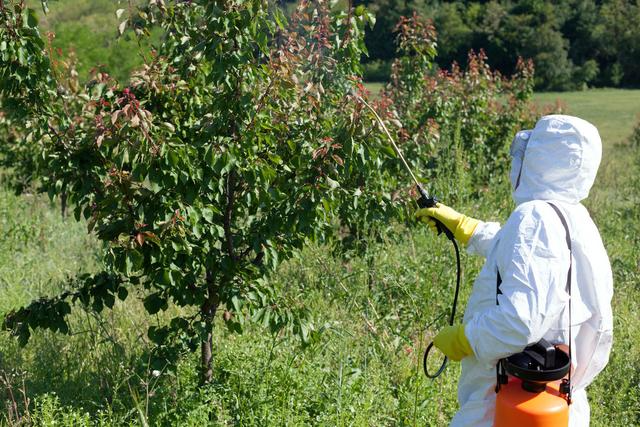
1. Problems in the prevention and control of fruit tree diseases and pests in northern regions
1.1 Neglecting pest and disease forecasting
The orchard ecosystem is closely related to climate conditions and seasonal changes. Due to differences in natural conditions such as climate and rainfall each year, the occurrence time of pests and diseases varies, and there are no fixed patterns or rules to follow. Growers generally only take countermeasures when pests and diseases are prevalent, and they do not conduct ecological monitoring of the orchard based on the growth patterns of fruit trees and their characteristics at different growth stages to predict and prevent the occurrence of pests and diseases, thus increasing economic losses.
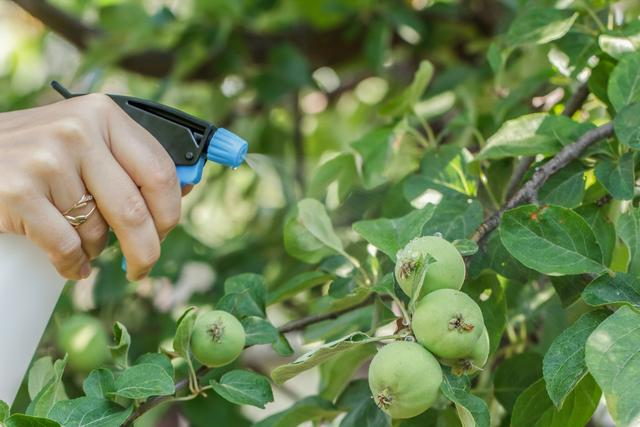
1.2 Single prevention and control method
In the process of fruit tree cultivation, the lack of corresponding management measures means that some agricultural and biological measures for the prevention and control of diseases and pests are not promoted and used because they are slow to take effect and are complicated. Disease and pest control mainly relies on the application of pesticides, and the control methods are singular. As a result, once a disease or pest outbreak occurs in fruit trees, pesticides are applied intensively, leading to high pesticide residue content in the fruit.
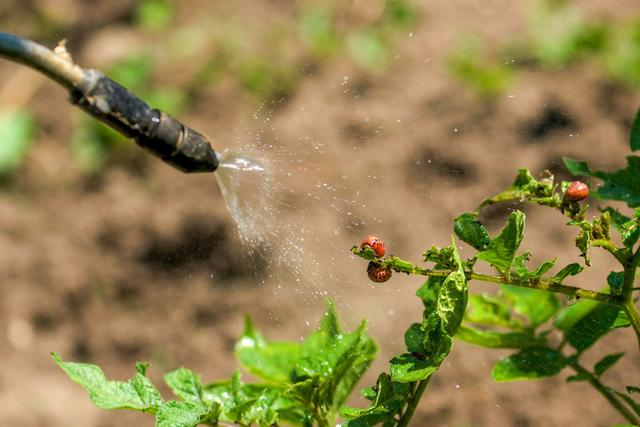
1.3 Neglecting the development of the fruit trees' inherent resistance
The healthy growth of fruit trees is primarily a reflection of the tree's own characteristics, growing environment, and resistance. Only when fruit trees grow vigorously, have strong growth, and the ecosystem is stable can they have strong resistance to pests and diseases. Therefore, a series of measures must be taken to enhance the soil's water and fertilizer supply capacity, improve the fruit trees' absorption capacity, and ensure the healthy growth of fruit trees.
2. Prevention and control measures
2.1 Agricultural control
2.1.1 Clearing the Garden
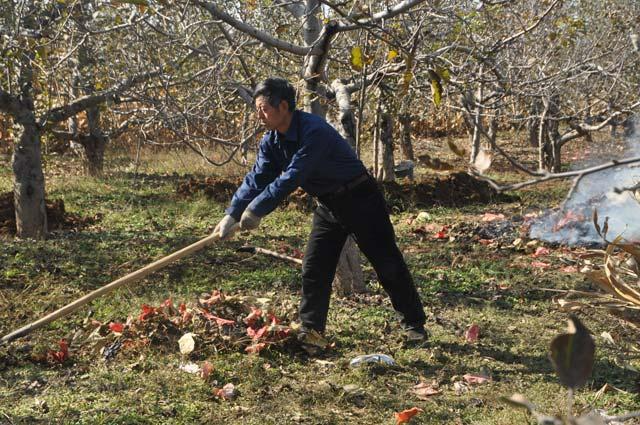
Before winter arrives and fruit trees begin to bud, thoroughly remove rotten, powdery mildew-infected, and cicada-damaged branches from the orchard. Remove residual leaves, mummified fruit, and debris hanging from branches. Sweep up fallen leaves, branches, diseased fruit, paper bags, and packaging waste from the ground, and burn or bury them deeply within the tree basin, striving for a complete and thorough cleanup. In addition, pay attention to scraping off naturally formed old bark, thoroughly removing old bark and lesions caused by rot and branch canker. Aim to achieve the technical requirements of "scraping clean, applying medicine, applying mud, wrapping, and bridging." A 10 Baume lime-sulfur mixture can be used for applying the medicine.
2.1.2 Rational fertilization and irrigation
Proper irrigation and fertilization can effectively improve soil fertility and structure, providing a favorable environment for fruit tree growth. With adequate water and fertilizer, fruit trees can enhance their resistance, thereby increasing fruit yield and quality.
2.1.3 Spraying pesticides on trees
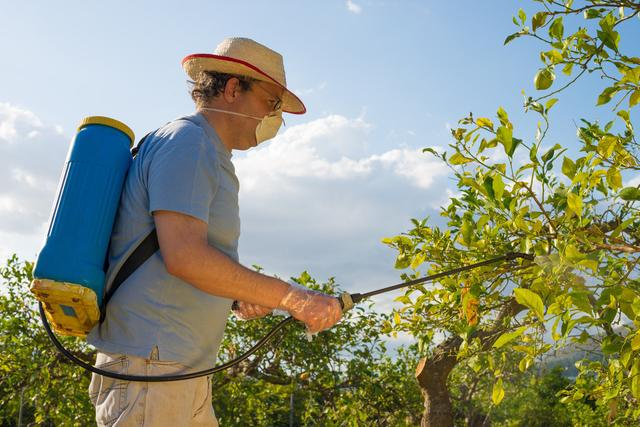
Spraying the trees with pesticides in early March is crucial for pest and disease control. The spraying should be even and thorough, like a thorough rinse, including the ground. A 10cm wide strip of sticky insecticide or waste engine oil can be applied to the base of the trunk. Alternatively, plastic strips can be used to prevent scale insects from climbing the tree. Systemic pesticides can be applied in rings around the base of the trunk or injected quantitatively using an automatic trunk injector. Suitable pesticides include imidacloprid, thiophanate-methyl, and carbendazim, which have short-lasting effects, low toxicity, and minimal residue transfer to flowers and fruits.
2.1.4 Promote fruit bagging technology
Fruit bagging can prevent infection by various pathogens and improve the appearance quality of the fruit. After bagging, it is important to regularly check the lower fruits. If any diseased fruits are found, they should be removed promptly, and pesticides should be sprayed immediately.
2.1.5 Strengthen field management
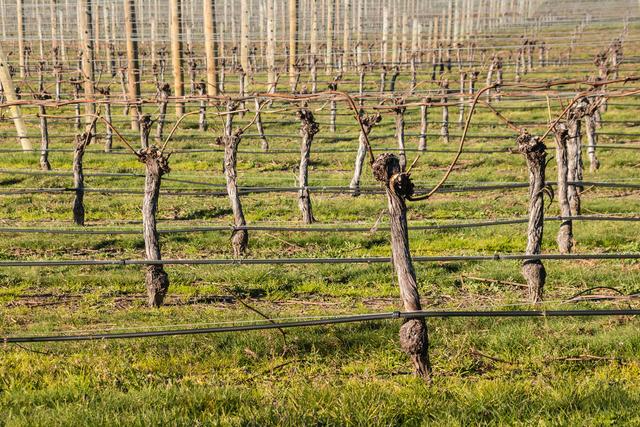
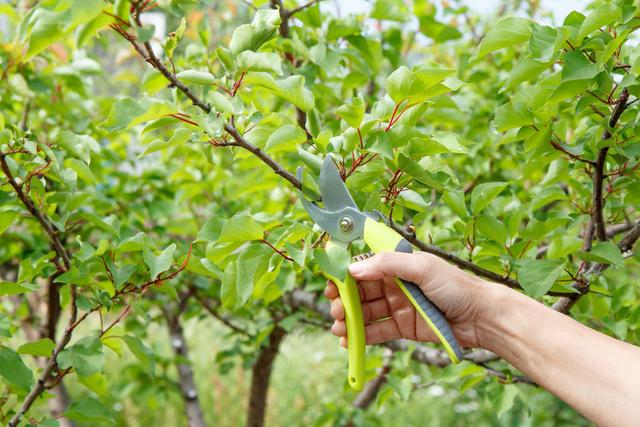
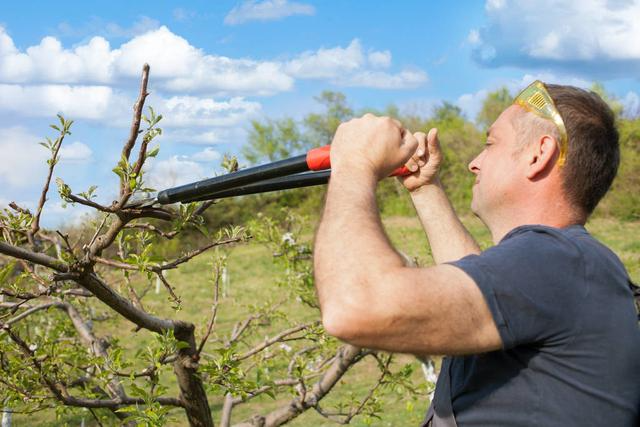
Proper pruning helps create good ventilation and light penetration, reduces field humidity, and minimizes wounds on fruits and vines. For trellis-based fruit trees, such as grapes, the trellis system can be modified to raise the fruit-setting position and reduce disease incidence.
2.2 Chemical control
Chemical control can also be used to protect fruit trees and eliminate pests and diseases, focusing on the following four key periods: the bud swelling stage, the flower budding stage, one week after flowering, and after fruit harvesting and before leaf fall. During the bud swelling stage, spray a high concentration of insecticide and fungicide, thoroughly covering both the tree and the surrounding area, primarily to control various overwintering pests and diseases. During the flower budding stage, the main focus is on controlling diseases such as flower rot. One week after flowering, actively control pests such as aphids, spider mites, and psyllids. After fruit harvesting and before leaf fall, spray a relatively high concentration of insecticide and fungicide to eliminate overwintering pests and reduce damage the following year.
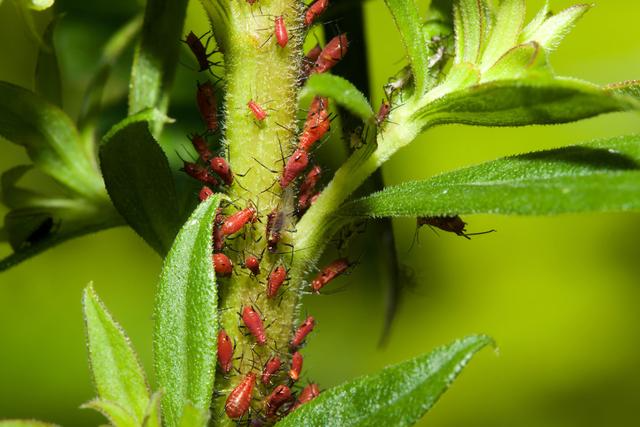
Based on the current status and trends of major pests and diseases, and in conjunction with weather conditions, targeted chemical control measures should be implemented. In mid-to-late July, the focus should be on controlling the third generation of pear fruit moth, pear psyllid, and two-spotted spider mite; in mid-to-late August, the focus should be on controlling the fourth generation of pear fruit moth and two-spotted spider mite. Disease prevention for fruit trees should be actively implemented according to weather conditions. Fungicides to choose from include Bordeaux mixture, mancozeb, captan, thiophanate-methyl, pyraclostrobin, difenoconazole, bromuconazole, imazalil manganese salt, and tebuconazole; insecticides to choose from include abamectin, matrine, chlorantraniliprole, spirotetramat, diflubenzuron 3, chlorpyrifos, and cyhalothrin; and acaricides to choose from include triazole tin and pyridaben. The dosage of pesticides must be strictly implemented according to the instructions for use. Furthermore, attention should be paid to rotating pesticides to delay the development of resistance in fruit trees.
2.3 Other prevention and control measures
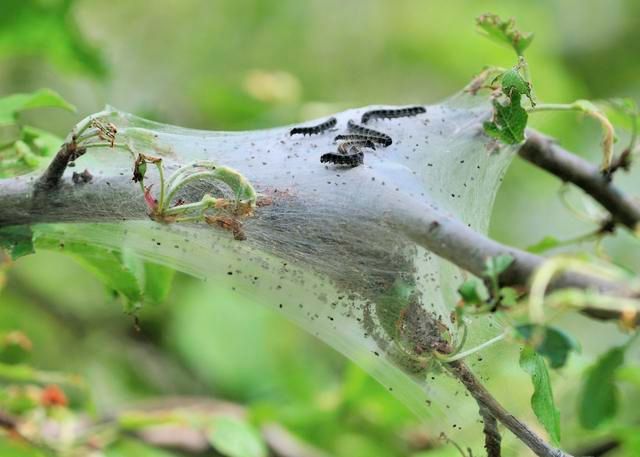
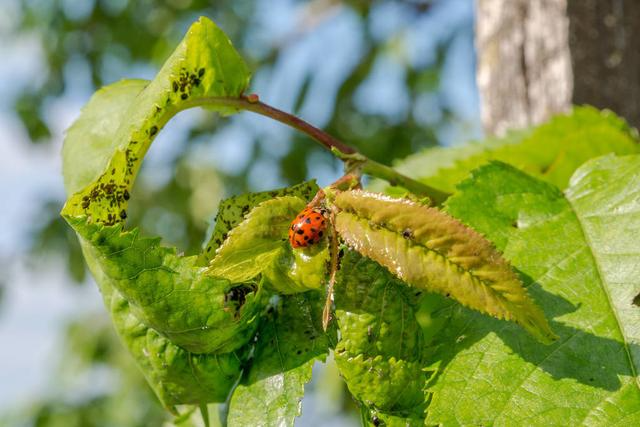
Besides common chemical and agricultural control methods, biological control is another option for fruit tree diseases and pests. Biological control primarily utilizes natural enemies to control agricultural plant diseases, pests, and weeds in farmland. Its advantages include safety, long-lasting effects, and cost-effectiveness. Modern consumers not only value the appearance of fruit but also demand pesticide-free, green fruit. Therefore, it is essential to vigorously promote safe and effective biological control methods.
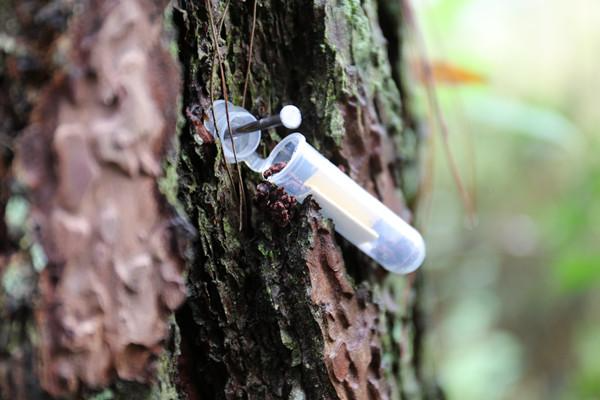
In production, urea can be mixed with laundry detergent and water to create a urea-washing solution for spraying. This effectively controls pests such as spider mites and aphids on fruit trees and also provides some fertilization. Alternatively, pests can be manually captured , mashed into a paste, mixed with a little water, and left to ferment in the sun until it develops a foul odor. The mixture can then be filtered through gauze, diluted with water, and sprayed onto the fruit trees to effectively kill pests. Another method is to use ripe, rotten, and sour figs or watermelons, mixed with a sugar-vinegar solution, placed in a ceramic bowl in the orchard to effectively eliminate scarab beetles.
3. Measures to improve the effectiveness of fruit tree disease and pest control
3.1 Increase publicity efforts and raise awareness
Make full use of multimedia networks such as television, radio, newspapers, and the internet to conduct training on integrated pest management techniques, increase publicity efforts, and ensure that the techniques are scientific and effective. Cooperate with professional media to publicize and report on integrated pest management techniques during key periods of fruit tree production, improve public awareness, and promote the construction of demonstration zones and the dissemination of integrated pest management techniques.
3.2 Develop a pest and disease control plan
A scientifically sound and effective pest and disease control plan, along with a comprehensive approach to pest and disease control, can achieve twice the result with half the effort. Rainwater is a major route for the spread of many viruses, so disease prevention should be strengthened in years with abundant rainfall. During droughts, pests tend to increase significantly, so pest control should be the primary focus at these times. After fruit harvesting, regular pesticide spraying is also necessary. In addition to comprehensive pest and disease control measures, planting management practices should be implemented, including proper pruning of fruit tree branches, prevention of weed infestation, drainage during the rainy season, and protection of the orchard's ecological environment. Through effective control measures, the occurrence of pests and diseases can be avoided.
3.3 Strengthen fruit tree planting management
There are generally two conditions for the development of fruit tree diseases and pests: pathogen infection and tree weakness. Therefore, strengthening cultivation management can improve tree growth, thereby increasing disease resistance and reducing the incidence of diseases and pests. In the process of fruit tree planting, it is necessary to use advanced scientific technologies for reasonable irrigation and fertilization, as well as timely pruning and orchard sanitation, and to balance the relationship between fruit trees, diseases, pests, and natural enemies according to ecological principles in order to reduce or avoid the occurrence of diseases and pests.
3.4 Rational drug use
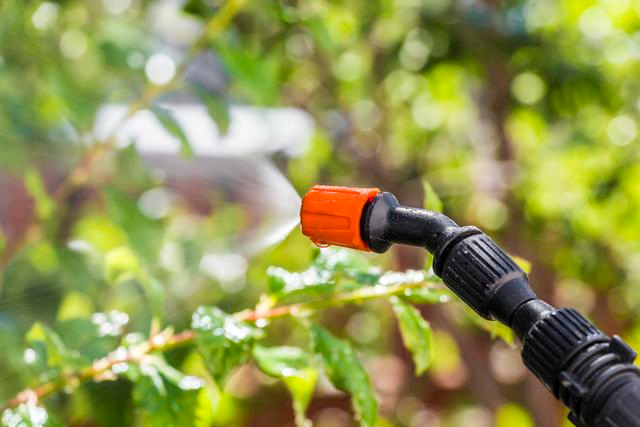
When orchards are plagued by pests and diseases, fruit growers often prioritize the use of fast-acting and easy-to-apply chemical pesticides. However, the excessive and prolonged use of pesticides not only leads to pesticide resistance and loss of efficacy in pests and diseases, but also leaves pesticide residues on the fruit, which can be toxic to humans. Therefore, rational pesticide use is crucial. Firstly, it's essential to predict pest and disease occurrence based on climate and pest patterns, eliminating them before they occur and implementing control measures during critical periods to achieve better results. Secondly, it's vital to select appropriate pesticide varieties, prioritizing low-toxicity and highly effective pesticides, and minimizing the dosage and concentration of pesticides.