Four soil improvement methods most suitable for home gardening; mixing them will make the soil more fertile.
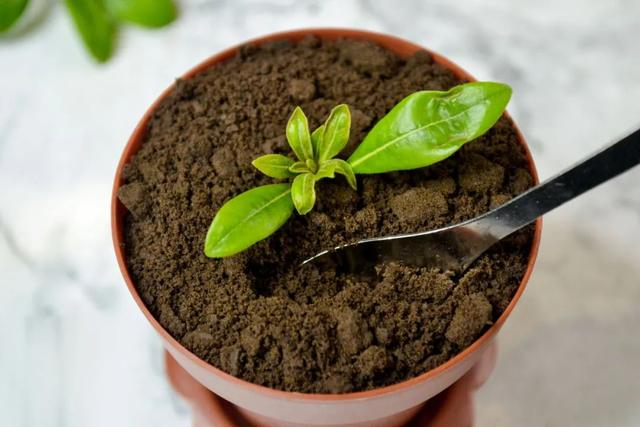
Are planting techniques really that magical?
If Taiwanese gardeners don't know or understand certain planting techniques, growing plants will be like crossing a vast mountain.
If the station director finds out and puts it into practice, then planting it will be a breeze, and it will never fail.
In this article, the station director wants to share planting techniques on how to improve soil.
The station director recommends three great methods for improving soil quality. They are simple, easy to implement, and super nice. Whether you plant on your balcony, in your garden, in your yard, or on your roof, they will work wonders.
Come on, let's talk!
Four methods to improve soil
Method 1 : Cover the soil with mixed green manure
If Taiwanese gardeners wish to improve the soil, they can cover the vegetable garden or potted plants with green manure plants.
This makes the soil below fine and fertile, and provides the best growing environment for beneficial soil organisms.
Green manure plants can not only prevent soil from becoming silted up due to excessive rainfall, but also prevent drought caused by summer sun exposure.
In addition, withered green manure plants can provide abundant nutrients for cultivated plants.
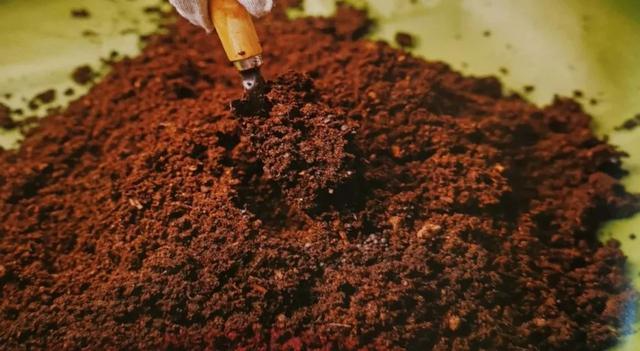
Green manure plants
Bellflower (Facharia)
White mustard
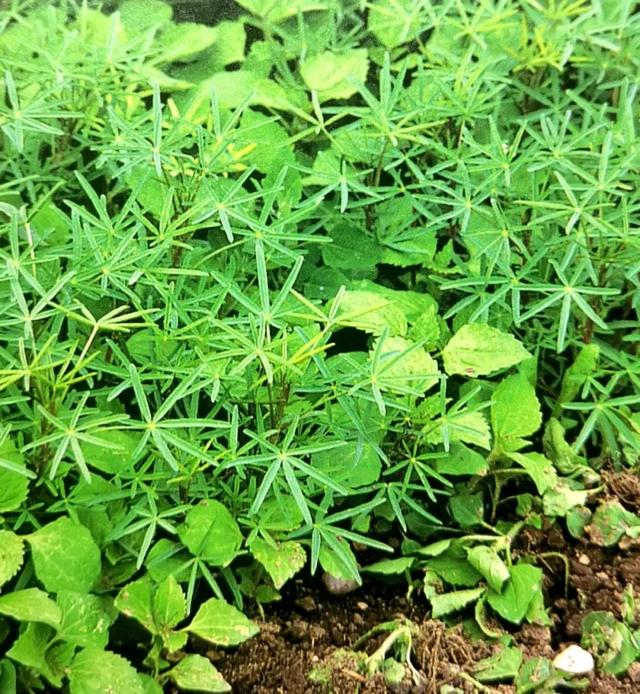
lupin
Marigold or marigold
Narrow-leaved wild pea
Winter rye (cold-resistant)
Milky Way (cold-hardy)
Green manure maintains soil health
For soil that has become compacted or exhausted due to overplanting, a "green manure therapy" can be applied before replanting vegetables or herbs.
Taiwanese people can choose to sow green manure plants or general mixed green manure in spring (before April) or autumn (at the latest August or September). About half a year later, the remaining plants can be dug up and buried in the soil or cut off directly.
After six months, the soil has become fine, loose, and full of activity, so you can plant with confidence.
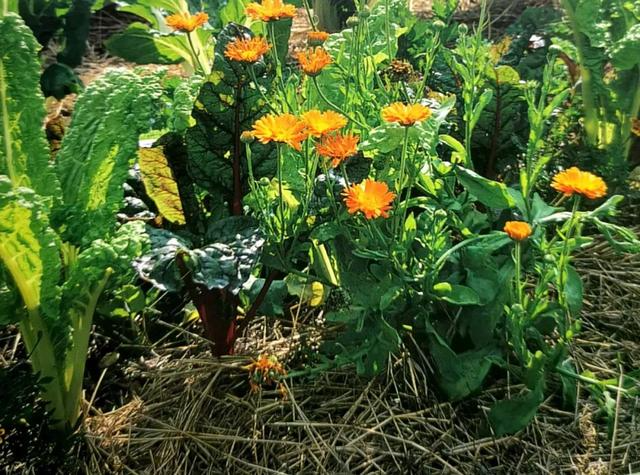
Method 1 : Cover the soil with a root protection material
We know that organic plant waste such as dried grass clippings, seedless weeds, hay, straw, leaves, or semi-rotten compost is suitable as mulch for empty vegetable gardens or other planted areas.
Not only does root mulch suppress weed growth, but it also maintains good soil structure, keeps soil moisture balanced, and saves irrigation water. For fruits and vegetables close to the ground, such as strawberries, pumpkins, or zucchini, root mulch can also keep the fruit clean after heavy rain.
First
Bark should be piled up under fruit trees to protect the roots, as it can acidify the soil.
second
Friends can cut the excessively long root protection material into smaller pieces by side cutting or slicing.
third
Lawn clippings should be dried before being used as a root mulch, otherwise they may mold and rot.
fourth
The thickness of the root protection material is usually 2cm to 5cm.
If you have field mice or snails in your garden, you can cover the roots with a thin layer of protective material and do it several times. Both animals can easily hide in thick protective material, and the material can also protect snails from drought.
fifth
When the root protection material can no longer completely cover the soil, it needs to be replaced with a new batch.
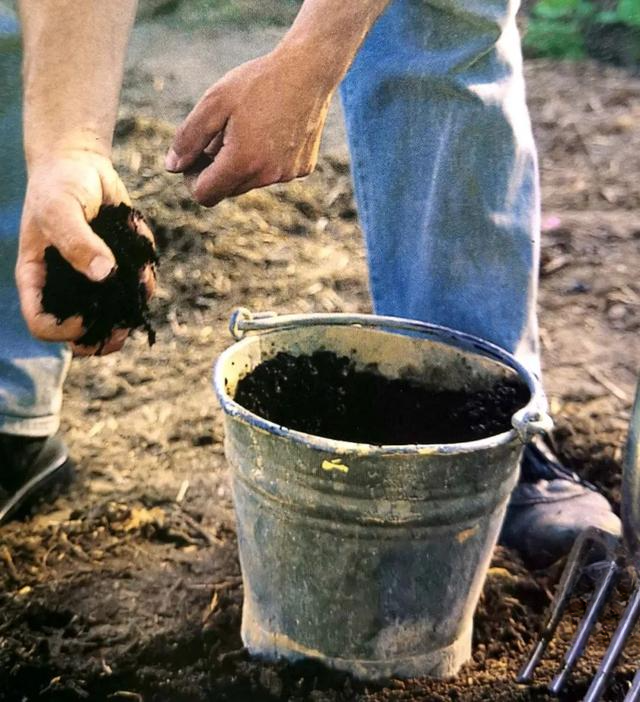
Method 3: Compost is also a "panacea"
Regular composting and cultivating plants suitable for the soil also help improve soil quality, as they can promote and improve soil aeration, activity, and water retention.
In spring (March or April), after planting, you can spread about 1-2 cm of compost on the vegetable garden or other planting ground as fertilizer, and then mix it evenly into the soil.
To improve humus-poor soil, you can apply compost every two to three years in winter or early spring.
The station director advises: Depending on the climate, it takes about 12-15 months to obtain fully decomposed and mature compost.
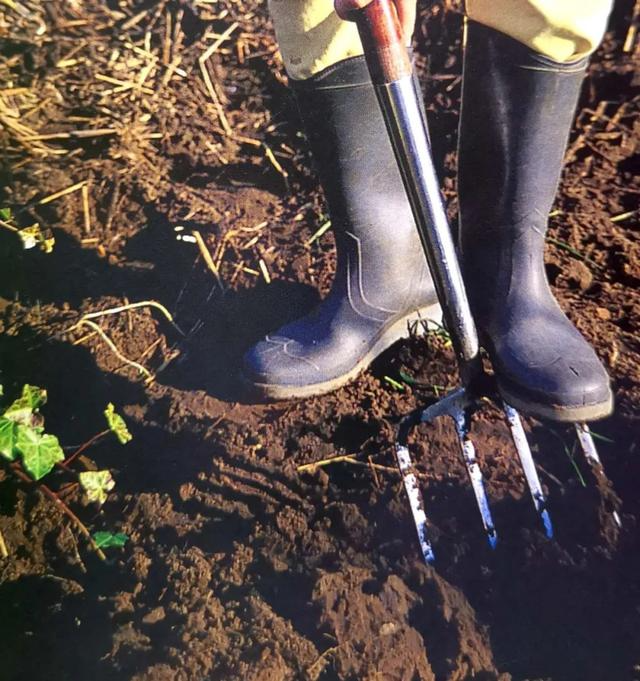
Method 4 : Loosen the soil thoroughly to ensure good aeration.
For garden soil and potting soil, it is sufficient to loosen the soil by digging from time to time.
For those with gardens, it will be a bit more work. Insert the digging fork into the soil and loosen the soil at a distance of about 10cm. You will need to repeat this process until the soil over the entire planting area is loosened.
This method is more suitable for home gardening, as it can protect the soil structure and soil organisms, whereas deep tilling usually damages soil organisms.
Let's get this party started, Taiwanese friends!
This season is perfect for improving and renovating the soil on the balcony, which will bring us better conditions and more harvests.
Every time I recommend suitable plants for your balconies or share planting tips, I take full responsibility for you. If you encounter any problems during soil improvement, the old way applies: come find me! Hahaha…
If Taiwanese friends can find us, it's a sign of trust.
The station director carries this trust and will certainly live up to it!