For beginners entering the gym, which exercises should they start with to double their workout results?
Where should a beginner start training when entering the gym? First, for those who go to the gym, you have an advantage over others: you can do various machine training and weight training, instead of just cardio or bodyweight training. If you go to the gym but only do running, cycling, yoga, or aerobics, then you've essentially wasted your membership. Weight training can build muscle, which can not only improve metabolism and inhibit fat growth, but also help women sculpt a toned, curvy figure and help men sculpt a V-shaped physique with muscular arms.Therefore, when going to the gym, weight training should never be overlooked. In addition to necessary calorie training, those focused on fat loss can do half an hour of weight training followed by cardio to burn fat, while those focused on muscle gain can do 40-60 minutes of weight training, followed by cardio as needed, and finally cool-down exercises. So how should beginners train with weights, and what exercises should they start with?Many online fitness tutorials divide the body into muscle groups, such as shoulders, chest, back, biceps and triceps, glutes, thighs, and calves, and train 2-3 muscle groups per session. However, this type of training is suitable for advanced users and experienced fitness enthusiasts; it is not suitable for beginners. My suggestion is to train the upper and lower body muscle groups separately, starting with compound exercises. Each exercise can work two or more muscle groups simultaneously, engaging more muscle tissue and nerves. This training method is quite efficient for beginners and can stimulate the coordinated development of muscle groups. Compared to muscle group training, this method is less difficult, involves fewer repetitions, is less complicated, requires less time, trains more muscle groups, and is easier to master and get started with.Below is a recommended set of compound training exercises. Choose a weight that allows you to perform 10-12RM, and do 4 sets of each exercise.
Recommended upper body muscle group training:
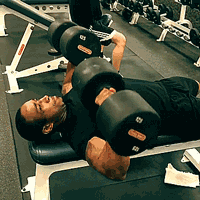
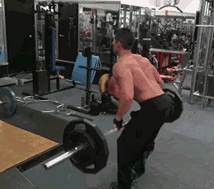
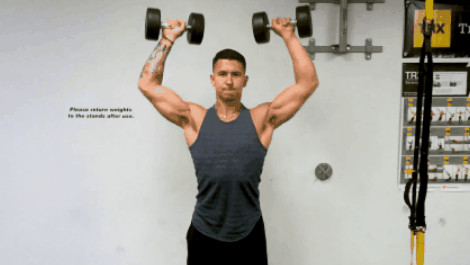
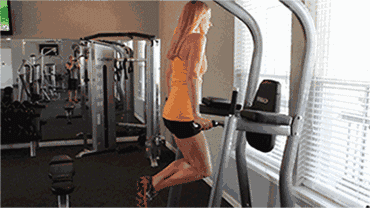
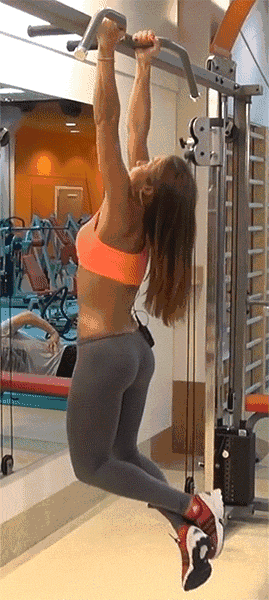
1. Barbell/Dumbbell Bench PressChest and biceps exercises2. Barbell/Dumbbell RowsWork out the entire back muscle group3. Barbell/Dumbbell PressExercise shoulder muscles and biceps/triceps muscles4. Parallel bar dipsThe golden exercises for training the lower chest, triceps, and deltoids.5. Pull-upsGolden exercises for strengthening back muscles and arm strength
Recommended lower body muscle training:
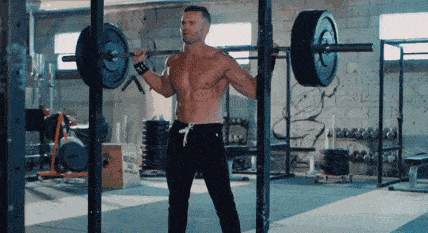
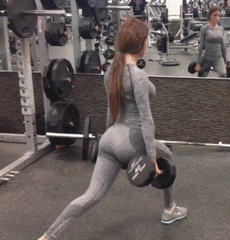
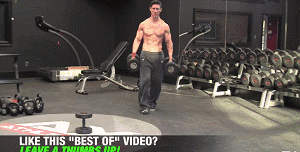
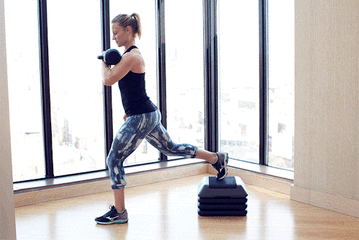
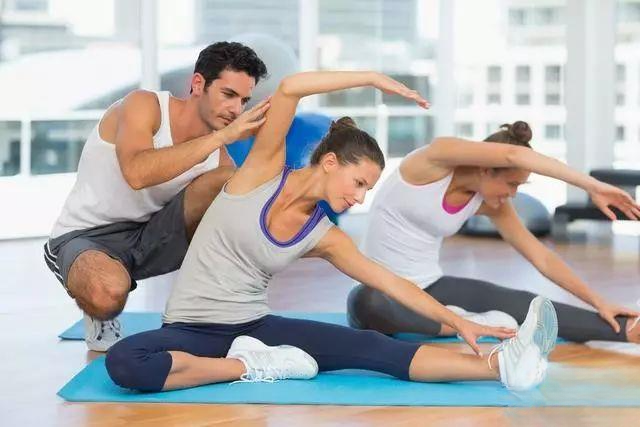
1. SquatsExercise your glutes and leg muscles2. Dumbbell lungeIt not only exercises the lower limbs but also improves body balance.3. DeadliftWork out your hamstrings4. Dumbbell weighted walkingExercise your thighs and calves5. Bulgarian single-leg squatRegarding training frequency: Strength training should not be performed too frequently. The target muscle group needs to rest for 2-3 days after each training session. Combining work and rest is essential to improve fitness results.Recommendation: Train your upper body one day, your lower body the next, and rest on the third day. Do no strength training, but you can do some light exercise or stretching. Train your upper body on the fourth day and your lower body on the fifth day. Repeat this cycle to give your muscles enough rest time to repair and grow. Dietary recommendations: People who are underweight and are doing muscle-building training need to eat more frequent meals to provide calorie intake so that their energy supply can keep up.Before and after training, it's important to replenish protein and carbohydrates, such as oatmeal, bananas, whole-wheat bread, and eggs, to provide sufficient nutrition so that muscles can grow full and elastic! People who want to lose fat don't need to deliberately add extra meals; they just need to control their total daily calorie intake to avoid fat accumulation.