Folk remedies for pest and disease control: Spray these remedies on your plants to prevent spider mites and aphids.
In daily life, those who enjoy gardening know that plant diseases and pests are common occurrences. However, treating these pests and diseases doesn't always require medication. For example, when plants are attracted to spider mites or aphids, if we're using folk remedies for prevention and control, try spraying them with an aqueous solution made from the following three ingredients!
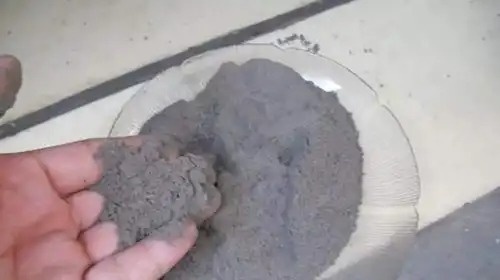
plant ash
Wood ash is rich in potassium, so it's often used as a fertilizer to boost plant immunity during autumn and winter. Sprinkling it on top of the soil helps keep the roots warm, moist, and fertile. However, at other times, wood ash can also be used to make a natural insecticide to kill spider mites, aphids, and other pests that attach to plant stems and leaves.
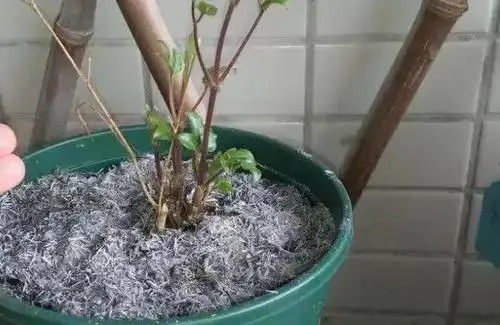
To make insecticides from ordinary wood ash, we need to select thoroughly burned wood ash, which is generally a white-gray powder. Afterwards, if we have the tools, we can sift it again, keeping only the fine powder. The excess can be discarded or poured into flowerpots, away from the plant roots, to act as slow-release fertilizer.
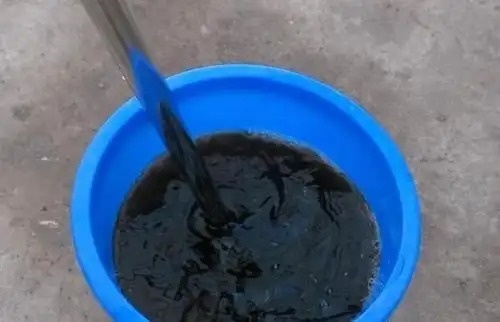
To make an insecticide, you need to mix fine wood ash and dried tap water in a ratio of 1:20 or 1:30, stir thoroughly, let it stand for more than 2 hours, pour out the solution, put it into a watering can with a sprinkler, and then spray the stems and leaves of the diseased plants every 3-7 days.
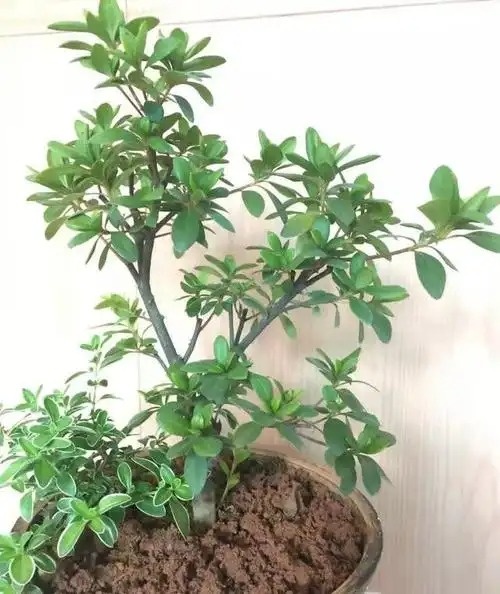
Cigarette butts
Cigarette butts usually contain some tobacco, and tobacco is the raw material we use to make insecticides. Of course, if you don't have time to remove the outer packaging, you can soak them directly in water for a longer time. When the water turns yellowish-brown, you can filter out the impurities inside, such as paper and filter tips.
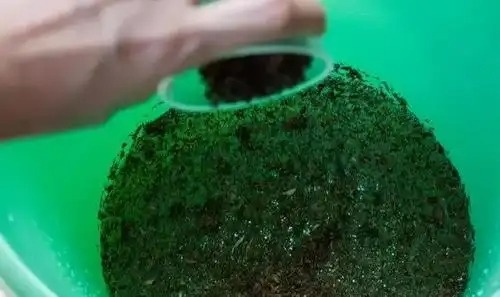
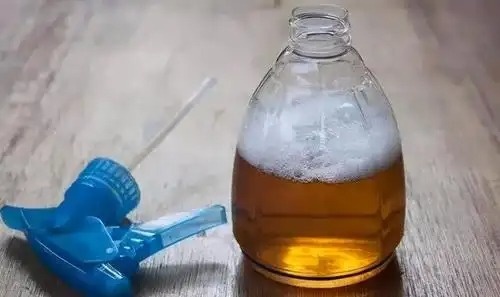
Afterwards, we need to mix it again with the dried tap water, generally in a ratio of 1 part tobacco water to 10 parts tap water. After stirring evenly, we can immediately spray it on the branches and leaves of the plant. During this period, be careful to avoid flower buds, and focus on the branches and leaves that are severely affected by pests. Repeat the spraying action multiple times to effectively kill the pests attached to the branches and leaves.
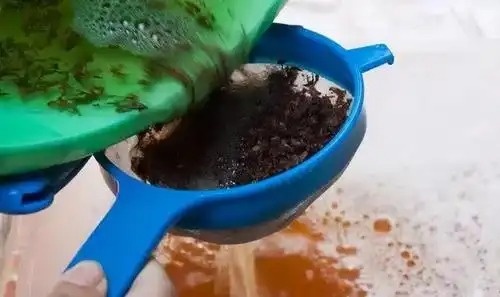
Generally, spraying this solution once every 5-7 days, and after 2 or 3 consecutive applications, will show obvious improvement. Otherwise, we need to use this diluted solution as tap water to irrigate the soil when watering, which will not cause fertilizer damage and can kill the larvae of pests hidden in the soil, ensuring that they are completely eliminated.
Mosquito coil ash
Many people still use mosquito coils in the summer, so if plants become diseased or infested with pests, such as spider mites and aphids, you can stockpile some burnt mosquito coil ash in advance without using pesticides. Then, mix the ash with the mosquito coil ash at a ratio of 1:30. Spraying this ash water onto the diseased parts of the plant can immediately and effectively stop the pests from eating the plant's stems and leaves.
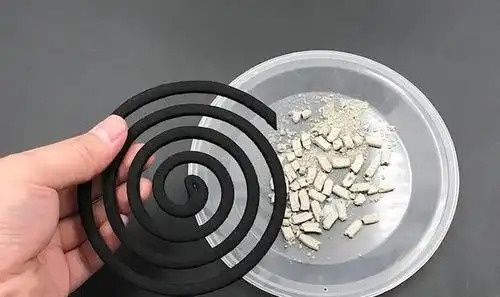
In addition, after the plant diseases and pests have been cured, don't throw away the mosquito coil ash collected from daily life. Pour it directly onto the top of the potting soil, away from the roots, to reduce the chances of the plant getting sick and attracting pests. Of course, this fertilizer is slightly alkaline, so if the plant prefers an acidic environment, then don't use it too frequently. Generally, it should only be used once a month.