Flowering period pruning, bud maggots, canker... Learn about the key points of citrus management in April in this article.
April is the peak flowering season for citrus fruits, making it the most crucial period for the annual citrus harvest.
The development and quality of flower buds directly affect the fruit set rate and fruit quality, especially for navel oranges, which suffer from severe flower and fruit drop and extremely low fruit set rates. In relatively high humidity conditions, without intervention, the tree often displays a profusion of blossoms, only to be left with nothing but fallen fruit. Therefore, scientific and reasonable management of citrus trees in April is essential.
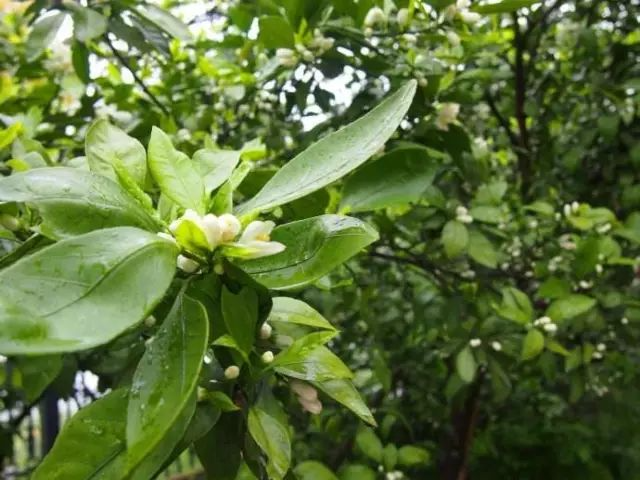
I. Tree Management During Flowering Period
1. Re-pruning during flowering period
If the plant's vegetative growth is poor, the tree is weak, there are too many flowers, the nutrient supply is insufficient, or it is affected by low temperature, cold wave, drought, or continuous rainy weather, most of the flower parts will be underdeveloped, such as exposed stigma, split petals, degenerated stamens and pistils, etc. These are collectively called deformed flowers, and very few of them can set fruit. Even if they do set fruit, the quality is very poor. Therefore, it is very necessary to prune again during the flowering period.
Flowering period pruning time : From the budding stage to the peak flowering stage (75% of the flowers are open), a supplementary pruning is carried out to target the amount of flowers, flower quality and tree vigor. In the southern Jiangxi region, it is generally done in early to mid-April. Different pruning methods are used for different tree vigor.
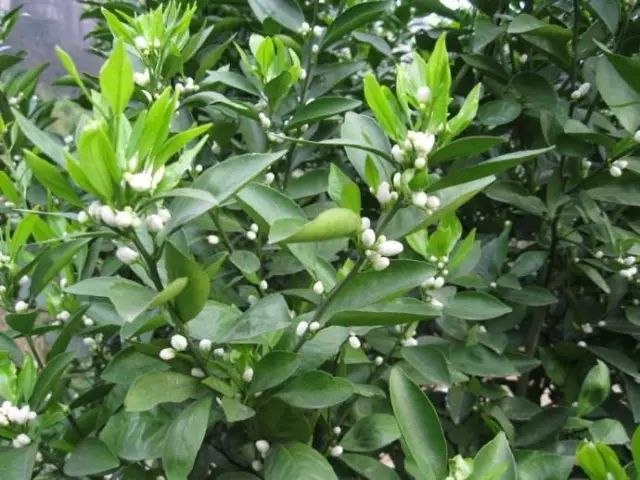
Pruning of flowering trees: Vigorous trees – remove all leafless flowering branches and single-leaf inflorescence branches, retain all leafy flowering branches, remove flower buds at the base and top, and retain strong buds on the second and third nodes. Weak trees – prune back one-third of the declining fruiting branch groups, and remove two-thirds of the leafless flowering branches of the unpruned fruiting branch groups.
Pruning of trees with few flowers: Try to retain all flowering branches and remove some spring shoots and vegetative branches, so that the ratio of vegetative branches to fruiting branches is about 6:4.
2. Preserve flowers and fruits
Citrus flowers require abundant nutrients during their development. Analysis shows that approximately 10,000 flowers contain 25g of nitrogen and 18g of potassium. Therefore, the production of a large number of deformed flowers reflects both malnutrition of the tree and wastes a significant amount of nutrients, exacerbating flower and fruit drop and reducing fruit set and yield. Thus, replenishing tree nutrients during the flowering period, preventing the formation of deformed flowers, and preventing flower and fruit drop have become of paramount importance.
Spraying boron-based foliar fertilizer during the initial flowering stage, and spraying 50 mg/L gibberellin once when 3/4 of the flowers have withered, can help preserve flowers and fruits. During the flowering period, apply foliar fertilizer, such as 0.03% urea + 0.2% potassium dihydrogen phosphate, or other fruit tree nutrient solutions, to the tree canopy to replenish tree nutrition in a timely manner, which can effectively reduce fruit drop after flowering.
II. Disease and Pest Control During Flowering Period
1. Citrus canker
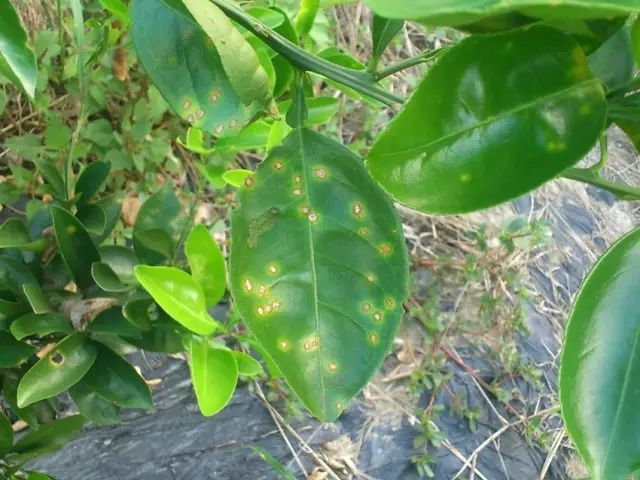
Spraying time: Apply pesticide to mature trees when the leaves open, and to young trees when the new shoots have grown 3cm earlier. For fruit trees, spray once each 10, 30 and 50 days after flowering.
Recommended pesticides: 72% agricultural streptomycin wettable powder at 3000 times dilution, 20% flusilazole at 800 times dilution, 38% cymoxanil at 800 times dilution, chlorothalonil at 800 times dilution, and 64% zinc thiram·copper hydroxide wettable powder at 500 times dilution.
2. Citrus scab disease
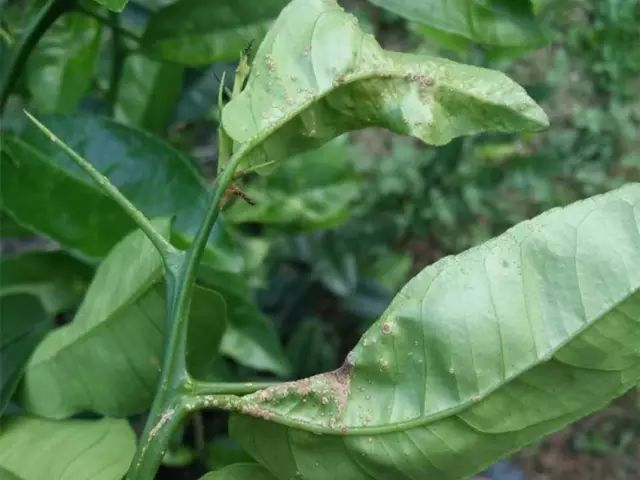
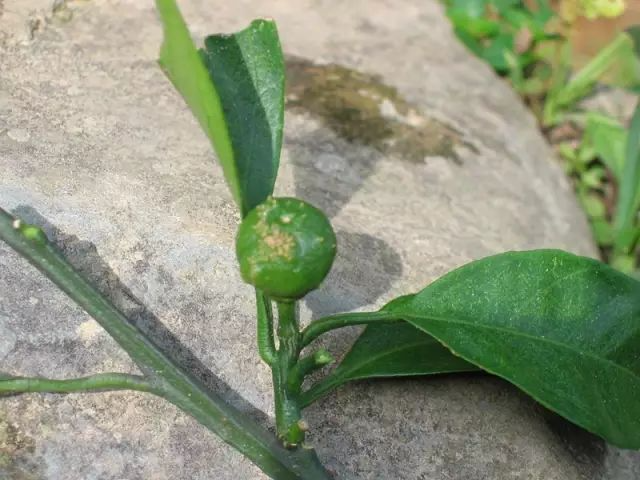
Spraying time: The first spraying should be done when the spring buds are sprouting and the buds are 1-2mm long (generally not exceeding 1cm in length) to protect the spring shoots; the second spraying should be done when 2/3 of the flowers have fallen to protect the young fruits.
Selected pesticides: 55% thiophanate-methyl wettable powder at 1000x dilution, 50% carbendazim wettable powder at 800x dilution, 77% copper hydroxide 2000 type at 800x dilution, 80% mancozeb wettable powder at 600x dilution, 30% copper dicarboxylate wettable powder at 400x dilution, and 12% cyazofamid emulsifiable concentrate at 500x dilution.
3. Citrus flower bud maggots
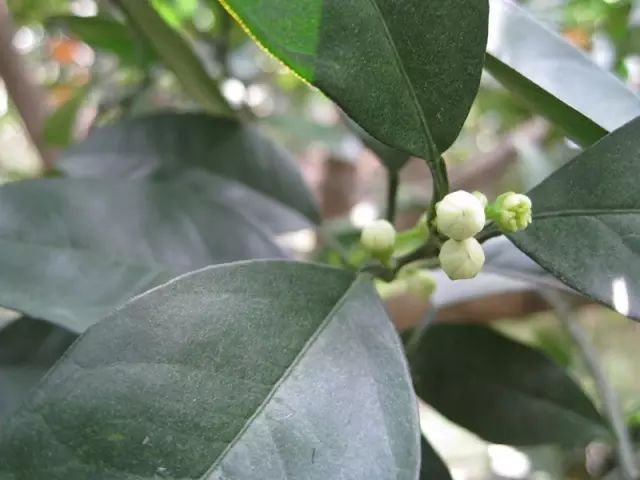
Spraying time: 3-5 days before the tips of the flower buds begin to show white.
Pesticide selection: Spray the ground with 20% deltamethrin EC at 3000 times dilution, 2.5% cypermethrin EC or 20% cypermethrin at 3000 times dilution, 90% trichlorfon or 70% imidacloprid at 3000 times dilution, etc., once every 7-10 days, for a total of 2 sprays.
III. Orchard Fertilizer and Water Management
First, ensure proper cleaning to prevent waterlogging and root rot in the orchard. For mature trees with weak growth and abundant flowers, apply fertilizer to the buds to reduce flower and fruit drop.
Secondly, reasonable intercropping and planting of green manure are recommended. Peanuts, soybeans, and other crops are suitable for planting in orchards. It is encouraged to plant green manure such as ryegrass, ageratum, and white clover in young trees or sparsely planted orchards to increase the organic matter in the orchard and improve the orchard microclimate.