Flower pruning techniques and flower planting techniques
Flower pruning techniques
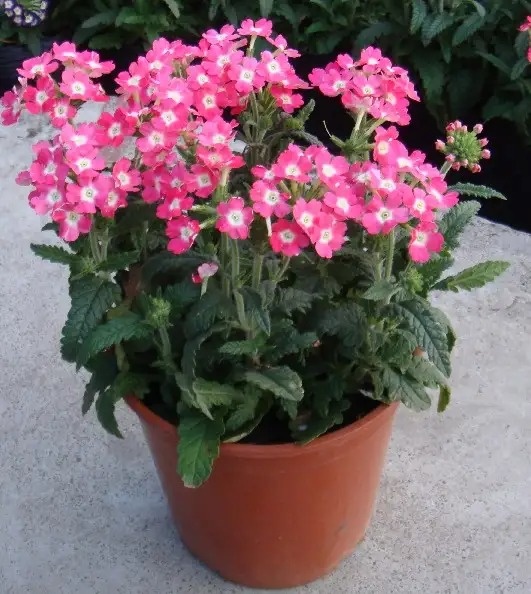
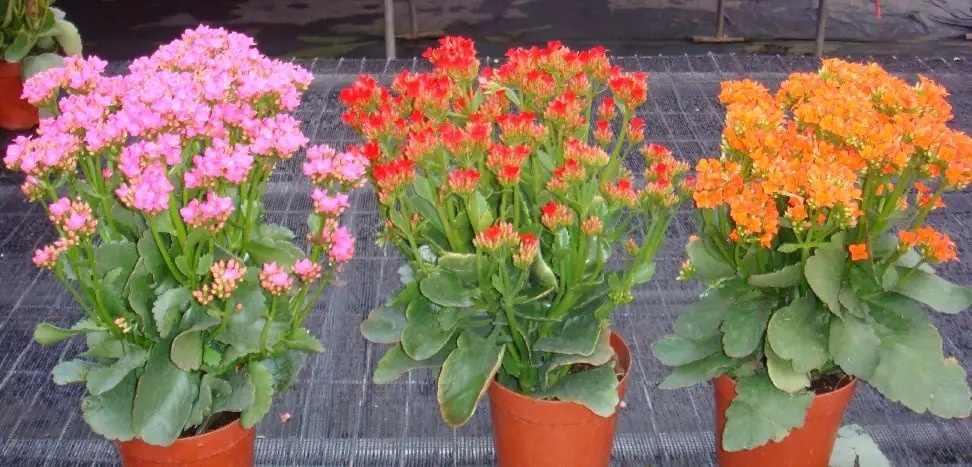
Pruning flowering plants?! The term "pruning flowering plants" might seem strange to most people. Pruning is typically associated with woody flowering plants; do flowering plants need pruning too? What kind of pruning is needed? And how should they be pruned? To answer these questions, please see the following analysis.
Like other plants, flowering plants produce withered leaves and spent flowers during production. These not only continue to consume a large amount of nutrients from the plant itself, competing with subsequent foliage growth and flower opening for nutrients, leading to reduced flower quantity, shorter flowering period, and shorter lifespan, but also affect the ornamental value and marketability of the flowers.
Therefore, appropriate and timely pruning is necessary during flowering plant production. On the one hand, removing withered flower stalks, dead branches, weak branches, old branches, and diseased or insect-infested branches reduces the nutrient consumption of the plant by withered leaves and spent flowers. On the other hand, proper pruning can control plant shape, reduce pests and diseases, rejuvenate the plant, delay flowering, improve flowering quality, and extend the lifespan of the flowers.
Pruning flowering plants requires certain skills and should not be done blindly, otherwise irreversible damage may occur. The following introduces pruning techniques for flowering plants.
Common pruning methods for flowering plants include pinching, bud removal, and bud removal. However, different flowering plants have different growth and ornamental characteristics. Therefore, some flowering plants are suitable for pinching and do not need bud removal; some are not suitable for pinching and need appropriate bud removal; some require appropriate pinching, bud removal, and bud removal. Therefore, it is necessary to understand the growth and ornamental characteristics of different flowering plants before pruning and select the appropriate method.
1. Generally, varieties whose main ornamental feature is the central large inflorescence or the flowers at the top of the main stem, or whose flowers in the leaf axils of the main stem have good ornamental quality, are not suitable for pinching, such as cockscomb, impatiens, and violets; varieties such as kale, whose main ornamental feature is the overall plant shape and central leaves, are also not suitable for pinching; clump-forming flowering plants, such as marigolds, do not need pinching.
2. For taller plants with fewer natural branches, or those whose main ornamental feature is the flowers or inflorescences on lateral branches, appropriate pinching is necessary. This promotes strong, thick stems, controls height, maintains a neat shape, encourages branching, expands the crown, and increases the number and coverage of flowers. Examples include zinnias, salvia splendens, marigolds, and periwinkles. Pinching is typically done 2-3 times; excessive pinching can delay flowering.
3. Some potted plants require both a certain number of flowers and a specific flower (or inflorescence) size. Therefore, appropriate pinching, bud removal, and bud thinning are necessary. Pinching ensures a certain number of branches, leading to a certain number of flowers. Bud removal and bud thinning prevent excessive branching and flowering, which can lead to excessive nutrient consumption and ensure the flowers or inflorescences meet quality requirements. For example, in potted chrysanthemums, appropriate pinching, bud removal, and bud thinning are crucial for maintaining their ornamental value.
In the process of managing flowering plants, flower growers may take appropriate measures, such as timely pruning, to improve the marketability of flowering plants by controlling plant shape, improving flowering quality, and extending the lifespan of flowers, so as to cultivate high-quality flowering plants before May Day.