Flower pruning secrets: These potted plants will grow vigorously with just a few quick pruning strokes!
1
Money tree pruning
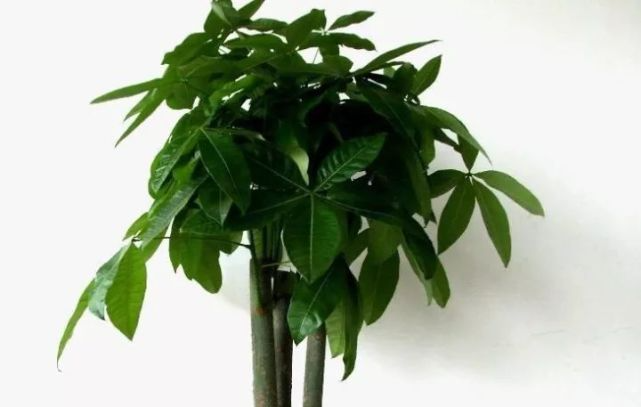
A small money tree is often found on a desk at home or in the office; its plump body with a few green leaves is quite charming. However, this type of money tree is actually very prone to root rot and death if not properly watered. Don't throw it away! Just cut it in half like this, and it will grow back healthy!
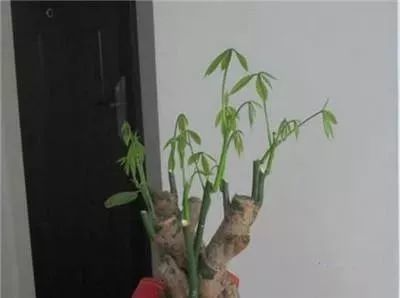
1. How to trim the hair of a money tree?
Cutting the branches of a money tree is quite simple; just prune away all the green branches. However, be careful to leave the nodes when pruning.
2. How to care for your hair after a shave?
After pruning your money tree, avoid spraying it with water or exposing it to rain for a short period to prevent the cut from rotting. If the weather is hot, you can spray some water around the money tree daily to increase the air humidity, and then place it in a well-ventilated place with indirect light.
After a haircut, the money tree will sprout new buds in about two weeks, and grow lush green leaves in one to two months. Of course, the temperature is suitable for haircuts now, but it is not recommended in winter.
2
Rose pruning
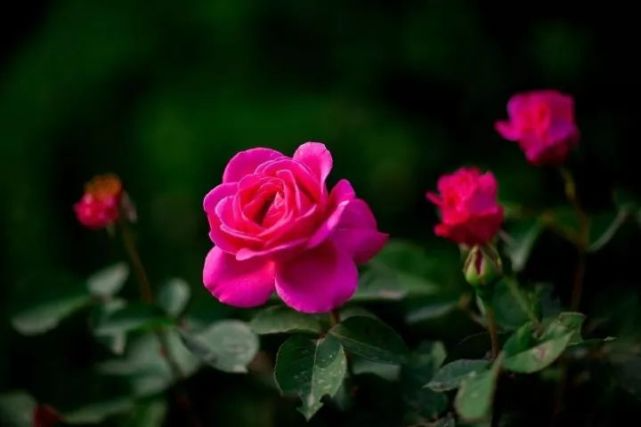
Roses don't bloom much, so don't hesitate to prune them. Roses can't live without pruning shears; they always need a "snip" now and then to stay strong and healthy, and to produce more and larger blooms. Don't be reluctant to prune them.
Proper pruning of rose bushes that have grown for many years can not only maintain their beautiful shape, but also make them grow stronger, produce more and larger blooms every year, and greatly reduce the chances of disease.
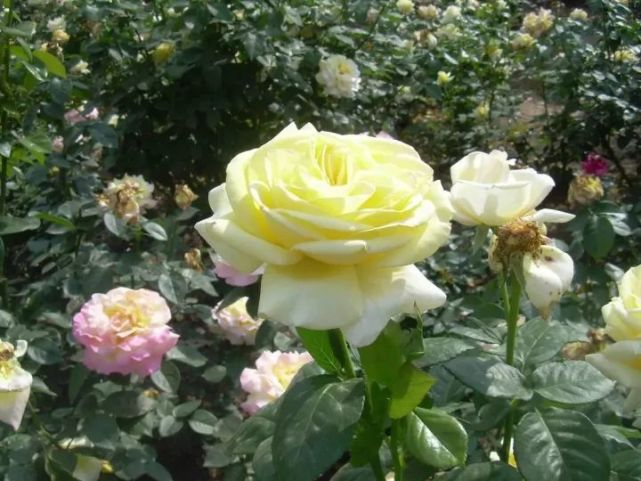
Which branches need regular pruning?
1. Prune weak branches
When pruning roses, cut off the overly weak branches, as they will only absorb nutrients but will not grow well.
2. Prune diseased branches
When pruning roses, if the cut surface is brown or dry, you need to prune further until you see white, fluffy tissue. This is when the tissue left behind is healthy.
3. Winter pruning
Pruning can be more aggressive in winter to prevent frost damage and encourage better growth the following year. Generally, pruning back no more than half of the original height is sufficient.
3
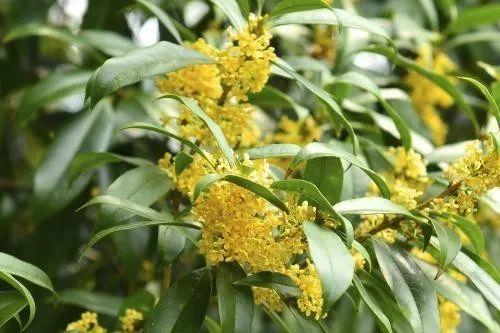
Osmanthus pruning
Spring is the best season for pruning. Because osmanthus is an evergreen tree and not very cold-hardy, it cannot be pruned in winter.
In July and August of summer, flower buds begin to sprout. If pruning is done at this time, branches with flower buds will inevitably be cut off, resulting in a reduction in the number of flowers.
Osmanthus trees planted in the ground can be lightly pruned after flowering in autumn, but potted osmanthus trees are not as robust as those planted in the ground and are not suitable for pruning in autumn. Therefore, potted osmanthus trees are best pruned in spring, with March being the most suitable month.
In addition, plants that are too small are not suitable for pruning. Generally, you can start managing the plant's shape 2 to 3 years after you buy it. The pruning cycle is once a year.
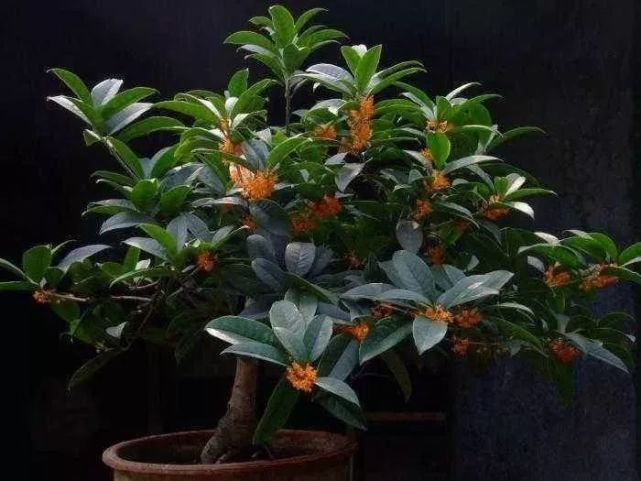
Pruning suggestions for potted osmanthus:
1. Cut off intertwined branches. There are usually several branches intertwined. Leave one and cut off the rest.
2. Some branches of osmanthus trees like to grow upwards, so these upward-growing branches need to be pruned and thinned. Before pruning, determine which branches to cut and which to leave.
3. Thin out the branches in the inner part of the plant, leaving the outward-growing lateral branches and cutting off the inward-growing branches.
4. Finally, refine the overall shape. Shorten any particularly long or protruding branches to soften the overall lines. Be sure to cut close to the leaves; if the remaining branches are too long, axillary buds will not be able to grow, leading to the entire branch withering.
4
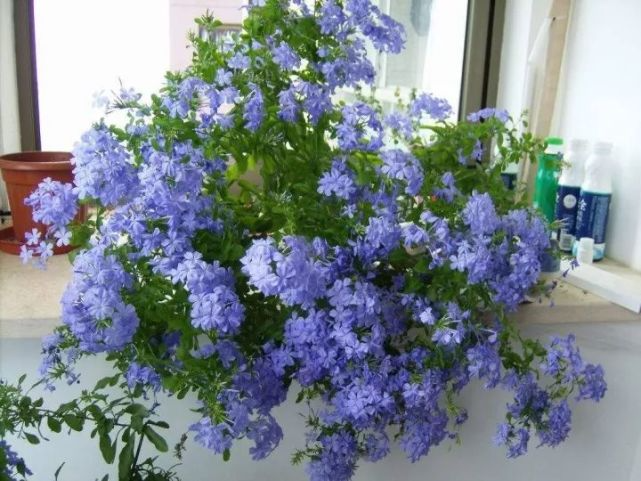
Blue plum blossom trimming
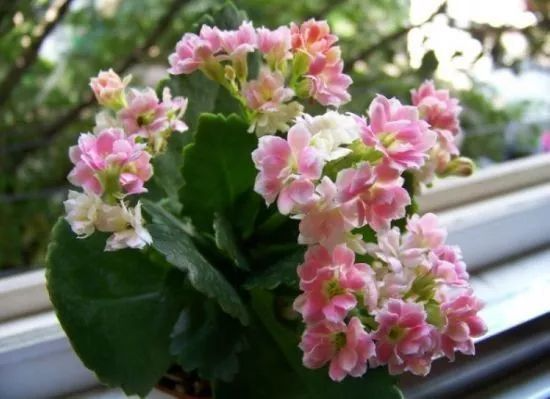
Generally, the best time to prune blue plumbago is late autumn, when it gradually enters a period of slower growth, making it a suitable time for pruning. Note that you should avoid pruning during the spring budding period. Let's see how other flower enthusiasts view the pruning of blue plumbago.
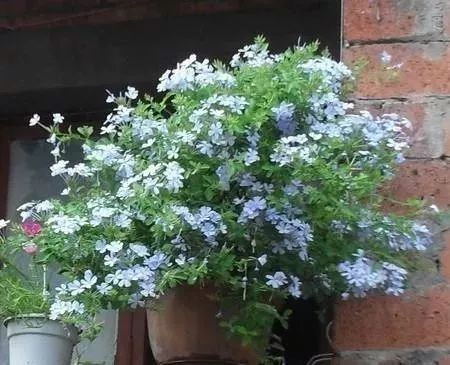
1. Blue plumbago is not afraid of pruning. After flowering, cut off the withered flowers, and it will bloom again in about 20-30 days. Old branches should not be more than two years old. Generally, when moving it indoors in autumn each year, prune it hard, cut off the black branches, and only leave the strong green branches that have grown that year.
2. On November 30th, having nothing to do, I gave a blue plumbago a haircut, cutting it back by 60cm and leaving about 50cm of the main trunk.
3. When a branch has seven leaves, remove four or five leaves. This will make the branch stronger, with more side branches and small leaves. Especially when there are several consecutive days of rain, the stems will grow very long if not pruned. However, once the temperature is about right and flower buds appear, prune less. Pruning too much will slow down the growth of new buds. It is best to prune when the growth is vigorous and the temperature is above 25 degrees Celsius. Higher temperatures promote branching, and a single cut can produce three or four buds. Below 20 degrees Celsius, generally only one bud will grow at the very top.
5
Kalanchoe pruning
To make your kalanchoe bloom for a longer period, you should be willing to prune it after it finishes flowering. Cutting off the spent flowers will better promote the growth of new branches and flowering!
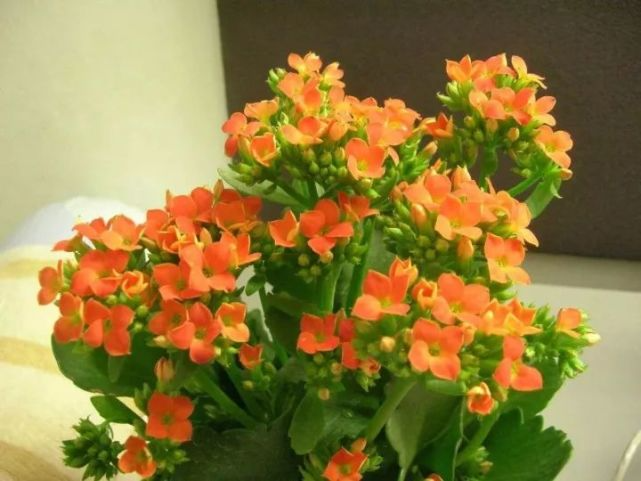
1. Because the blooming time of each flower in the Kalanchoe blossfeldiana is not the same, it is necessary to promptly prune off the withered flowers after each flower fades. Don't be lazy, pruning off the withered flowers will allow more nutrients to be supplied to the other flowers!
2. When the entire flower head has withered, we need to take drastic measures. We need to cut below the first pair of small leaves on the flower branch. The second pair of leaves should be kept because new branches will sprout from there.
3. After your kalanchoe has finished blooming, that is, after the first peak of flowering, we need to do the third step: repotting. There is no need to change the soil; keep the original soil. Choose a pot that is slightly larger than the original one, add an appropriate amount of organic fertilizer to the bottom, add some soil, and then pot the kalanchoe. This will provide new nutrients for the second flowering.
6
Geranium pruning
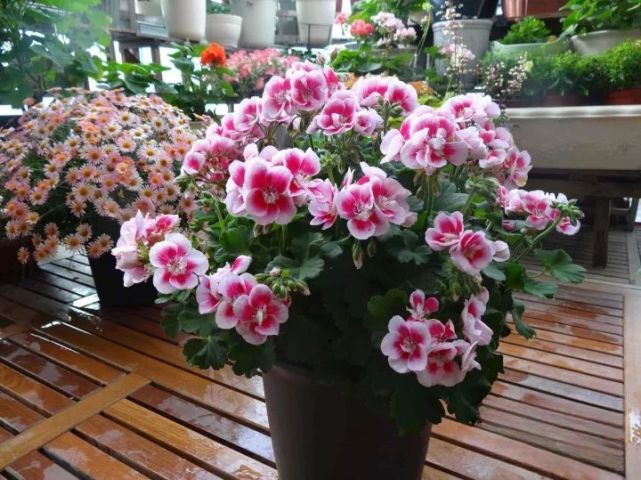
Generally, after the hottest days of summer, as the weather cools down, geraniums gradually resume their growth, and new shoots emerge from dormant plants. This period, from late August to early September, is the time to combine repotting with a thorough pruning of the plant.
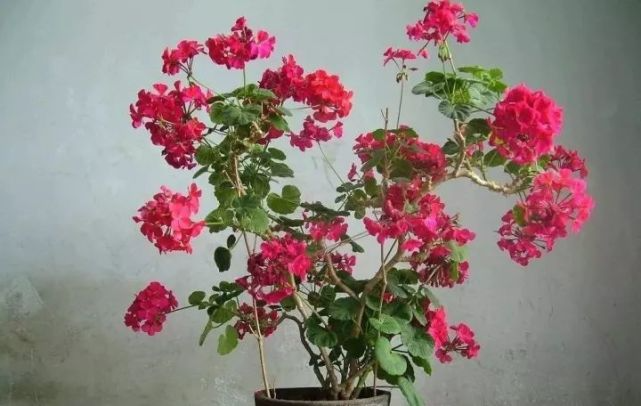
Depending on the plant's growth, generally select 3-5 strong, evenly distributed main branches near the base, and cut off any other overly dense, weak, or excessively long branches from the base. Then, shorten the main branches and lateral branches, leaving only a strong bud on each lateral branch, so that the branches of the entire plant are evenly and compactly distributed, resulting in a full and compact plant shape.
For plants that have been cultivated for one year, simply prune them back to the appropriate position. Plants that have been pruned and shaped will need some time to recover their growth. Generally, after the cut has dried for about half a month, you can begin applying fertilizer normally to encourage the growth of new buds and subsequent flowering. To prevent excessive vegetative growth, pinching can be performed to promote the development of more lateral branches and more flowers.