Flower cultivation techniques: soil, watering, fertilization, light, ventilation, repotting
In life, more and more people enjoy cultivating and appreciating flowers; almost everyone loves them. It's evident that since ancient times, many literary works depict our working people cultivating numerous flowers, plants, and trees as early as the Zhou Dynasty, some of which had ornamental, edible, and medicinal uses. So, how should flowers be cultivated? Let's find out together!
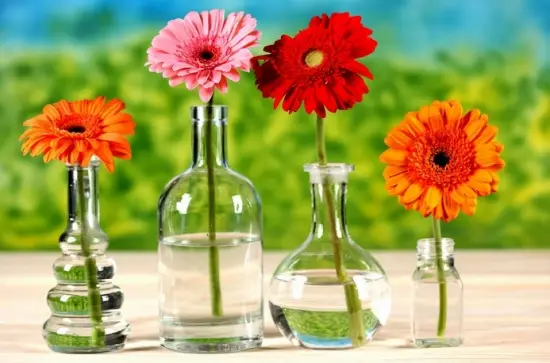
Flower cultivation techniques:
1. Soil: Choosing the right potting soil is crucial for the healthy growth of planted flowers. The potting soil should be prepared according to the type of flower. It's best to first understand the characteristics of the soil from the flower's native habitat before selecting the soil. Alternatively, a relatively universal potting soil can be used, which is a mixture of equal parts leaf mold, fine sand, and garden soil. This type of potting soil is quite effective, and most flowers thrive when used in this way.
2. Watering: Watering is crucial for flower cultivation, and many people often fail to master this skill, affecting the success of their flower cultivation. Different flowers have different water requirements . For example, aquatic plants cannot live without water, succulents benefit from watering once a week, while most foliage plants need the soil kept slightly moist. Smaller plants or newly propagated plants are generally less drought-tolerant, while larger plants or established plants are more drought-tolerant. Flowers placed outdoors need more water, while those placed in greenhouses need less. In the hot and dry summer, flowers need more water, while in the cold winter, plant growth slows down and transpiration is low, so watering should be reduced. For flowers in their growing stage, whether planted in the ground or in pots, water them when the soil dries out.
3. Fertilization: Fertilization is essential to ensure the normal growth and abundant flowering of all flowers. Flowers do not require large amounts of fertilizer at all stages of their life cycle. Except during the vigorous growth period, when timely fertilization is necessary, other stages such as the seedling stage, dormancy period, and senescence period do not require much fertilizer. Since there are many types of fertilizers, it is important to know which are organic, inorganic, single-ingredient, and compound fertilizers. Understand the function, characteristics, and usage of these fertilizers. Then, determine which fertilizer to apply based on the specific nutrient deficiency of the flowers, thus ensuring targeted application. Fertilizer application is generally divided into two forms: base fertilizer and top dressing . Base fertilizer generally uses slow-acting organic fertilizers, while top dressing generally uses fast-acting inorganic fertilizers. The common method is to dissolve them in water to prepare a 0.1% to 0.5% fertilizer solution, also known as fertilizer water, before watering or spraying. After fertilization, watering must be timely to ensure that sun-loving flowers receive sufficient sunlight, while providing appropriate shade for shade-loving flowers to ensure smooth assimilation.
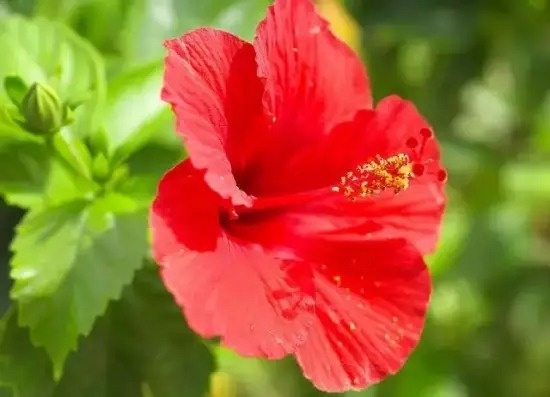
4. Light: For flowers to grow well, the planting location must be arranged according to their specific needs . Flowers that prefer strong light include: Portulaca grandiflora, Cosmos bipinnatus, Agave agave, Rose, Canna lily, Milan jasmine, Jasmine, Peony, Pomegranate, Cactus, Chinese Rose, Fig, and Violet. Flowers that prefer low light include: Phalaenopsis orchid, Asparagus fern, and Castanopsis fargesii. In summer, flowers that require shade should be shaded using shade structures, the shade of trees or buildings, or climbing plants to prevent direct sunlight.
5. Ventilation: A well-ventilated environment meets the carbon dioxide needs of flowers , allowing them to produce more nutrients through photosynthesis to nourish their organs. Flowers in this category include: dahlias, hibiscus, chrysanthemums, cinerarias, jasmine, grapes, pomegranates, geraniums, poinsettias, and roses.
6. Repotting: Late spring and early summer are the peak season for repotting potted plants . Two days before repotting, water the plant with a diluted fertilizer solution. This makes it easier to remove the plant from the pot and greatly shortens the recovery time. Afterward, prepare the pot, base fertilizer, and potting soil. When repotting, hold the pot with your left hand and support the bottom of the pot with your right hand, then gently tap the rim of the pot on a soil board or step, changing the tapping position as needed. This will remove the root ball from the pot. If the root ball is covered with old roots, use a sharp knife to trim some of them, and also remove some of the shoulder and bottom soil. Avoid breaking up the root ball during the entire process. Place a thin layer of potting soil in the prepared pot, then add a small amount of base fertilizer. Cover the base fertilizer with some potting soil, then place the trimmed root ball into the pot, straighten it, and fill with potting soil.
Note: Leave a few centimeters of space between the surface of the potting soil and the rim of the pot. This will facilitate watering later . Therefore, when filling the pot with soil, it is advisable to add it to a level slightly higher than the surface of the soil ball. Then, water the newly repotted plant thoroughly. Remember to place the pot in a place where it will not be obstructed and is suitable for the plant to recover before watering. Moving the pot immediately after boiling water is not only inconvenient because the soil is still wet, but also will cause the soil to leak out from the drainage holes at the bottom of the pot, causing unnecessary trouble.