Five key points for garden plant cultivation
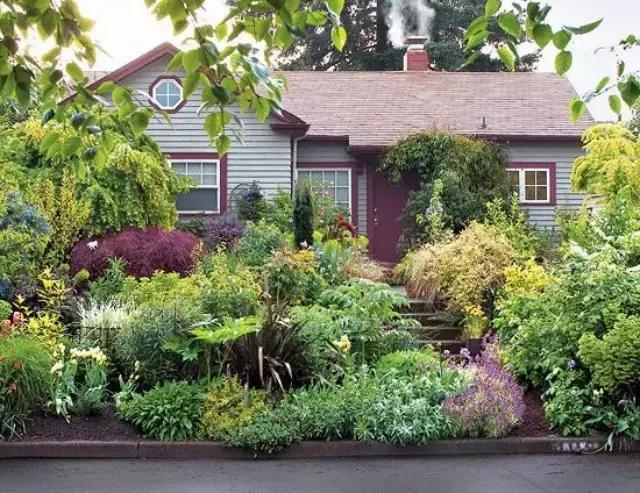
For many, a garden is defined by its plants, and a garden, in turn, must have plants. Like clothes for a person, plants bring color and interest to a garden. The flowers and leaves of plants can also soften the ambiance of a garden; simply put, they can enliven a space.
However, the problem often arises when we wander aimlessly through local garden centers or greenhouses, drawn by the blooming flowers, and while viewing a particular gardening project, the salesperson simultaneously recommends related plants. The result is a garden crammed with a multitude of unrelated plant varieties, vying for space and position.
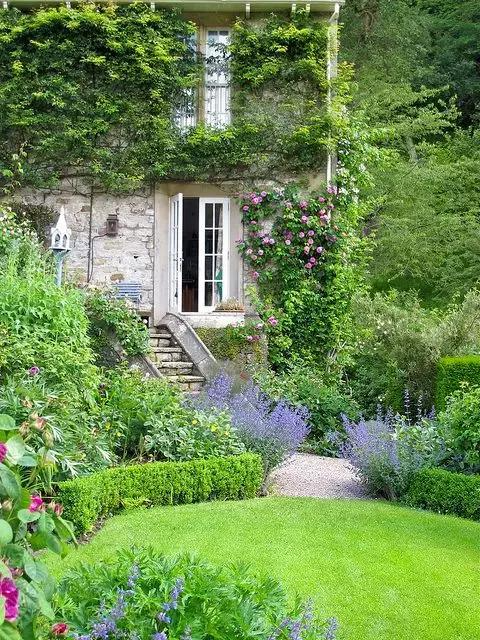
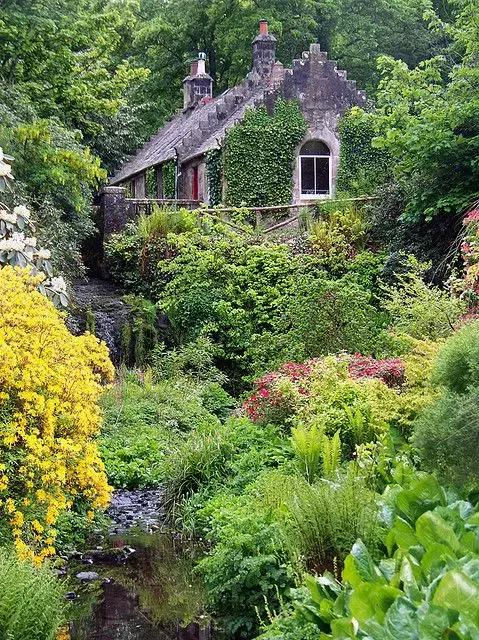
Based on our experience with many homeowners and friends, this situation is not uncommon. It not only means increased maintenance costs, but also that any two plants are no longer connected, preventing them from reaching their full potential.
Plants bring vitality to a garden, and flowers and green leaves create a colorful landscape. However, plants should only be planted after the overall garden design framework has been determined. This is because the design not only makes the garden layout neat and orderly, but also provides a harmonious background for the planting, giving the plants a sense of unity rather than a hodgepodge of various plants.
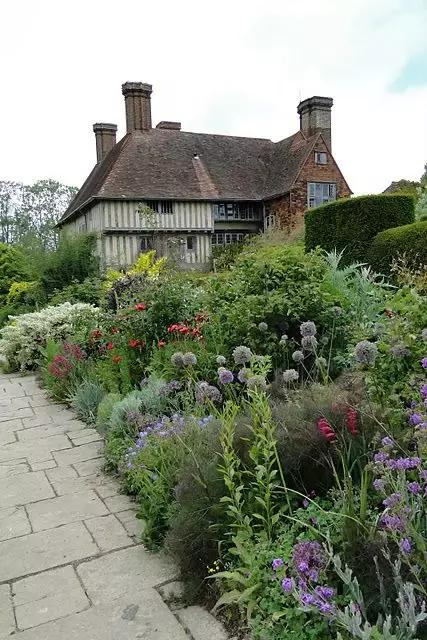
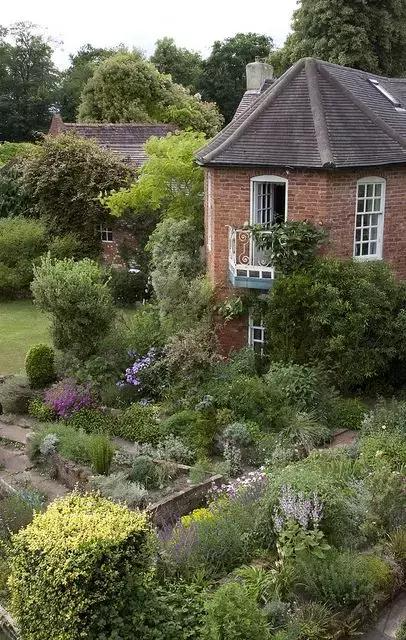
In reality, gardening is not as daunting and difficult as many people imagine. Many problems arise from impulsive purchases and a lack of attention to the size and characteristics of the plants.
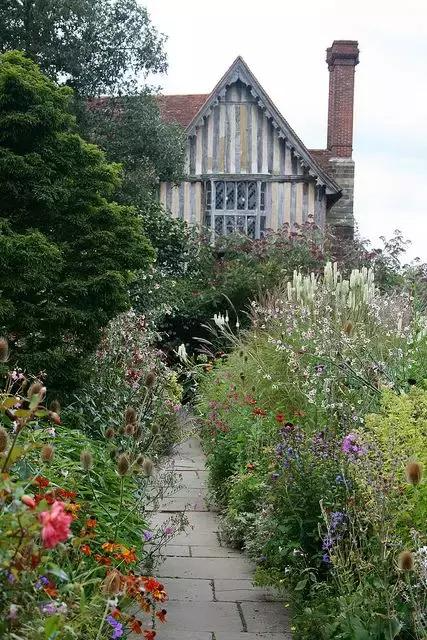
Garden planting -- soil
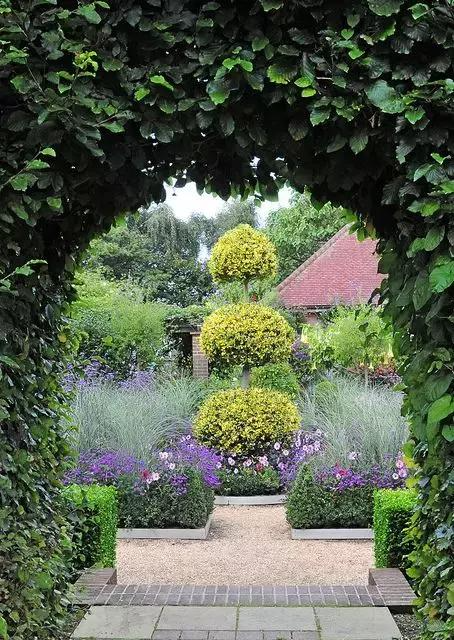
When planting plants, the first and most important issue to consider is the soil, a problem you may have already encountered during the garden design process.
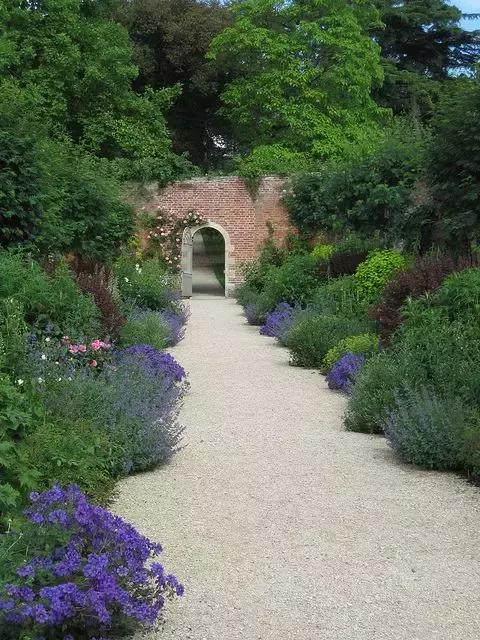
Many new gardens now use soil made directly from construction waste, and many gardens have been planted for many years without any soil protection or soil fertility enhancement measures.
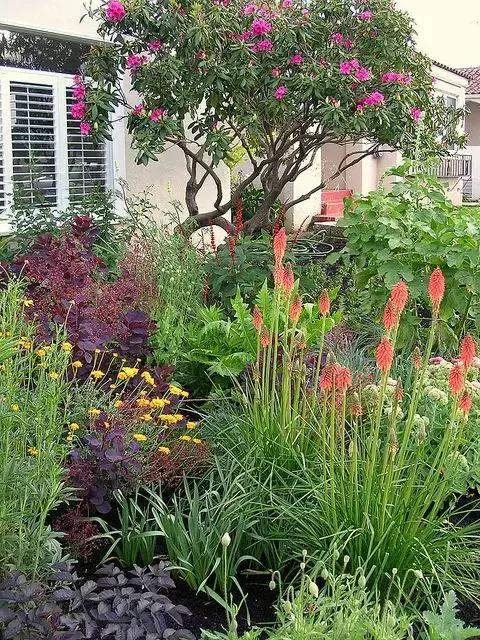
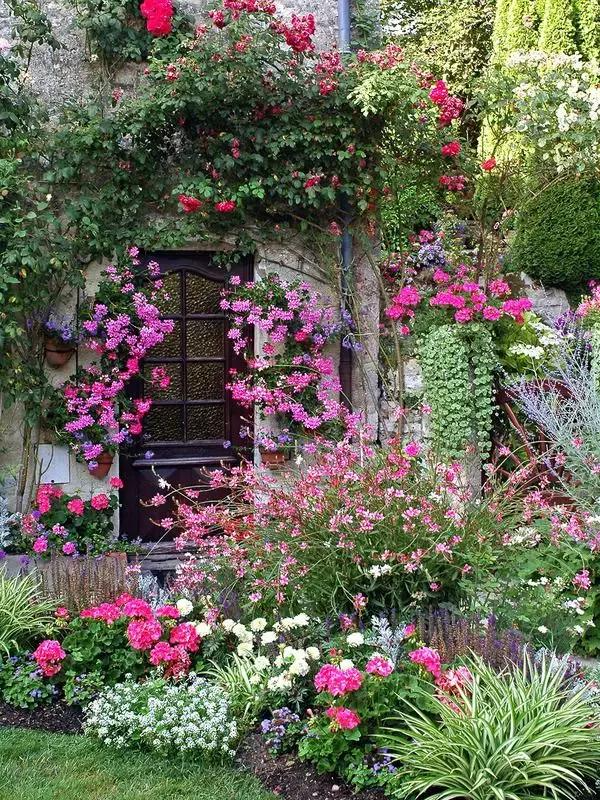
The better the soil fertility, the more conducive it is to plant growth. If the topsoil of the plant is still good, but the bottom soil has basically lost its fertility and needs to be replaced, then organic fertilizer must be buried, and the more the better.
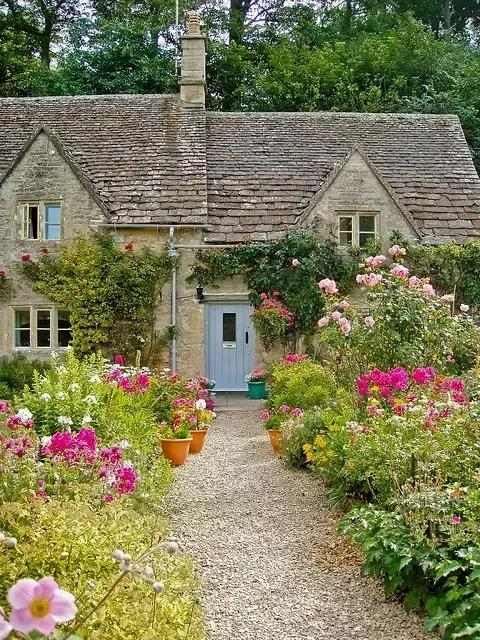
When I talk about organic fertilizers, I'm referring to fully decomposed mixed fertilizers or manure, as well as mushroom-shaped compost and multi-purpose fertilizers. All of these fertilizers not only enhance soil nutrients but also bind together light, sandy soils while loosening heavy soils.
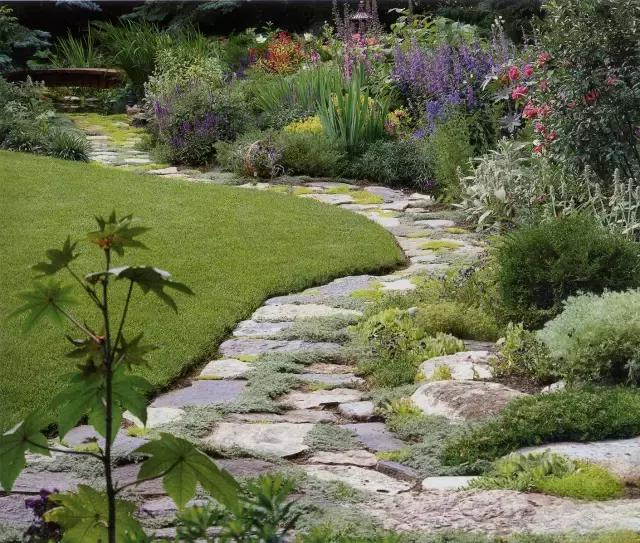
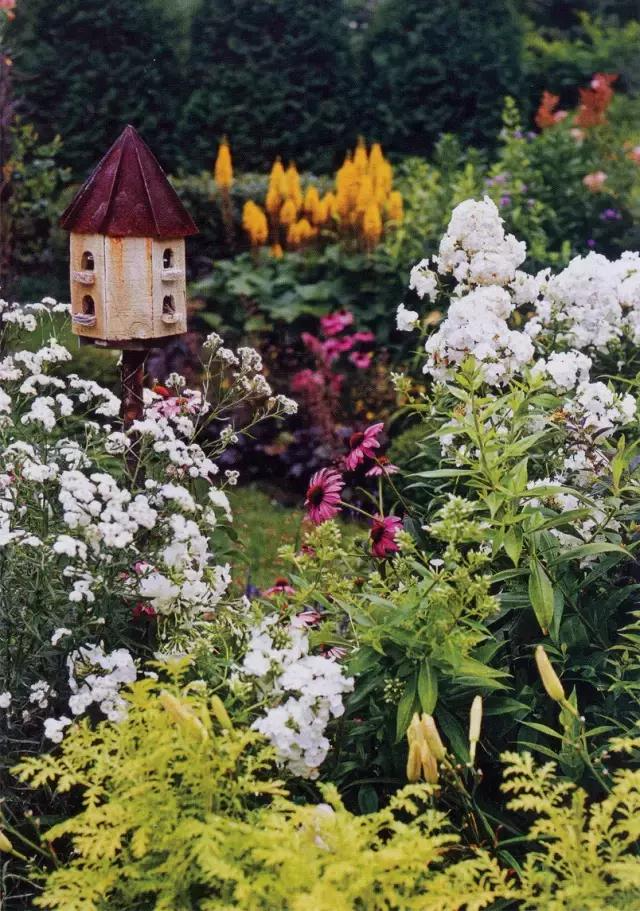
In addition, it is essential to determine the soil's acidity and alkalinity, as different soil types will determine which plants are suitable for their growth. Acidic soil is suitable for plants in the Ericaceae family, such as azaleas and camellias. Alkaline soil is suitable for flowers such as clematis, Buddleja officinalis, and carnations. Neutral soil can be used to grow a wider range of flowers. To determine the soil's acidity and alkalinity, you only need to purchase some testing materials.
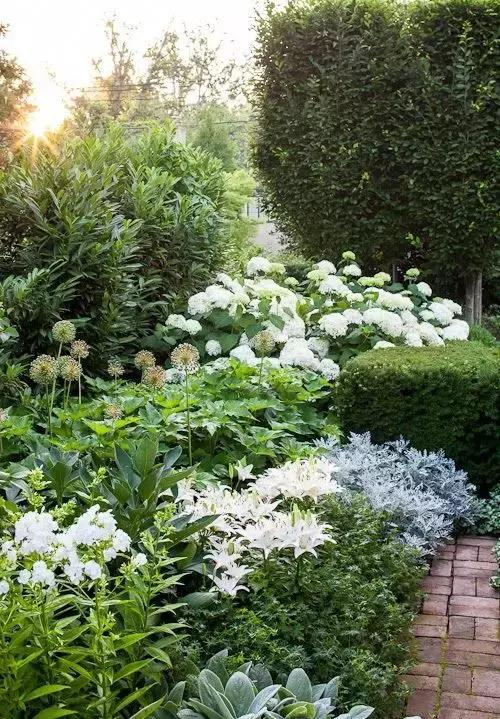
Another major problem is that irrigation water has different pH levels in different places, unless you have a water tank (because rainwater is neutral), which is something every gardener will encounter. My advice is to plant according to local conditions, choosing suitable plants based on soil properties, and letting nature take its course. It's unwise to make plants struggle to survive in unsuitable soil environments.
Garden Planting - Style
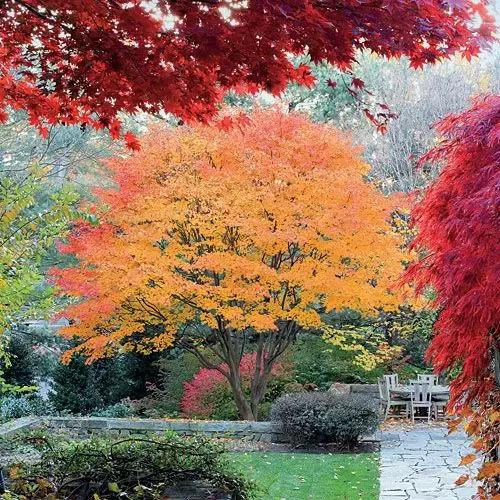
By this point, you may have already made a good plan for your garden based on your specific needs and preferences. The garden effect produced by such a design scheme can not only meet your requirements, but also conform to the physical characteristics of the garden site.
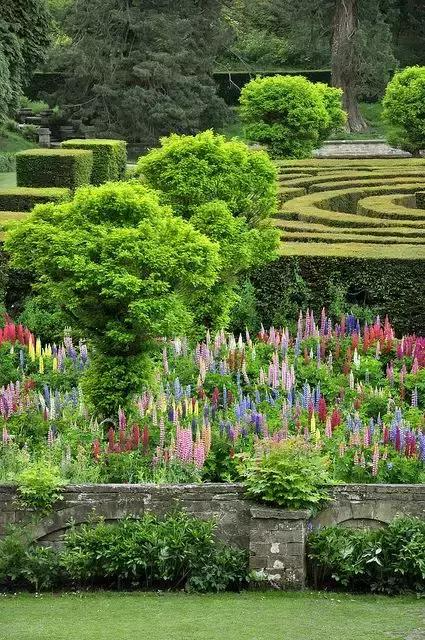
Garden planning and plant design are both art forms. When creating a work of art, we inevitably need to create a spatial relationship. Adding color to a canvas gives it a sense of movement in a specific direction. Plant design shares many similarities with painting in its handling of plant arrangement.
The style created by planting can be very complex, with many different shapes of plants combined to form a very charming work, or it can be very simple.
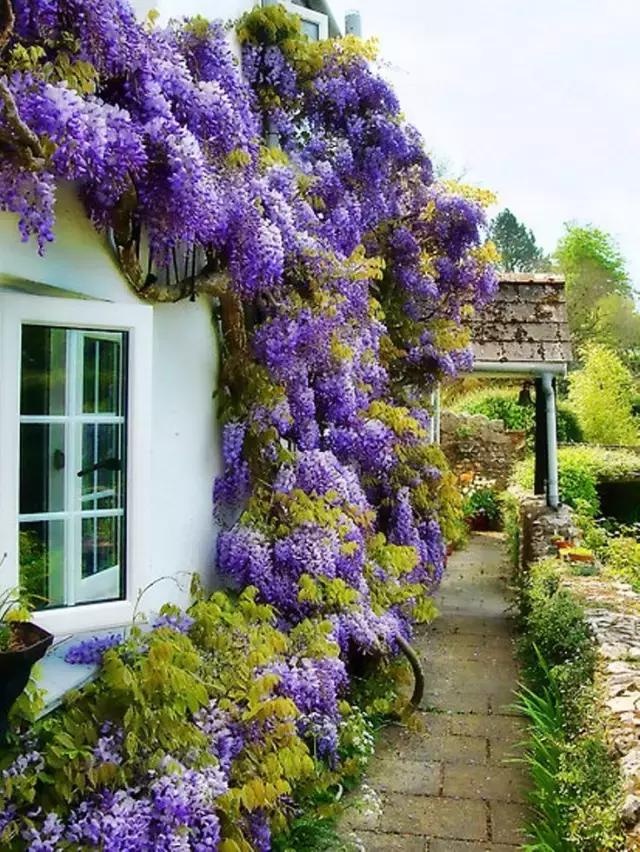
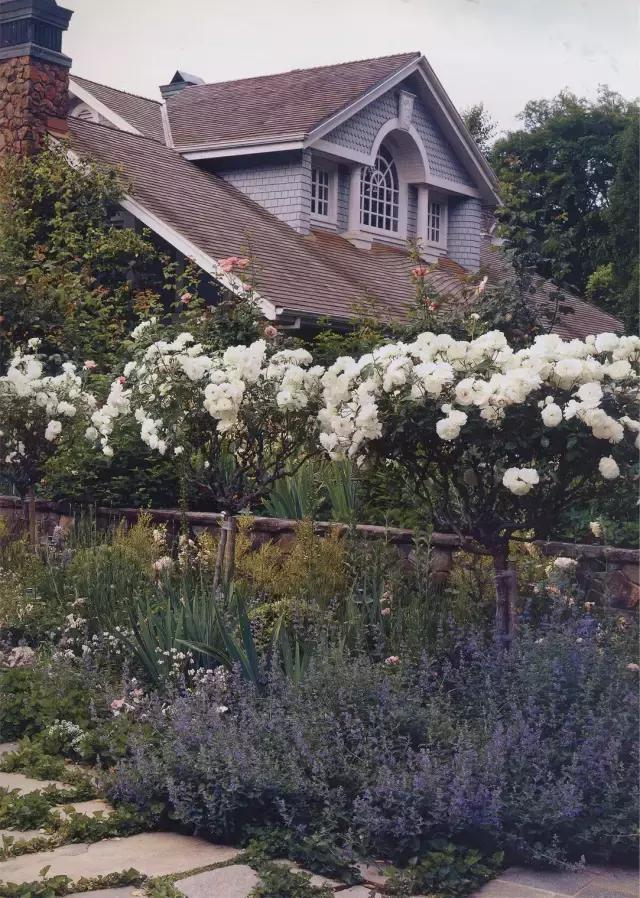
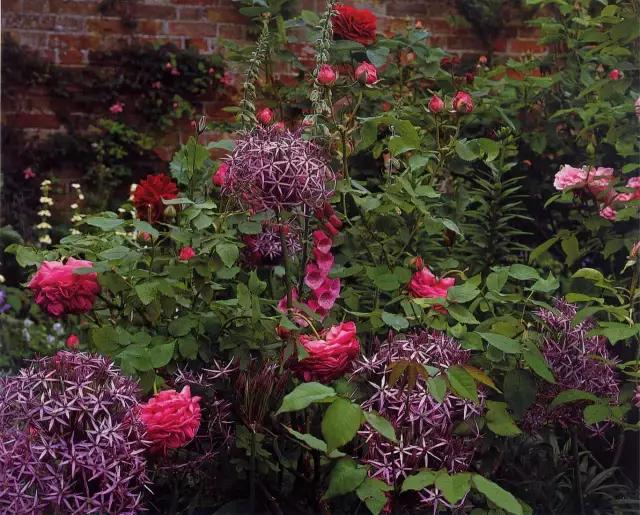
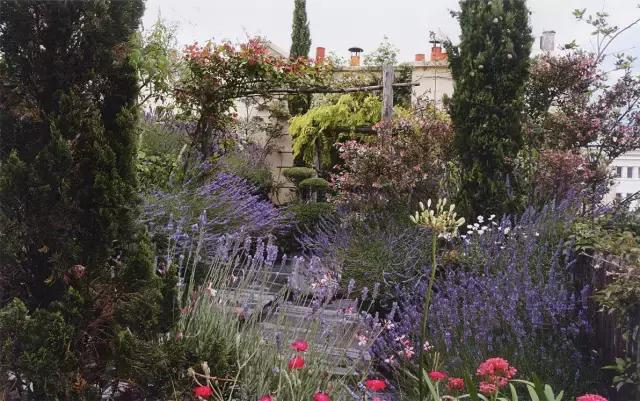
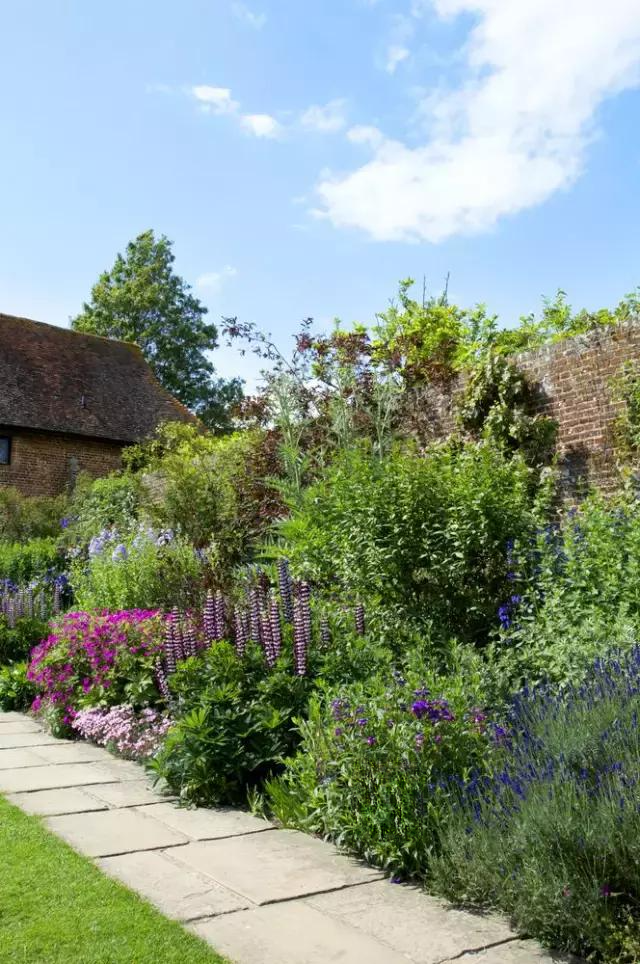
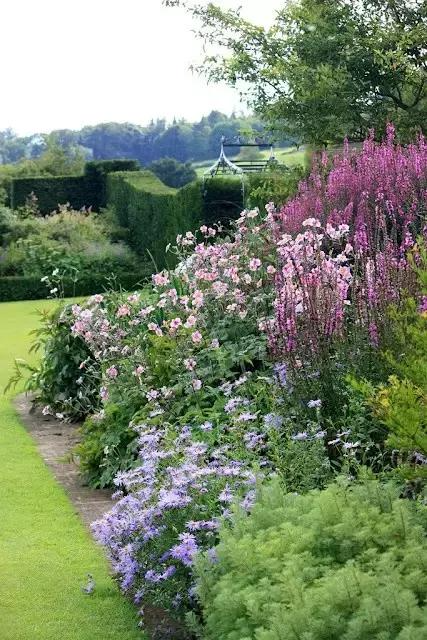
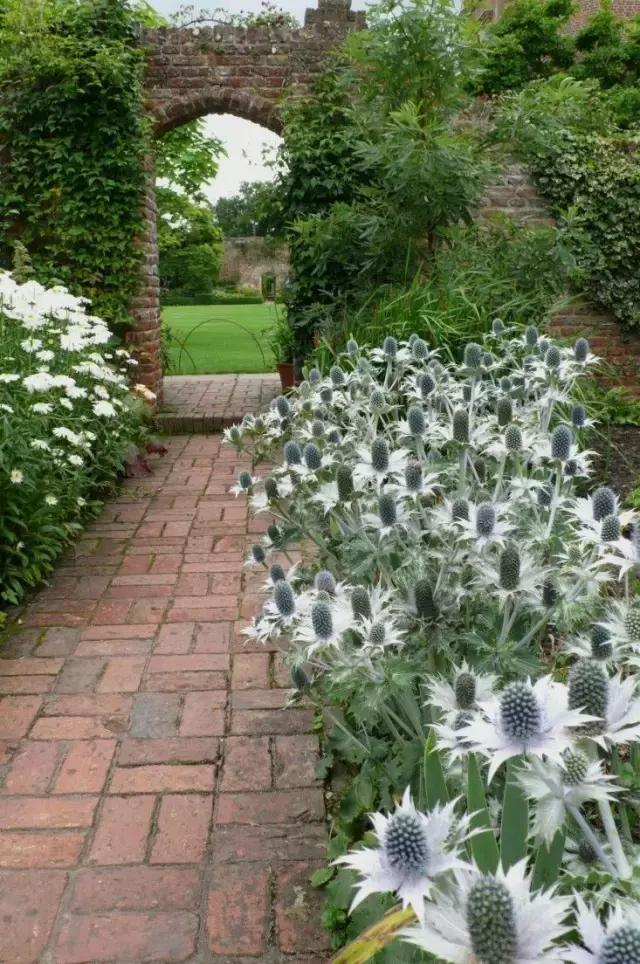
For example, the English planting style beautifully interweaves different kinds of plants. In such gardens, we find beautiful flower borders, with delicate and charming perennials, sturdy shrubs, and evergreen conifers delicately combined. It is a complex and dense style.
Minimalism has only recently found its way into gardens in many parts of the world. A solitary maple tree planted against a white wall, its branches swaying in the wind, evokes a sense of tranquility in winter, while its delicate leaves and vibrant colors in summer are equally captivating. A 400-year-old pine tree might be used in a traditional Japanese garden, achieving a similarly appealing effect.
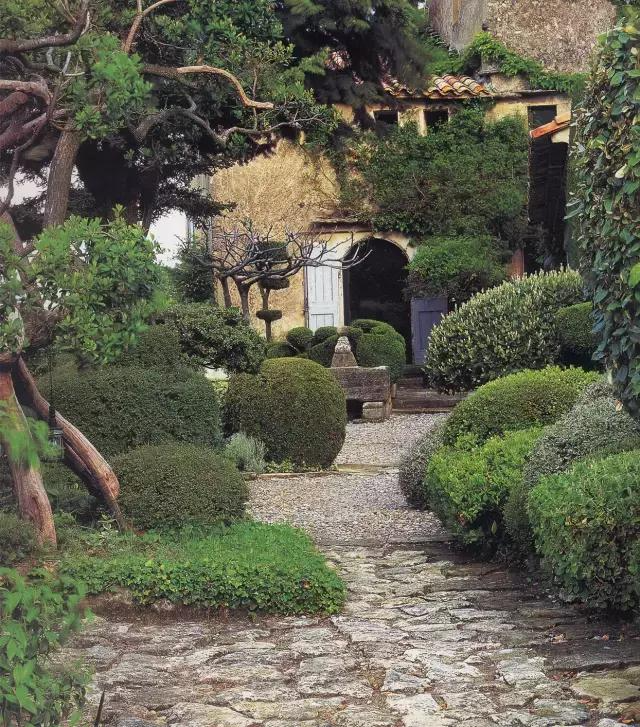
However, in many gardens, the ideal solution is a compromise design approach. Planting should be done according to the site and environment. If flower borders are needed, then flower borders should be created boldly. If "solitary beauty" is needed, then "solitary beauty" should not be hesitated to be created. The goal is to create a scheme that perfectly matches the style of the specific location. Such a scheme will surely present the most perfect side of the garden. The key is to grasp the overall feeling of the garden.
Garden planting -- location
Next, you need to pay attention to the sunlight and shade in the garden. Most plants either prefer sunlight or shade, and improper planting will affect their growth. Therefore, when planning, you must consider the extent of sunlight and shade in the garden.
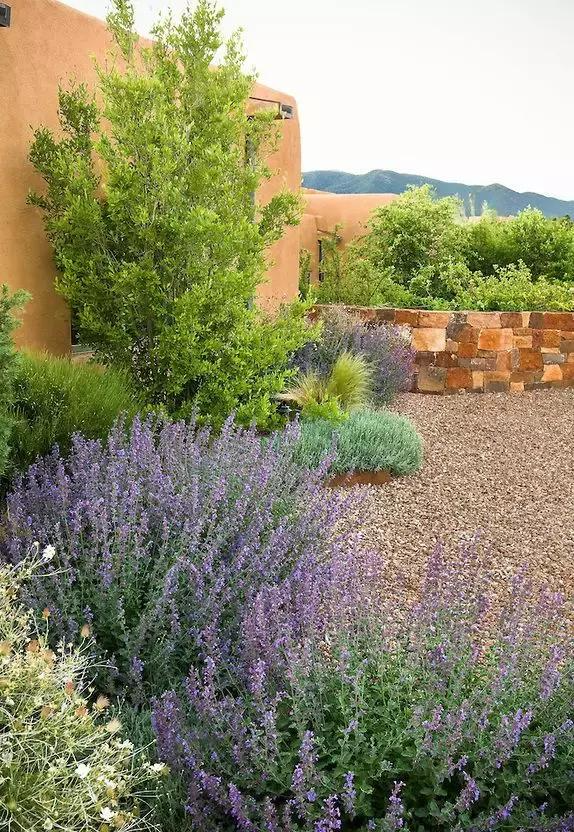
South of the house: Plants here must be able to withstand intense sunlight, and ample water supply is also necessary, as the summer sun will continue from morning until evening. Some plants that are typically suited to cold-resistant southern regions can be planted here, as the early spring and late autumn temperatures are optimal, thus extending the growing season.
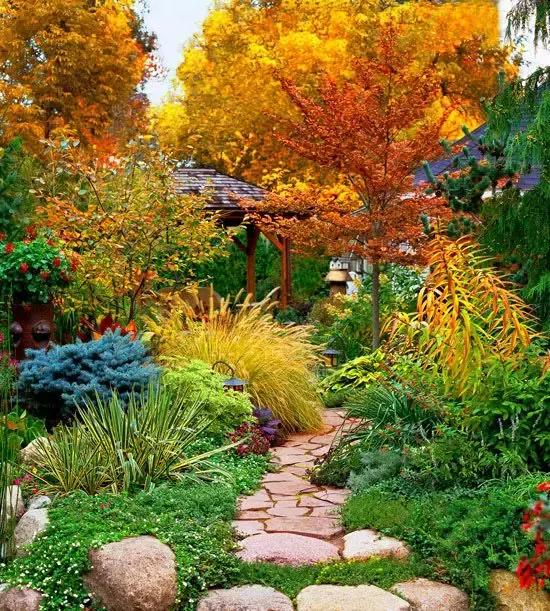
The east side of the house is the mildest of all areas, receiving morning sunlight but receiving afternoon shade. It avoids prevailing winds and cold drafts, making it an ideal location for shade-tolerant plants. The north side of the house is the coldest, darkest, and dampest place of the year, receiving little sunlight and directly exposed to cold winds for most of the year. It's a good location for shade-loving plants; however, if there's no landscaping to block the northwest winds, care should be taken to protect plants less resistant to wind.
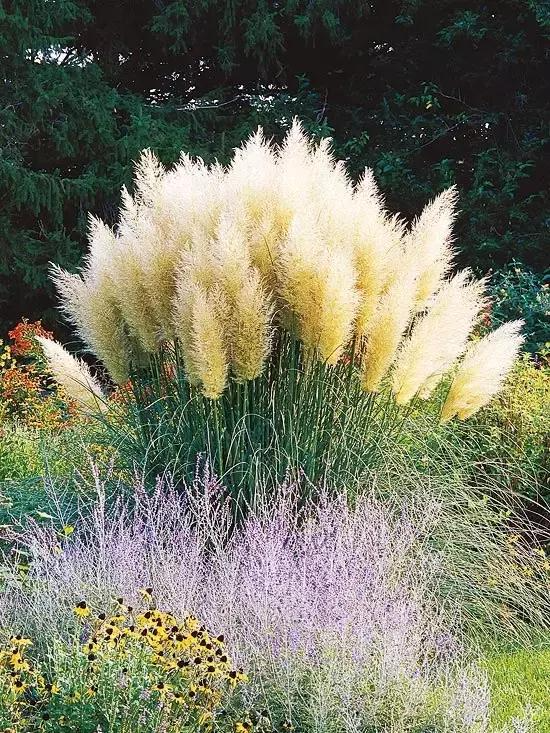
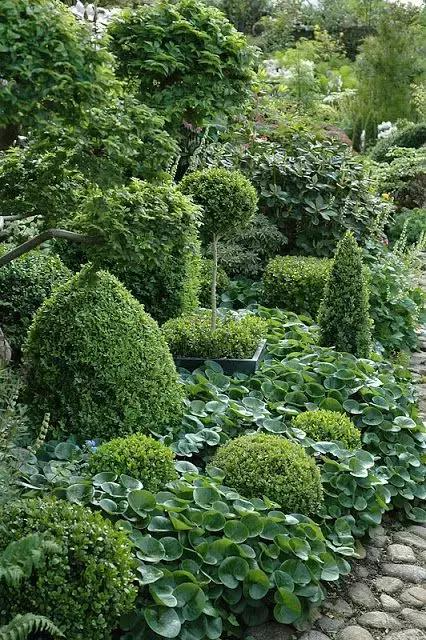
The west side of the house receives direct afternoon sunlight but is shaded in the morning. It is exposed to prevailing and cold winds year-round, making it the windiest area of the region. It is also the hottest and driest area during the summer. Some heat- and drought-tolerant plants are needed.
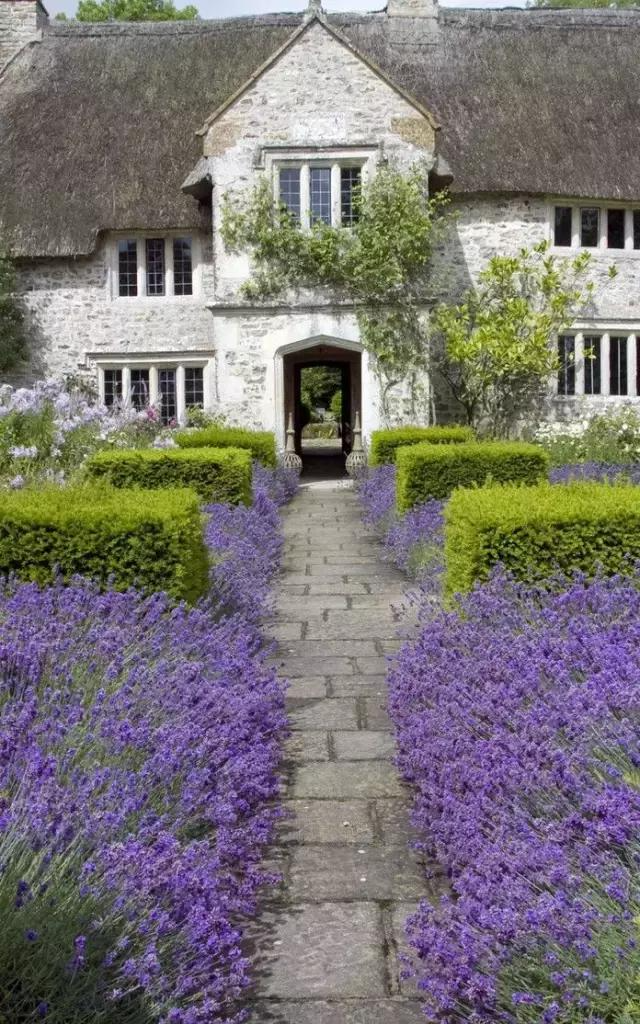
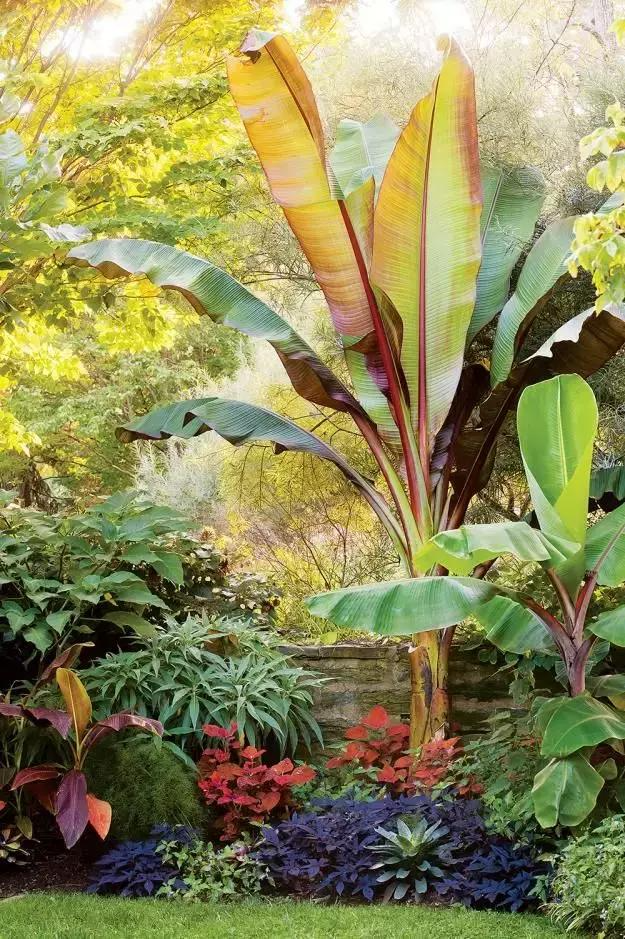
Similarly, the area around and under the trees is also divided into different sun-exposed and shaded zones. Although the combination and number of shaded zones vary depending on the shape, size, and density of the trees, the overall planting characteristics are similar to the microclimate around the house.
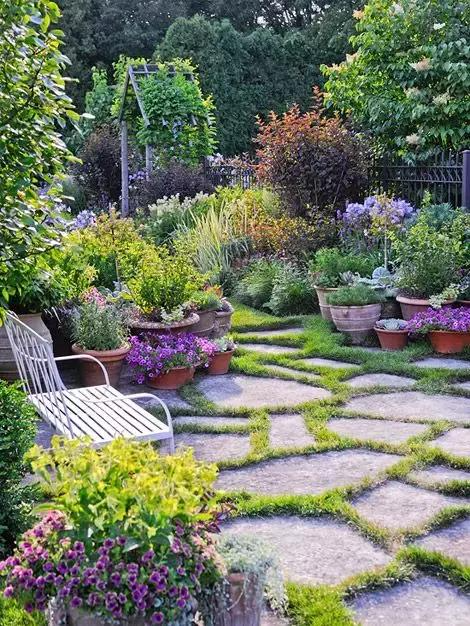
Garden planting - matching
Some people have a natural talent for plants and plant design; they know how to plant to achieve the best results. They understand the nuances of placing plants of different heights, the subtleties of plant texture and shape, and the interplay between different leaf shapes and flower colors. However instinctive this may seem, gardeners still adhere to certain rules, and these rules form the foundation of a successful approach.
Before planting, a rough, freehand planting design can be drawn. At this stage, the focus is on determining the location and height of trees and shrubs, defining the general boundaries of ground cover space, shade, visual focal points, etc.
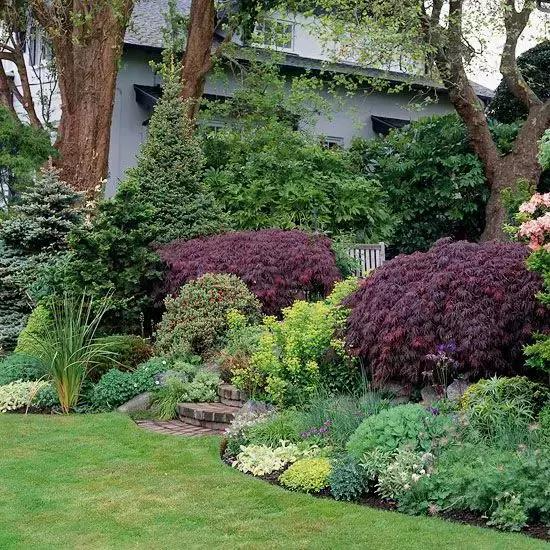
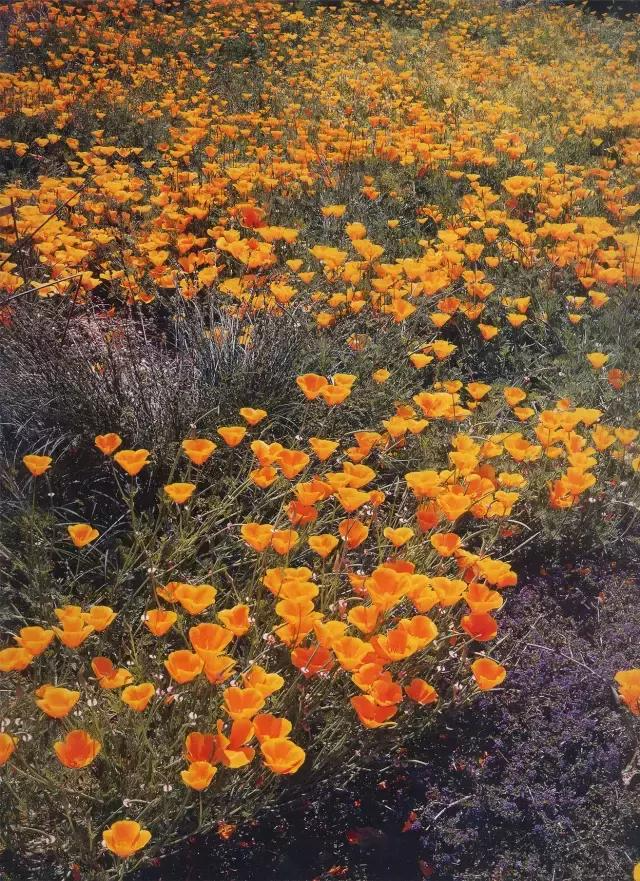
Many principles need to be considered when planting. One of the most important is group planting, as group planting creates a greater sense of unity than scattered planting. Grouped plants are often healthier because they protect each other from strong sunlight and wind. Group plantings, whether of woody plants, perennials, or annuals, should not consist of a wide variety of plants; instead, they should be composed of the same species. Solitary planting is also possible, but it should be carefully arranged to achieve overall harmony and unity.
Layered planting is another principle of plant cultivation, considering the use of plants in both vertical and horizontal directions. Vertically, plants primarily occupy three layers: trees at the top, shrubs in the middle, and ground cover at the bottom. Horizontally, wherever planting is permitted, the depth of the flower border should be emphasized, with plants of different heights planted in the foreground, middle ground, and background. However, this doesn't mean that these three layers should always be present; some planting areas may be suitable for one or two layers to better create unique visual effects.
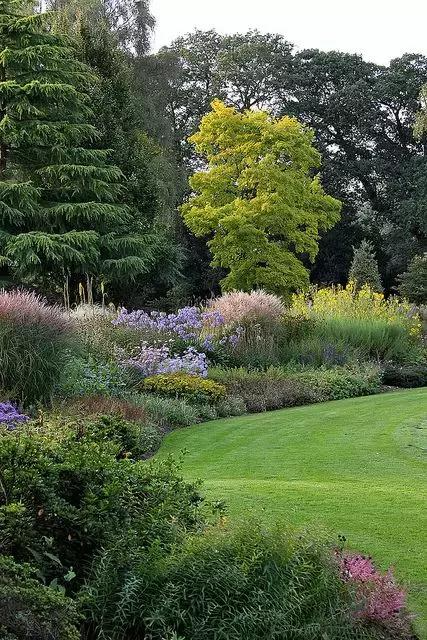
Planting arrangements also need to be done according to different seasons, because plants are not static elements. Therefore, it is most important to take seasonal changes into account and ensure that there are plants to enjoy in every season.
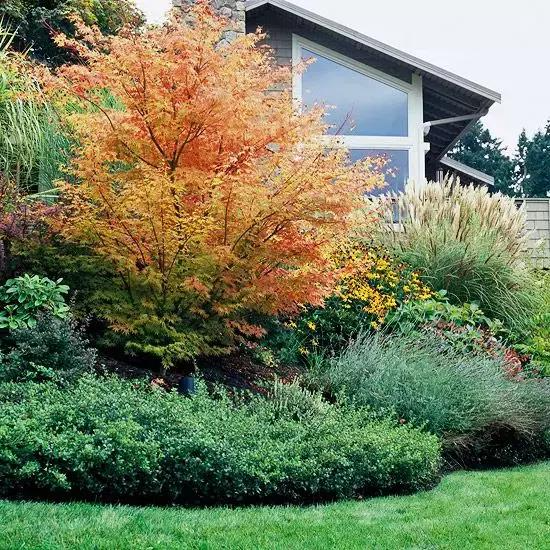
Use a variety of plant types and textures. Deciduous, coniferous evergreens, and broadleaf evergreens should all be used to enhance the visual appeal of the landscape. The combination of plant textures is often reflected in leaf shape; large leaves convey a rough texture, while small leaves evoke a sense of delicacy. Pointed leaves give a sharp impression, while rounded leaves convey a sense of roundness. A reasonable combination and arrangement are necessary when planting to highlight the individual characteristics of each plant.
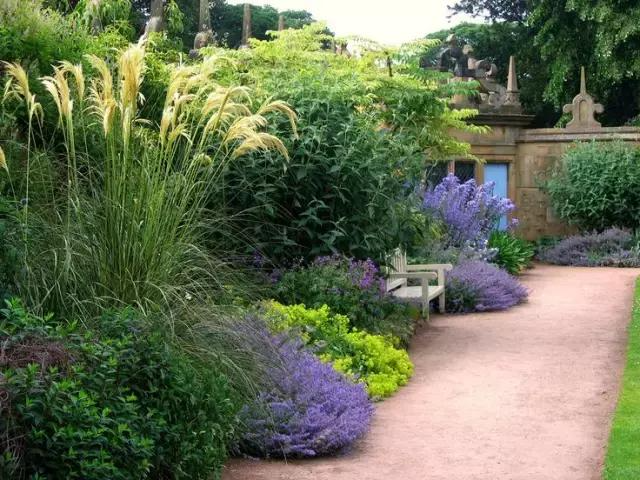
Garden Planting - Color
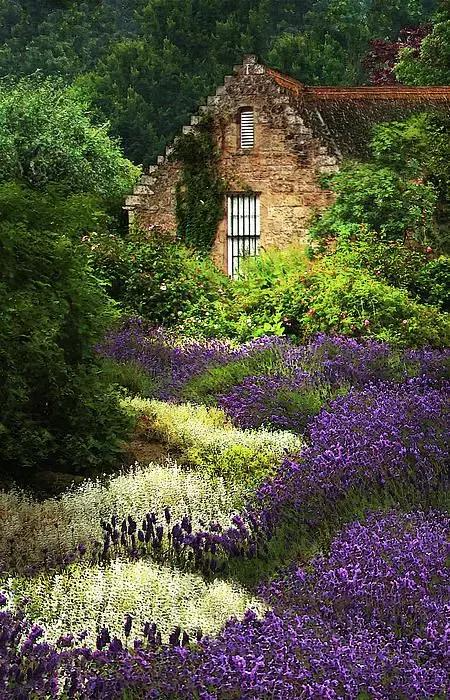
I bet you've been wondering why I haven't talked about color yet. After all, color is something many garden owners are looking for. Yes, color is important, but it must be fully understood and used appropriately.
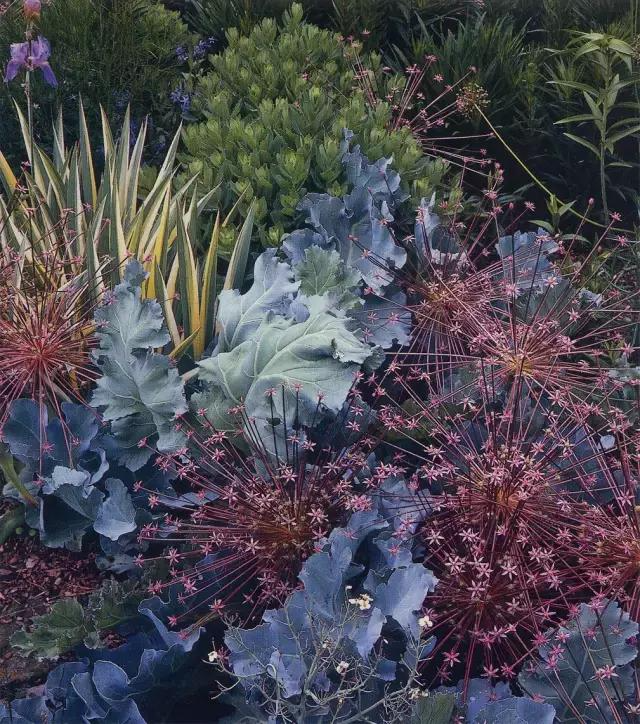
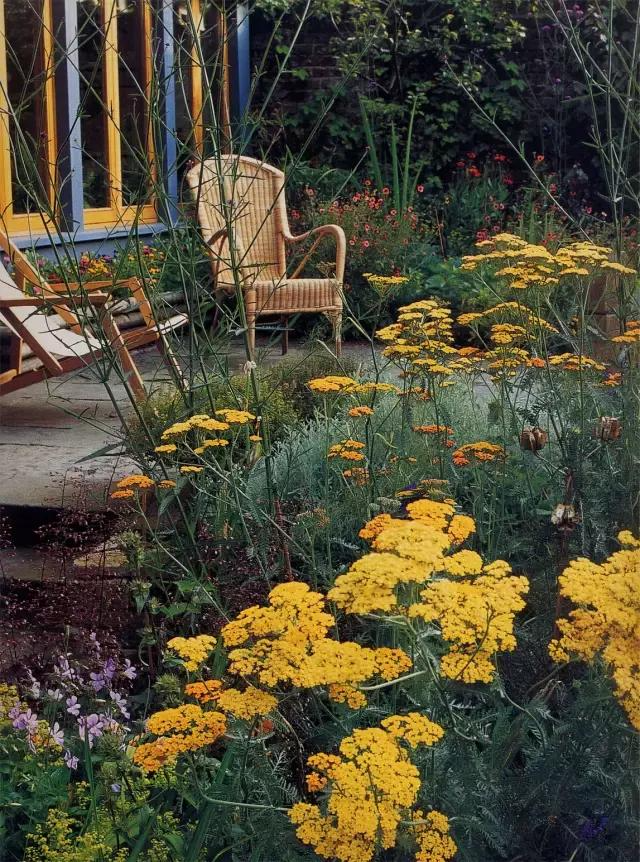
Color possesses immense power, largely influenced by how we perceive space and distance, and by the intensity of light. It's well-known that warm colors like red, orange, and yellow are visually appealing; they have a strong dominant effect, drawing the eye and visually shortening spaces. Placing a large pot of bright red geraniums at the far end of a small garden will quickly draw your attention, making you overlook everything else.
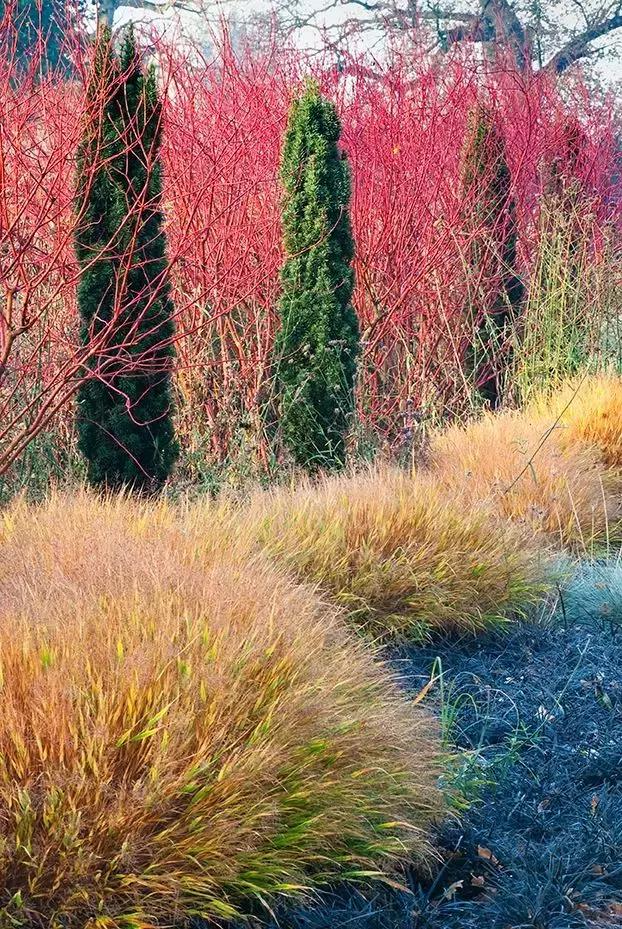
Different shades of blue, pink, and purple are all soft hues. They are very calming to the eye, allowing the gaze to flow freely rather than quickly shift, and enabling people to focus more on the more silent colors in the garden, or, more broadly, on the landscape itself.
Therefore, warm colors should be placed near the house or main viewpoint, gradually transitioning to softer hues to encourage you to appreciate more of the garden.
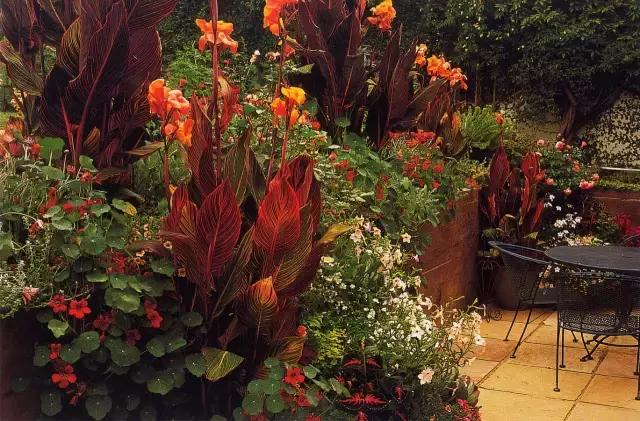
Gray, silver, and beautiful pale yellow and cream can harmonize various other colors. On the one hand, they can reduce the brightness of bright colors, and on the other hand, they can bring soft cool colors to life.
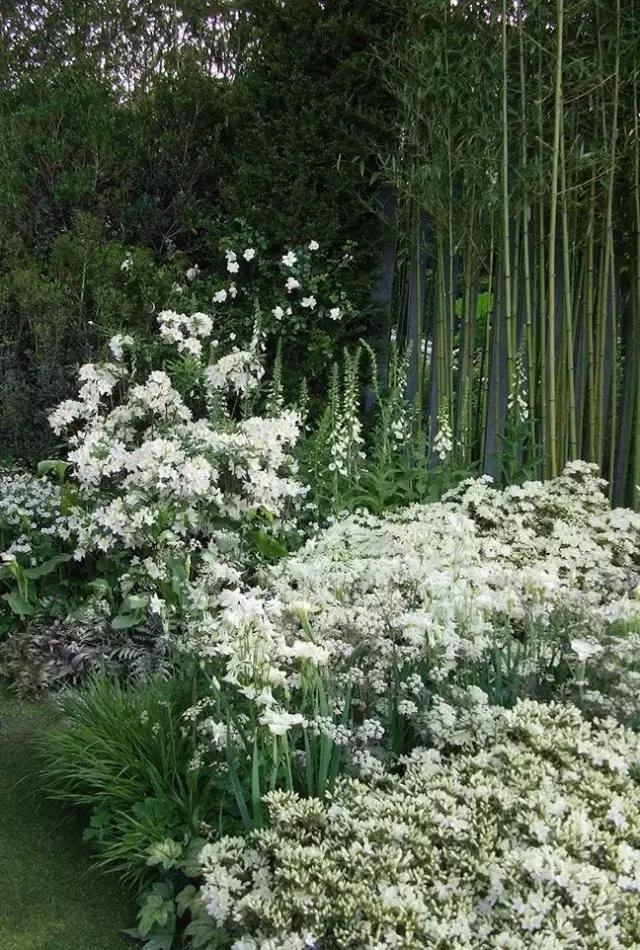
White isn't actually a color, but it's incredibly useful for creating the most prominent elements, much like a painter scraping away paint from a canvas. Placing white in a warm-toned flower border enhances the brightness of the colors, while placing it in a softer setting brings a sense of coolness.
Plant cultivation is much like painting. Good cultivation not only needs to look attractive, but also needs to break with tradition. Daring to innovate boldly is the key to achieving unexpected results.
As a professional designer, I am very interested in plants and have a special fondness for them. I spend most of my time designing gardens for others, not for myself. Therefore, I am used to looking at problems with an objective and analytical eye. A garden designer only has one chance to make the right choice, so we must follow the experience gained through countless trials. We know that these rules will succeed under many given conditions.