Five common diseases and pests in flower cultivation, and how to prevent them.
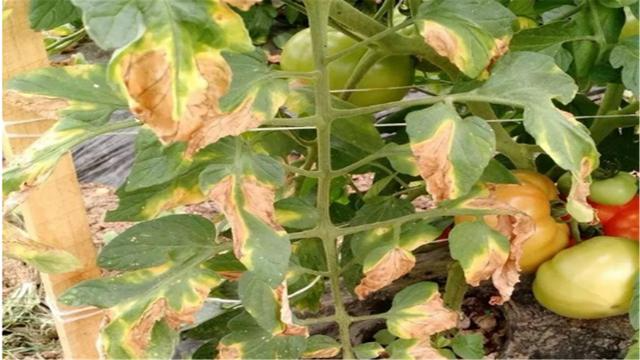
The longer you grow flowers, the more diseases you will encounter. If you want to prevent diseases in your plants, you must learn how to prevent them beforehand and provide them with a suitable environment. In addition, if you find that your plants are infected with pests or diseases, you should immediately prune the diseased leaves and branches, spray fungicide, and let them recover as soon as possible.
When green plants are infected with pathogens, these pathogens will digest and absorb nutrients from the green plants, causing a lot of harm to the green plants. In severe cases, the green plants will die immediately.
1. Wilt disease
There are several different types of wilt disease, which are very easy to identify. Plants infected with wilt disease are very likely to experience sudden wilting of petals, stems and leaves.
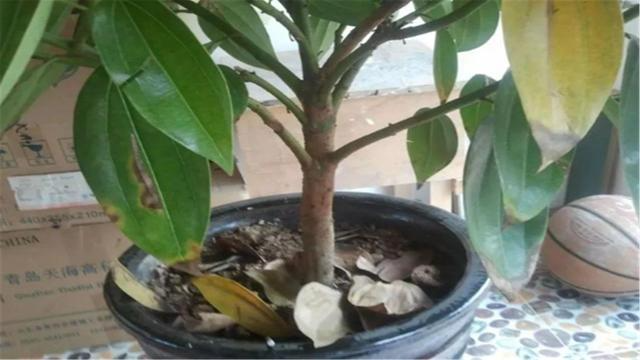
For example, early blight and late blight are common in daily life. Plants, vegetables, fruits, and peach trees are very susceptible to early blight, which is a disease caused by Aspergillus flavus.
If you've ever grown tomatoes, chili peppers, or potatoes, you'll likely be familiar with this plant. These plants are very susceptible to early-stage blight, which causes dark brown or grayish-black spots to appear on their leaves, forming rings. In severe cases, the leaves will wither, eventually covering the stem with black spots, and even the entire branch will develop black spots. Early-stage blight is very easy to develop in hot and humid environments.
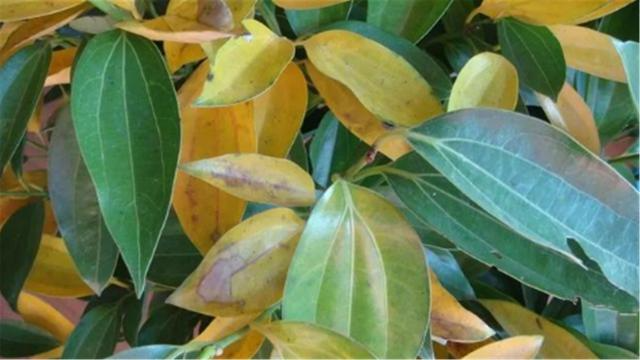
When maintaining green plants, it is necessary to choose a variety of plants and avoid planting the same type of plant every year. It is also important to ensure good ventilation in the environment. In humid and cold weather, it is important to check whether the plants are infected with pests or diseases. If you find that the plants are wilting, spray them with a copper-containing fungicide immediately.
2. Late epidemic disease
Flowers and plants that are very susceptible to late blight include azaleas, holly trees, lilacs, and gardenias. After being infected with late blight, the buds and branches of these plants wither and die.
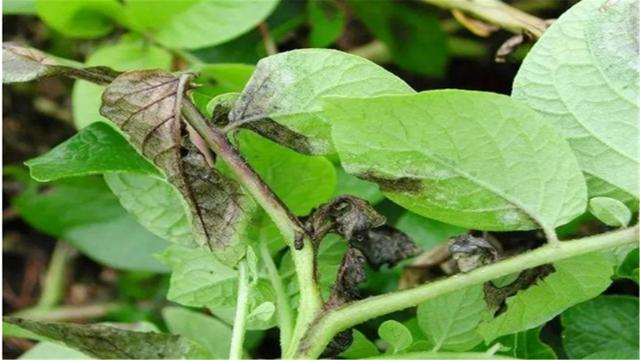
The prevention and control of these kinds of bacterial diseases and pests is very important. When maintaining green plants, pay attention to providing them with appropriate support. Set up some support frames to keep the branches of the green plants upright, so that the leaves and branches are not exposed to the ground. Allow the branches of the green plants to be naturally ventilated as much as possible. Avoid watering at night, otherwise they are very susceptible to blight.
3. Rust
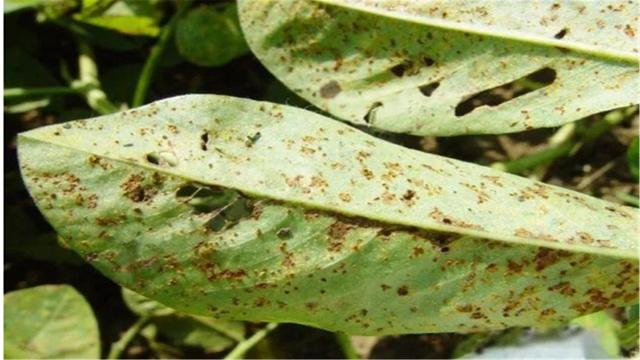
Rust is also a bacterial disease. After infection, the leaves will show a medium to dark brown or rusty color, and it is very easy to appear on some branches. To prevent rust, maintaining good ventilation is very important. In addition, fungicides should be sprayed regularly for prevention. Once rust is found on plants, the diseased leaves and branches should be removed immediately. Then spray some neem oil, or buy sulfur suspension, tebuconazole, or acetamiprid. The rust-infected branches should be removed completely to prevent them from remaining on the soil surface.
4. Leaves curling or blistering
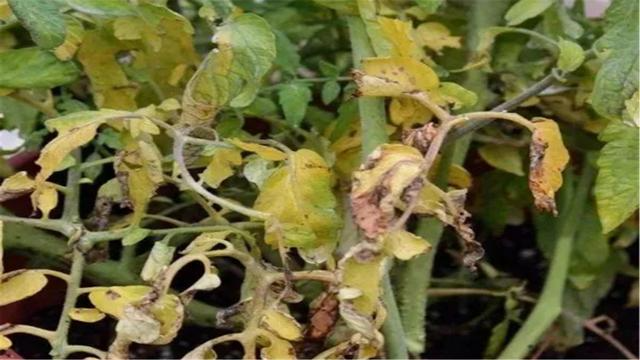
This is also caused by bacteria and pests, which can cause the leaves of green plants to become distorted, curled, and prone to blistering. If you find that the newly grown leaves of your green plant are white and the petioles are also growing abnormally, eventually causing the leaves to curl or blister, this condition is caused by bacterial infection.
At this point, it is necessary to immediately spray some fungicides, such as chlorothalonil or thiophanate-methyl aqueous solution. Bacterial pests can be controlled using organic chemical methods; for example, two tablespoons of baking soda can be mixed with 4 liters of water and sprayed in a warm, dry environment.
5. Black spots
Black spot disease is a very common bacterial disease. These black spots easily appear on the leaves, and plants infected with black spot disease are very prone to leaf drop.
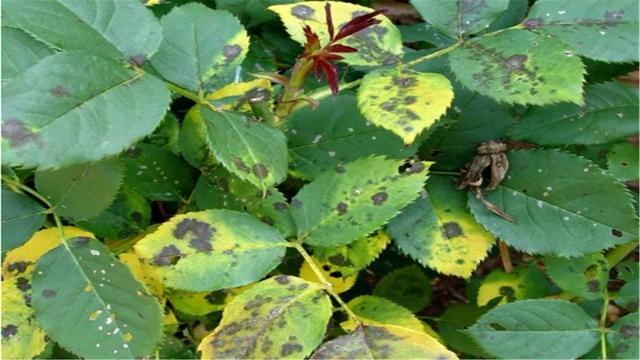
If you've ever grown roses, you've probably seen black spot disease. Green plants infected with black spot disease will develop grayish-black spots on their leaves. These spots will continue to spread, eventually causing many black spots to appear on the entire rose bush, eventually leading to leaf drop.
Prevention is key to preventing black spot disease. Avoid damp, dark environments, provide plenty of sunlight, and prune roses regularly, ensuring good ventilation. Sometimes, spraying roses with a baking soda solution (mix one spoonful of baking soda in 4 liters of cold water, stir well, and then spray on both sides of the leaves) every two to three weeks can help prevent black spot disease.
Once black spot disease is detected on roses, the affected leaves should be pruned immediately, and a fungicide such as chlorothalonil, tebuconazole, polysulfide suspension, anthracnose manure, or thiophanate-methyl should be sprayed immediately.