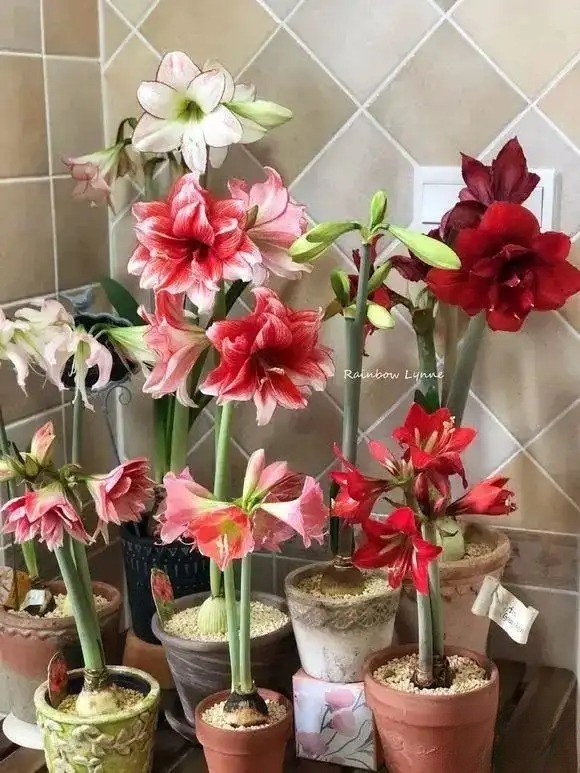
Five beautiful flowers that should not be pruned during the first month of the lunar calendar; pruning them incorrectly will ruin a year's worth of care.
Like many potted plants, even if they grow crooked and twisted in winter, they cannot be pruned or "shaved" in January. They can only endure it for another month until the temperature rises, and then prune them in February or March.
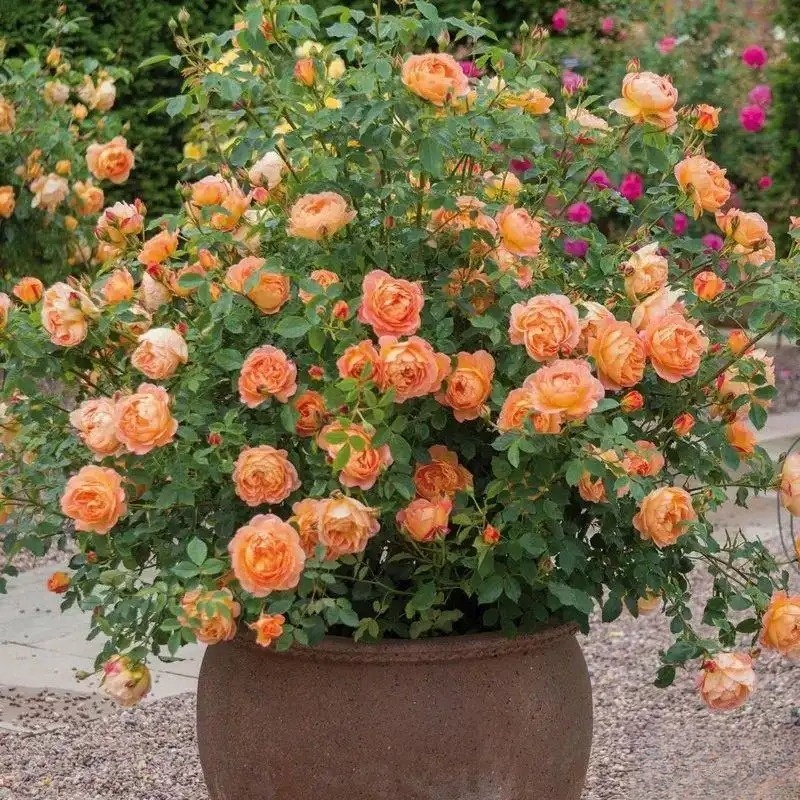
You'll definitely regret pruning them in the first month of the lunar calendar, as you might have removed potential flower buds, causing them to not bloom or grow this year. Which flowers shouldn't be pruned in the first month of the lunar calendar? Take a look at these flowers; how many of them do you have at home?
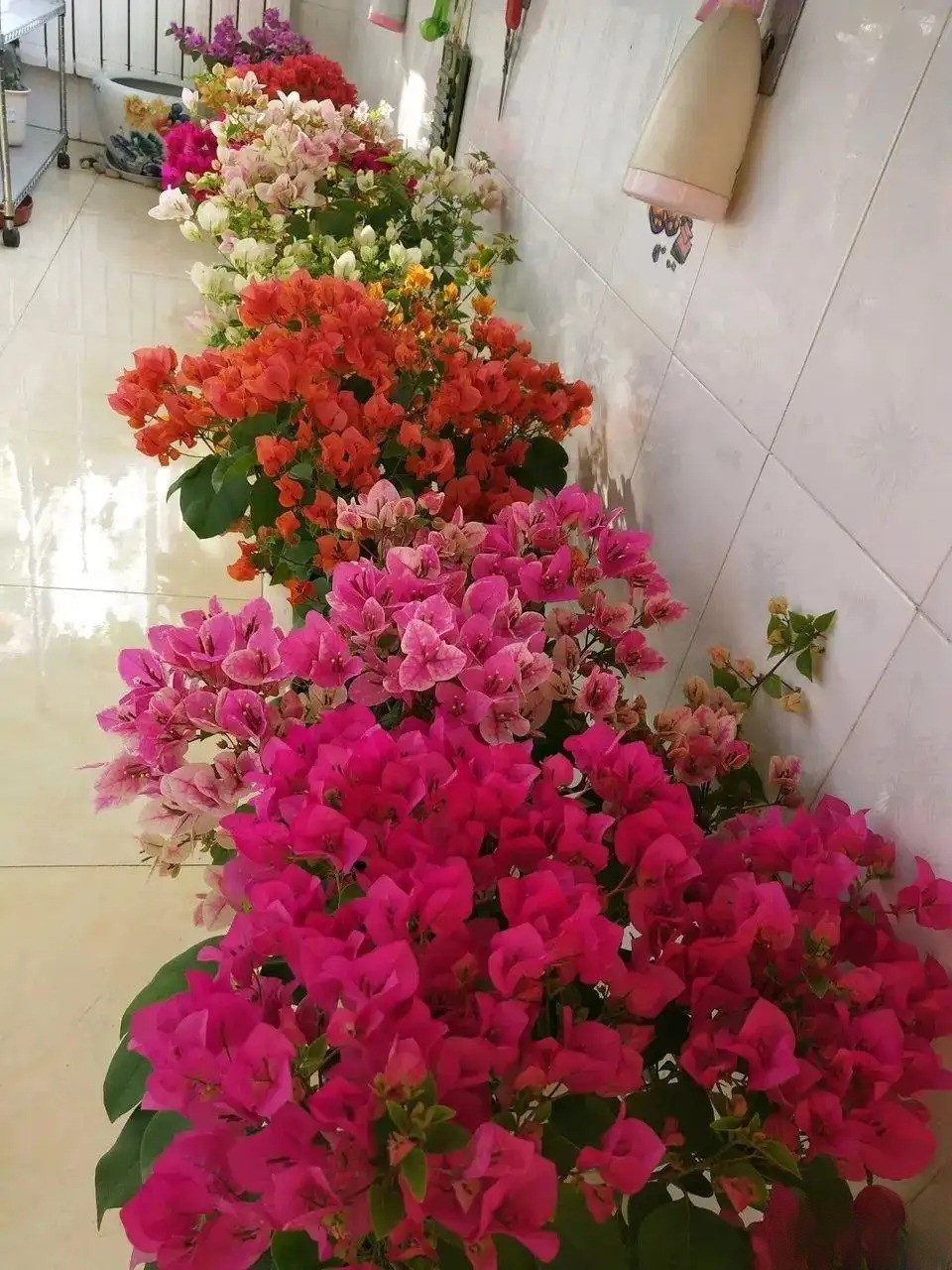
First, bougainvillea should not be pruned during the first month of the lunar calendar.
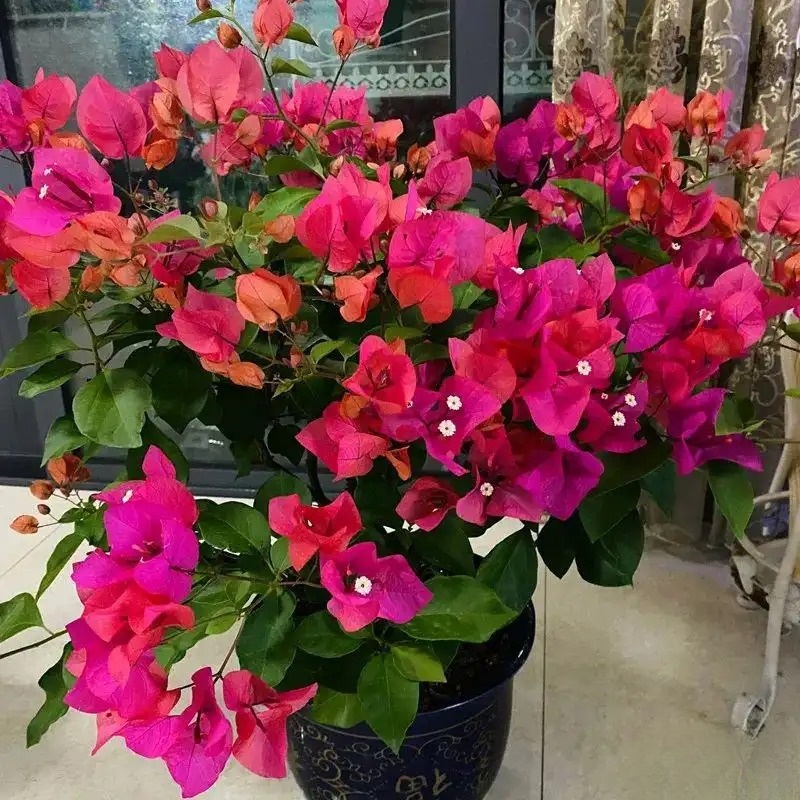
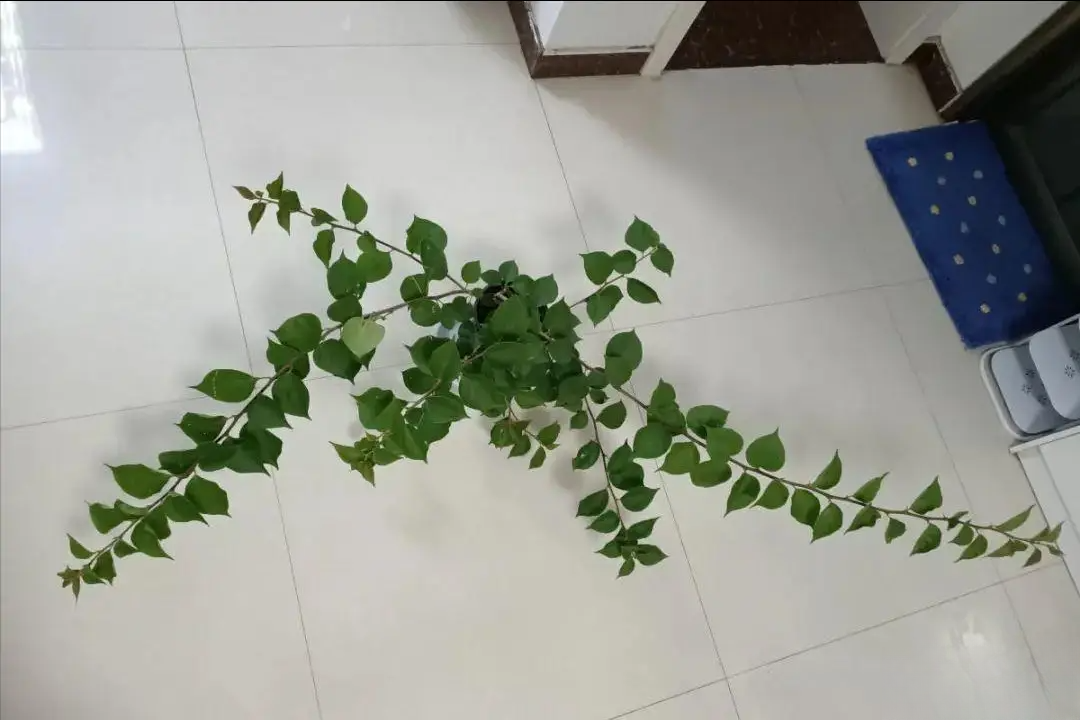
Bougainvillea grown in northern regions are kept indoors for warmth during the winter. Indoor ventilation is often poor, causing many to lose all their leaves, leaving the pot full of bare branches that look unsightly and lifeless. In northern regions, most indoor spaces are heated to around 15 to 25 degrees Celsius. Some bougainvillea plants may still have lush green leaves, but due to lack of sunlight, some branches have become leggy and look messy. In such cases, pruning is unnecessary.
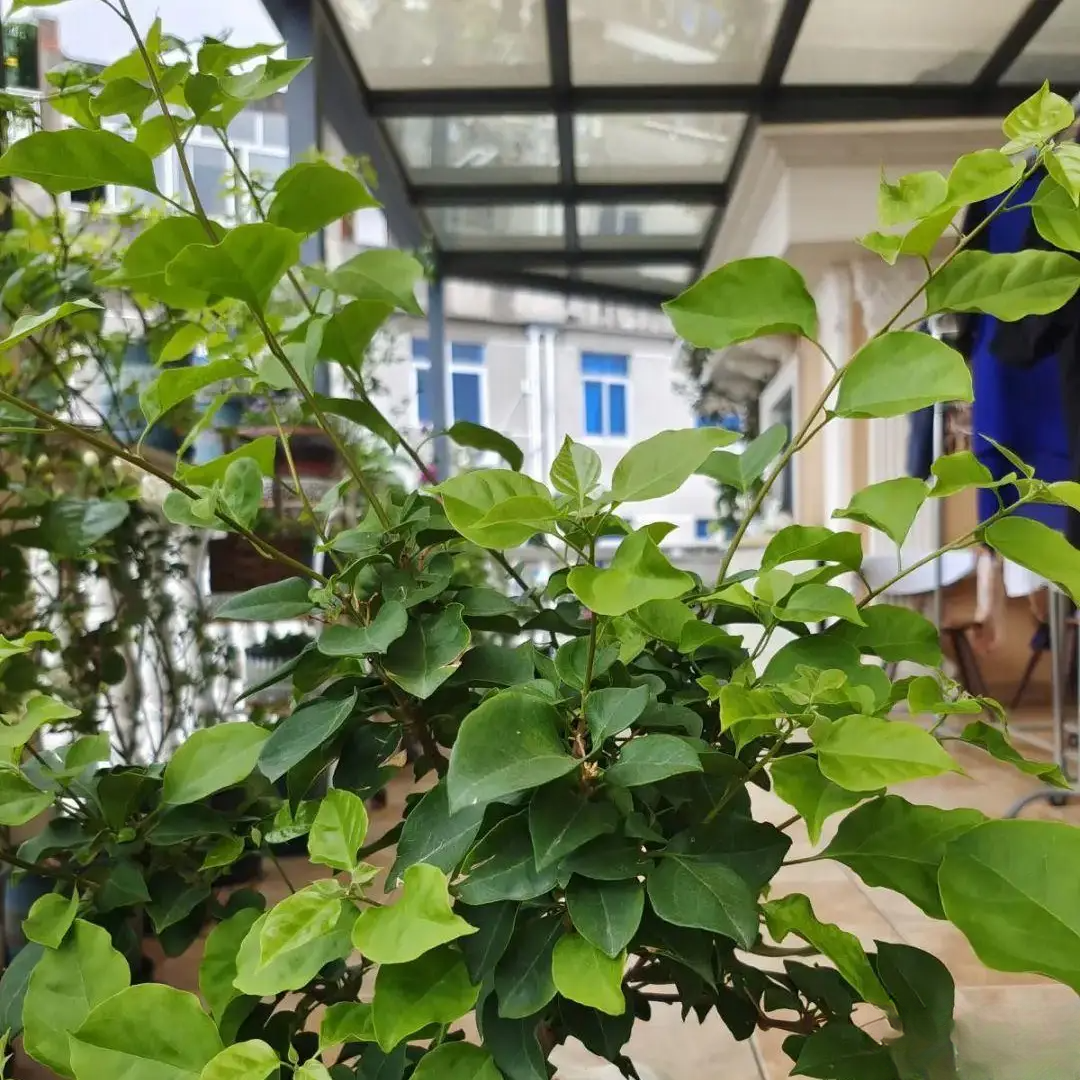
Because the temperature is still relatively cool after the heating is turned off, the low temperature after pruning may damage the new buds. You must wait until around the Qingming Festival, when the temperature stabilizes at 15 degrees Celsius, and prune the branches that are too long. Don't cut them too drastically. If there are no old branches, it will not be easy for them to bloom. Therefore, you must control yourself when pruning bougainvillea in January.
Second, do not prune hydrangeas.
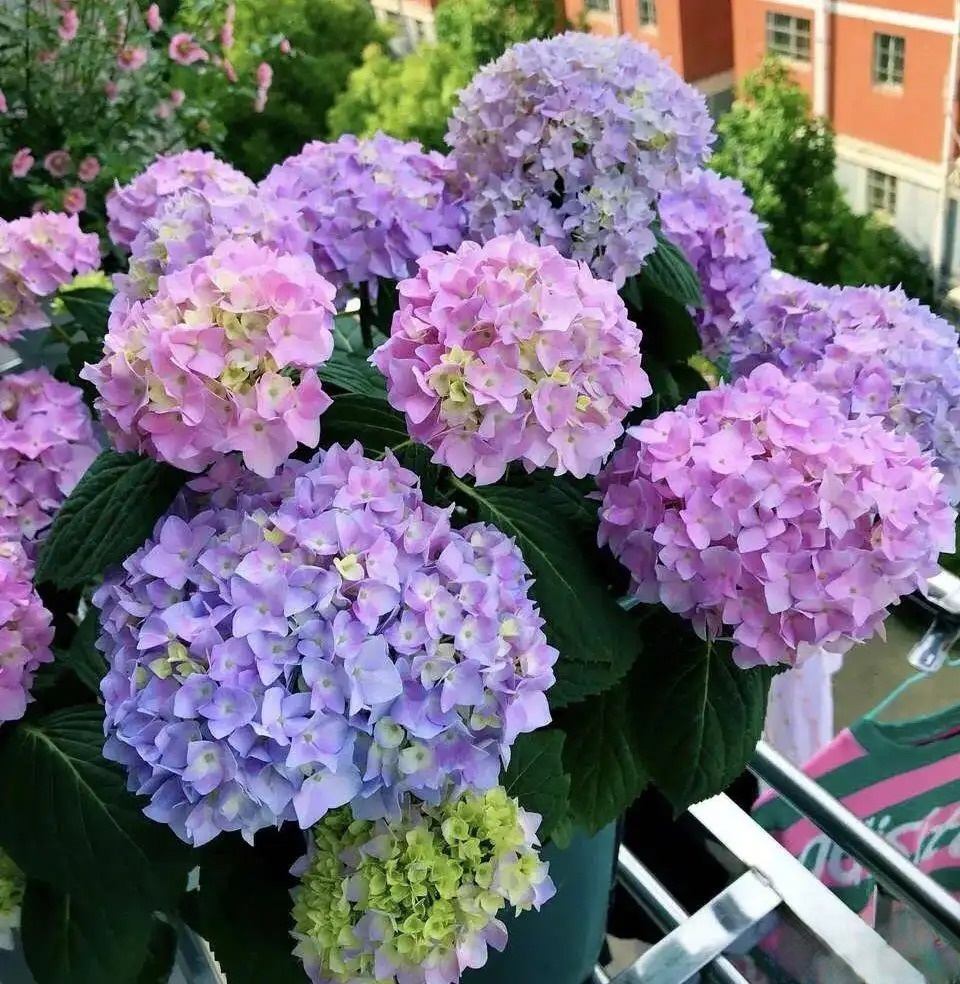
Hydrangeas are relatively frost-hardy. Bougainvillea grown outdoors often shows little vitality in winter, leaving only a few dry buds. Right after the New Year, do not prune hydrangeas; their new buds are already developing within the branches. These withered branches are the main force for this year's flowering. Pruning them hastily will not only affect the hydrangea's growth but also directly impact flowering.
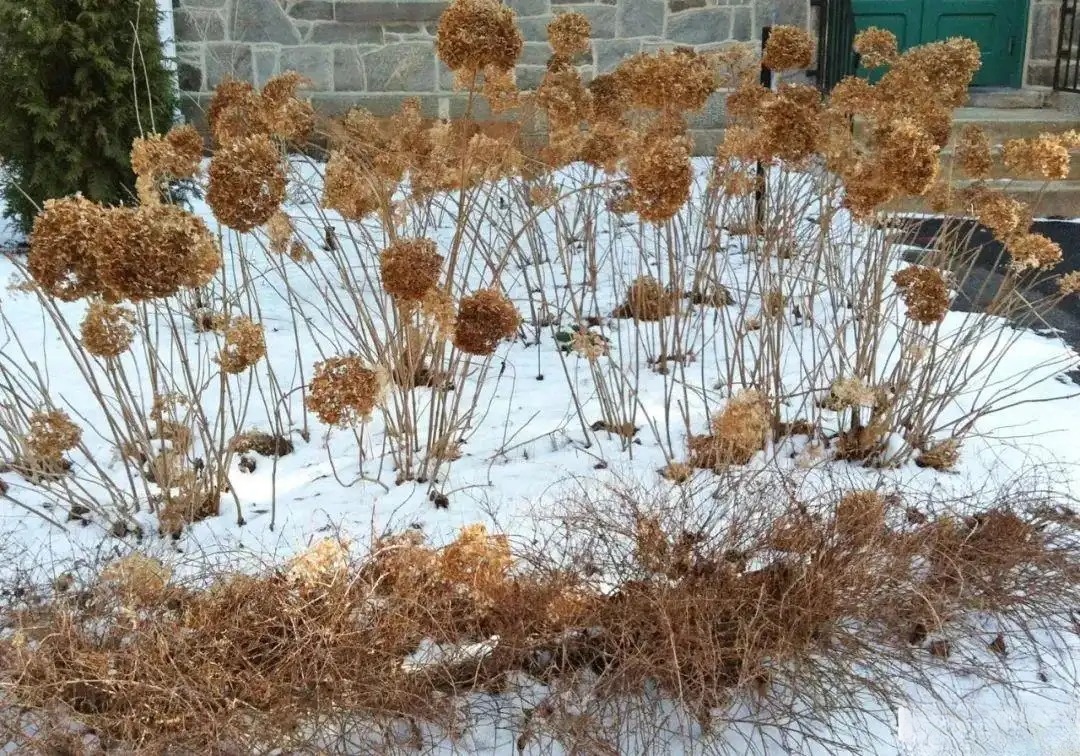
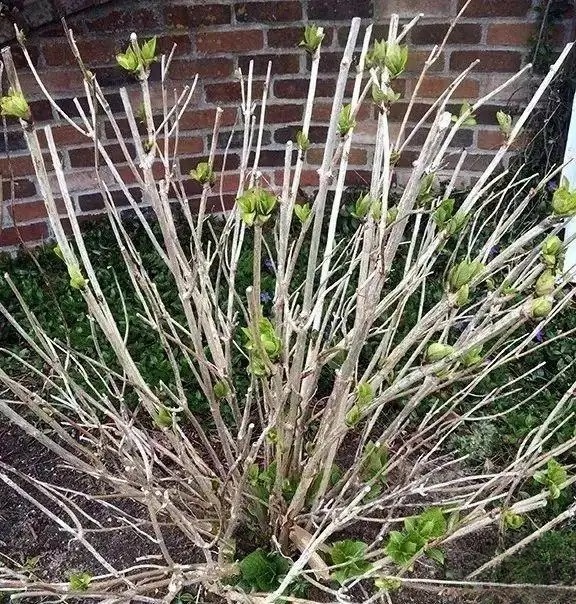
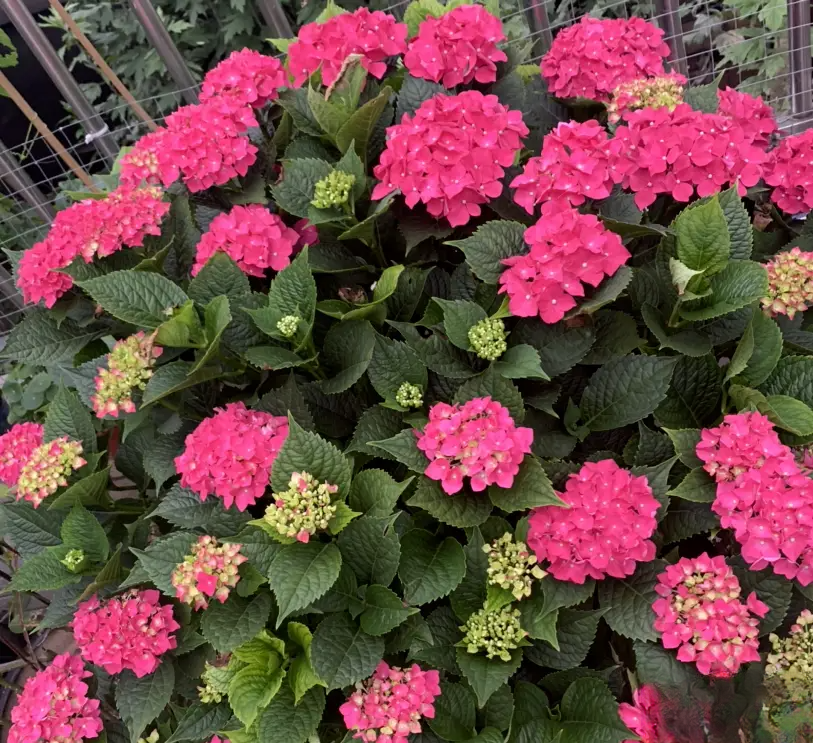
Spring is the peak growing season for hydrangeas. Since the temperature is still relatively low, they need plenty of sunlight and watering should be controlled. Once the temperature rises to around 15 degrees Celsius, they will begin to sprout new buds, which will be the main drivers of flowering. However, now is the best time to induce blue blooms in hydrangeas. You can sprinkle a bluening agent into the potting soil once or twice a month. Gradually adjust the soil to be more acidic, and the hydrangeas will more easily produce sky-blue flowers.
Third, never prune gardenias.
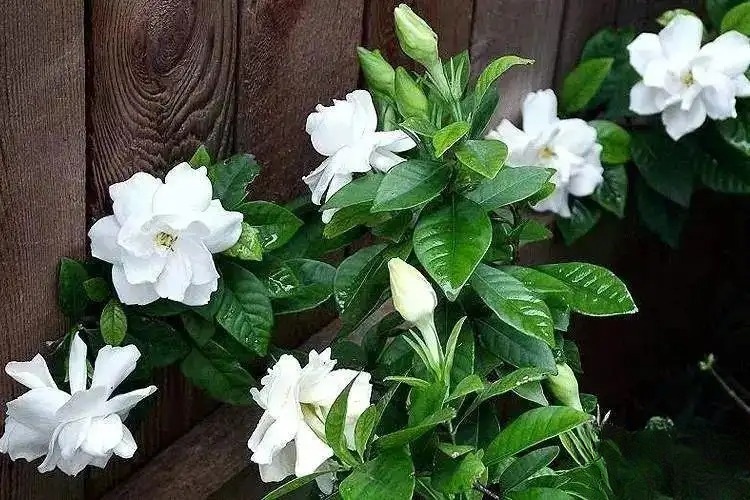
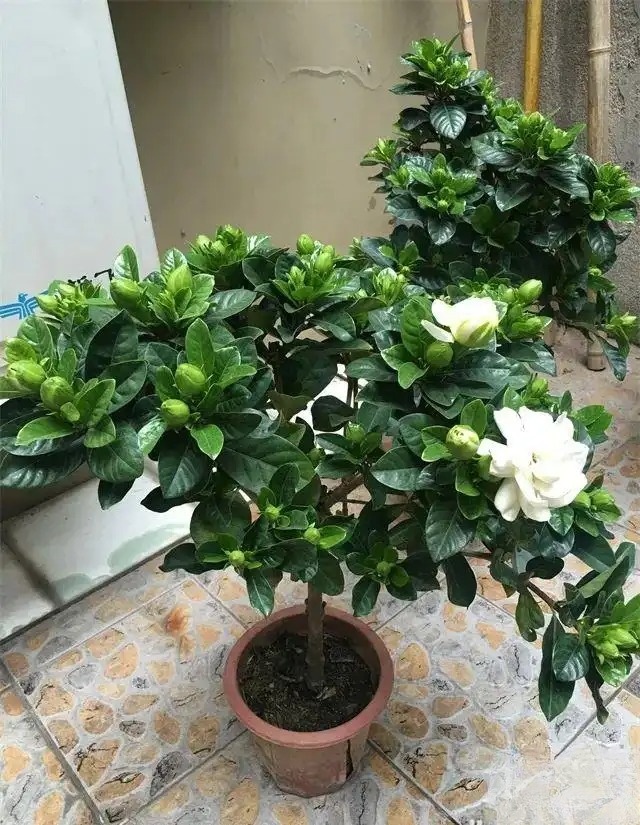
Gardenias bloom in spring, around May and June. At this time, the gardenia's branches are full of flower buds poised to bloom. Pruning gardenias when temperatures are low will remove these potential flower buds, preventing them from flowering for the rest of the year. Therefore, no matter how unruly a gardenia's shape may appear during winter, it should not be pruned. It should be exposed to plenty of sunlight. The best time to prune gardenias is after they bloom in May or June.
Fourth, do not prune peonies.
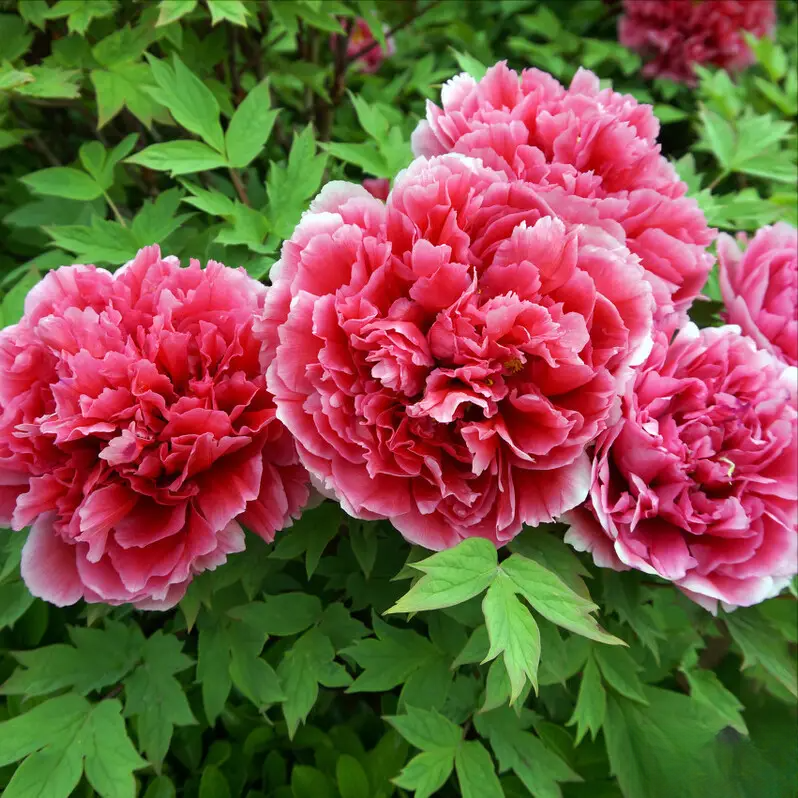
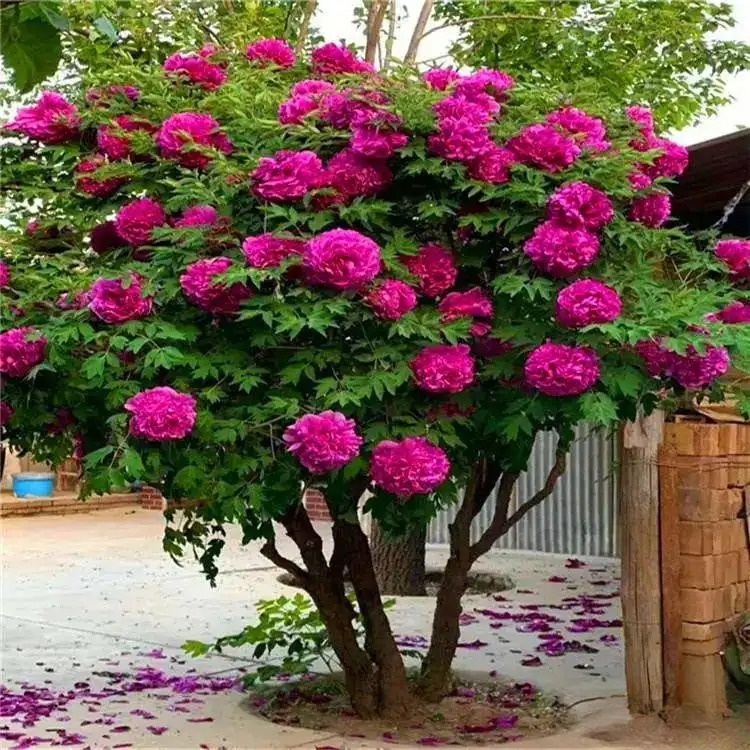
Peonies and herbaceous peonies enter a dormant state in winter, with withered branches and bare stems that are particularly inconspicuous. However, you should never prune peonies in spring, because the flower buds of peonies are all at the tips of the branches. If you prune them even slightly, the peonies will not have any flowering branches and will not bloom this year. Around March, the peony branches and buds will gradually turn green, the flower buds will begin to swell, and they will gradually bloom.
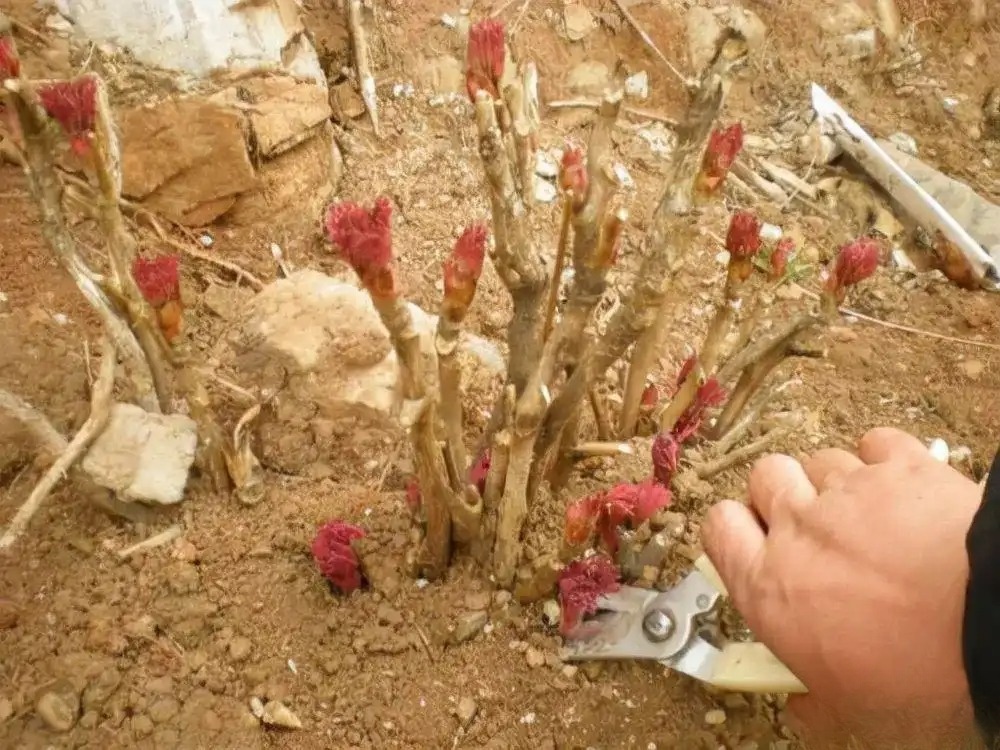
In spring, you can sprinkle some organic fertilizer, dry sheep manure, or slow-release fertilizer around the peony plant to supplement its nutrients. Peonies bloom more beautifully in spring, and the best time to prune is after they have finished blooming.
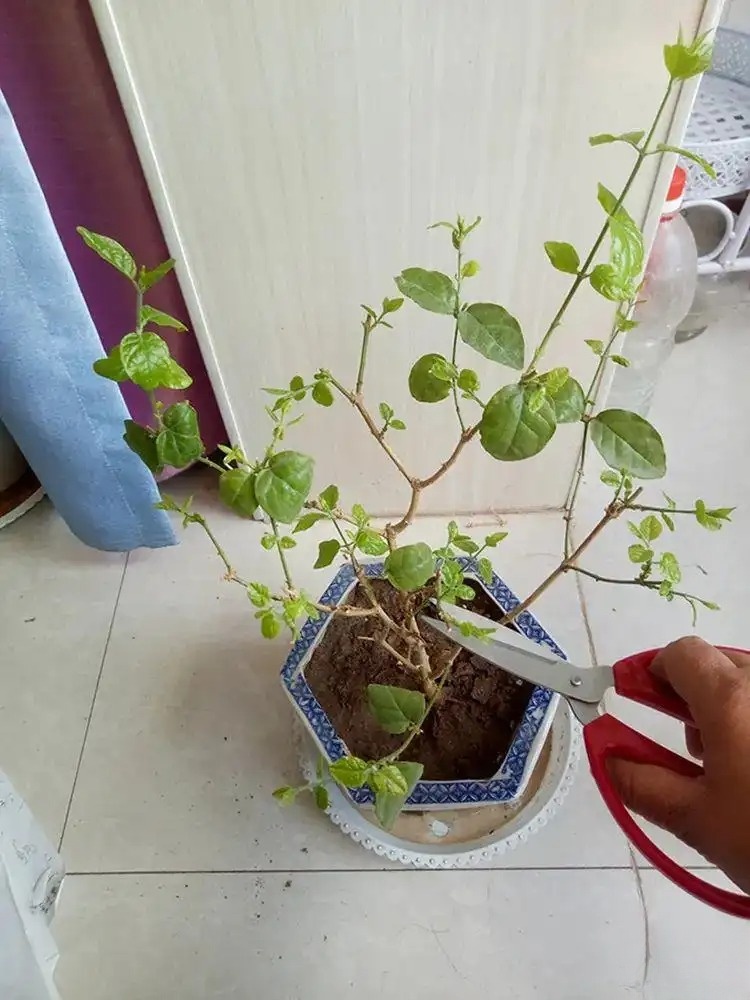
Fifth, jasmine flowers should not be pruned during the first month of the lunar calendar.
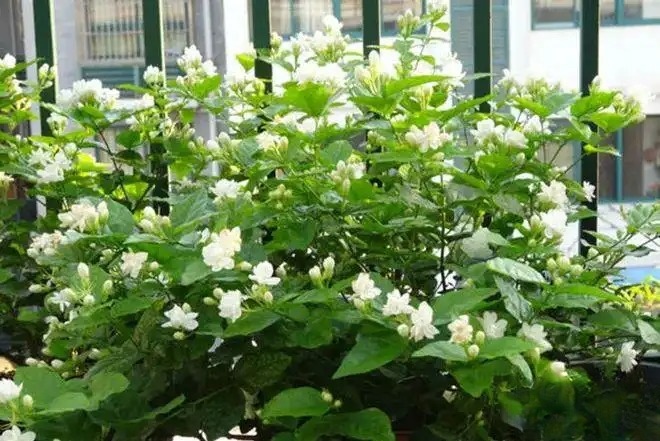
Jasmine plants go dormant in winter, and their growth is generally poor during this period. They may exhibit excessive vegetative growth or lose all their leaves. If the root system is healthy, leave it alone unless the branches become too long. In that case, prune back to three to five pairs of leaves, removing the rest. Avoid heavy pruning or a complete "shaving" pruning.
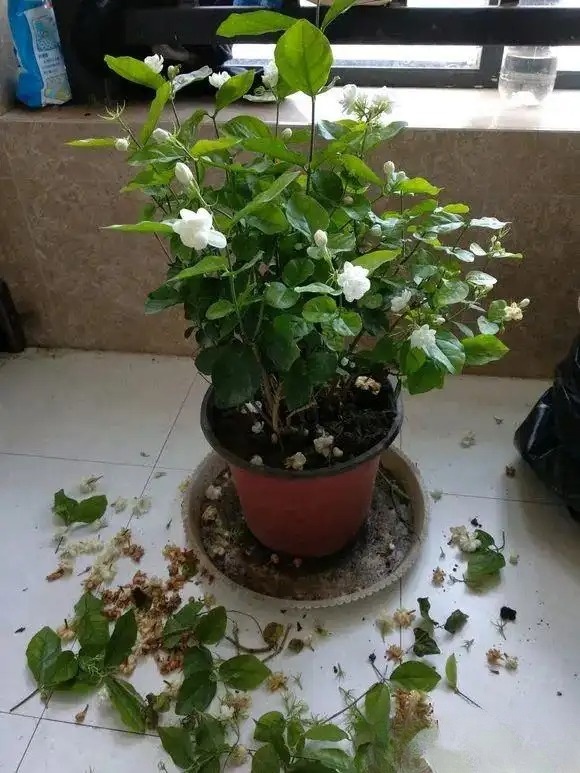
The best season to prune jasmine is when the temperature is around 15 degrees Celsius. Prune it around the time of Qingming Festival when the temperature is stable. If the temperature is too low, pruning the jasmine will damage its new buds due to the fluctuating temperatures. Only when the temperature is suitable can it continue to grow.
Sixth, do not over-prune amaryllis.
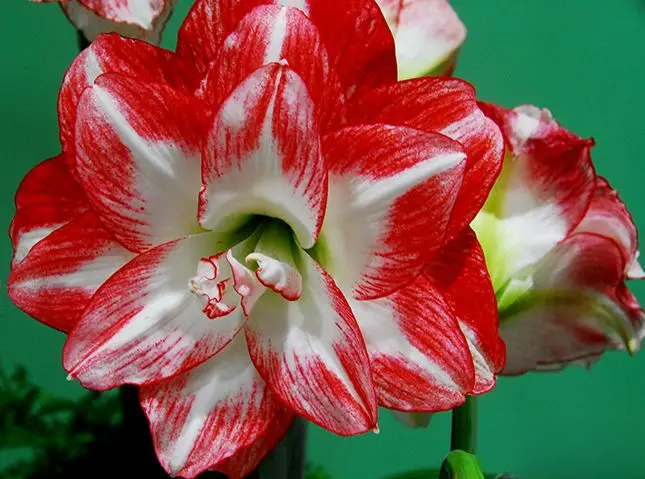
Amaryllis mostly blooms in winter and spring, and many people like to use it as a New Year's flower, hoping it will bloom around the time of the Lunar New Year. Amaryllis flowers are festive and auspicious, standing tall and elegant, enhancing the festive atmosphere. The flowering period of amaryllis is about one to two months. After flowering, do not prune it heavily.
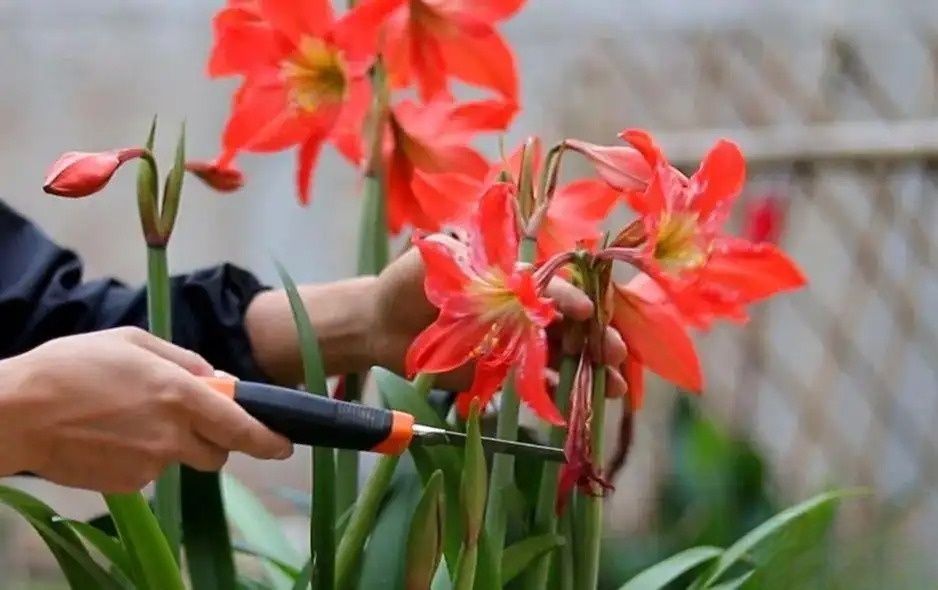
You can trim off the spent flowers appropriately. Cut off the spent flowers at the top, leaving only two or three centimeters of the flower stalk below. Let the stalk dry naturally, as it is thick and strong and contains a lot of nutrients. Let it flow back to the roots and the bulb naturally, which can help the plant grow. If you cut it off, you will waste its nutrients and cause the plant to waste its nutrients.