[Fitness] How to lose weight healthily? 1 exercise plan, 2 diet plans, see results in 3 months!
Which weight loss methods are considered healthy? This is a huge question, almost worthy of a thesis. However, one thing is certain: there is no standard answer. So, where do we begin? The answer is: we begin with "the right weight loss mindset."
What is the correct approach to weight loss?
Once we understand why our bodies gain weight, and then take targeted measures, we will definitely be able to lose weight scientifically and effectively.
Why does the body gain weight? Whether a person's body fat percentage increases or decreases ultimately depends on the balance of energy in the body (Complete Book of Fitness and Nutrition, Beijing Science and Technology Press, April 2018, 1st edition, page 141). In other words, we need to create and maintain a "calorie deficit," meaning ensuring that daily calorie intake is less than calorie expenditure.
How do you create a calorie deficit? On one hand, control your diet (reduce calorie intake); on the other hand, actively participate in physical exercise (increase calorie expenditure). This is the most basic and healthy weight loss strategy. Once you understand and master this, you won't be misled by all sorts of "weight loss tricks."
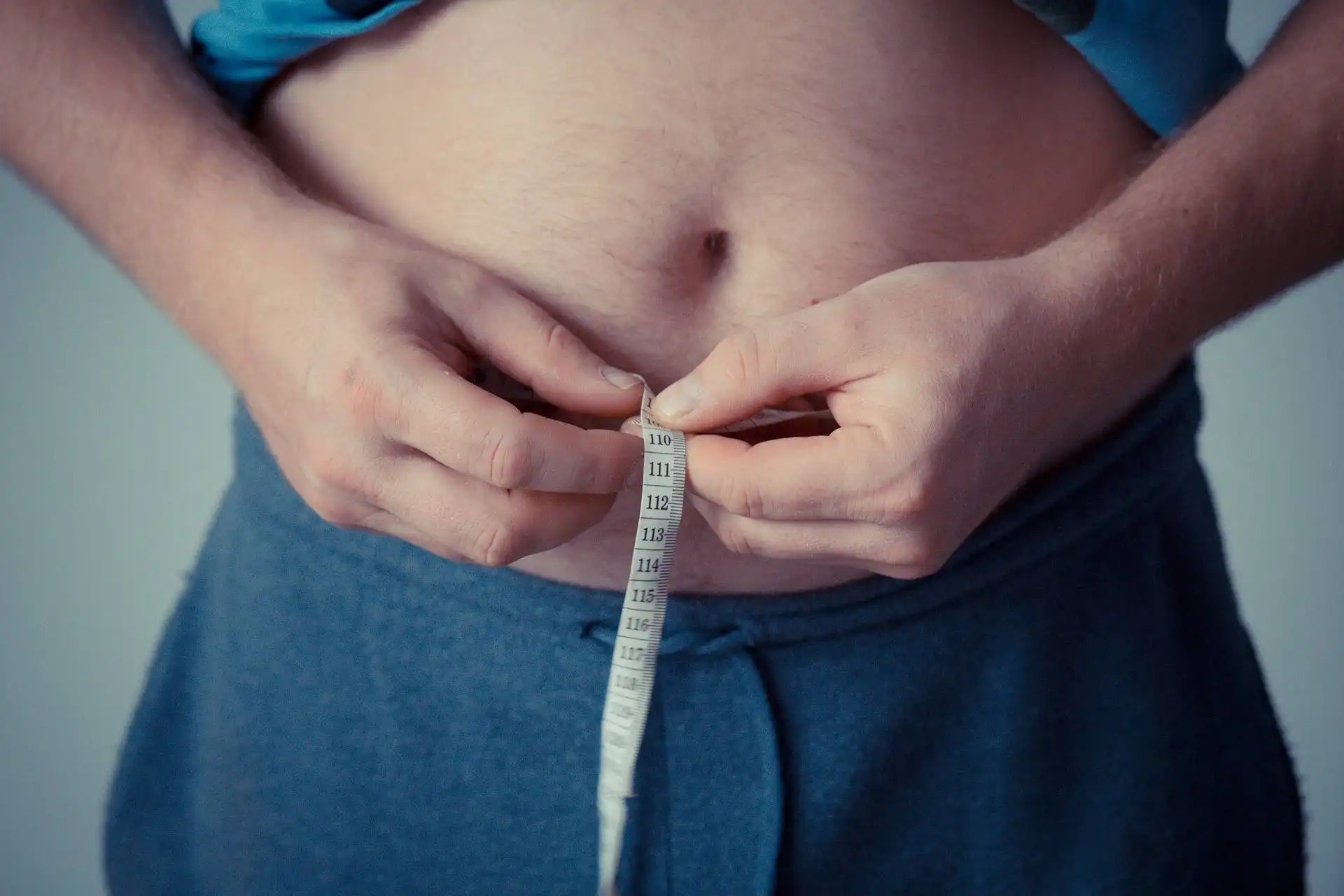
The next question is: what constitutes a "healthy weight loss method"?
The basic criteria for a "healthy" weight loss method are: it should aim to maintain or improve overall health while also ensuring good weight loss results. Therefore:
(1) Eating methods that involve starvation or eliminating certain foods or types of foods are not recommended because they disrupt nutritional balance and are detrimental to health (the impact on health may be small in the short term, but will have a negative impact in the long term).
(2) It enables dieters to achieve better weight loss results, such as a relatively ideal weight loss range and speed within a certain period of time (note that it is not necessarily the case that the more weight loss or the faster the speed, the better). At the same time, it has a small or no rebound.
Based on this, we can then discuss some specific approaches.
How to lose weight by "controlling your diet"?
There are many ways to lose weight through diet. When choosing a diet based on the premise of "health," we will focus on discussing the following two methods.
The first is the Mediterranean diet.
The so-called "Mediterranean diet" refers to the traditional dietary habits of people living in countries around the Mediterranean Sea. This diet does not provide a standard recipe that dieters can simply copy.
However, the most obvious characteristic of this diet is that it prioritizes minimally processed, naturally nutritious foods, and the more abundant the better. Therefore, vegetables, fruits, and healthy fats make up a large proportion of this diet.
Its richness is reflected in the wide variety of foods it includes, such as fruits, nuts, olive oil, fish, eggs, dairy products, whole grains, legumes, and vegetables. Therefore, two people following the same Mediterranean diet can use two completely different recipes.
The diversity of this food ensures that dieters have a balanced diet and sufficient intake of nutrients, which is very beneficial to their health and is a high-quality dietary approach.
Tip: 4 key characteristics of the Mediterranean diet
(1) Mainly olive oil; (2) Less red meat (such as pork) and more white meat (such as fish, shrimp and chicken); (3) Plenty of fresh vegetables and fruits; (4) Moderate amount of red wine.
Studies have shown that the Mediterranean diet can achieve significant weight loss and helps people maintain a stable weight at a relatively ideal level.

The second method is the carb cycling diet.
Simply put, it's done on a weekly basis (usually), with 5 to 6 high-carb days and 1 to 2 low-carb days. Note that the exact number of high-carb or low-carb days can be adjusted based on individual circumstances; there's no fixed rule. This cycle of low-carb, high-carb (and some people also include medium-carb days) diets aims to achieve weight loss.
How effective is it? In practice, if combined with exercise, this diet can promote fat loss, and the effect is noticeable. However, reducing body fat percentage to below 10% is very difficult. In fact, for men, once body fat percentage drops below 15%, especially below 12%, abdominal muscle definition becomes very clear.
Another benefit of this diet is that it not only helps with fat loss but also with muscle gain. However, each exerciser needs to adjust the method according to their own situation when implementing it.
Because this method doesn't exclude any type of food, it can still meet the need for a balanced diet. After several days of low-carb days, dieters can still have one or two days to eat plenty of carbohydrate-rich foods, which greatly alleviates their appetite and psychological needs. It won't make dieters feel pain or hunger; even if there is any "pain or hunger," it will be very mild and completely within acceptable limits.
People can certainly choose other dietary methods that can quickly achieve good weight loss results, but any method that eliminates a certain type of food or has an overly drastic impact on the body is not suitable for long-term implementation, such as the no-dinner diet. Furthermore, while strict low-carb diets may have very noticeable short-term weight loss effects, their long-term sustainability and safety remain highly controversial. From a dietary diversity perspective, they can cause nutritional imbalances, thus affecting health, and therefore should not be adhered to long-term.

How to lose weight through exercise?
It's safe to say that relying solely on diet control to lose weight without exercise will have limited health benefits and diminished weight loss effectiveness. However, combining exercise with dietary control will result in a synergistic and enhanced weight loss effect.
The General Administration of Sport of China clearly stated in its 2018 edition of the "National Fitness Guide" that "physical activities aimed at weight loss must be combined with dietary control to achieve the ideal weight loss effect." In other words, neither exercise nor diet can be neglected.
How should dieters exercise? There is no single answer. Here is a very simple reference plan for beginners to exercise for weight loss: exercise 4 to 5 times a week for 40 to 60 minutes each time within 3 months.
Yes, it's that simple. As long as you stick to it for 3 months, you'll definitely see significant weight loss results. However, there are a few things to keep in mind:
(1) This plan is mainly for beginners. If you are an experienced fitness enthusiast, you should increase the intensity and amount of exercise to exceed your current level and break your body's adaptation.
(2) Beginners should start with a level that suits them and gradually transition to this program to reduce or avoid the risk of overtraining. Because beginners may not be able to train 5 times a week for 40 to 60 minutes each time at the beginning.
(3) Adjustments are needed after 3 months. Because the body adapts, the weight loss effect will gradually decrease as exercise intensifies. In experience, it usually takes about two or three months to reach a weight loss plateau. Therefore, it is necessary to adjust the exercise plan to avoid getting stuck in the weight loss plateau for a long time.
If you can do the above, you will be following the basic exercise principles of starting from reality and proceeding step by step , which is a scientific and healthy way to exercise, and the weight loss effect will be quite good.
Based on the above discussion, the answer to "what constitutes healthy weight loss" is actually quite simple: In terms of diet, adopt a diverse and nutritionally balanced approach; in terms of exercise, follow the principle of starting with your actual needs and progressing gradually. Given time, health and a great figure will be within your reach!